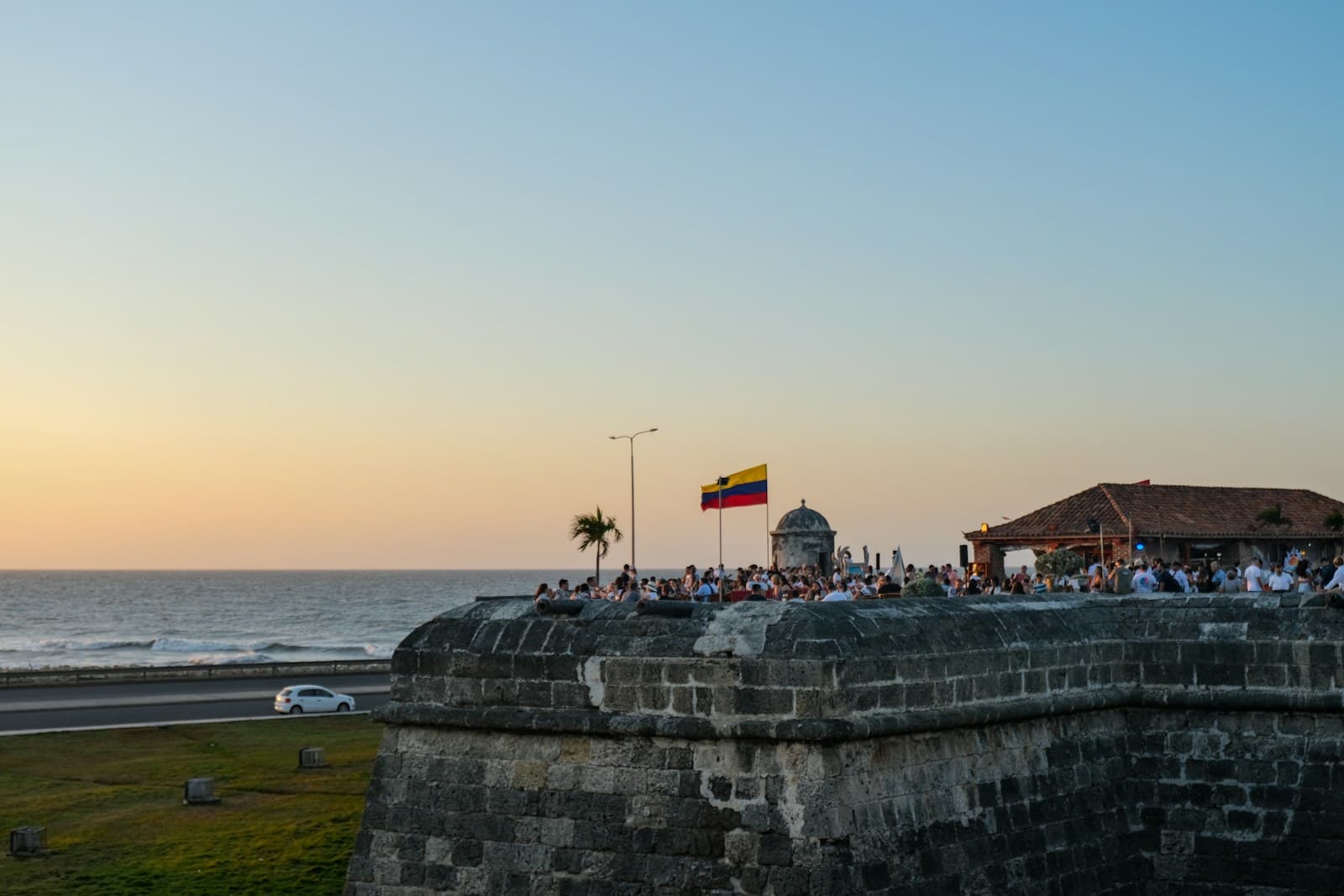
Stand on the Baluarte de Santo Domingo and look at the Caribbean. In March 1741 the horizon you are looking at filled with British sails. One hundred and eighty-six ships. Approximately twenty-seven thousand men. The largest amphibious force the world had assembled, larger than the Spanish Armada Philip the Second sent against England in 1588, larger than any single naval operation that would happen again until Allied troops crossed the English Channel on June 6, 1944. The British had come to take Cartagena.
The man who stopped them was Blas de Lezo y Olavarrieta, the Spanish admiral commanding the city. He was fifty-two. He had lost his left leg to a cannonball at age fifteen, the sight in his left eye at the siege of Toulon, and the use of his right arm at the siege of Barcelona. His enemies, including his own subordinates, called him Mediohombre, half-man. He had three thousand defenders. He had six warships. He had the walls of Cartagena. He held the city for sixty-seven days against a force that outnumbered him roughly nine to one on land and fifteen to one at sea. The British went home with eighteen thousand casualties, having already shipped victory medals to London. Then everyone forgot him.
This is the battle that decided whether the eighteenth-century Caribbean would be a British lake or a Spanish one. Standing on the Baluarte de Santo Domingo is standing on the wall that won it.
The war and what was at stake
The Battle of Cartagena de Indias was the largest engagement of the War of Jenkins' Ear, a colonial conflict between Britain and Spain that began in 1739 and later merged into the wider War of the Austrian Succession. The trigger was, at face value, absurd: a British merchant captain named Robert Jenkins claimed Spanish coast guards had cut off his ear in 1731 while inspecting his ship for smuggled goods. He produced the ear (or something he said was his ear, preserved) before a parliamentary committee. Whig politicians who wanted war with Spain over American trading rights used the incident as a casus belli.
The real reason for the war was that Britain wanted what Spain had. Spain controlled the Caribbean ports through which all of the silver from Peru, the gold from New Granada, and the agricultural wealth of the colonies flowed back to Europe. The Spanish convoy system, the Treasure Fleet that left annually from Havana to Cádiz, was the most valuable shipping in the world. Cartagena was the system's primary Atlantic node on the South American coast. Take Cartagena and the British would, in effect, take the door to South America.
Admiral Edward Vernon was given the largest expedition in British colonial history to do it. The fleet sailed from Jamaica in January 1741 and arrived off Cartagena in March. The force included six battalions of American colonial troops, one of which was commanded by Lawrence Washington of Virginia. Washington named his estate Mount Vernon after the admiral; his half-brother George inherited the property a generation later. The American naming is a small footnote of what the British thought this campaign was going to be: a foundational victory worth memorializing.
What Blas de Lezo had to work with
Hear a stop from this walk
Baluarte de Santo Domingo: Where the Wall Began
Cartagena's defenses were the product of two centuries of fortification, started by Bautista Antonelli in the 1590s and finished after the French sack of 1697. The walls of the old city formed a continuous defensive perimeter. The harbor entrance was guarded by two narrow channels: Bocagrande, which had been deliberately silted up, and Bocachica, where two forts (San Luis de Bocachica and San José) faced each other across roughly four hundred metres of water. East of the city, on a hill above the bay, stood Castillo San Felipe de Barajas, the largest Spanish fortress ever built in the Americas. The harbor approach was rigged with underwater chains and the threat of scuttled ships. Lezo had six warships of the line, several smaller vessels, and approximately three thousand defenders, including roughly six hundred Indigenous archers brought from the interior.
Lezo's superior in Cartagena was the Viceroy of New Granada, Sebastián de Eslava, with whom he was on bad terms personally and worse terms strategically. Eslava wanted the defense organized around political authority. Lezo wanted it organized around the geography. They argued through most of the campaign, sometimes through written notes carried between the city and the harbor forts. This personal friction would matter later, when Eslava's official report after the battle would minimize Lezo's role.
What Lezo brought to the situation was thirty years of Mediterranean siege experience. He had watched, in detail, how French and British fleets pressed Spanish coastal positions and where they made mistakes. He had a doctrine: concentrate force at the chokepoint, accept territorial loss elsewhere, let the climate kill the attacker's morale. Cartagena's geography fit the doctrine almost perfectly.
The sixty-seven days
The siege opened with Vernon attacking the Bocachica forts on March 13. The British had overwhelming firepower at sea and on land. After two weeks of bombardment, the Spanish forts at Bocachica fell. Lezo had expected this and conducted an organized withdrawal up the bay toward the city, leaving scuttled ships in the channel behind him to block the British pursuit. Vernon took most of April to clear the channel.
By mid-April the British fleet had penetrated the inner harbor. Vernon was so confident at this point that he sent dispatches back to London announcing victory. The dispatches arrived in May. Commemorative medals were struck. The medals showed Lezo kneeling in surrender before Vernon, with the inscription "The Pride of Spain humbled by Admiral Vernon." The medals were minted in significant quantity. They survive today in British museums as one of the most famous premature celebrations in military history.
The land assault on Castillo San Felipe de Barajas began on April 20. The British plan was to escalade the walls (climb them with ladders) at night. This is the moment the siege turned. The Spanish had lengthened the ladder run by digging a deep ditch in front of the wall, which the British had not adequately reconnoitered. The British ladders were too short. Soldiers reaching the top of the ladders found themselves still well below the parapet, exposed to musket fire from above. The assault collapsed within hours. The British lost approximately eight hundred men in a single night.
After that night the campaign was a slow defeat. The climate had been working on the British throughout. Yellow fever and dysentery were endemic to the Caribbean coast, and British troops who had spent the winter in Jamaica had no immunity. By early May the death rate from disease was approaching one hundred men a day. Vernon's army was disintegrating. On May 9 he ordered the withdrawal. The British re-embarked, sailed back to Jamaica, and reported the loss of approximately eighteen thousand of the original twenty-seven thousand troops.
The reaction in London was political. King George the Second reportedly banned discussion of the defeat at court. The medals were collected and destroyed where possible. The Royal Navy investigated Vernon, though no court martial was held. The colonial American troops who survived returned to find that the campaign they had been told would make their fortunes had cost them disproportionately. Mount Vernon would survive as a name. Almost everything else about the expedition was buried.
What happened to Lezo
Blas de Lezo did not live to be celebrated by Spain. He had taken wounds and contracted illness during the siege, including, by some contemporary accounts, exposure to the same yellow fever that was killing the British. He died on September 7, 1741, four months after Vernon's withdrawal. He was buried in a location that was lost; his exact grave site remains unknown today.
Viceroy Eslava's official report to Madrid downplayed Lezo's role. The political letters that flowed back to Spain credited Eslava with the defense. Lezo died effectively in disgrace, his family in financial difficulty. The Spanish Crown did not honor him at the time of his death and would not formally restore his reputation for nearly three centuries. A statue of Lezo was finally erected in Cartagena in 2009. A second one was put up in Madrid in 2014, the result of a public crowdfunding campaign that the official Spanish military establishment had resisted for years.
The Battle of Cartagena de Indias was not just a Spanish tactical victory. It was strategically decisive. After 1741, Britain did not seriously attempt to take any major Spanish South American port again. The geopolitical line that put South America under Spanish (and later, after independence, Spanish-speaking) cultural orientation was held at Cartagena's walls in the spring of 1741. The line never moved back. Lezo's defensive doctrine, treat the geography as a weapon, accept retreat, let the climate finish the work, is studied in Spanish military academies. Outside the Spanish-speaking world the battle is almost completely unknown.
Why this baluarte
The Baluarte de Santo Domingo is one of twenty-six bastions in the eleven-kilometre wall system. It is not the most strategically critical position (that would be Castillo San Felipe de Barajas, on the hill east of the city). It is the one a visitor can stand on, look at the Caribbean, and read the siege in a single sweep. The harbor mouth is over there. The British fleet came from that direction. The walls below your feet, all the way around the old city, are what Vernon had to penetrate. The hill with the Castillo is visible inland. The eighteen thousand British casualties happened across that geography, in those weeks of 1741, against the defensive system you are standing on.
The half-man, in the end, proved more than whole. Half a leg, half an eye, half an arm. He kept the door to South America Spanish. The wall under your feet is the door.
Colombia eSIM· 10% off with ROAMER10
Ready to experience it?
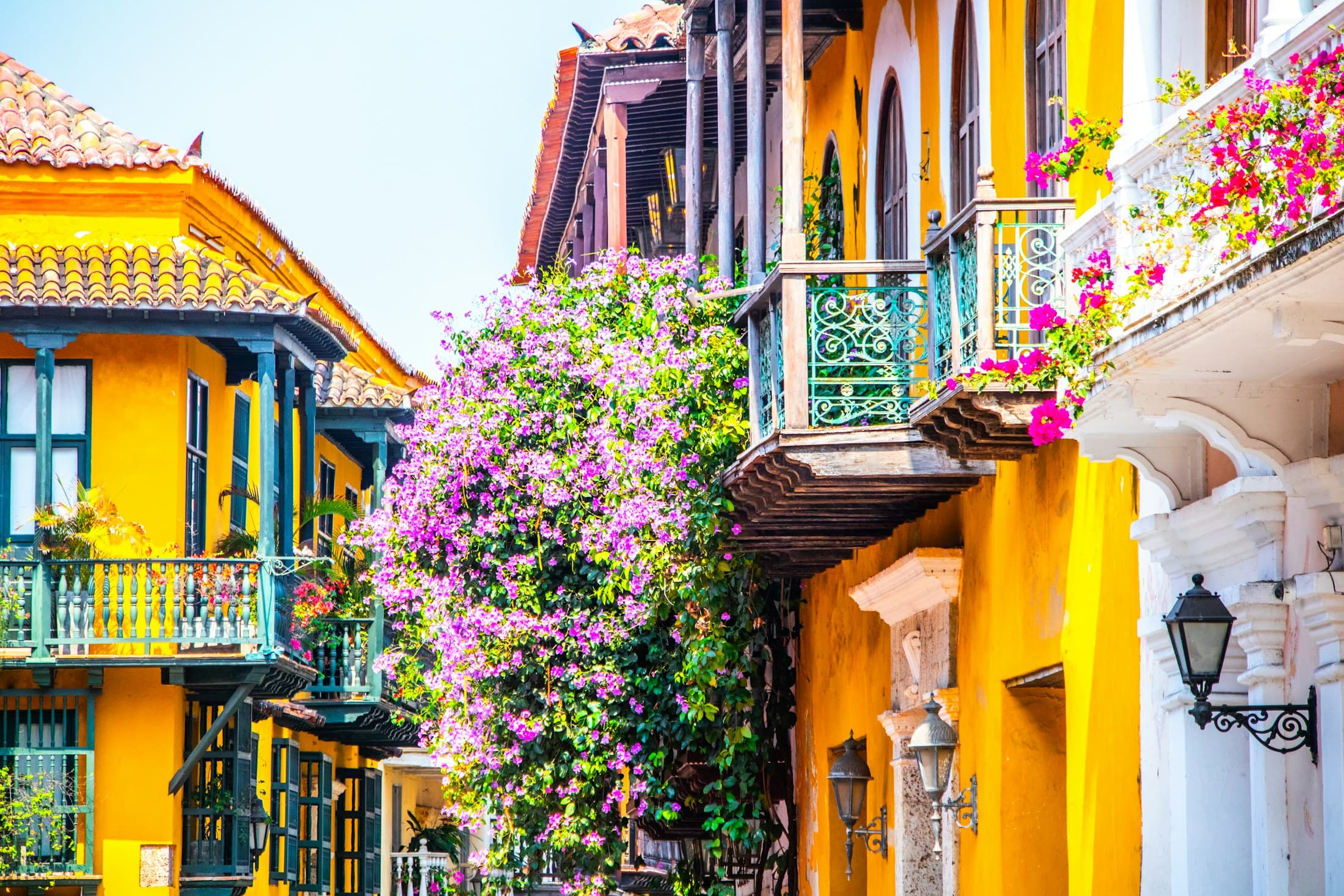
Walled City: The People Who Built It Lived Outside
90 min · 2.1 km · easy
More from Cartagena
Explore more at your own pace.
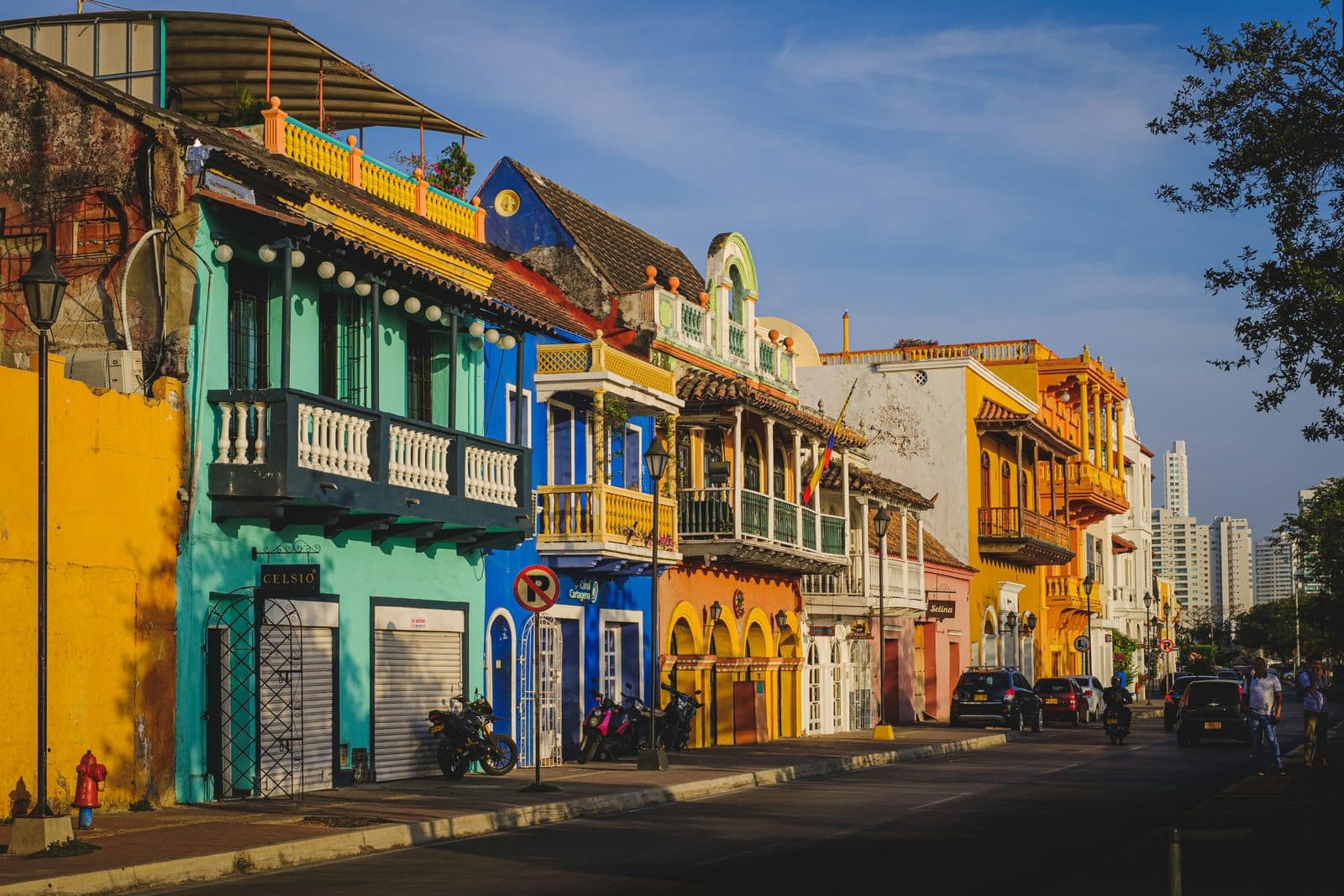
Cartagena Travel Guide: How Many Days, Getting Around, When to Go, Is It Safe (2026)
One Day in Cartagena: A Walkable Old City Itinerary (2026)
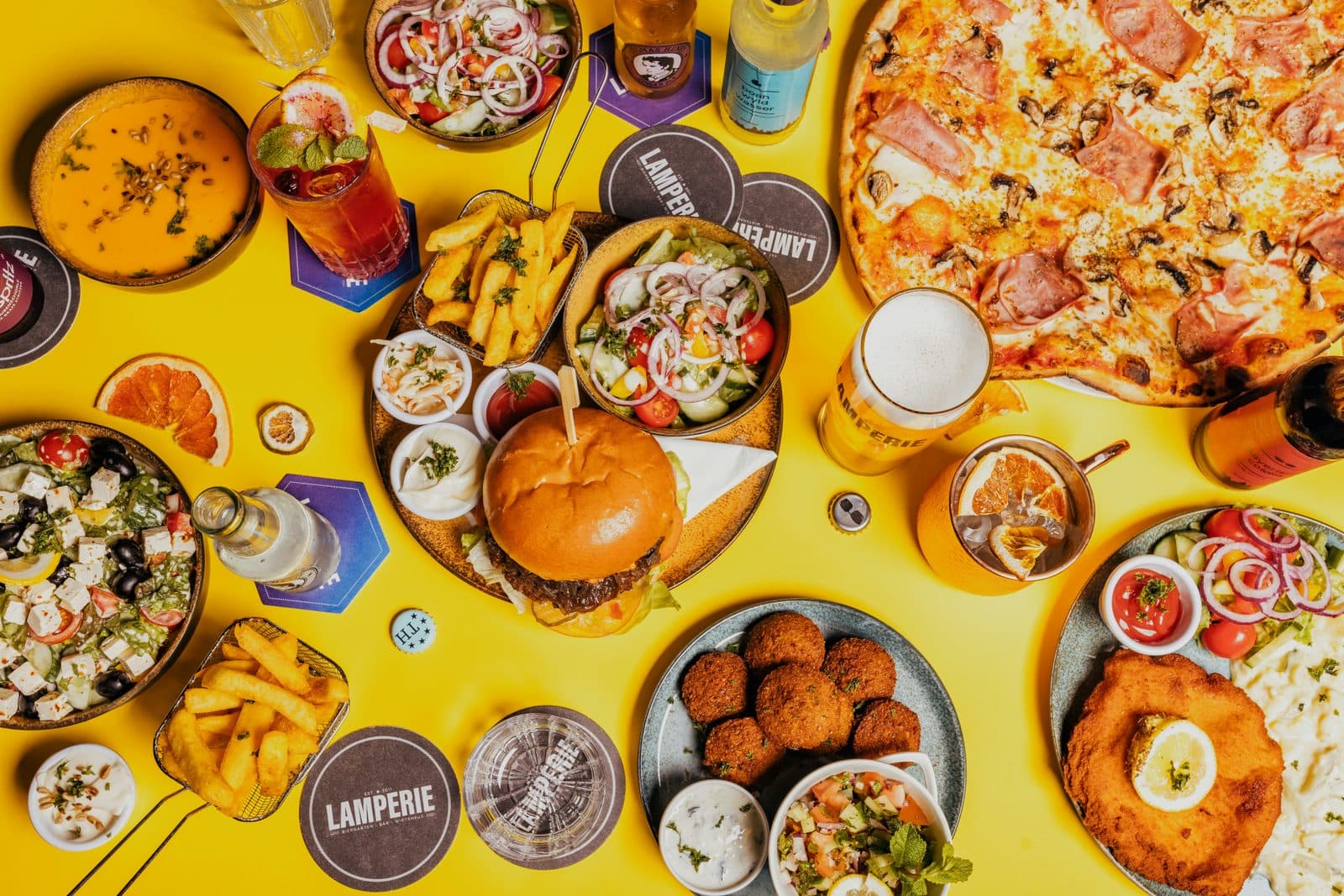
What to Eat in Cartagena: A Caribbean-Colombian Food Guide (2026)
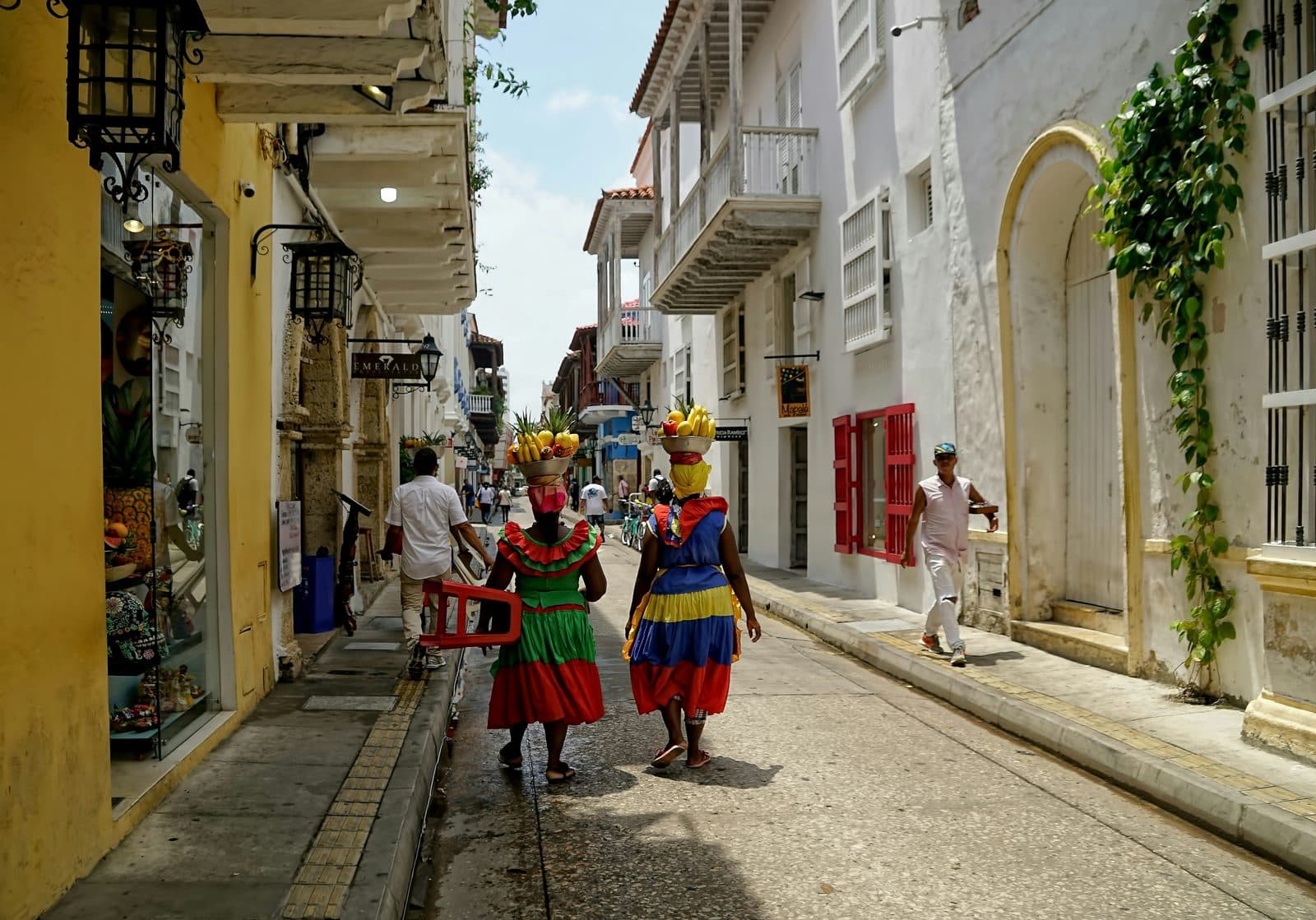
The Other City Across One Street: Getsemaní and the Soul of Cartagena
Walls Built From Failure: How Cartagena Got Fortified