Cartagena is easier to plan than a lot of travelers fear. Its famous sights cluster in one compact, walkable Old City, its tourist zones are broadly as safe as other major Caribbean destinations when you use normal city sense, and the main variable to plan around is not danger but weather, the dry season and the daily heat. This guide answers the practical questions travelers actually search, answer first, then the detail.
How many days do you need in Cartagena?
Short answer: two to three days for most people.
- 1 day is enough for the walled core if you are on a cruise stop or a tight layover. Follow our focused one day in Cartagena route through the Old City, Castillo San Felipe, and Getsemaní.
- 2 days covers the essentials without rushing: the Old City lanes and plazas, the fort, Getsemaní street art, and sunset on the walls.
- 3 days adds a boat trip to the Rosario Islands or a beach day, plus time to slow down and eat well.
Because the Old City is so compact, you get more done per day here than in a sprawling city. The one thing that stretches your time is not distance but the heat, which pushes serious walking into the cooler ends of the day.
Getting around Cartagena
Hear a stop from this walk
Baluarte de Santo Domingo: Where the Wall Began
The walled Old City is a joy on foot. Most sights are within a fifteen-minute walk, and the whole quarter takes about twenty minutes to cross, which is exactly how our self-guided Cartagena tours are built. Neighbouring Getsemaní is just as walkable, a short stroll from the walls. For everything else, use a taxi:
- Taxis. Cartagena taxis do not use meters. Agree the fare before you get in. Rides within and just outside the Old City are short and cheap; night fares run a little higher.
- Ride apps. Uber and Cabify both operate and set the price up front, which removes the haggling and is worth it if you would rather not negotiate.
- From the airport. Rafael Núñez airport is only about 6 km from the Old City, roughly a twenty-minute ride. Use the official yellow taxi booth outside baggage claim: it prints a fixed-price ticket so there is no bargaining and no overcharging.
- Bocagrande and beaches. The modern hotel strip and the nearer beaches are a short taxi from the Old City, not a walk.
Best time to visit Cartagena
Cartagena has two seasons, and the trade-off is weather versus price and crowds:
- Dry season (December to April). The best weather: clear skies, more sea breeze, and little rain, with January and February the driest. It is also the busiest and most expensive stretch, peaking around the Christmas and New Year holidays.
- Rainy season (May to November). Higher humidity and short, sharp afternoon showers rather than all-day rain, with October the wettest. It is not a washout, and flights and hotels are noticeably cheaper.
For a balance of decent weather, lower prices, and thinner crowds, aim for the shoulder edges: April, May, or November. Whenever you come, it stays hot.
Is Cartagena safe?
Cartagena is generally safe for tourists in its established tourist areas, and it is a major, heavily visited destination with dedicated tourist police patrolling the Old City. The walled Old City and the main streets of Getsemaní are well-lit and busy well into the night, and rank among the safer tourist zones in the region.
The realistic risks are petty rather than violent:
- Pickpocketing in crowded plazas and markets. Keep phones and wallets discreet.
- Aggressive street vendors in the tourist core. A firm "no, gracias" and moving on is enough.
- Taxi overcharging. Agree the fare first, or use an app.
- Drink spiking is rare but real. Never accept drinks, cigarettes, or "gifts" from strangers, and watch your drink.
Practical habits: use ATMs inside banks or malls, avoid flashing valuables, stick to well-populated, well-lit streets late at night, and be a little more cautious in areas outside the main tourist zones. Colombians put it as no dar papaya, do not give an easy opening. Follow that plus normal city sense and most visits are entirely trouble-free.
Handling the heat
The heat is the thing to plan around, more than anything else. Cartagena is hot and humid year-round: highs around 31 to 32°C (88 to 92°F), nights rarely below 25°C (77°F), and high humidity most of the year. Build your day around it:
- Walk in the morning and evening. Rest, eat, or duck into a museum through the midday sun.
- Dress for it. Light, breathable clothing, a hat, and sunscreen.
- Hydrate constantly. Water, and the local limonada de coco when you need a break.
Our audio tours are built for this rhythm: you set the pace, pause any time, and can walk a route in two cool halves rather than one hot push.
Cartagena on a budget
Cartagena rewards a tight budget more than its glamorous reputation suggests. Much of the best of it is free:
- Free to walk: the Old City lanes and plazas, the sunset walk along the ramparts, and the street art of Getsemaní.
- Eat cheap and well: street carts and neighbourhood spots over tourist-plaza restaurants. See what to eat in Cartagena for what to order.
- Stay in Getsemaní: better value than the Old City boutique hotels.
- Come in the rainy season: lower flight and room prices.
- Skip the guide fee: Roamer self-guided audio tours are free to start, so you get expert narration without booking a guide, a start time, or a tip.
Start planning your walk
Ready to route your days? Read our one day in Cartagena itinerary, browse the best self-guided walking tours in Cartagena, or see all Cartagena tours. Every tour is free to start: the introduction and first stop play in full, and every later stop plays a short preview before an optional purchase. Tours can also be downloaded in advance for offline listening.
Frequently asked questions
- How many days do you need in Cartagena?
- Two to three days is the sweet spot for most travelers. Two days covers the essentials: the walled Old City, Castillo San Felipe, and Getsemaní, plus a sunset on the walls. A third day adds a boat trip to the Rosario Islands or a beach day, and time to slow down. One day is enough to see the walled core if you are on a tight cruise stop or a short layover, but you will miss the islands. Because the Old City is so compact, you get more per day here than in most cities.
- Is Cartagena walkable, and how do you get around?
- The walled Old City is extremely walkable: most sights are within a fifteen-minute stroll and you can cross the whole quarter on foot in about twenty minutes. Neighbouring Getsemaní is just as walkable, though the two connect by a short walk rather than being one continuous zone. For anything further, such as Castillo San Felipe, Bocagrande, or the airport, take a taxi. Cartagena taxis do not use meters, so agree the fare before you get in. Apps like Uber and Cabify also operate and remove the haggling. The airport is only about 6 km from the Old City, roughly twenty minutes, and its official taxi booth issues a fixed-price ticket.
- What is the best time of year to visit Cartagena?
- The dry season, December to April, is the best weather window: clear skies, more breeze, and little rain, with January and February the driest. It is also the busiest and priciest stretch, especially around the holidays. The rainy season, May to November, brings higher humidity and short, sharp afternoon showers rather than all-day rain, with October the wettest month. The rainy season is not a washout and it is much cheaper, so shoulder months like April, May, and November can be a good balance of decent weather, lower prices, and thinner crowds.
- Is Cartagena safe for tourists?
- Cartagena is generally safe for tourists in its established tourist areas, and it is a major, well-visited destination with dedicated tourist police in the Old City. The walled Old City and the main streets of Getsemaní are well-lit, busy into the night, and among the safer tourist zones in the region. The real issues are petty, not violent: pickpocketing in crowds, aggressive street vendors, and taxi overcharging. Agree taxi fares in advance, keep valuables discreet, use ATMs inside banks or malls, never accept drinks or offers from strangers, and stick to well-populated streets late at night. Colombians have a saying, no dar papaya, do not give an easy opening. Follow that and normal city sense and most visits are trouble-free.
- How can you see Cartagena on a budget?
- Cartagena can be done affordably. Much of what makes it special is free: walking the Old City lanes and plazas, the sunset walk along the ramparts, and wandering the street art of Getsemaní all cost nothing. Eat from street carts and neighbourhood spots, arepa de huevo, fresh fruit from the palenqueras, ceviche, rather than the tourist-plaza restaurants. Stay in Getsemaní for better value than the Old City hotels. Visit in the rainy season for lower flight and room prices. And self-guided audio tours are free to start on Roamer, so you get expert narration without hiring a guide.
- How hot is Cartagena, and how do I handle the heat?
- Cartagena is hot and humid year-round, a true Caribbean climate. Daytime highs sit around 31 to 32°C (88 to 92°F) and nights rarely drop below about 25°C (77°F), with high humidity most of the year. The heat is the main thing to plan around, not the danger. Sightsee in the cooler morning and evening, rest or eat a long lunch through the midday sun, wear light breathable clothing and a hat, use sunscreen, and drink water constantly. A limonada de coco helps too.
Colombia eSIM· 10% off with ROAMER10
Ready to experience it?
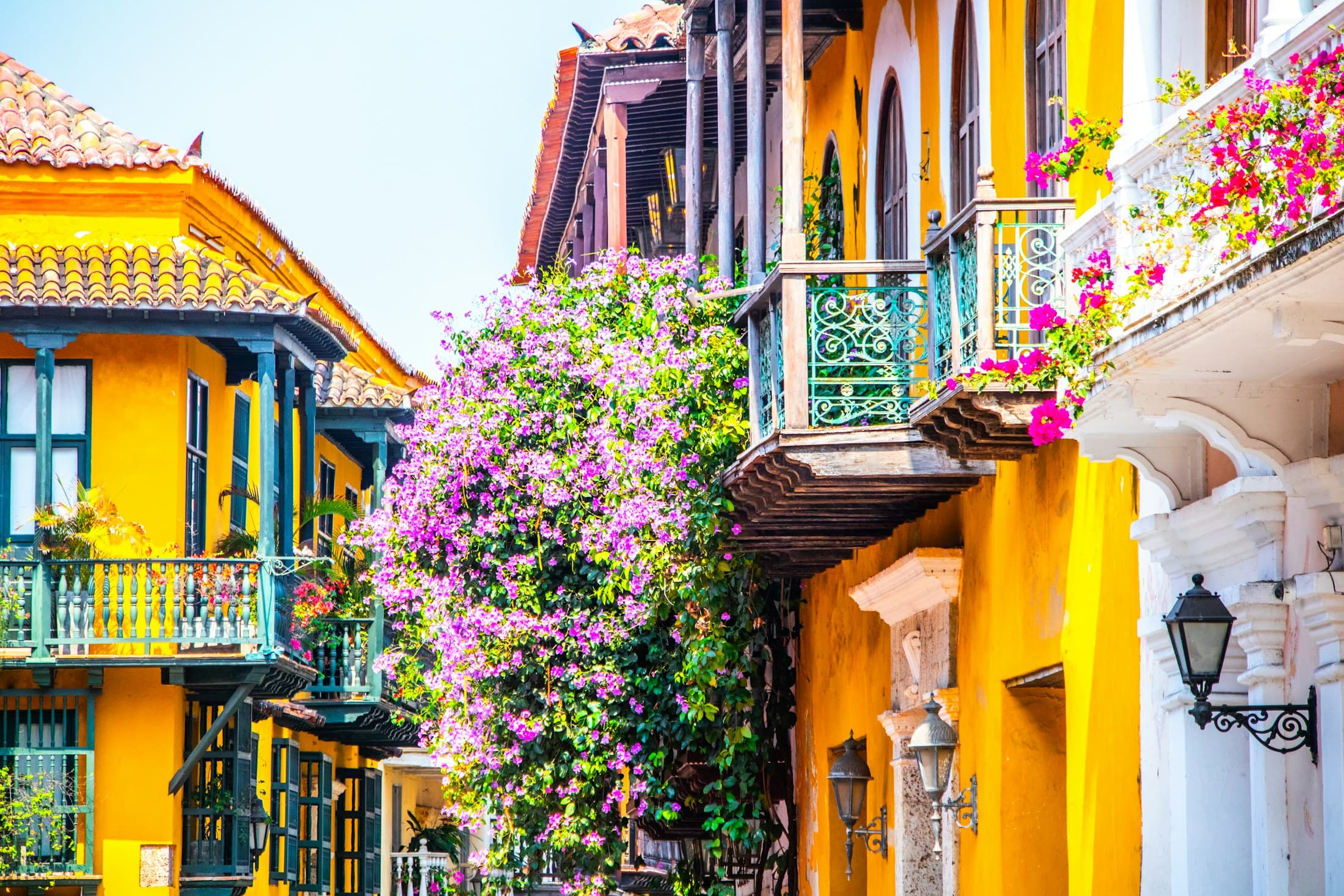
Walled City: The People Who Built It Lived Outside
90 min · 2.1 km · easy
More from Cartagena
Explore more at your own pace.
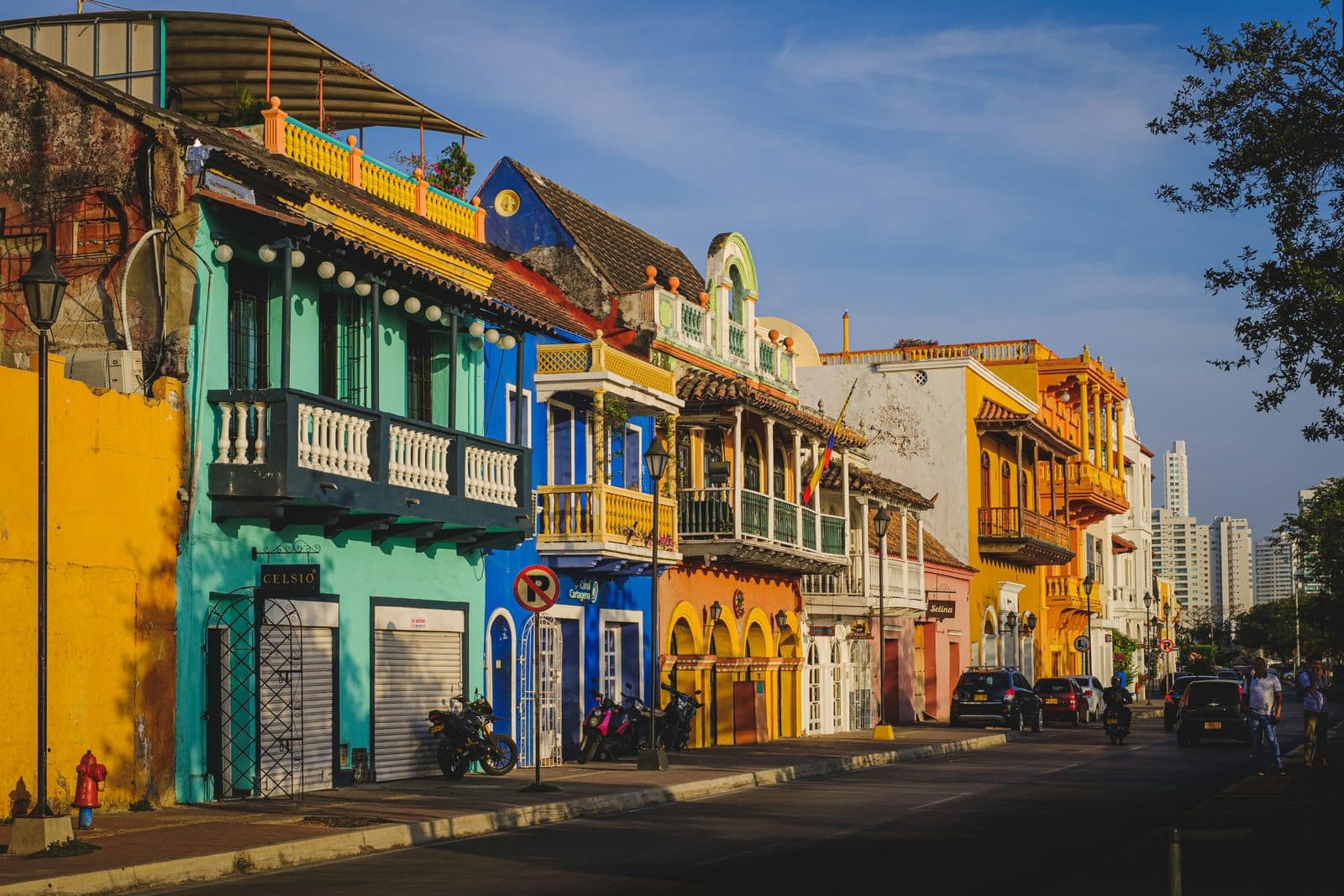
One Day in Cartagena: A Walkable Old City Itinerary (2026)

What to Eat in Cartagena: A Caribbean-Colombian Food Guide (2026)
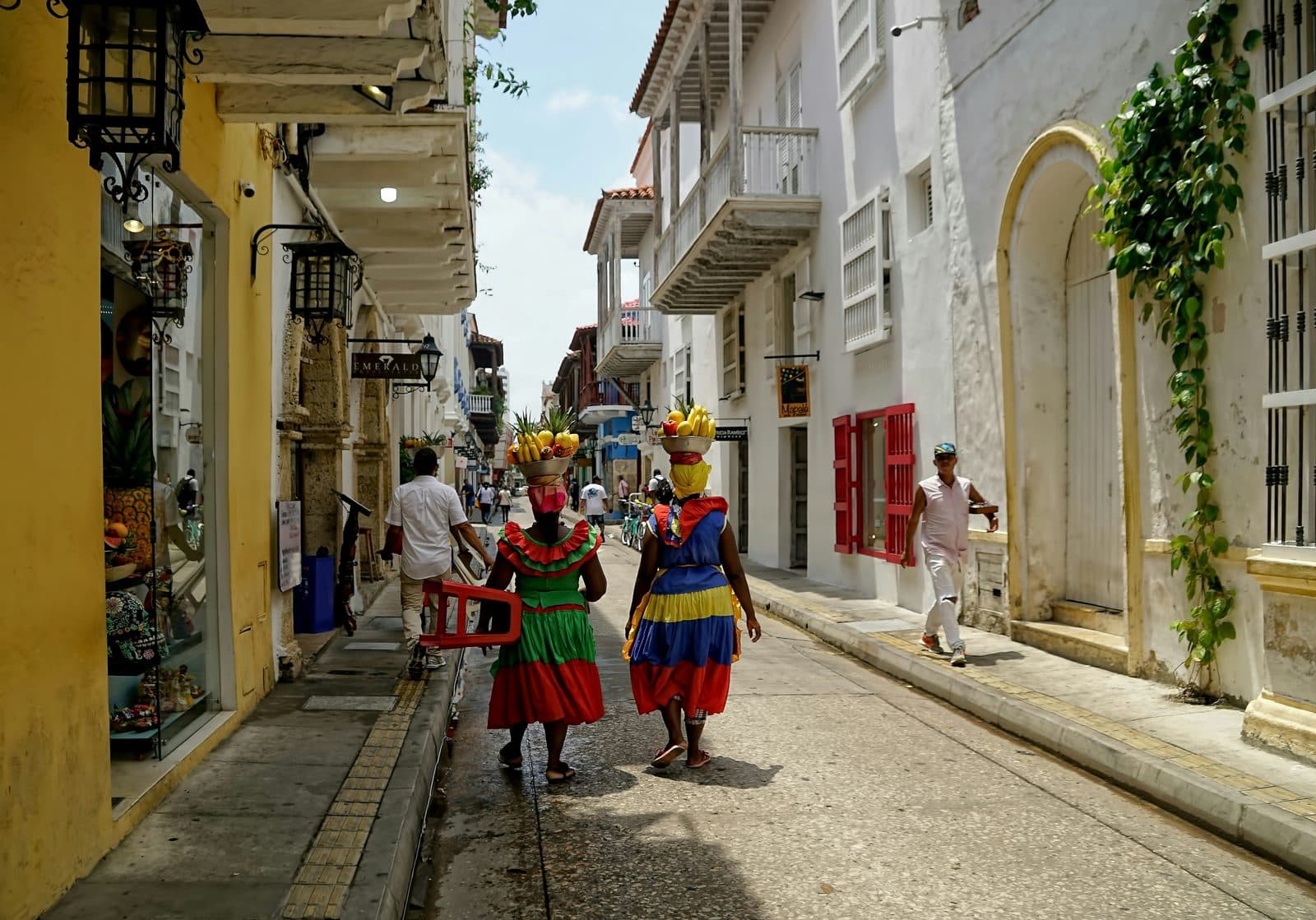
The Other City Across One Street: Getsemaní and the Soul of Cartagena

Walls Built From Failure: How Cartagena Got Fortified
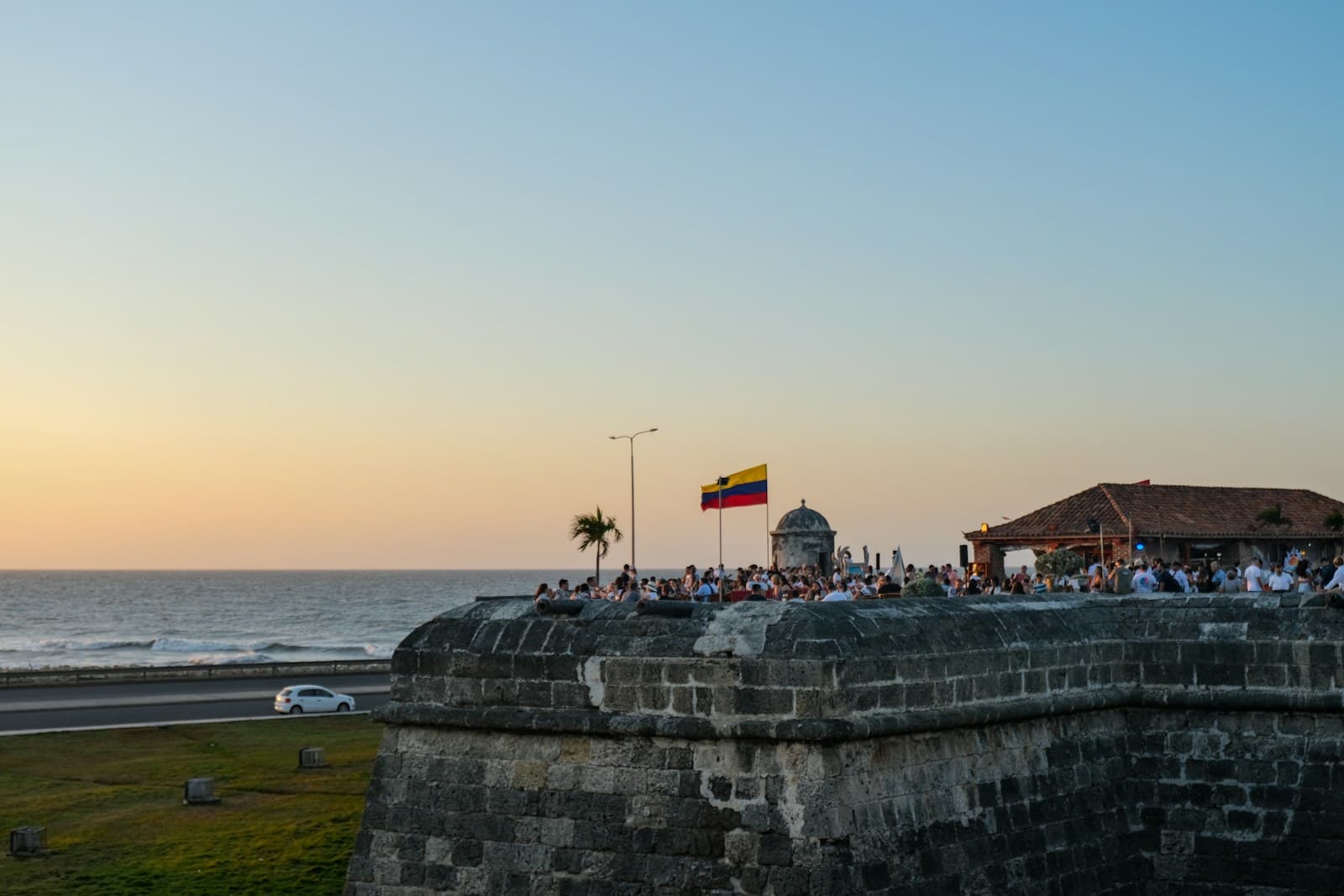
Blas de Lezo and the Siege of 1741: Cartagena's Most Important Battle