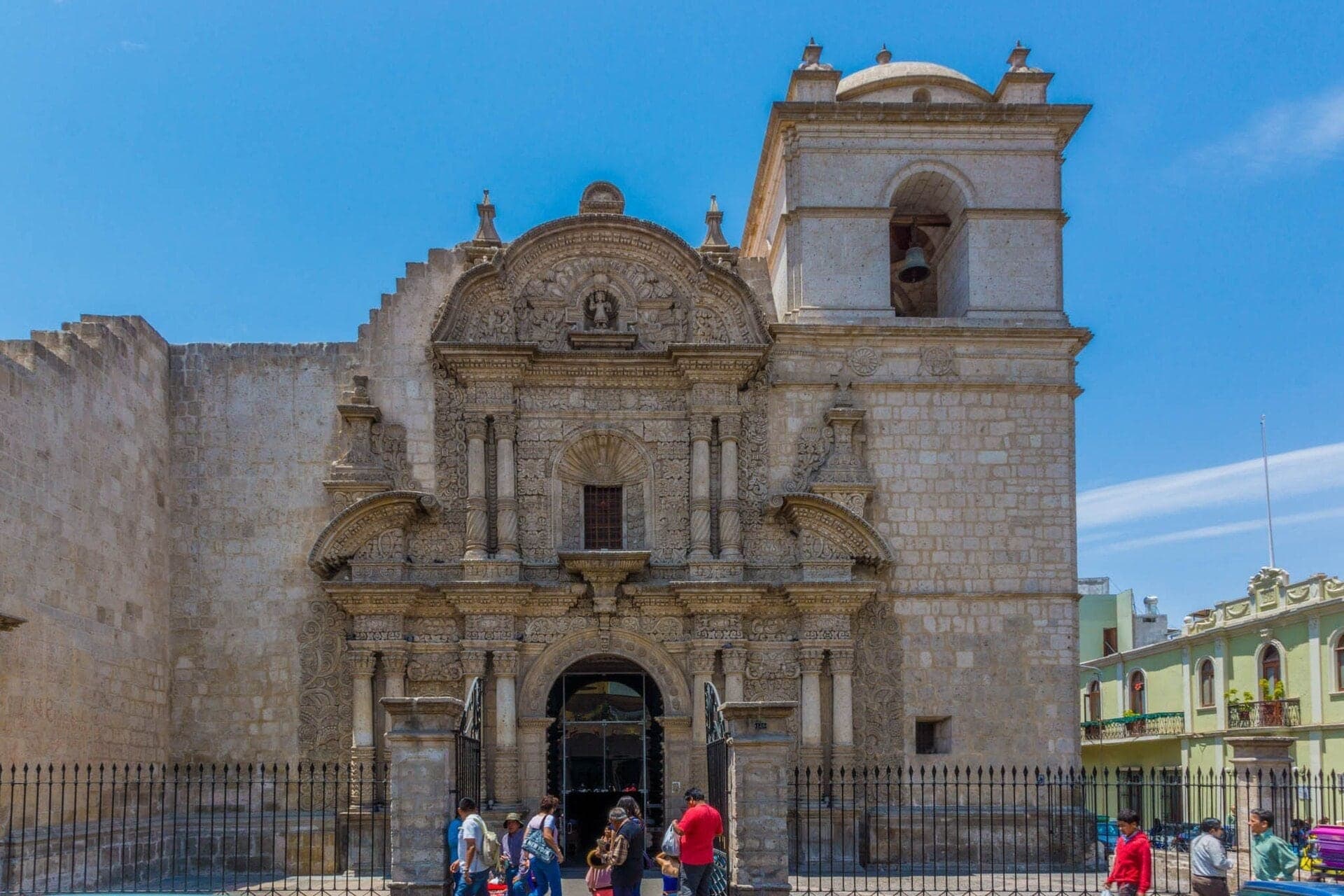
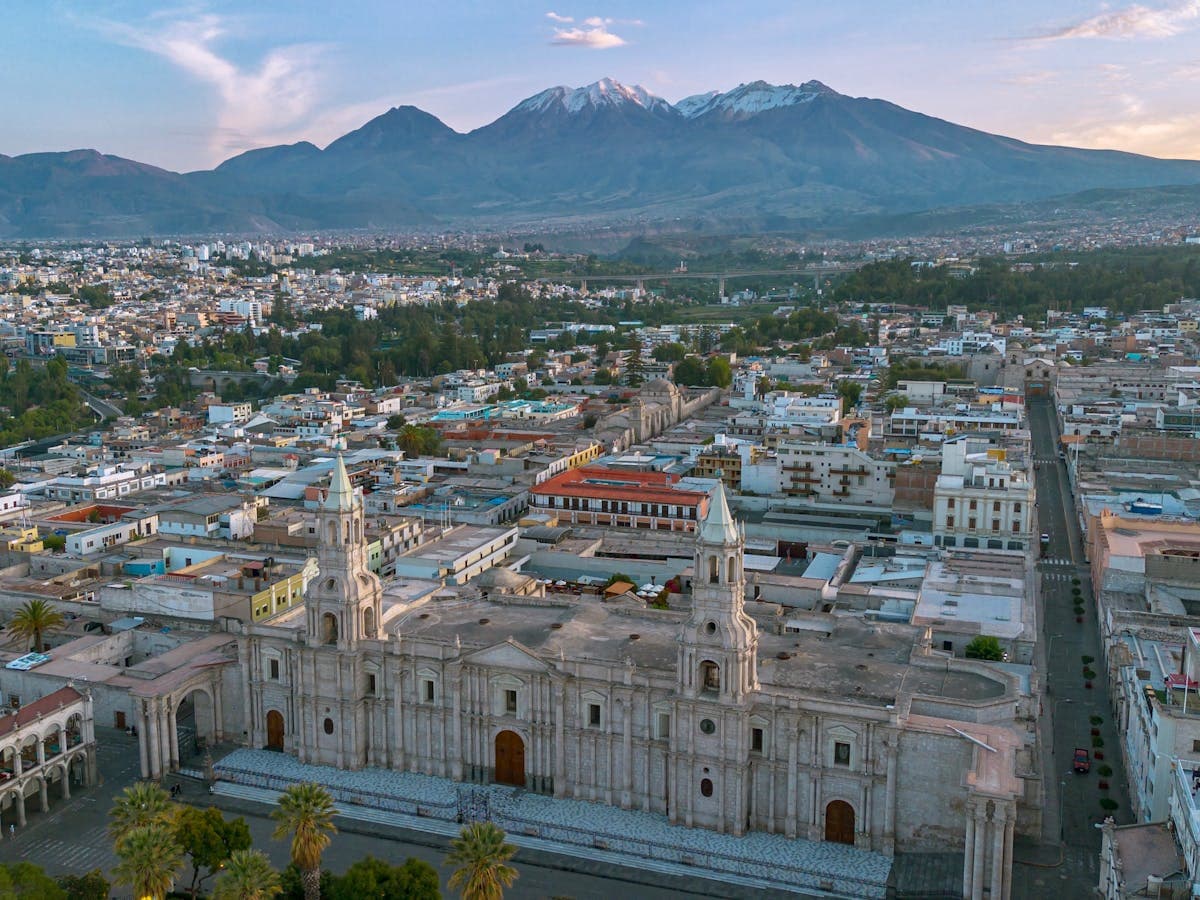
Historic Center: The White Stone and the Earthquakes
85 min · 1.9 km · easy
Arequipa is one of Peru great food capitals, and unlike some famous food cities its cooking has a clear home. That home is the picanteria, the traditional Arequipa spice house where big, spicy regional dishes are served at midday over a glass of chicha. Picanterias have been declared national cultural heritage in Peru, and they are a central reason UNESCO named Arequipa a Creative City of Gastronomy in 2019. Eat well here and you are really eating Arequipeno identity: hearty, chili-forward, proudly regional. This guide covers the dishes worth seeking out and where the food culture actually lives, and it pairs naturally with a slow walk on one of our Arequipa self-guided tours.
The dishes to seek out
Rocoto relleno. Arequipa signature plate: a rocoto, a plump red Andean chili that looks like a small bell pepper but carries real heat, stuffed with seasoned minced meat, egg, peanuts, and cheese, then baked. It is classically served with pastel de papa, a layered potato-and-cheese gratin that cools the fire. The chili is deseeded and blanched first, so the heat is warming rather than punishing.
Chupe de camarones. A rich, saffron-orange chowder of freshwater river shrimp, potatoes, milk, and egg, thickened and gently spiced. It is one of Arequipa proudest dishes and a benchmark for judging a good picanteria. Deeply comforting and unmistakably regional.
Adobo arequipeno. A dark, aromatic pork stew braised with chicha, garlic, and native chilies, traditionally eaten on weekend mornings as a restorative breakfast. If you are in town on a Sunday, seek it out early.
Queso helado. Despite the name, no cheese: queso helado is Arequipa classic frozen dessert, a churned custard of milk, coconut, cinnamon, and a touch of clove, served in scoops dusted with cinnamon. Its pale, curd-like look is what earned it the name. The perfect cool finish to a spicy picanteria lunch.
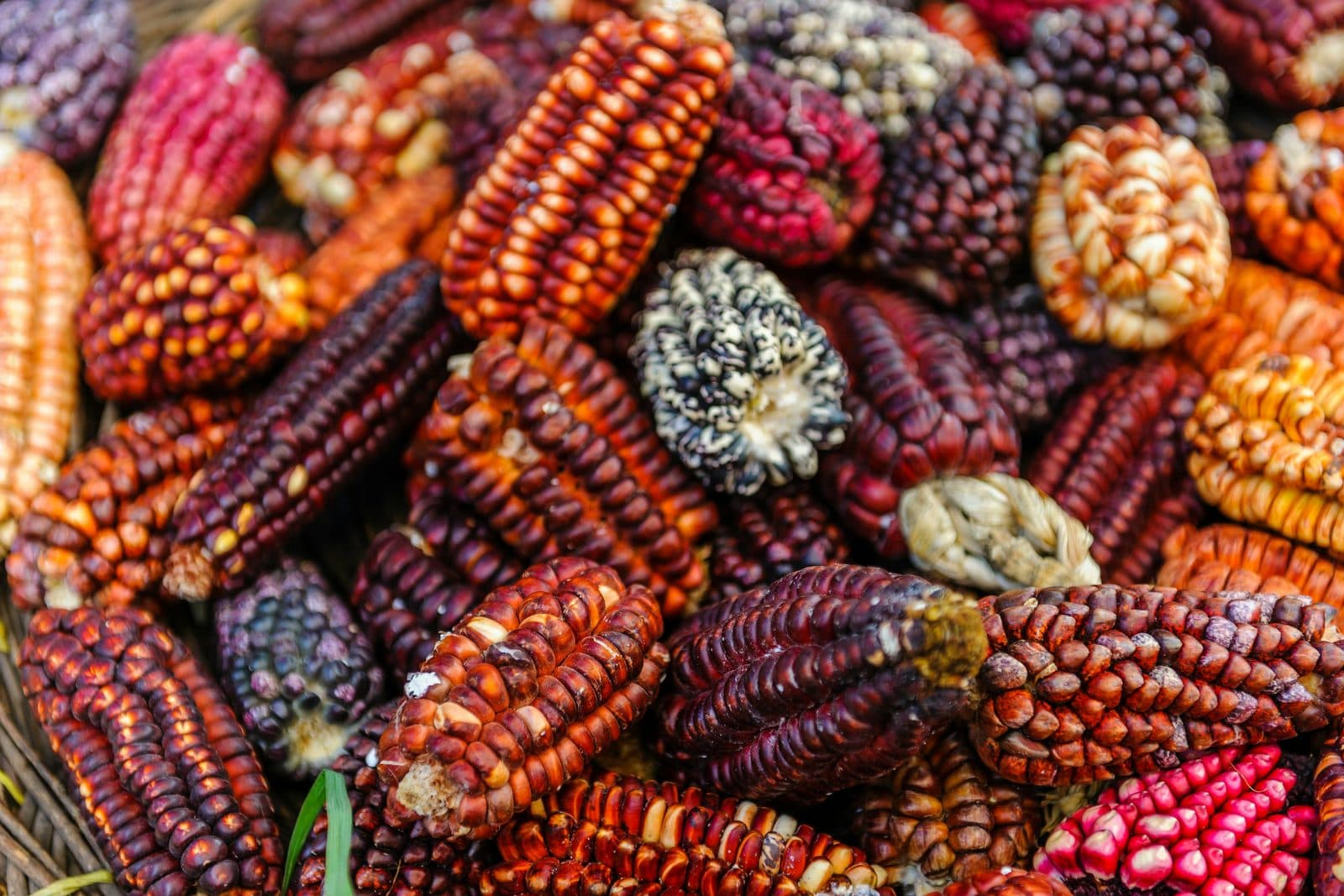
Chicha. The traditional drink of the picanteria. Arequipa version is chicha de guinapo, made from a native black corn that is germinated, dried, and ground before fermenting, which gives it a distinctive deep color. It is the drink these spice houses were originally built around, and it remains the classic pairing for a big midday meal.
Where the food culture lives
Hear a stop from this walk
San Agustín: The Front That Stood
The picanterias. This is the heart of it. The picanteria is Arequipa traditional midday restaurant, rustic, generous, and often family run by cooks known as picanteras who have kept the tradition alive for generations. The saying goes that you eat in a picanteria to feel Arequipeno. This is where rocoto relleno, chupe de camarones, and adobo are at their best, so build your day around a long lunch rather than a late dinner.
Around the Plaza de Armas and Santa Catalina. The blocks of the historic center hold everything from casual kitchens to refined restaurants reworking regional ingredients. Walk the Santa Catalina Monastery: A Bare Wall and the Town Inside tour round the convent's walls and it doubles as a scouting route for where to eat; inside the monastery, its café serves traditional desserts made by the nuns. The Historic Center: The White Stone and the Earthquakes tour reads the same sillar streets through the earthquakes that rebuilt them.
Yanahuara and the outer districts. Some of the most storied picanterias sit just outside the tight center, in leafy districts like Yanahuara near the famous viewpoint. They are worth the short taxi ride for the setting and the cooking alike, and they pair well with a golden-hour visit to the Mirador de Yanahuara.
Eat as you walk
The best way to work through this list is on foot, one district at a time, and around one long midday meal. Pair a morning in the White City with a picanteria lunch of rocoto relleno and chupe de camarones, cool off with queso helado, and end at a table near the plaza in the evening. Route your day with the one day in Arequipa itinerary, plan the practical side (and the altitude) with the Arequipa travel guide, and browse all Arequipa tours. Every tour is free to start: the introduction and first stop play in full, and every later stop plays a short preview before an optional purchase.
Frequently asked questions
- What food is Arequipa known for?
- Arequipa is one of Peru great food capitals, known for hearty, spicy regional dishes served in traditional picanterias. The headline plates are rocoto relleno (a stuffed spicy red pepper), chupe de camarones (a rich river-shrimp chowder), adobo arequipeno (a spiced pork stew traditionally eaten on weekend mornings), and the frozen dessert queso helado. It is washed down with chicha, a traditional fermented-corn drink.
- What is a picanteria?
- A picanteria is Arequipa traditional spice house, a rustic restaurant serving big, spicy regional dishes, typically at midday. The tradition dates to colonial times, when these places began as chicherias serving the fermented-corn drink chicha and grew into full kitchens. Picanterias are so central to the citys identity that they have been declared national cultural heritage in Peru, and they are a key reason Arequipa was named a UNESCO Creative City of Gastronomy.
- What is rocoto relleno?
- Rocoto relleno is Arequipa signature dish: a rocoto, a plump red Andean chili that looks like a bell pepper but packs real heat, stuffed with seasoned minced meat, egg, peanuts, and cheese, then baked. It is classically served alongside pastel de papa, a layered potato-and-cheese gratin. The rocoto is deseeded and blanched to tame the heat, but expect a warming kick.
- Is Arequipa a good food city, and when should you eat the big meal?
- Arequipa is widely considered one of Peru best food cities and a UNESCO Creative City of Gastronomy. The key habit to know is that the main meal is lunch, not dinner. Picanterias fire up their kitchens around midday, and the classic experience is a long, leisurely lunch of a picanteria specialty with chicha. Plan your biggest meal for the middle of the day.
Ready to experience it?
Historic Center: The White Stone and the Earthquakes
85 min · 1.9 km · easy
More from Arequipa
Explore more at your own pace.
Arequipa Travel Guide: How Many Days, Altitude, When to Go (2026)
Best Self-Guided Walking Tours in Arequipa (2026)
One Day in Arequipa: A Walkable White-City Itinerary (2026)
Best History Walking Tours in Arequipa (2026)
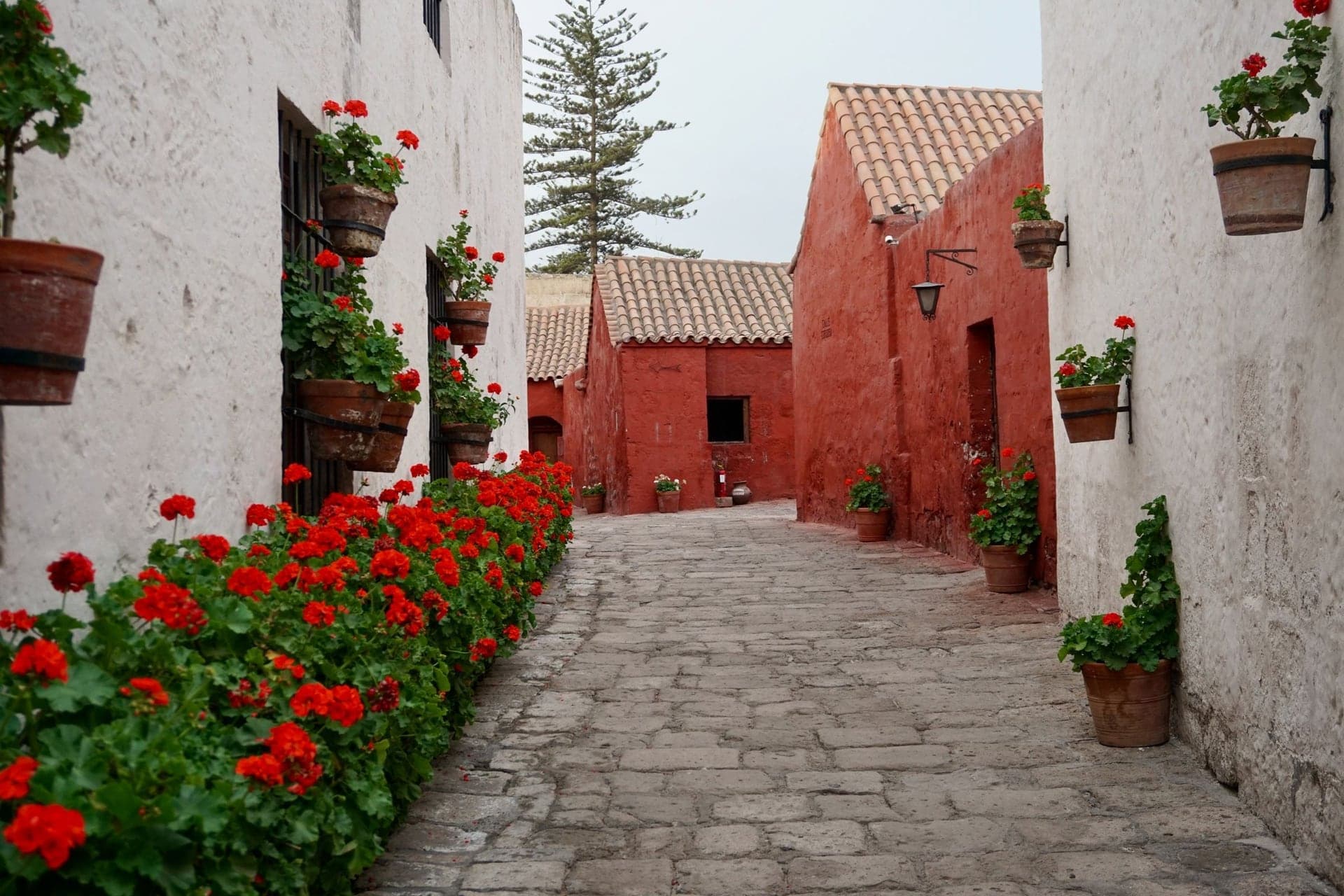
Calle Córdoba: The Painted Streets of Santa Catalina