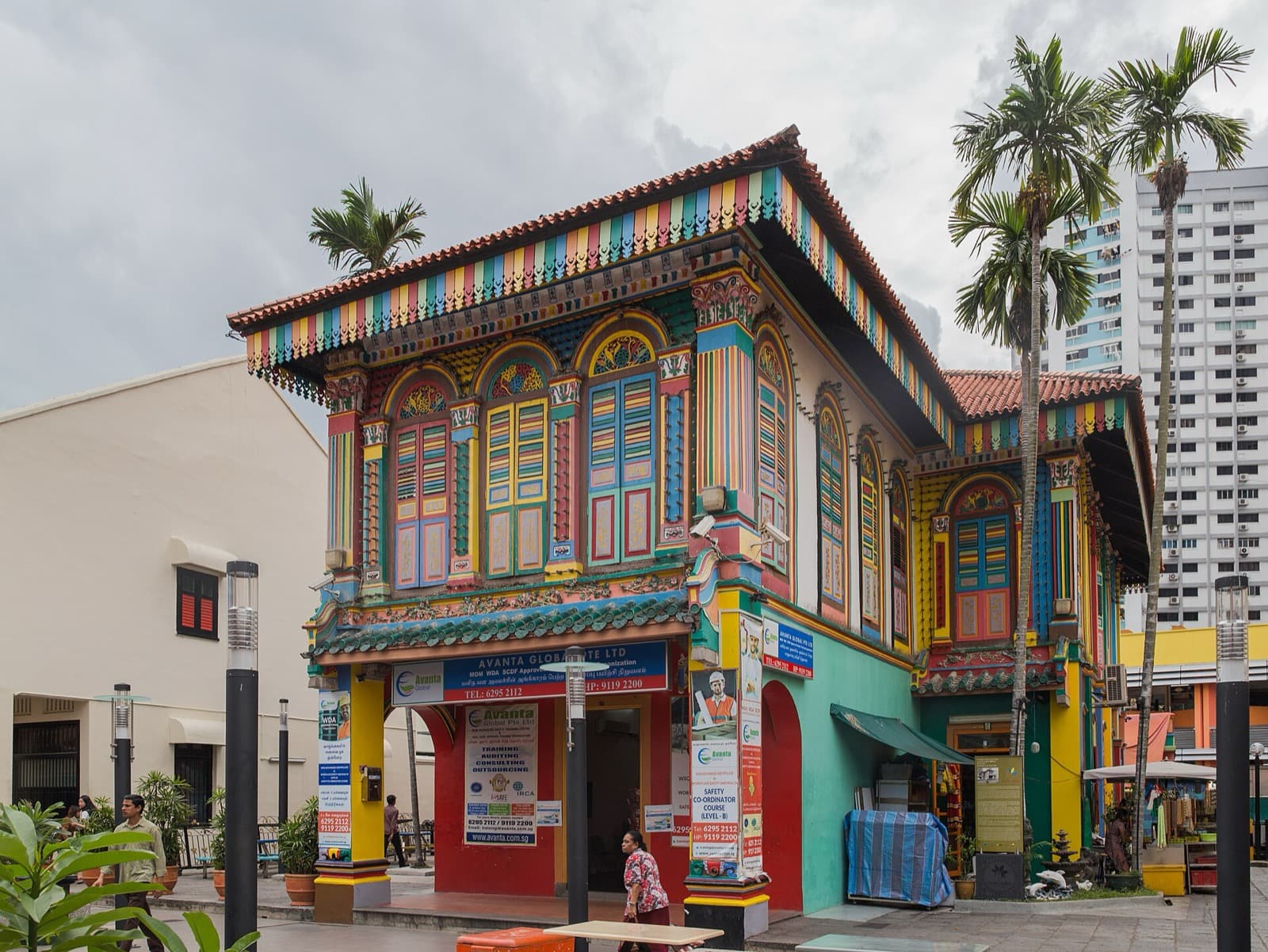
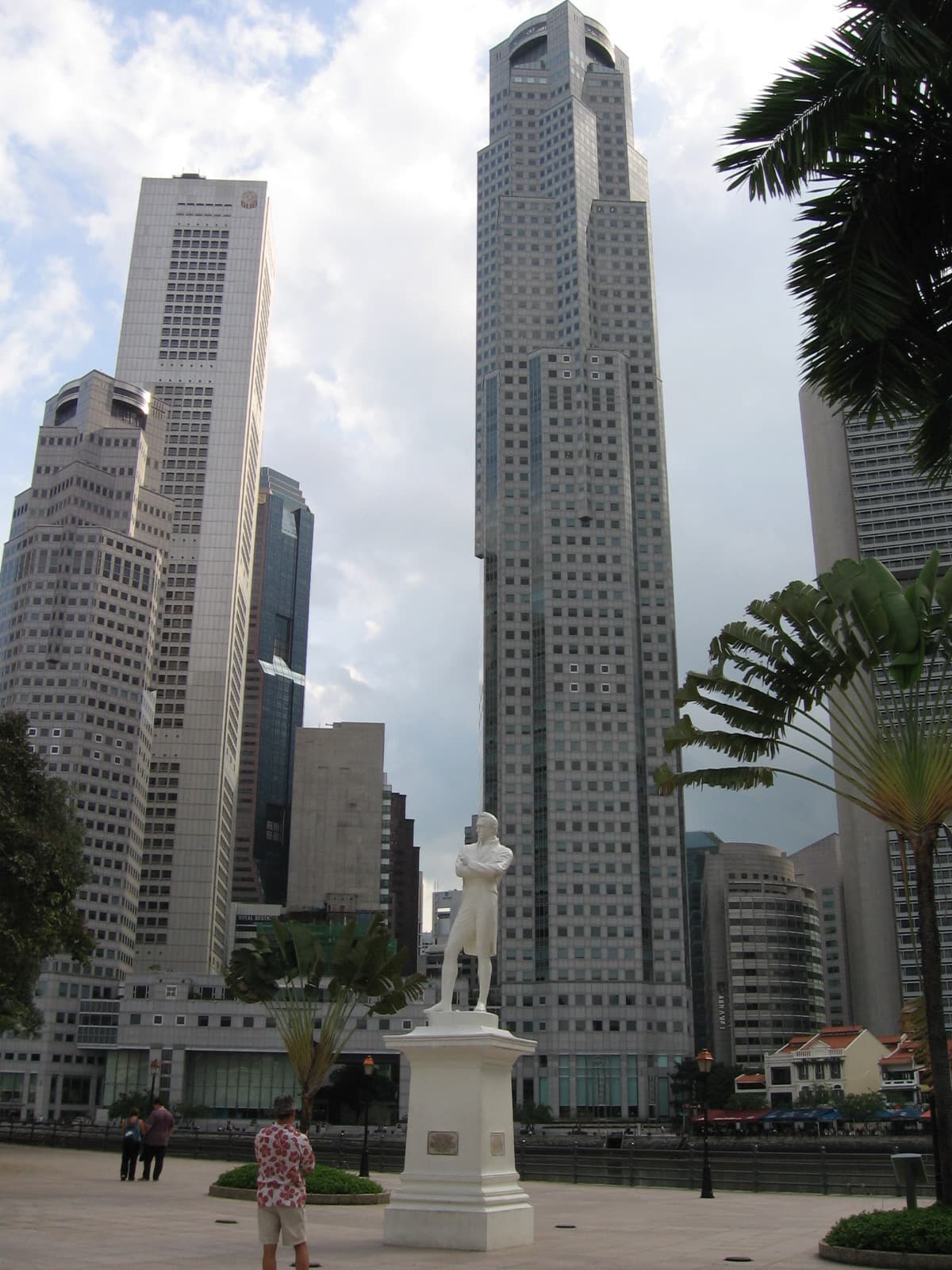
The Raffles Landing Site marks a founding that tradition, more than proof, assigns to Stamford Raffles in late January 1819. A white statue with arms folded stands on the north bank of the Singapore River, behind the Old Parliament House, on the spot where the East India Company is said to have first come ashore to establish a trading post. Standing in front of it, the one thing worth understanding is this: the exact landing spot was never proven, and the island Raffles stepped onto was neither empty nor unclaimed. This is a founding written over an older story, at the water where a free port would soon take shape.
Even the date carries a little uncertainty. The plaque at the site and the official founding anniversary give the twenty-eighth of January, 1819, the day Raffles first arrived, while some accounts place his actual landing ashore a day later, on the twenty-ninth. It is a fitting way for the story to begin, with the record slightly out of focus.
The statue is a copy, and a modern one
The figure you see is not old. It was unveiled in 1972, cast in polymarble, a stone-and-resin composite, from the plaster of a much older bronze. That original bronze was made in 1887 by the English sculptor Thomas Woolner, and it still stands a short walk away at Empress Place, opposite Victoria Concert Hall. So there are two statues of the same man in this district, and they do different work. The dark bronze at Empress Place is the Victorian original, unveiled on the twenty-seventh of June, 1887 for Queen Victoria's Golden Jubilee and later moved to Empress Place to mark the centenary of the founding in 1919. The white polymarble figure by the river is the newer one, placed to fix a spot in the public imagination.
That distinction matters, because the white statue asserts a precision the historical record does not support. It says: here, on this ground. The documents do not.
What is documented, and what is not
Hear a stop from this walk
Raffles Landing Site: Where the Colonial Town Began
The landing itself is tradition. The treaty is fact. On the sixth of February, 1819, an agreement was signed with Temenggong Abdul Rahman and Sultan Hussein Shah of Johor. It granted the East India Company its trading post in exchange for annual payments, five thousand Spanish dollars to the Sultan and three thousand to the Temenggong. That is the paper trail. The exact point where Raffles first set foot is a different matter. The north bank near this statue is generally believed to be the place, but some sources place the landing instead at the Rochor River mouth over in Kallang. The statue resolves an argument the sources leave open.
This is a useful thing to hold in mind at a monument. A statue is a claim, cast in stone. It looks like settled history because it is heavy and permanent and beautifully made. But the whiteness and the folded arms and the confident placement are a twentieth-century decision about how to remember a nineteenth-century event whose details were already uncertain. The site behind the Old Parliament House was chosen because it made narrative sense, not because a document pins the moment there.
The island was already governed
The deeper correction is about the word "founding." Before 1819, this island belonged to the Johor Sultanate, and it held roughly one thousand people. Most were Orang Laut, the sea peoples of the region, including the Orang Kallang, the Orang Seletar and the Orang Gelam, together with Malays and Chinese. There were rulers to sign a treaty with because there was already a polity here to be treated with. Raffles did not discover an unclaimed shore. He negotiated a foothold on someone else's territory.
Go back further and the ground carries even more history. In the fourteenth century a trading port called Temasek, later known as Singapura, had risen and faded on this same island. So the free port that Raffles's treaty opened was not the first time this river mouth mattered to trade. It was a new chapter written over an older, half-erased one.
Reading the statue this way does not diminish what followed. The treaty of 1819 did open a port that drew merchants and labourers from across the region, and the plural city of Chinese, Malay, Indian, Eurasian and Peranakan communities that grew from it is real and consequential. The point is only that the beginning was a founding within empire, made with the rulers of an inhabited island, rather than a founding from nothing on an empty coast. The white statue tells the tidy version. Standing in front of it, you can hold the tidy version and the true one at the same time.
Why this stop opens the walk
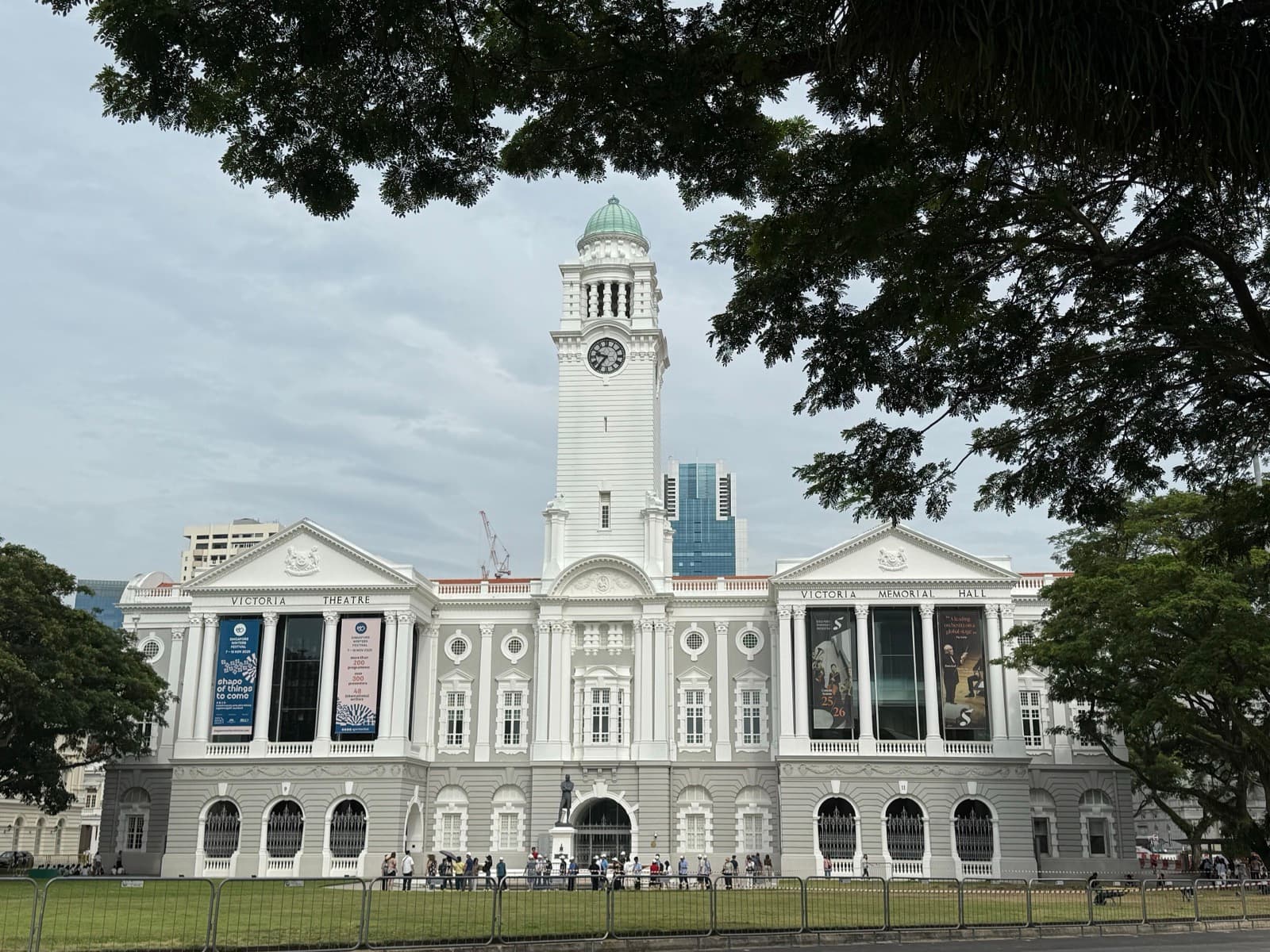
Raffles Landing Site is the first stop on the Civic District tour for a reason. The whole district is built on this tension between the story colonial Singapore told about itself and the fuller record underneath. A short walk from here, the grand neoclassical Empress Place Building, now the Asian Civilisations Museum, was raised in the 1860s with Indian convict labour, transported here in chains from British India. That same convict labour built Saint Andrew's Cathedral and reassembled Cavenagh Bridge. Nearby, the Padang witnessed both the largest British surrender in history, in February 1942, and the first National Day Parade of an independent republic in 1966. The former City Hall and Supreme Court, now the National Gallery Singapore, saw an empire surrender on its steps in 1945 and a nation proclaim itself soon after.
The landing statue is the doorway into all of it. Learn to read it, the copy standing in for an original, the confident spot standing in for an uncertain one, the founding legend standing over an inhabited island, and every stop that follows opens up the same way.
To walk it in order, with the treaty, the convict labour and the war years narrated stop by stop, follow the Civic District self-guided audio tour, which begins right here at the Raffles Landing Site. You can browse the full set of Singapore walking tours or start from the Singapore city page. The route is a flat walk of a little over three kilometres, about eighty minutes at an unhurried pace, best taken early in the morning before the equatorial heat and the afternoon rain arrive.
Sources
- Raffles's Landing Site, Wikipedia. Covers the 1972 polymarble statue, its casting from Woolner's 1887 bronze, and the disputed landing location and date.
- Statue of Stamford Raffles, National Library Board Singapore. Documents the two statues, the 1887 Woolner bronze at Empress Place, and the founding context.
- Tour transcript, Roamer "Civic District: Where Singapore Was Founded," fact-audited stop on Raffles Landing Site, covering the 1819 treaty, the Johor Sultanate, and the pre-1819 population.
- Roots.gov.sg Civic District Heritage Trail, Singapore National Heritage Board. Context on the colonial government town and its monuments.
Ready to experience it?
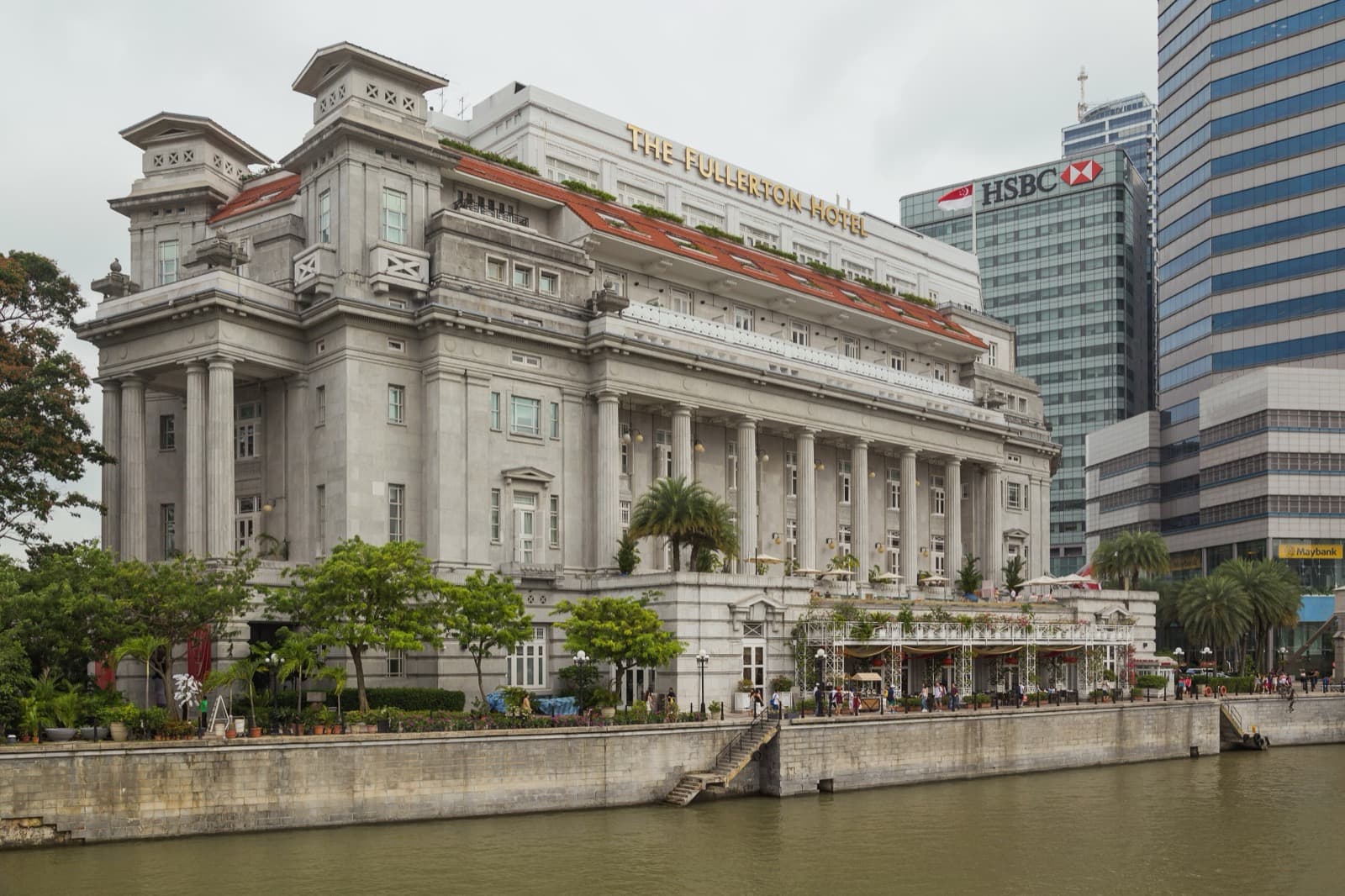
Civic District: Where Singapore Was Founded
80 min · 3.2 km · easy
More from Singapore
Explore more at your own pace.
One Day in Singapore: A Walkable Morning-to-Evening Itinerary
Reading Singapore Neighbourhood by Neighbourhood: From the Founding River to the Supertrees
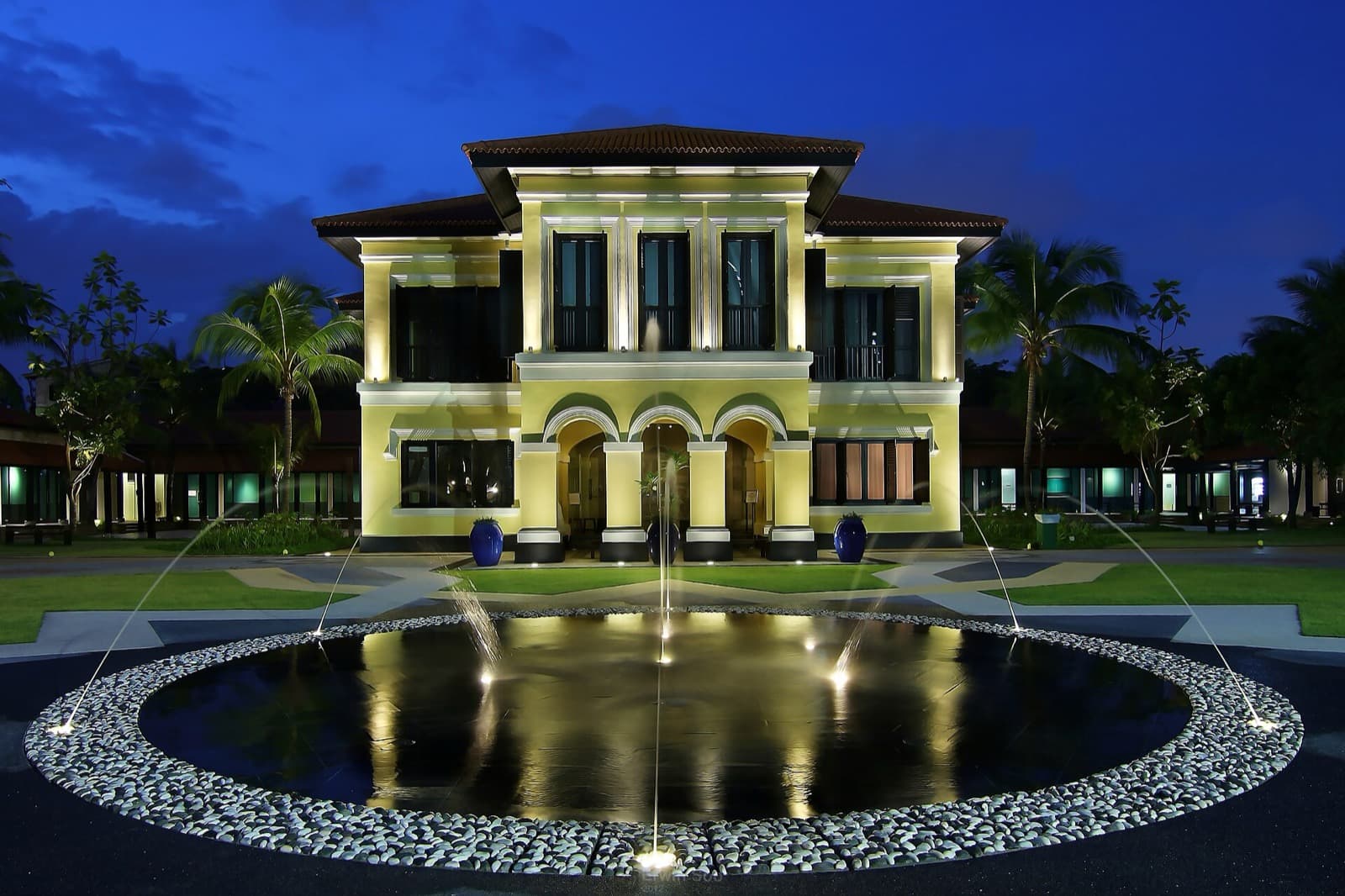
Istana Kampong Glam: The Sultan's Palace That Predates Colonial Singapore
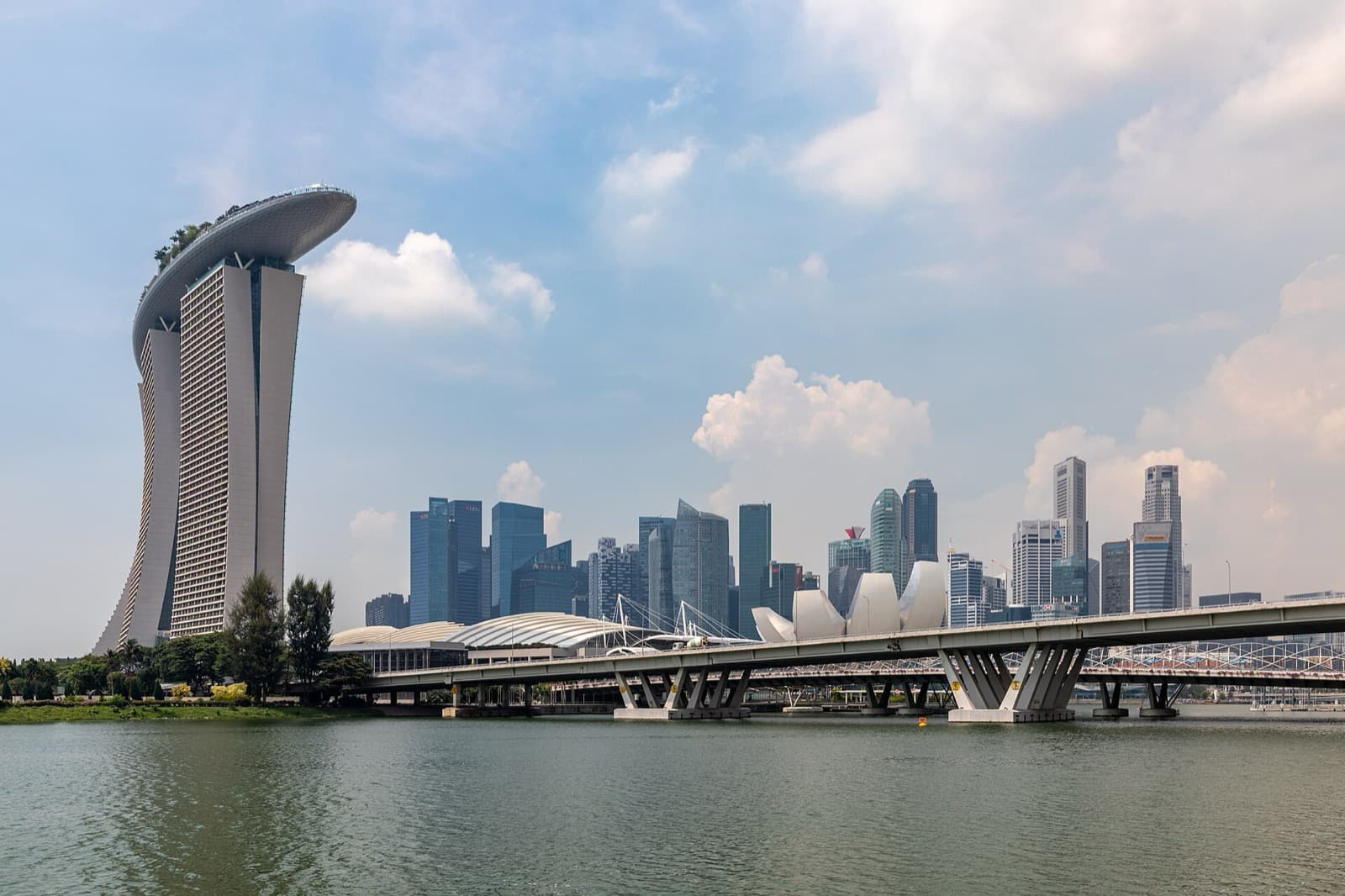
Marina Bay Sands and the Skyline Singapore Built on Reclaimed Sea
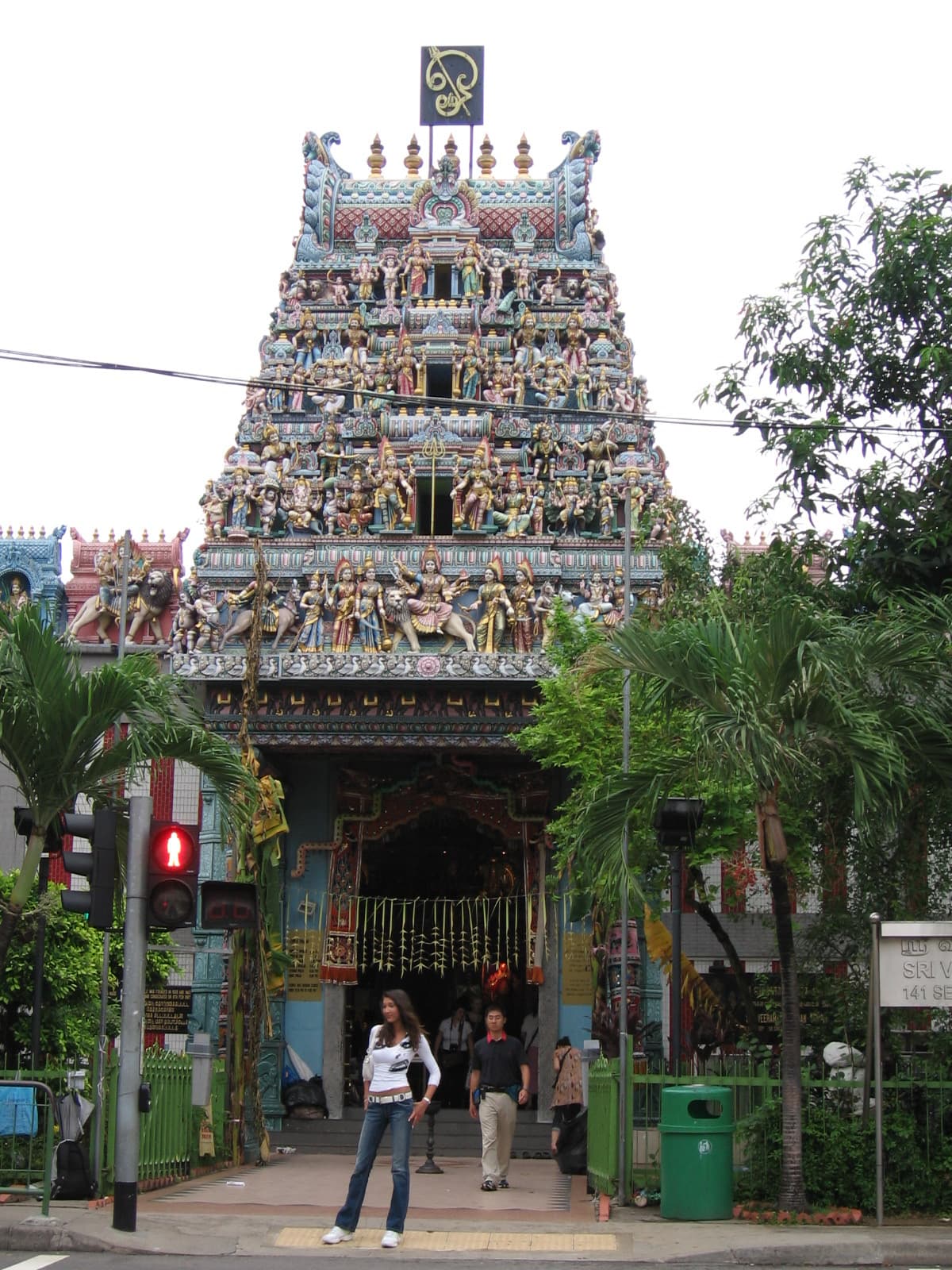
Sri Veeramakaliamman Temple: The Mother Little India's Labourers Raised