Old Town: Castle to the Holy Rude
90 min · 1.3 km · moderate
A walkable day in Stirling starts at the castle on its volcanic crag, descends the medieval Old Town on foot, and ends out at the independence battlefields of Wallace and Bruce. You can see the marquee sites in one full day: reach Stirling Castle for opening, walk down through the royal burgh to the Church of the Holy Rude in the late morning, break for lunch on Broad Street, then use the afternoon for the Wallace Monument and Bannockburn just outside town. The Old Town half is a genuine walk of about ninety minutes over one and a half kilometres; the battlefield half is dispersed and needs a car or local buses. Below is the hour-by-hour plan, tied to the two self-guided audio tours that narrate each stop.
The short answer: one day, two halves
Stirling divides naturally into a morning on foot and an afternoon on wheels.
The morning is the compact medieval core: the castle at the top of the rock, then a downhill walk through Argyll's Lodging, the Church of the Holy Rude, Mar's Wark, the Old Town Jail, and Cowane's Hospital. Everything sits on one ridge, and the walk runs mostly downhill from the castle gate, so you never climb the same hill twice. This is the ground covered by Stirling walking tours, and specifically by the self-guided Old Town audio tour.
The afternoon is the Wars of Independence: Stirling Old Bridge, the National Wallace Monument on Abbey Craig, Cambuskenneth Abbey, and the Bannockburn field south of town. These sites are too far apart to walk between, so plan a car or short bus hops. That is the dispersed Wallace and Bannockburn tour.
If you only have half a day, do the Old Town walk. If you have a full day and independent transport, add the battlefields after lunch.
Morning: the castle and the descent (about 9:30am to 12:30pm)
Hear a stop from this walk
Stirling Castle: The Fortress on the Crag
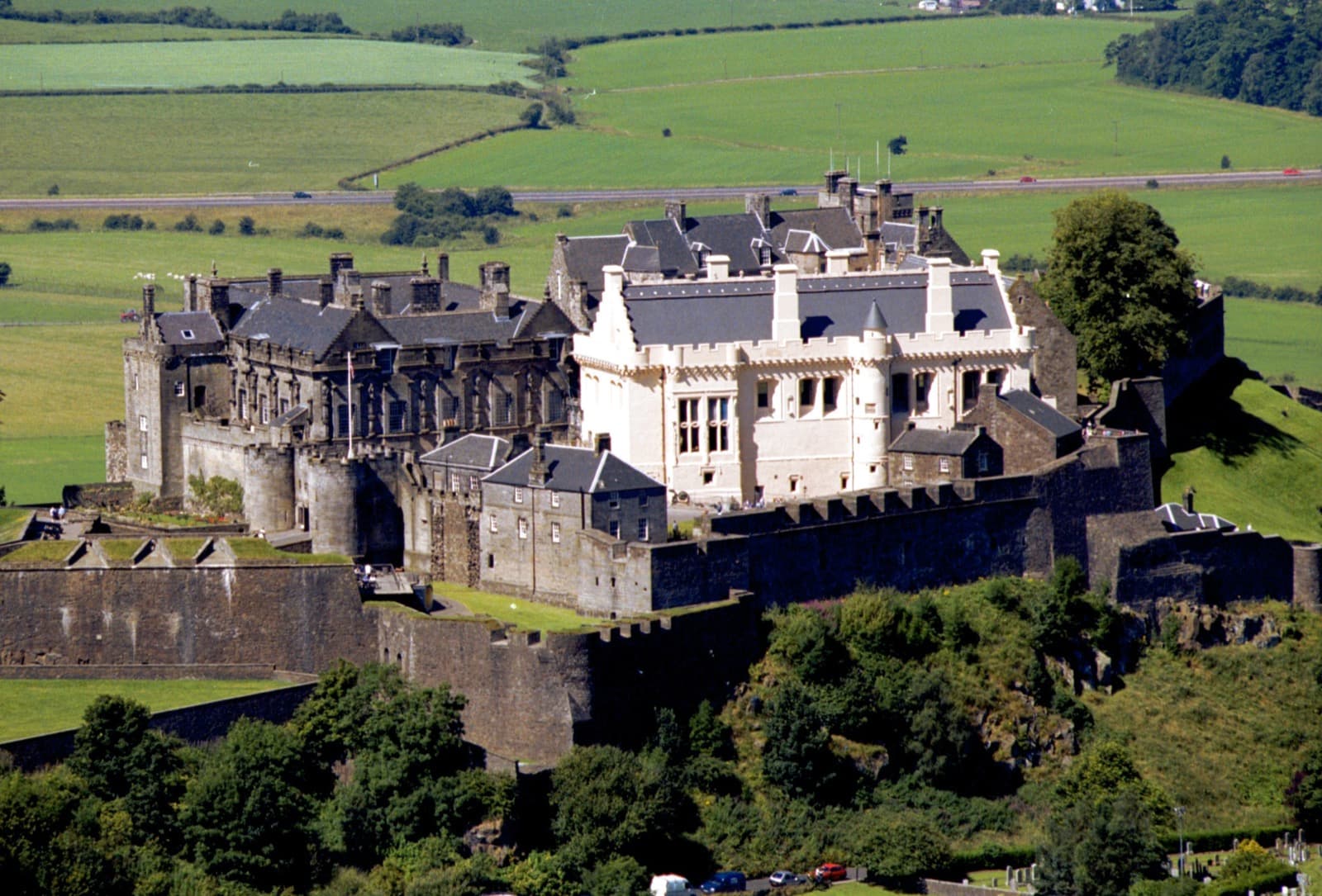
Start at Stirling Castle for opening. It opens daily at 9:30am, and last entry is one hour before closing, which works out at 5pm in the summer half of the year and 4pm in winter. Arriving early is the single best move of the day, because the castle takes timed-entry coach crowds and it is quietest at the gate when the doors open.
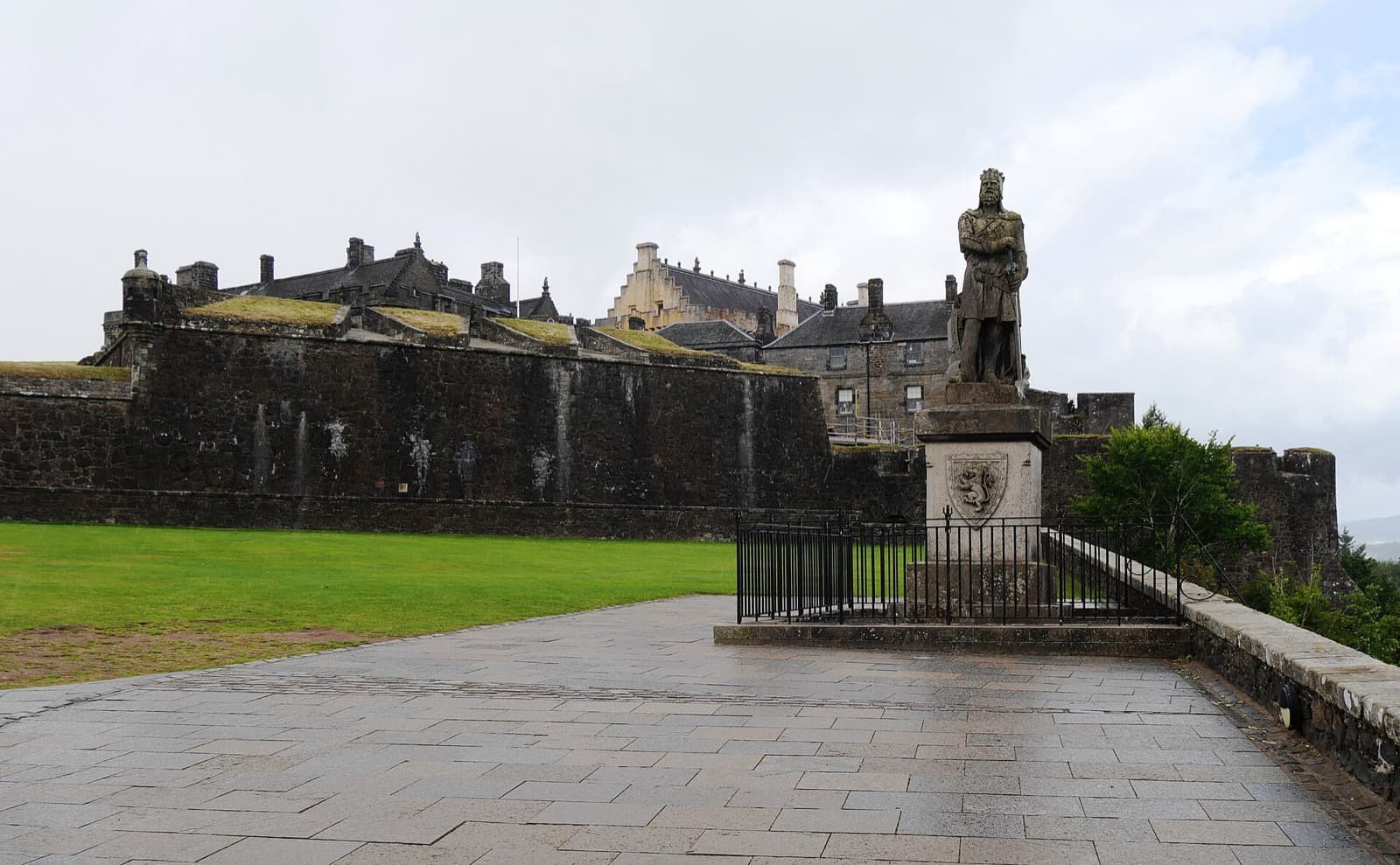
Adult admission is about 18.50 pounds when you book online in advance and 20.50 pounds at the gate, through Historic Environment Scotland, so booking ahead both saves money and secures a slot. The ticket includes Argyll's Lodging just below the gate when it is open, though it has been closed for maintenance, so check the current status before you go. The esplanade in front of the castle is free, and it holds one of the widest views in Scotland: north over the River Forth to Abbey Craig and its Wallace Monument, south toward the Bannockburn field. The stone statue of Robert the Bruce there, carved by Andrew Currie in eighteen seventy-six, faces south on purpose, toward the battle Bruce won in thirteen fourteen.
Inside, the Renaissance Royal Palace and the Great Hall of James the Fourth are the highlights. Historic Environment Scotland notes that of about fifty-six carved oak Stirling Heads from a royal ceiling here, thirty-eight originals survive. This is where Mary Queen of Scots was crowned as an infant on the ninth of September, fifteen forty-three.
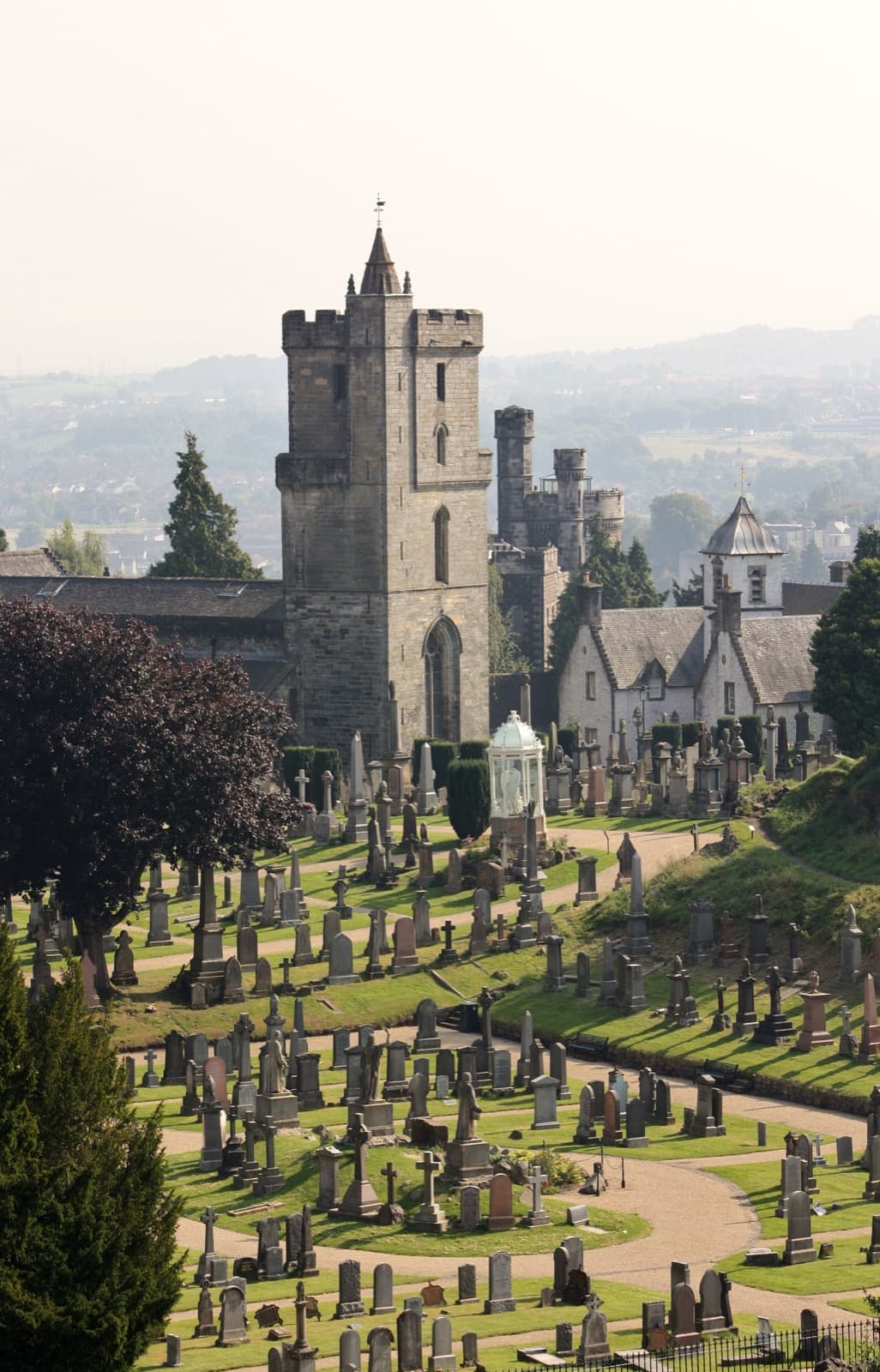
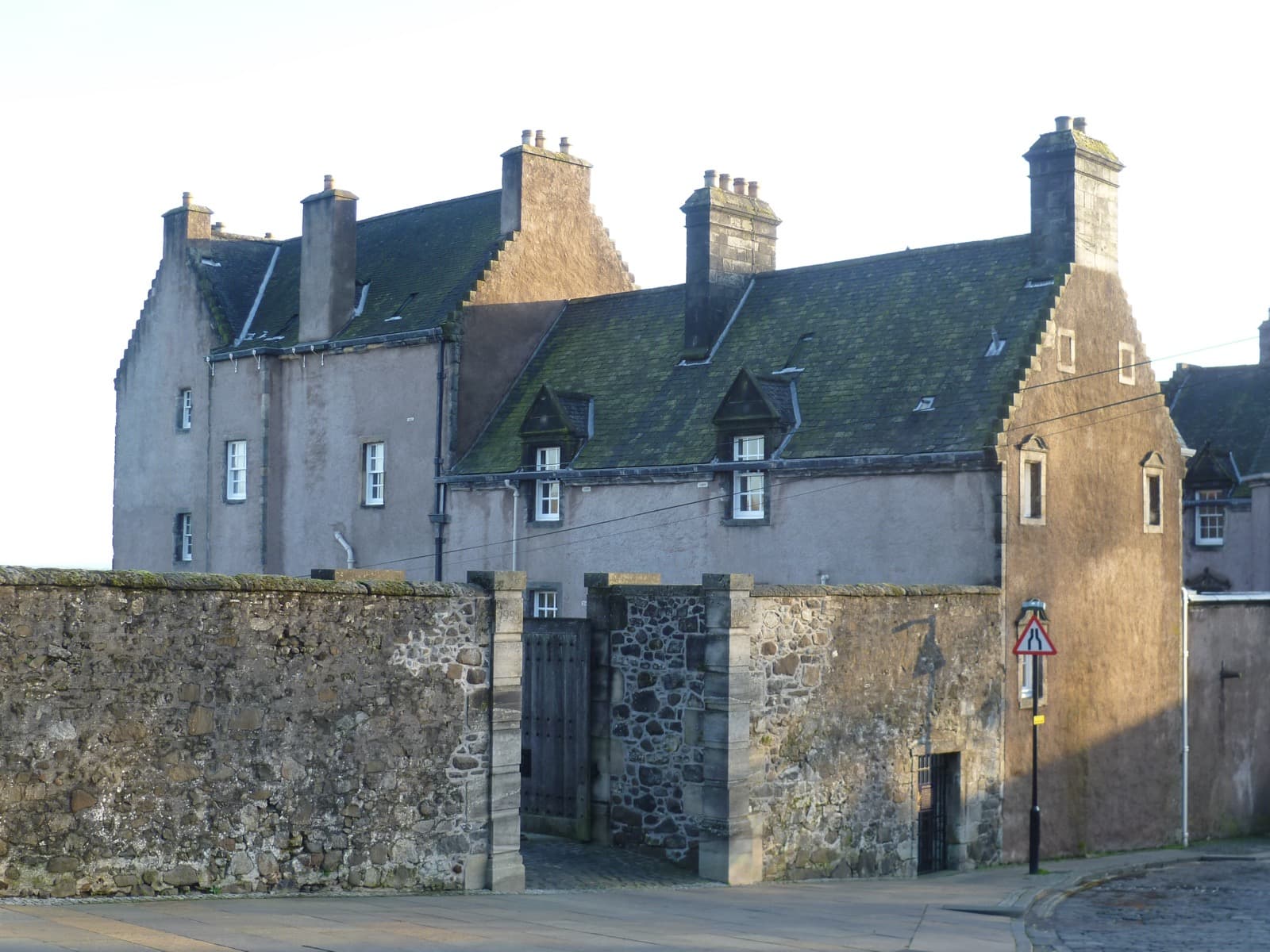
From the gate, let the walk fall downhill. Argyll's Lodging is described by the Royal Commission as the most important surviving town-house of its period in Scotland, free to admire from Castle Wynd and open inside with your castle ticket when it is not closed for works. Continue to the Church of the Holy Rude, the second oldest building in the town after the castle, where the thirteen-month-old James the Sixth was crowned King of Scots on the twenty-ninth of July, fifteen sixty-seven. It is one of only three churches still in use in Britain to have hosted a coronation, alongside Westminster Abbey and Gloucester Cathedral. The kirk keeps seasonal visitor hours and is an active parish with a working burial ground, so check ahead for interior access and keep your voice low.
Midday: Broad Street and lunch (about 12:30pm to 1:30pm)
Broad Street, the old marketplace, is the natural lunch stop. At its head stands Mar's Wark, the ornate roofless facade of a mansion built around fifteen seventy to fifteen seventy-two for John Erskine, Earl of Mar, briefly Regent of Scotland. The street's mercat cross carries a unicorn finial known locally as the Puggy. This is a good point to pause, eat, and decide whether you are continuing to the battlefields.
If you finish the loop here, two nearby stops close the Old Town walk: the Old Town Jail on St John Street, a Victorian county prison of eighteen forty-seven now run as a paid attraction with guided tours, and Cowane's Hospital, a seventeenth-century merchant's almshouse beside the kirk with a wall-top view over the plain of the Forth. Full stop-by-stop detail and the audio narration live on the /scotland/stirling city page.
Afternoon: Wallace and Bannockburn (about 1:30pm to 5pm)
The battlefield half is dispersed. Its sites are too far apart to walk between, so plan on a car or local buses and budget three to four hours across roughly twelve kilometres of travel.
Begin at Stirling Old Bridge, a stone crossing of about fifteen hundred over the Forth, standing close to where William Wallace and Andrew Moray destroyed an English army at the Battle of Stirling Bridge on the eleventh of September, twelve ninety-seven. The bridge is a free outdoor monument, always accessible.
Next, drive to the National Wallace Monument on Abbey Craig, a sixty-seven metre Victorian Gothic tower that opened in eighteen sixty-nine. The approach and the long views are free; climbing the tower carries an admission charge (the official adult rate is around 12 pounds, with a reduced-VAT summer rate lower still, and last entry is one hour before closing). The tower displays the celebrated Wallace Sword, whose link to Wallace is genuinely disputed by historians, so hold the relic and the record apart.
Cambuskenneth Abbey is a short drive on: a quiet Augustinian ruin founded around eleven forty, with a rare free-standing medieval bell tower and the grave of James the Third. It is free and generally open seasonally, so check dates if you go in winter.
End south of town at Bannockburn, where Robert the Bruce broke the army of Edward the Second over the twenty-third and twenty-fourth of June, thirteen fourteen. The outdoor monuments (the nineteen sixty-two Rotunda and the nineteen sixty-four bronze Bruce statue) are free and always accessible. The Battle of Bannockburn visitor centre, run by the National Trust for Scotland, is open year round roughly 10am to 5pm; access to the site, centre, shop and cafe is free, while the timed indoor battle experience is a separate pre-booked ticket (free for Trust members). The centre deliberately sets the historical Bruce and Wallace apart from their Braveheart legend, which makes it a fitting close to the day.
Getting there and moving around
Stirling is an easy day from either main city. Trains from Edinburgh Waverley take about 49 minutes, and Stirling to Glasgow runs around 27 to 41 minutes, both operated by ScotRail. That makes the Old Town walk doable as a rail day trip without a car.
The battlefield afternoon is the part that rewards independent transport. A car makes the short hops between the Old Bridge, the Wallace Monument, Cambuskenneth Abbey and Bannockburn simple; local buses connect the main sites if you are not driving, but they add waiting time. If you are relying on rail alone, prioritise the castle and Old Town walk and pick one battlefield site to reach by bus.
Practical notes
Wear sturdy shoes. The climb to the castle rock is steep, and the Old Town closes have steep steps and uneven cobbles. The Abbey Craig path to the Wallace Monument is also steep and can be slippery when wet.
Carry a waterproof and dress in layers. Highland-edge weather off the Forth changes fast, even in summer, and the esplanade, the wall-tops, and the exposed battlefield ground catch the wind.
Book the timed attractions ahead. Stirling Castle, the Wallace Monument tower, and the Bannockburn experience all use timed or pre-booked entry, and booking online usually saves money as well as a queue. Prices are charged in pounds; carry a card. Treat the Holy Rude kirkyard and the graves at Cambuskenneth with quiet respect, since both are working burial grounds.
Sources
Frequently asked questions
- Can you see Stirling in one day?
- Yes. A full day covers the marquee sites comfortably. Spend the morning walking downhill from Stirling Castle through the medieval Old Town to the Church of the Holy Rude, which is about ninety minutes over one and a half kilometres, then use the afternoon for the Wallace Monument and the Bannockburn battlefield just outside town. The Old Town half is a genuine walk; the battlefield half is dispersed and needs a car or local buses.
- How much does Stirling Castle cost and when does it open?
- Adult admission is about 18.50 pounds when you book online in advance and 20.50 pounds at the gate through Historic Environment Scotland, so booking ahead saves money. The castle opens daily at 9:30am, with last entry one hour before closing, which is 5pm in the summer half of the year and 4pm in winter. The ticket includes Argyll's Lodging when it is open, though it has been closed for maintenance, so check ahead. The esplanade in front is free.
- Is Stirling a good day trip from Edinburgh or Glasgow?
- Yes. Trains from Edinburgh Waverley take about 49 minutes, and Stirling to Glasgow runs around 27 to 41 minutes, both on ScotRail. The castle and Old Town walk work well as a rail day trip with no car. The Wallace and Bannockburn battlefields are the part that rewards a car, since the sites are spread out and local buses add waiting time.
- Do you need a car to visit the Wallace Monument and Bannockburn?
- It helps a lot. Stirling Old Bridge, the National Wallace Monument on Abbey Craig, Cambuskenneth Abbey and Bannockburn are too far apart to walk between, so plan on about twelve kilometres of travel across three to four hours. A car makes the short hops easy; local buses connect the main sites if you are not driving. If you have only rail access, focus on the castle and Old Town and pick one battlefield site to reach by bus.
- Which Stirling sites are free to visit?
- Many. The castle esplanade with its Robert the Bruce statue and long views is free, as are the Old Town streets, the Church of the Holy Rude exterior and kirkyard, Mar's Wark, Cowane's Hospital grounds, and the town walls. At the battlefields, Stirling Old Bridge and the outdoor Bannockburn monuments are free, and access to the Bannockburn visitor centre, shop and cafe is free. Paid sites are the castle interior, the Wallace Monument tower, the Old Town Jail, and the timed Bannockburn battle experience.
- What should you wear for a day walking around Stirling?
- Sturdy shoes and a waterproof. The climb to the castle rock is steep, and the Old Town closes have steep steps and uneven cobbles, while the Abbey Craig path to the Wallace Monument can be slippery when wet. Highland-edge weather off the River Forth changes fast even in summer, so dress in layers and expect wind on the exposed esplanade, wall-tops and battlefield ground.
Ready to experience it?
Old Town: Castle to the Holy Rude
90 min · 1.3 km · moderate
More from Stirling
Explore more at your own pace.
Stirling Travel Guide: Days, Transport, Fees, and Safety
Stirling: The Rock That Held Scotland
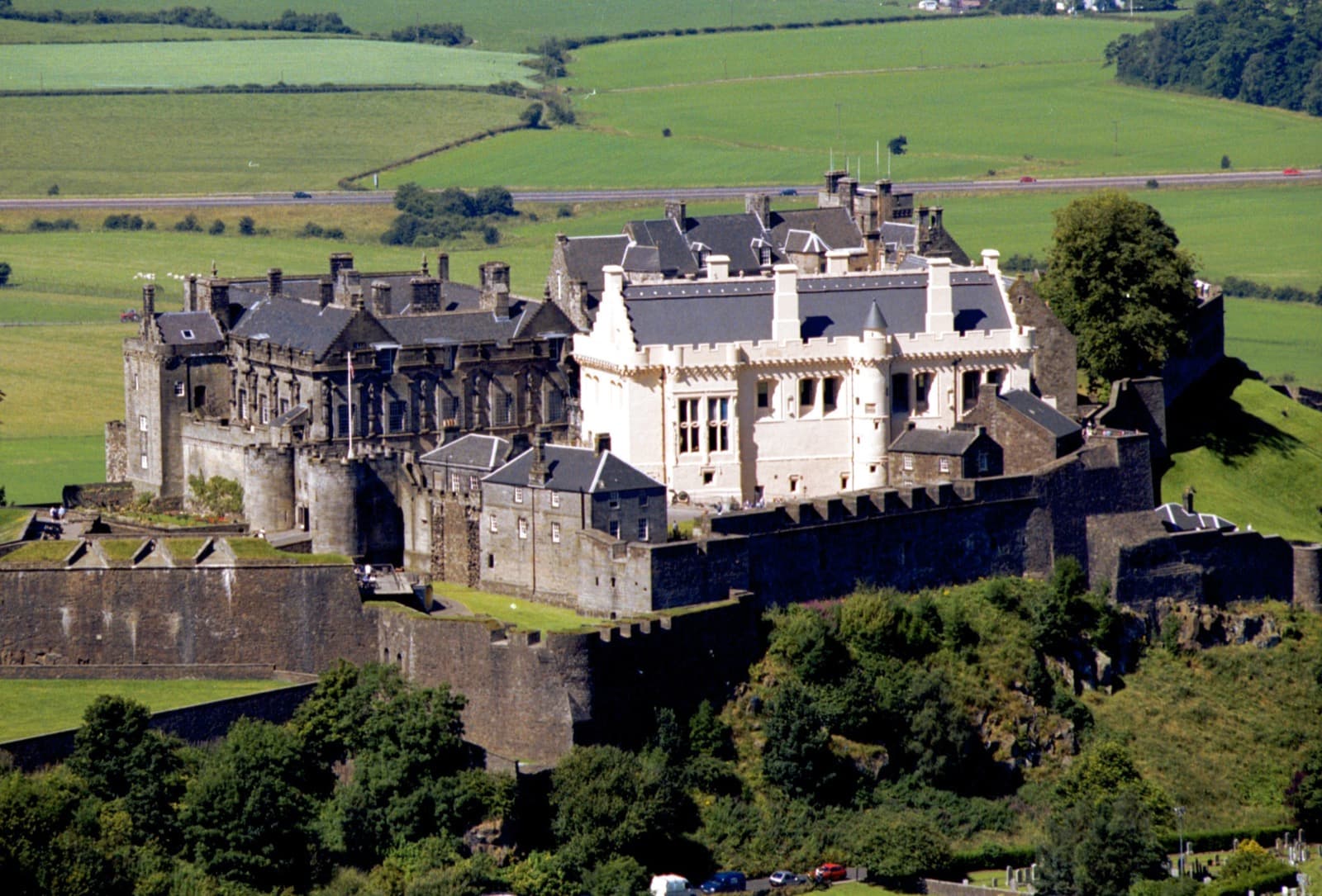
Stirling Castle and the Walk Down a Royal Burgh
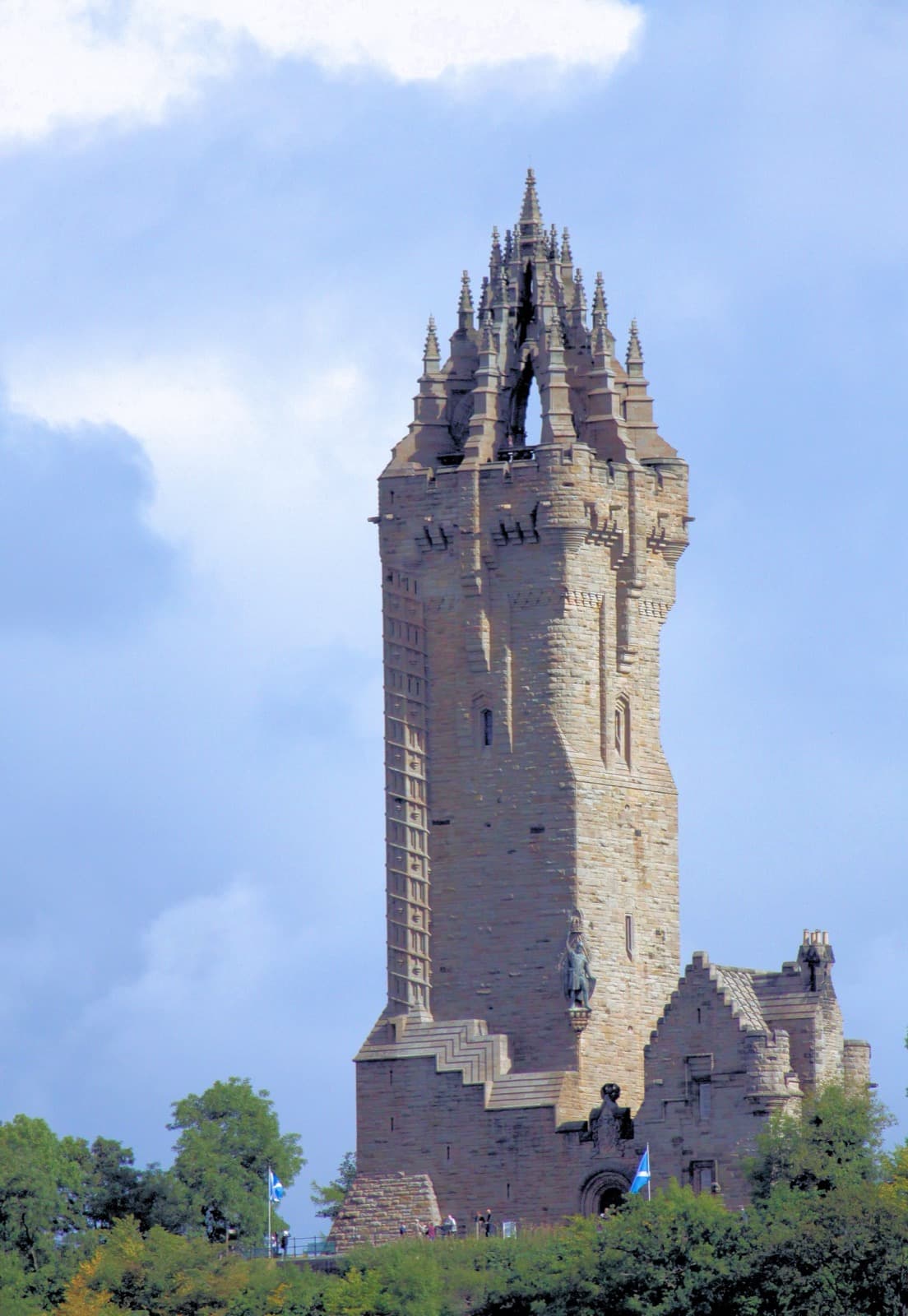
The Wallace Monument and the Ground Two Battles Were Fought to Hold
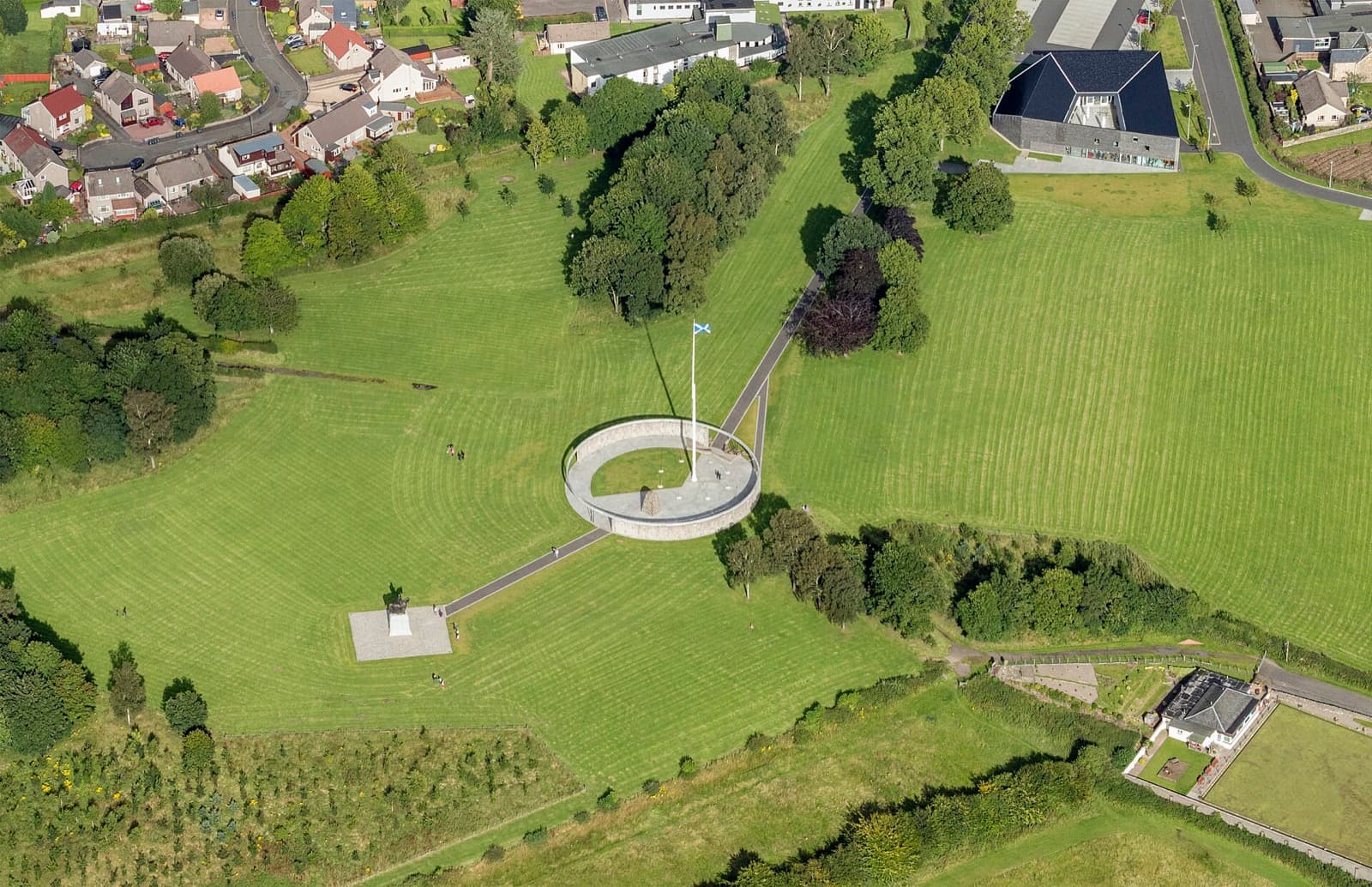
Bannockburn Battlefield and Monuments: The Field Where Bruce Broke an English Army