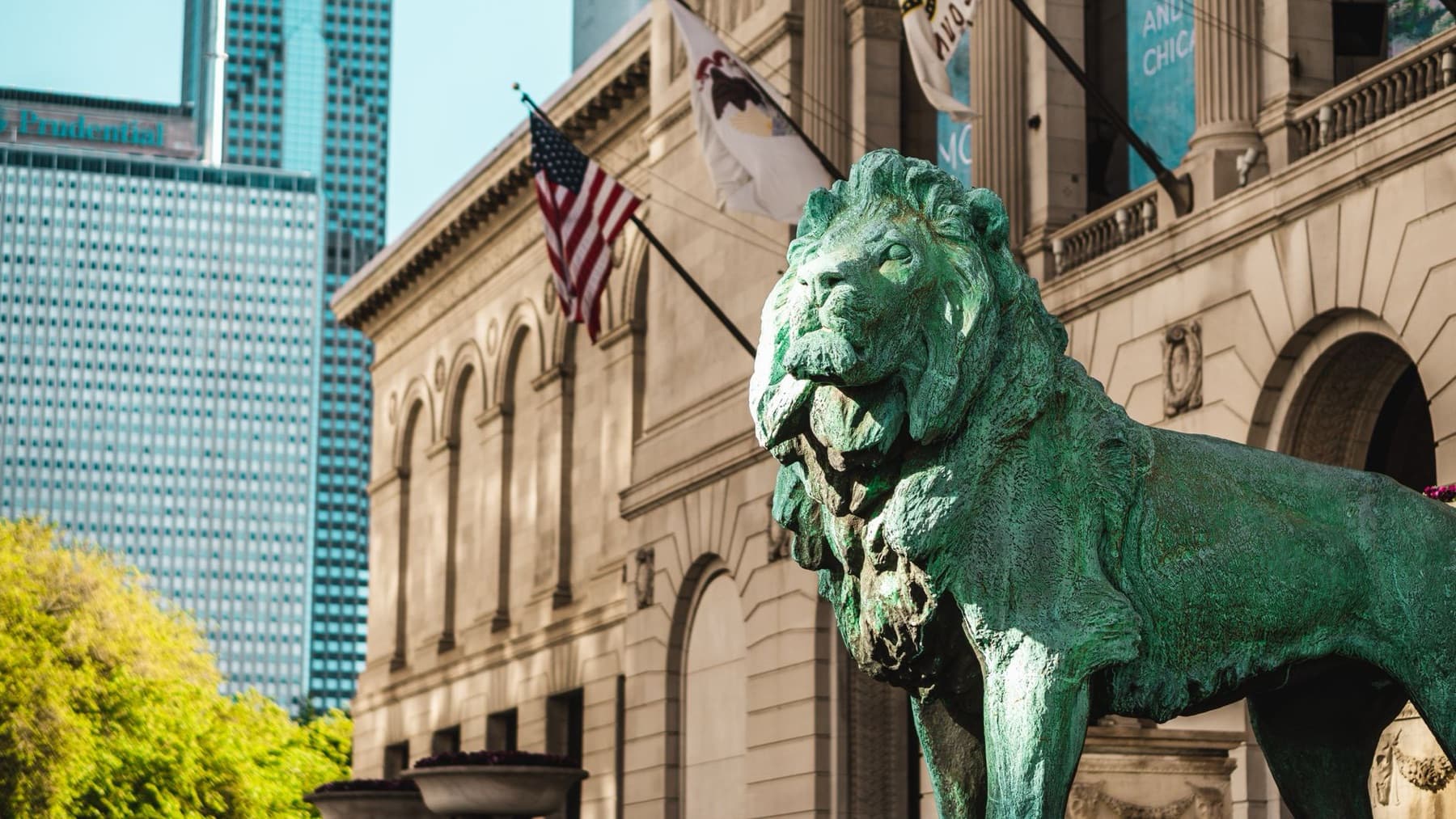
Yes, you can see the best of downtown Chicago in a day. Here is the route.
You cannot fit a whole city of neighbourhoods, museums, and lakefront parks into a single day, and you should not try. What you can do is walk the dense, connected core where Chicago most famous sights sit within reach of each other: the Loop that taught America how to build tall, Michigan Avenue and the river, and the lakefront park a 1909 plan wanted to put a museum in. This itinerary routes those around a comfortable downtown walking day, and names the self-guided Chicago walking tour that anchors each block so the history walks with you.
A note on pace before you start. This is a full day of mostly flat walking, roughly 6 to 9 km, so wear proper shoes, carry water in summer or layers in winter, and treat the coffee and food stops below as part of the plan, not interruptions to it.
Morning: the Loop, the frame behind the wall
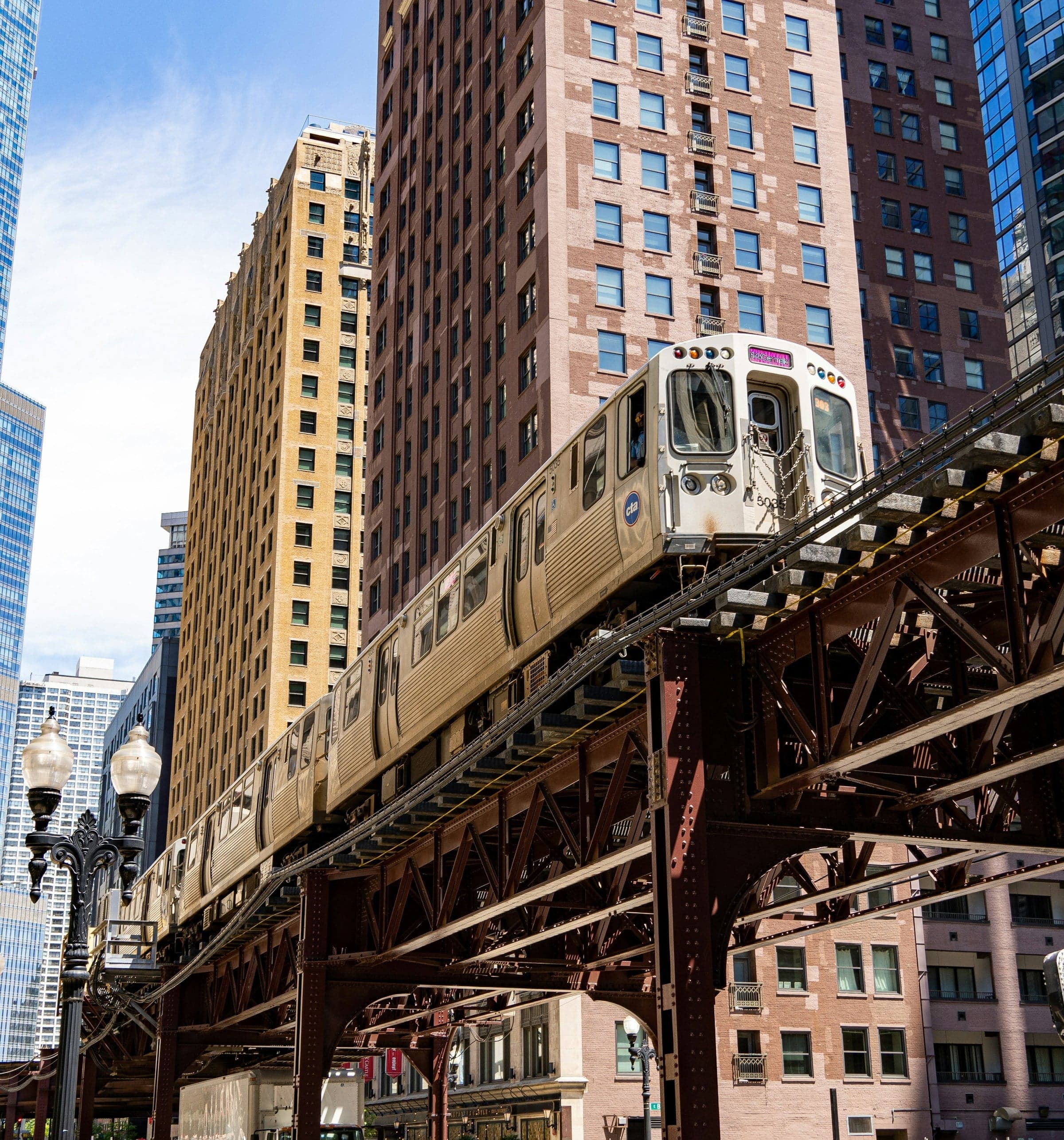
Start in the Loop, the square mile of downtown ringed by the elevated train tracks. This is where the modern skyscraper was worked out in the decades after the Great Chicago Fire of 1871: metal frames under terra-cotta and stone, one structural experiment after another. The route begins on Michigan Avenue at the Auditorium Building, passes under the L, and works west and north through the landmark towers.
Walk it with The Loop: The Frame Behind the Wall, a self-guided audio tour of twelve stops. It is a 90-minute, 2 km route that takes in the Monadnock, the Rookery, the Inland Steel Building, Sullivan's ironwork and the Reliance Building before ending at the Picasso in Daley Plaza. It is the best spine for a Chicago morning.
Afternoon: Michigan Avenue and the Riverwalk
Hear a stop from this walk
Daley Plaza: Steel That Rusts on Purpose
Eat in the Loop or River North, then head north to the Hancock Center at the top of Michigan Avenue, where the next tour begins. Chicago Riverwalk: From the Magnificent Mile Down to the Water is a 100-minute, 2.4 km route of twelve stops. It follows Michigan Avenue south past the Water Tower, the Allerton Hotel and Tribune Tower, crosses the DuSable Bridge by the Wrigley Building, and then drops to the Chicago Riverwalk at river level for Marina City, the Merchandise Mart and the confluence.
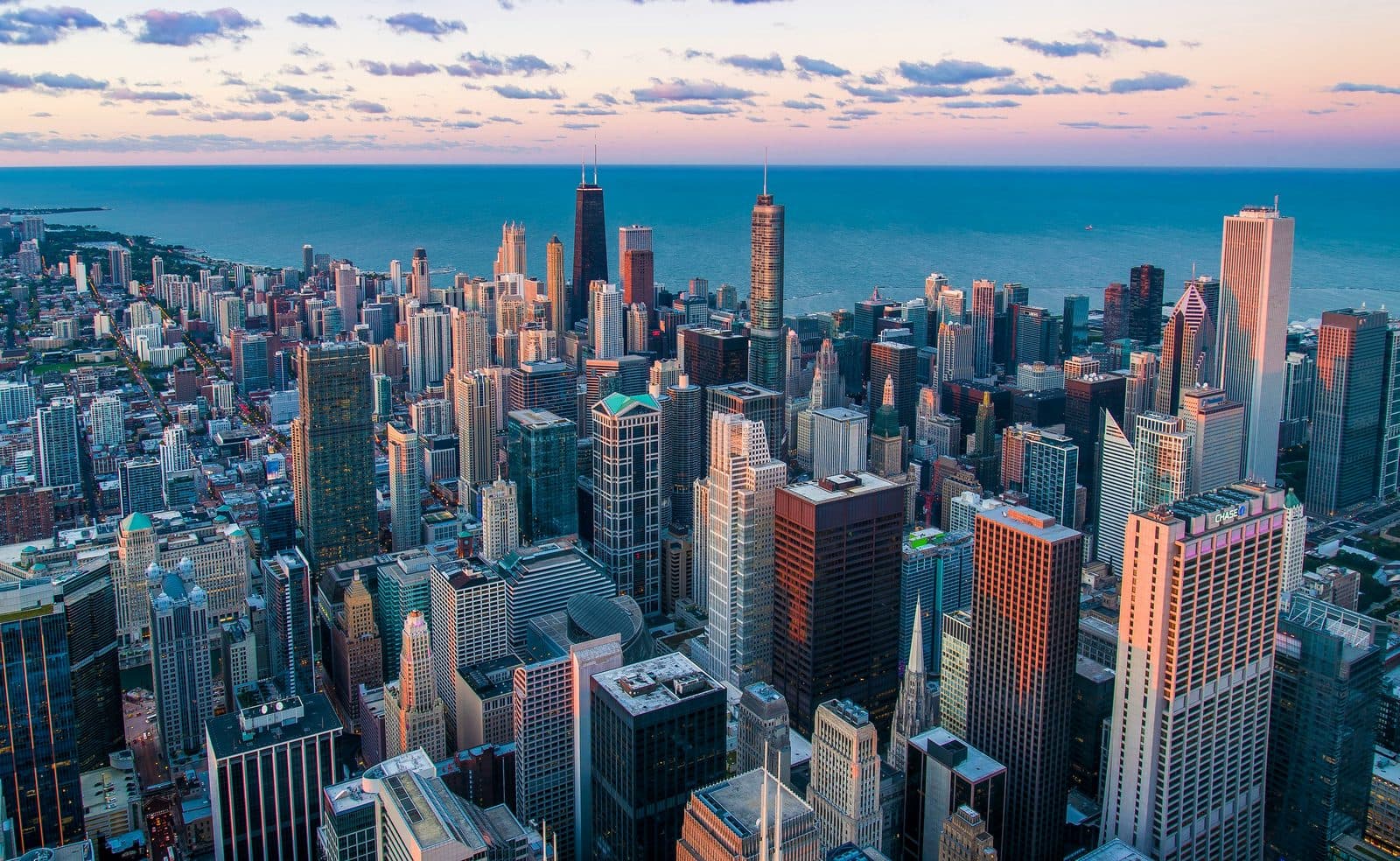
Two stories run through it, and they are separate ones. The river was reversed at the start of 1900 for sanitation. The avenue north of it was widened and a bridge opened in 1920 under the 1909 Plan of Chicago, and the buildings followed the bridge. The tour keeps them apart. This is also the afternoon to add an observation deck if you want the aerial view: 360 CHICAGO sits at the Hancock Center, and the Skydeck is a short ride south in the Loop. The Riverwalk is also the natural place for a break: cafes and patios line the water, and the Chicago food guide covers what to order, from deep-dish and tavern-style thin pizza to an Italian beef.
Evening: Millennium Park and the lakefront
Cut back to Millennium Park for the last of the day. The 1909 Plan of Chicago, by Daniel Burnham and Edward Bennett, did not leave Grant Park empty: it put the Field Museum in the middle of it. A mail-order merchant's lawsuits kept it open, and the fountain at the far end of the walk stands where the museum was meant to be. Along the way: the mirror-polished Cloud Gate sculpture (the Bean), the Pritzker Pavilion, Crown Fountain, the Lurie Garden and Maggie Daley Park, on made ground beside Lake Michigan.
Walk it with Millennium Park: The Museum the Plan Wanted Here, a 10-stop, 80-minute, 1.9 km route that ends at Buckingham Fountain. Seasons matter in the park: the Crown Fountain water ends in mid-October, and parts of the park have had partial closures for repairs in 2026. End the day at a table: the streets around River North and the Loop are dense with deep-dish institutions, steakhouses, and the tavern-style thin pizza most locals actually prefer.
The one-day route at a glance
| Block | Where | Anchor tour |
|---|---|---|
| Morning | The Loop, from the Auditorium to Daley Plaza | The Loop: The Frame Behind the Wall |
| Afternoon | Hancock Center, Water Tower, Tribune Tower, DuSable Bridge, Riverwalk | Chicago Riverwalk: From the Magnificent Mile Down to the Water |
| Evening | Millennium Park, Cloud Gate, lakefront, Buckingham Fountain, dinner | Millennium Park: The Museum the Plan Wanted Here |
Plan the rest of your trip
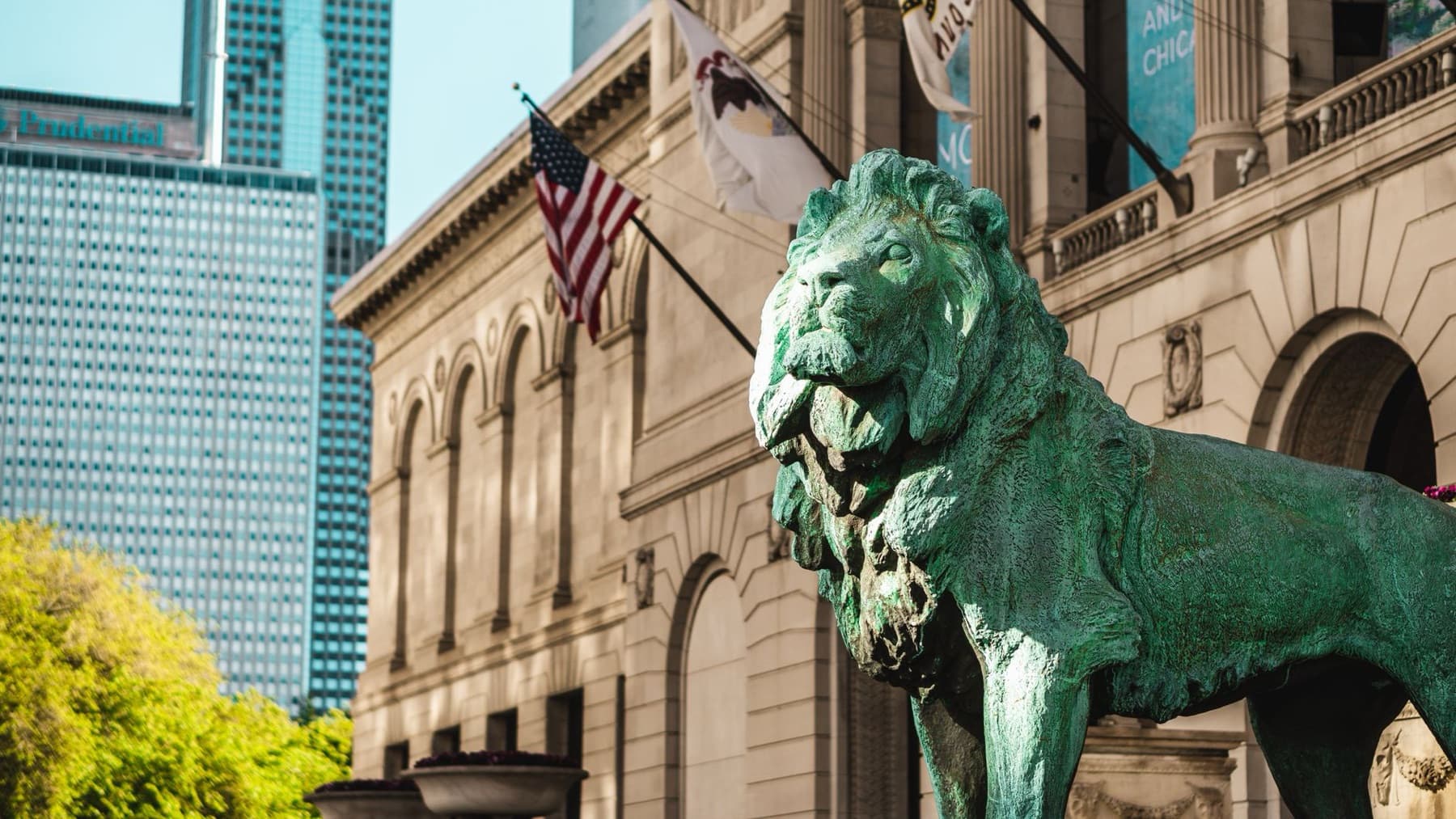
One day covers the walkable downtown. If the weather pushes you indoors, the Art Institute of Chicago is on Michigan Avenue between the Loop and the lakefront: read what to see at the Art Institute, or open the Art Institute audio guide and go room by room. For how many days Chicago really deserves, how to get around on the L, and when to go, read the Chicago travel guide. For what to eat between stops, see what to eat in Chicago. For every route in the city, see the best self-guided walking tours in Chicago, or browse all Chicago tours. Every tour is free to start: the introduction and first stop play in full, and every later stop plays a short preview before an optional purchase.
Frequently asked questions
- Can you see Chicago in one day?
- You cannot see all of Chicago in a day, but you can see its walkable downtown core well. A focused day covers the Loop and its skyscrapers, the Chicago Riverwalk, the Magnificent Mile, and Millennium Park with the lakefront, four of the city most iconic areas, all within a compact center you can cross on foot. Trying to add outlying neighbourhoods or Frank Lloyd Wright Oak Park in the same day means long transit each way, so most travelers save those for a second day.
- What is the best area to base a one-day visit to Chicago?
- Base yourself in or near the Loop, River North, or Streeterville, all within walking distance of the river, Millennium Park, and Michigan Avenue. This downtown core holds the highest concentration of landmarks, is well-patrolled, and keeps your walking time low and your sightseeing time high. From there almost everything on this route is reachable on foot.
- How much walking is a one-day Chicago itinerary?
- Expect roughly 6 to 9 km on foot across the day, most of it flat downtown pavement along the river and the lakefront. Chicago is exceptionally walkable in its core, so this is comfortable in real walking shoes. Build in coffee, a deep-dish or Italian beef lunch, and a rooftop or lakeside break.
- Do I need to book anything in advance for one day in Chicago?
- Most of this route needs no booking: the Riverwalk, Millennium Park, and the public streets and plazas are free and open to walk-ups. The exceptions worth reserving ahead are a skyscraper observation deck (Skydeck or 360 Chicago) and a popular deep-dish dinner on a weekend. The self-guided audio tours that anchor each block are free to start and can be downloaded in advance, so the history walks with you even without a signal.
Ready to experience it?
The Loop: The Frame Behind the Wall
90 min · 2 km · easy
More from Chicago
Explore more at your own pace.
Chicago Travel Guide: How Many Days, Getting Around, When to Go (2026)

A Sunday on La Grande Jatte: Seurat's Park of Dots, in Chicago
Art Institute of Chicago: What to See, Building by Building
Paris Street; Rainy Day: Caillebotte's Nine-Foot Street Corner
Thorne Miniature Rooms: Sixty-Eight Interiors at One Inch to the Foot