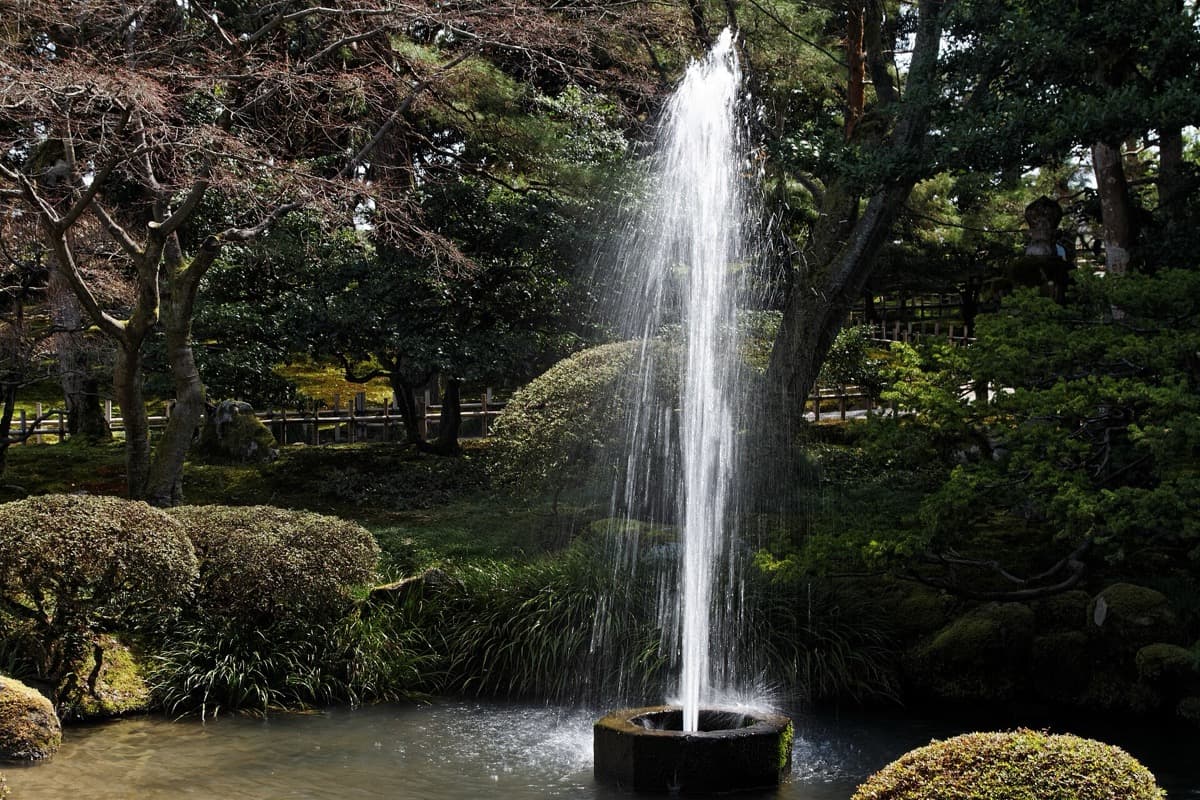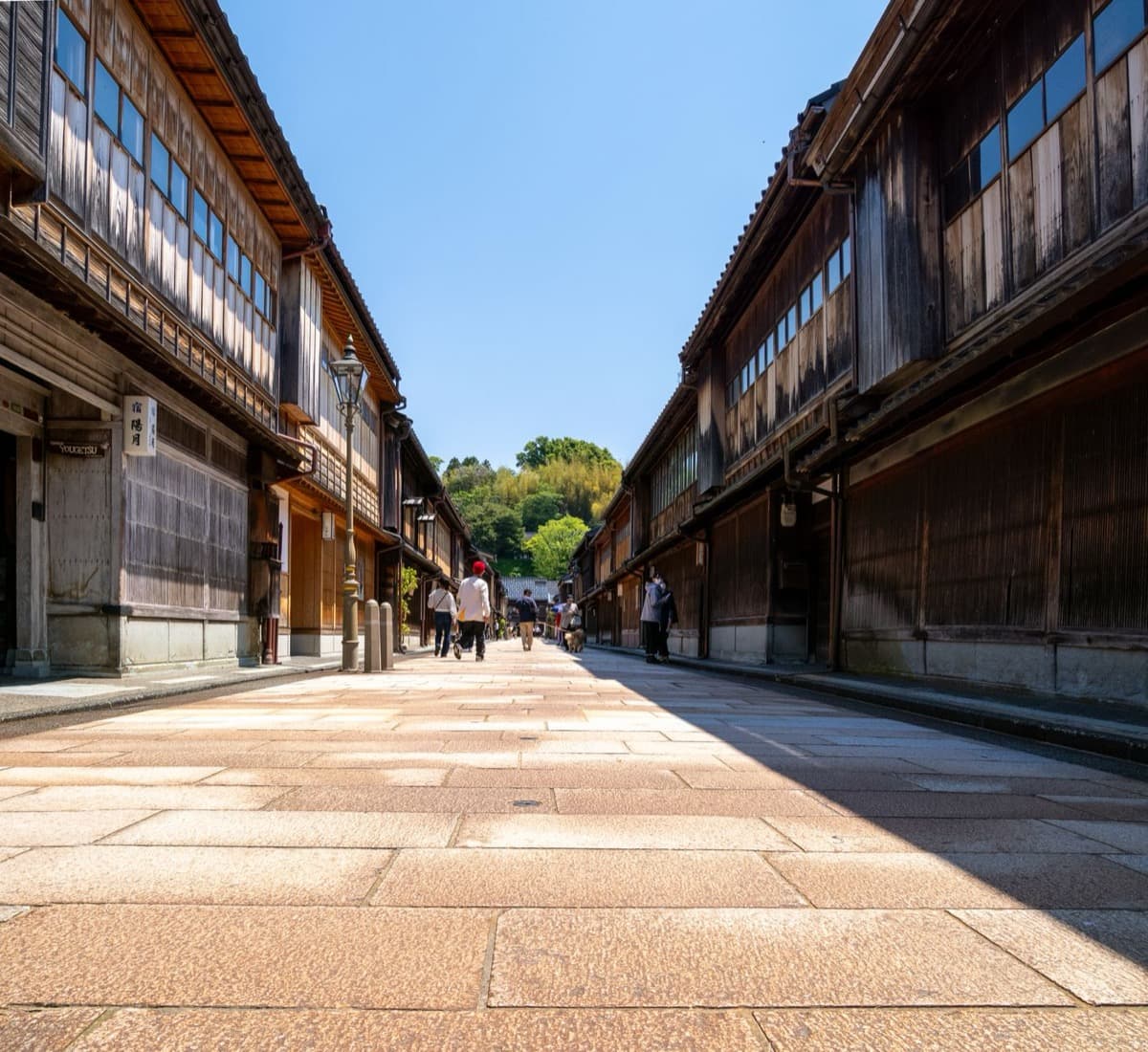
Higashi Chaya: The Gold City
75 min · 1.5 km · easy
Kanazawa is one of the easiest cities in Japan to plan around. A single fast Shinkansen from Tokyo drops you in the heart of a compact castle town that the war never touched, one tourist bus loops every major sight, and the whole place ranks among the country safest. This guide answers the practical questions travelers actually search, answer first, then the detail.
How many days do you need in Kanazawa?
Short answer: two days for most people; one if you are passing through.
- 1 day covers the essential ring around the castle, Kenrokuen, Kanazawa Castle, Higashi Chaya, Nagamachi, and Omicho Market, if you keep a steady pace. Follow our focused one day in Kanazawa route.
- 2 days lets you add the quieter quarters, a gold-leaf craft workshop, a proper Kaga-cuisine dinner, and time to actually sit in Kenrokuen rather than march through it.
- A night on the way through. Many travelers slot Kanazawa in as a one-night stop between Tokyo and Kyoto. That works, and it is a lovely break from the big-city rhythm, but the city rewards the second day if you can spare it.
How to get to Kanazawa
Hear a stop from this walk
Shima Teahouse: The Evening Preserved
Getting to Kanazawa is refreshingly simple:
- From Tokyo: the Hokuriku Shinkansen runs directly from Tokyo Station to Kanazawa in about two and a half to three hours with no transfers, on the fast Kagayaki or the Hakutaka services.
- The 2024 extension. On 16 March 2024 the Hokuriku Shinkansen was extended southwest from Kanazawa to Tsuruga, through Fukui, opening up faster, simpler connections toward the Kansai region.
- From Kyoto or Osaka: around two to two and a quarter hours via the Thunderbird limited express, now with a Shinkansen transfer at Tsuruga since the extension.
Getting around Kanazawa
Kanazawa is a walking city, and walking is how our self-guided Kanazawa tours are built. Its sights sit in a ring around the castle, so you cover most of them on foot, and take transit only for the longer legs:
- Kanazawa Loop Bus. A tourist bus that circles the main attractions, Kenrokuen, the castle, Higashi Chaya, Nagamachi, the 21st Century Museum, and Omicho Market, every 15 to 20 minutes in both a left loop and a right loop. A cheap one-day pass gives unlimited rides.
- IC card. Use a rechargeable ICOCA or Suica card to tap on and off, no fumbling for change.
- On foot. Between neighbouring sights, walking is faster and far nicer than waiting for a bus. The historic quarters are made for it.
Best time to visit Kanazawa
Kanazawa is a year-round city with a distinct season for every mood:
- Spring (early to mid-April). Cherry blossom over the castle moats and through Kenrokuen. Mild, beautiful, and busy.
- Autumn (mid to late November). Foliage in the garden and along the rivers, crisp weather, strong colour.
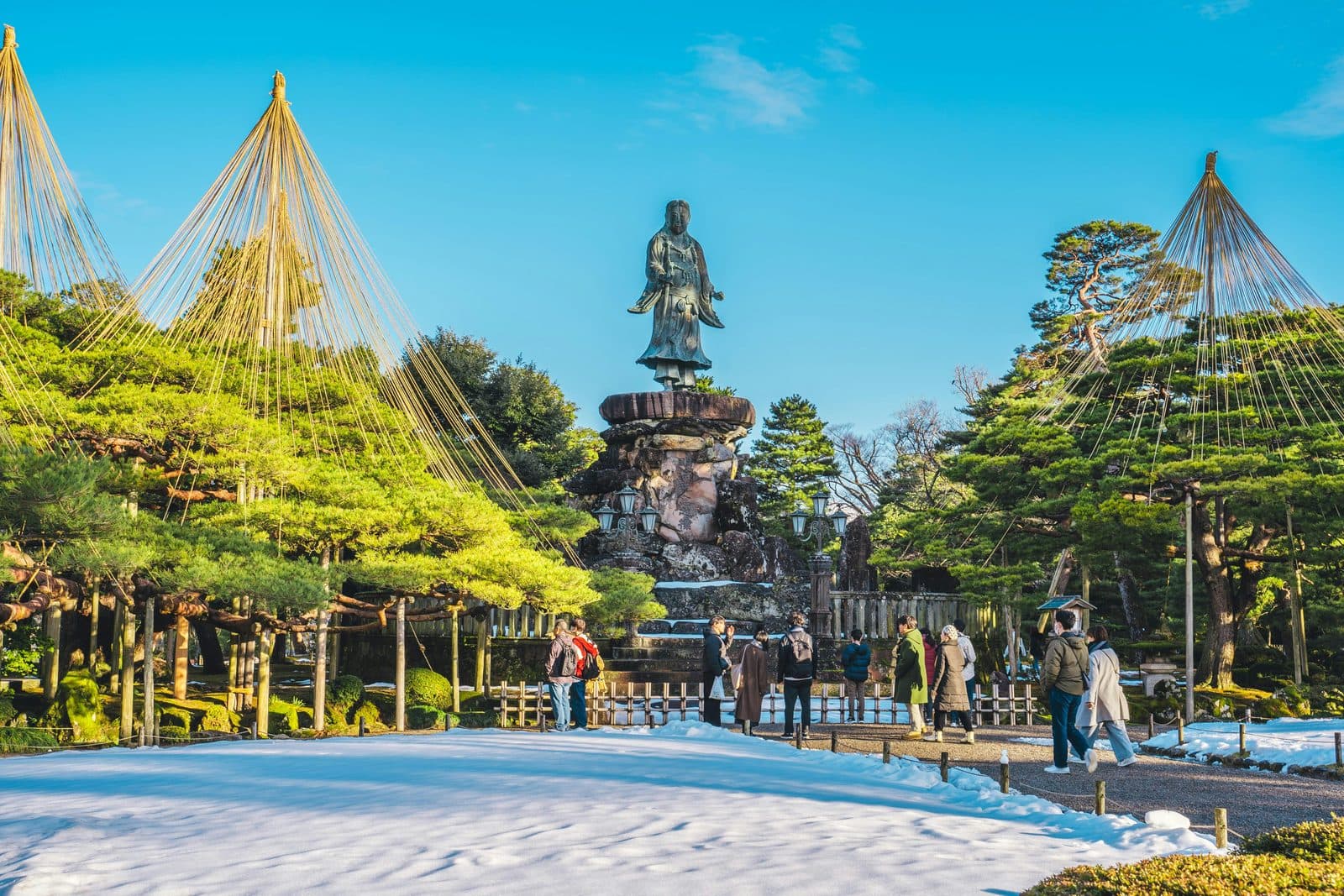
- Winter. Kenrokuen famous yukitsuri, the conical rope structures that shield its old pines from heavy snow, are a signature sight, and winter is prime snow-crab season at Omicho Market.
- Summer. Warm and green, with a wetter stretch in the rainy season.
One local note: Kanazawa sits on the Sea of Japan coast, which is cloudier, wetter, and snowier than the Pacific side of the country. Pack a layer and carry an umbrella whatever the forecast.
Is Kanazawa safe?
Very. Kanazawa is one of the safest cities in an already extremely safe country, and an easy, welcoming place for solo and female travelers. Japan carries the lowest US State Department advisory level, violent crime is rare, and the central districts are calm to walk at night. Ordinary precautions still apply: mind your belongings in the busy market, and be aware of natural-hazard risks such as earthquakes. Beyond that, this is a low-stress city to explore on your own.
Kanazawa on a budget
Kanazawa is friendly to a tight budget:
- Free to walk: the Higashi Chaya and Nagamachi lanes, the castle park grounds, and the outer plaza of the 21st Century Museum cost nothing. Only Kenrokuen, some house interiors, and the museum galleries charge a modest fee.
- Eat cheap and well: graze the stalls of Omicho Market and pick up a kaisen-don. See what to eat in Kanazawa for what to order.
- Skip taxis: the Loop Bus one-day pass plus walking covers everything.
- Skip the guide fee: Roamer self-guided audio tours are free to start, so you get expert narration without booking a guide, a start time, or a tip.
Kanazawa, Japan gold-leaf capital
One fact worth carrying with you: Kanazawa makes about 99 percent of all the gold leaf produced in Japan. The craft grew up under the Maeda lords, who spent their rice fortune on arts rather than armies, and it survives here because the local climate is ideal for beating gold into sheets thinner than a hair. You will see it on crafts, lacquer, temple decoration, and even soft-serve ice cream, and a gold-leaf workshop is one of the city signature things to do. The Higashi Chaya tour follows that gold story through the old teahouse quarter.
Start planning your walk
Ready to route your days? Read our one day in Kanazawa itinerary, plan your meals with what to eat in Kanazawa, browse the best self-guided walking tours in Kanazawa, or see all Kanazawa tours. Every tour is free to start: the introduction and first stop play in full, and every later stop plays a short preview before an optional purchase. Tours can also be downloaded in advance for offline listening.
Frequently asked questions
- How many days do you need in Kanazawa?
- Two days is the sweet spot for most travelers. One day covers the essential ring around the castle, Kenrokuen, Kanazawa Castle, Higashi Chaya, Nagamachi, and Omicho Market, if you move efficiently. A second day adds the quieter quarters, a gold-leaf workshop, the Kaga cuisine, and easy trips out to Kaga Onsen or the Noto Peninsula. Many people visit Kanazawa as a one-night stop between Tokyo and Kyoto, which works, but a full two days rewards you more.
- How do you get to Kanazawa from Tokyo?
- Take the Hokuriku Shinkansen from Tokyo Station directly to Kanazawa in about two and a half to three hours, no transfers, on the Kagayaki (fastest) or Hakutaka services. In March 2024 the line was extended southwest from Kanazawa to Tsuruga, so the same route now continues on toward Fukui and the Kansai connections. From Kyoto or Osaka, Kanazawa is reachable in around two to two and a quarter hours by the Thunderbird limited express (with a Shinkansen transfer at Tsuruga since the 2024 extension).
- How do you get around Kanazawa?
- Kanazawa is compact and walkable, and its sights cluster in a ring around the castle. For longer hops, the Kanazawa Loop Bus circles the main attractions, Kenrokuen, the castle, Higashi Chaya, Nagamachi, the 21st Century Museum, and Omicho Market, every 15 to 20 minutes in both a left and right loop, with a cheap one-day pass. Use a rechargeable IC card such as ICOCA or Suica to tap on and off. Most visitors walk between neighbouring sights and take the Loop Bus only for the longer stretches.
- What is the best time of year to visit Kanazawa?
- Spring (cherry blossom, usually early to mid-April, beautiful over the castle moats and in Kenrokuen) and autumn (foliage, mid to late November) are the two showcase seasons, with mild weather and strong colour. Winter has its own magic: Kenrokuen yukitsuri, the rope cones that protect its pines from heavy snow, are iconic, and winter is also snow-crab season at Omicho Market. Summer is warm and can be rainy. Kanazawa sits on the Sea of Japan coast, so it gets more rain and snow than the Pacific side; pack a layer and an umbrella.
- Is Kanazawa safe for tourists?
- Very. Kanazawa is one of the safest cities in an already extremely safe country, and it is an easy, welcoming place for solo and female travelers. Japan carries the lowest US State Department advisory level, violent crime is rare, and central Kanazawa is calm and walkable at night. Ordinary precautions apply: mind your belongings in busy markets and be aware of natural-hazard risks such as earthquakes. It is a relaxed, low-stress city to explore on foot.
- Why is Kanazawa famous for gold leaf?
- Kanazawa produces roughly 99 percent of all the gold leaf made in Japan, the highest share of any city by far. The craft took hold under the wealthy Maeda lords, who poured their rice fortune into arts and refinement, and the local climate, humid, with pure water, is ideal for beating gold into sheets thinner than a human hair. Today you see it everywhere here: on temple decoration, lacquerware, crafts, and even gold-leaf soft-serve ice cream. Trying a gold-leaf workshop is one of the city signature experiences.
Ready to experience it?
Higashi Chaya: The Gold City
75 min · 1.5 km · easy
More from Kanazawa
Explore more at your own pace.
One Day in Kanazawa: A Walkable Castle-Town Itinerary (2026)
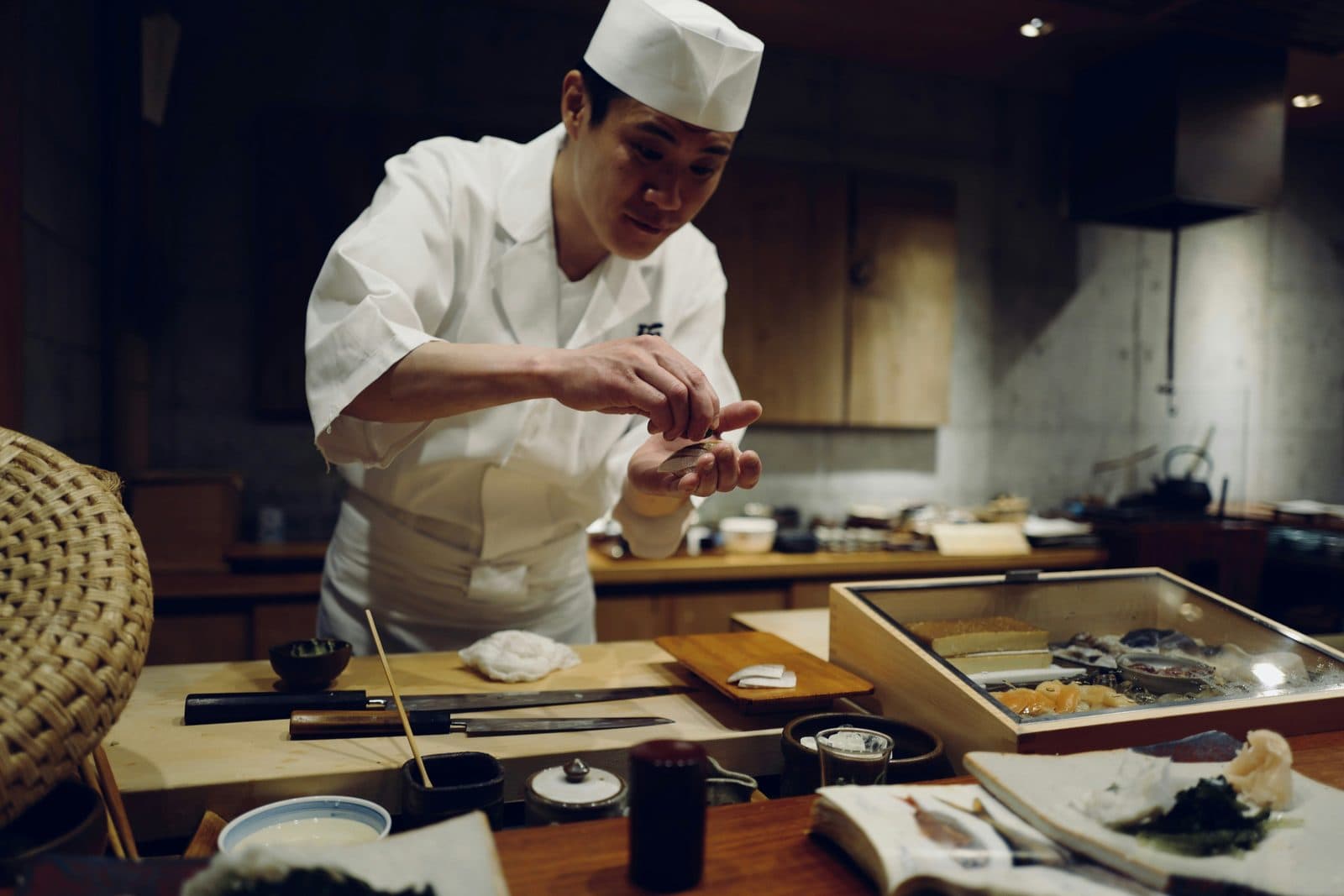
What to Eat in Kanazawa: A Food Guide (2026)
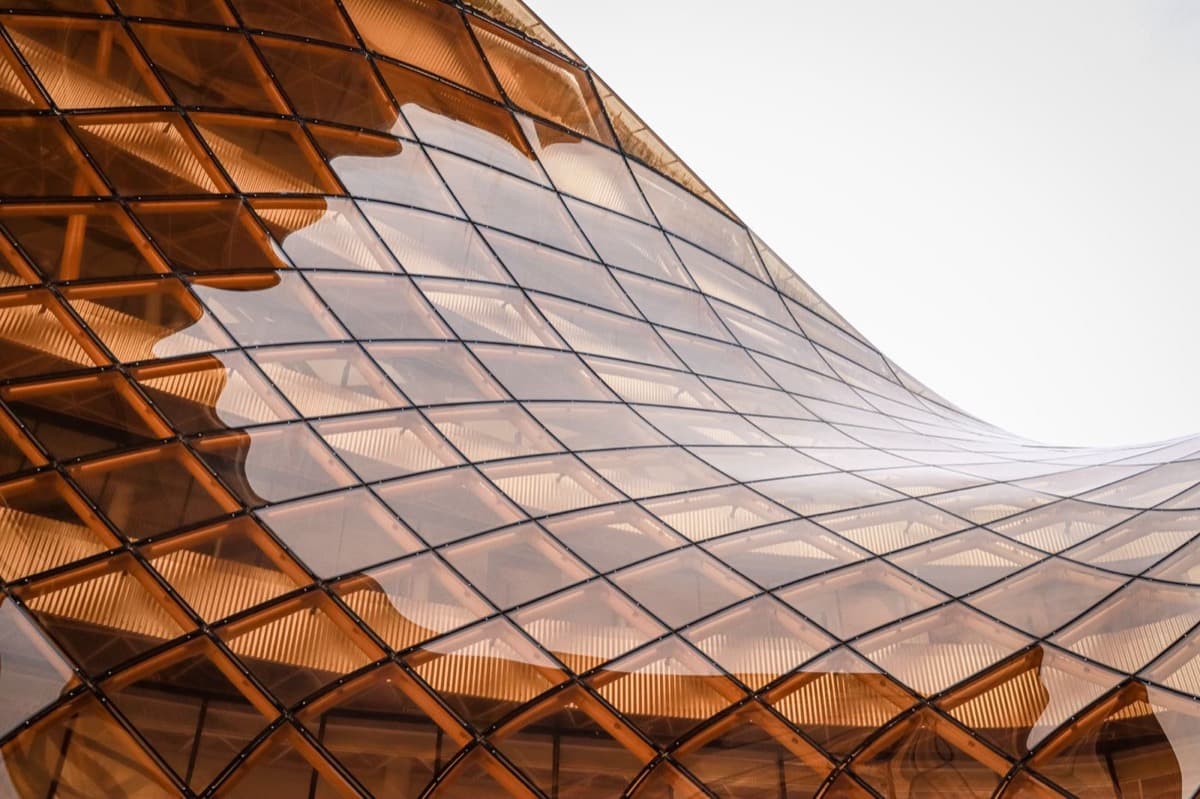
21st Century Museum: The Glass Circle That Made Kanazawa a Modern-Art City
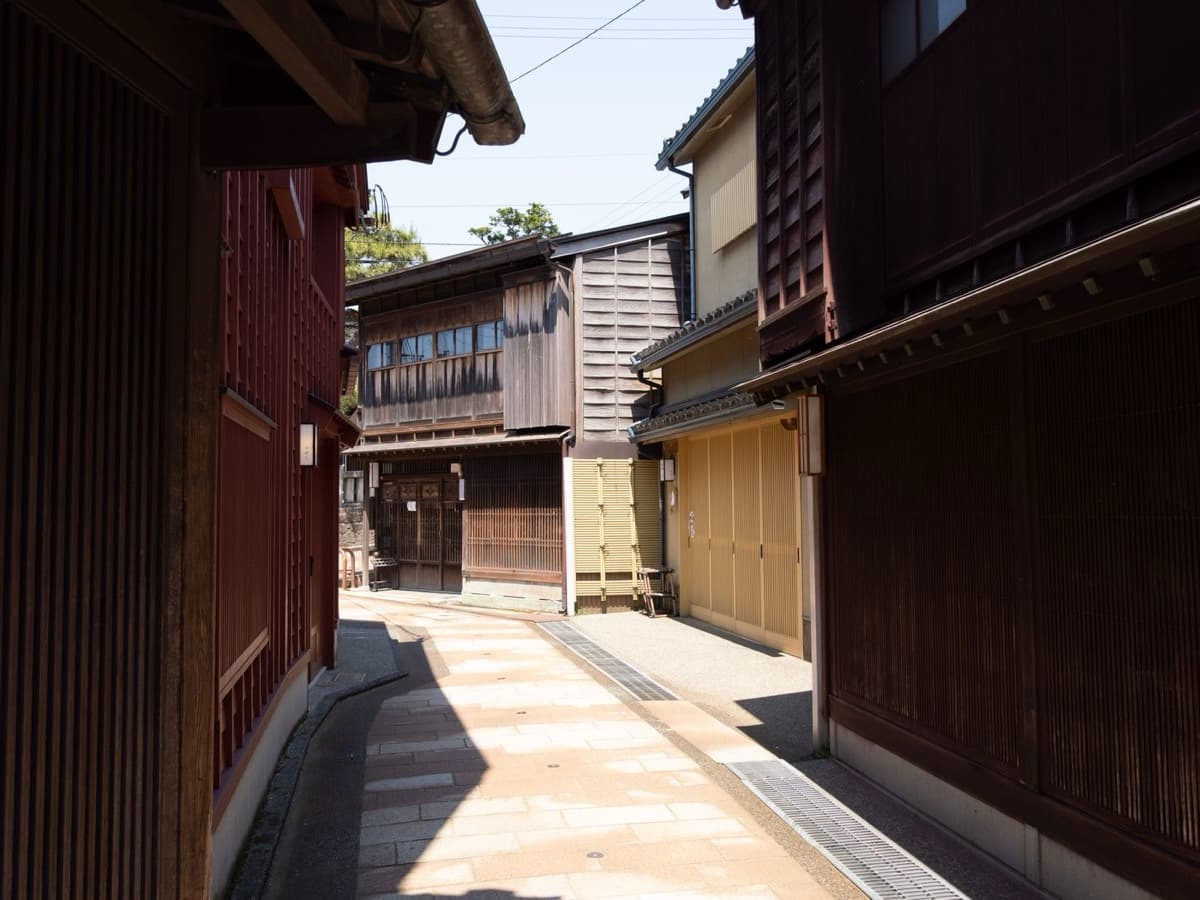
Higashi Chaya: The Kanazawa Geisha District the War Never Touched

Kanazawa Gold Leaf: The Craft That Makes 99 Percent of Japan's Kinpaku