Kanazawa produces about ninety nine percent of all the gold leaf made in Japan, and that near total hold on one craft is the reason a small city on the Sea of Japan coast still glitters. The story is simple to state and strange to absorb: a clan that grew rich on rice rather than conquest turned its fortune into a skill so refined that gold could be beaten thinner than a thought. The result is kinpaku, gold leaf, and the shop windows of the Higashi Chaya teahouse quarter are full of it.
A fortune with nowhere safe to go
To understand the gold leaf, you have to understand the money behind it. Kanazawa was the seat of the Kaga domain, ruled by the Maeda family, who held more than one million koku of assessed rice. That made Kaga the largest domain in all of Tokugawa Japan, second in wealth only to the shogun himself. Wealth on that scale was dangerous. A lord who looked too powerful invited suspicion, and suspicion in that era could end a family.
So the Maeda spent where spending reassured rather than alarmed. Not on armies or fortifications, but on lacquer, silk, song, and gold. Refinement was safer to display than force. The teahouse districts along the Asano river are the visible half of that choice. The gold leaf craft is the other half, the fortune made literal in a material you can only see when the light hits it.
Thinner than a thought
Hear a stop from this walk
Shima Teahouse: The Evening Preserved
The process sounds like an exaggeration until you watch it. Pure gold is far too soft to beat into a workable sheet, so it is alloyed with a little silver and copper. That small addition of hardness is what makes the whole craft possible. The alloy is rolled and beaten down in stages, then sandwiched between sheets of a special handmade paper called gampi, made from the bark of the gampi bush, and beaten again and again.
The finished leaf reaches roughly one ten-thousandth of a millimetre thick. At that point the gold is so thin that light passes through it and a single breath will lift it off the paper. Getting there takes about three days of careful work. Much of the labor is not even in beating the gold but in preparing and maintaining the paper it is beaten between, because the paper controls everything: how evenly the metal spreads, how far it can thin before it tears.
Kanazawa's damp climate helps. The city is one of the rainiest in Japan, and its humid air and clean water suit the handling of something this delicate. Dry air makes the leaf brittle and unmanageable. Here the weather that soaks visitors is also the weather that lets the gold survive the hammer.
Old enough to be legend
The origin of the craft has drifted into folklore, which is fitting for something so ethereal. The popular story is that Maeda Toshiie, the first lord of Kaga, ordered gold and silver leaf production in the city as early as fifteen ninety three. It is a tidy origin, and you will hear it repeated all over Kanazawa. Treat it lightly. Sources describe that date as popular belief rather than documented fact, and the honest version is that the craft took deep root over the following centuries rather than springing fully formed from a single command.
What is not in doubt is how far it reaches. Kanazawa gold leaf has gilded some of the most famous surfaces in Japan. The Golden Pavilion in Kyoto and the ornate shrine complex at Nikko both carry it. When you look at those landmarks in photographs, you are looking, in part, at the output of workshops a few streets from where this walk passes.
A living, endangered art
The craft is not a museum piece. In December of two thousand twenty, the traditional entsuke method of gold leaf production was included in a UNESCO Intangible Cultural Heritage listing, "Traditional skills, techniques and knowledge for the conservation and transmission of wooden architecture in Japan," which bundles together seventeen fields of Japanese craft used to keep historic wooden buildings alive. Recognition arrived partly because the skill is fragile. The number of trained craftspeople has been falling, and the specialized paper and tools are hard to secure. A near total monopoly on national production sits, in other words, on a very thin base of people who still know how to do it.
That tension gives the walk through Higashi Chaya its edge. The teahouses look permanent, the gold in the windows looks like commerce, but the technique that produces it is closer to endangered than to safe. When you buy a small square of leaf floating in tea, or a piece of lacquerware dusted with it, you are touching a supply chain that runs back through a handful of hands to a fifteen nineties legend.
Seeing it for yourself
The best way to grasp gold leaf is not to read about it but to stand in front of it. In the Higashi Chaya shops the leaf appears as everything from gilded lacquerware to loose flakes for your matcha, and several workshops let visitors press a sheet onto a small object themselves. Doing it once teaches you more than any number can: the way the metal clings to static in the air, the way it tears if you breathe wrong, the way a fortune can be spread until it almost disappears.
This gold leaf stop sits inside a longer walk that traces the Kaga fortune from the loud, golden main street of Higashi Chaya, through two teahouses that founded the district in eighteen twenty, across the Asano river, and into the hushed lanes of Kazuemachi. The craft is the thesis of that whole route made physical. A martial clan converted a war chest into something you can only see when the light catches it. To follow the money the rest of the way, walk the teahouse quarters in Kanazawa.
Sources
- VISIT KANAZAWA Official Travel Guide, "Kanazawa Gold Leaf: A Tradition Unique to Kanazawa." City tourism authority on production dominance and the craft's local roots.
- Travel Japan (JNTO), "Kanazawa Gold Leaf Crafting and Activities." National tourism board on the ninety nine percent share, the beating process, and the one ten-thousandth of a millimetre thickness.
- HAKUZA Inc., "UNESCO Intangible Cultural Heritage." Details the December 2020 entsuke listing and the seventeen-field wooden-architecture heritage bundle.
- Silversea Discover, "Traditional Kanazawa Gold Leaf Is Still Alive in Japan." Editorial on the alloy, thickness, and the fifteen ninety-three tradition.
- World Monuments Fund, "Kanazawa Haku: Gold Leaf Production Craftsmanship Inheritance Program." On the shrinking pool of trained craftspeople and material scarcity.
Ready to experience it?
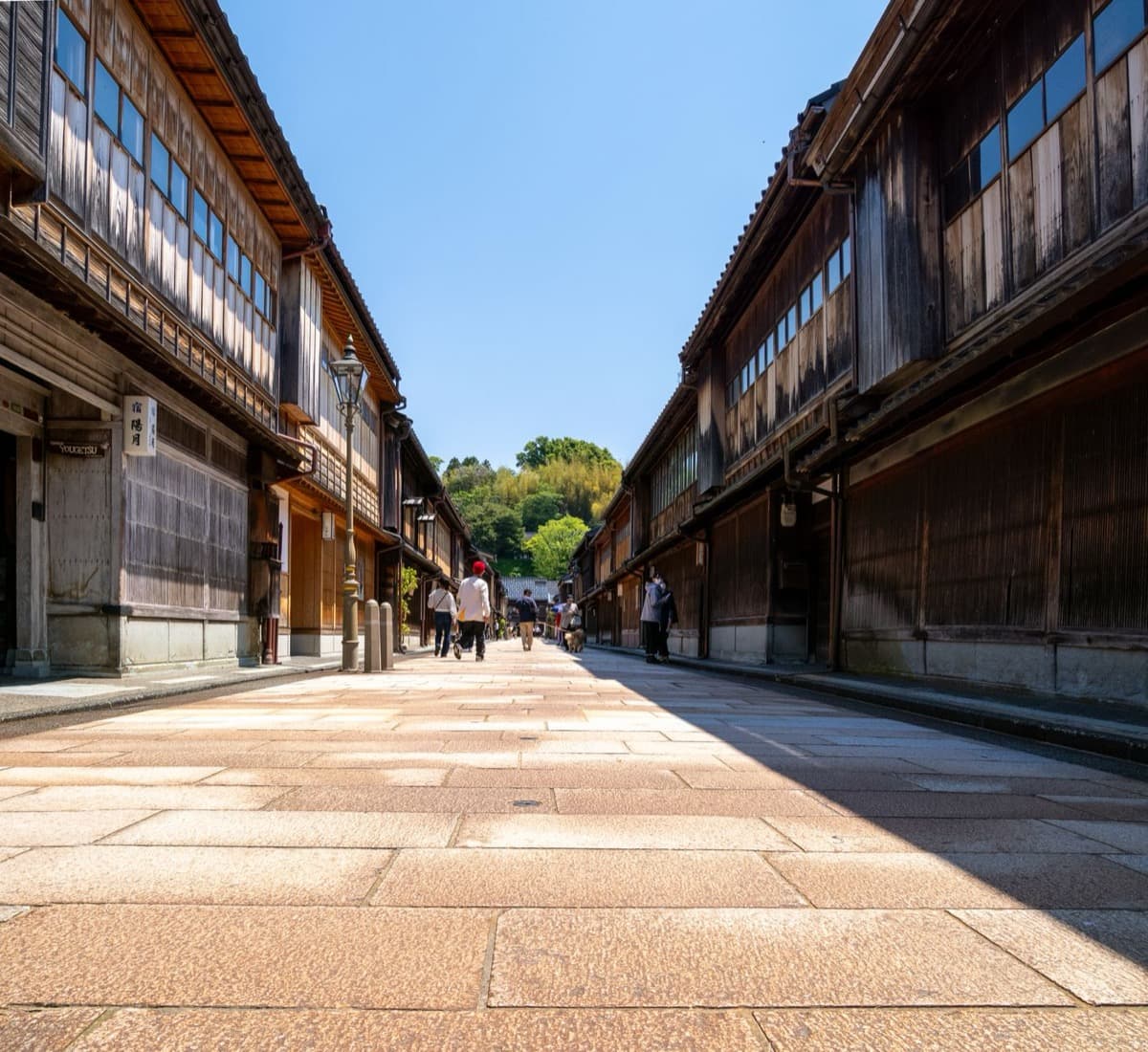
Higashi Chaya: The Gold City
75 min · 1.5 km · easy
More from Kanazawa
Explore more at your own pace.
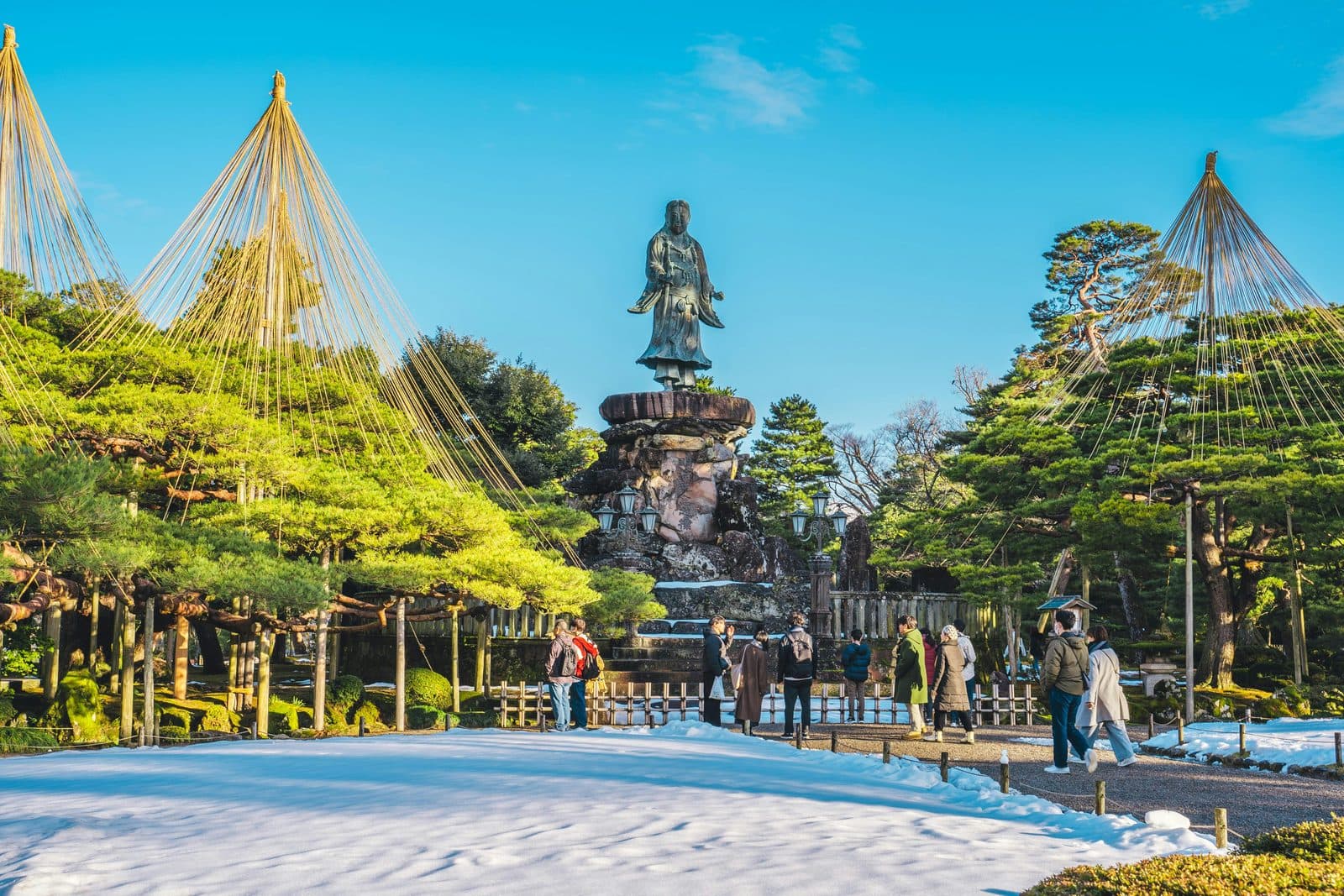
Kanazawa Travel Guide: How Many Days, Getting There, When to Go (2026)
One Day in Kanazawa: A Walkable Castle-Town Itinerary (2026)
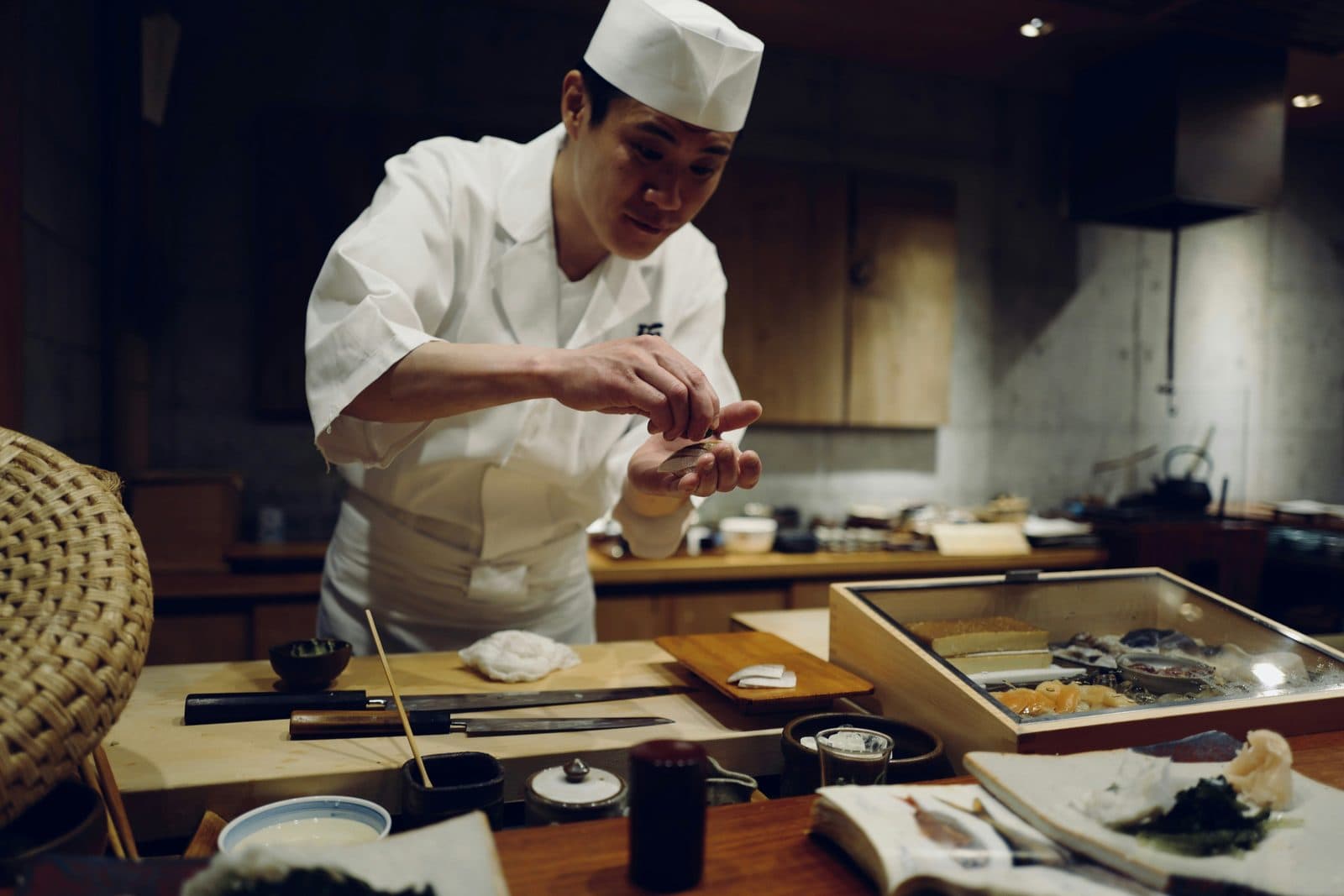
What to Eat in Kanazawa: A Food Guide (2026)
21st Century Museum: The Glass Circle That Made Kanazawa a Modern-Art City
Higashi Chaya: The Kanazawa Geisha District the War Never Touched