A short block of ochre wall on Hoa Lo Street, in the heart of the French quarter south of Hoan Kiem Lake, is nearly all that remains of what was once one of the largest prisons in French Indochina. Above the gate, in raised letters the colonial builders never bothered to remove, you can still read two French words: Maison Centrale. The Central House. It is one of the plainest sentences in Hanoi, and one of the most loaded, because the building it names was designed to do one thing, and it ended up doing the opposite.
The French built the prison between 1896 and 1901, on the cleared ground of a village whose potters had given the area its Vietnamese name, Hoa Lo, meaning stove or furnace. The name outlived the kilns. The complex covered roughly thirteen thousand square metres, ringed by high walls topped with broken glass and electrified wire, and it was raised for a single, explicit purpose: to hold the Vietnamese men and women who agitated for their country's independence. Inside these walls prisoners faced hard labor, chained confinement, torture, and, in some cases, execution by a guillotine kept on the grounds.
This piece accompanies one stop on Roamer's French quarter walk, The Seized Stage, which reads the whole colonial district as stone raised to overawe a city and then seized to stage its independence. Hoa Lo is the sharpest single example of that argument. For the wider frame, start with how to see Hanoi as a capital built on top of itself.
The machine that manufactured its own enemy
Empire built this place to break the revolutionary movement. Instead, it concentrated it.
The logic of colonial imprisonment was straightforward: identify the agitators, remove them from the population, and hold them where they can do no harm. But gathering the most committed independence activists of a generation into one set of buildings had a consequence the administration did not intend. Cell by cell, the prison became a kind of school. Political prisoners passed lessons, texts, and organizational method between them along the corridors and through the walls, and men who entered as loosely affiliated detainees left as disciplined leaders.
This is the paradox that the historian Peter Zinoman traced across the whole Indochinese prison system: the French penal apparatus, built to suppress anticolonial politics, functioned in practice as one of its most effective training grounds. Several figures who would rise to the top of the postwar Vietnamese state passed through Hoa Lo or the network of prisons like it. The machine of control manufactured the very thing it was built to destroy. That is not a metaphor the museum reaches for. It is the documented history of the building.
The second life the world knows it by
Hear a stop from this walk
National Museum of Vietnamese History: The Former Louis Finot Museum
Decades after the last colonial prisoner was released, the building took on a second identity that many travelers know it for before they know anything of the first.
During the war between the United States and North Vietnam, Hoa Lo held captured American aircrew, chiefly pilots shot down over the north. American prisoners were held here across roughly a decade, from the mid nineteen sixties until the release of prisoners in 1973. The men gave the prison a sardonic nickname that stuck: the Hanoi Hilton. The naval aviator Bob Shumaker, one of the earliest American pilots taken prisoner, is credited with scratching the phrase "Welcome to the Hanoi Hilton" where a newly arrived fellow prisoner would see it, and the grim joke traveled home with the men who survived it.
The most recognizable name among those prisoners is John McCain, the naval aviator shot down over Truc Bach Lake in central Hanoi in October 1967, who spent parts of the next five and a half years in captivity, including time at Hoa Lo, before his release in 1973. He later became a United States senator from Arizona and, in 2008, his party's nominee for president. The prison museum today includes a room dedicated to this American chapter. The account it gives is the official Vietnamese one, and it is worth walking that room knowing that two very different memories meet inside it, and that the fuller record of those years lives in the accounts of the men who were held here.
What survives, and why
Most of the complex is gone. In the years 1993 and 1994, the bulk of the prison was demolished, and a pair of modern commercial towers rose on the cleared land. What survives is the southern gatehouse and a fragment of the surrounding wall, kept as a museum and opened to the public in the late nineteen nineties.
The survival is in keeping with the character of Hanoi, a city that keeps building on top of itself and preserving the past in fragments rather than whole. Just as the Flag Tower of Hanoi survived the French demolition of the imperial citadel because a tall tower was useful to an occupying army, the Hoa Lo gatehouse survived the developers because it had become useful as memory. The rest was worth more as real estate. What you walk through now is the piece the city decided to keep.
What to look for
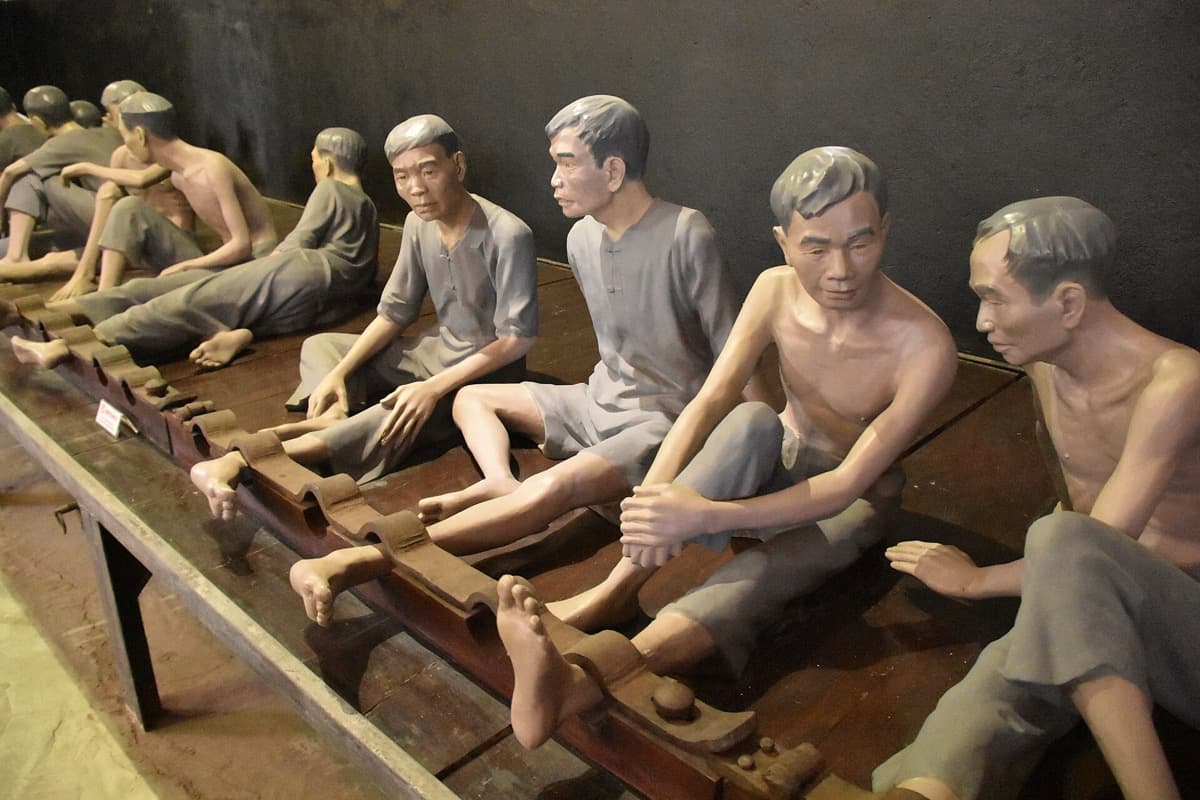
Enter through the gate under the Maison Centrale lettering and give yourself time, because the preserved corridors reward an unhurried pace. Look first at the cell blocks where independence prisoners were shackled in rows, their ankles locked into long iron bars bolted to sloping concrete platforms, a system designed so that a single guard could immobilize a whole row of men. Look for the guillotine, kept on display, which the French used on the grounds. Look for the almond tree in the courtyard, whose leaves prisoners used for medicine and which became for the inmates a small emblem of endurance. Then find the section given over to the American pilots, and read it as one account among several rather than the last word.
Finally, step back to the gate and read the two words above it one more time. A building was raised here to end a rebellion, and it is remembered instead as one of the places that helped forge one. The stone did not change. What it meant did, and Hoa Lo is the tightest knot in the whole paradox of colonial Hanoi. Walk the rest of that paradox on The Seized Stage, and treat this stop, like every stop, as one you can linger over or move past as your own morning allows.
Ready to experience it?
French Quarter: The Paris of the East
150 min · 6 km · moderate
More from Hanoi
Explore more at your own pace.
Hanoi Travel Guide: How Many Days, Getting Around, When to Go (2026)
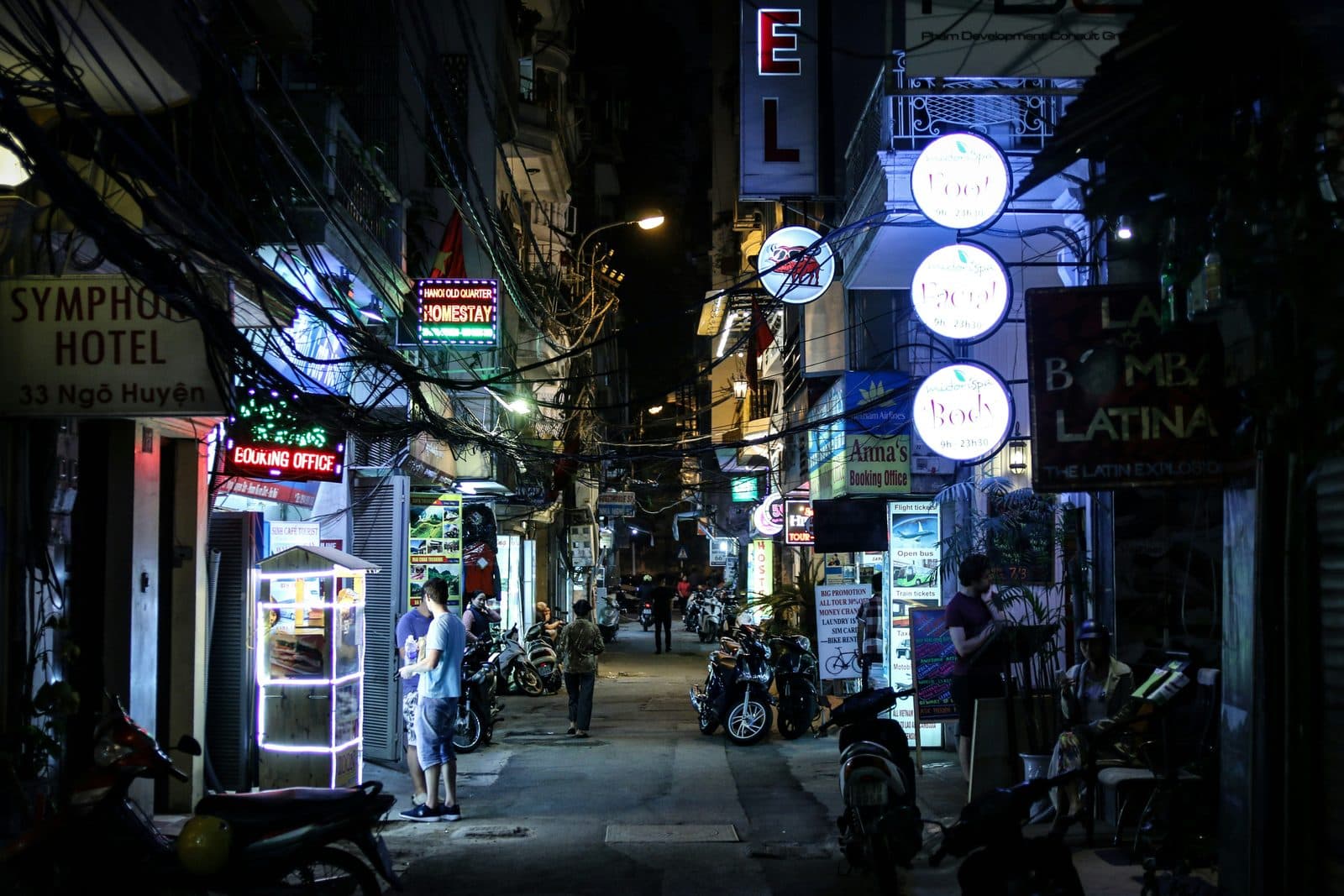
How to See Hanoi: A Capital Built on Top of Itself
One Day in Hanoi: A Walkable Old-Quarter-to-Lake Itinerary (2026)

What to Eat in Hanoi: A Food Guide (2026)
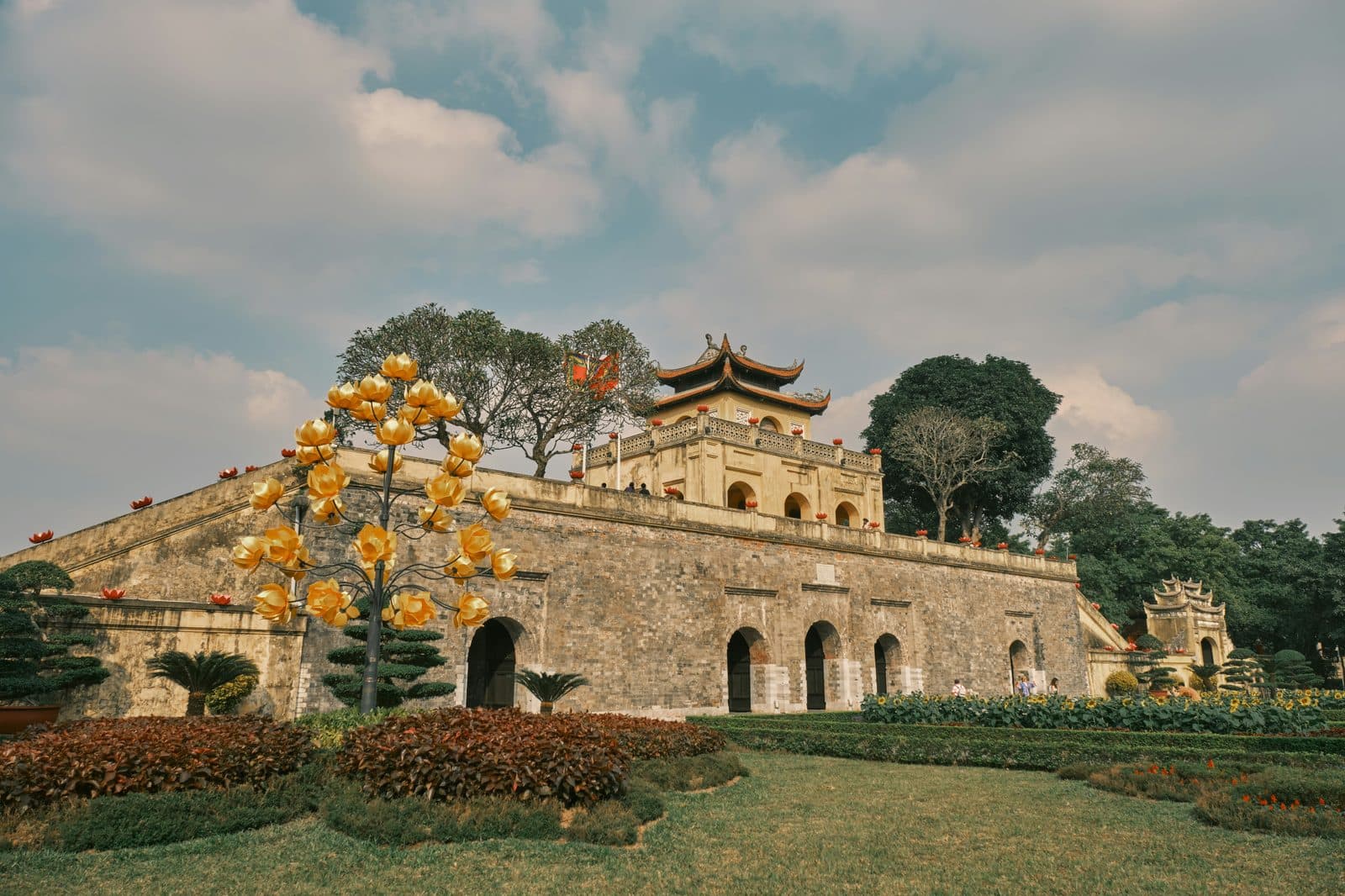
The Seized Stage: How Hanoi Turned Colonial Stone Against the Empire That Built It