Cathedral Square: A City Rebuilt from the Rubble
85 min · 3.4 km · easy
Christchurch rewards two unhurried days on foot: the central city is flat, laid out on a simple grid since the 1850 survey, and most of what you came to see sits within a ten-minute walk of Cathedral Square. You do not need a car to explore the core, the weather is mildest from December to February, and the city ranks among the safest in New Zealand for a walker who keeps ordinary night-time sense. This guide answers the practical questions before you arrive: how long to stay, how to get around, when to come, what things cost, and how safe it feels.
How many days do you need in Christchurch?
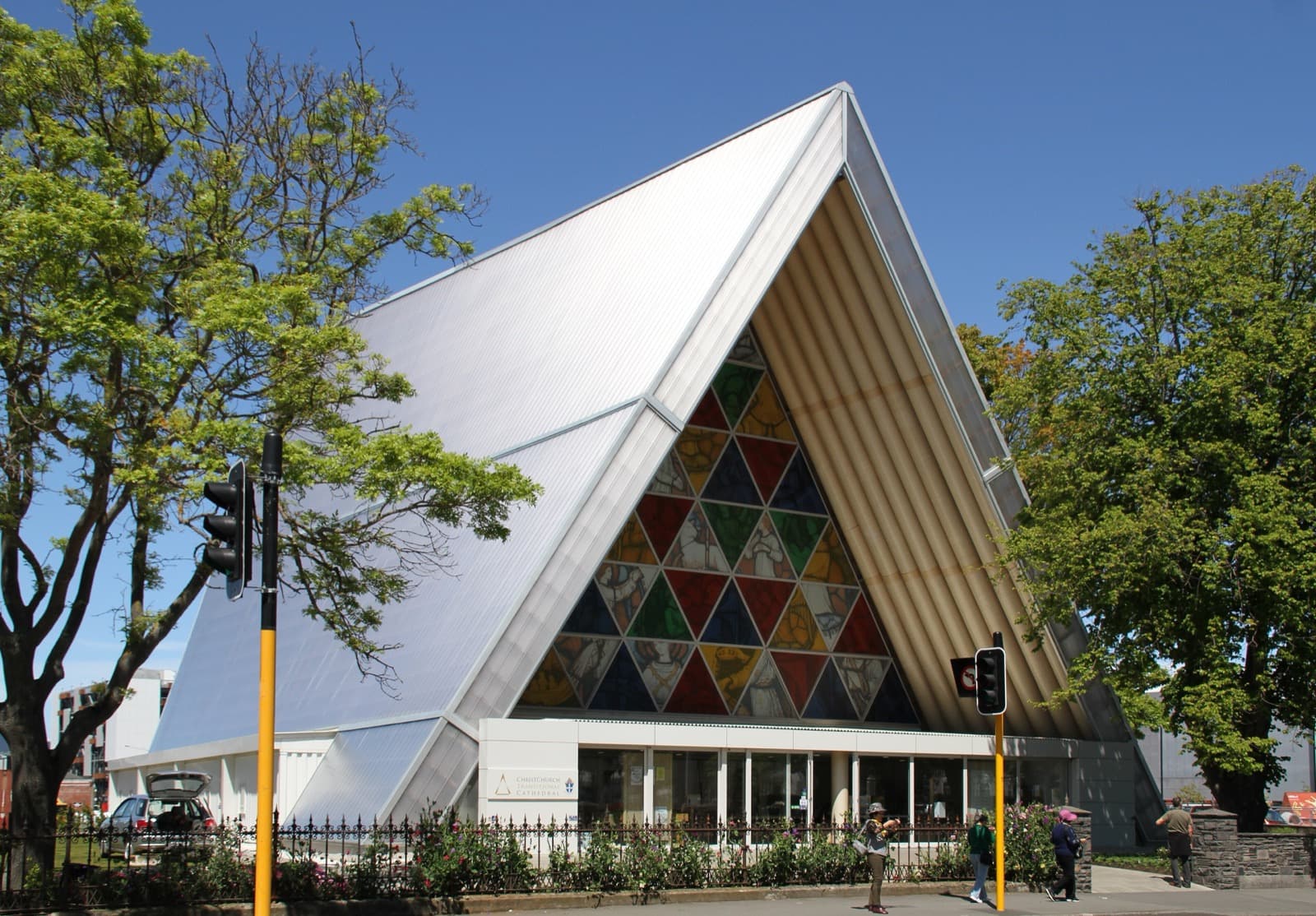
Give the central city two days. One full day covers the rebuild story around Cathedral Square, the ChristChurch Cathedral, Oi Manawa the Canterbury Earthquake National Memorial, the Transitional Cathedral (almost everyone calls it the Cardboard Cathedral), and the pastel run of shops on New Regent Street. A second day belongs to the green side of town: the Avon River, Hagley Park, and the Christchurch Botanic Gardens the "garden city" is named for. A third day is worth adding only if you want a day trip out to Akaroa or the Port Hills, which are separate excursions rather than central-city walking.
The two Roamer self-guided audio walks are built around exactly this split. The Cathedral Square and the Rebuild route runs roughly 3.4 kilometres and about 85 minutes of narration through the recovering heart of the city. The Avon and Botanic Gardens route covers around 2.8 kilometres of flat riverside past the Antigua Boat Sheds, the Arts Centre, and Christ's College into the gardens. Both are easy grade, both start near the centre, and you can do one in the morning and one in the afternoon. Browse both on the Christchurch walking tours hub.
How do you get around Christchurch?
Hear a stop from this walk
The 185 Empty Chairs: One for Each Life
Walk the centre, and use the Metro bus network for anything further out. Central Christchurch is compact and level, so the two tour routes and most museums, cafes, and memorials connect on foot without a single hill. For trips beyond the four avenues that ring the centre, or to and from the airport, Metro buses are the backbone.
Metro updated its ticketing in late 2025, so you can now tap on with a contactless credit card, debit card, or phone, in addition to the reusable Metrocard. A Metrocard costs $5 with a $5 minimum top-up and is not sold at the airport or by drivers, though drivers do sell paper cash tickets. The standard adult airport fare is $3, and Metro applies a daily fare cap of $6 for standard adults, so a day of hopping between buses will not cost more than that. All prices are in New Zealand dollars.
The heritage Christchurch Tramway is a separate, paid attraction rather than transport: a restored tram loops 18 stops around the central city in about 50 minutes with driver commentary. It is a pleasant orientation ride, but it is not how locals commute, and you do not need it to reach anything on the two walking routes.
When is the best time to visit Christchurch?
Come in summer, from December to February, for the warmest and driest weather. Daytime highs sit around 21 to 22 degrees Celsius, and summer sees noticeably less rain than the rest of the year, which suits long days on foot through the gardens and along the river. This is also the busiest stretch, so book accommodation ahead.
Spring (September to November) is the quiet alternative, calmer and still pleasant, with the Botanic Gardens coming into flower. Winter, June to August, is cold: Antarctic southerlies push straight into town and the Port Hills can dust with snow. Whatever the season, Christchurch has a genuine reputation for "four seasons in one day" as Pacific air meets the Southern Alps, so pack a layer and a light rain shell even in January.
What does it cost? Budget notes
The two things this guide sends you to see are almost entirely free. The Christchurch Botanic Gardens are free and open daily from 7am, closing seasonally (roughly 9pm in high summer, 6:30pm in winter). Hagley Park, which wraps around the gardens, is always free and always open. Cathedral Square, Oi Manawa, New Regent Street, and the riverbank walks cost nothing to stand in.
A few stops carry a fee if you go inside. The Cardboard Cathedral is free to enter with a koha (a Māori term for a donation) appreciated. Punt hire on the Avon at the Antigua Boat Sheds is a paid activity in New Zealand dollars, as is the heritage tram loop. The historic ChristChurch Cathedral in the square is an active reinstatement site and is not open for general public entry, so you view it from outside. Budget travellers can spend a rewarding two days here paying only for meals, buses, and the odd punt or tram ride.
Is Christchurch safe for travelers?
Yes, honestly and without drama: Christchurch ranks among New Zealand's safest cities, and the central city is comfortable to walk during the day. The sensible cautions are the ordinary ones. Late at night, quieter side streets and areas away from foot traffic warrant the usual care, and petty theft can happen in any city, so do not leave valuables visible in a parked car. Solo travellers, including women, generally report feeling safe on the main central streets and on Metro buses. Staying somewhere central keeps your walk home short and well lit.
One thing worth knowing for peace of mind rather than fear: much of what these walks describe is earthquake history. The February 2011 quake reshaped the city, and you will pass memorials to the 185 people who died. The buildings you see today were rebuilt or reinforced to current standards. The story is sombre in places, but the ground you walk is a modern, functioning city centre.
Sources
Frequently asked questions
- How many days do you need in Christchurch?
- Two days covers the central city well: one for the rebuild story around Cathedral Square and the Cardboard Cathedral, and one for the Avon River, Hagley Park, and the Botanic Gardens. Add a third day only if you want a day trip out to Akaroa or the Port Hills. The city centre is flat and compact, so both days are easy on foot.
- How do you get around Christchurch?
- Walk the centre and use Metro buses for longer trips. Central Christchurch is level and grid-planned, so most sights are within a ten-minute walk. Metro buses added contactless tap-to-pay with card or phone in late 2025, the standard adult airport fare is $3, and a daily fare cap of $6 means a full day of bus travel costs no more than that.
- When is the best time to visit Christchurch?
- December to February (summer) is warmest and driest, with daytime highs around 21 to 22 degrees Celsius and the least rain. Spring is quieter and still pleasant. Winter (June to August) is cold with Antarctic southerlies. Christchurch is known for four-seasons-in-one-day weather, so pack a layer year-round.
- Is Christchurch safe for tourists?
- Yes. Christchurch ranks among New Zealand's safest cities and is comfortable to walk during the day. Use ordinary caution on quiet side streets late at night and do not leave valuables visible in cars. Solo travellers generally report feeling safe on main central streets and on Metro buses.
- Is the Christchurch Botanic Gardens free?
- Yes, the Christchurch Botanic Gardens are free and open daily from 7am, closing seasonally around 9pm in high summer and 6:30pm in winter. The surrounding Hagley Park is always free and open. Cathedral Square, the Oi Manawa memorial, and New Regent Street also cost nothing to visit.
- Do you need a car in Christchurch?
- Not for the central city. The core is flat and walkable, and the two self-guided Roamer routes plus most museums and memorials connect on foot. Metro buses cover anything beyond the four avenues and the airport, and a heritage tram loops the centre as a paid sightseeing ride rather than transport.
Ready to experience it?
Cathedral Square: A City Rebuilt from the Rubble
85 min · 3.4 km · easy
More from Christchurch
Explore more at your own pace.
One Day in Christchurch: A Walkable Morning-to-Evening Itinerary
Christchurch: The Garden City That Rebuilt Its Heart
The Christchurch Botanic Gardens: Why a Garden City Grew Around One Oak
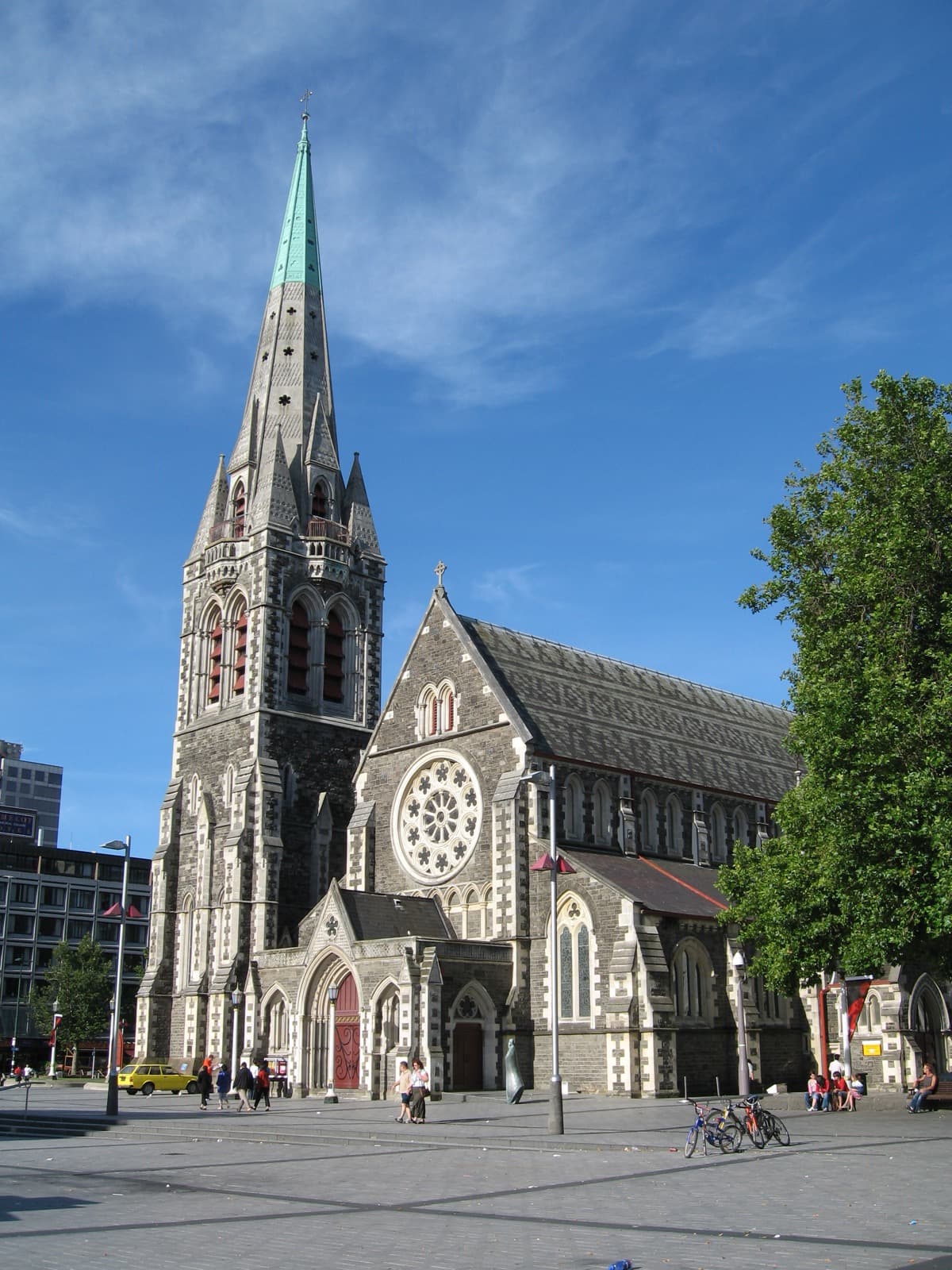
The Fallen Spire: Reading Christchurch's Rebuild from Cathedral Square
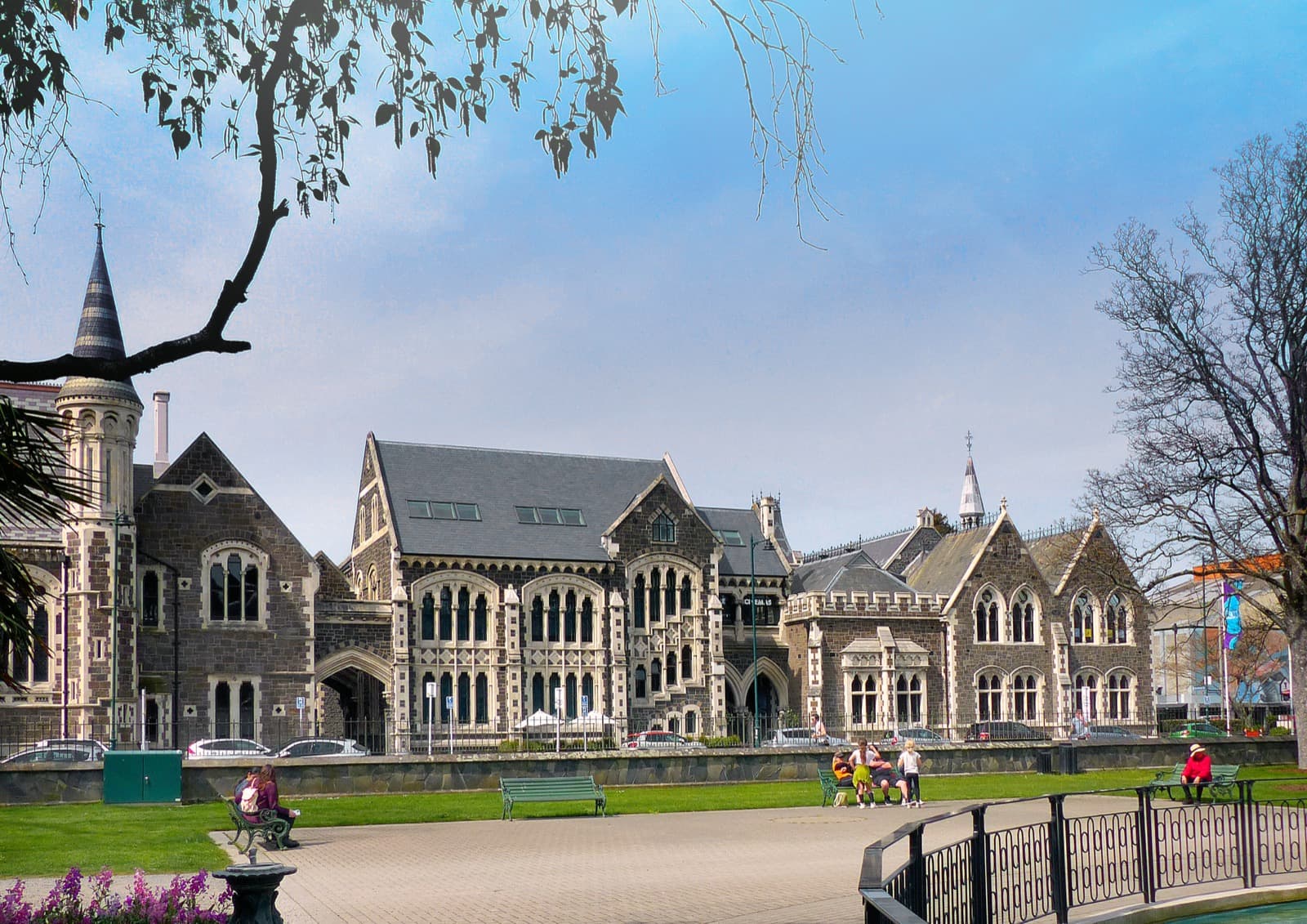
The Arts Centre Te Matatiki Toi Ora: The Gothic College Rebuilt Stone by Stone