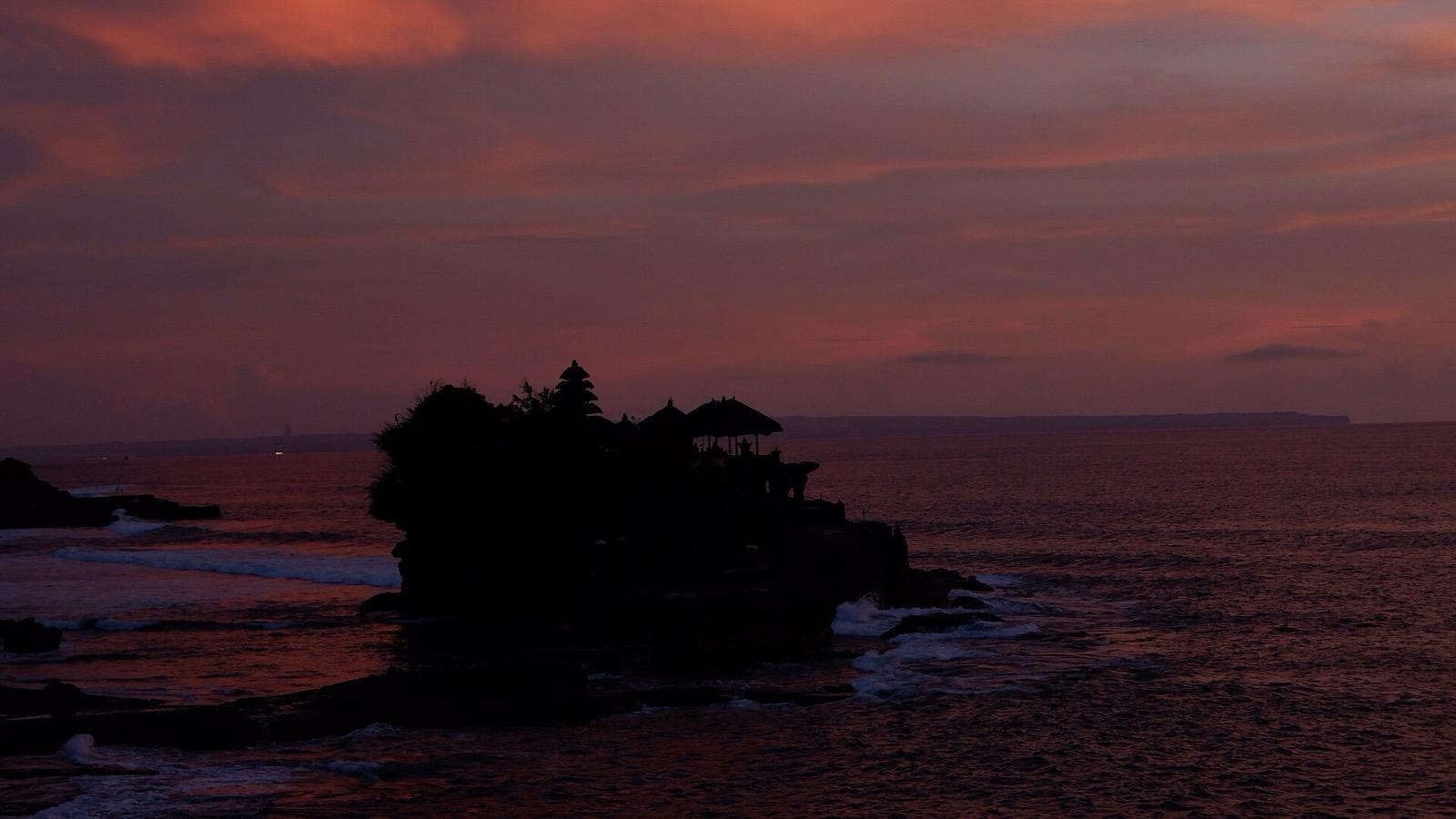
One afternoon holds Bali's whole relationship with water: a serene royal garden-temple that blesses water as harvest, and a sea-rock temple that faces water as raw power. Drive between the two at your own clock, no fixed group departure.
Start · Taman Ayun: The Moat and Gate
DirectionsStops
- 1
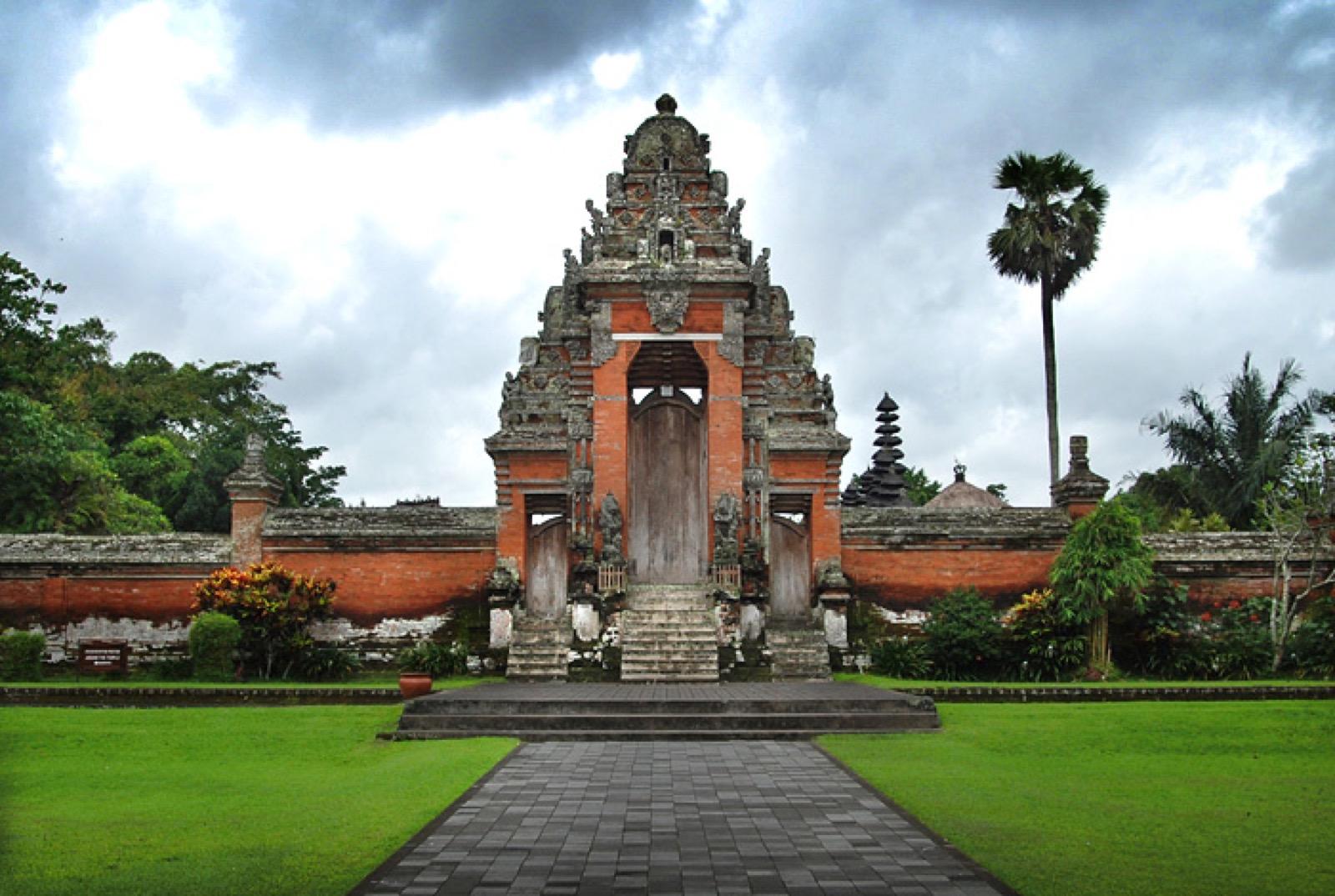
Taman Ayun: The Moat and Gate
A royal family temple built in sixteen thirty-four that appears to float inside a wide moat, where water, not a wall, divides the everyday from the sacred.
- 2
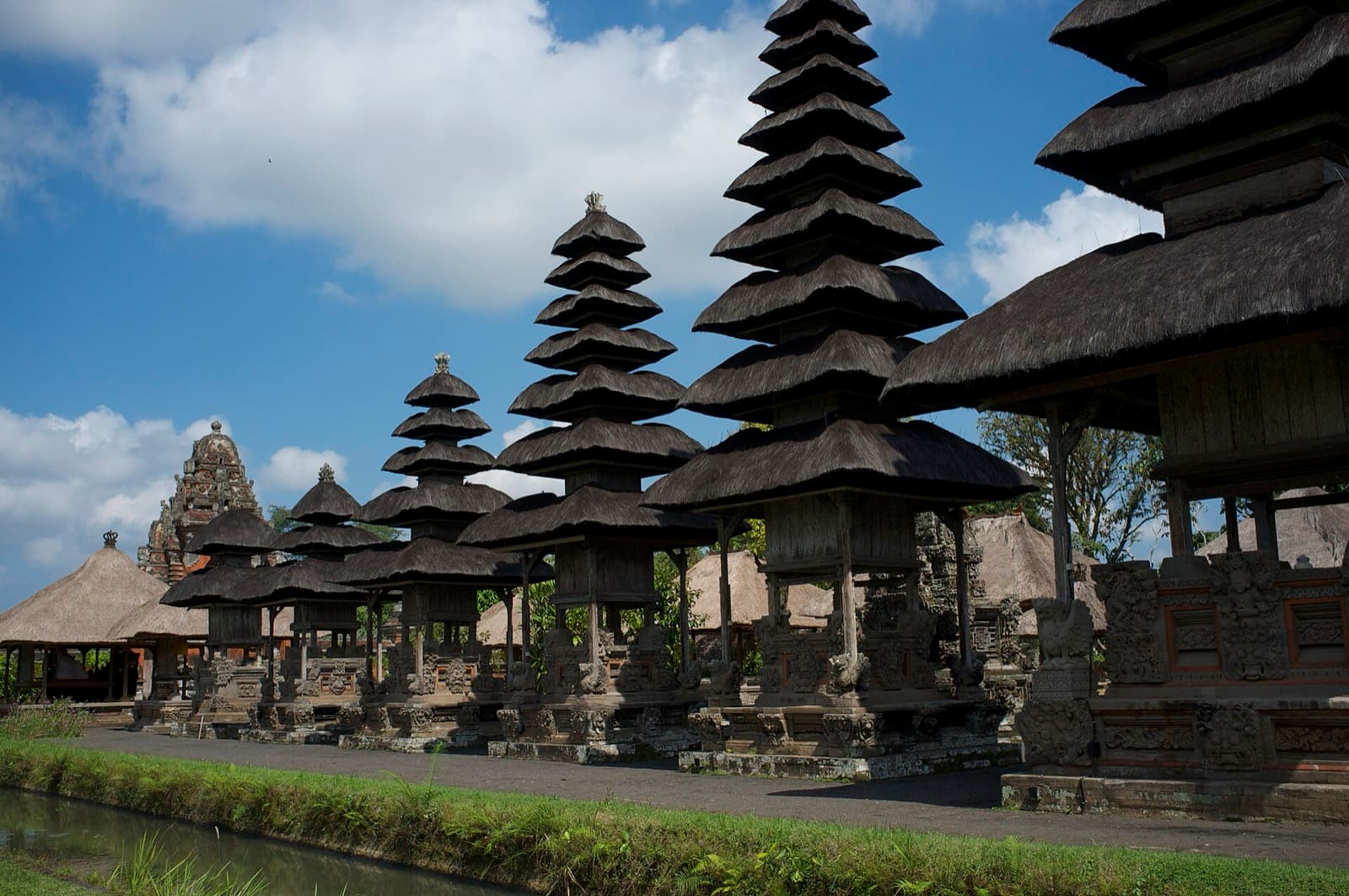
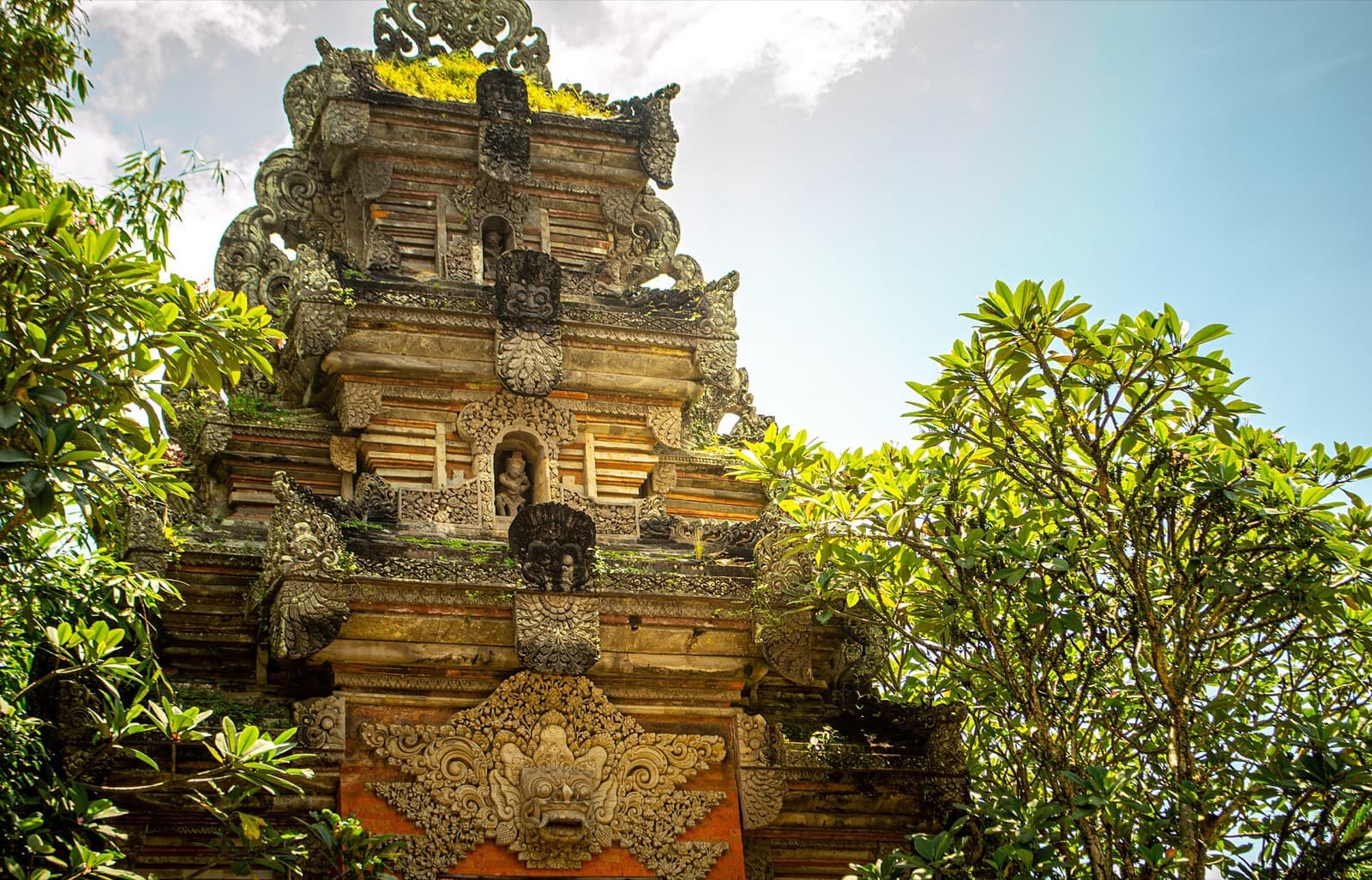
Taman Ayun: The Meru Towers
Rows of tiered pagoda-like shrines in the inner sanctuary, their roofs climbing from two levels up to eleven, reaching symbolically toward Bali's sacred mountains.
- 3
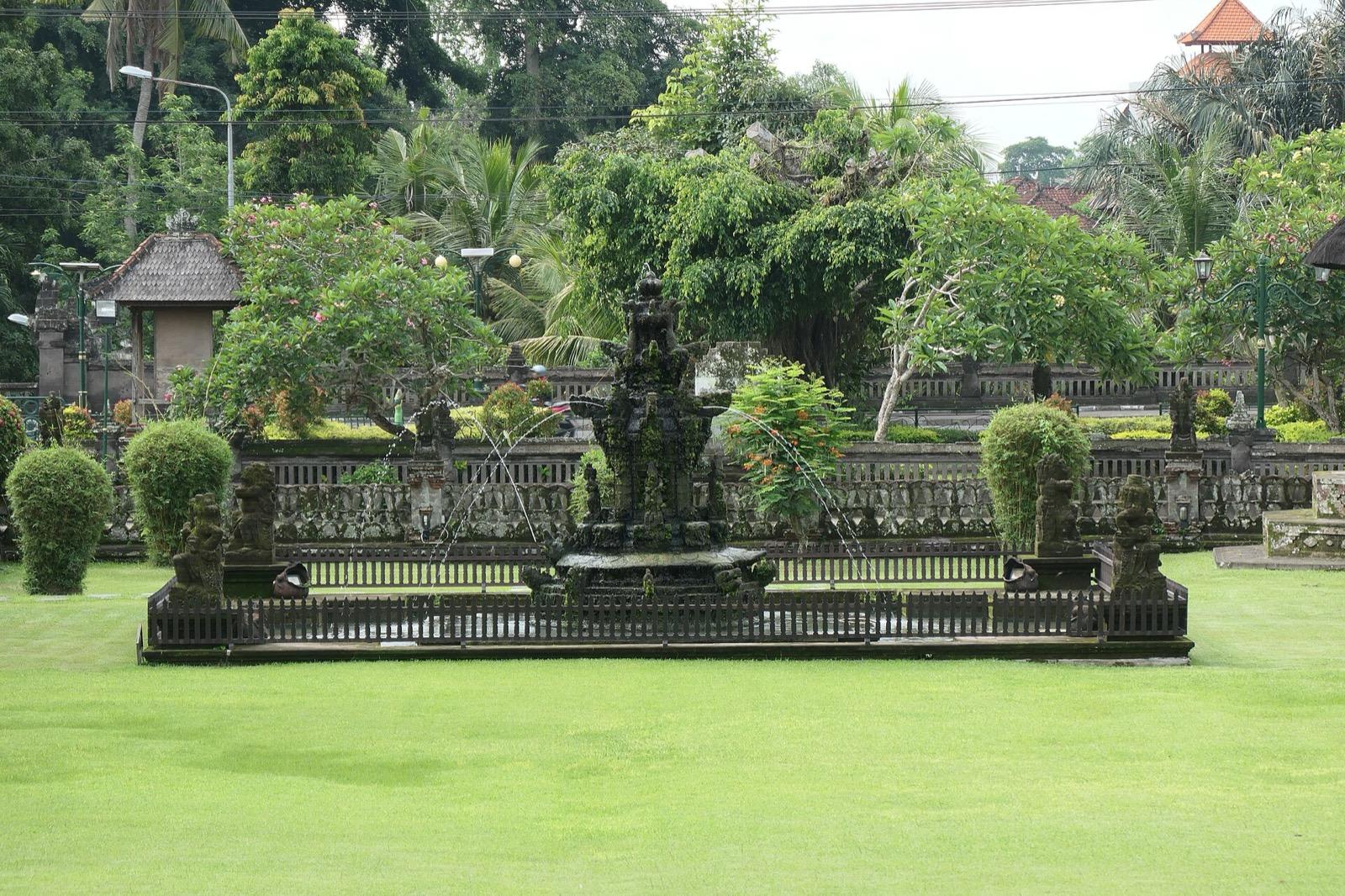
Taman Ayun: The Subak Connection
The thesis stop: a UNESCO-listed royal water temple whose ceremonies once governed a ninth-century cooperative irrigation system, worshipping water as harvest, not danger.
- 4
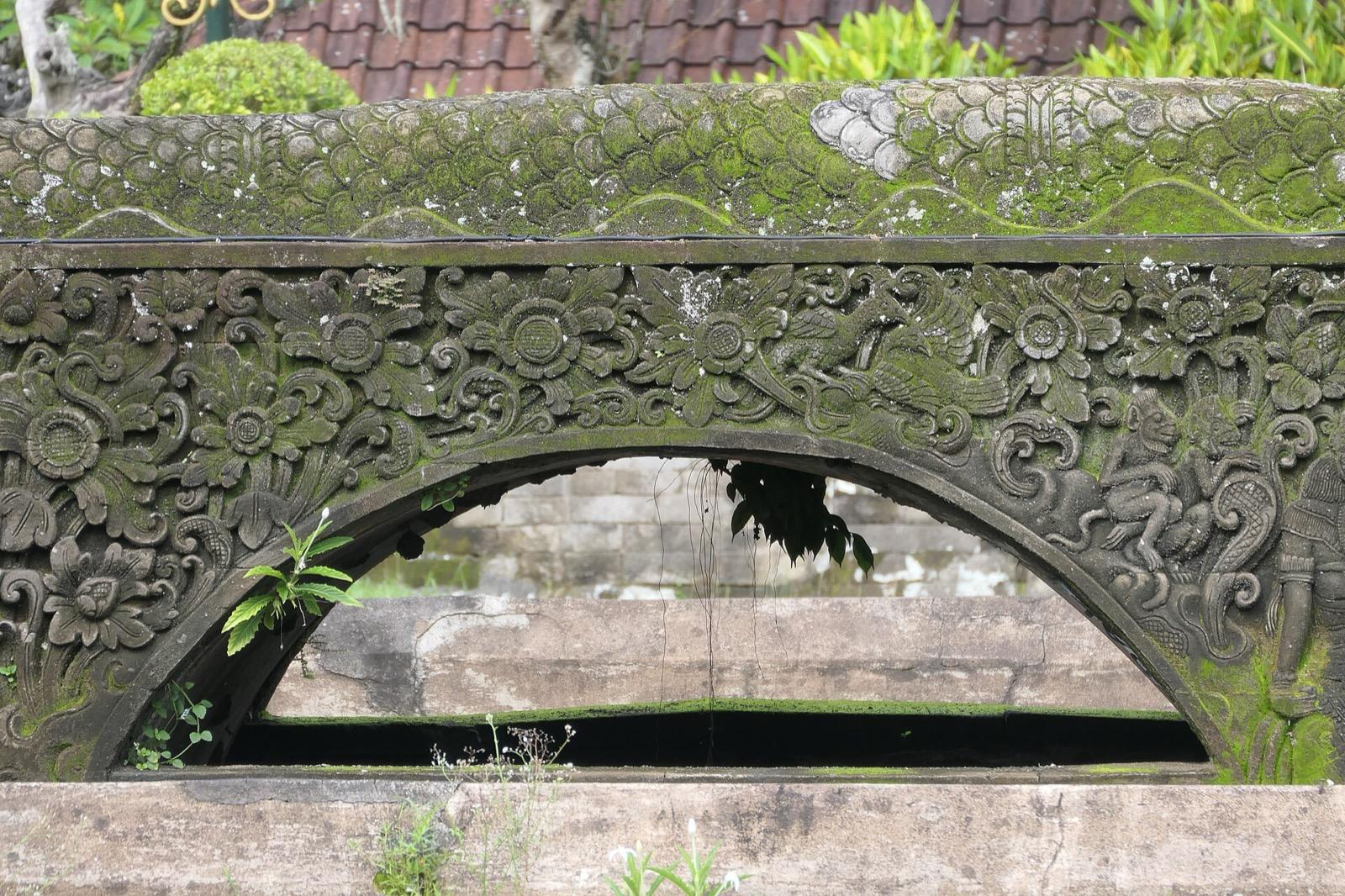
Taman Ayun: Departure for the Coast
The bridge stop, where you leave the garden of managed water for the temple of the open sea, a half-hour drive southwest at your own pace.
- 5
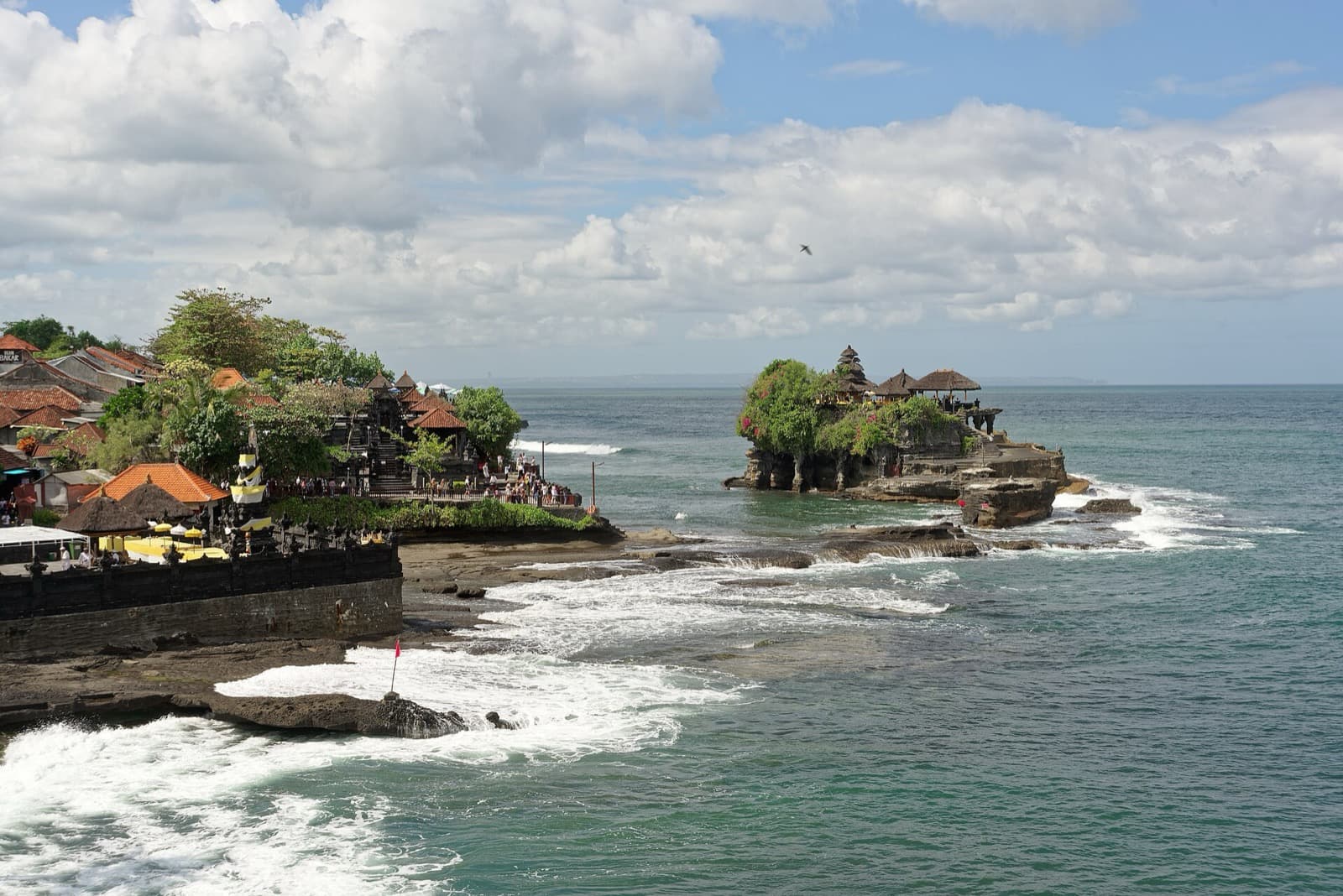
Tanah Lot: First Sight from the Shore
Arrival at the coast, where a temple appears offshore on a large rock, its founding credited by tradition to the sixteenth-century priest Dang Hyang Nirartha.
- 6
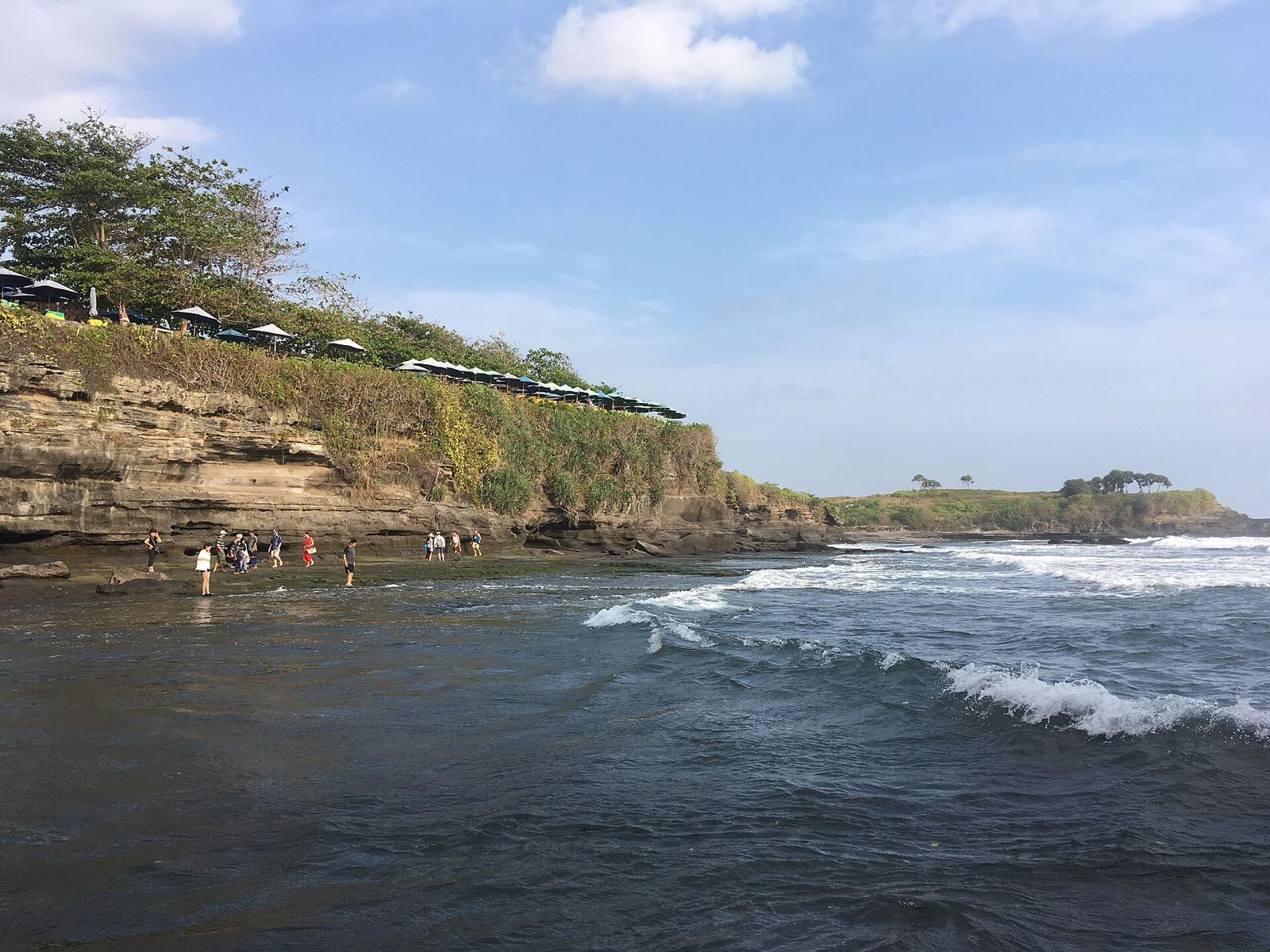
Tanah Lot: The Tidal Causeway
The sea-side thesis stop, where the tide seals off the rock twice a day and the shrine on top stays closed to non-worshippers, a temple built to be faced, not entered.
- 7
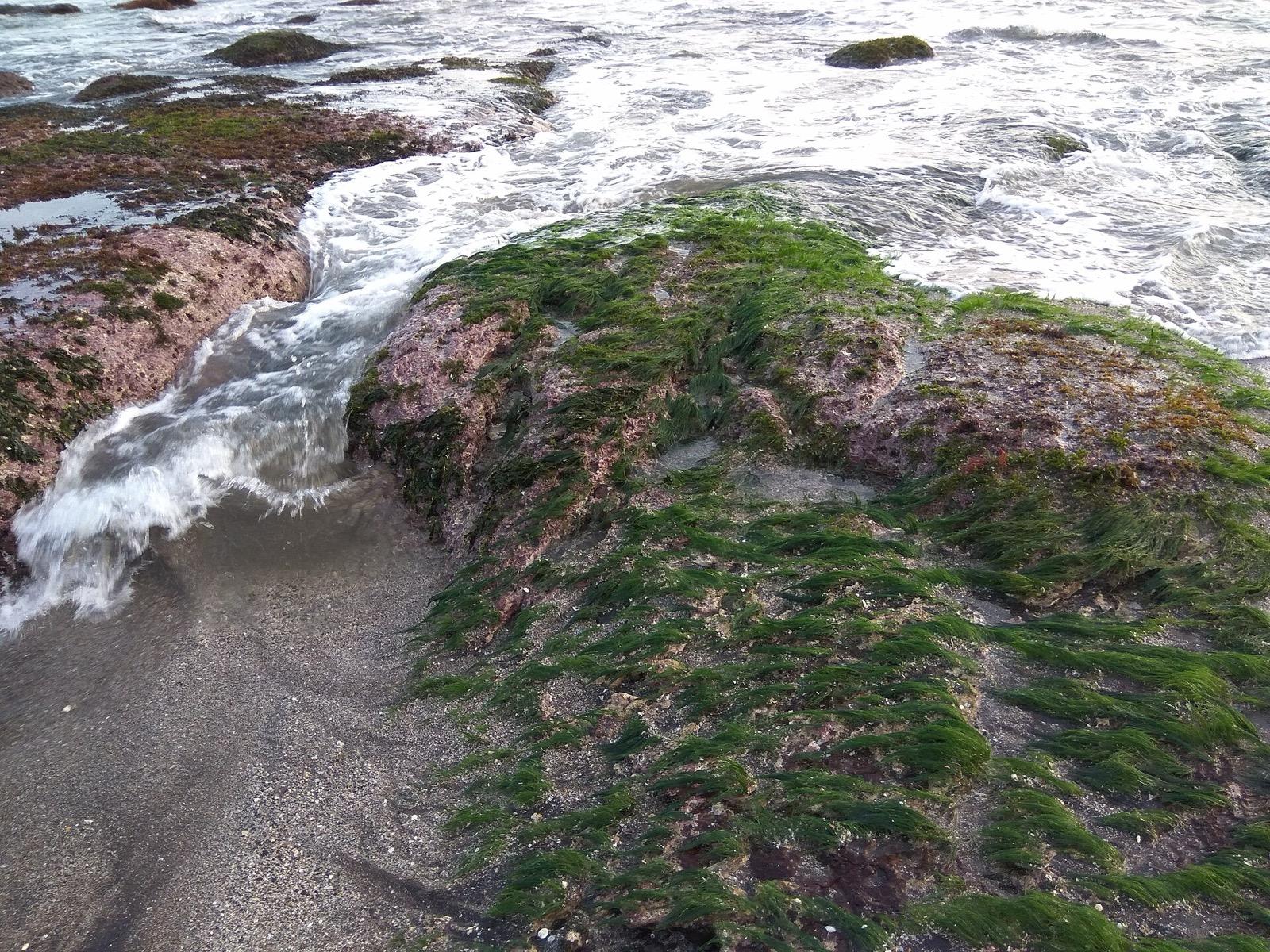
Tanah Lot: The Guardian Snake and the Holy Spring
A freshwater spring rising amid the salt sea, treated as holy water, and the legend of sacred sea-snakes said to guard the temple from caves around the rock.
- 8
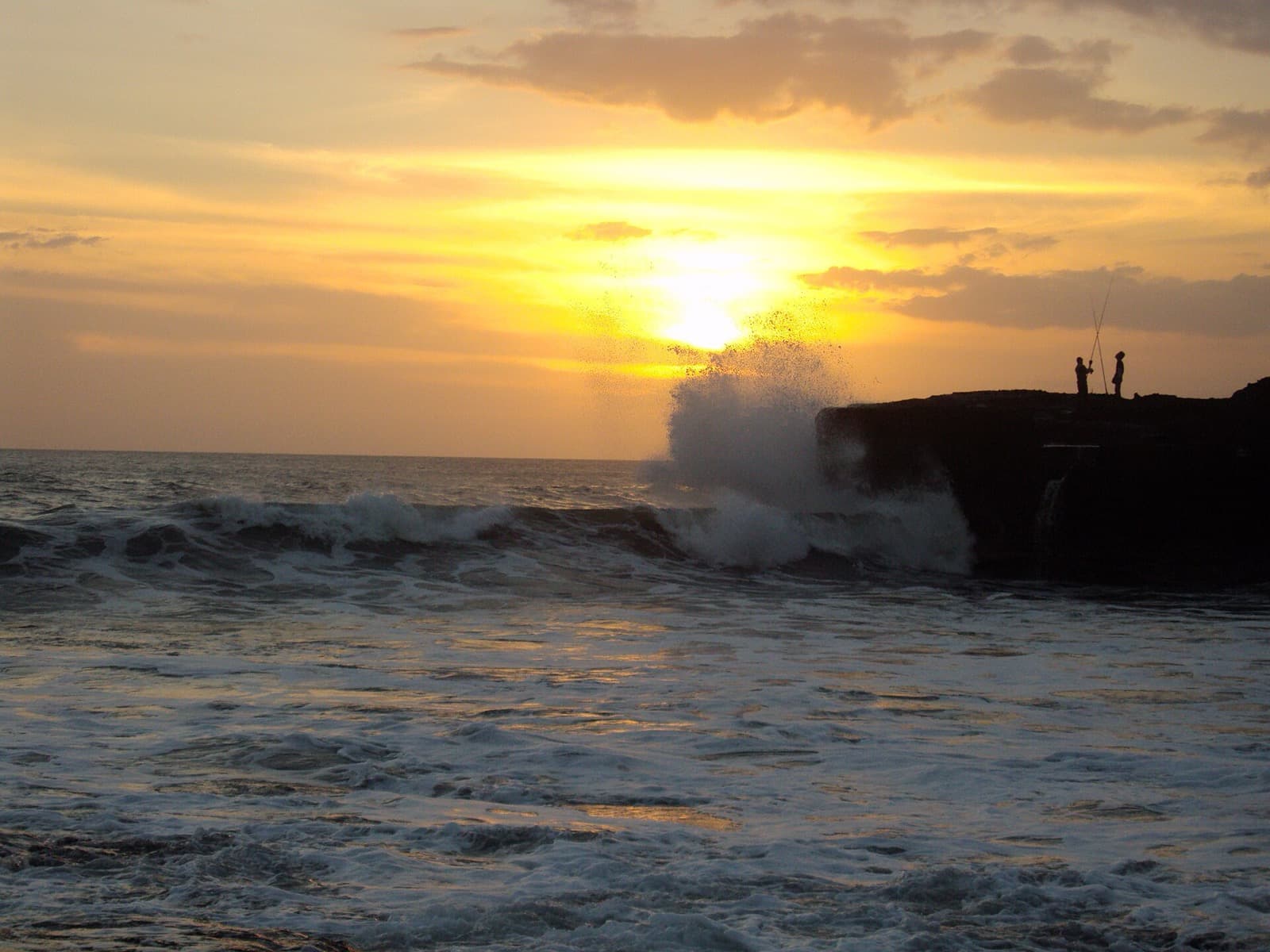
Tanah Lot: The Sunset View
The finish: Bali's most famous sunset temple, its west-facing rock one link in a chain of seven sea temples said to ring the island in protection.
Details
Best Time to Visit
Late afternoon is ideal: start inland at Taman Ayun in the softer light of two or three in the afternoon, then drive to Tanah Lot to arrive well before sunset, which is when the coastal temple is at its most spectacular. Crucially, check the tide chart before you go, because you can only reach the base of the Tanah Lot rock at low tide. Mornings are calmer and cooler at both temples if you prefer to skip the sunset crowds, though you will miss the famous evening light. The dry season, roughly April to October, brings the most reliable clear skies.
Pro Tips
- •Check the day's tide times before setting out: the base of Tanah Lot is only reachable on foot at low tide, so time your coastal arrival for low water if you want to get close to the rock.
- •A sarong and sash are required at both temples and are usually provided at the entrance, but bringing your own means you are never left waiting for one.
- •Do the drive between the two temples on your own schedule rather than with a fixed group departure, so you can linger in the Taman Ayun garden and still reach the coast before sunset.
- •At Tanah Lot, position yourself along the western clifftop rail for sunset, and arrive with time to spare, since the best viewpoints fill up as the light drops.
- •Carry small cash in rupiah for temple entry, parking, sarong rental, and a holy-water blessing at the spring if you wish to receive one.
- •Keep in mind that the main shrine on the Tanah Lot rock is closed to non-worshippers, so plan to experience it from the base and the shore rather than expecting to climb to the top.
Safety & Precautions
- •Watch the tide carefully at Tanah Lot: the rock is cut off from the shore at high tide, and the rocks around the base can be wet and slippery, so tread carefully and do not linger where the sea can reach you.
- •By Balinese custom, menstruating women and anyone with a bleeding wound are asked not to enter temple inner courtyards at either site; non-Hindu visitors may enter the grounds but not the inner sanctums, and never the closed shrine atop the Tanah Lot rock.
- •Sunset at Tanah Lot draws large crowds, so keep a hand on your belongings, mind your footing on the crowded clifftop paths, and expect the drive back to the city to be busier after dark.
- •Bali's tropical heat and sudden rain call for water, sun protection, and a light rain layer, and there is little shade at the exposed coastal viewpoints, so pace yourself between the two temples.
- •Agree the return fare before you get in the car at Tanah Lot, since drivers working the sunset car park often quote inflated prices and app-based pickups are frequently blocked here by the local taxi cooperative. Settling the number first, ideally against what your arrival ride cost, avoids a surprise after dark.
Travel advisory: Exercise Increased Caution (Level 2).
Gallery
Related Reading
Go deeper on what you'll see, hear, and walk through.
Overview
Bali Travel Guide 2026: Days, Transport, Season, Cost, and Safety
7 min
Overview
Best Self-Guided Walking Tours in Bali (2026)
3 min
Overview
One Day in Bali: A Walkable Ubud-to-Tanah Lot Itinerary
8 min
Thematic
Bali: The Island Where Art and Water Became Devotion
8 min
Companion
Tanah Lot's Tidal Causeway: The Temple That Faces Water Instead of Blessing It
6 min
Deep dive
Taman Ayun's Meru Towers: How to Read the Tiers
7 min
Read
What to Eat in Bali: Babi Guling, Betutu, and Warung Ordering
7 min
Read the walk
The full story of Tanah Lot: Bali's Temples Between Land and Sea, in words. Prefer to listen? Play it narrated, from home or on location.
Introduction
This is a self-guided circuit through two of Bali's most revered temples, here in Indonesia, and it asks you to hold one idea across the whole afternoon: the same element, water, worshipped in two opposite ways. There are eight stops. Plan on roughly two and a half to three hours, and note that the two temples sit about fifteen kilometres apart. The walking at each site is short, a little over a kilometre apiece, but between them comes a short drive of about half an hour. That drive is the point of doing this your own way. No fixed group departure, no van idling while you photograph a moat. You leave the first temple when you are ready, and you reach the coast on your own clock. The circuit opens inland at Taman Ayun, a royal garden-temple near Mengwi that seems to float in its own moat, a place that blesses water as cultivation and harvest. Then the road carries you southwest to Tanah Lot, a temple on a sea rock that the tide cuts off twice a day, built to face the ocean's power, and one you are not even allowed to enter. The counter-intuitive turn is this: the temple that manages water lets you walk right up to it, while the temple that confronts water seals its shrine off from you entirely. Both are living Balinese Hindu temples, so a sarong and sash are expected, usually provided at the entrance. When you arrive at the outer gate of Taman Ayun, begin with stop one.
1. Taman Ayun: The Moat and Gate
The name Taman Ayun means beautiful garden, and the first thing you notice is that this temple appears to float. A wide moat wraps the whole compound, with a smaller inner moat around the sanctuary, so the walls and shrines seem to rise straight out of still water dotted with lotus. Here water, not a stone wall, is what separates the secular world outside from the sacred ground within. That is not decoration. It is the first hint of this temple's whole idea. The site records place the founding in sixteen thirty-four A D, in the year fifteen fifty-six of the Balinese saka calendar, built by the king of Mengwi, I Gusti Agung Putu, also known as Cokorda Sakti Blambangan. He raised it as a royal family temple, a pura kawiten, honoring the ancestors of the Mengwi dynasty, a kingdom that endured until eighteen ninety-one. The compound covers about six point nine hectares and divides into three courtyards, moving from the public outer ground inward toward the most private royal space. As a visitor you move along the paths and the outer courts, taking in the scale of it, while the innermost court stays reserved for worshippers. Take your time at the gate and along the moat. There is no group forming up behind you, no guide counting heads. This is a place built to be read slowly, the reflection of the shrines doubling in the water below them. Keep that floating quality in mind, because the whole meaning of Taman Ayun, and its opposite out on the coast, begins right here with water as a gentle, ordering, blessing presence.
2. Taman Ayun: The Meru Towers
From the path around the inner sanctuary, you can see the marquee sight of Taman Ayun: the meru towers. A meru is a multi-tiered Balinese shrine tower, and here they stand in rows, their thatched roofs stacked one above the next like tapering pagodas. The site records note they range from two tiers all the way up to eleven, and the number of tiers matters. The taller towers, with the most stacked roofs, honor the highest deities. These shrines are dedicated to the deified ancestors of the Mengwi royal line and to Hindu gods, including the mountain gods of Bali. That upward stack of roofs is not just for elegance. It is meant to reach symbolically toward the sacred mountains, the high volcanic peaks that Balinese Hindus hold as the dwelling places of the gods and the source of the island's life-giving water. So even up here in the towers, the theme of this temple holds: everything points back toward the mountains, and the mountains are where the water comes from. You view the meru from the surrounding walkway, because the inner court itself is kept for worshippers at prayer. That is the right distance anyway. From the path you can take in the full row of them, count the tiers, watch how the light catches the dark palm-fibre roofs, and read the hierarchy written into their heights. Linger as long as you like. Nobody is moving you along. When you are ready, carry one question to the next stop: why does a temple this serene, this garden-like, care so much about water and mountains? The answer is what earned this place a spot on a very short global list.
3. Taman Ayun: The Subak Connection
Here is the heart of what makes Taman Ayun so much more than a beautiful garden-temple. UNESCO records that on the sixth of July, twenty twelve, this place was inscribed as the Royal Water Temple Pura Taman Ayun, one of five component areas of a World Heritage Site with a long name: the Cultural Landscape of Bali Province, the Subak System as a Manifestation of the Tri Hita Karana Philosophy. Let me unpack that, because it explains everything you have seen. The subak is Bali's cooperative water-management system, a network of canals, weirs, and water temples that shares irrigation between rice farmers. It developed in the ninth century A D, and it is not just plumbing. It is a religious and social institution. Water temples like this one hosted the ceremonies that governed the timing and the fair sharing of the water, deciding together when each field flooded and drained. So this temple does not worship water as a threat. It worships water as cultivation, as the gift that feeds the rice terraces, as harvest itself. The waters around Taman Ayun still feed three subaks in the district. And Tri Hita Karana, the philosophy in that UNESCO title, means the three causes of goodness: harmony among people, harmony with nature, and harmony with the spiritual realm, all balanced through the sharing of water. Hold that thought. Because in about half an hour, you will stand before a temple built to say the exact opposite about the very same element. This one blesses water as a friend. The one on the coast confronts it as a force. Take your last quiet moment in the garden here before the drive.
4. Taman Ayun: Departure for the Coast
This is your bridge between two worlds, and the last stop before the drive. You have spent the last while in a temple that treats water as a blessing to be ordered and shared, a serene garden floating in its own moat, a place you could walk right up to and around. Now the…
Full narration for this stop unlocks with the tour.
5. Tanah Lot: First Sight from the Shore
You have made the drive, and now you get your first sight of it from the shore: a temple that does not sit in a garden or on a hillside, but out on a large rock in the sea, with the surf breaking around its base. The name says it plainly. Tanah Lot means land in the sea in…
Full narration for this stop unlocks with the tour.
6. Tanah Lot: The Tidal Causeway
Now the counter-intuitive turn lands fully. Back at Taman Ayun, the temple that manages water let you walk its paths and courts freely. Here, the temple that confronts water does the opposite. Tanah Lot sits on a large rock offshore, and it is only reachable on foot at low tide.…
Full narration for this stop unlocks with the tour.
7. Tanah Lot: The Guardian Snake and the Holy Spring
At the base of the rock, where the sea washes in, there is something that should not be possible: a spring of fresh water. It is called Tirta Pabersihan, and it rises from beneath the sea-battered rock, yielding fresh water even though salt sea surrounds it on every side.…
Full narration for this stop unlocks with the tour.
8. Tanah Lot: The Sunset View
You have reached the finish, and it is the reason so many people know Tanah Lot before they ever come to Bali. This rock faces west, straight out to the open sea, which makes it Bali's most famous sunset temple. As the light drops, the whole silhouette of the temple darkens…
Full narration for this stop unlocks with the tour.