The Buried Capital
Trace a thousand years of Vietnamese imperial history hidden beneath modern Hanoi, from an eleventh-century temple built to make scholars to the square where a new nation was declared.
4.43|120 minutes|3.5 km|6 Stops
Start
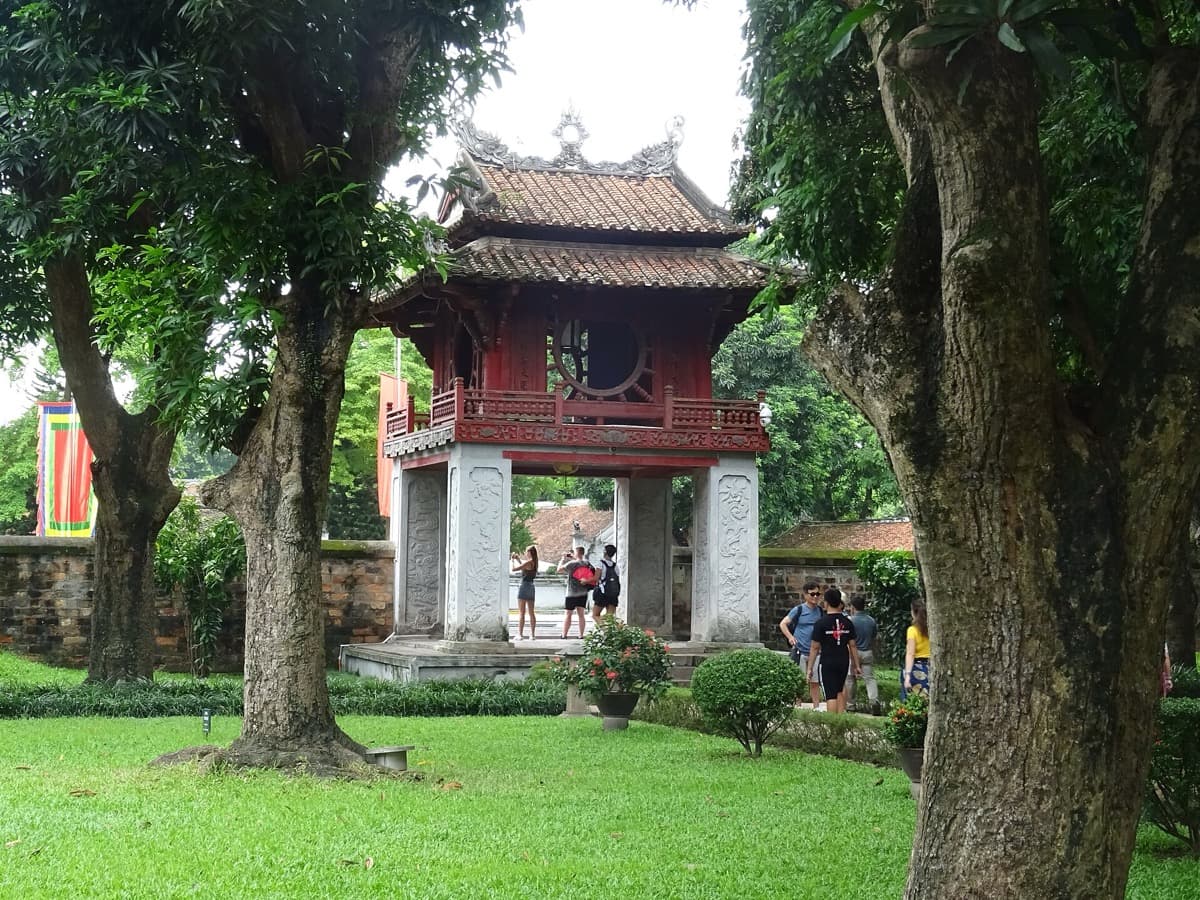
Temple of Literature: Van Mieu
1
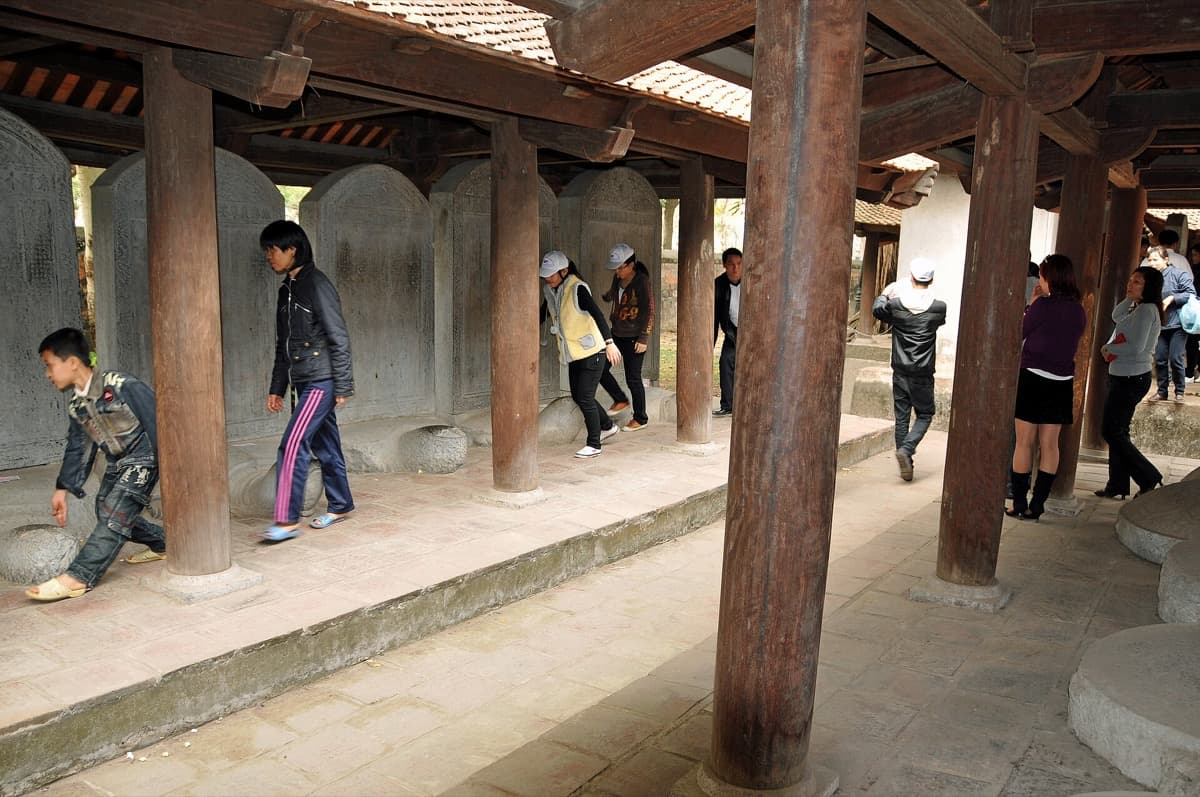
Temple of Literature: Van Mieu
An eleventh-century Confucian temple that became home to the country's first national academy and still holds the stone tablets recording centuries of examination graduates.
2
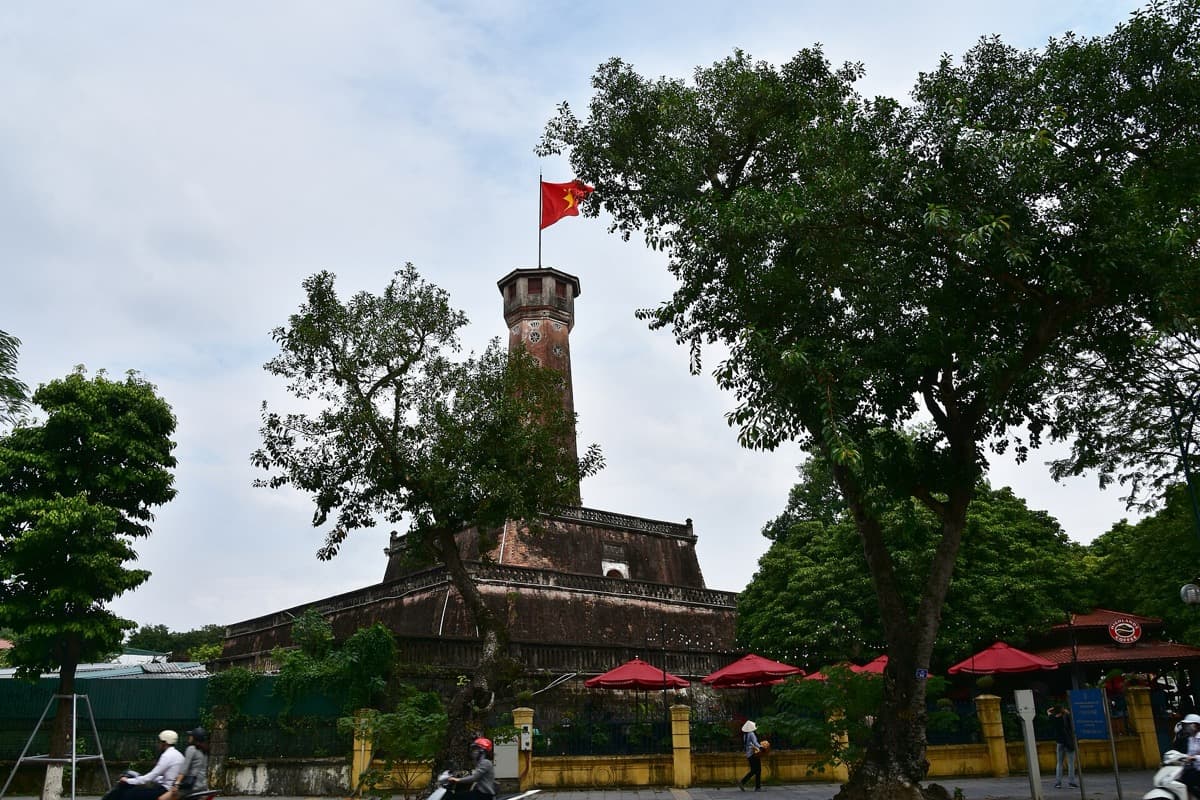
Flag Tower of Hanoi: Cot Co
A tall Nguyen-era brick tower that survives precisely because it was useful, while the palaces around it were demolished and vanished.
3
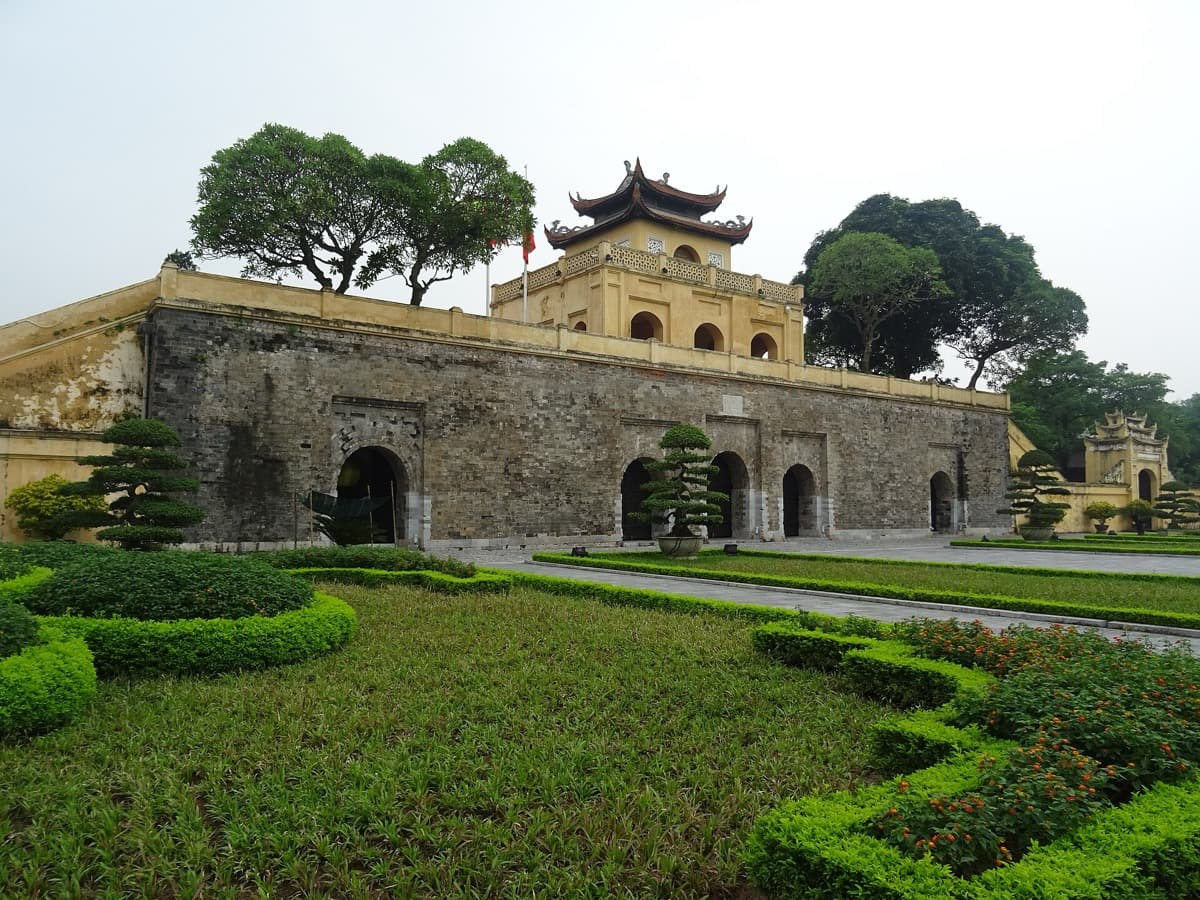
Imperial Citadel of Thang Long: Doan Mon Gate
The main southern gate of a thousand-year royal citadel, standing above the accidental two thousand two dig that struck the buried palaces.
4
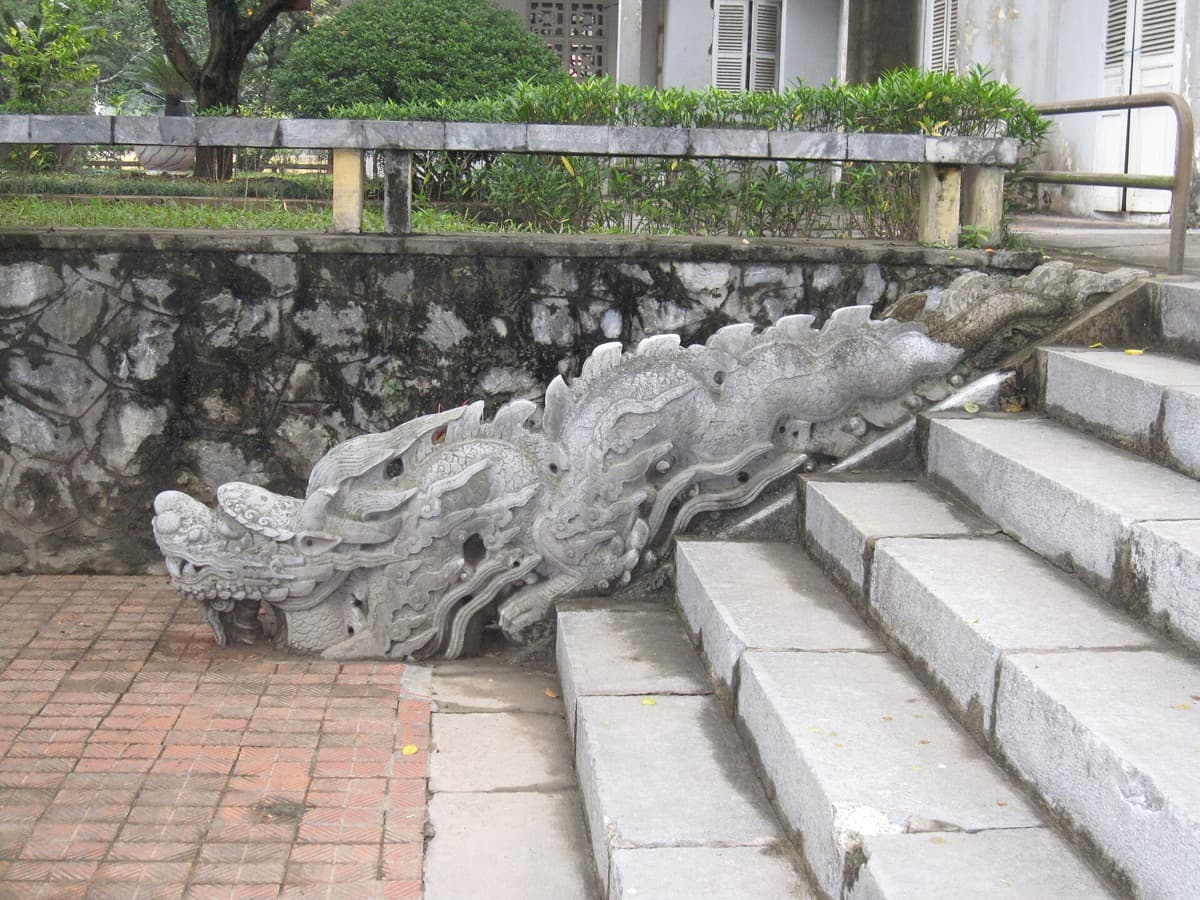
Kinh Thien Palace Steps: The Dragon Staircase
A carved stone staircase guarded by carved dragons, all that remains above ground of the citadel's central throne hall.
5
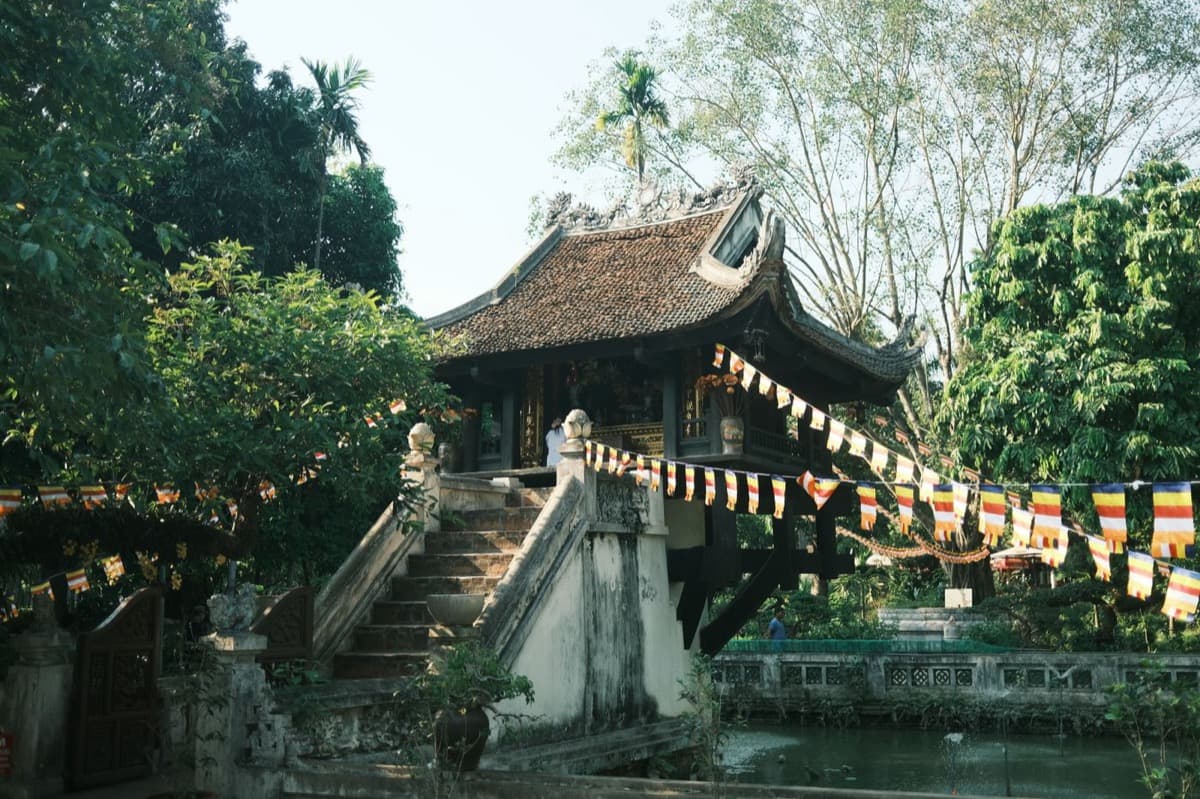
One Pillar Pagoda: Chua Mot Cot
A small wooden shrine rising on a single stone pillar from a pond, built to resemble a lotus and destroyed and rebuilt in the twentieth century.
6
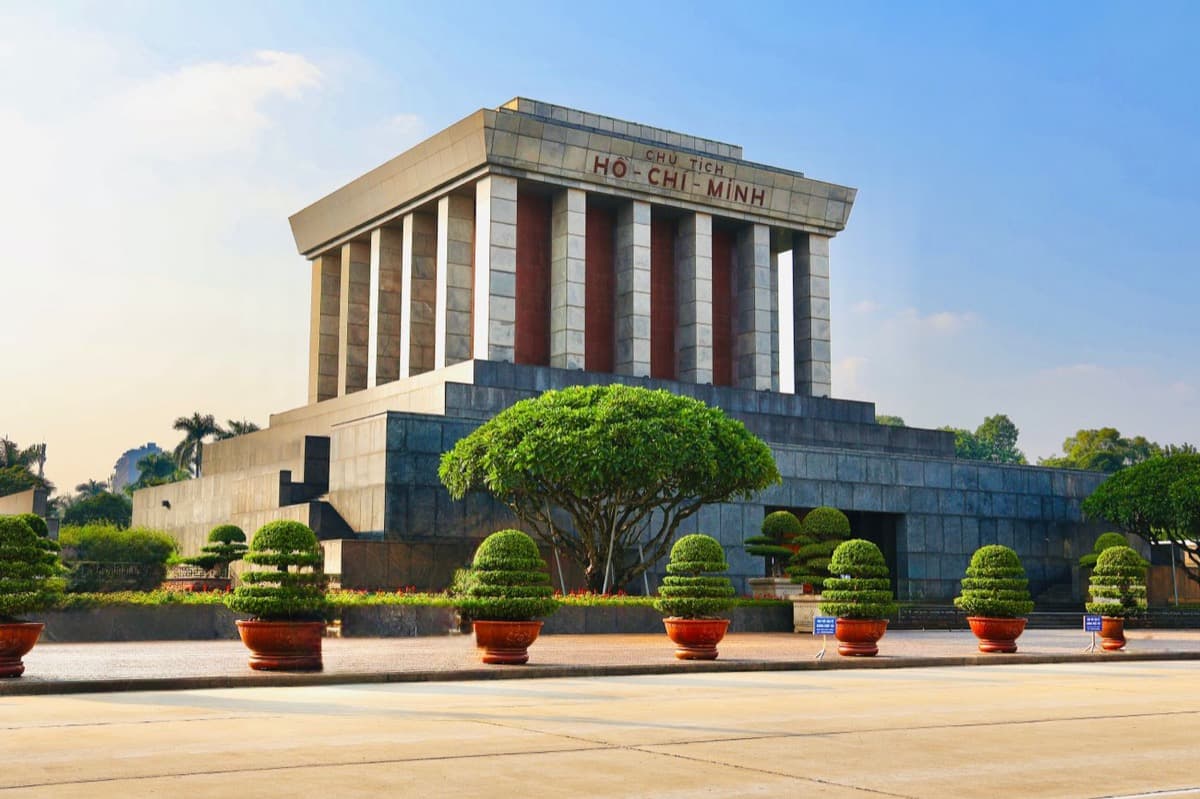
Ba Dinh Square and Ho Chi Minh Mausoleum
The open square where independence was declared in nineteen forty-five, the newest layer laid directly over the oldest imperial ground.
Best Time to Visit
Early morning is best, both for Hanoi's cooler air before the midday heat and because the Ho Chi Minh Mausoleum only opens in the mornings and is closed on Mondays and Fridays. Aim to reach the Temple of Literature soon after it opens, around eight, and work north so you arrive at Ba Dinh Square while the mausoleum is still open. The drier, cooler months from roughly October to April are the most comfortable overall.
Pro Tips
- •Buy admission at each ticketed site separately. The Temple of Literature, the Imperial Citadel, and its inner monuments are not on one combined ticket, so carry small VND notes.
- •Do the walk south to north as laid out, oldest to newest, so the chronology and the sense of climbing through buried layers lands the way it is meant to.
- •At the Kinh Thien steps, get low and look along the dragons' bodies rather than straight down. The carving reads best from the foot of the staircase.
- •The mausoleum enforces a dress code and bans phones and photography inside, so plan to cover shoulders and knees and to check bags before you join the line.
- •Distances between stops are walkable but cross several busy roads. Give yourself unhurried time rather than rushing, since none of the stops are on a schedule.
- •Bring water and refill when you can. The shaded courtyards of the Temple of Literature and the citadel are good places to pause in the heat.
Safety & Precautions
- Hanoi traffic is dense and constant, with motorbikes flowing even at red lights. Cross slowly and steadily at a predictable pace, let drivers steer around you, and do not stop suddenly or bolt across the road.
- Summers are hot and very humid, and heat builds fast by midday. Start early, carry water, use the shaded courtyards to rest, and do not push your pace in the sun.
- These are active temples and a solemn national monument. Dress modestly with shoulders and knees covered, keep your voice low, remove your hat where signs ask, and follow the strict no-photography and silence rules inside the mausoleum.
- From roughly May to September Hanoi sees heavy monsoon downpours that can flood streets quickly. Carry a light rain layer, watch your footing on wet stone steps, and be ready to shelter until a burst passes.
Gallery
Related Reading
Go deeper on what you'll see, hear, and walk through.

Overview
Best Self-Guided Walking Tours in Hanoi (2026)
3 min
Overview
Hanoi Travel Guide: How Many Days, Getting Around, When to Go (2026)
6 min
Overview
How to See Hanoi: A Capital Built on Top of Itself
6 min
Overview
One Day in Hanoi: A Walkable Old-Quarter-to-Lake Itinerary (2026)
6 min
Companion
The City Beneath the City: How Hanoi Rediscovered Its Buried Capital
8 min
Deep dive
The Temple of Literature: The Stone Scholars of Van Mieu
6 min