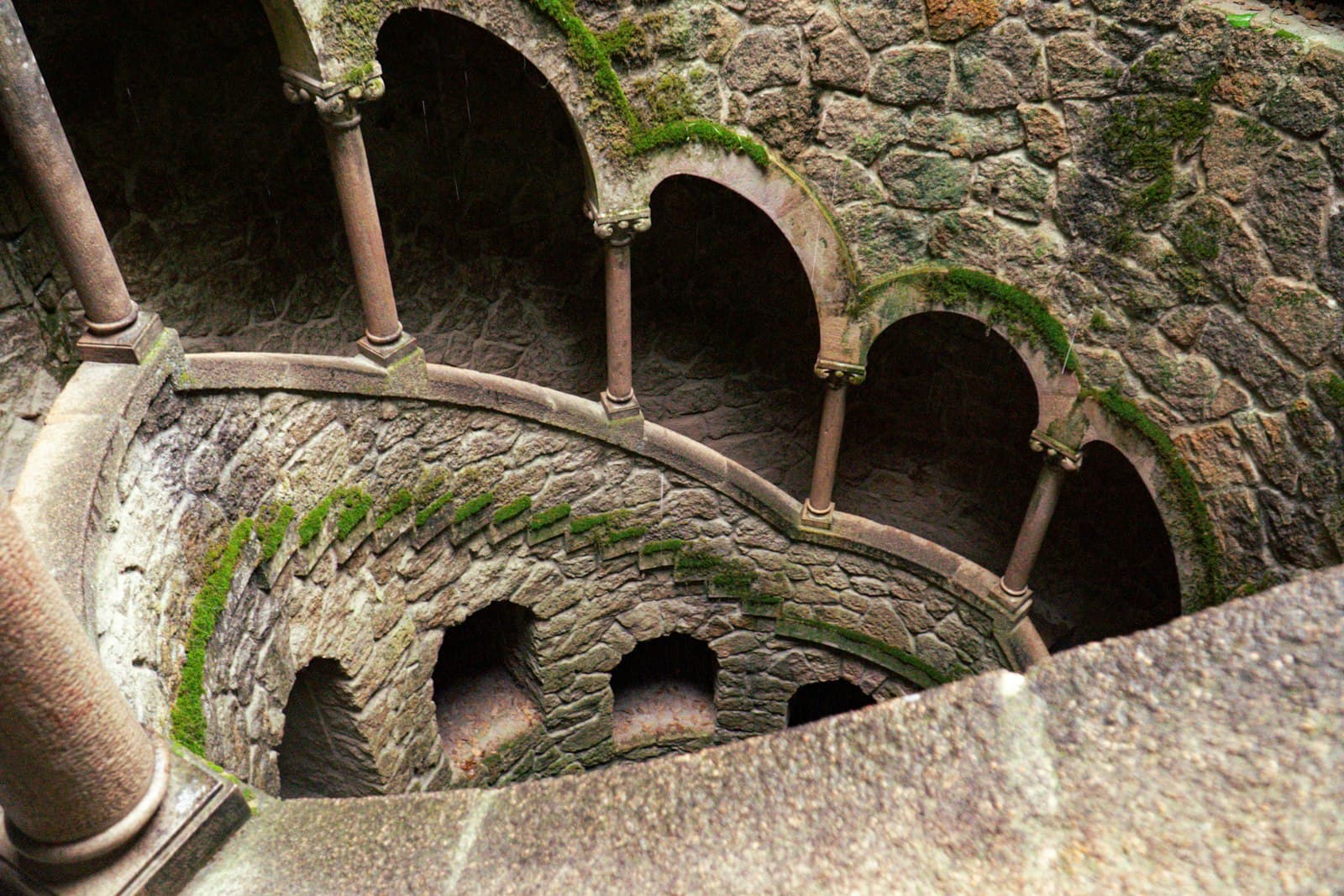
A walk that reads Sintra's slopes as a landscape built to be interpreted, from a millionaire's coded garden and its spiral well into the earth to the Romantic estates that made these hills mean something.
Start · Volta do Duche: The Approach from Vila de Sintra
DirectionsStops
- 1
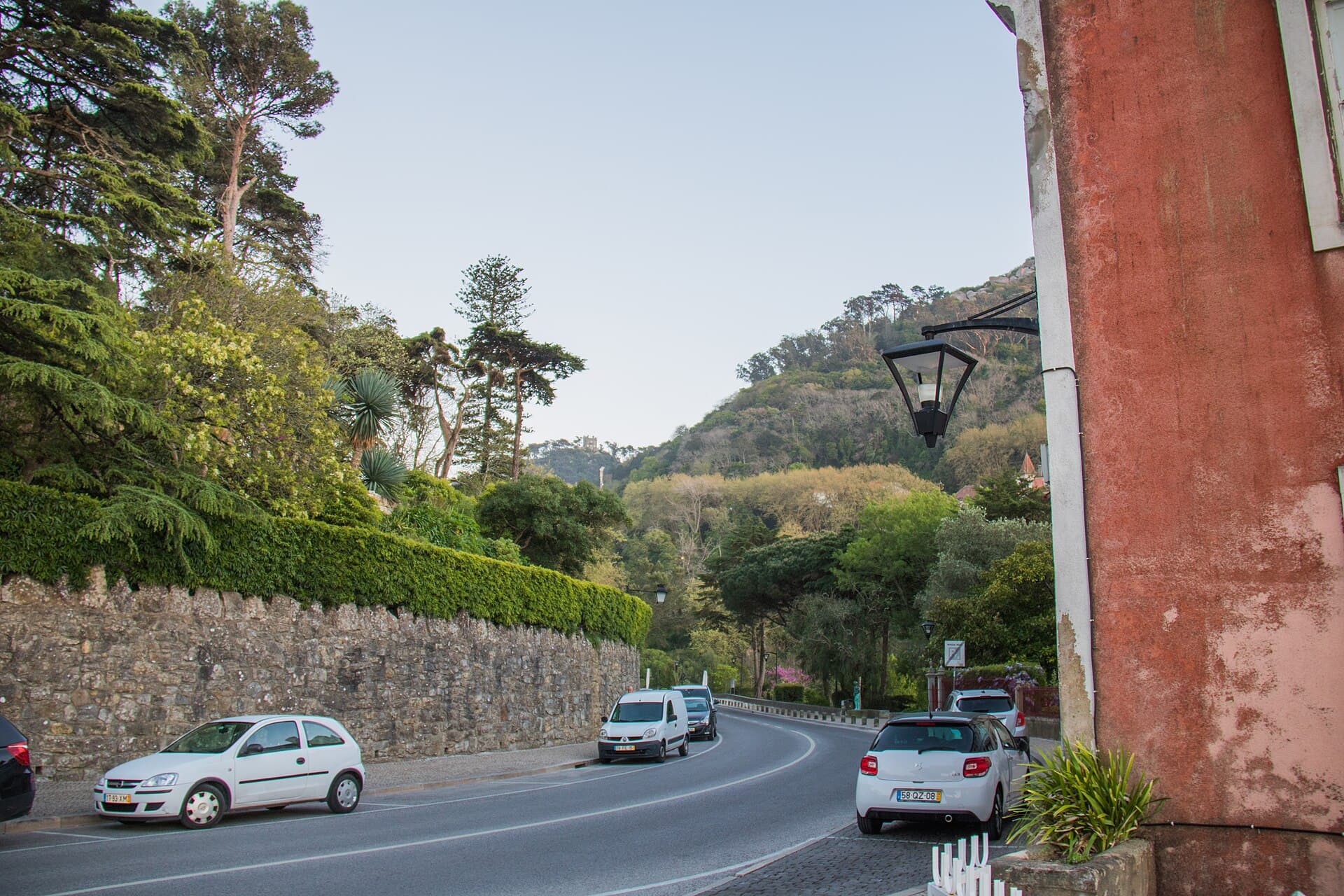
Volta do Duche: The Approach from Vila de Sintra
The wooded, gently climbing street that carries you from Sintra's historic centre toward the Quinta da Regaleira, framing the whole valley as a Romantic landscape before you reach the gates.
- 2
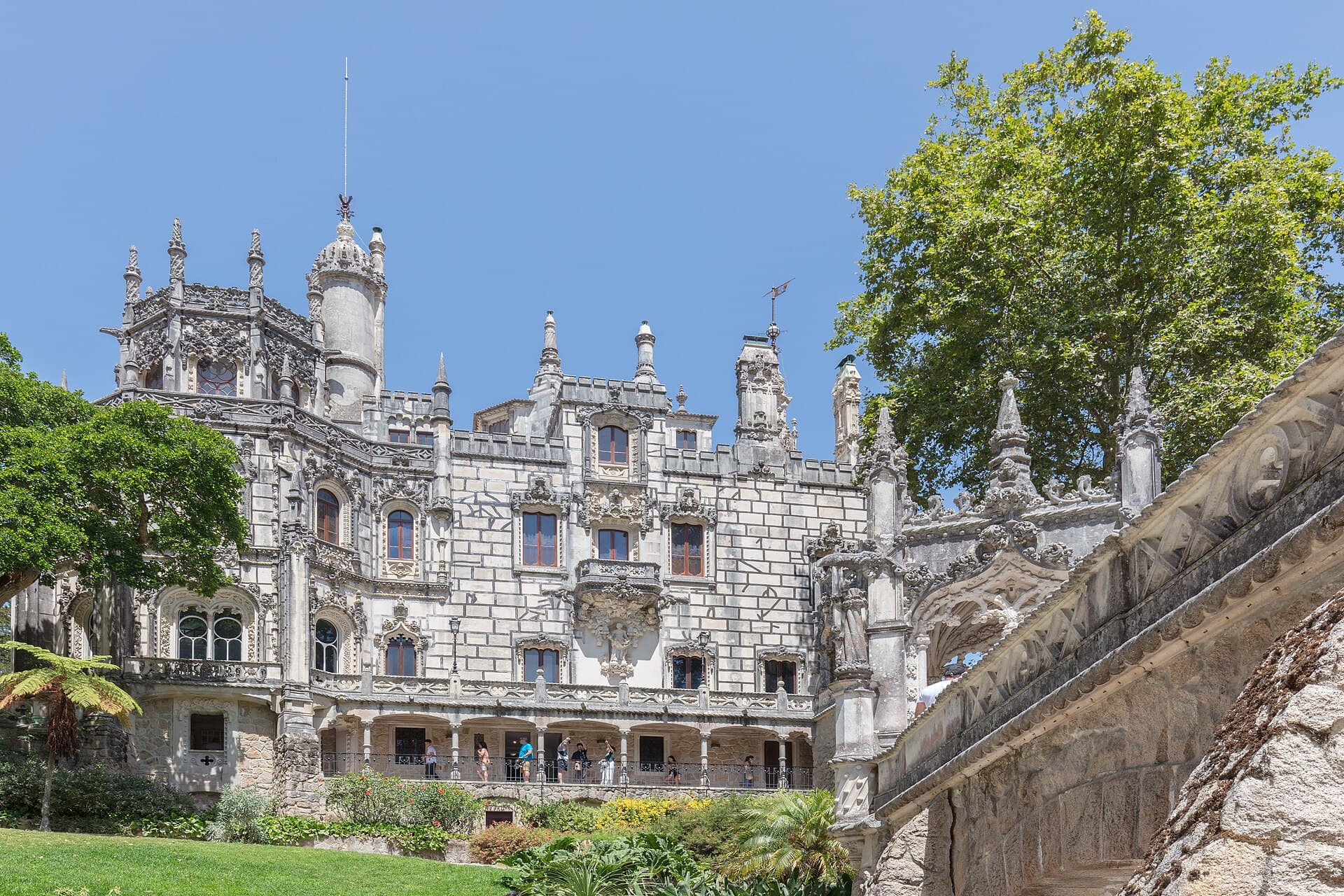
Quinta da Regaleira: Monteiro dos Milhoes and His Architect
The estate where a Brazil-born millionaire collector and an Italian scenographer built a palace and garden coded to be interpreted, blending several architectural styles into one symbolic web.
- 3
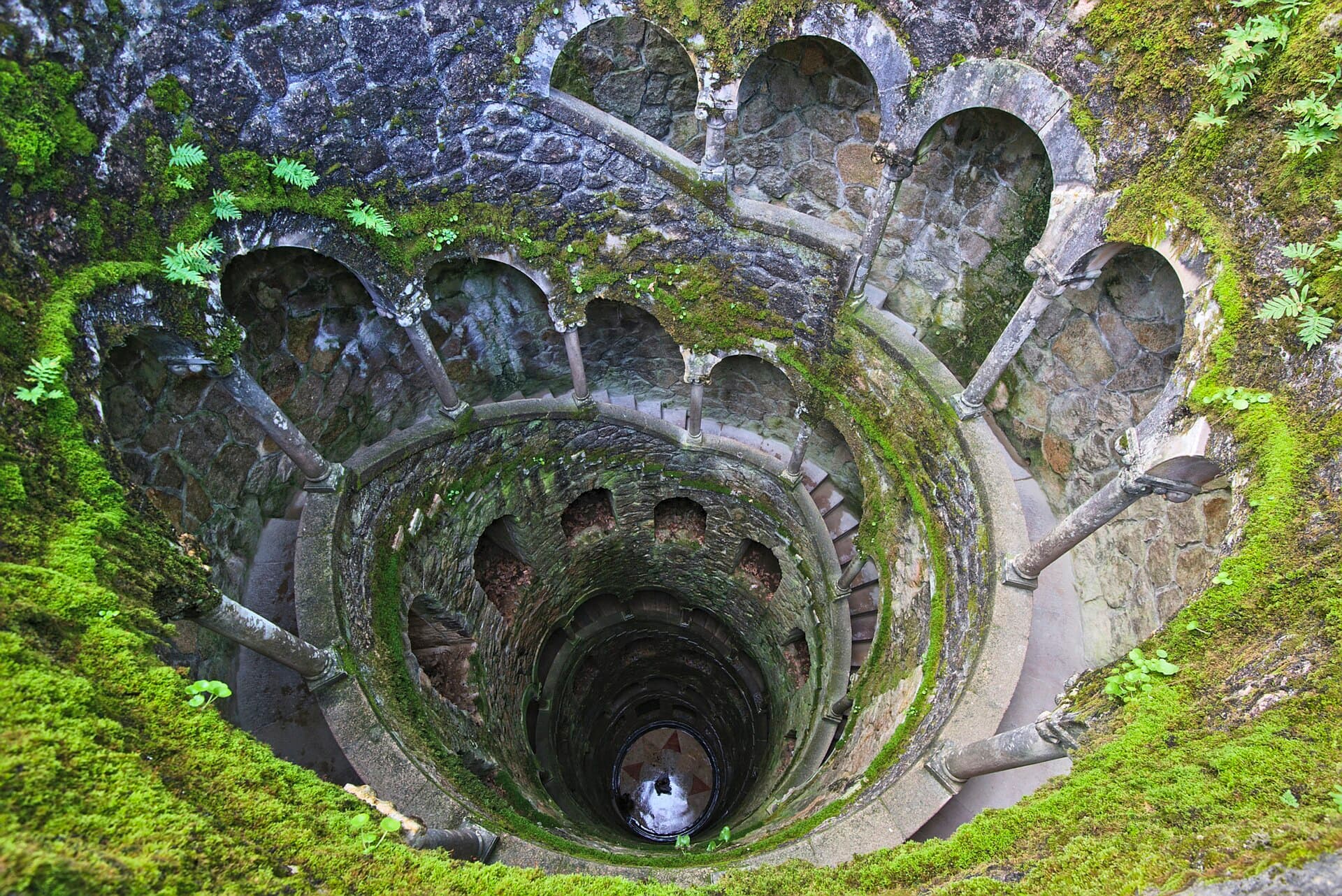
The Initiation Well (Poco Iniciatico)
An inverted tower that spirals twenty-seven metres down into the earth, its nine flights and Templar cross inviting interpretation while the descent itself remains the verifiable, sensory heart of the estate.
- 4
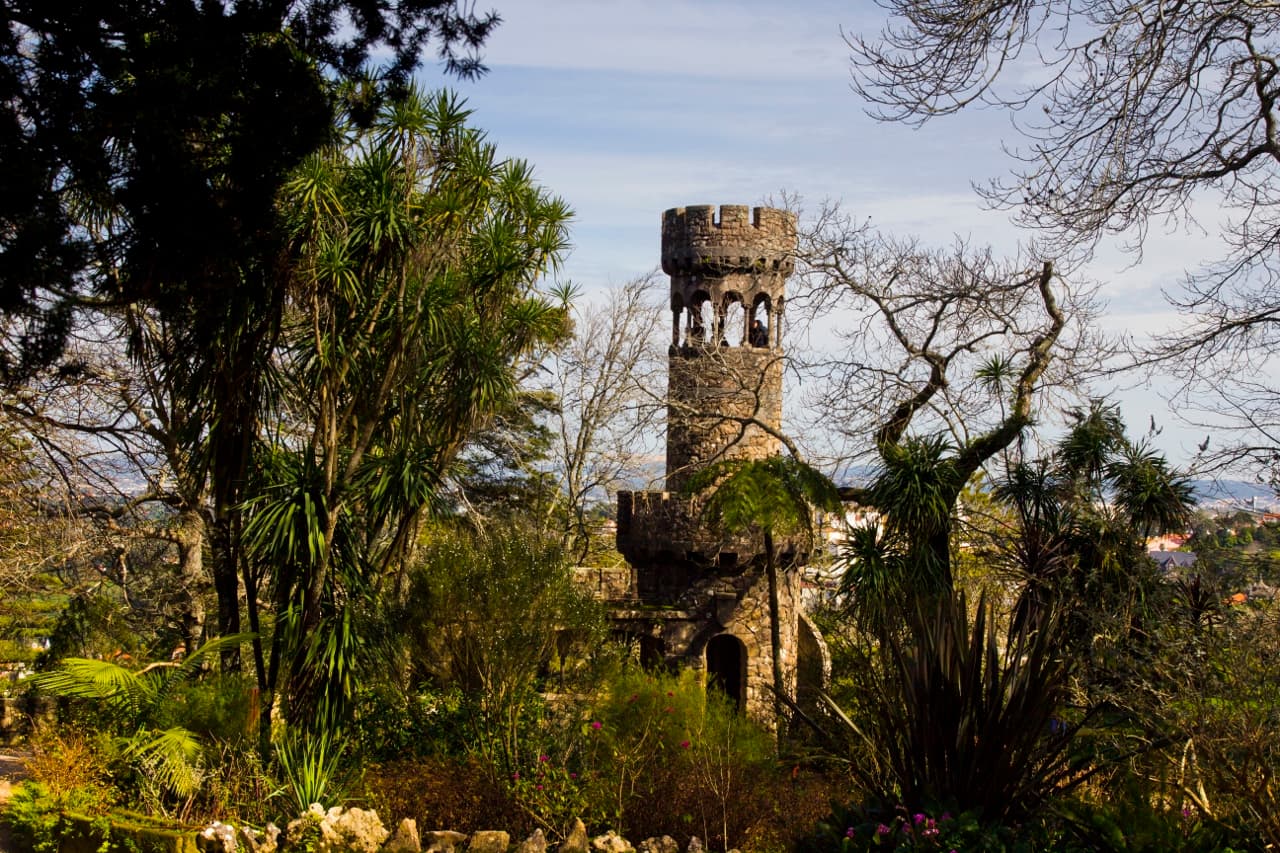
The Grottoes, Tunnels and the Regaleira Tower
An underground network of tunnels that surfaces at unexpected grottoes, lakes, and Leda's Cave beneath the Regaleira Tower, completing the well's descent-and-re-emergence journey through Manini's composed garden.
- 5
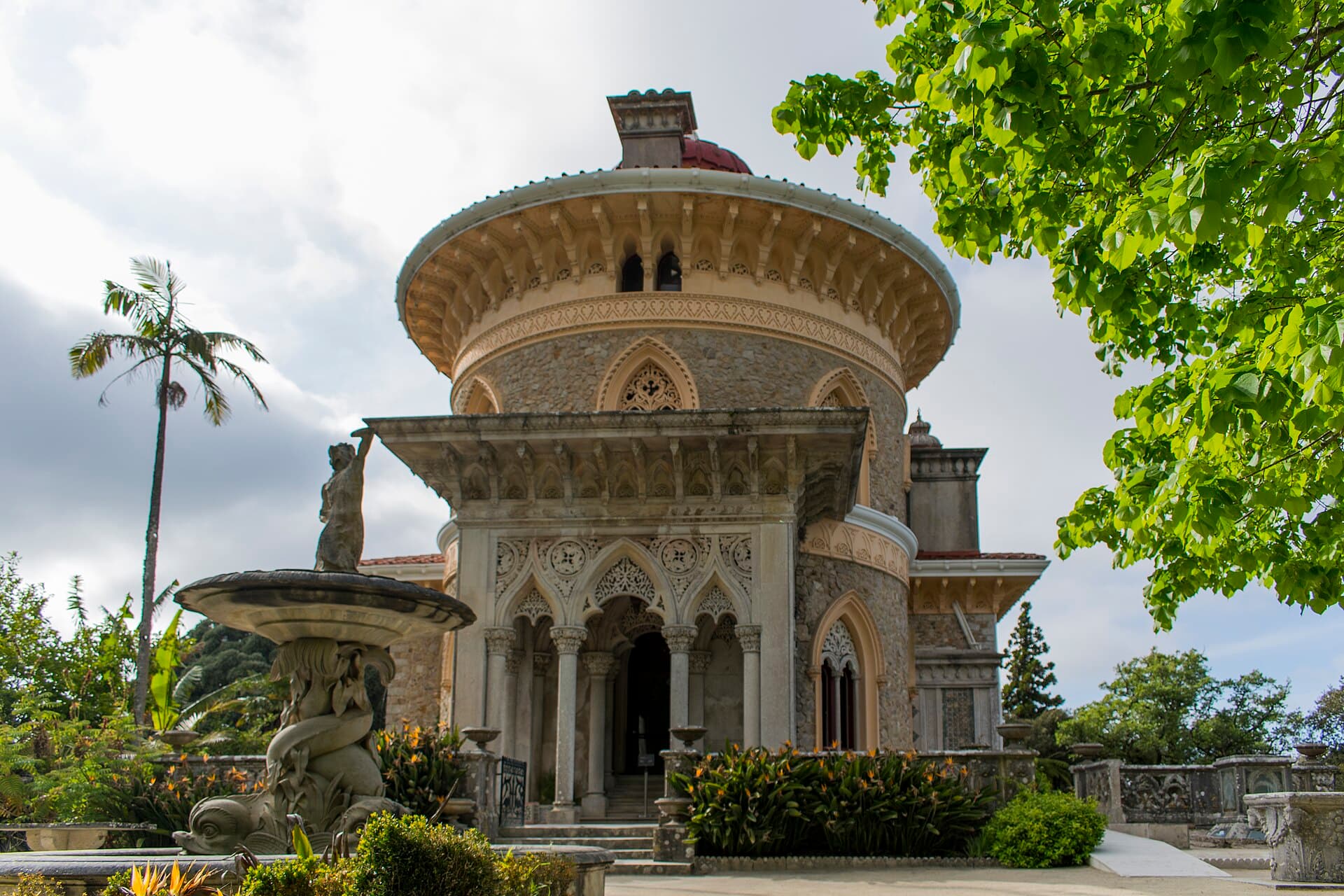
Palacio de Monserrate: Cook, Beckford and the Eclectic Garden
A dazzlingly eclectic Romantic palace and botanical garden shaped by an English viscount, layered over the earlier landscaped ruin of a Gothic novelist, widening the tour's thesis to all of Sintra's meaning-laden estates.
- 6
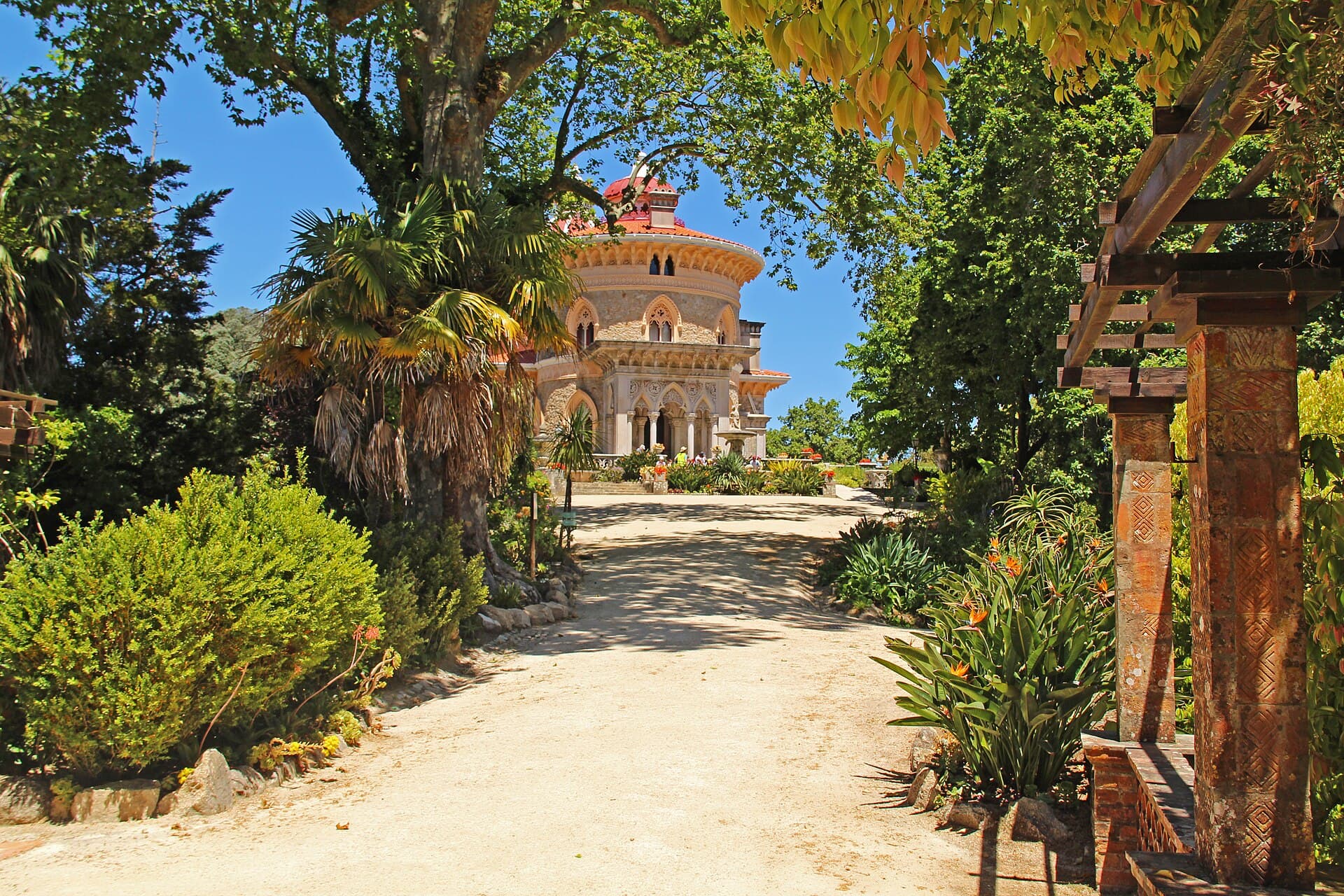
Sintra's Glorious Eden: The Romantic-Garden Tradition
A closing reflection among the gardens, tying the walk together through Byron's famous line and the shared Romantic impulse that made Beckford, Cook, and Monteiro compose these slopes as landscapes to be read.
Details
Best Time to Visit
Arrive early, ideally when the Quinta da Regaleira opens in the morning, to walk the Initiation Well before the midday crowds and tour buses fill the spiral stairs. Spring and autumn offer the most comfortable temperatures and the greenest gardens, while Sintra's frequent mist can add atmosphere but also chill and slick cobblestones. Aim to finish at Monserrate in the softer late-afternoon light.
Pro Tips
- •Book your Quinta da Regaleira and Monserrate tickets online in advance to skip the ticket-window queues, which can be long on weekends and in summer. Adult self-guided entry to the Regaleira is fifteen euros in twenty twenty-six, and Monserrate is twelve euros.
- •Reach the Initiation Well first thing after opening. It is the single most crowded point on the whole walk, and the narrow spiral stairs create bottlenecks by late morning.
- •Wear proper walking shoes with grip. Volta do Duche and the estate paths are steep and paved in old stone that turns slippery in Sintra's mist and rain.
- •The descent into the well is optional. If there is a queue or you are uneasy on tight spiral stairs, looking down from the top gives you almost the full effect with none of the crowding.
- •Monserrate sits a few kilometres west of the Regaleira. Save your legs for the gardens by taking the local tourist bus or a short taxi between the two rather than walking the whole road.
- •Carry water and a light layer. Sintra's microclimate swings quickly from warm sun to cool mist, and the estates involve a lot of walking with little shade in places.
Safety & Precautions
- •Sintra's streets and estate paths are steep and paved in traditional calcada cobblestone, which becomes genuinely slippery when wet or misty. Watch your footing on descents and in the tunnels.
- •Summer sun and heat can be intense on the exposed climbs and in the open gardens. Bring water, wear sun protection, and pace yourself on the uphill sections.
- •The estate chapels and any religious spaces call for quiet and modest dress. Keep your voice low inside the Regaleira chapel and other enclosed structures.
- •Sintra's historic lanes are narrow and shared with tourist trams, buses, and cars. Stay alert near the town centre and along Volta do Duche, where there is little separation between walkers and traffic.
Travel advisory: Exercise Normal Precautions (Level 1).
Gallery
Related Reading
Go deeper on what you'll see, hear, and walk through.

Overview
Best Self-Guided Walking Tours in Sintra (2026)
3 min
Overview
One Day in Sintra: A Walkable Itinerary From Morning to Evening
8 min
Overview
Sintra Travel Guide: Days, Transport, Tickets, and Timing
7 min
Thematic
Sintra: The Fantasy Mountain That Was Built on Purpose
8 min
Companion
Walking Volta do Duche: The Slow Climb Into Sintra's Coded Garden
7 min
Deep dive
Quinta da Regaleira: The Garden Built to Be Read
6 min

Read
What to Eat in Sintra: Queijadas, Travesseiros, and the Suckling Pig
7 min
Read the walk
The full story of Quinta da Regaleira: The Well That Goes Down, in words. Prefer to listen? Play it narrated, from home or on location.
Introduction
Some places are built to be looked at. Sintra, in Portugal, was built to be read. On these wooded slopes above Lisbon, wealthy dreamers spent more than a century composing gardens like sentences, planting exotic trees, digging tunnels, and hiding meaning in stone. The most famous of them belongs to a Brazil-born millionaire and his Italian designer, who built a well you walk down into the earth like a rite. This tour has six stops and runs roughly two and a half to three hours if you linger, covering about four and a half kilometres in total, though a short taxi or bus ride bridges the last stretch out to Monserrate. Everything here moves at your pace. You choose where to slow down, which stops to skip, and whether to descend the famous well or simply look down into it. Along the way you will meet the collector who made this place, the scenographer who staged it, and the older tradition of Romantics who treated Sintra as a canvas. One honest note runs through the whole walk. The estate is full of symbols, and many people read them as alchemy, Freemasonry, or the Knights Templar. Those readings are interpretation, not a manual the maker left behind. We will hold them as a way of seeing, not as settled fact. That tension, between a garden clearly designed to signify and the limit of what we truly know, is part of the pleasure. When you arrive at the foot of Volta do Duche in Sintra's historic centre, begin with stop one.
1. Volta do Duche: The Approach from Vila de Sintra
Start here, at the bottom of Volta do Duche, where the historic town gives way to trees. This winding street climbs from the centre of Sintra, near the town hall roundabout, up toward the estate gates, and it is worth walking slowly. The distance is only about one and a third kilometres, roughly fifteen to twenty-five minutes on foot, but the grade is steady and the surface is old stone, so take your time. That unhurried pace is the point. As you climb, the town falls away behind you and the Serra de Sintra, the wooded mountain range that cradles all of this, closes in overhead. Along the route you pass a small urban park and a Moorish-style fountain set into the slope, and here and there contemporary sculptures stand among the greenery. Notice how quickly the ordinary town becomes something staged and green, almost theatrical. That is not an accident of nature alone. Sintra's cool, misty microclimate made these slopes a magnet for people who wanted to build extraordinary gardens, and the whole area is now recognised by UNESCO as the Cultural Landscape of Sintra, inscribed in nineteen ninety-five. That phrase, cultural landscape, is worth holding onto. It means the value here is not one building but the entire composed environment: the trees, the paths, the palaces, and the way they were arranged to be experienced. You are already inside the artwork. As you walk up, let the climb set the mood. The garden ahead was designed to be entered on foot, at exactly this kind of contemplative pace, so that by the time you reach the gates you are ready to read it.
2. Quinta da Regaleira: Monteiro dos Milhoes and His Architect
You have reached the Quinta da Regaleira, and this is where the walk's central story begins. The man who made it was Antonio Augusto Carvalho Monteiro, born in Rio de Janeiro in eighteen forty-eight and died in nineteen twenty. He made his fortune in coffee and precious stones, earned a law degree at the University of Coimbra, and was nicknamed Monteiro dos Milhoes, Monteiro the Millionaire. He was a Freemason and a passionate bibliophile who assembled one of the world's largest private libraries. He bought this property in eighteen ninety-two, and to build his vision he hired an Italian named Luigi Manini. Here is a detail that unlocks everything. Manini was a scenographer, a designer of stage sets. Construction began in nineteen o four and much of it was finished by nineteen ten. If the place feels theatrical, that is because it was built by someone who staged illusions for a living. The palace and its styles resist a single label. According to Wikipedia, the design evokes Roman, Gothic, Renaissance, and Manueline elements all at once, so resist the urge to call it one clean style. Now the honest part. Wikipedia describes the garden's enigmatic buildings as ones that allegedly held symbols related to alchemy, Masonry, the Knights Templar, and the Rosicrucians. Notice that word, allegedly. Monteiro was indeed a Freemason, and the symbols are real and deliberate. But he left no manual explaining them. So as you explore, read the signs freely, and stay clear-eyed that the meanings are a tradition of interpretation layered onto Manini's stagecraft, not a decoded message from the maker himself.
3. The Initiation Well (Poco Iniciatico)
This is the stop most people come for, and it deserves the buildup. The Initiation Well, or Poco Iniciatico, is not a well for water. It is an inverted tower that spirals down into the earth. The larger of two shafts is a twenty-seven-metre spiral staircase with nine flights and…
Full narration for this stop unlocks with the tour.
4. The Grottoes, Tunnels and the Regaleira Tower
From the bottom of the well, the story continues underground. The estate holds an extensive network of tunnels with several entrances, and walking them feels like passing through an underworld. You go in through one dark opening and surface, unexpectedly, at a grotto, a chapel,…
Full narration for this stop unlocks with the tour.
5. Palacio de Monserrate: Cook, Beckford and the Eclectic Garden
Now the walk widens out, a short ride west to Monserrate, where Sintra's habit of building symbolic, exotic estates reaches a different peak. Two very different men shaped this ground, in two different centuries, and it is important not to blur them together. The earlier one was…
Full narration for this stop unlocks with the tour.
6. Sintra's Glorious Eden: The Romantic-Garden Tradition
End your walk here, among the gardens, with a moment to pull the threads together. In eighteen o nine, a young English poet came to these slopes and never forgot them. He was twenty-one years old, and his name was Lord Byron. A few years later, in his poem Childe Harold's…
Full narration for this stop unlocks with the tour.