Volta do Duche is the wooded street that carries you from Sintra's historic centre up toward the gates of Quinta da Regaleira, and it is the moment this walk stops being sightseeing and becomes reading. Most visitors treat the climb as a fifteen-minute chore between the town and the famous garden. That is a mistake. Some places are built to be looked at. Sintra, on these slopes above Lisbon, was built to be interpreted, and Volta do Duche is where you learn how before you ever reach a spiral staircase or a Templar cross set into stone.
The climb is the argument
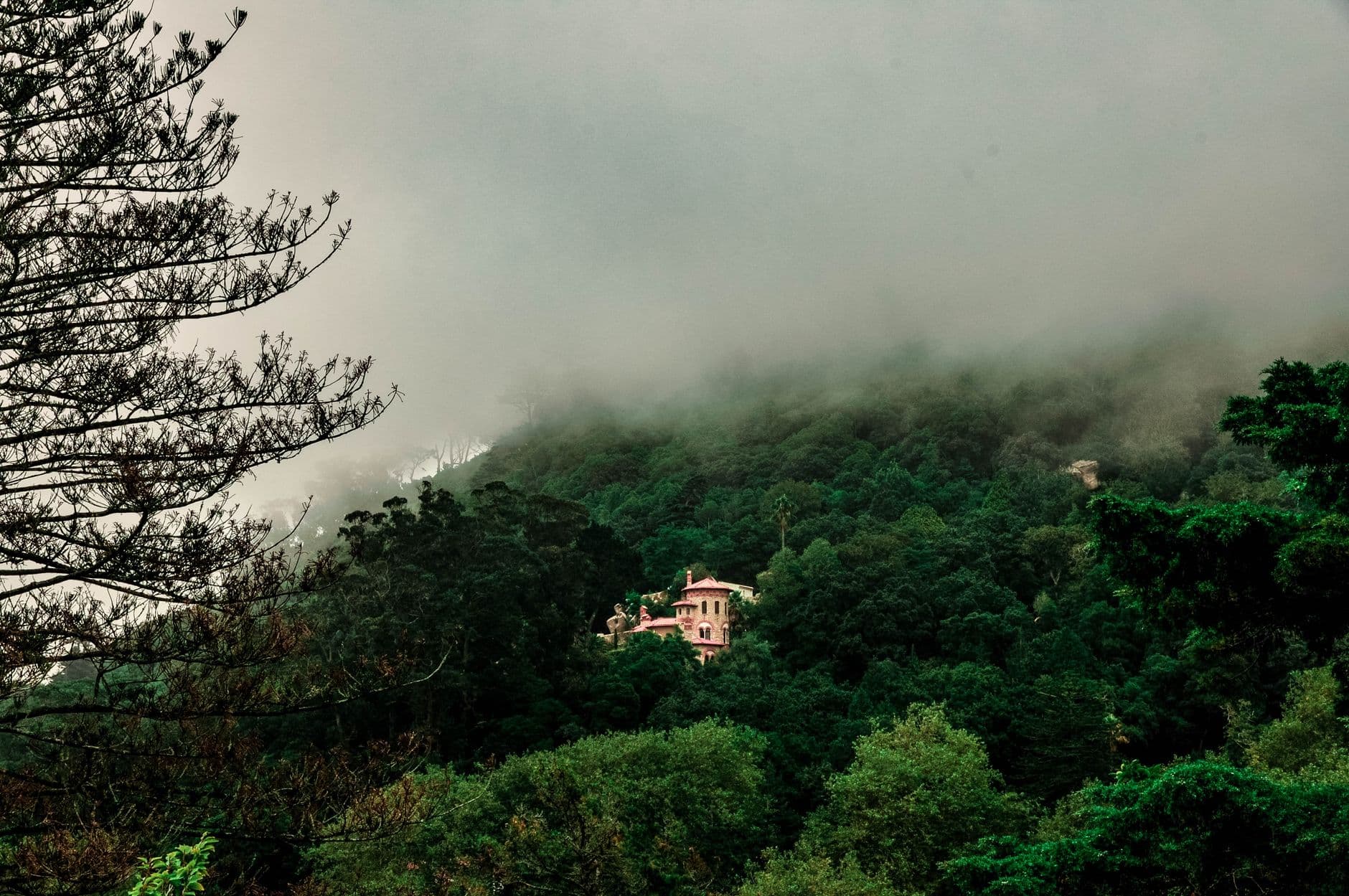
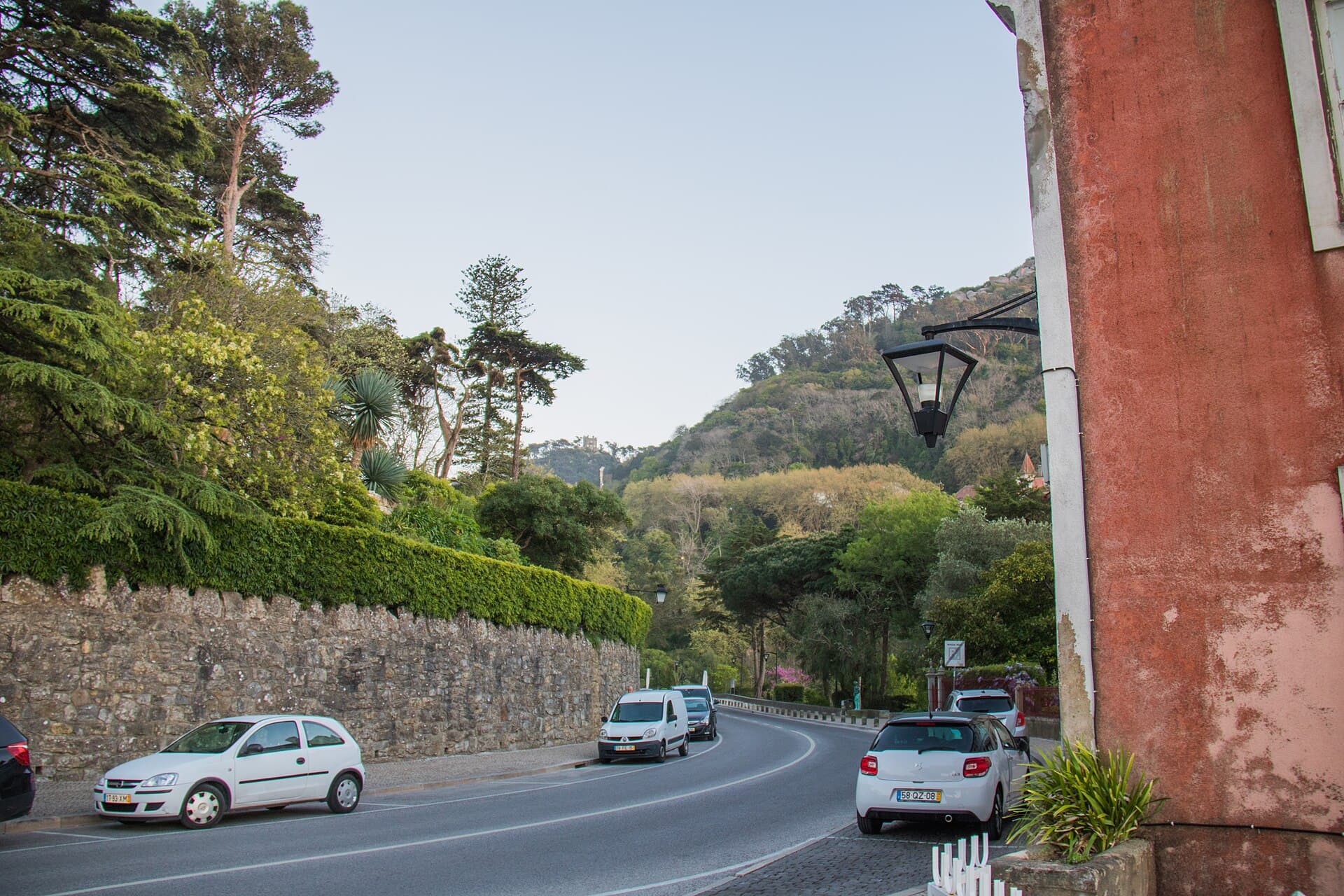
Start at the bottom of Volta do Duche, near the town hall roundabout, where the ordinary streets of Vila de Sintra give way to trees. The distance to the estate gates is only about one and a third kilometres, roughly fifteen to twenty-five minutes on foot, but the grade is steady and the surface is old stone, so there is no reward for rushing. As you climb, the town falls away behind you and the Serra de Sintra, the wooded mountain range that cradles all of this, closes in overhead. Along the way you pass a small urban park, a Moorish-style fountain set into the slope, and here and there a contemporary sculpture standing among the greenery.
Notice how fast the ordinary town becomes something staged and green, almost theatrical. That is not nature acting alone. Sintra's cool, misty microclimate, created by the Serra trapping ocean mist, made these slopes a magnet for people who wanted to build extraordinary gardens. The whole area now carries UNESCO status, inscribed in 1995 as the Cultural Landscape of Sintra. Hold onto that phrase. It means the value here is not one building but the entire composed environment: the trees, the paths, the palaces, and the way they were arranged to be experienced on foot. By the time you reach the gates, you are already standing inside the artwork.
Why the pace was designed for you
Hear a stop from this walk
The Initiation Well (Poco Iniciatico)
The garden ahead was meant to be entered slowly, at exactly this kind of contemplative walking pace, so the landscape reveals itself gradually rather than all at once. That is the quiet thesis of the whole tour, and Volta do Duche states it first. This is also why a self-guided route suits Sintra so well. You choose where to slow down, which fountain to sit beside, and how long to let the climb set the mood. No group is waiting for you, and no schedule decides when the mist is worth stopping for. If you want a fuller picture of the town's other routes, the Sintra walking tours hub lays them out, and the city page for Sintra collects everything in one place.
Who built what waits at the top
Volta do Duche delivers you to Quinta da Regaleira, and this is where the walk's central story begins. The man who made it was Antonio Augusto Carvalho Monteiro, born in Rio de Janeiro in 1848 and died in 1920. He made his fortune in coffee and precious stones, earned a law degree at the University of Coimbra, and was nicknamed Monteiro dos Milhoes, Monteiro the Millionaire. He was a Freemason and a passionate bibliophile who assembled one of the world's largest private libraries. He bought the property in 1892, and to build his vision he hired an Italian named Luigi Manini.
Here is the detail that unlocks the whole estate. Manini was a scenographer, a designer of stage sets. Construction began in 1904 and much of it was finished by 1910. If the place feels theatrical, that is because it was built by someone who staged illusions for a living. The palace resists a single label, evoking Roman, Gothic, Renaissance, and Manueline elements at once. And the famous esoteric layer, the readings of alchemy, Freemasonry, and the Knights Templar, is real in its symbols but unwritten in its meaning. Monteiro was indeed a Freemason, and the symbols are deliberate, but he left no manual explaining them. Sources describe these readings as interpretation, using words like allegedly, could, and might. That gap between a garden clearly designed to signify and the limit of what we truly know is part of the pleasure, and Volta do Duche is where you first agree to hold both at once.
The well that goes down
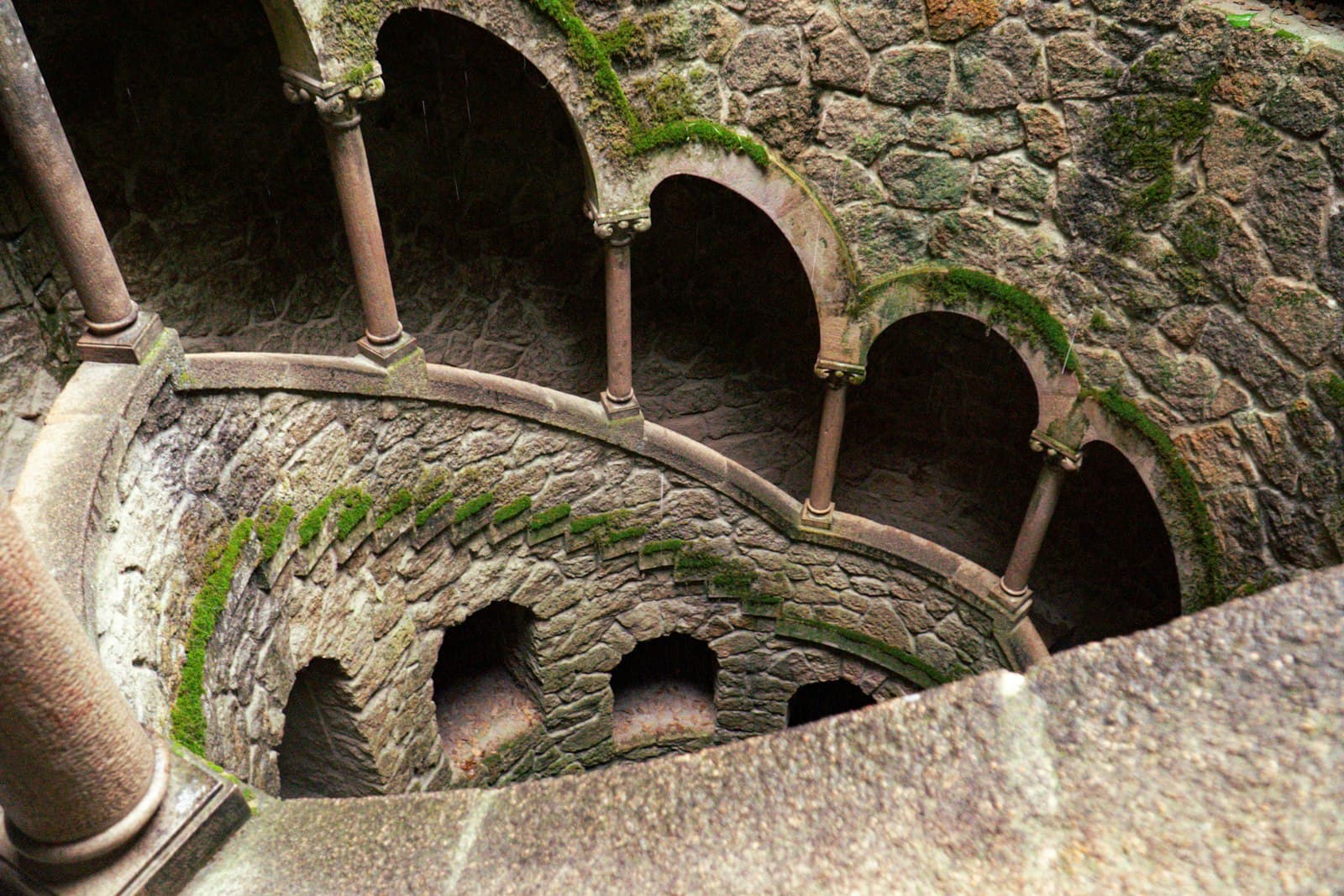
The stop most people come for is the Initiation Well, the Poco Iniciatico. It is not a well for water. It is an inverted tower that spirals twenty-seven metres down into the earth, with nine flights and small niches set into the wall, and a stone compass laid over a Knights Templar cross at the very bottom. You will hear that the nine flights link to the Templars, who had nine founders, or to the nine circles of Dante's Inferno. Notice the language in those claims: could, might. They are interpretive possibilities, not documented instructions.
What is verifiable is the descent itself. As you walk down the spiral, the daylight above narrows to a bright circle, the air cools, and the sounds of the garden fade. That sensory journey is the honest heart of the estate. It is also optional. The well can get crowded, and if there is a queue or tight spiral stairs are not for you, standing at the top and looking down loses nothing essential. From the bottom, hidden tunnels thread on to grottoes, the Waterfall Lake, and Leda's Cave beneath the Regaleira Tower, a sequence of descent and re-emergence that plays like composed theatre because it was staged by a set designer.
The tradition you are walking through
The walk then widens west to Monserrate, where a different kind of dreamer worked the same slopes. Francis Cook, an English merchant, subleased the property in 1856, was made Viscount of Monserrate by King Luis the First, acquired the estate in 1863, and worked with architect James Knowles on a palace of dazzling eclecticism, its botanical garden gathering species from Australia, New Zealand, Mexico, and Japan. Decades earlier the novelist William Beckford, author of the Gothic tale Vathek, had landscaped a garden and mock ruin here in the 1790s before letting it decline.
In 1809 a twenty-one-year-old English poet named Lord Byron came to these slopes and never forgot them. In Childe Harold's Pilgrimage, published in 1812, he wrote, "Lo! Cintra's glorious Eden intervenes, in variegated maze of mount and glen." Monteiro coded his garden with symbols. Cook composed his with continents. Byron simply read it. That act of reading, of standing in a landscape and asking what it is trying to say, begins the moment you start climbing Volta do Duche. Put on shoes with grip for the wet cobblestones, book your tickets ahead, and let the slow street do its work.
Sources
- Cultural Landscape of Sintra, UNESCO World Heritage Centre (list 723): confirms the 1995 inscription and the cultural-landscape framing.
- Quinta da Regaleira, Wikipedia: Carvalho Monteiro's dates, the 1892 purchase, Luigi Manini's role, and the well's symbolic readings.
- Antonio Augusto Carvalho Monteiro, Wikipedia: biography, coffee and gemstone fortune, Coimbra law degree, and library.
- Monserrate Palace, Wikipedia and Parques de Sintra history pages: Francis Cook, William Beckford, James Knowles, and the botanical collection.
- Lord Byron and Monserrate, Parques de Sintra: Byron's 1809 visit and the Childe Harold's Pilgrimage passage.
Ready to experience it?
Quinta da Regaleira: The Well That Goes Down
125 min · 4.7 km · moderate
More from Sintra
Explore more at your own pace.
One Day in Sintra: A Walkable Itinerary From Morning to Evening
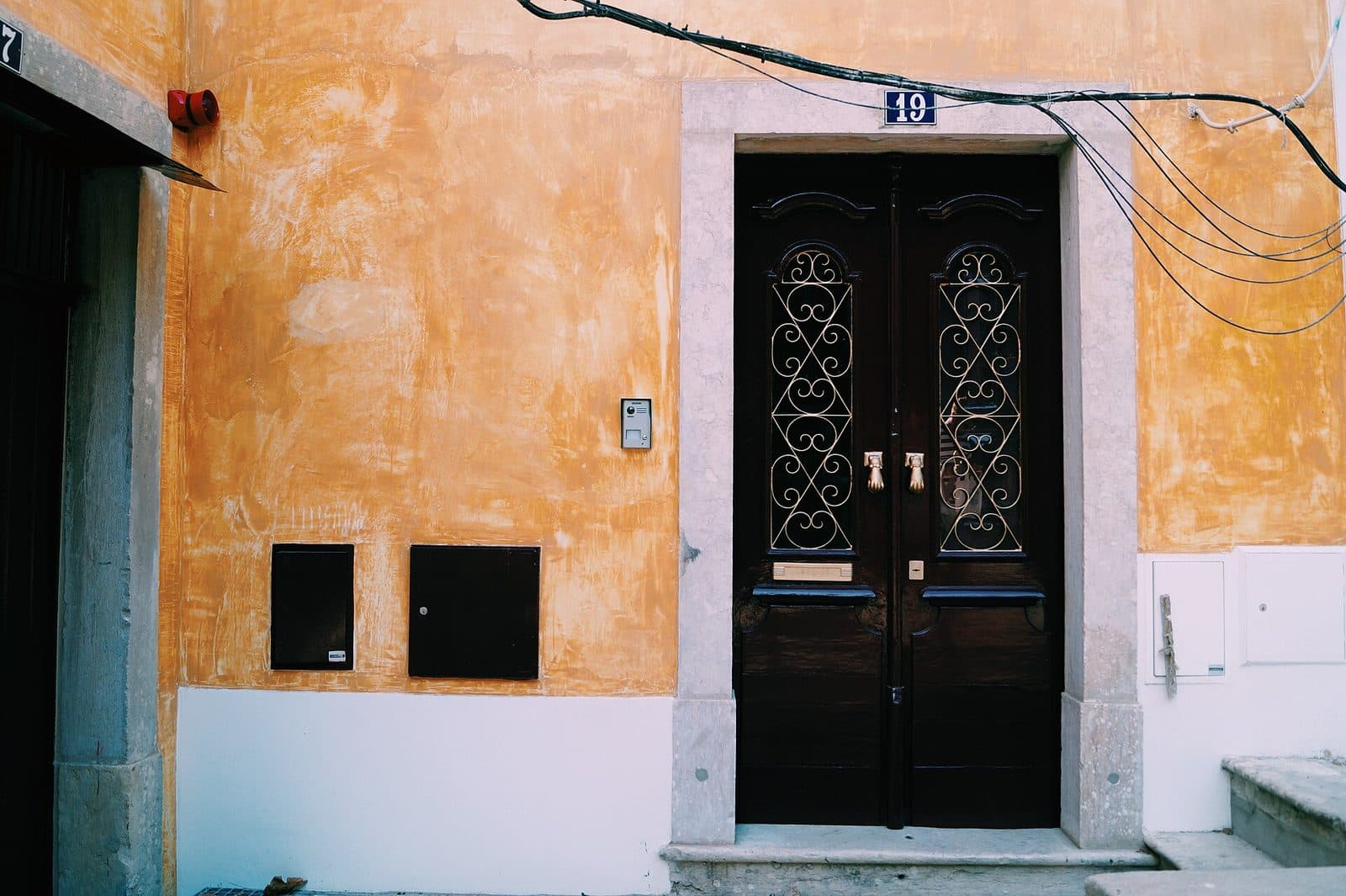
Sintra: The Fantasy Mountain That Was Built on Purpose
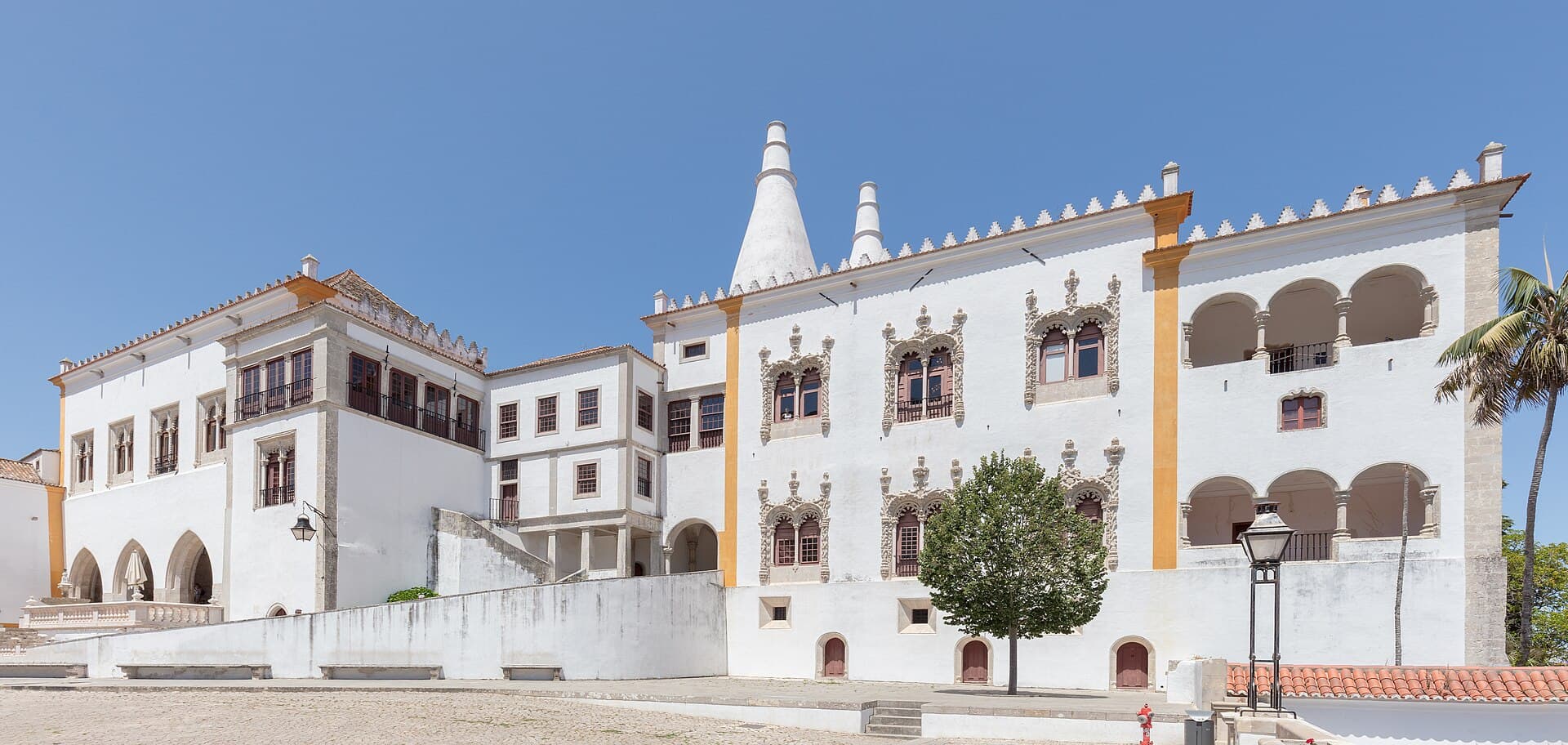
Sintra National Palace: The Royal Town Beneath the Famous Peaks
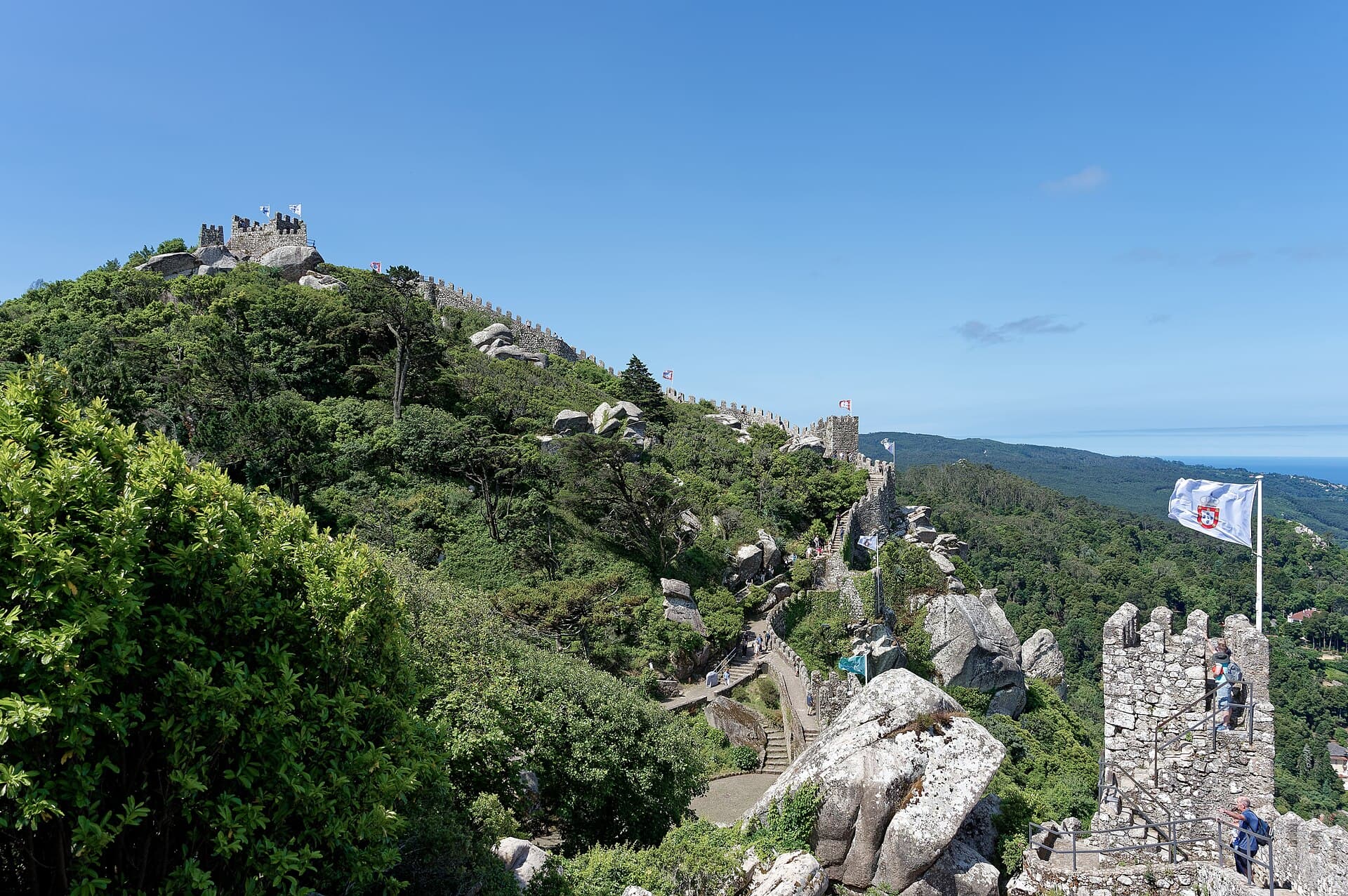
The Moorish Castle Above Sintra Is Real, and It Was Composed on Purpose
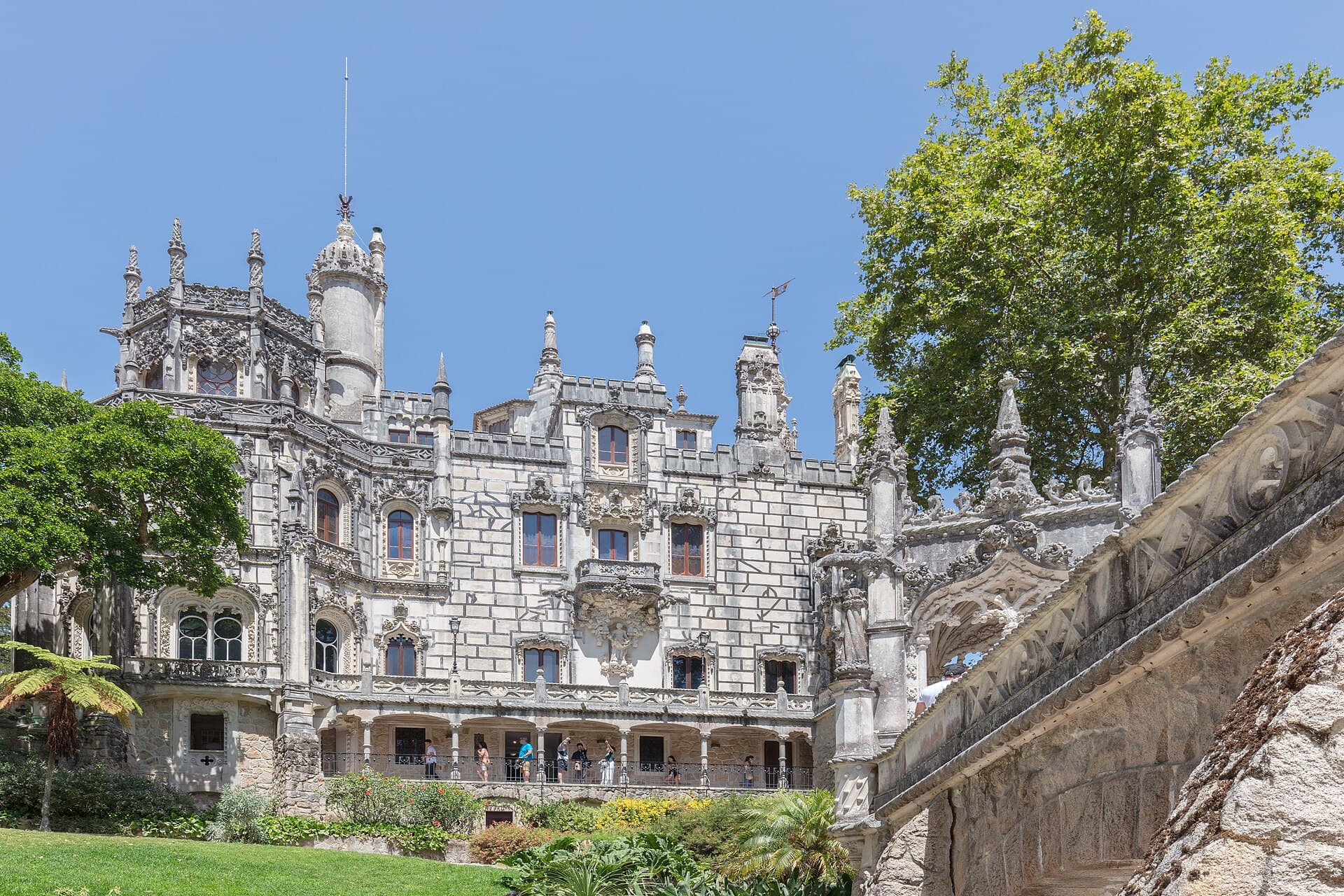
Quinta da Regaleira: The Garden Built to Be Read