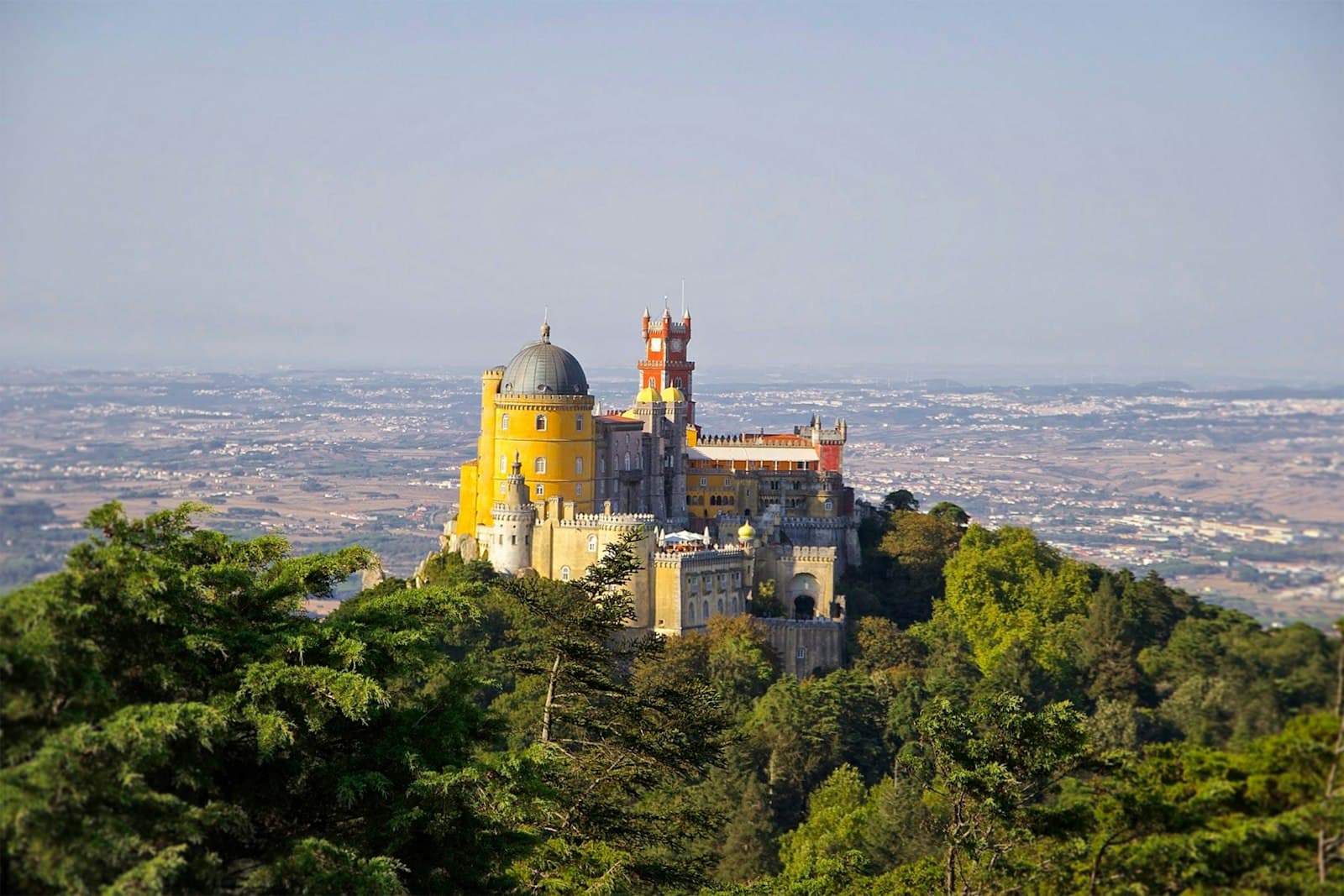
The Fairy Tale Built on Purpose
Sintra looks like the most ancient dream in Europe, yet almost everything you fall in love with here was designed on purpose in the eighteen hundreds. This walk up the cool green mountain reads the fairy tale as a deliberate masterpiece.
4.46|150 minutes|5.6 km|6 Stops
Start
Serra de Sintra: The Mountain of the Moon
1
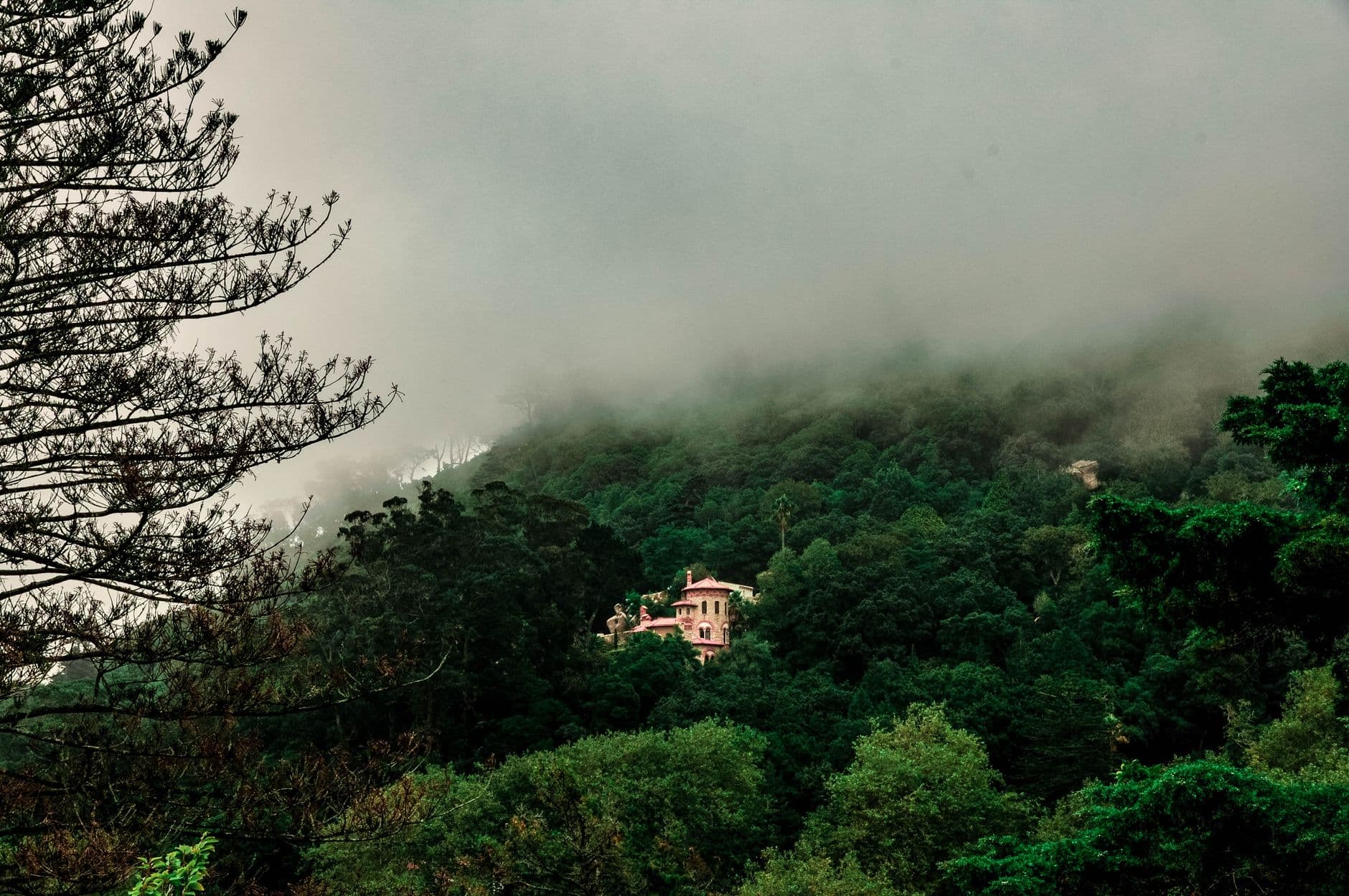
Serra de Sintra: The Mountain of the Moon
The cool, misty granite mountain whose damp forest microclimate drew monks, kings, and Romantics alike, and whose fame comes from deliberate nineteenth-century authorship.
2
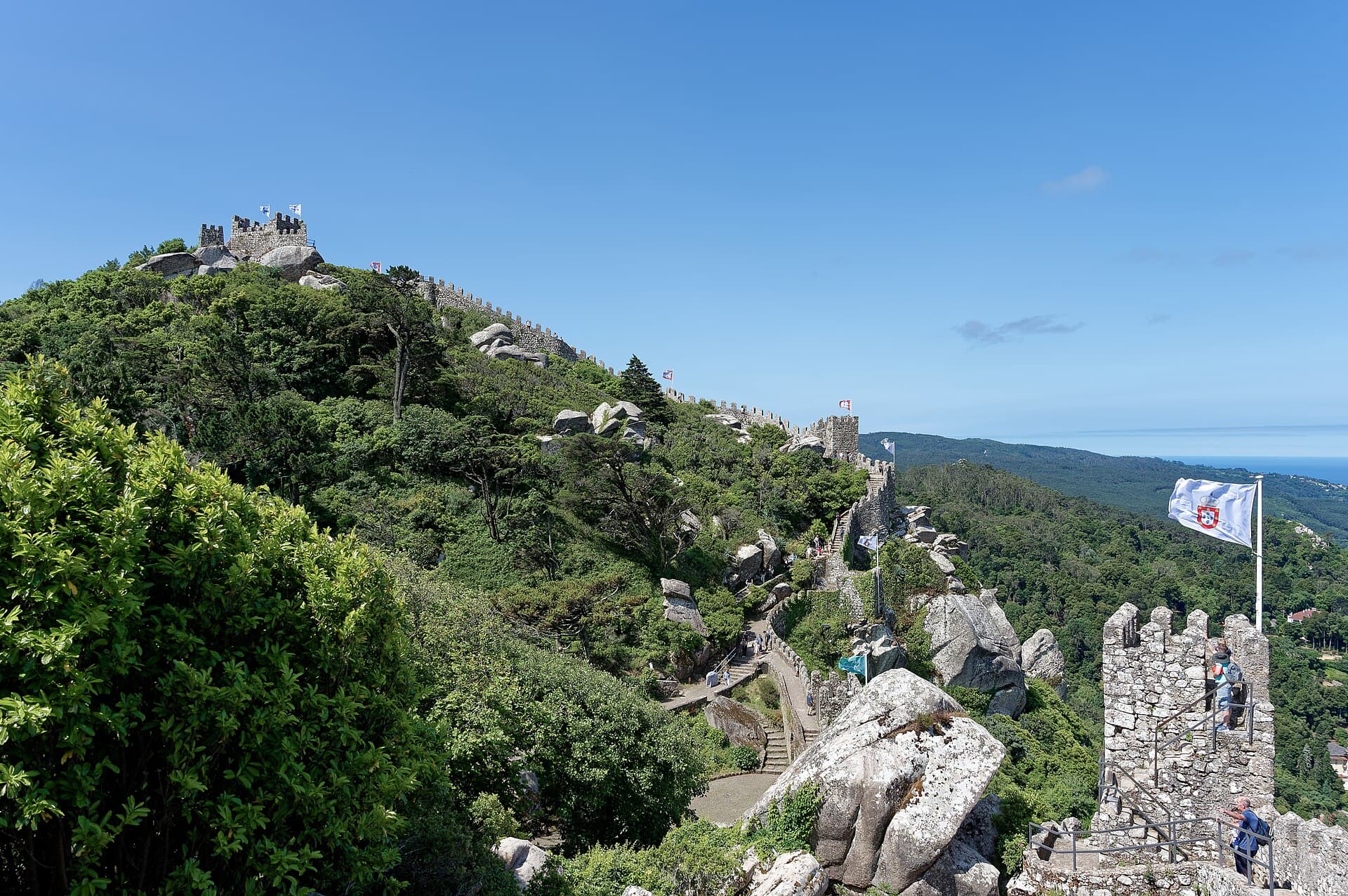
Castelo dos Mouros: The Genuinely Ancient Ruin, Curated
A hilltop castle built by the Moors in the eighth and ninth centuries, the one truly old thing on the mountain, yet what you walk today is largely Ferdinand the Second's Romantic restoration of a ruin.
3
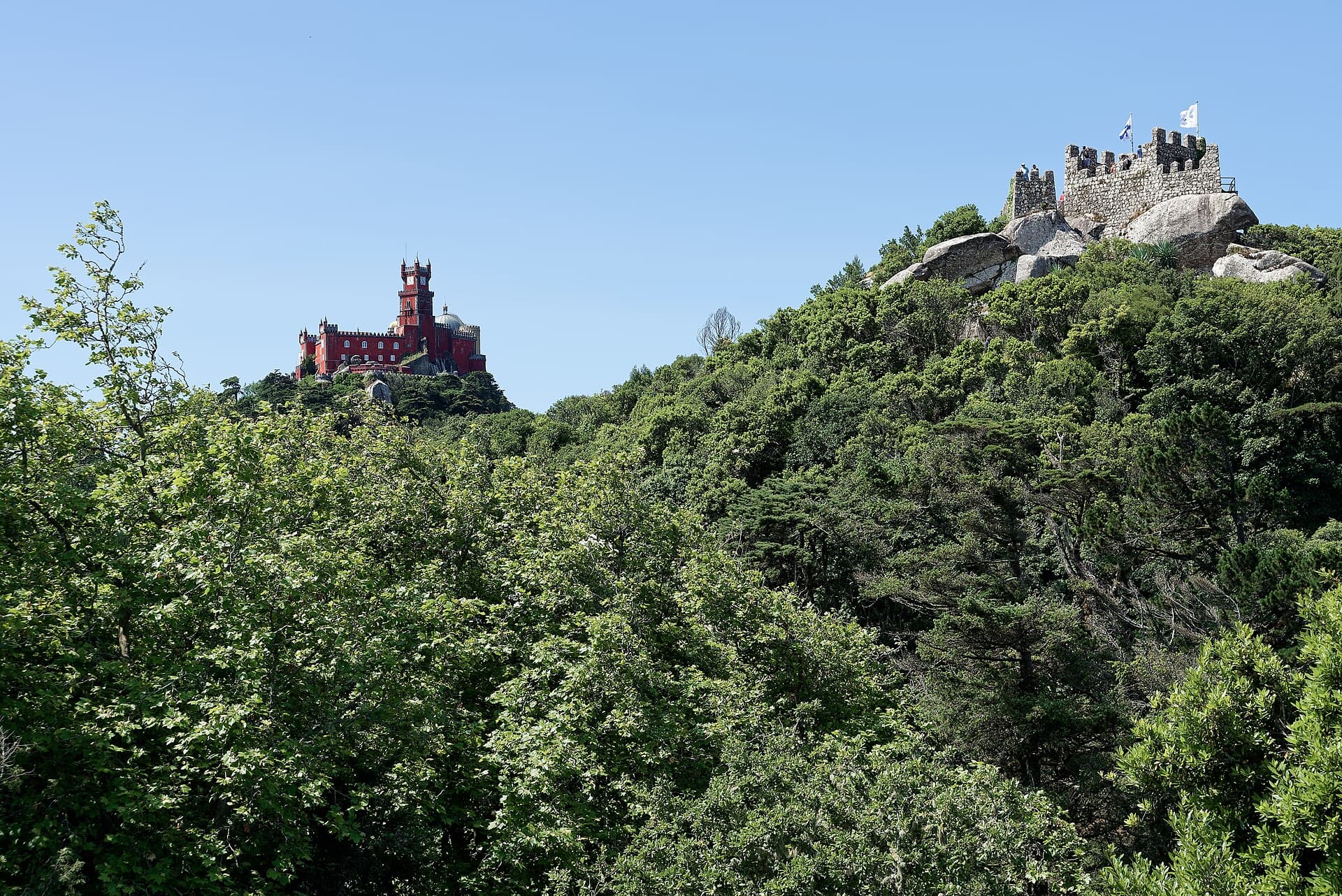
Palácio Nacional da Pena: The Invented Medieval Palace
An eclectic Romanticist palace on the peak, built by Ferdinand the Second from eighteen forty-two on the ruins of a monastery, and deliberately designed to look older and stranger than anything that ever really stood here.
4
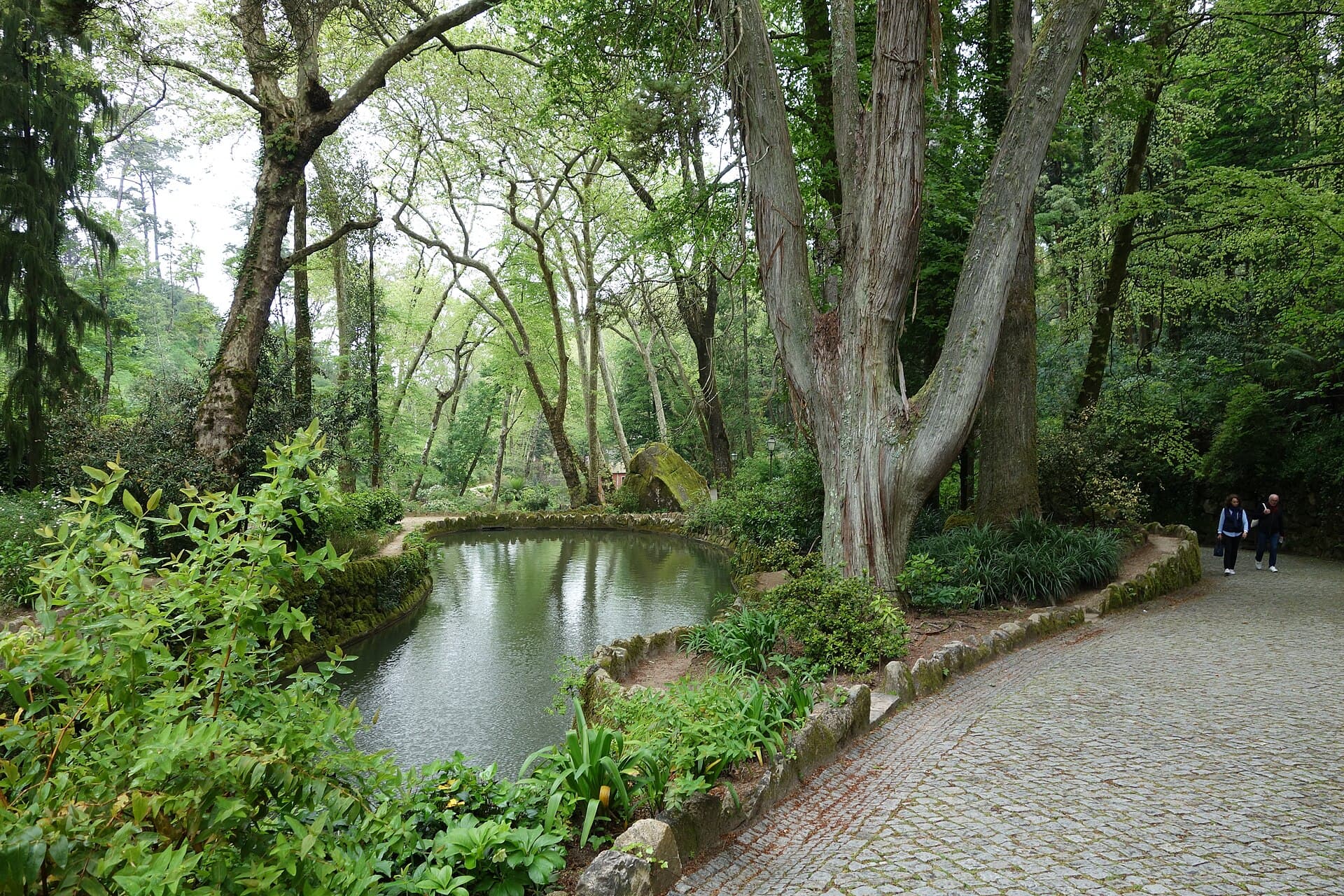
Parque da Pena: The Wilderness That Was Planted
The exotic forest Ferdinand the Second designed and planted around the palace, described as the most important arboretum in Portugal, a designed wildness assembled tree by tree from every continent.
5
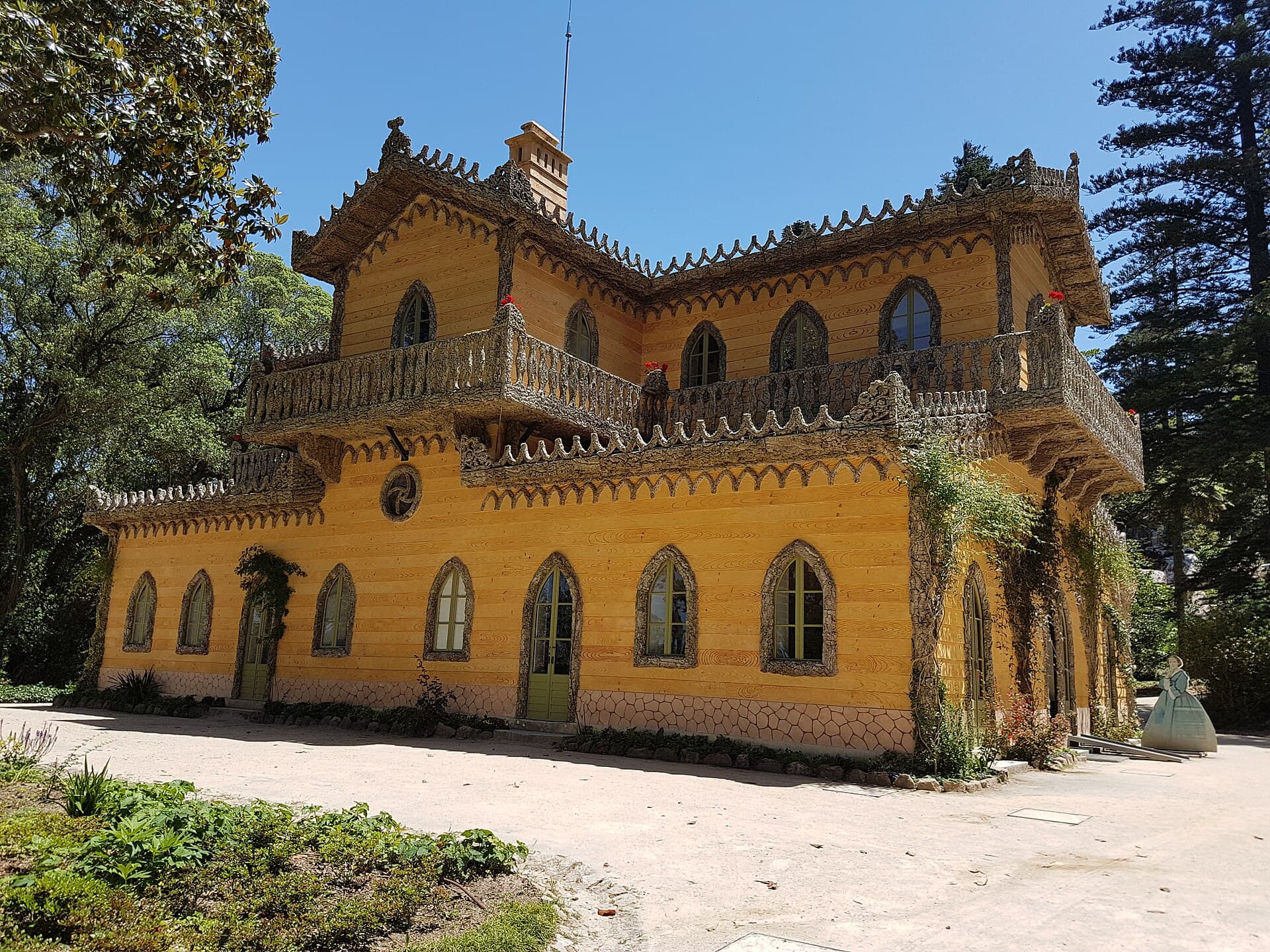
Chalet da Condessa d'Edla: The King's Second Romance
An Alpine-style chalet Ferdinand the Second built with the opera singer Elise Hensler between eighteen sixty-four and eighteen sixty-nine, authorship at human scale, away from the grand palace.
6
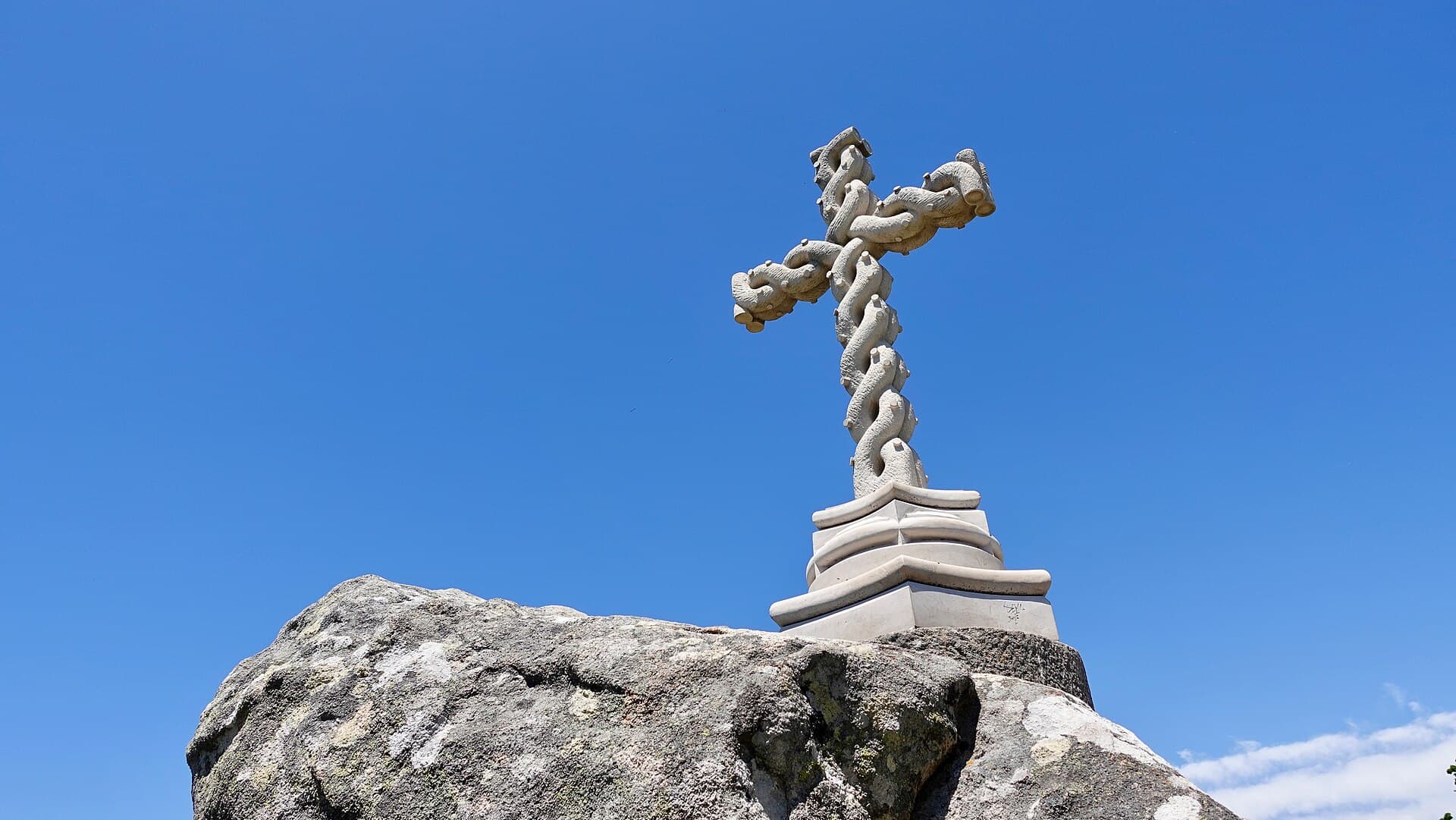
Cruz Alta: Where the Made Landscape Resolves
The highest point of the Serra de Sintra at five hundred and twenty-nine metres, a viewpoint where the entire authored landscape resolves into a single panorama out to the Atlantic.
Best Time to Visit
Arrive early, ideally right at opening, or in the late afternoon. Sintra's mountain draws heavy midday crowds, and the monuments and their entrances back up sharply between late morning and early afternoon. Mornings often carry a beautiful sea mist that suits the Romantic mood, though it can hide the summit views, so a clear late afternoon rewards you at Cruz Alta. Spring brings the camellias and gentle temperatures, while summer is busiest and warmest. Weekdays are far calmer than weekends.
Pro Tips
- •Buy tickets to Pena and the Castle of the Moors online in advance with a timed entry slot. On-site queues at the busiest monuments can eat an hour or more.
- •The walk is a genuine climb on steep, uneven cobblestones. Wear proper closed shoes with grip, not sandals, especially if the stones are damp with mountain mist.
- •The mountain makes its own weather. Bring a light waterproof layer even on a clear day, since fog and drizzle can roll in within minutes at this altitude.
- •Give yourself far more time than the distance suggests. Three kilometres here means constant uphill plus the interiors, so plan for at least half a day if you go inside Pena and the Chalet.
- •Carry water and a small snack. Options on the mountain are limited and can be crowded, and the climb between stops is thirsty work.
- •Save Cruz Alta for a clear moment. If mist is sitting on the peak when you reach it, linger or return later, because the whole authored landscape only reveals itself when the air is clear.
Safety & Precautions
- The paths are steep and paved in old calcada cobblestones that turn slippery when wet from rain or mountain fog. Step carefully, use handrails on stairs, and take the descents slowly.
- Weather on the summit can shift fast from warm sun to cold, damp mist. In summer the lower slopes and town can also get genuinely hot, so bring both sun protection and a warm layer.
- The palace, the old monastery spaces, and the chapels are places of quiet and heritage. Dress respectfully, keep your voice low indoors, and follow any signs on photography and restricted areas.
- The lanes up to the monuments are narrow and shared with tourist buses, tuk-tuks, and cars. Walk on marked paths where they exist, stay alert at blind bends, and step well aside for passing vehicles.
Gallery
Related Reading
Go deeper on what you'll see, hear, and walk through.
Overview
Best Self-Guided Walking Tours in Sintra (2026)
3 min
Overview
One Day in Sintra: A Walkable Itinerary From Morning to Evening
8 min
Overview
Sintra Travel Guide: Days, Transport, Tickets, and Timing
7 min
Thematic
Sintra: The Fantasy Mountain That Was Built on Purpose
8 min
Companion
The Moorish Castle Above Sintra Is Real, and It Was Composed on Purpose
6 min
Deep dive
Serra de Sintra: The Mountain Whose Fairy Tale Was Built on Purpose
7 min
Read
What to Eat in Sintra: Queijadas, Travesseiros, and the Suckling Pig
7 min