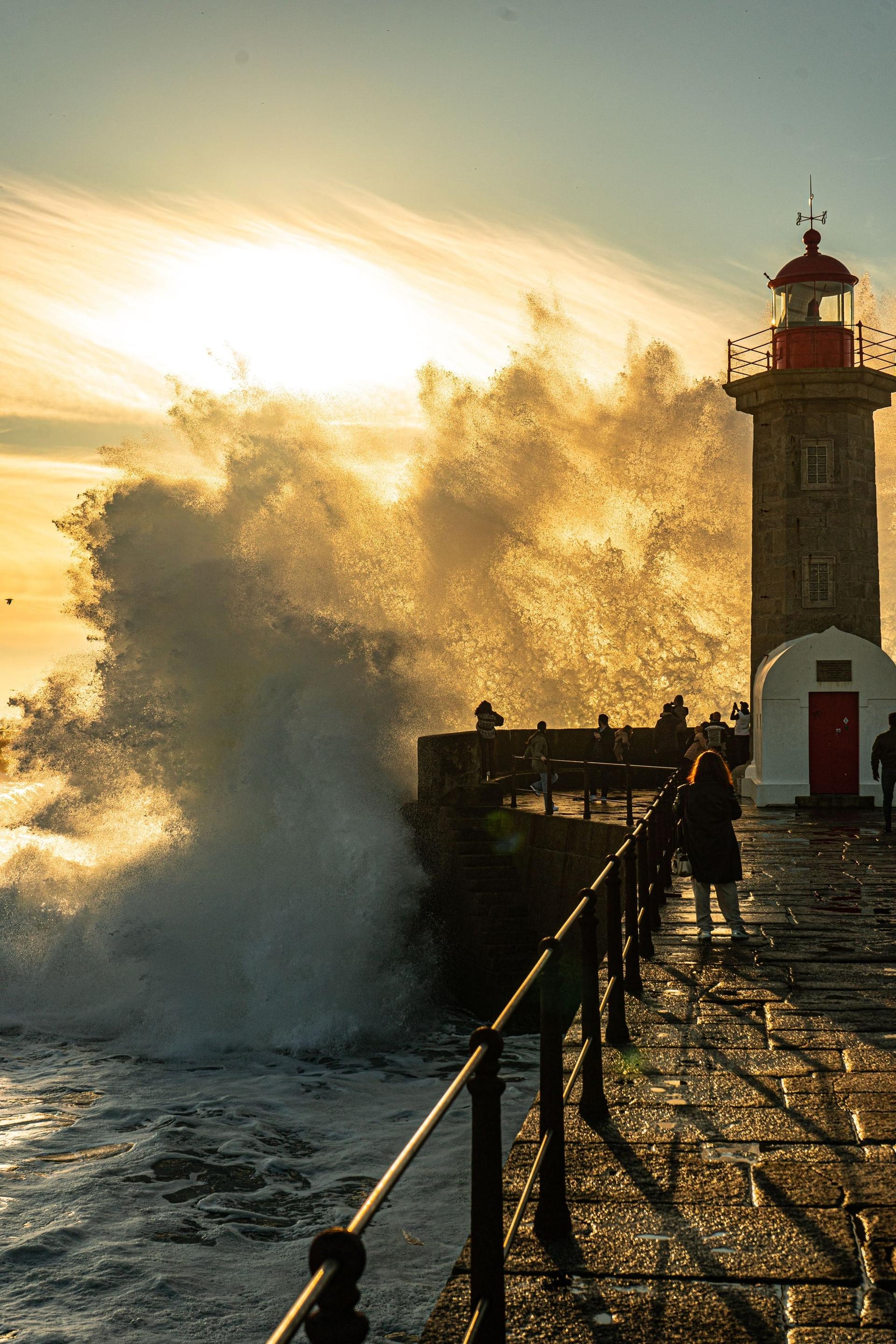
Porto's river mouth on foot: the Passeio Alegre garden on reclaimed land, a lighthouse chapel of the 1520s, the lanes and church of the old fishing village, a fort built around a bishop's church, the Felgueiras lighthouse, the beaches, the 1930 Pérgola and the Homem do Leme on the Atlantic front.
Start · Passeio Alegre Obelisks
DirectionsStops
- 1
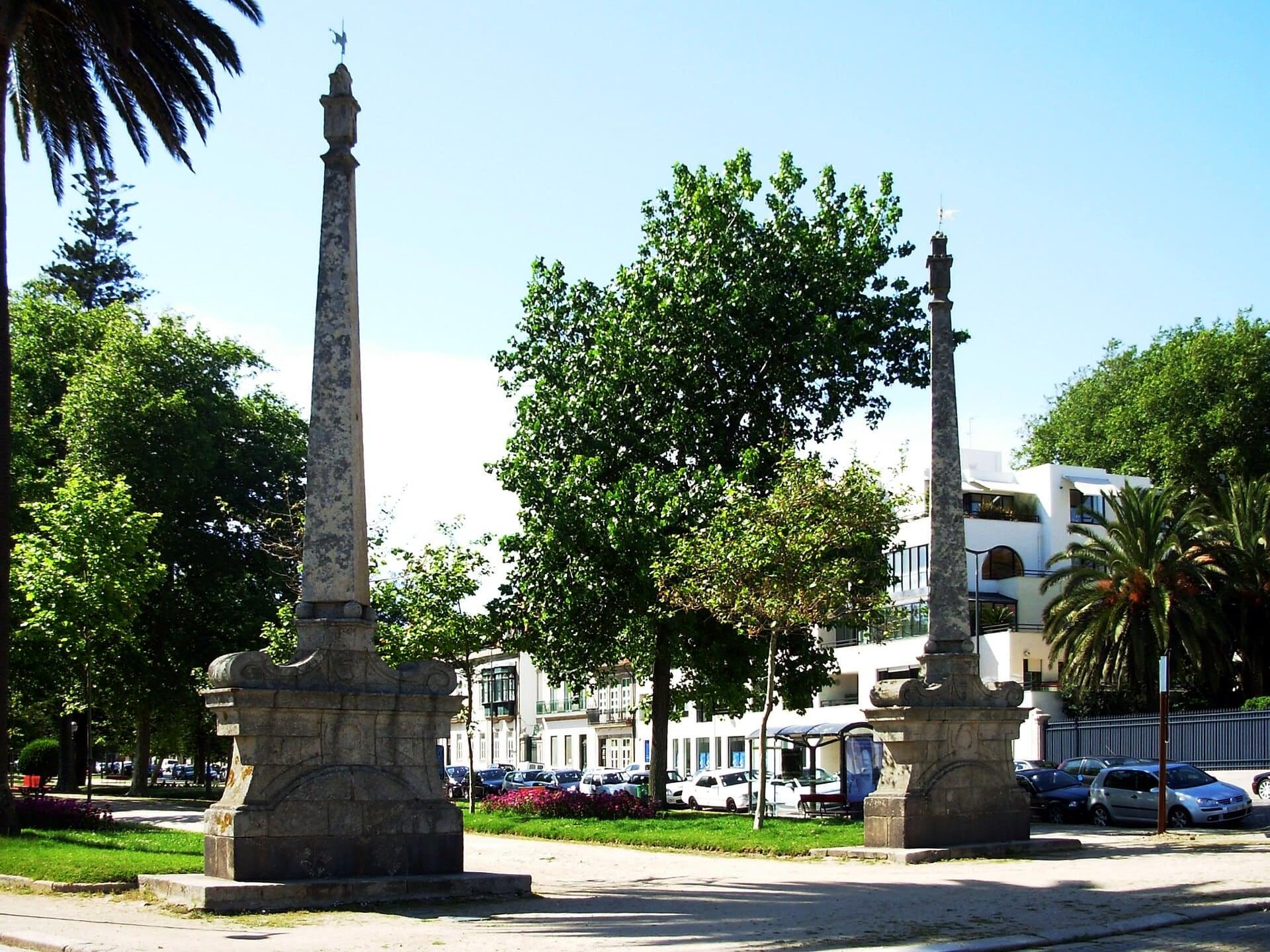
Passeio Alegre Obelisks
A garden built on landfill. Two granite obelisks by Nicolau Nasoni, carried from a country estate, at the gate of a garden laid out on landfill from the bar works.
- 2
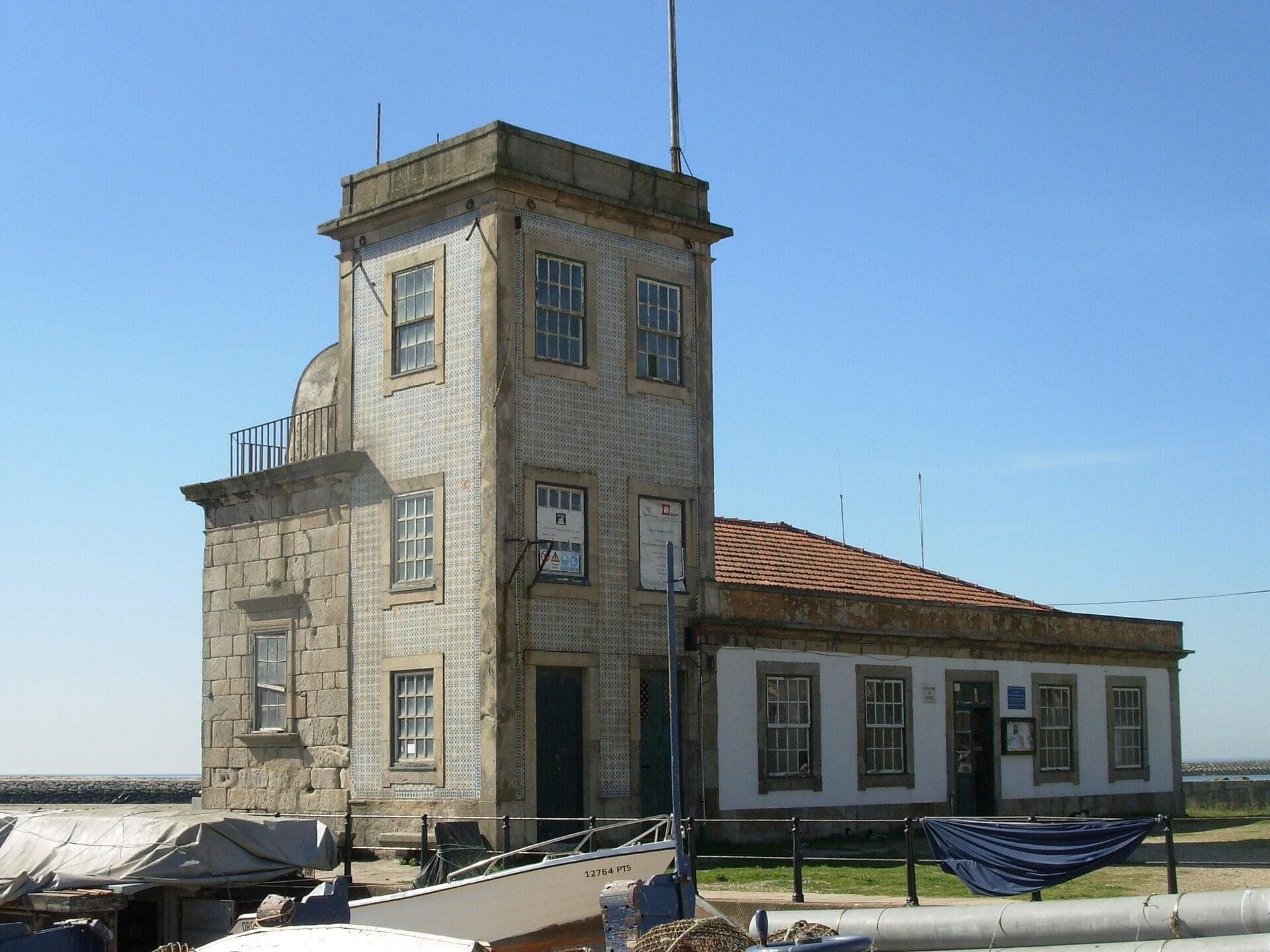
Capela-Farol de São Miguel-o-Anjo
A chapel that was a lighthouse. Built in the 1520s on a rock in the river by Dom Miguel da Silva, endowed with farmland to keep a fire burning for ships.
- 3
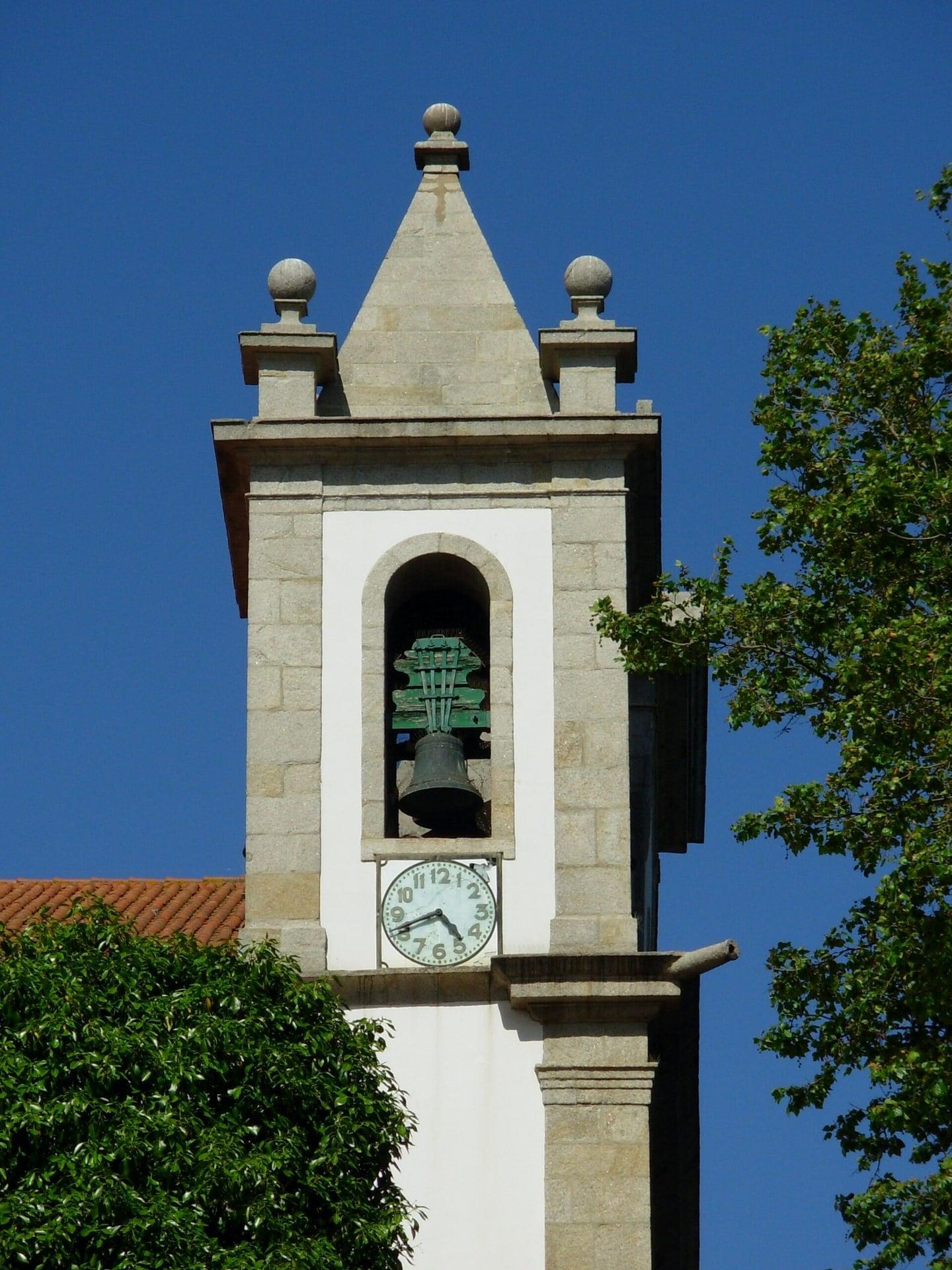
Igreja de São João da Foz
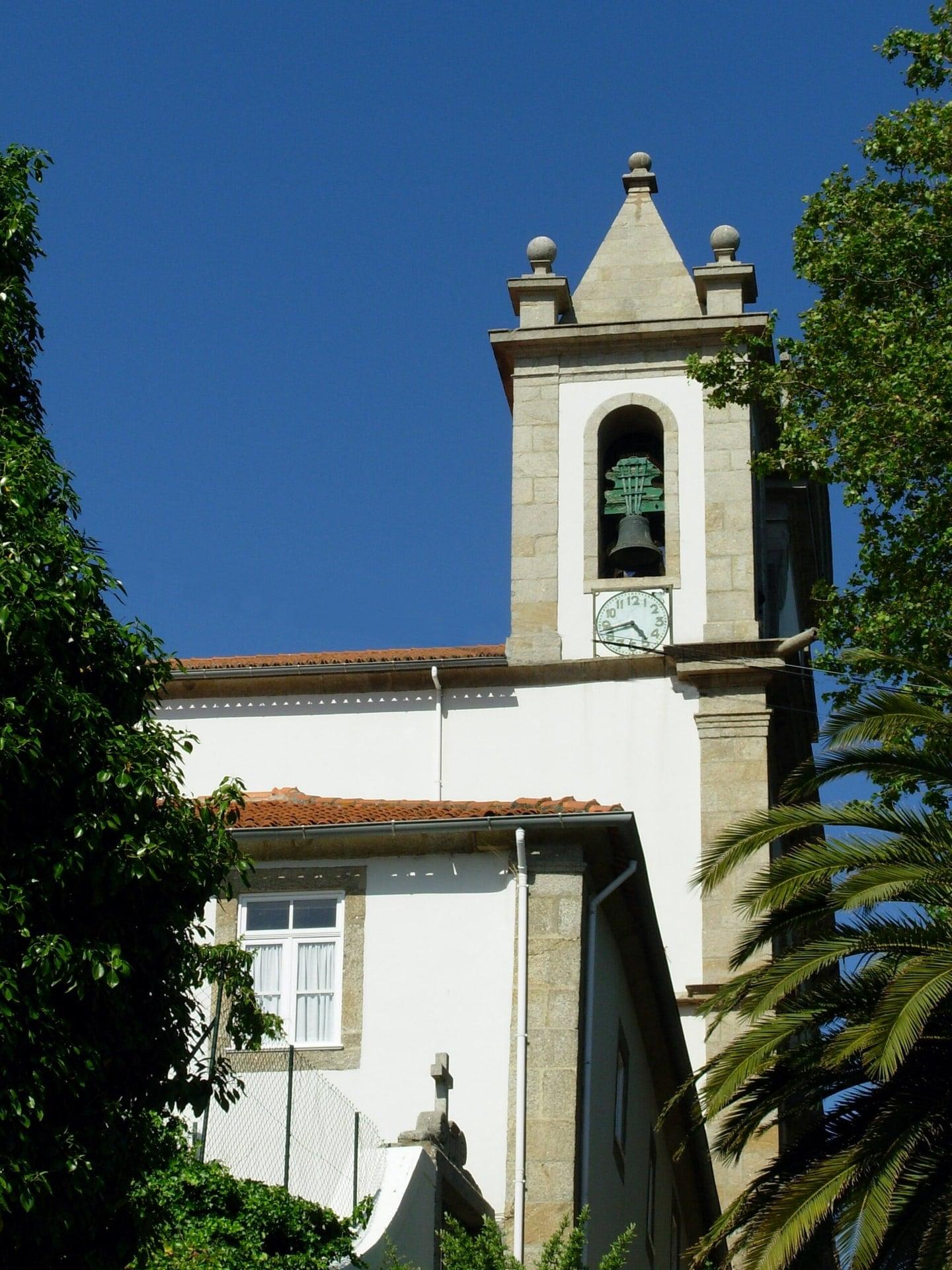
A twin-towered church of 1736. When the fort took its old church, the parish built this twin-towered church on the hill, consecrated in 1736.
- 4
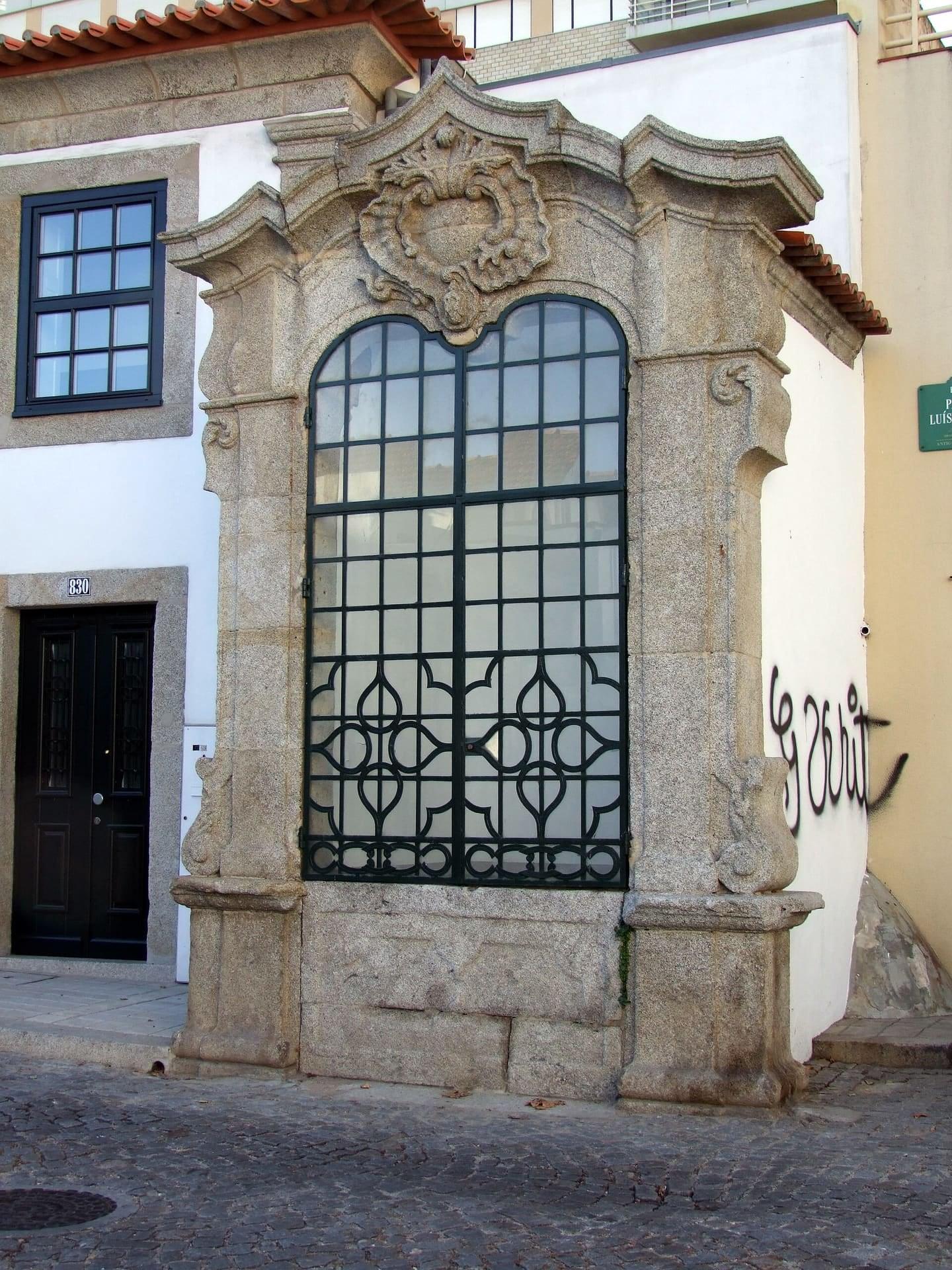
Largo do Rio da Bica
A shrine above fishing lanes. A little 18th-century Way of the Cross shrine at the top of Foz Velha's lanes.
- 5
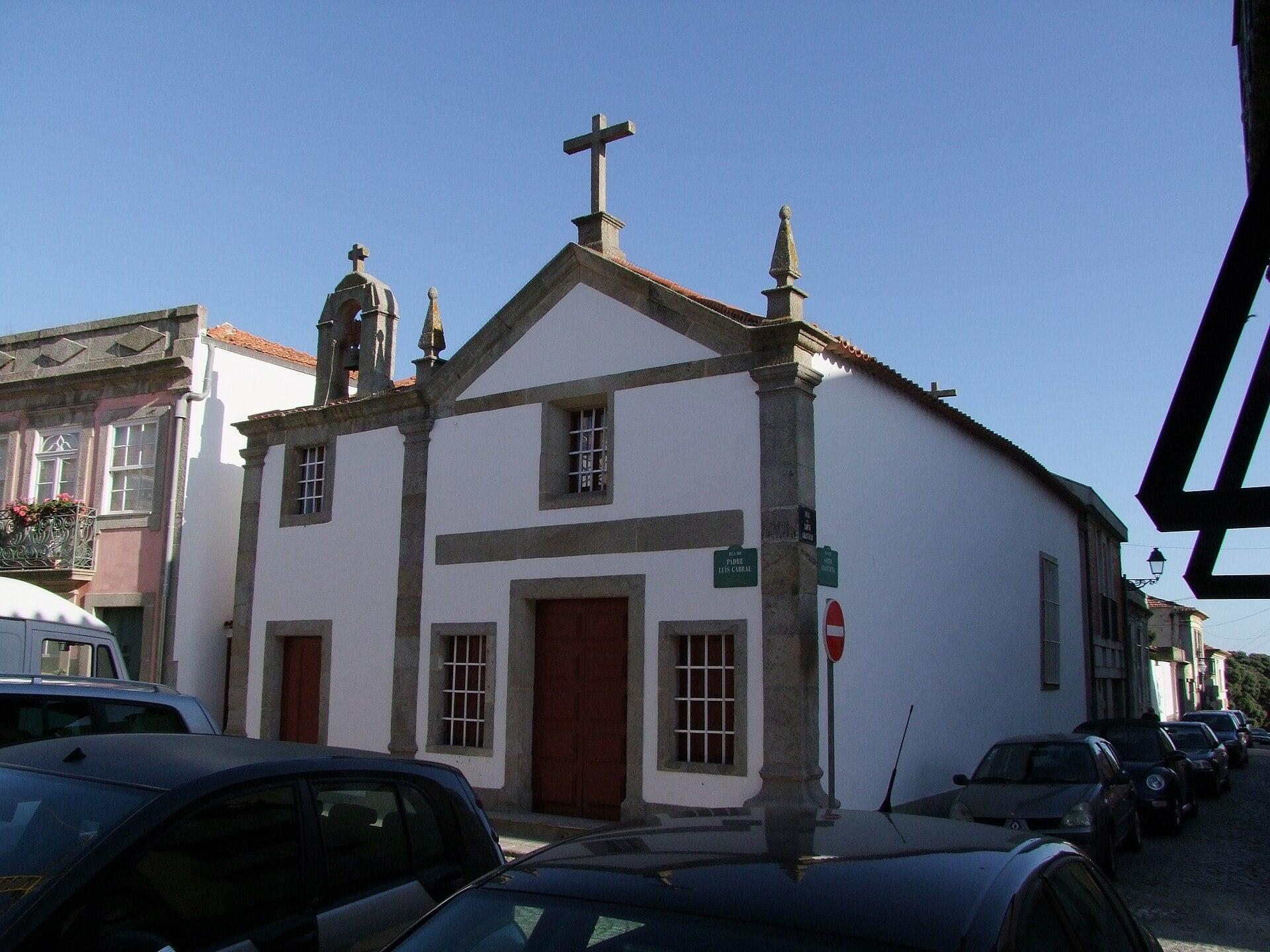
Capela de Santa Anastácia
The chapel that served as parish. When the fort took the old church in 1647, this hilltop chapel became the parish church for decades.
- 6
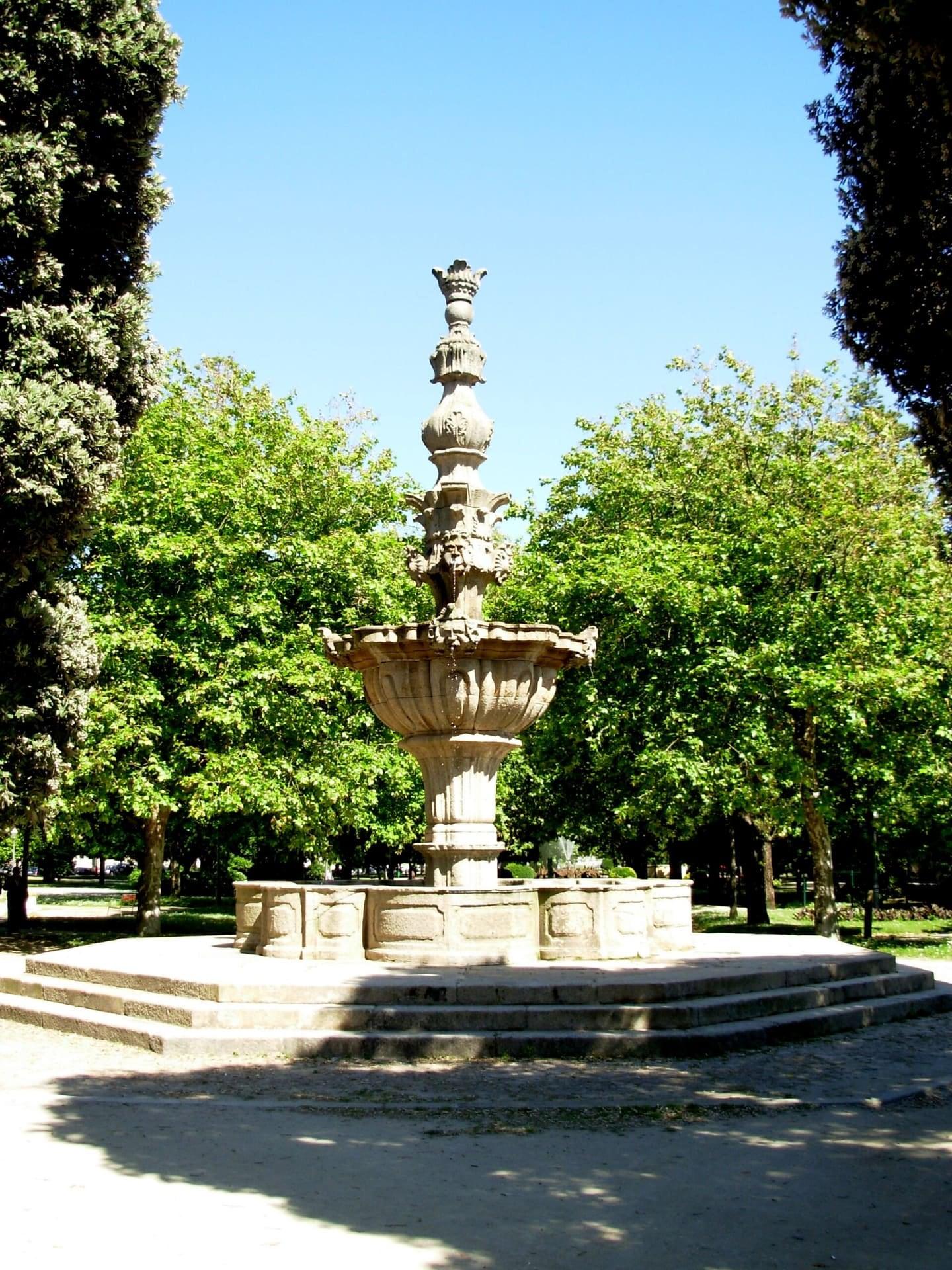
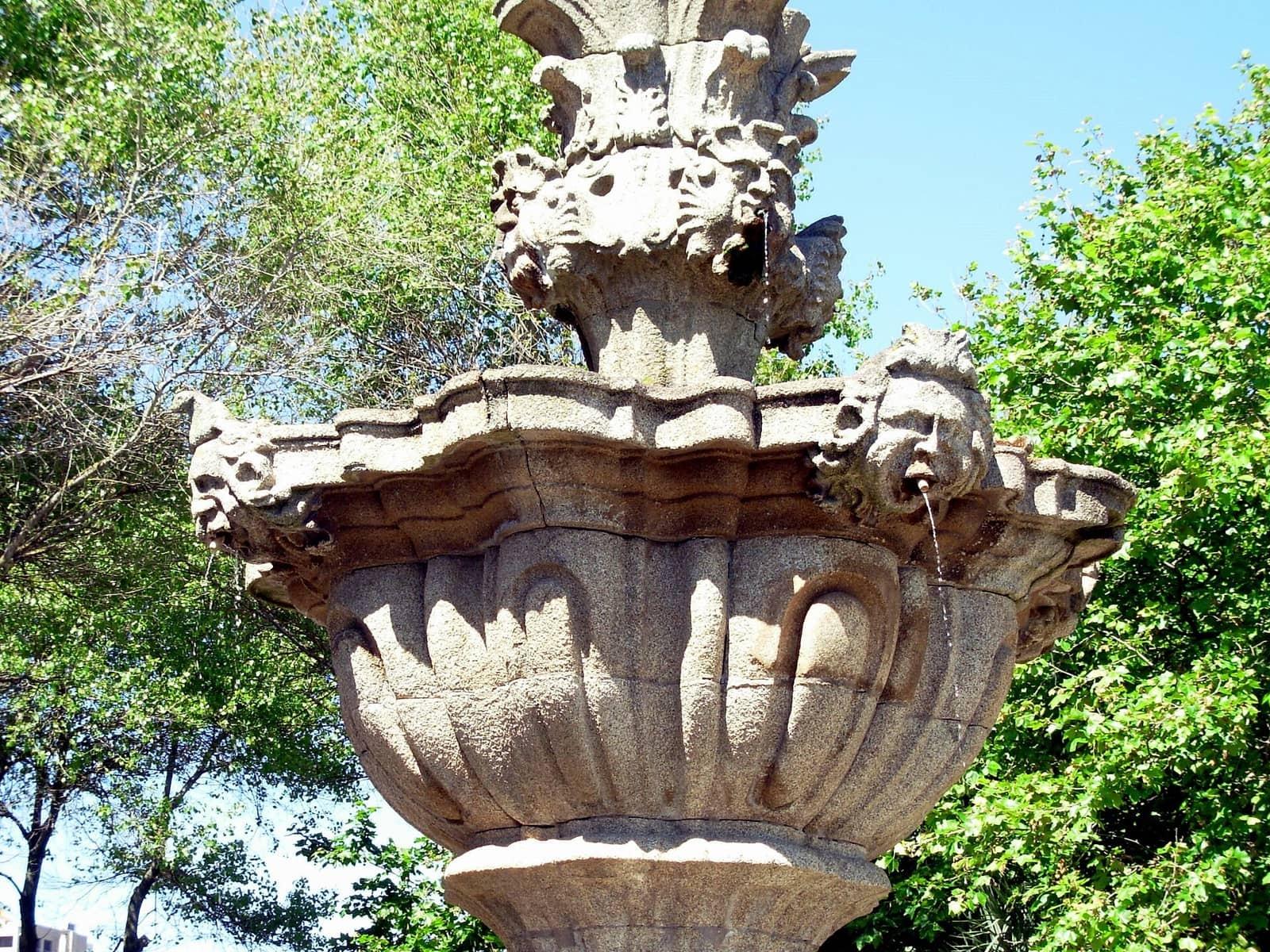
Passeio Alegre Fountain
A fountain on new land. An 18th-century granite fountain brought here from elsewhere in the city, beside a Swiss chalet of the 1870s.
- 7
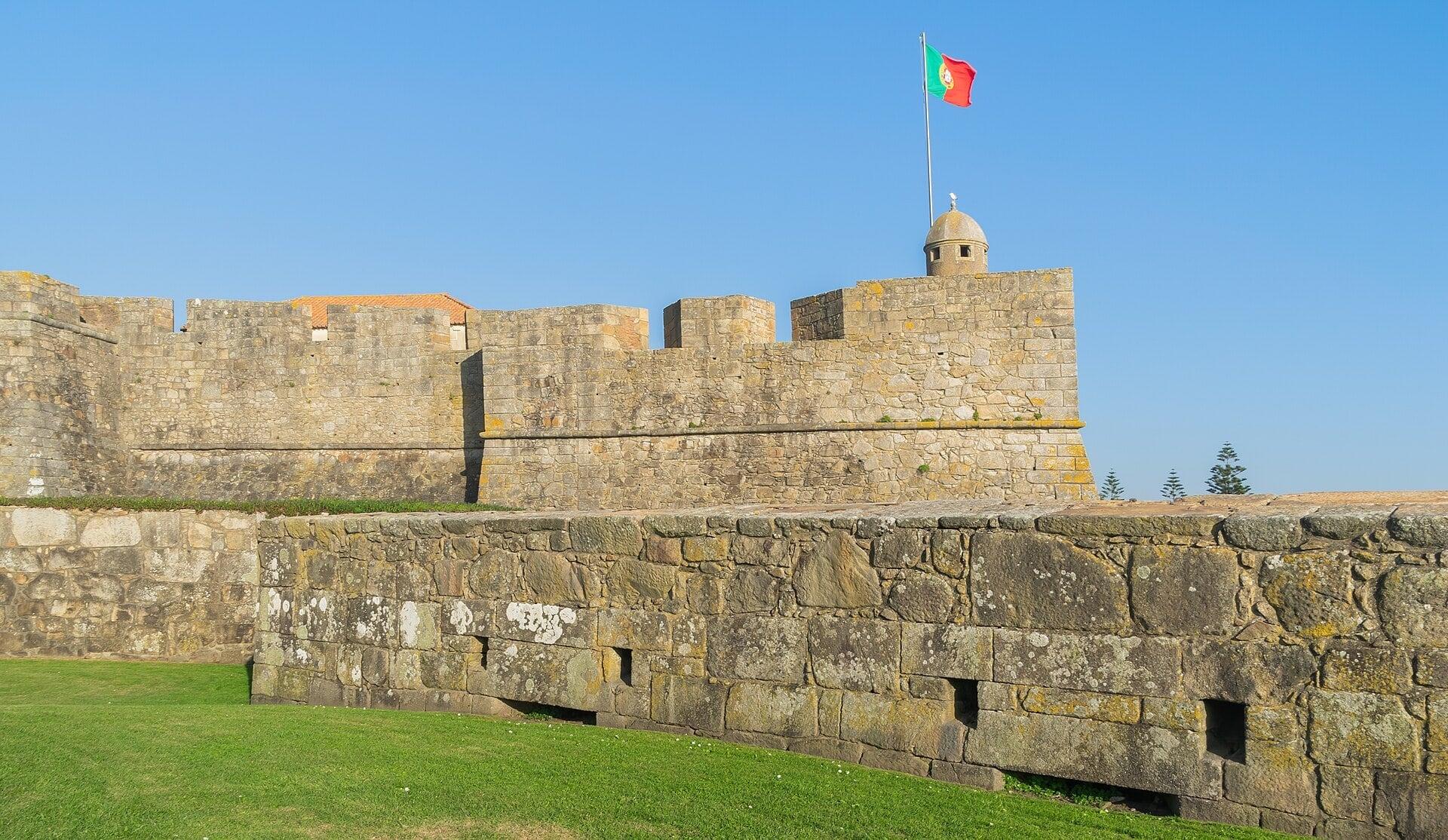
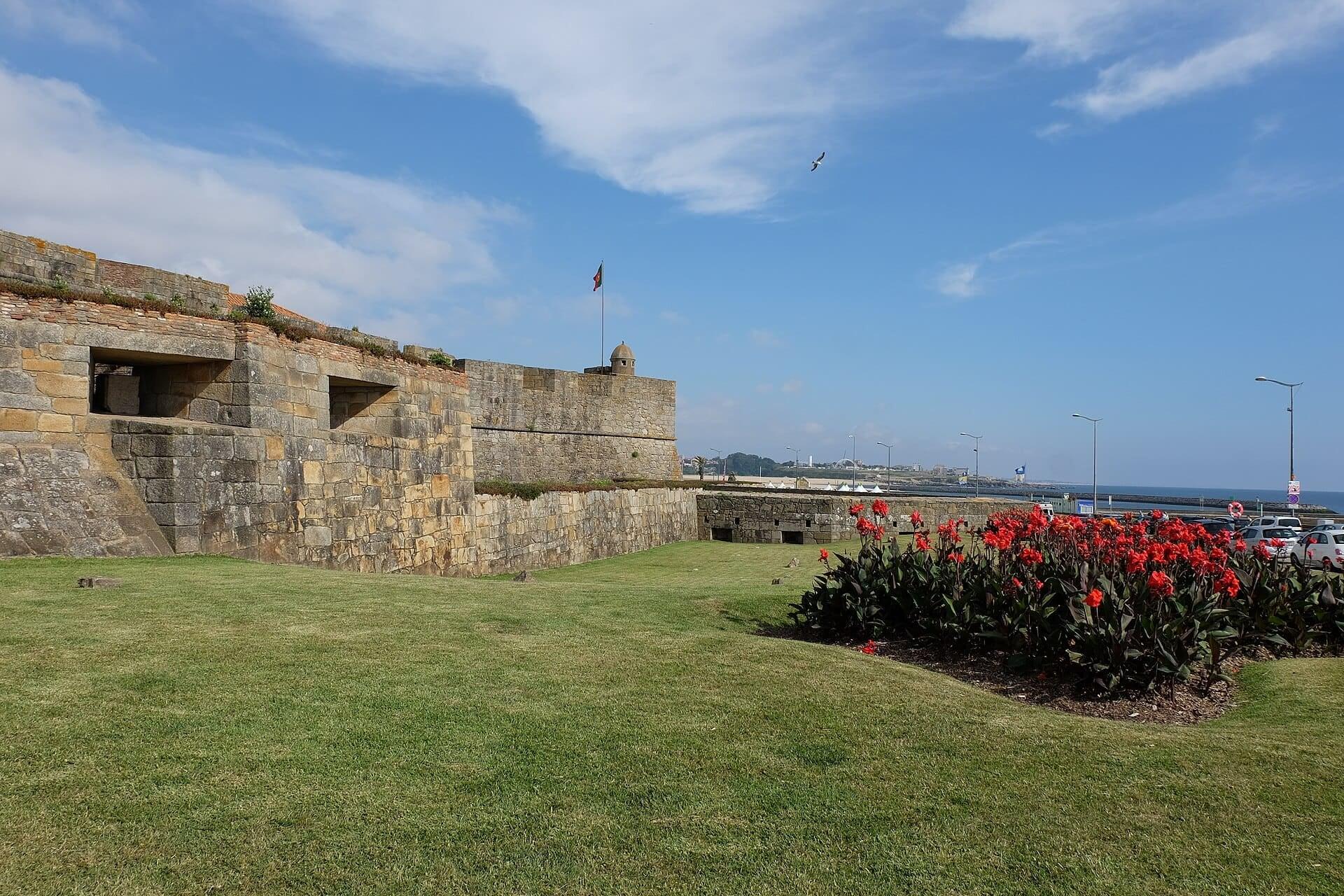
Forte de São João Baptista
A fort around a church. The 1570s fort that closed the river mouth, raised around Dom Miguel da Silva's Renaissance church.
- 8
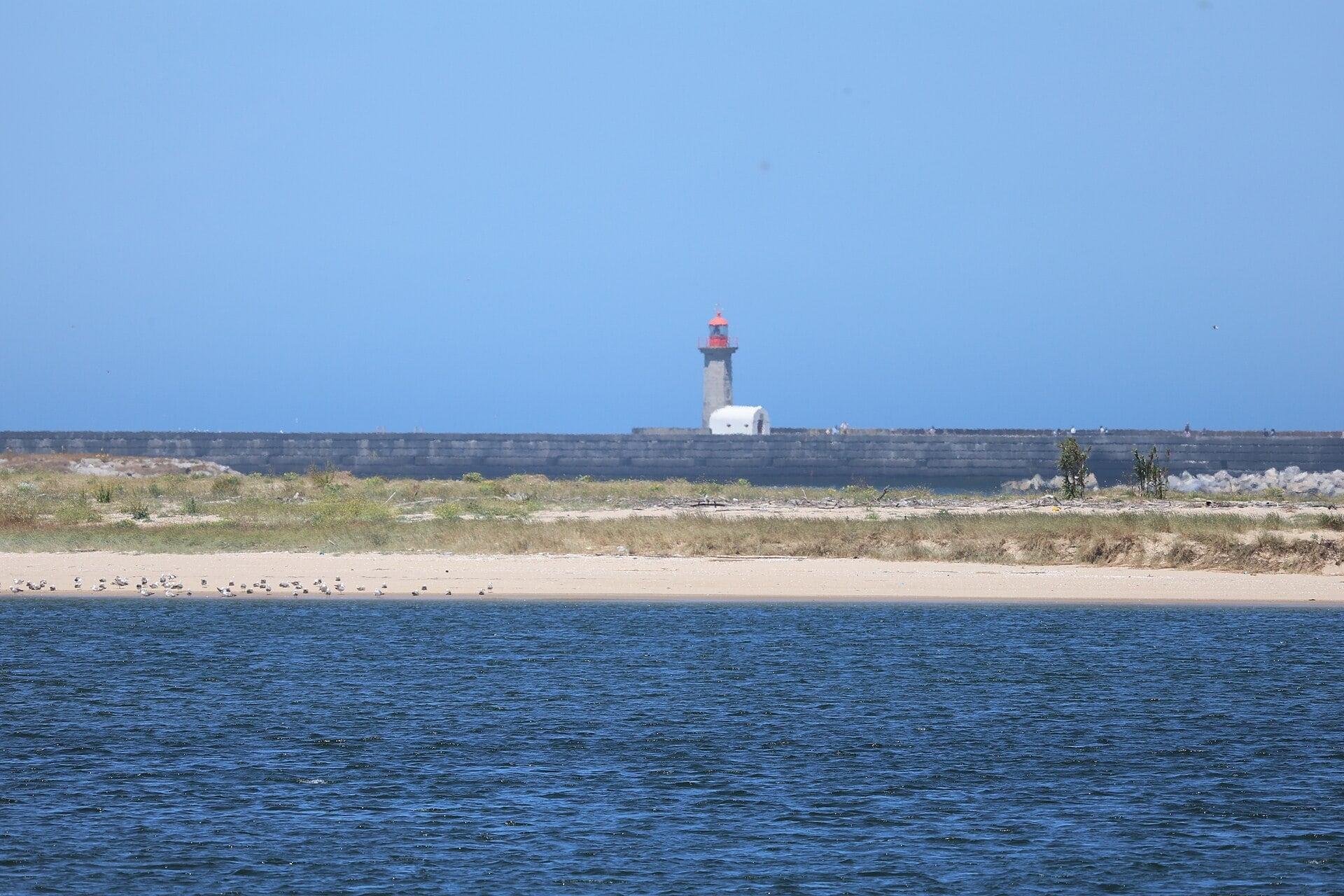
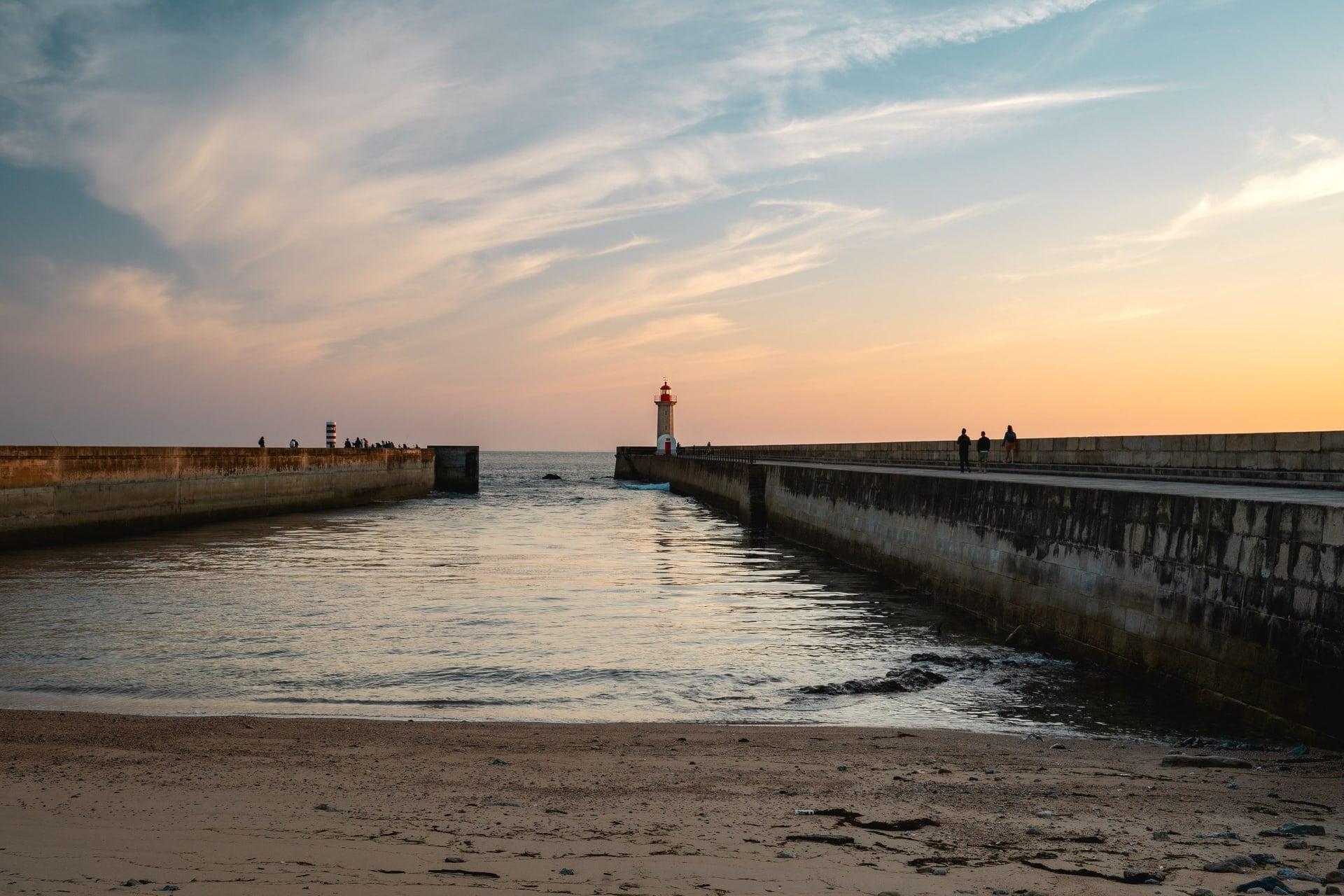
Mouth of the Douro
The bar that ships feared. The river meets the sea between breakwaters, after more than two centuries of stone thrown at a moving sandbank.
- 9
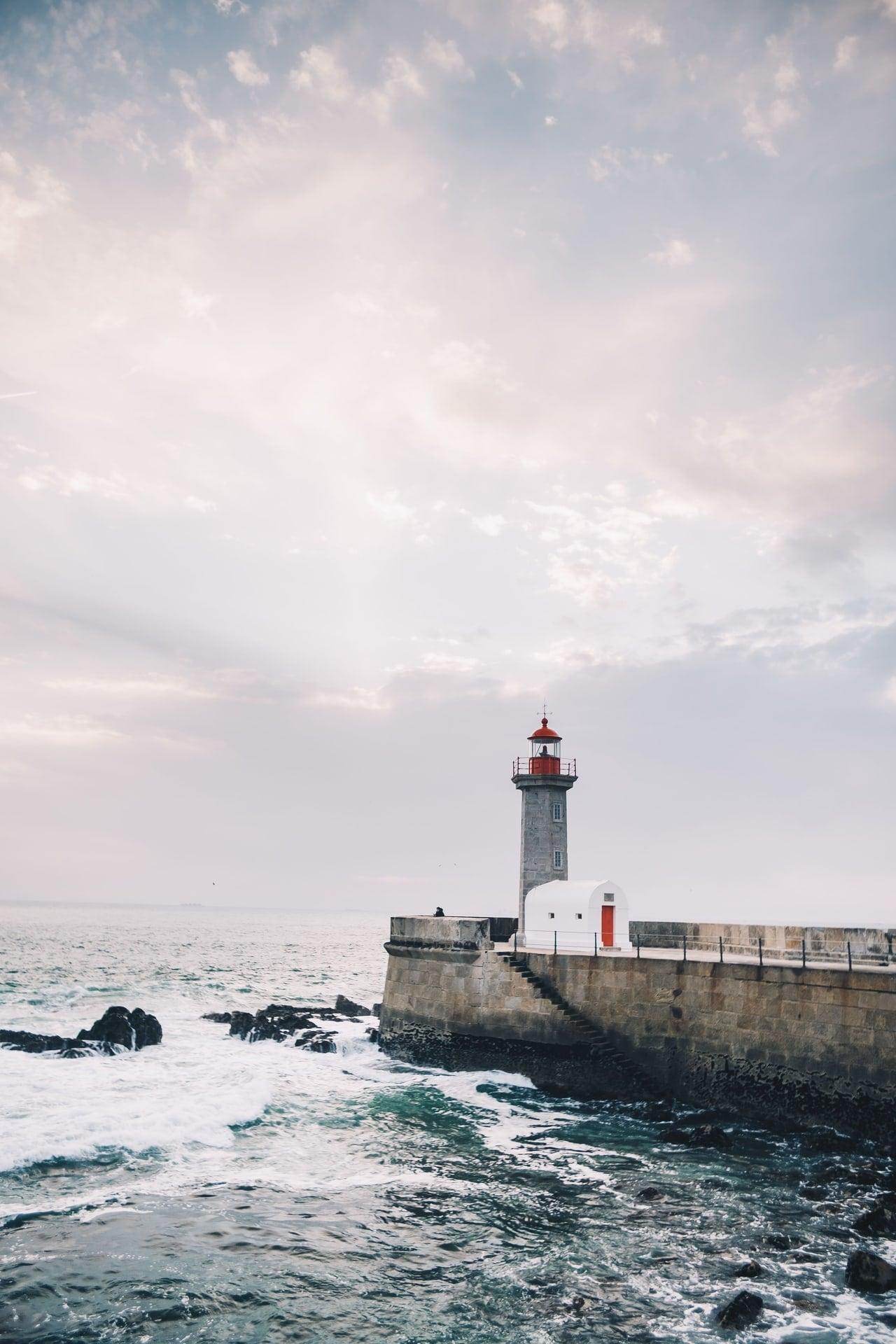
Felgueiras Lighthouse
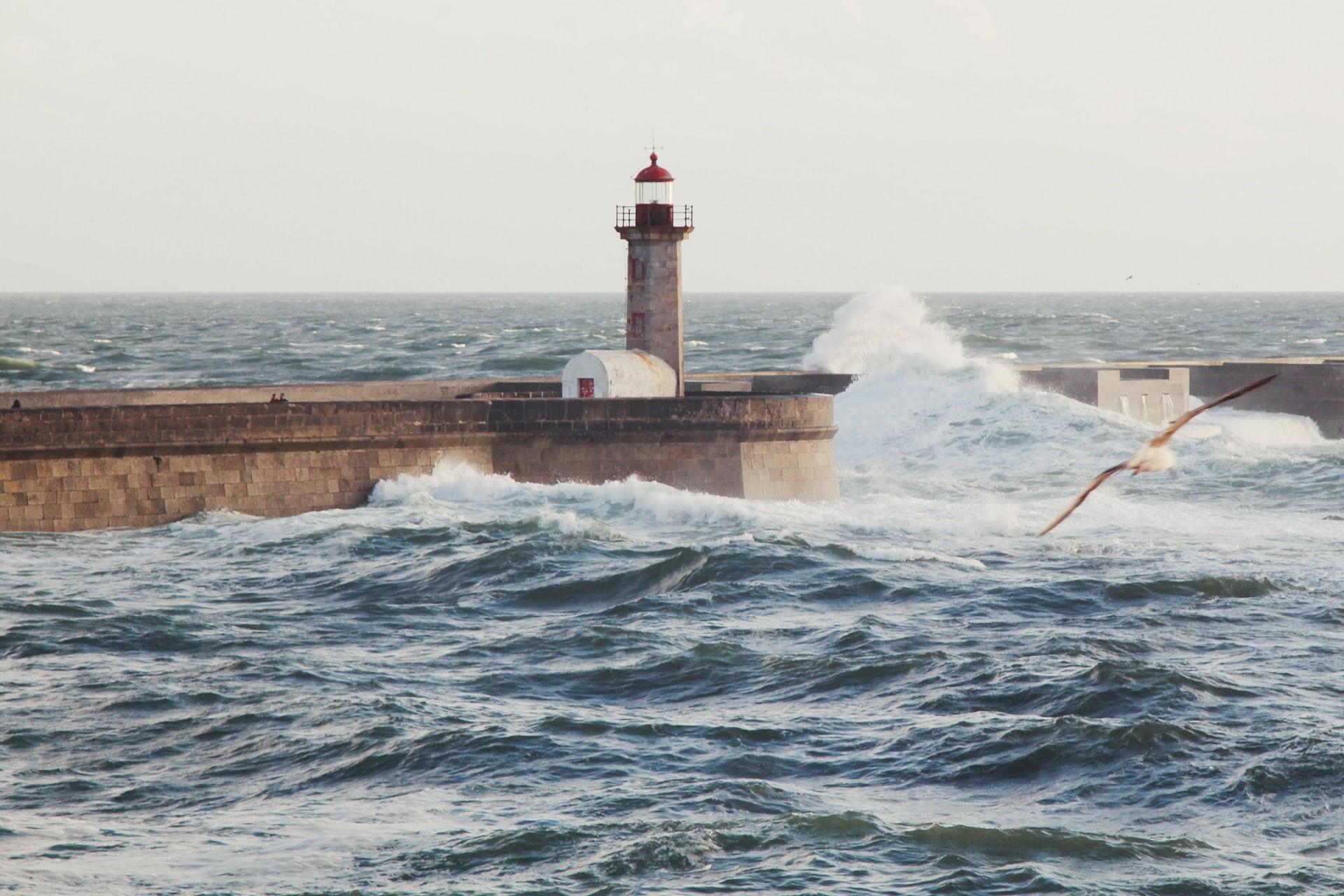
A six-sided light gone dark. A six-sided light of 1886 at the end of the Felgueiras breakwater, dark since 2009.
- 10
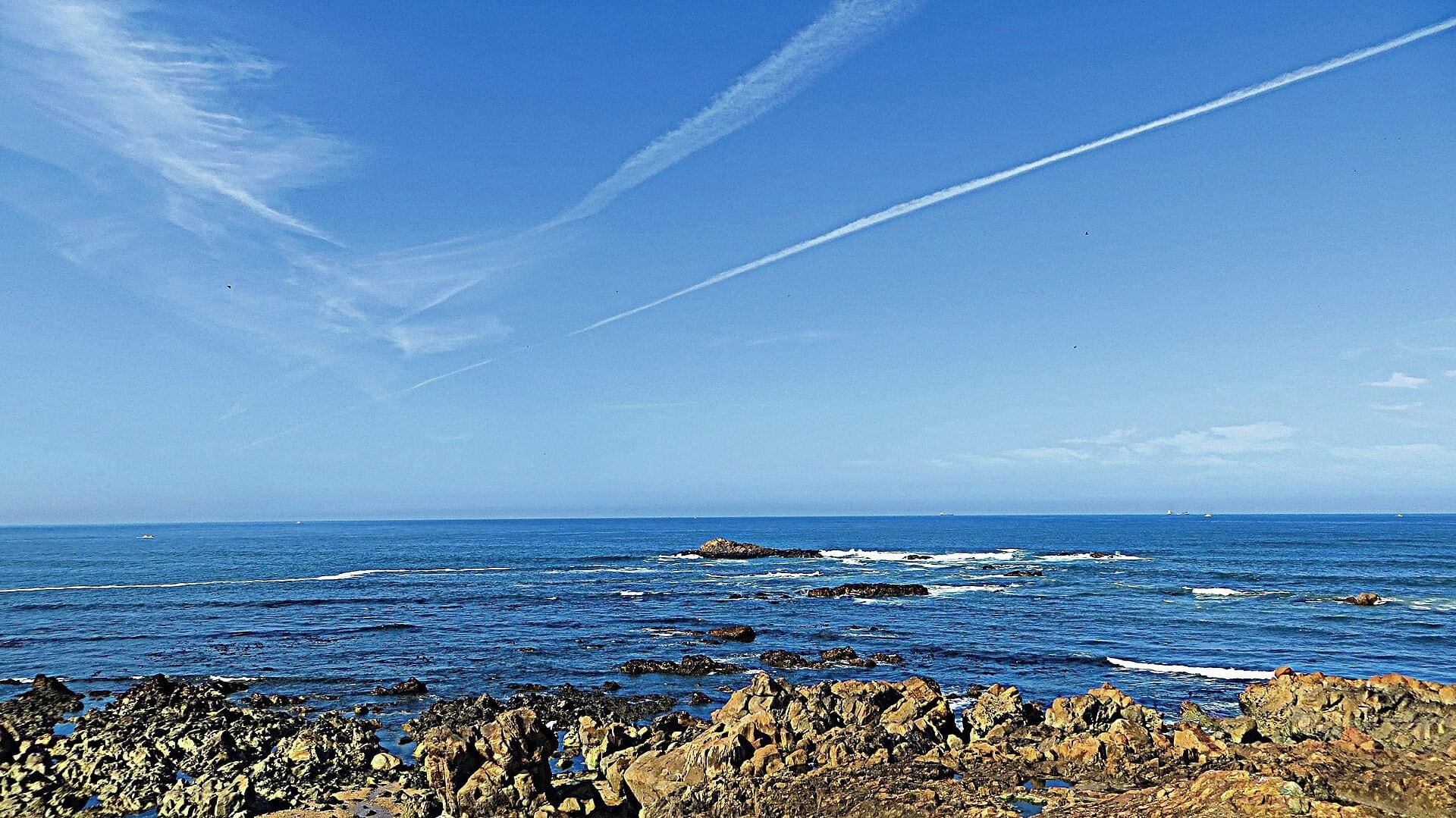
Praia dos Ingleses
Where Porto learned to bathe. A small beach among the rocks, named, the story goes, for the British who summered here.
- 11
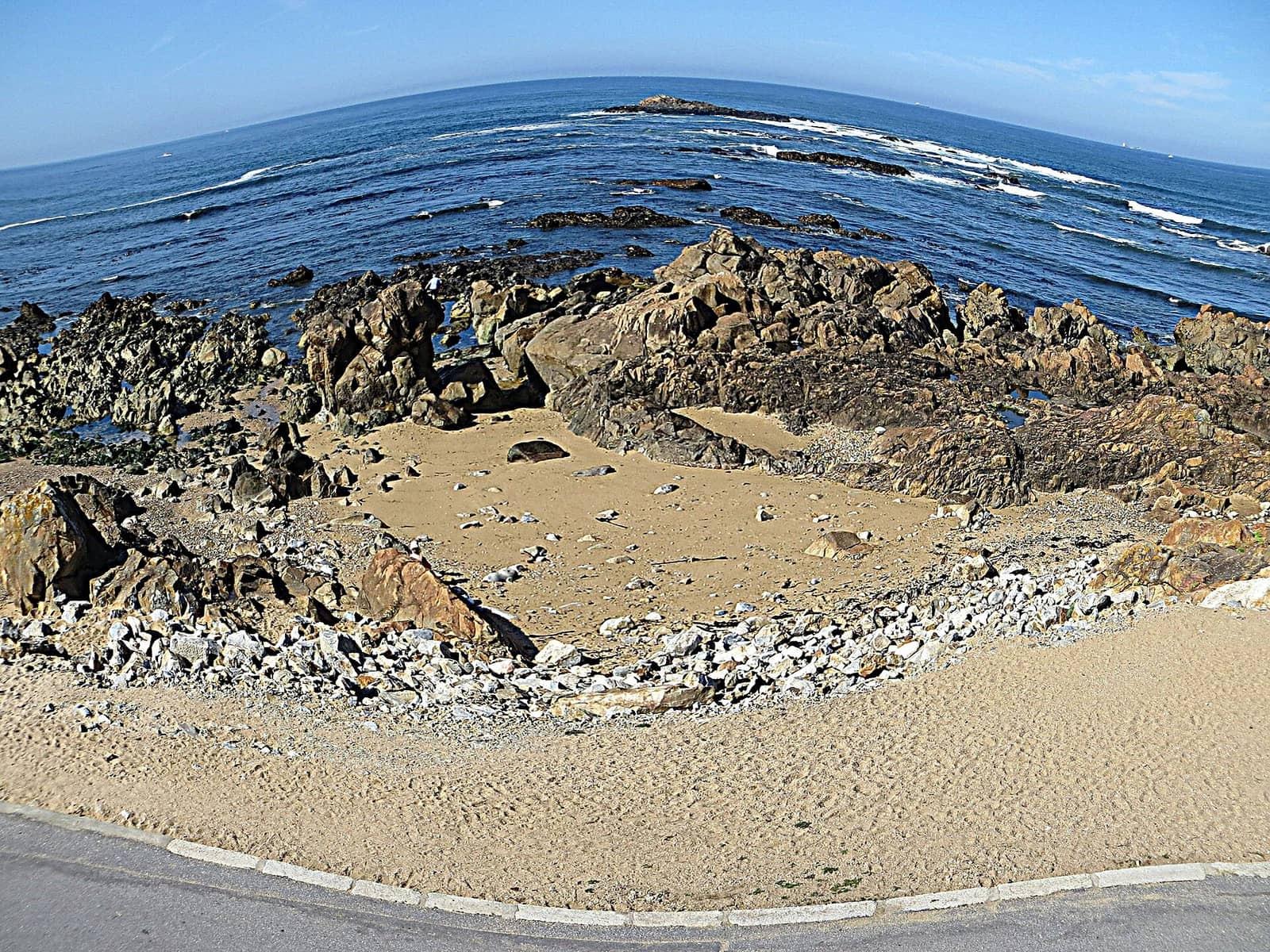
Praia da Luz
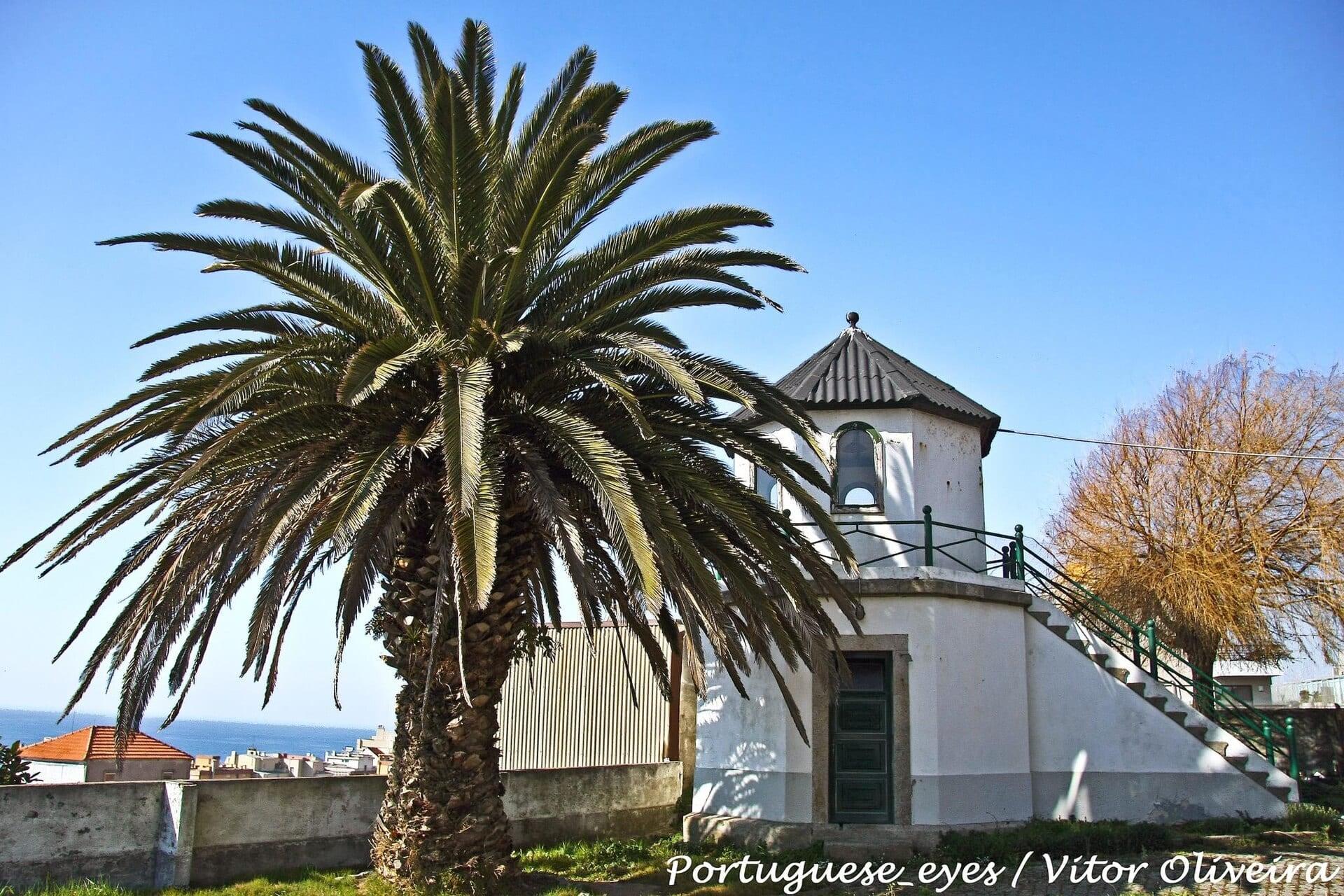
A terrace above the rocks. A railed terrace over the rocks, near the old Senhora da Luz light that guided ships for three centuries.
- 12
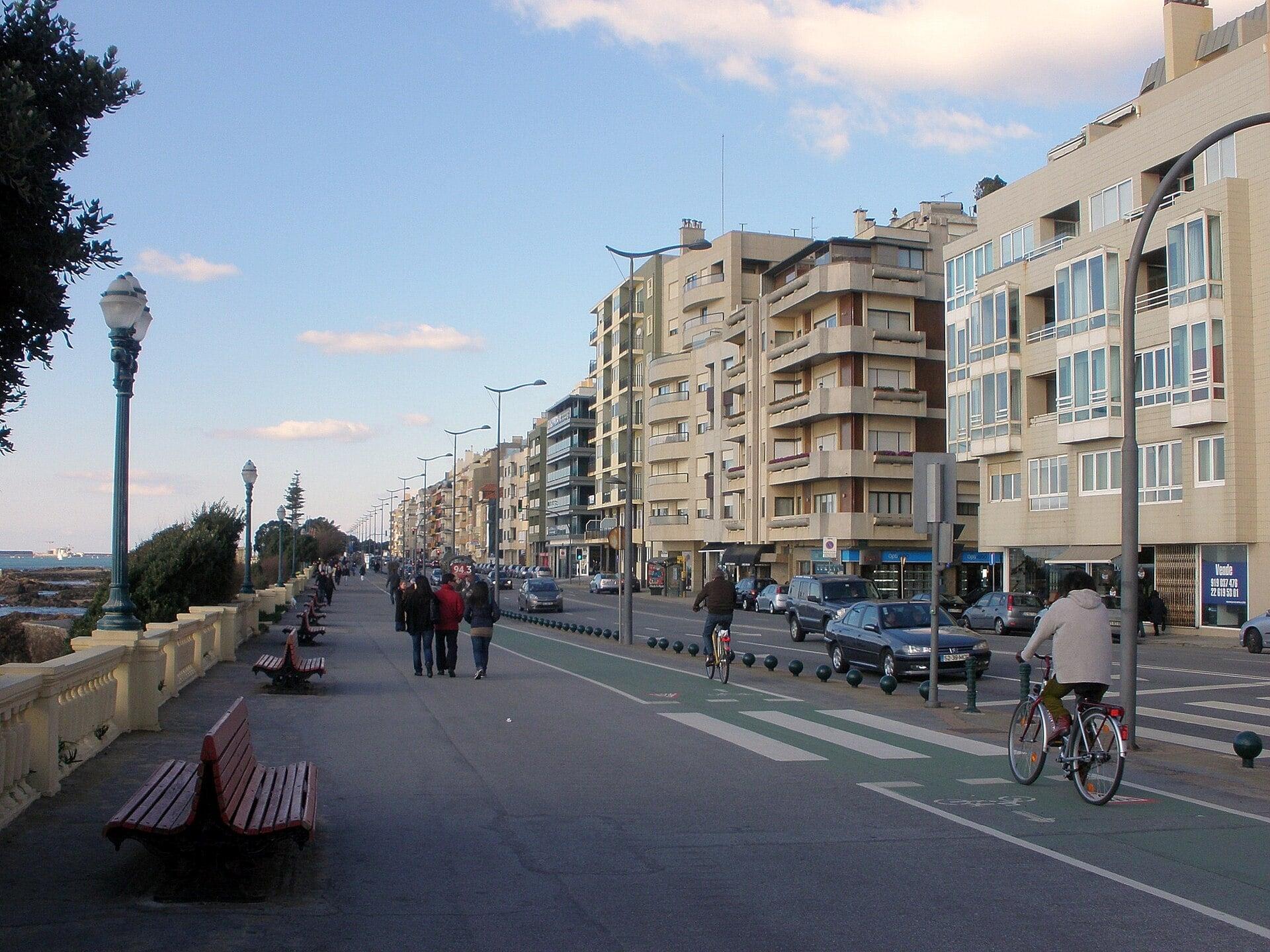
Rocks below Avenida do Brasil
An oxcart track turned avenue. The resort's avenue, dressed up from 1930, along rocks the national geology register counts among Portugal's oldest.
- 13
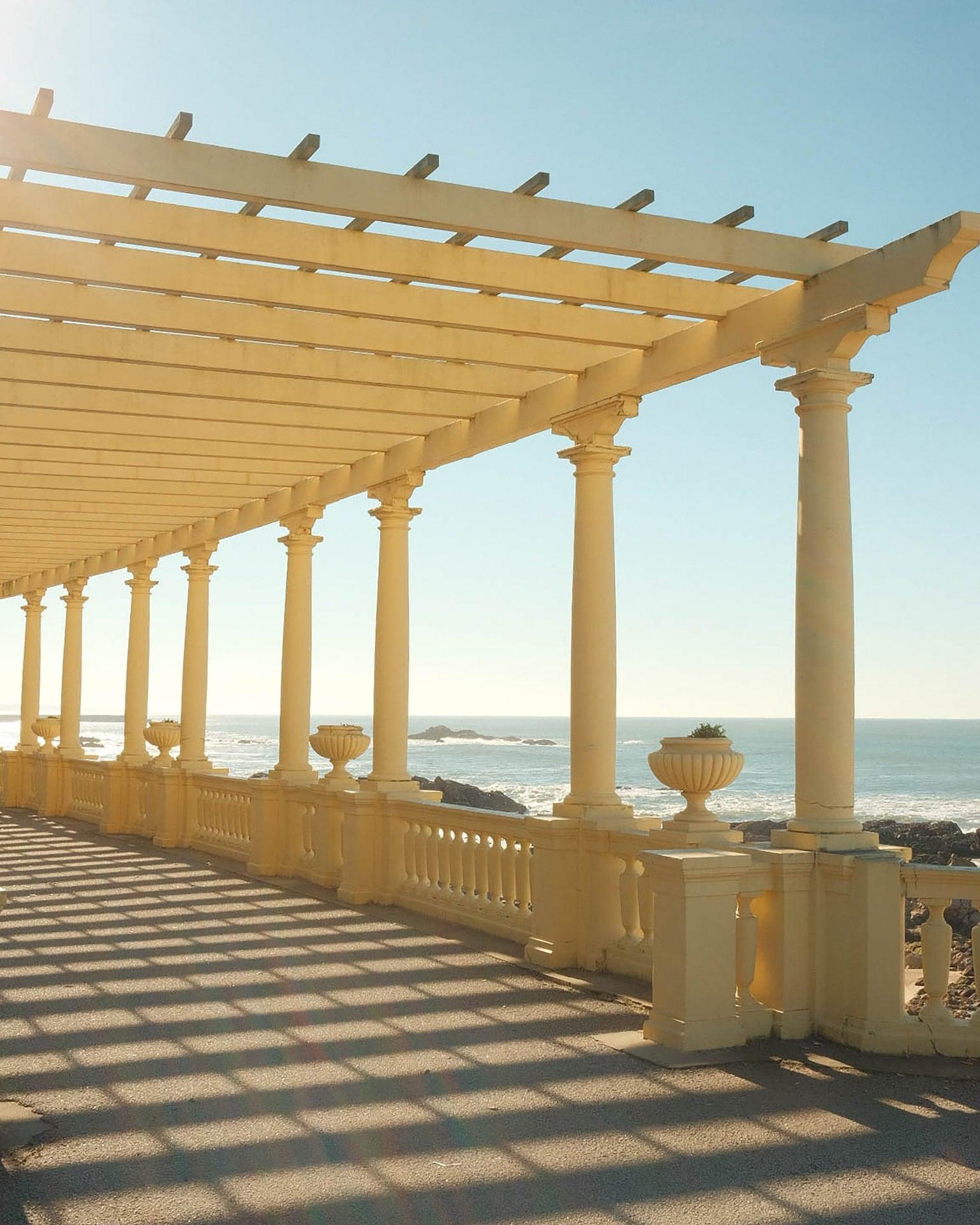
Pérgola da Foz
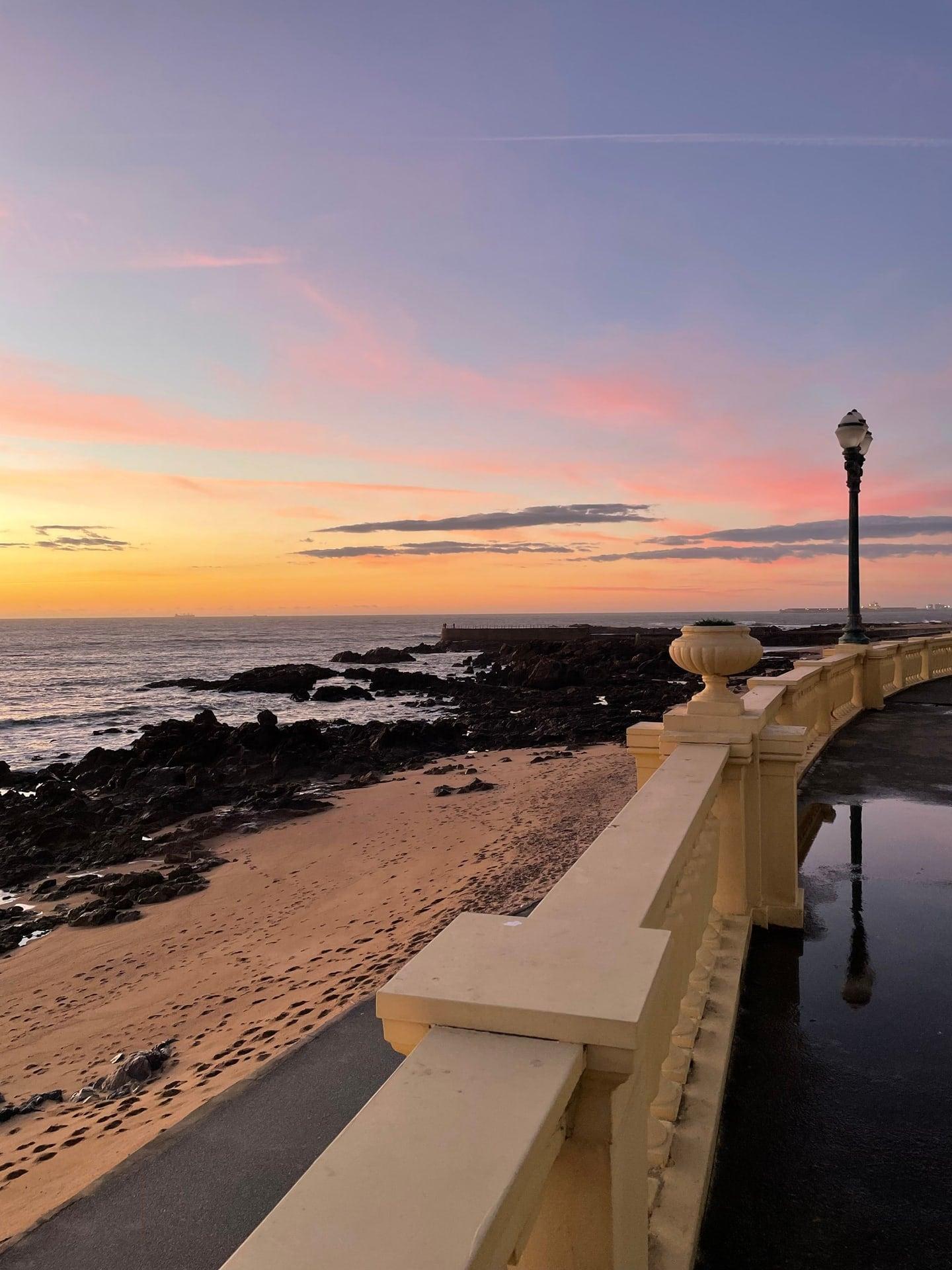
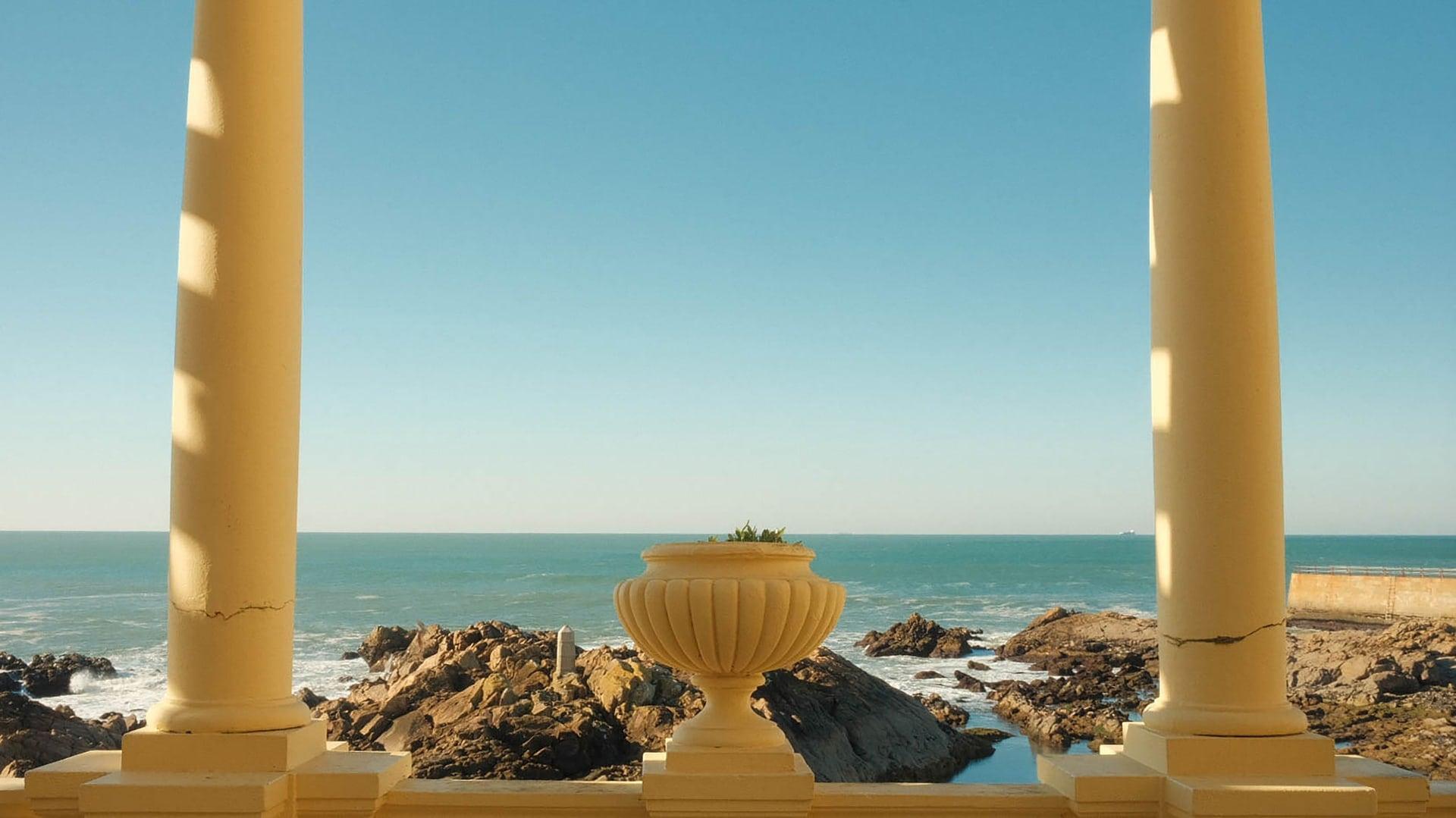
A colonnade for the sunset. The 1930 golden pergola along the sea wall, the resort's most famous postcard.
- 14
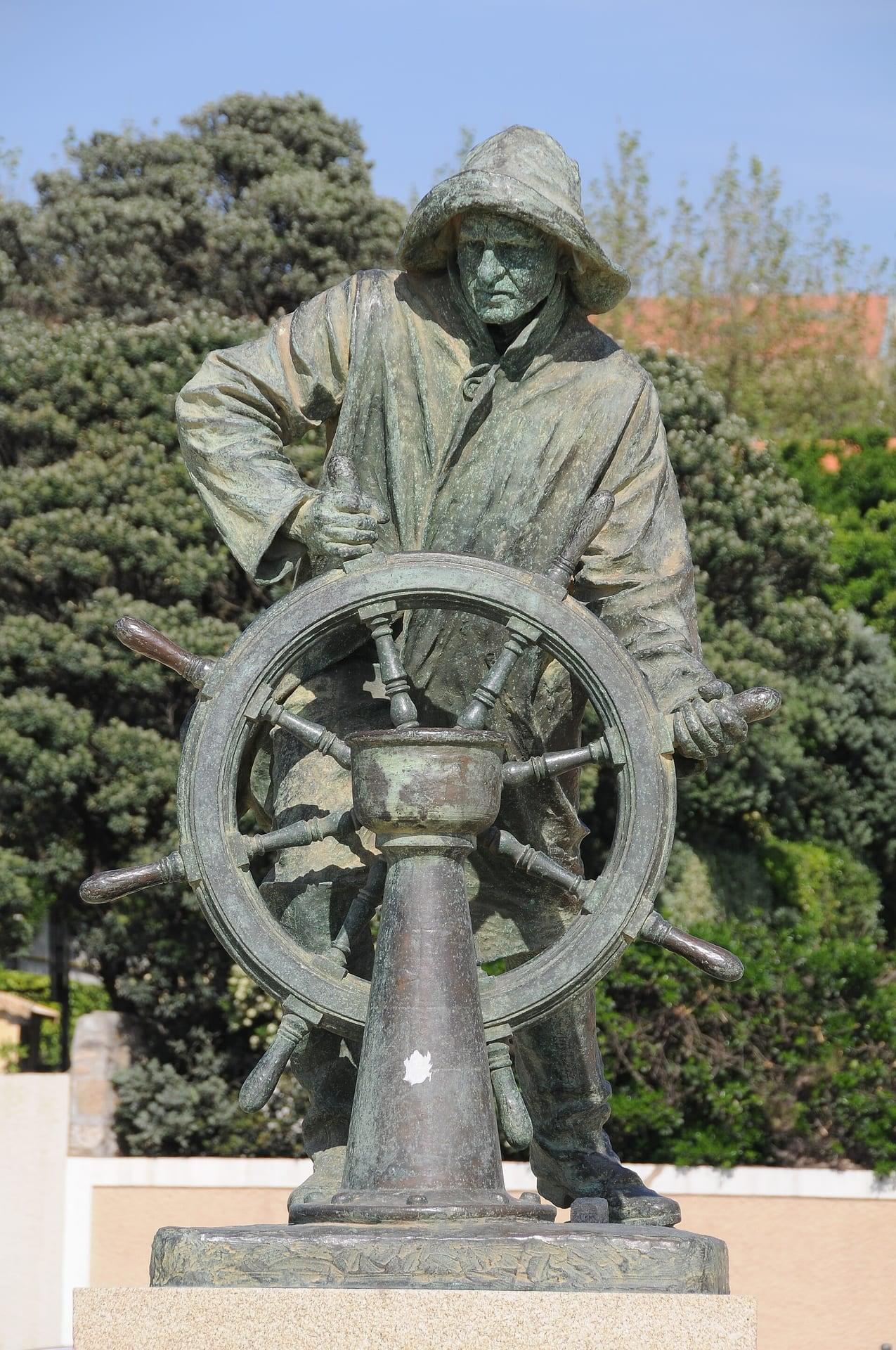
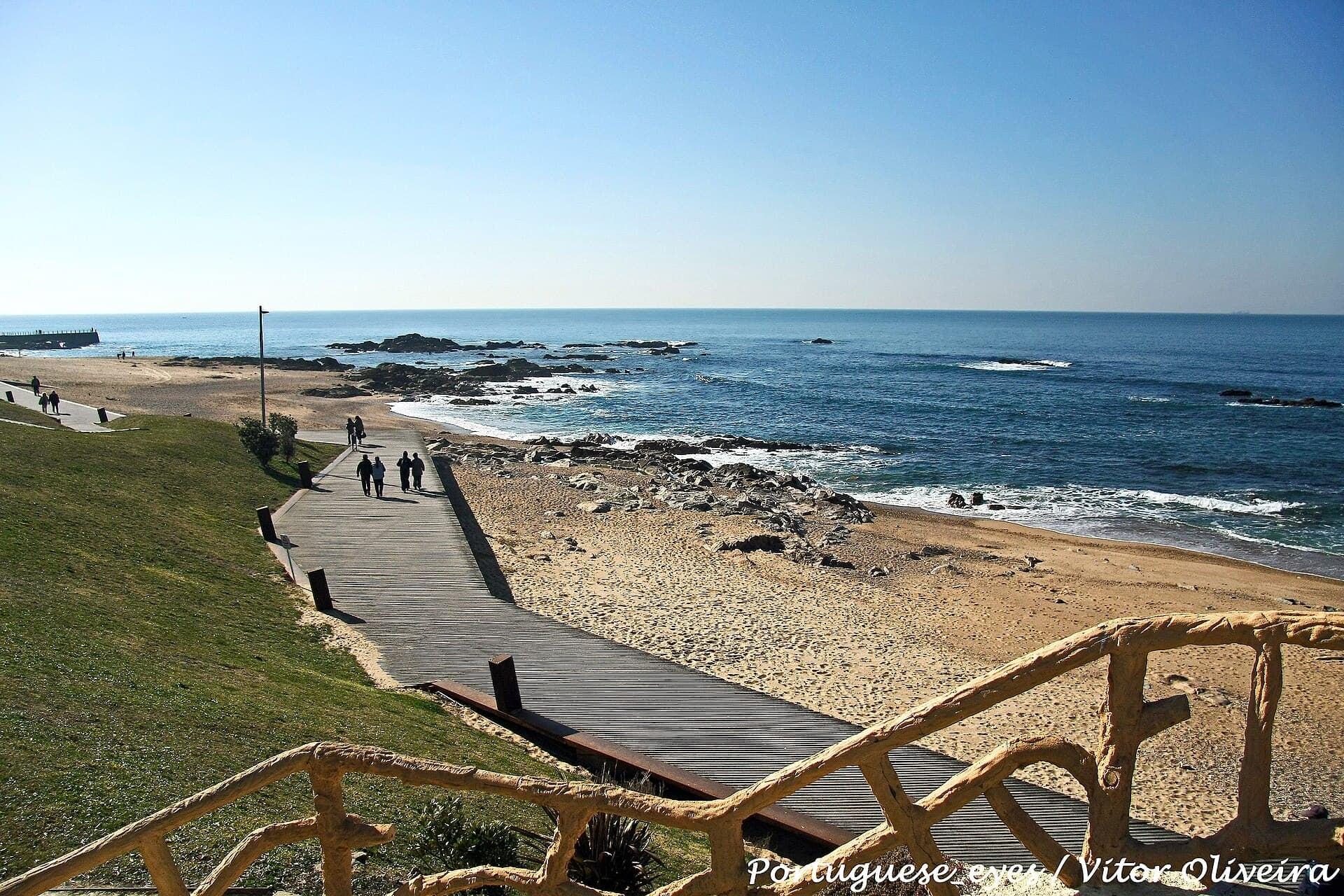
Homem do Leme
A tribute to the men of the sea. A bronze helmsman gripping his wheel, facing the Atlantic and the bar his kind had to cross.
Details
Best Time to Visit
Any day, any hour: every stop is on a public quay, lane, garden or promenade, and nothing is ticketed. Late afternoon is best: the second half walks north-west into the sunset, which is about 17:10 on 24 November, 17:07 on 1 December, 17:08 on 21 December and 17:29 on 15 January (computed for Foz). December in Porto averages a high of 14.7 °C and a low of 7.6 °C, with rain on about 12 days (IPMA normals 1991 to 2020, Porto Pedras Rubras); November is the wettest month. On stormy days the city closes the breakwaters and can close Avenida Dom Carlos I, and the seafront stops take spray: walk it on a calm day. Weekdays, the fort's gate may be open (Visit Porto lists Monday to Friday, 09:00 to 17:00; not part of the walk). No Foz Christmas market or lights were found for 2026; New Year's Eve fireworks are over the river in the center. Summer: beaches busy, sun in your face from stop 8 on; 23 June is Saint John's eve, Porto's big night and the parish's feast. Checked 24 November 2026.
Pro Tips
- •Getting to the start: heritage tram 1 runs along the river from the Infante to its terminus, Passeio Alegre, beside stop 1; bus 202 from the Aliados also ends at Passeio Alegre, with stops along the garden (STCP line list). Tram 18 (Carmo to Passeio Alegre) is suspended from 30 November 2026 for works on Rua da Restauração, with no end date announced (STCP service notice). Tram fare EUR 6.00 single adult on board on STCP's tourism page as captured in February 2025 (the live page did not open on 24 November 2026). Checked 24 November 2026.
- •Getting home: STCP buses stop on Avenida do Brasil near the end ('Molhe', about 160 m back south, and 'Homem do Leme', about 180 m on north); lines along the seafront include 500 to the Praça da Liberdade and 200 to the Bolhão. Which lines call at which shelter was not verified: check the stop's panel. Walking back to the tram terminus along the sea is about 1.9 km. Checked 24 November 2026.
- •No ticket is needed anywhere. The chapel-lighthouse of São Miguel-o-Anjo is never open; the Senhora da Luz lighthouse is a private navy residence; the fort may be visited on weekday office hours (Visit Porto), but that is not part of this walk.
- •The Chalé Suíço by stop 6 is a café, and there are cafés and kiosks along the seafront from stop 9 on. The Passeio Alegre's 1910 tiled toilets have been closed for restoration since 13 October 2025, with temporary toilets in the garden (status today not confirmed).
- •For the classic Felgueiras lighthouse photograph with waves, come on a day with a big swell, and take it from the promenade, never from the breakwater.
Safety & Precautions
- •Leg 2 to 3 crosses Rua do Passeio Alegre and the tram 1 track at the signalled crossing (push the button). Trams turn at the terminus by stop 1, slowly and quietly: look both ways at the crossing just after stop 1 too. Traffic keeps right.
- •Avenida Dom Carlos I (between stops 7 and 8) is crossed at a zebra without signals: wait for a clear gap. A two-way cycle path runs beside the promenade from stop 8 on; from stop 12 to the end the footway is shared with bikes: keep right and listen for bells.
- •Foz Velha's lanes (stops 3 to 5) are shared streets with no pavements and granite setts, slippery in rain; residents' cars use them at walking pace. These are lived-in lanes: keep to the street, never into courtyards or doorways.
- •At stops 9 and 10, do not count on a railing along the promenade's sea wall. In big seas the city closes the breakwaters and can close Avenida Dom Carlos I; waves can break over the wall: stay back, and never walk out on a breakwater in rough weather.
- •The seafront has no shade and is often windy; bring a layer in winter and sun cover in summer.
Travel advisory: Exercise Normal Precautions (Level 1).
Gallery
Related Reading
Go deeper on what you'll see, hear, and walk through.
Read the walk
The full story of Foz do Douro: Where the River Meets the Sea, in words. Prefer to listen? Play it narrated, from home or on location.
Introduction
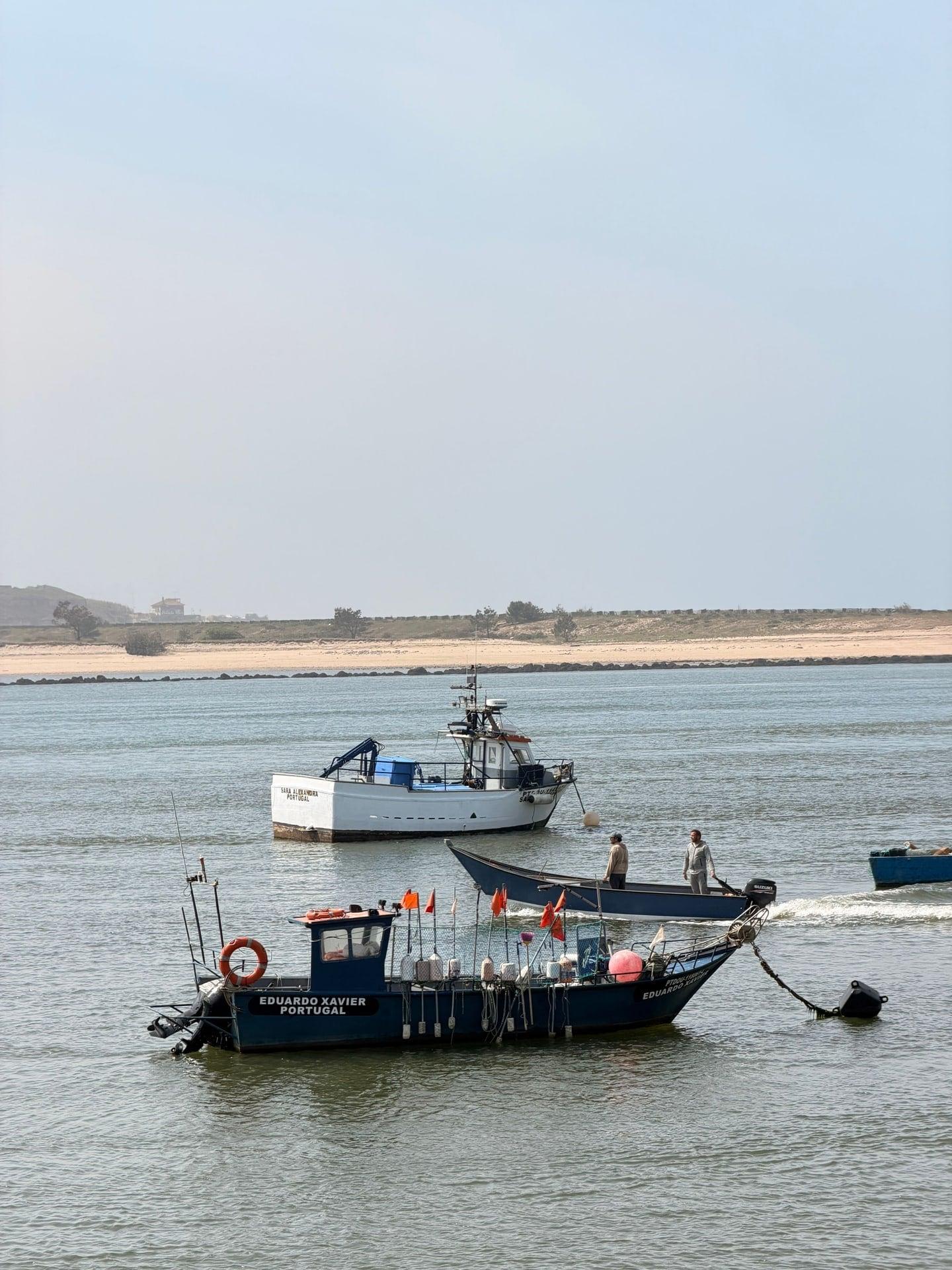
Foz do Douro is where the Douro, the river that made Porto, finally meets the Atlantic. For centuries this was dangerous water. A shifting sandbank, strong currents and a scatter of rocks guarded the bar at the river's mouth, and ships feared it.
So almost everything here was built to make the river safe. A lighthouse with a chapel inside it. A fort. A second light on the hill, then a third out on a breakwater. Even the garden where you start stands on land filled in by the engineers who tamed the bar. And while the engineers worked, Porto came here to bathe, and the sea front became the city's resort.
There are fourteen stops over about three point six kilometers, about two and a quarter miles, and it takes about one hundred and ten minutes. The only climb comes early: about twenty meters up from the river quay into the lanes of the old fishing village, on sloping streets with no steps. From the garden on, the walk is flat along the sea.
Nothing on the route is ticketed, and every stop is on a public quay, lane, garden or promenade, at any hour. On the way up from the quay you cross the river road and the tram track: use the signals. Along the sea, a cycle path runs beside the promenade, and for the last stretch you share the footway with bikes. In winter, rain makes the granite setts slippery, and the wind can throw spray over the sea wall. In a storm, stay well back from the wall, and never walk out on the breakwaters.
To reach the start, take heritage tram one along the river from the Infante to its last stop, Passeio Alegre, or bus two oh two from the Aliados, which ends along the same garden.
When you arrive at the Passeio Alegre obelisks, begin with stop one.
1. Passeio Alegre Obelisks
Two granite obelisks stand at the gate of this garden, the Jardim do Passeio Alegre, with the tram stop just beyond them and the river behind. A long line of palms runs away from them through the garden.
Start with the ground under your feet. Not so long ago, much of this was river. The plans drawn up in the eighteen seventies to tame the mouth of the Douro included filling in this shore. The national heritage record says the landfill was finished by eighteen eighty eight, and that the trees planted on it came from Germany, from Hamburg. A few years later, when the engineer in charge of the works on the river bar declared them complete, the new land became a public garden. Its design is credited to Emile David, the French garden designer who also laid out Porto's Crystal Palace gardens.
The obelisks are older than the ground they stand on. They are the work of the eighteenth century architect Nicolau Nasoni, made for a country estate on the far side of the city, the Quinta da Prelada, and carried here.
So the walk begins on made ground, dressed with borrowed stone. That is Foz in short. The river mouth was dangerous, and nearly everything you will see was built to make it safe, or grew up beside that work.
Follow the route across the river road at the marked crossing, to the quay and a lighthouse with a chapel inside it.
2. Capela-Farol de São Miguel-o-Anjo
Across the quay stands a small square tower with an eight sided dome, buildings leaning against it. This is the Capela Farol de Sao Miguel o Anjo, the chapel lighthouse of Saint Michael the Archangel. It is not open to visitors, and this is the best view of it.
It was built in fifteen twenty eight, by the national heritage record; the city's tourist board says fifteen twenty seven, and calls it one of the oldest lighthouses in Europe. It stood on a rock jutting into the river. The quay you are standing on came later and swallowed the rock.
The man who paid for it was Dom Miguel da Silva, abbot of the monastery of Santo Tirso, a churchman who had served as the king's ambassador in Rome and was made a bishop soon after he came home. He gave the lighthouse several farms, so that their rents would keep what the record calls perpetual fires, burning to guide ships into the bar. An inscription, says the tourist board, records that he sold fields of his own to pay for it. And inside the tower he put an altar: a light for the ships and a chapel, in one small building.
In the sixteen hundreds the light moved up to a hill nearer the sea, and the tower stayed a chapel. But the bar stayed deadly, and the people who dealt with it gathered here: a signal tower in the eighteen fifties, a house for the river pilots in the eighteen sixties, and today a lifeboat station in the building beside it.
Follow the route along the river, cross the road and the tram track at the signals, and climb into the old village.
3. Igreja de São João da Foz
Above the little square rise the twin towers and the front of the parish church, the Igreja de Sao Joao da Foz, Saint John of Foz. If the door is open you may step in quietly; it is a working church, so mind any service.
This is the village's second parish church, and it exists because of an army. The first stood down by the river mouth, until a fort was built around it. When the fort's works were finished in sixteen forty seven, the national heritage record says, the parish lost its church and moved to a small chapel on a hill. You will pass that chapel later.
The monks of Santo Tirso, the same monastery whose abbot built the lighthouse you just saw, were given land on this well placed hill in the sixteen forties, and the new church began. It took the best part of a century. The first stone of the chancel went in about seventeen ten; the vaults, the towers and the front came in the seventeen twenties and thirties.
And the timing at the end was chosen with care. The high altar was consecrated on the twenty third of June, seventeen thirty six: the eve of the parish's own feast day.
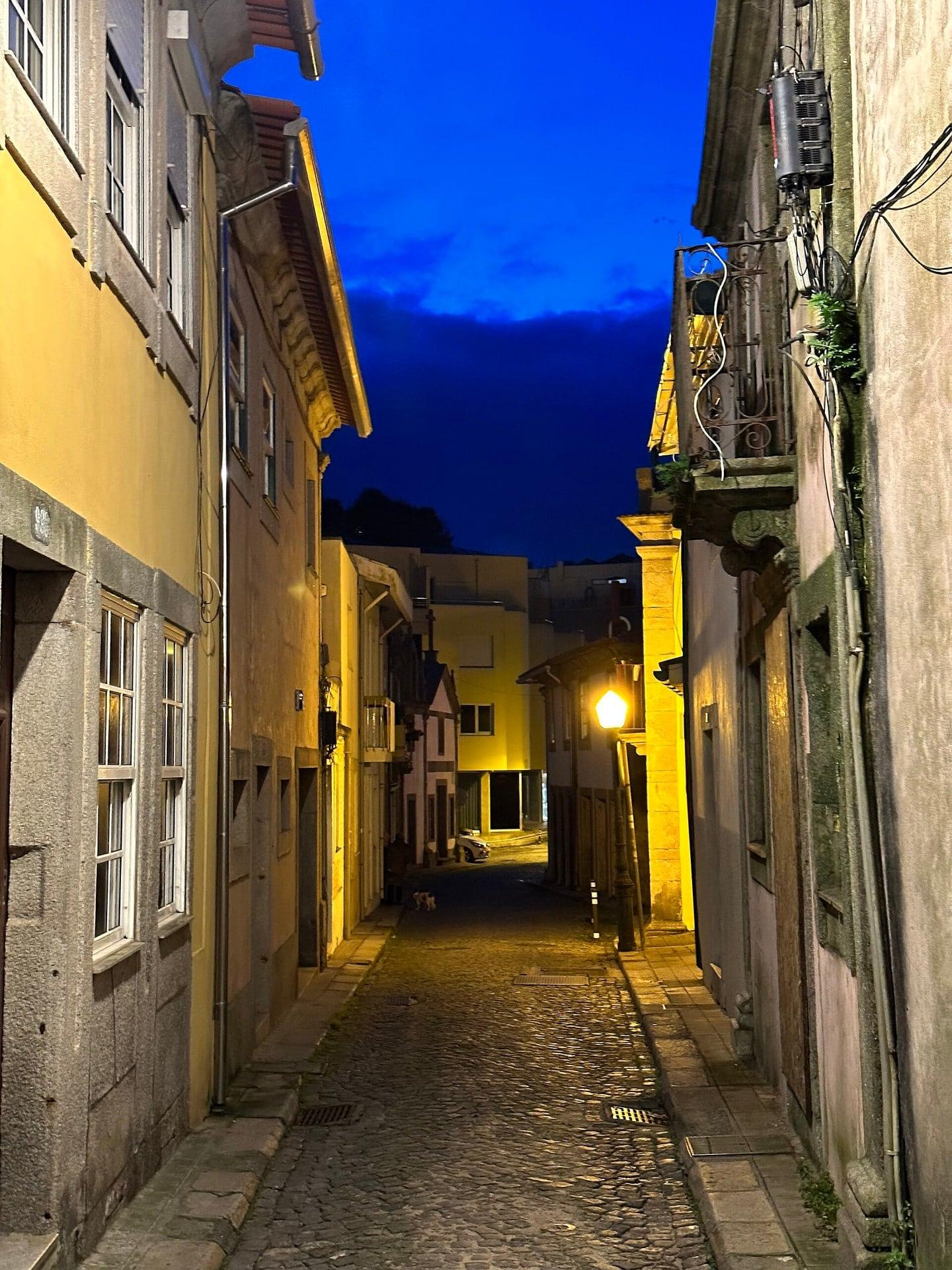
From here the walk goes through the lanes of Foz Velha, old Foz, the fishing village that was here long before the resort. These are lived in streets with doors straight onto the lane: keep your voice down and leave the courtyards and doorsteps to the people who live there.
Follow the route up through the lanes.
4. Largo do Rio da Bica
You are at the top of the climb, in the Largo do Rio da Bica, a small open place where the lanes meet. Beside you is a little shrine, one of the stations of a Way of the Cross that was threaded through these streets in the eighteenth century. Several of these shrines stand in the lanes, and the next stop has another.
This is Foz Velha, old Foz. Before Porto came to bathe, the mouth of the river was a fishing village, and the tourist board says that around eighteen sixty it was still little more than that. The houses are low, two and three stories, built close along lanes that follow the slope, and the procession of the Cross climbed through them from shrine to shrine.
The village is protected now. In two thousand two the national heritage authority opened the classification of Foz Velha as an ensemble, together with its extensions, including the streets of the first bathing resort that grew beside it. And the city has fitted the steepest, narrowest lanes with handrails and grab bars made for them, so that the people who live here can keep living here.
So above the promenade and the palms, the older place is still standing, a lane back from the sea front.
Follow the route downhill along Rua do Padre Luis Cabral, to a small chapel that was once the parish church.
5. Capela de Santa Anastácia
Beside you is the small Capela de Santa Anastacia, and across the lane, another of the Way of the Cross shrines. Ahead, the lane drops away toward the fort.
This modest chapel did a big job. In sixteen forty seven, the national heritage record says, the works on the fort below were finished, and the parish church that had stood inside it stopped being the parish church. The parish moved here, to a chapel on what the record calls a small hill to the east of the fort. And here it stayed, for decades, while the monks built the new church you saw on the hill, a building that took the best part of a century.
So walk this short stretch in order. The old church is down there, inside the walls. This was the stopgap. The new church is back up the lanes behind you. Three buildings, one parish, moved twice by a fortress.
Follow the route down the lane, across the road at the zebras and into the garden, to a fountain.
6. Passeio Alegre Fountain
Ahead in the garden stands a baroque granite fountain, the Chafariz do Passeio Alegre. Beside it is a little chalet, now a cafe. The fountain was not made for this place, and the sources disagree about where it came from. The national heritage record says Nicolau Nasoni…
Full narration for this stop unlocks with the tour.
7. Forte de São João Baptista
In front of you is the low granite wall of the Forte de Sao Joao Baptista, with a bastion at its corner. It looks like a plain military box. Inside it is a church. The same Dom Miguel da Silva who built the lighthouse came home from Rome in fifteen twenty five with an Italian…
Full narration for this stop unlocks with the tour.
8. Mouth of the Douro
In front of you the Douro meets the Atlantic. A long breakwater runs out to sea with a small lighthouse at its end, and across the mouth lies the low sandy spit on the Gaia side. This is the bar, the shallow entrance to the river, and the national heritage record puts its…
Full narration for this stop unlocks with the tour.
9. Felgueiras Lighthouse
Out at the end of the breakwater stands the small six sided lighthouse of Felgueiras, the postcard picture of Foz, often with the sea exploding against it in winter. It takes its name from a rock: the breakwater was built toward the stone of Felgueiras, a crag at the entrance…
Full narration for this stop unlocks with the tour.
10. Praia dos Ingleses
Below the promenade is a small beach between dark rocks, the Praia dos Ingleses, the beach of the English. The story goes that it owes its name to foreigners, above all the British, who came here in the nineteenth century to spend the summer, and that Porto's own families…
Full narration for this stop unlocks with the tour.
11. Praia da Luz
From this railed terrace you look out over Praia da Luz, the beach of the light, and its dark rocks. The light it is named after is behind you, on the rise a block inland: a small square tower with a tiled roof, mostly hidden from here by the houses along the avenue. That tower…
Full narration for this stop unlocks with the tour.
12. Rocks below Avenida do Brasil
Ahead runs Avenida do Brasil, dead straight along the sea, with a strip of seafront gardens beside you and the beach below. The coast carries on north, toward Matosinhos. This avenue began as a cart track. The road from the river mouth to Matosinhos was called the Estrada de…
Full narration for this stop unlocks with the tour.
13. Pérgola da Foz
Beside you runs the Pergola da Foz, a long classical colonnade along the sea wall, painted a golden yellow, with the beach below. The city built it in nineteen thirty, as part of the improvement and embellishment project for Avenida do Brasil; the tourist board says it was…
Full narration for this stop unlocks with the tour.
14. Homem do Leme
In front of you a bronze man grips a ship's wheel and leans into the wind, facing the open sea. This is the Homem do Leme, the man at the helm. The statue was made to honor the men of the sea, the fishermen and sailors of this coast, and it went up in the nineteen thirties; the…
Full narration for this stop unlocks with the tour.
- Obeliscos Quinta Prelada 03 | Obelisk Prelada farm, Passeio Alegre, Foz do Douro, Oporto, Portugal. — JotaCartas, CC BY 3.0 · source
- Avenida Dom Carlos I - panoramio | Avenida Dom Carlos I — Mister No, CC BY 3.0 · source
- Farol de São Miguel-O-Anjo 01 | São Miguel-O-Anjo Lighthouse, Tower or Chapel of São Miguel-O-Anjo, in freguesia da Foz do Douro, Porto, Por — JotaCartas, CC BY 3.0 · source
- São João Batista 01 | São João Batista Churche Tower, or São João da Foz, Foz do Douro, Oporto, Portugal. — JotaCartas, CC BY 3.0 · source
- São João Batista 02 | São João Batista Churche Tower, or São João da Foz, Foz do Douro, Oporto, Portugal. — JotaCartas, CC BY 3.0 · source
- Passos da Foz do Douro - Rio da Bica 86 | Passos da freguesia de São João da Foz do Douro - Rio da Bica. No Largo do Rio da Bica à Rua do Pa — JotaCartas, CC BY-SA 3.0 · source
- Porto (52544674084) | Porto, Portugal - November 2022 — Sergei Gussev, CC BY 2.0 · source
- Capela de Santa Anastácia 60 | Capela de Santa Anastácia, Foz do Douro, Porto, Portugal (Nº IPA PT011312050175 — JotaCartas, CC BY-SA 3.0 · source
- Passos da Foz do Douro - Santa Anastácia 61 | Passos da freguesia de São João da Foz do Douro - Santa Anastácia. Na R. do Padre Luís Cabral, — JotaCartas, CC BY-SA 3.0 · source
- Chafariz do Passeio Alegre 01 | General view, Passeio Alegre fountain in Foz do Douro, Oporto, Portugal. — JotaCartas, CC BY 3.0 · source
- Chafariz do Passeio Alegre 02 | Middle cup, Passeio Alegre fountain in Foz do Douro, Oporto, Portugal. — JotaCartas, CC BY 3.0 · source
- Forte de Sao Joao Baptista da Foz (5) | This monument is classified as Imóvel de Interesse Público.It is indexed in the IGESPAR database (In — Krzysztof Golik, CC BY-SA 4.0 · source
- Forte de São João Baptista da Foz (29763713197) | Forte de São João Baptista da Foz — Julien Chatelain, CC BY-SA 2.0 · source
- Praia dos Ingleses - panoramio (1) | Praia dos Ingleses — Mister No, CC BY 3.0 · source
- Praia da Luz - panoramio | Praia da Luz — Mister No, CC BY 3.0 · source
- Farol da Senhora da Luz - Porto - Portugal (7039606437) | O Farol da Senhora da Luz, é um farol português, já desactivado, classificado como — Vitor Oliveira, CC BY-SA 2.0 · source
- Av Brasil (Porto) | Avenida do Brasil, Foz do Douro, Porto, Portugal — Manuel de Sousa, CC BY-SA 3.0 · source
- Homem do Leme | Statue in Nevogilde Porto, Portugal — Jose Goncalves, CC BY-SA 3.0 · source
- Praia do Homem do Leme - Porto - Portugal (8440932168) | <a href="http://loc.alize.us/#/flickr:8440932168" rel="nofollow">See where this pic — Vitor Oliveira, CC BY-SA 2.0 · source
Images may be cropped or resized. Other photos via Unsplash and Pexels.