The Streets Below the Street
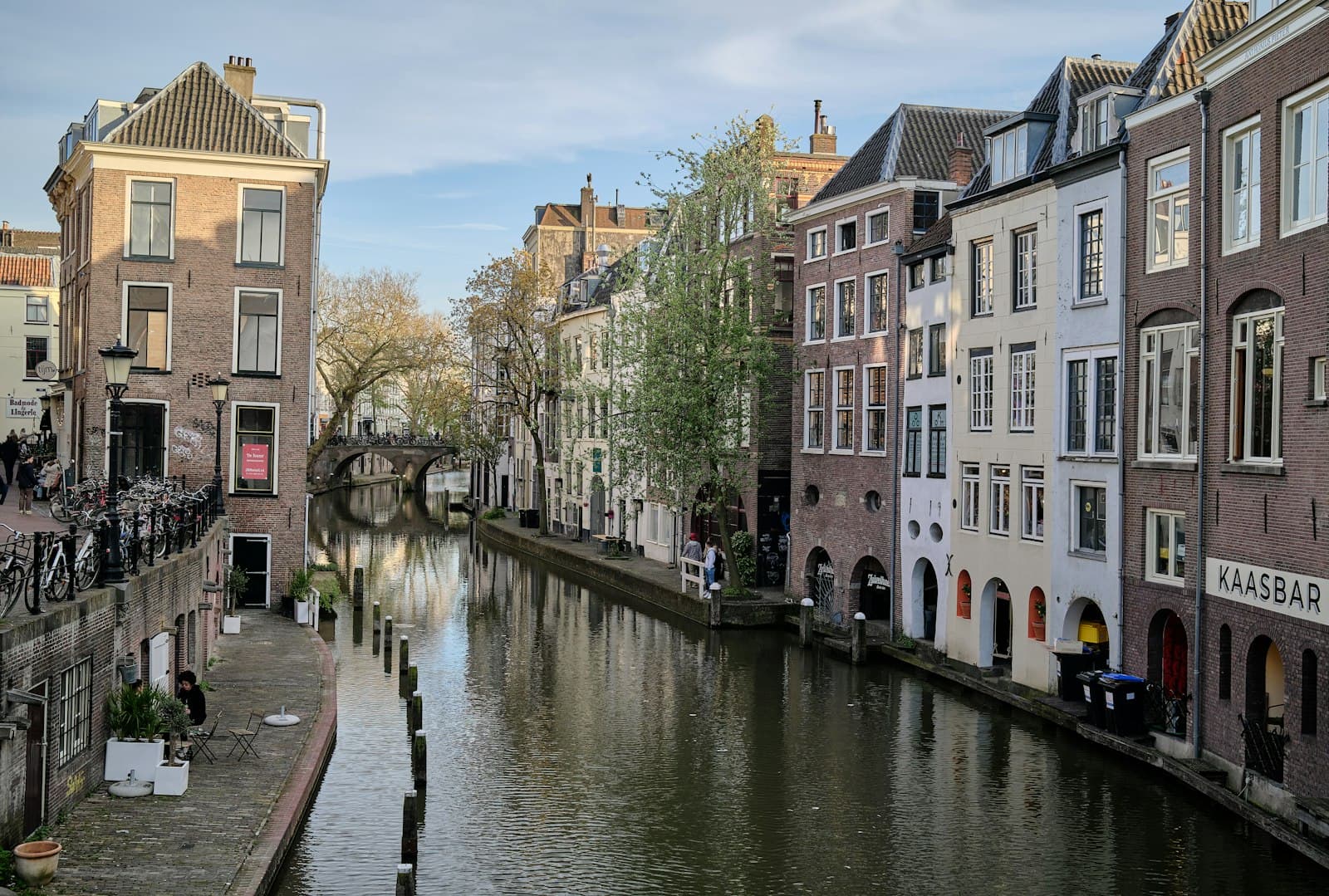
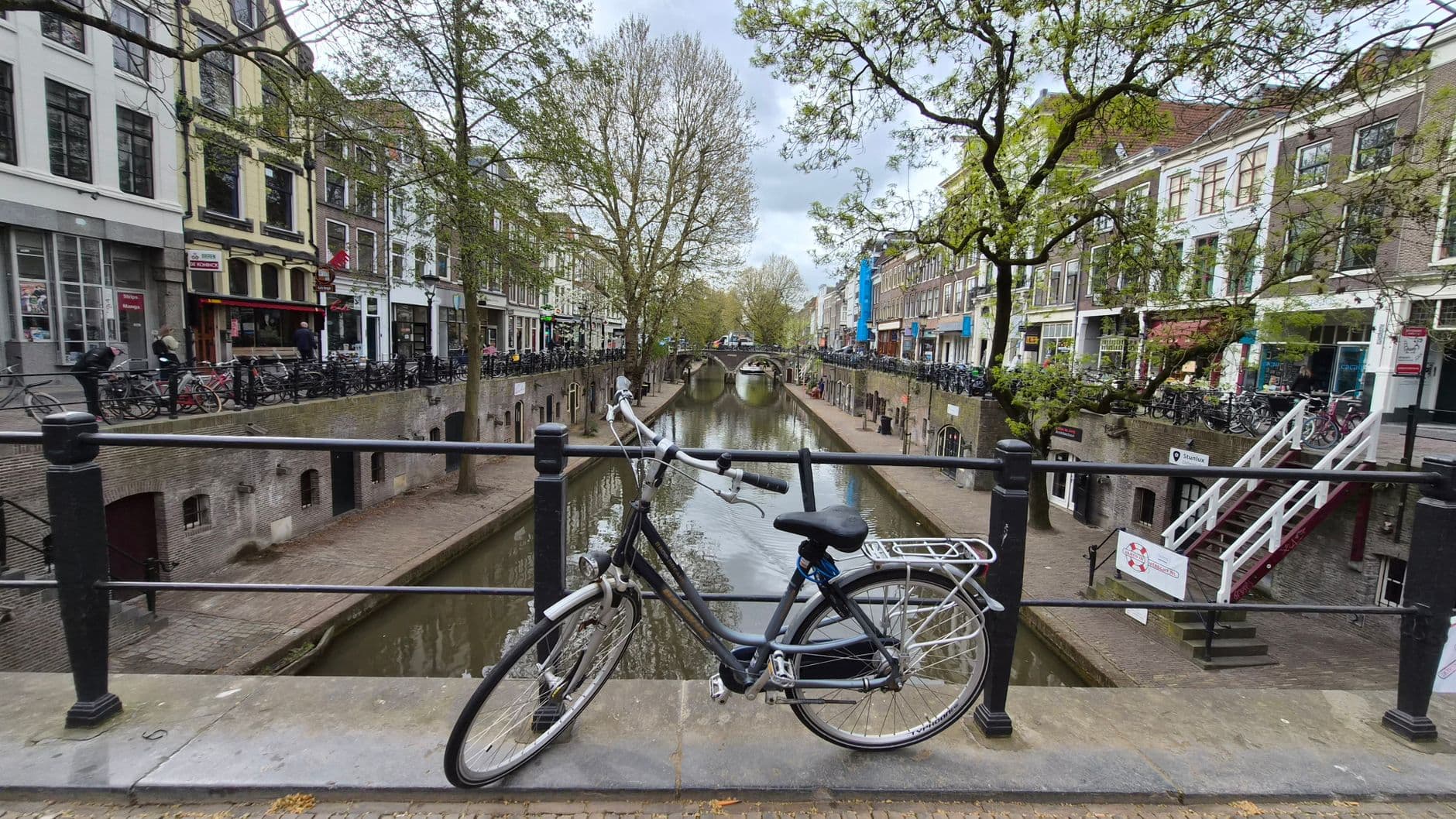
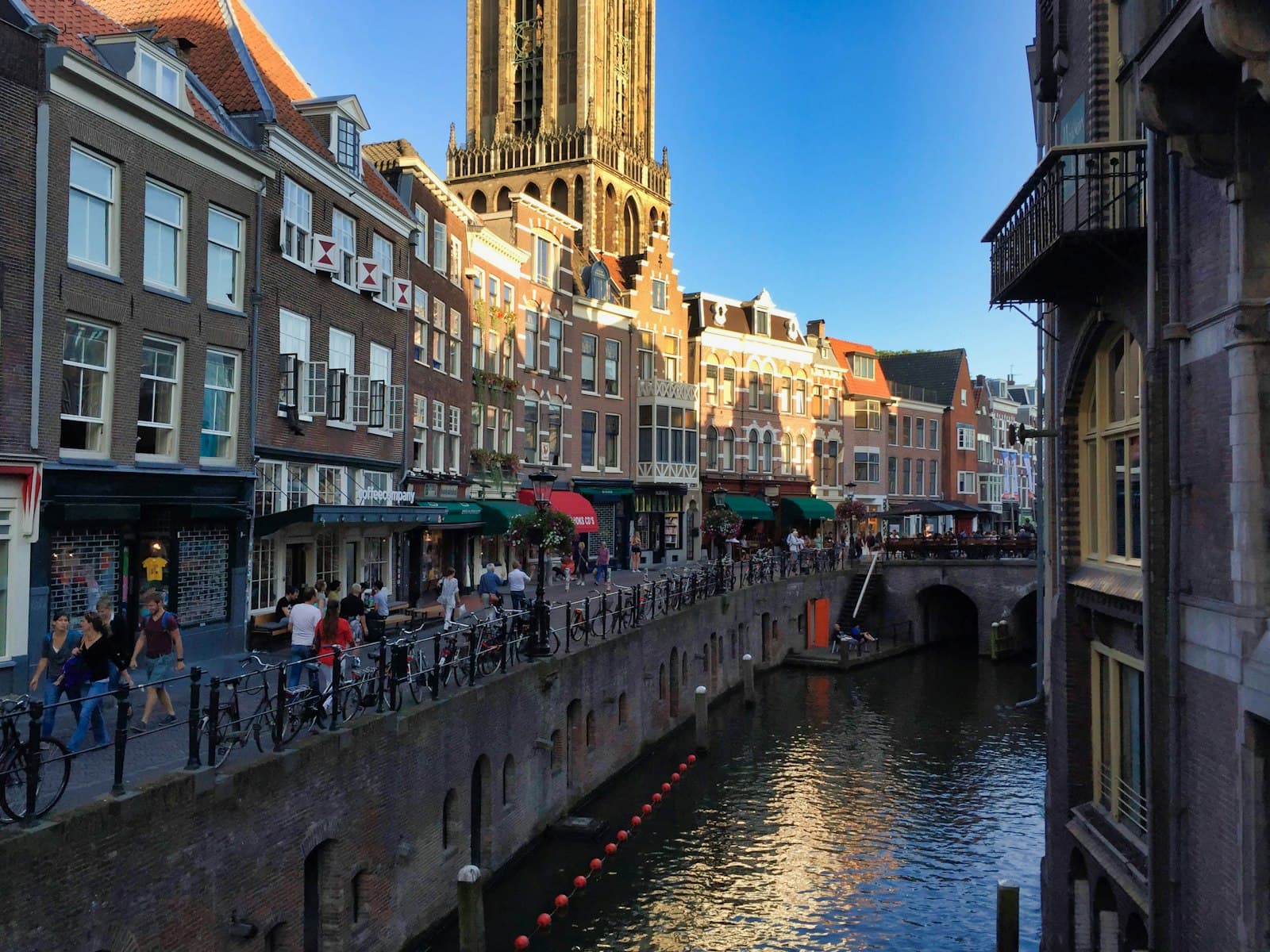
Utrecht built a second street below the street: a working wharf and vaulted cellars dug beneath the road, where boats once unloaded straight into merchants' basements. This walk reads the canal as medieval machinery first and the city's most beloved public space second.
4.64|90 minutes|3.3 km|7 Stops
Start
Stadskasteel Oudaen: the house that could afford stone
1
Stadskasteel Oudaen: the house that could afford stone
A medieval city castle on the Oudegracht that survived because its patrician builders could afford permanence in stone when the rest of the city was wood.
2
Stadhuisbrug and the Stadhuis: merchant houses that became a government
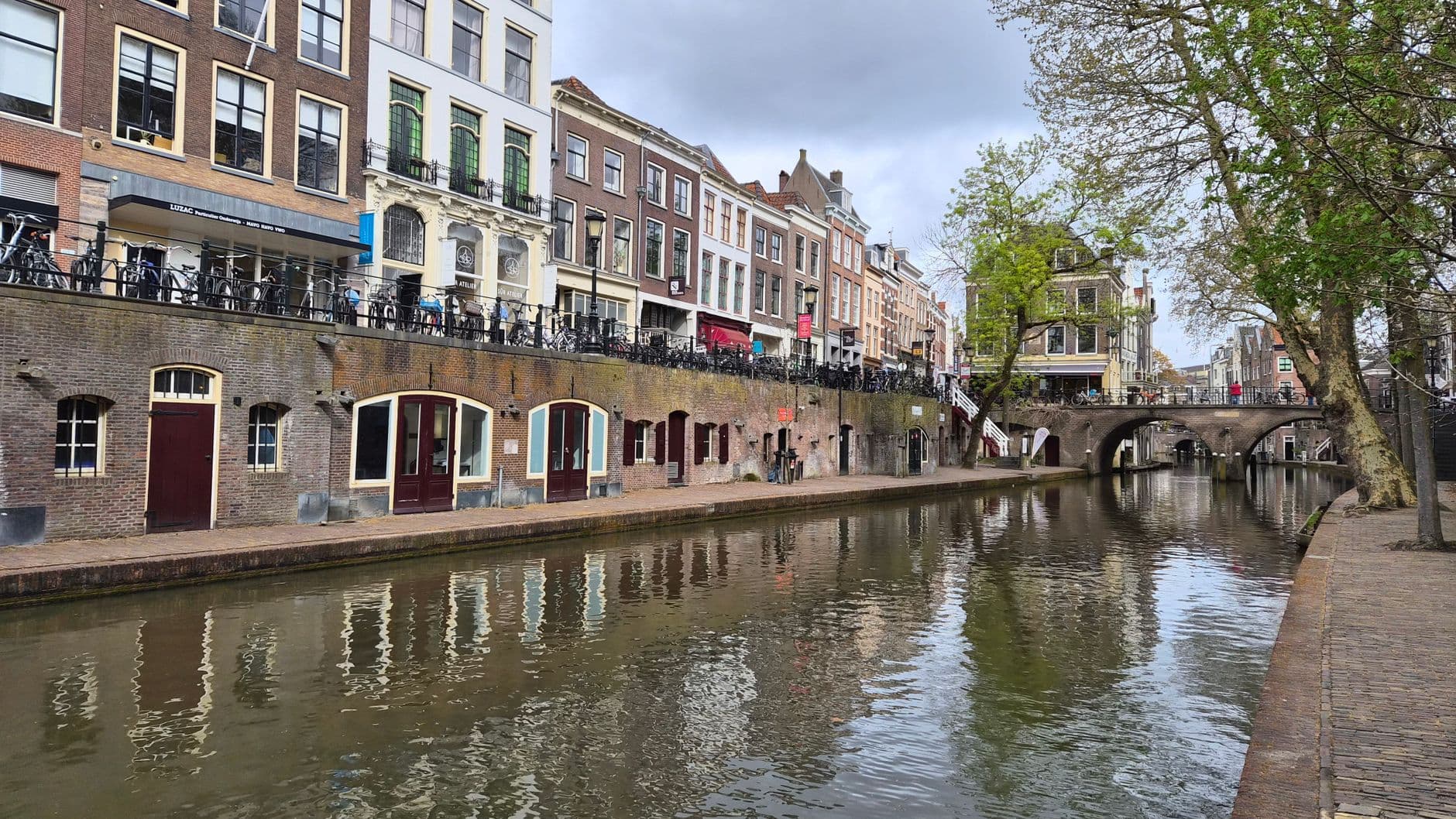
A broad bridge-square over the Oudegracht where medieval merchant houses grew into the town hall behind a nineteenth-century classical front.
3
The Oudegracht: a harbour running through the town
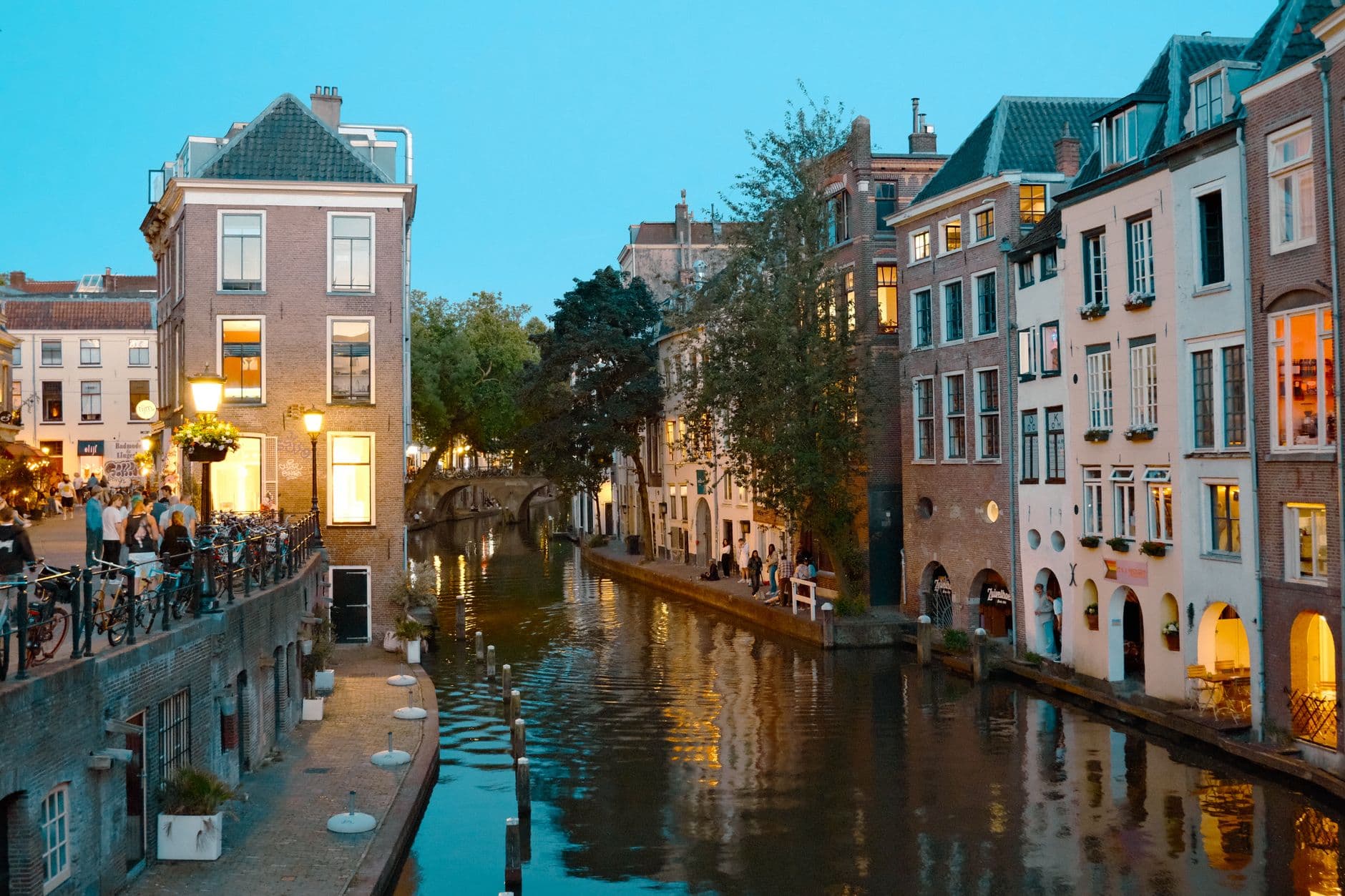
Utrecht's roughly two-kilometre trade canal, whose deliberately low water level is the engineering key to the whole two-level city.
4
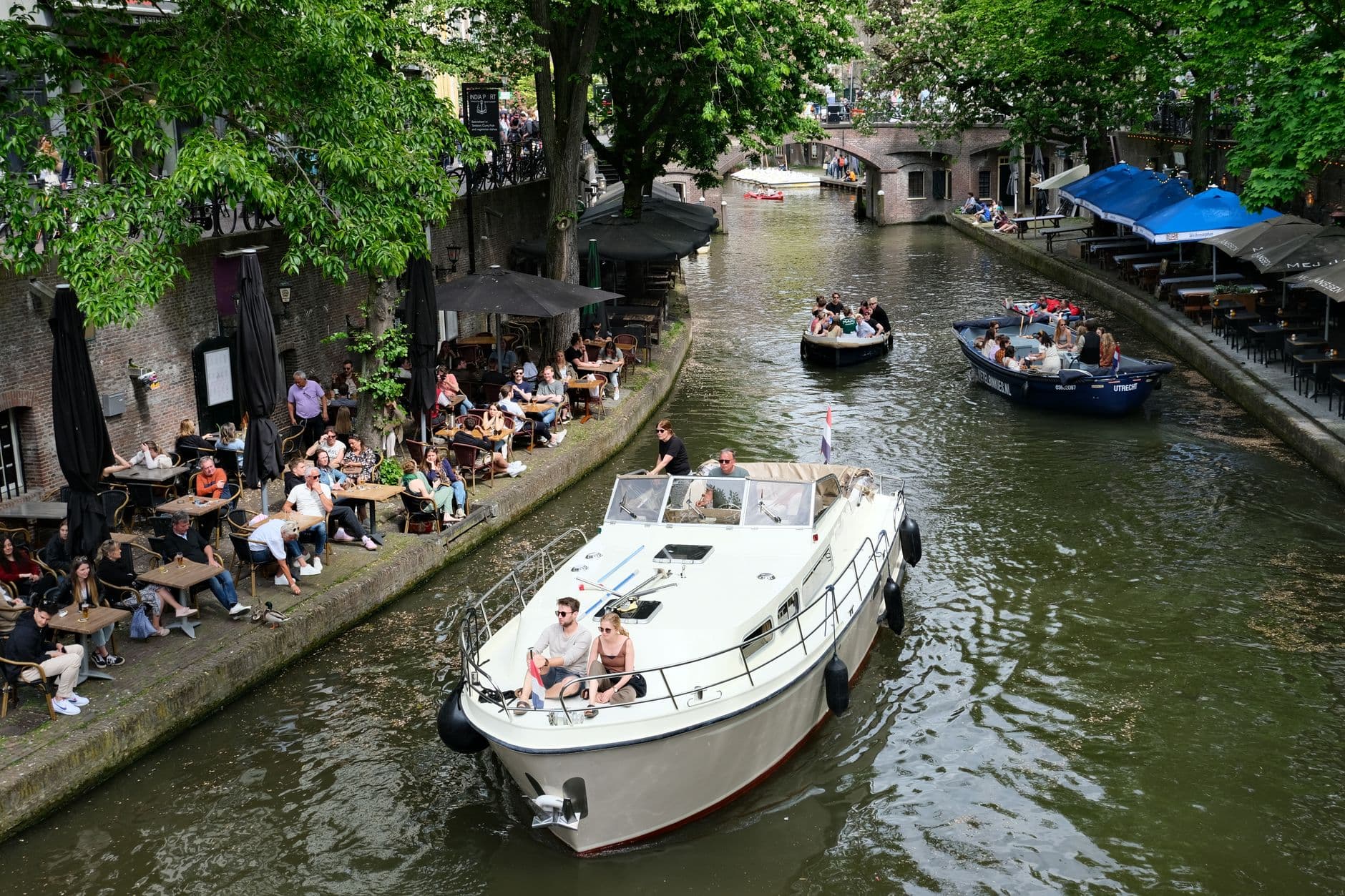
The werf and the werfkelders: the second street
The continuous lower wharf and its vaulted cellars tunnelled back under the street, the physical heart of Utrecht's two-level city.
5
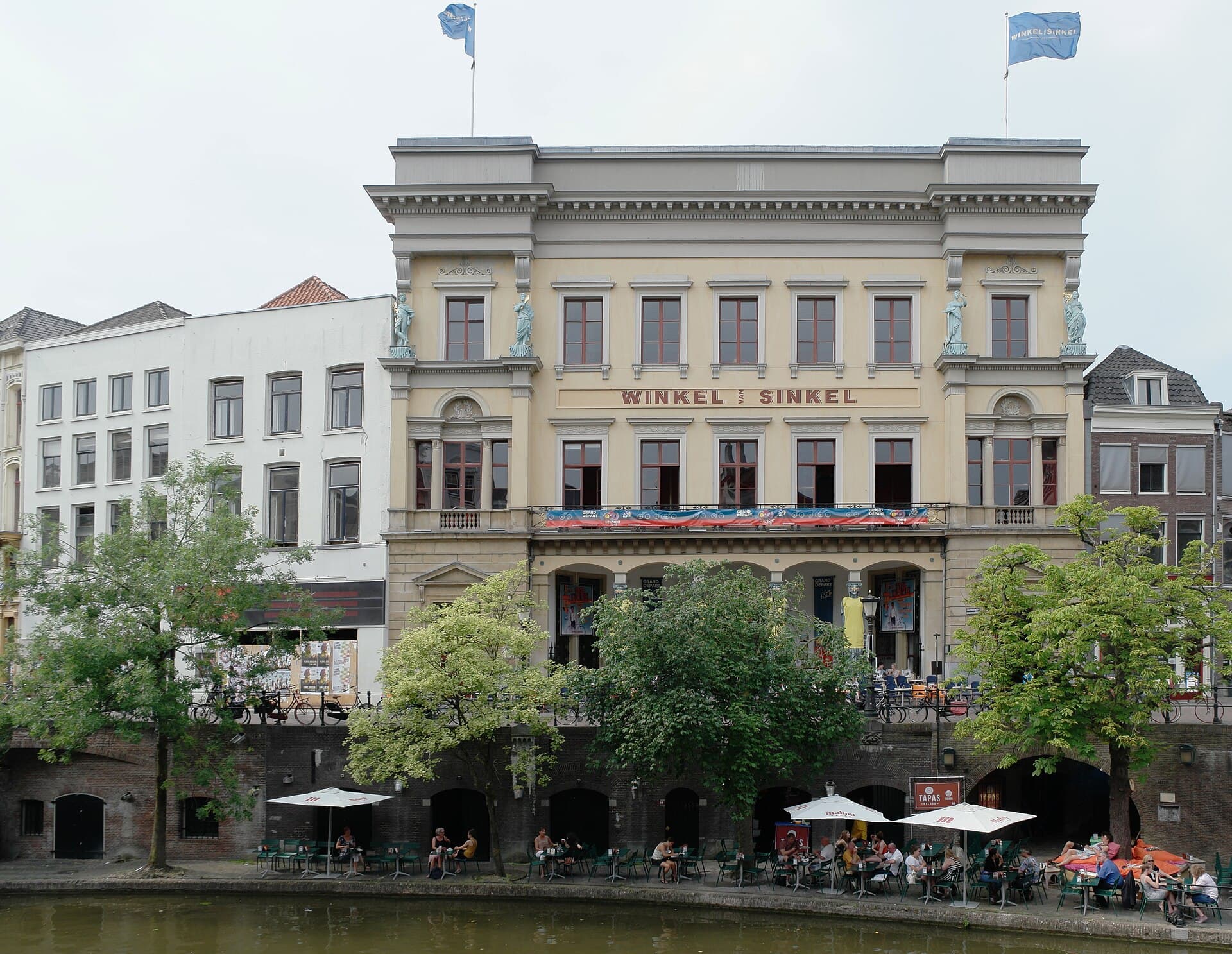
Winkel van Sinkel: the statue that fell in the canal
A grand nineteenth-century building, described as the first department store in the Netherlands, whose cast-iron statues arrived by boat, one of them into the water.
6
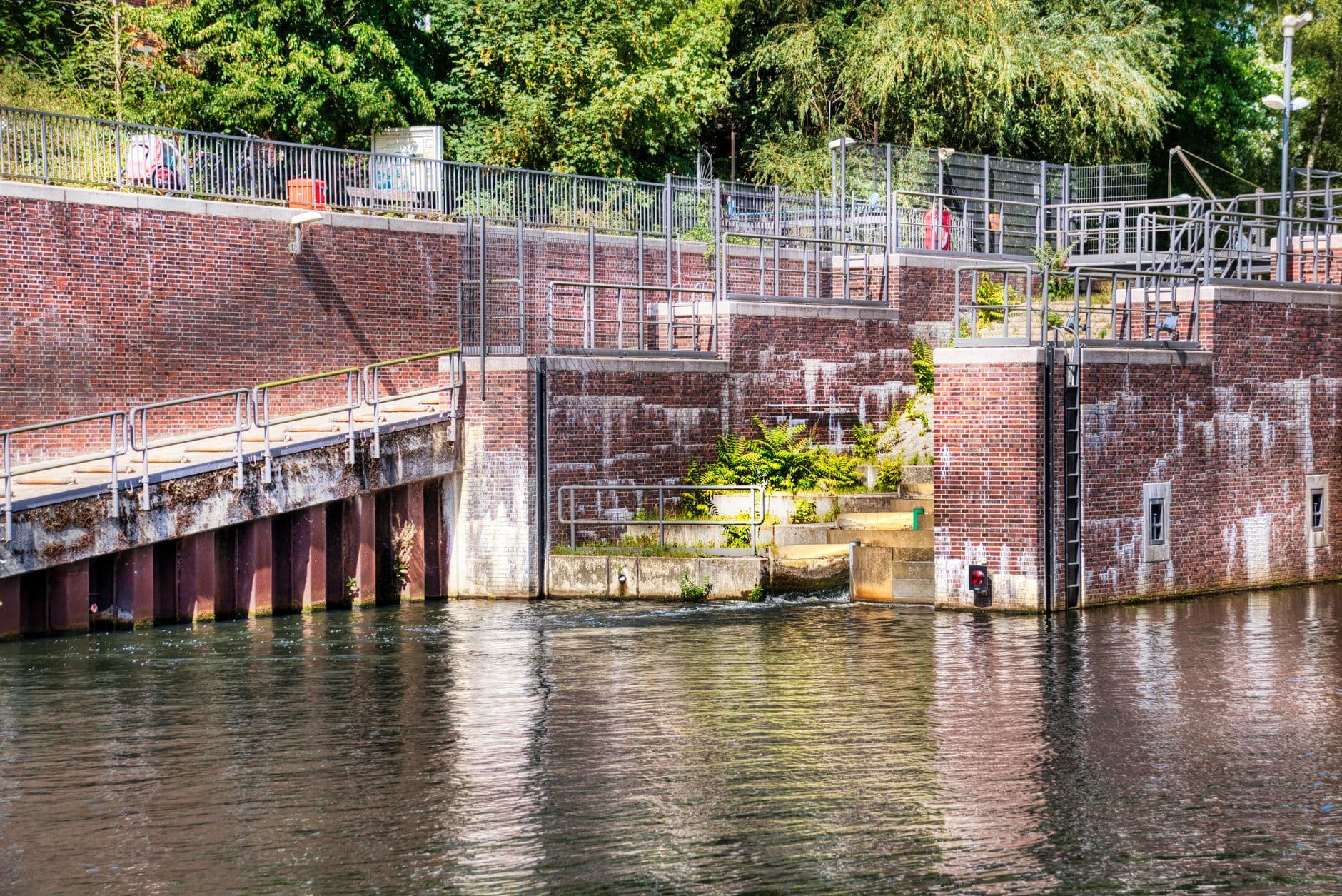
Weerdsluis: where the city met the river
A lock at the northern edge of the old city where cargo transferred between city canals and the Vecht river, and the tow-boats to Amsterdam once departed.
7
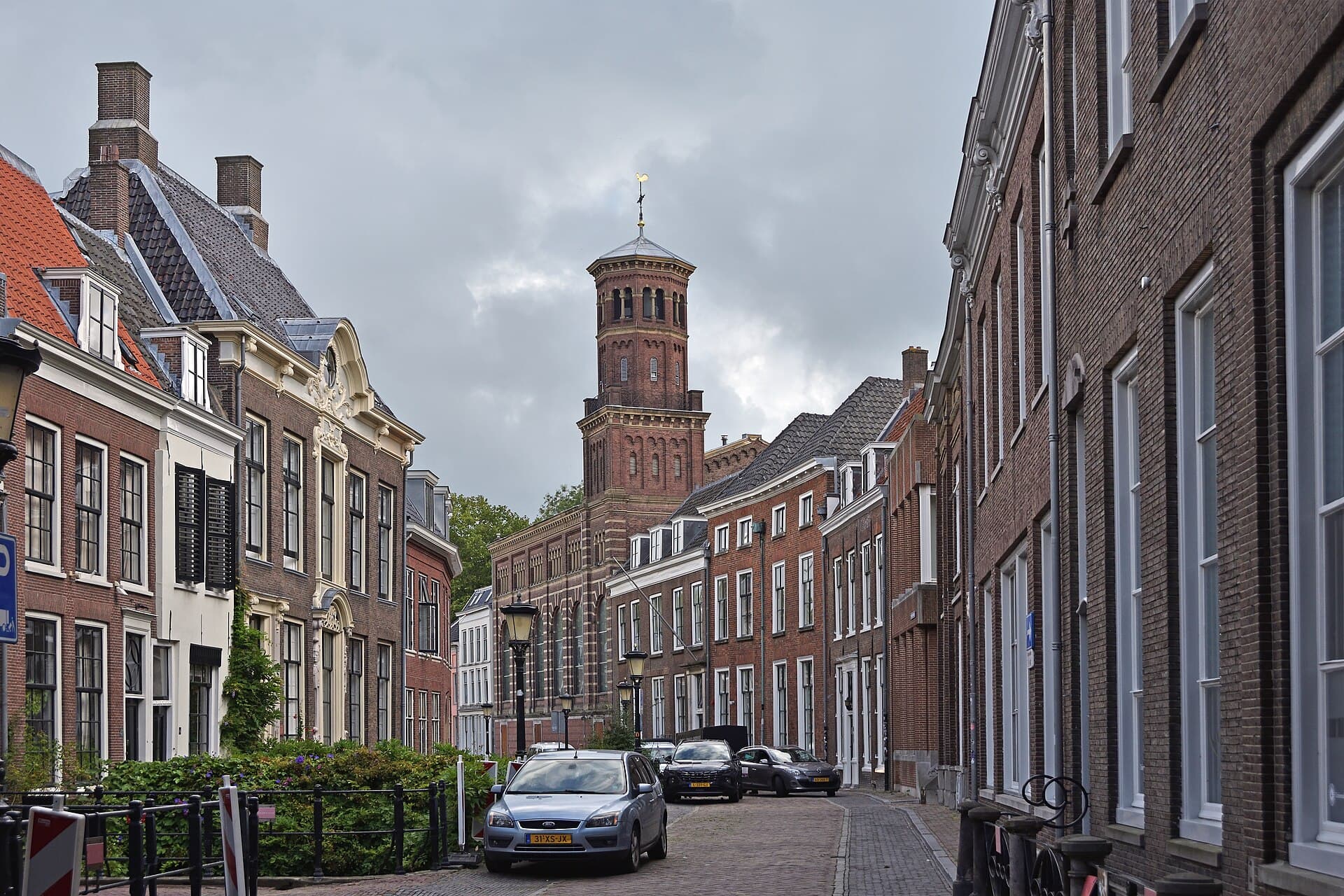
The Nieuwegracht: the same engineering, a quieter world
A tree-lined fourteenth-century canal with the same low water and wharf-cellar system as the Oudegracht, but private, calm, and lined with monumental houses.
Best Time to Visit
Late morning to mid-afternoon on a dry day, when light reaches down onto the wharves and the werfkelder terraces are open. Spring and summer are liveliest along the lower quays; a crisp autumn day gives you the clearest views of the water far below the street. Weekday mornings are calmest for descending onto the wharf without crowds. Avoid the walk right after rain, when the stone steps and quays turn slick.
Pro Tips
- •Wear shoes with real grip. The stone steps down to the werf and the wharves themselves are worn and can be slippery, especially near the water.
- •Go down onto the wharf at least once, even if only for a few steps. The whole tour is about the lower level, and you cannot feel the two-level city from the street above.
- •Look for cellars now open as cafes and galleries. Stepping inside a werfkelder lets you stand under the vault and see how far the storage tunnels back beneath the road.
- •The stops sit mostly along the Oudegracht, so the middle of the walk is a simple stroll up one canal; take your time and let the water be your guide.
- •Bring a little cash or a card for a coffee down on the wharf; sitting at water level is the single best way to absorb this place.
- •At the Weerdsluis, check whether the fish doorbell webcam season is active in spring; watching the lock work is a quiet reward at the northern end.
Safety & Precautions
- Many canal edges and the lower wharves have no railings and drop straight to deep water. Keep well back from the edge, and watch children closely on the werf.
- Cyclists and trams have priority in Utrecht and move fast and almost silently. Look both ways before crossing any street or bike lane, and do not stand in cycle paths to take photos.
- The steps down to the wharves are steep, narrow, and uneven, and the cobbles and old quays are irregular underfoot. Move slowly and use handrails where they exist.
- Bridges, stone steps, and the wharves become genuinely slippery when wet or frosty. If it has rained or frozen, take extra care descending to the water, or admire the lower level from the street instead.
Gallery
Related Reading
Go deeper on what you'll see, hear, and walk through.
Overview
Best Self-Guided Walking Tours in Utrecht (2026)
3 min
Overview
One Day in Utrecht: A Walkable Morning-to-Evening Itinerary
7 min
Overview
Utrecht Travel Guide: Days, Transport, Safety, and Budget
6 min
Thematic
Utrecht: The City That Keeps Its Story Below the Surface
7 min
Companion
The Werfkelders of Utrecht: How a City Built a Street Below the Street
7 min
Deep dive
The Oudegracht: Why Utrecht's Canal Runs Below the Street
7 min
Read
What to Eat in Utrecht
7 min