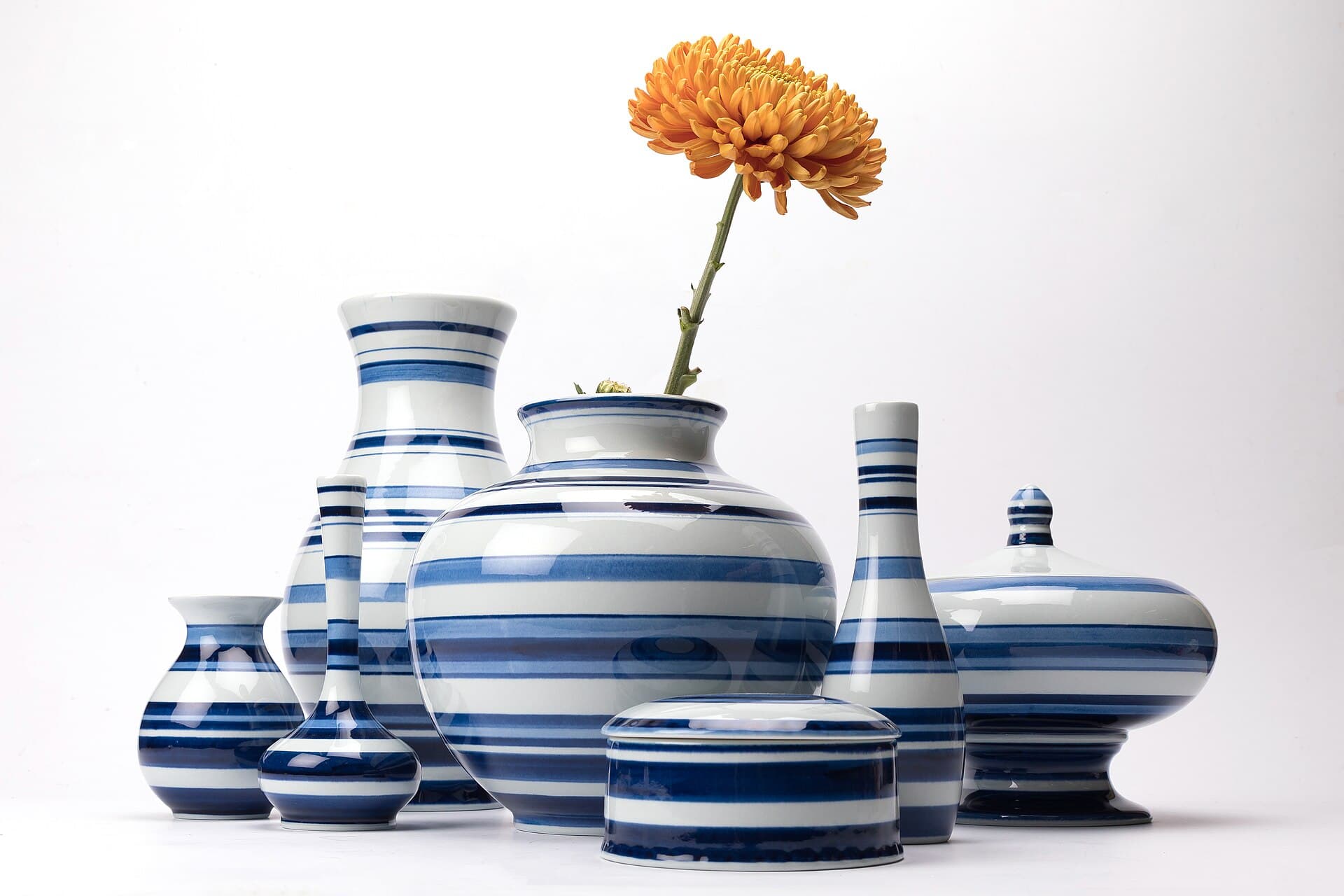
Read Delft as a Golden Age trading town that turned catastrophe and imported ideas into the blue-and-white art it became famous for. Merchant canals, a lost city gate, and the pottery that still fires the blue.
Start · The Merchant Canals: Where the Golden Age Money Lived
DirectionsStops
- 1
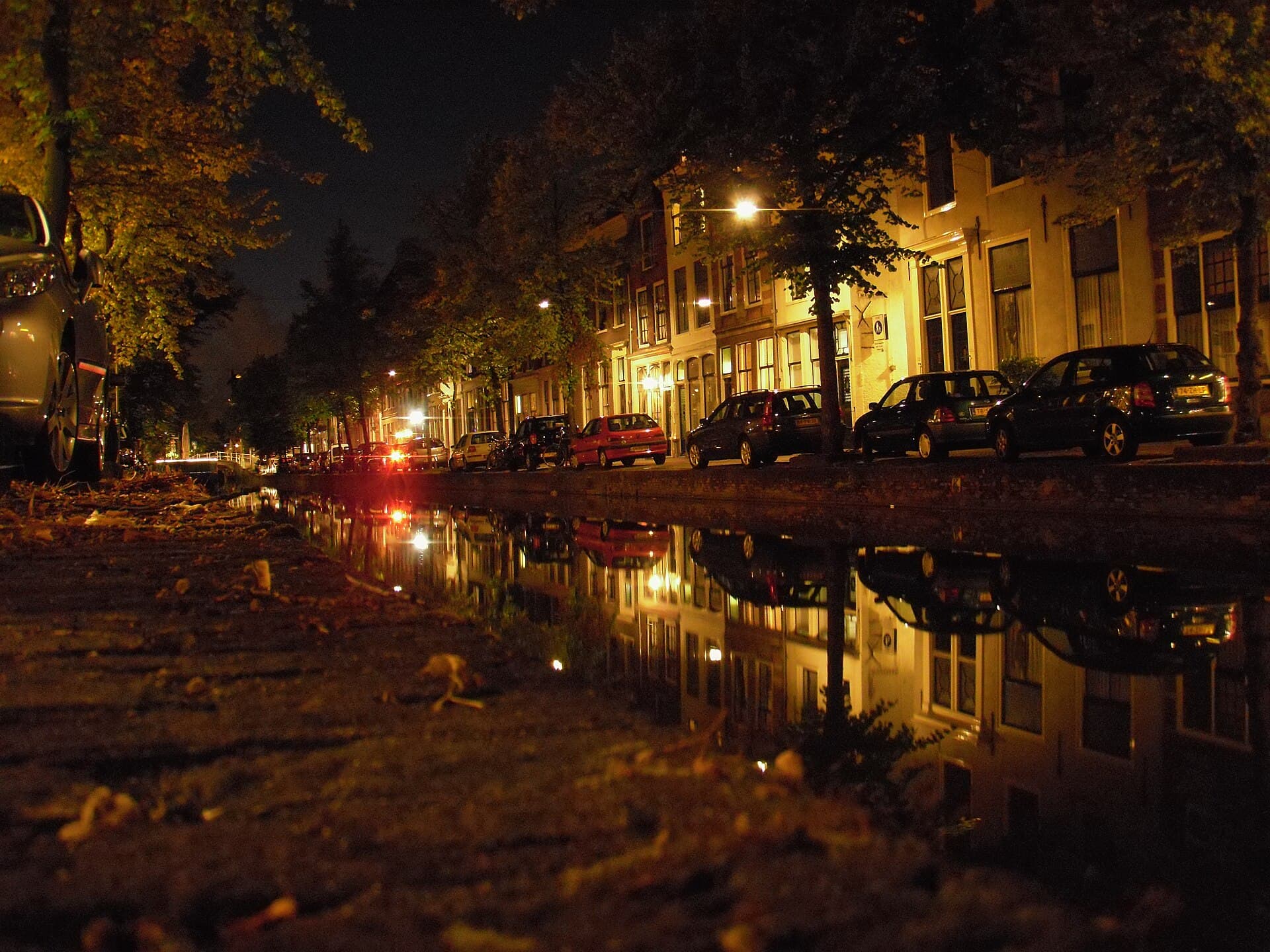
The Merchant Canals: Where the Golden Age Money Lived
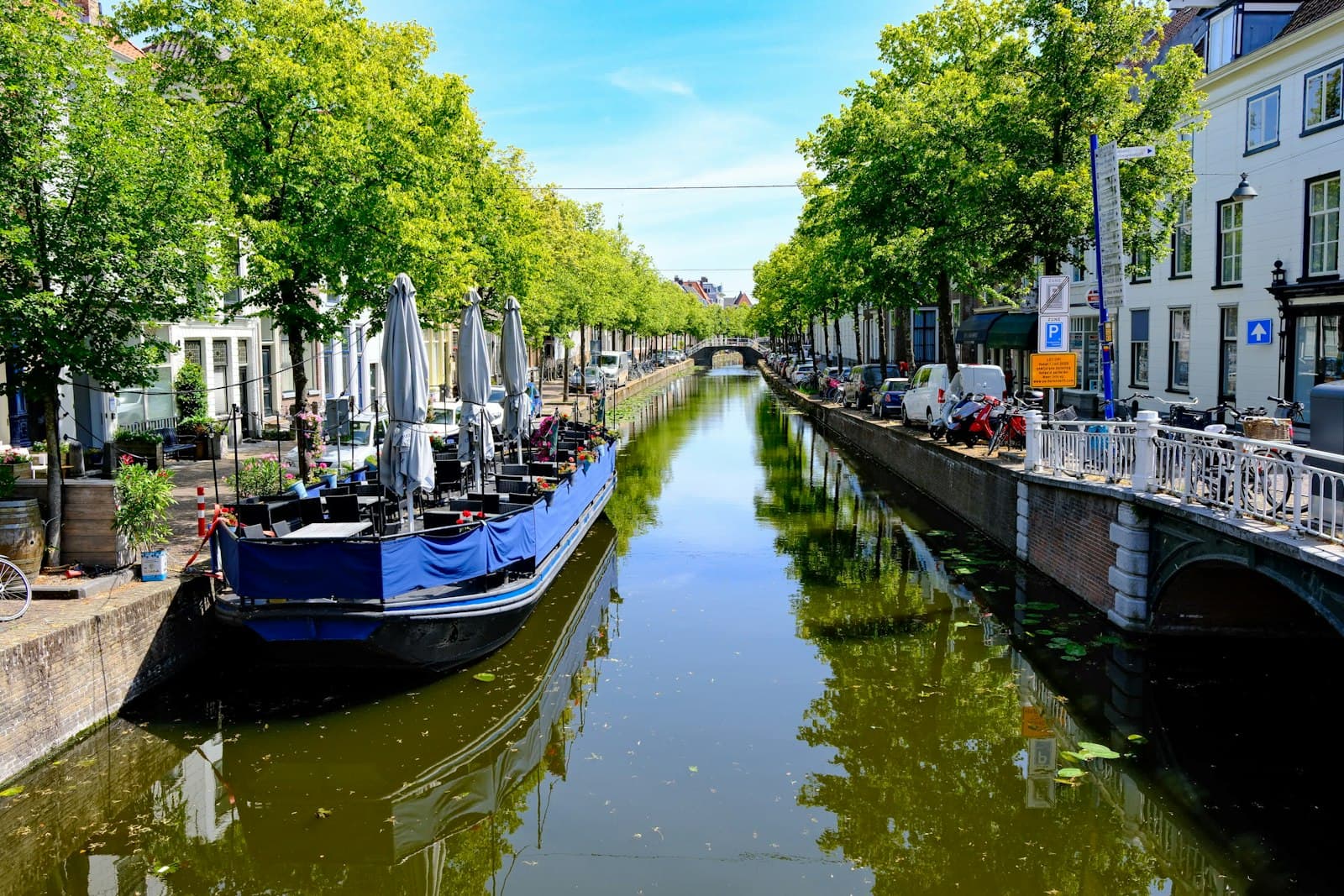
The oldest merchant canals of Delft, where Golden Age wealth built the mansions that funded everything to come.
- 2
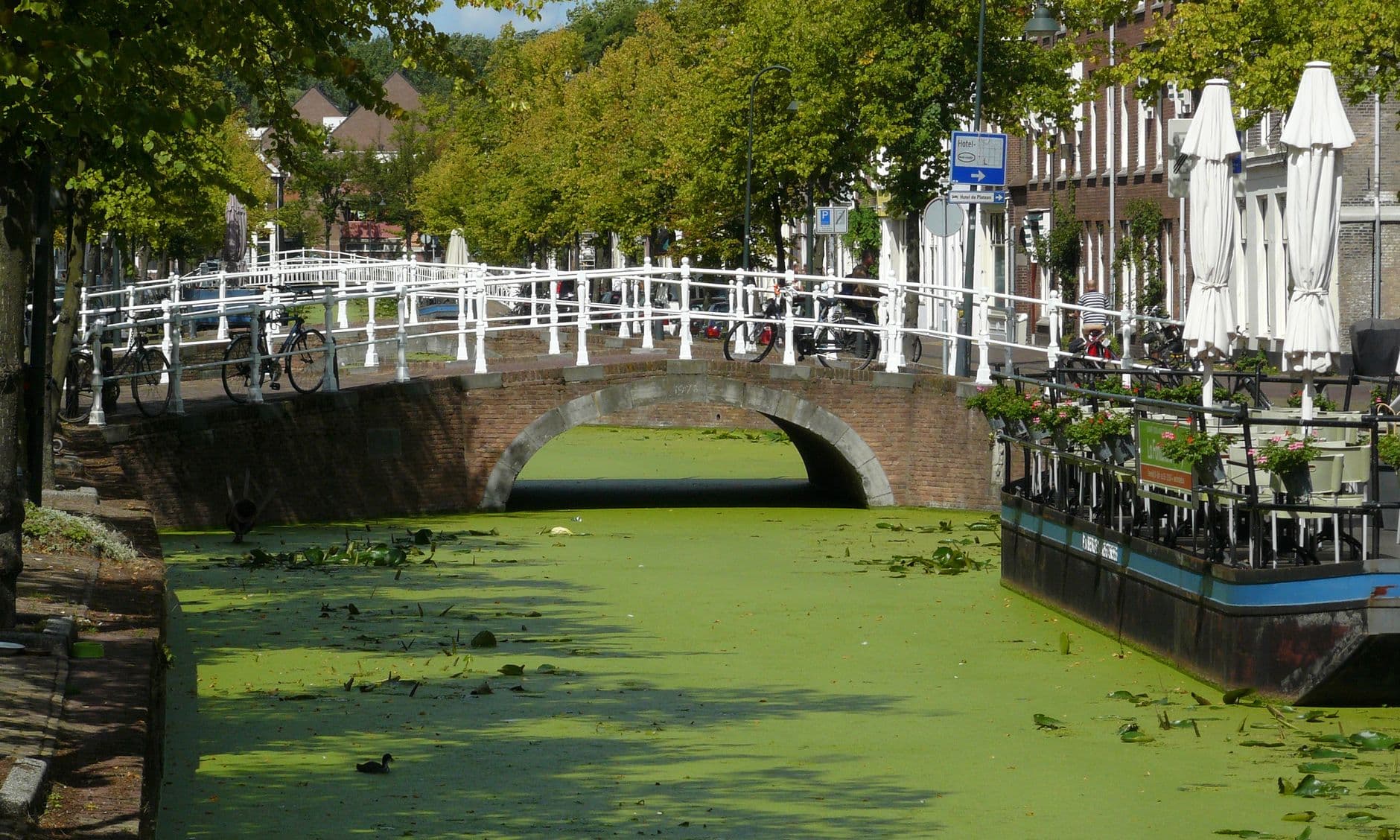
From Beer Town to Pottery Town: The Great Pivot
The canal stretch where medieval breweries once stood, and where potters later moved into the same buildings, using the same water.
- 3
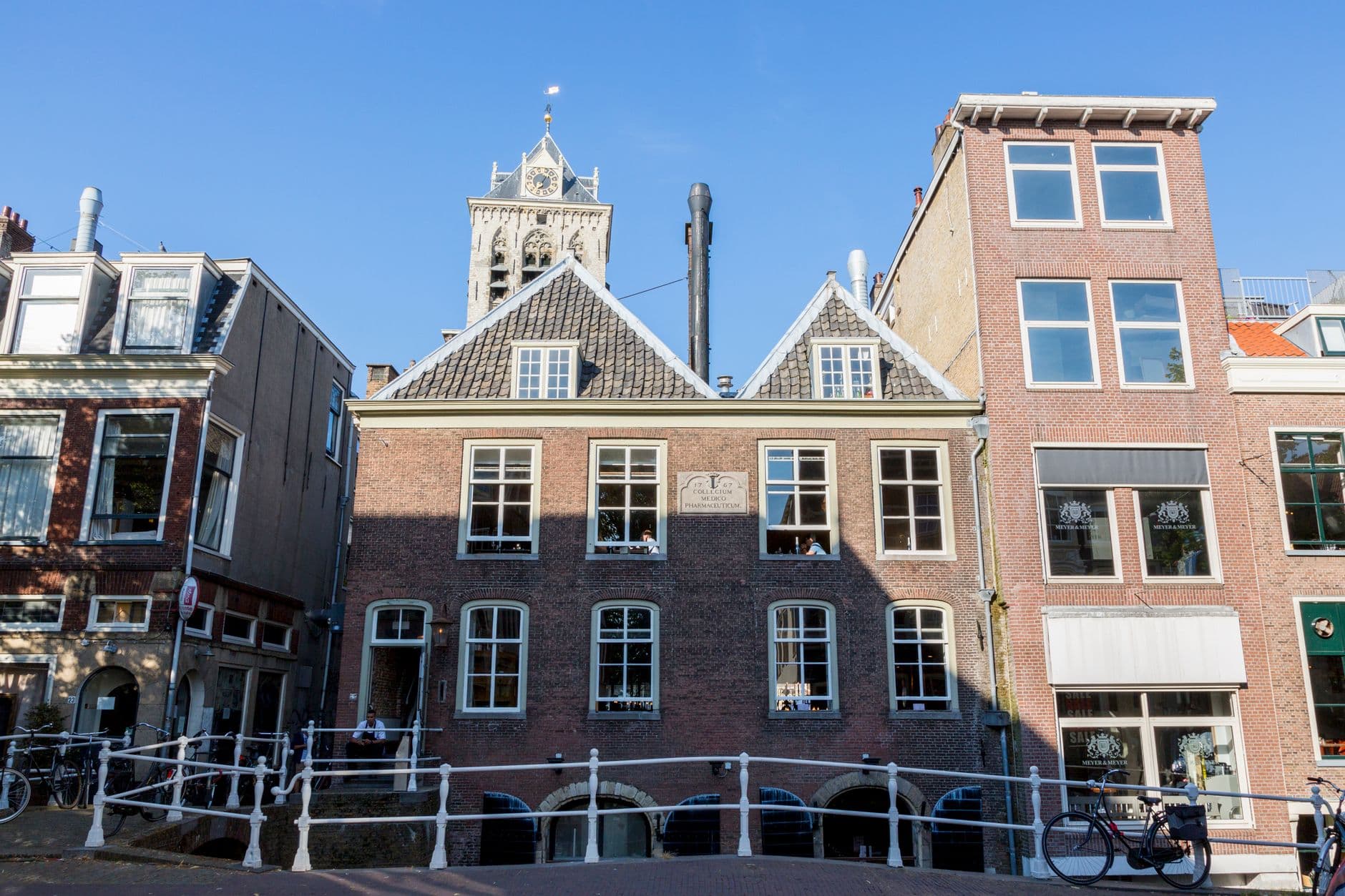
The East India House: Delft's VOC Chamber
The step-gabled house on the Oude Delft where the local chamber of the Dutch East India Company conducted its trade.
- 4
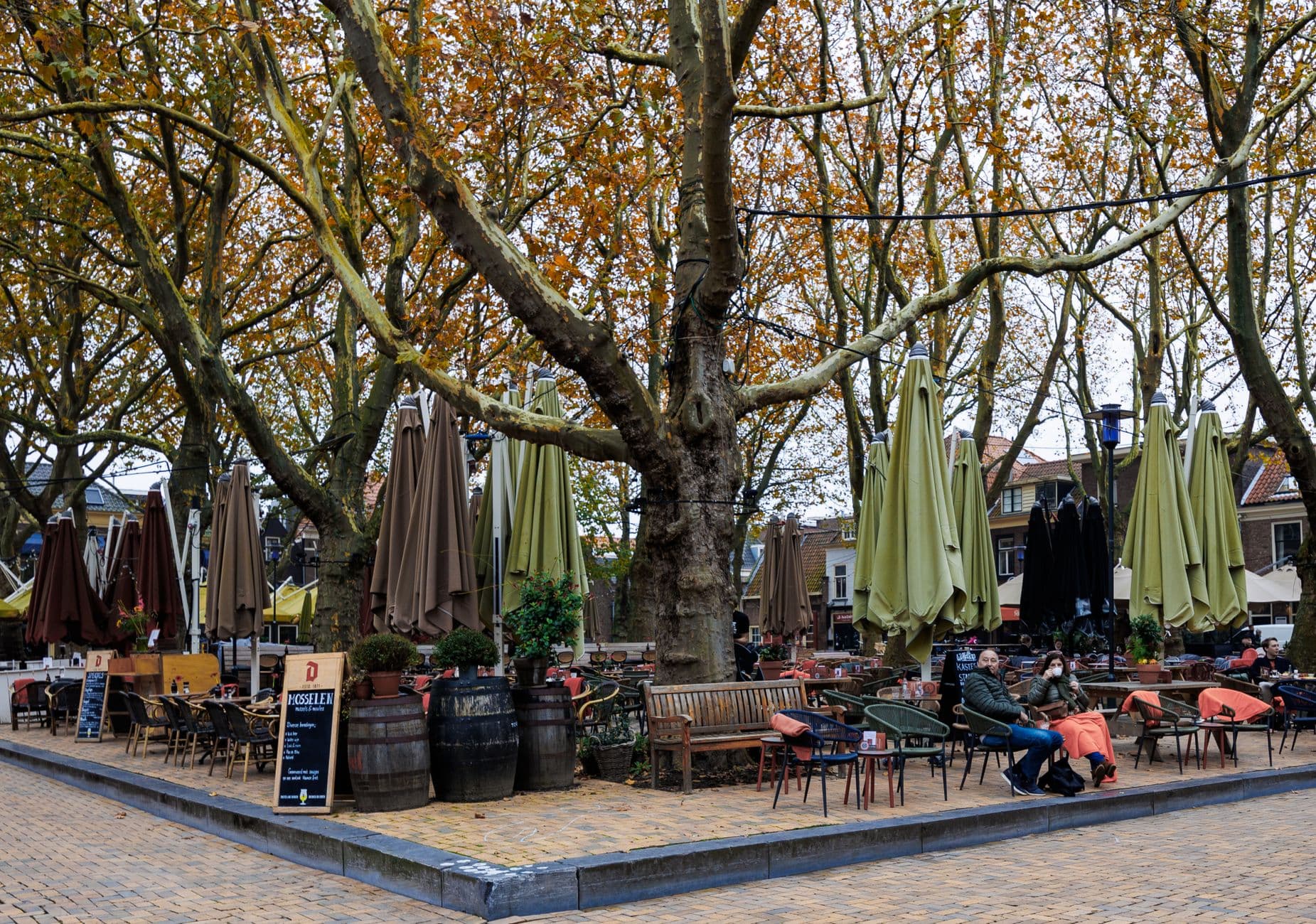
The Delft Thunderclap of Sixteen Fifty-Four
The open square left where a national gunpowder store exploded and flattened a quarter of the town.
- 5
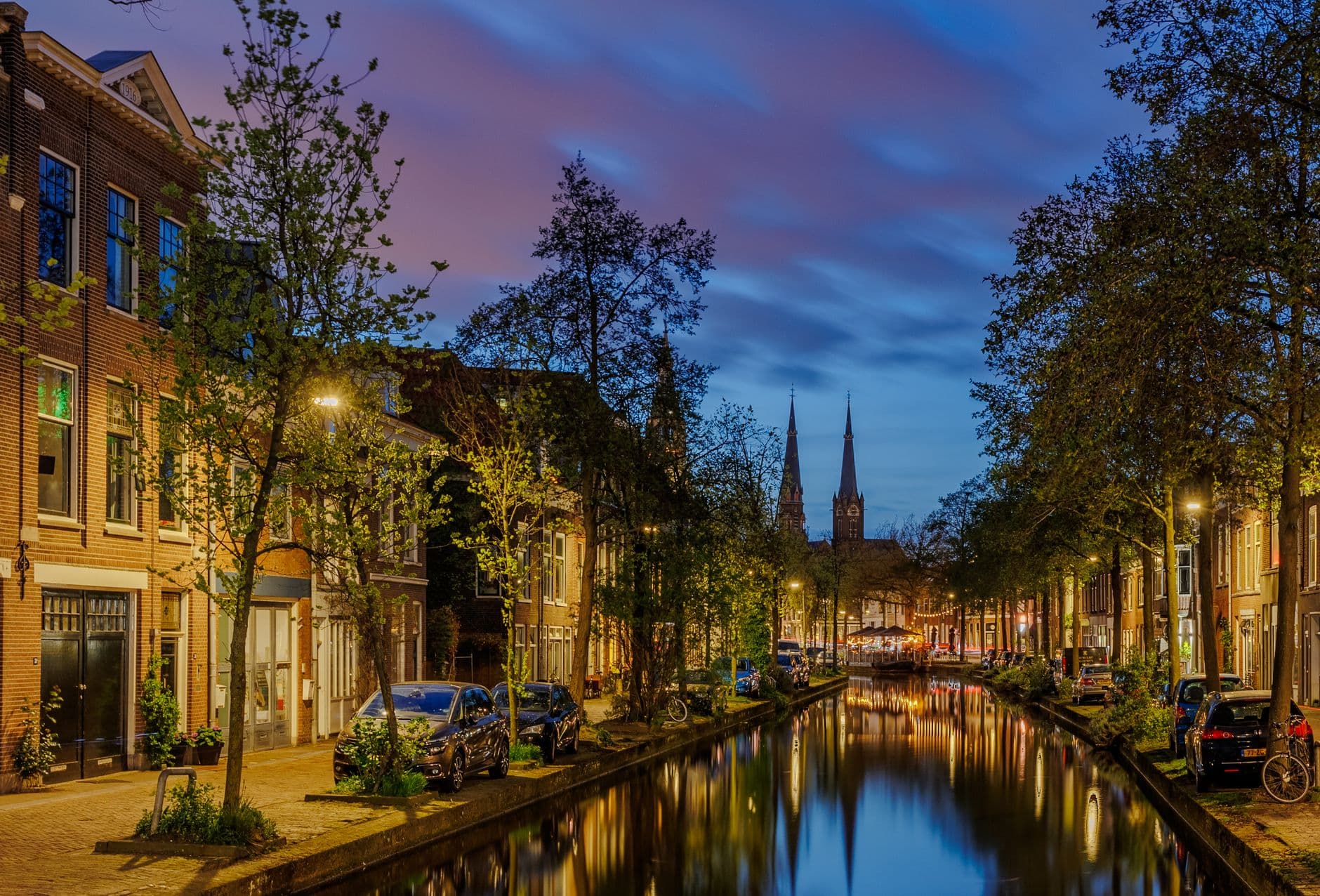
Delftware: Blue and White Made From an Imitation
The eastern canals where the potteries clustered, and the honest story of how Delft Blue was born as a copy.
- 6
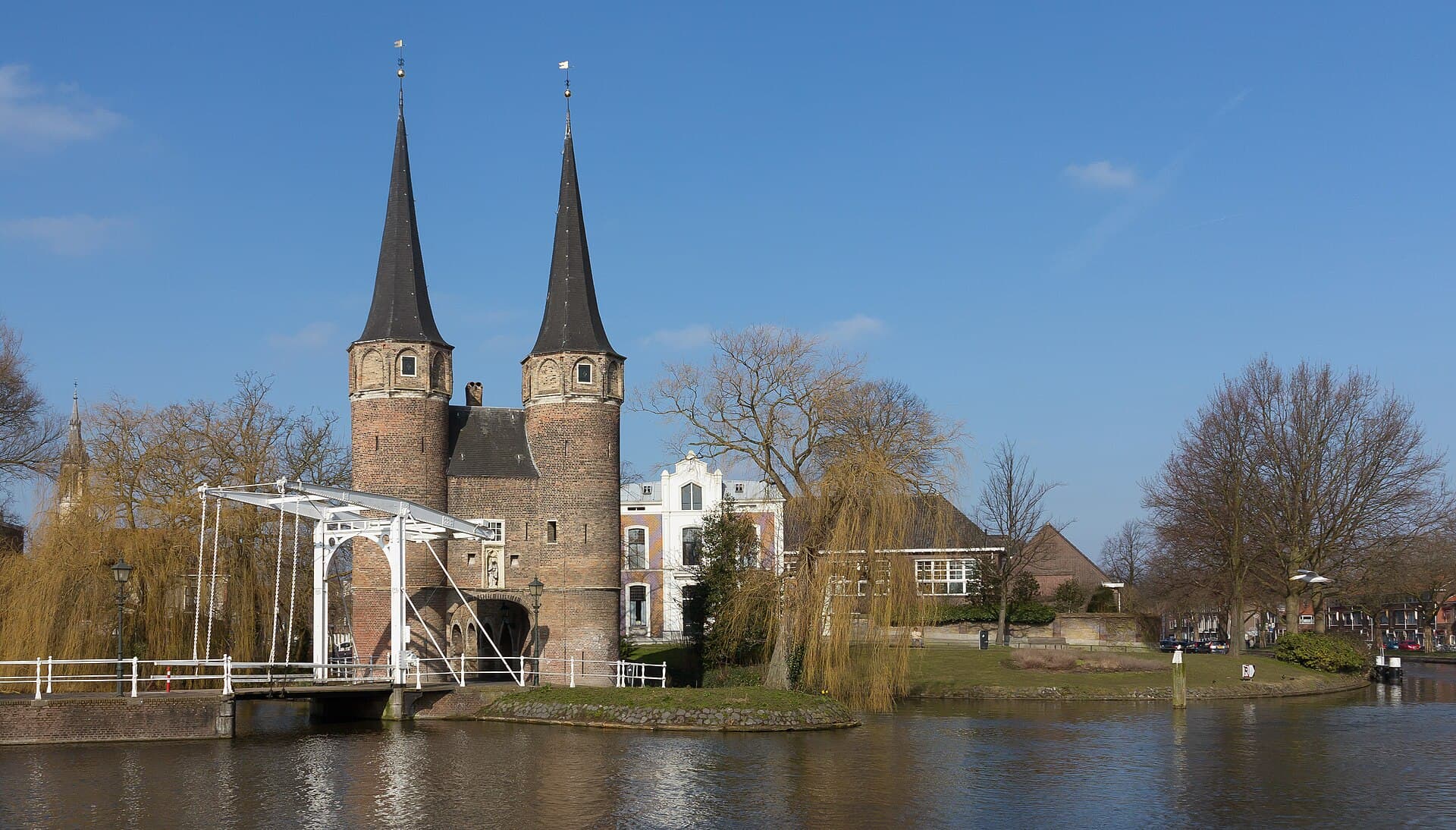
The Oostpoort: The Last Gate Standing
The twin-towered eastern gate, the only one of Delft's medieval city gates to survive.
- 7
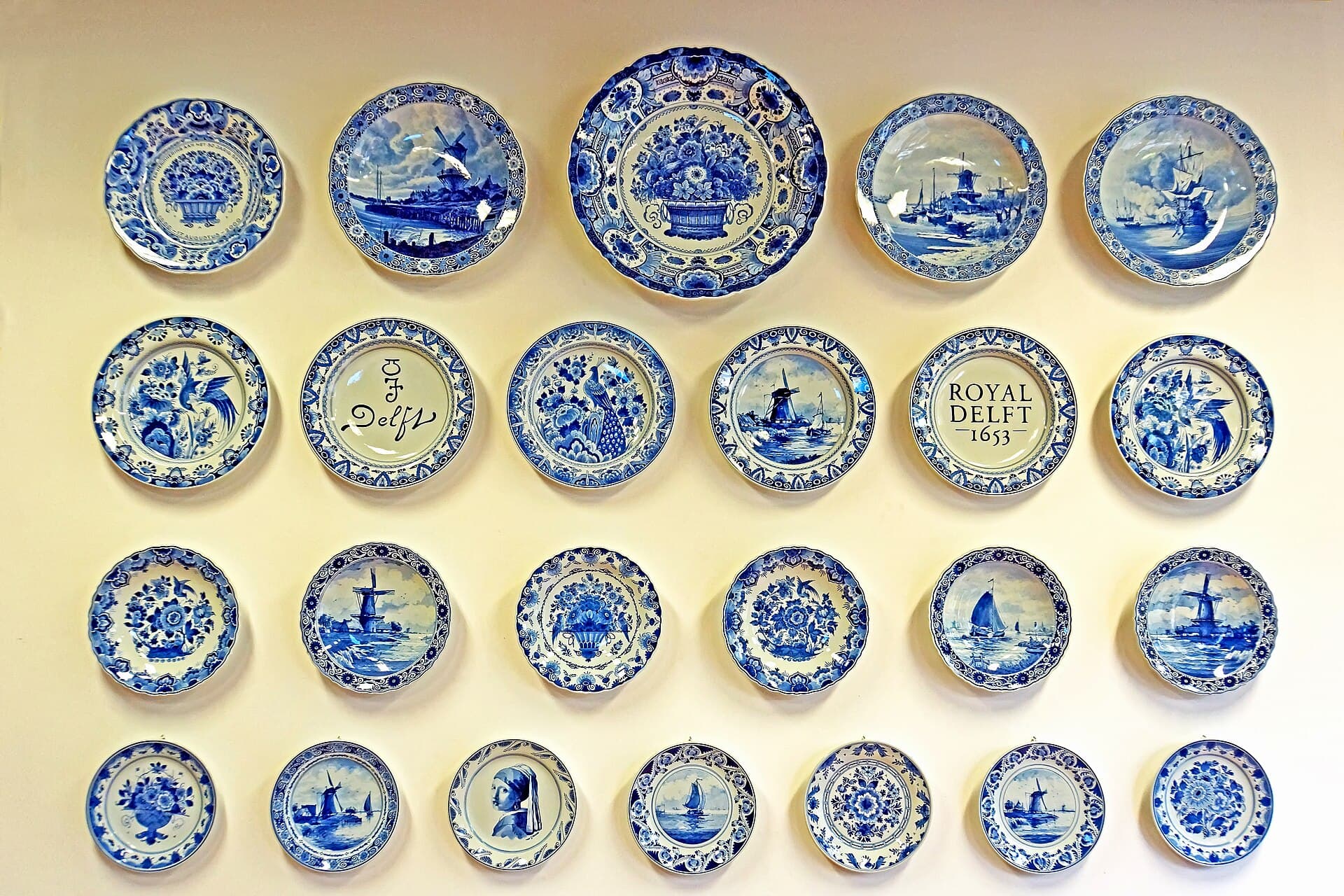
Royal Delft: Where the Blue Is Still Fired
De Porceleyne Fles, the last of the original Delftware potteries, where Delft Blue is still hand-painted and fired.
Details
Best Time to Visit
Late morning to mid-afternoon is ideal, when the canal-side light is soft and the reflections are at their best. Weekday mornings are quietest for the canals and the East India House, while the working pottery at the end of the walk is best reached earlier in the day so you have time to see it before closing. Spring and early autumn offer comfortable temperatures and fewer crowds than midsummer.
Pro Tips
- •The walk runs roughly two and a half kilometres over cobbles, so wear comfortable, sturdy shoes rather than smooth soles or heels.
- •Save the working pottery at the end for last, and check its current opening hours and ticket price before you set out, since the interior is a paid museum tour while the walk itself is free.
- •Pause on the canal bridges to look back along the water. Some of the best views of the merchant mansions and the light on the canals are from mid-bridge.
- •The East India House and the Oostpoort are best appreciated from the outside, as both are now private or residential. Admire the facades and gables from the street rather than expecting to enter.
- •Carry a refillable water bottle and take the stops slowly. Every stop is short and skippable, so linger where a view or a story holds you and move on when you are ready.
- •Stand a moment at the Paardenmarkt square before reading its story. Knowing that the open space was cleared by the explosion of sixteen fifty-four changes how the calm feels.
Safety & Precautions
- •Many canal edges in Delft have no railings and drop straight into the water. Keep back from the edge, especially when taking photos, watching children, or walking after dark.
- •Cyclists and trams have priority and move fast and almost silently. Before stepping off a curb or crossing a cycle lane, look both ways and listen, as bikes appear quickly and quietly from behind.
- •The streets are uneven cobblestone, and some historic buildings and bridges have steep, narrow stairs. Watch your footing, and take care that bridges, wharves, and cobbles turn slippery when wet.
- •At the working pottery and other major sites, expect possible queues and timed tickets, so allow extra time and consider checking availability in advance.
Travel advisory: Exercise Increased Caution (Level 2).
Gallery
Related Reading
Go deeper on what you'll see, hear, and walk through.
Overview
Best Self-Guided Walking Tours in Delft (2026)
3 min
Overview
Delft Travel Guide: Days, Transport, Safety, and Costs
6 min
Overview
One Day in Delft: A Walkable Itinerary
7 min
Thematic
Best Culture Walking Tours in Delft (2026)
2 min
Thematic
The Small Town That Made Big History: Delft's Light, Its Martyr, and Its Blue
8 min
Companion
Royal Delft and the Real Story Behind Delft Blue
7 min
Deep dive
The Oostpoort: Reading Delft's Last City Gate
6 min
Read
What to Eat in Delft: Herring, Stroopwafels, and How to Order Like a Local
7 min
Read the walk
The full story of Delftware and the Golden Age: Blue and White Empire, in words. Prefer to listen? Play it narrated, from home or on location.
Introduction
Delft is a small town in the Netherlands with an outsized story, and this walk tells it through water, brick, and glaze. There are seven stops, and if you take them at your own pace, they cover roughly four and a half kilometres and take about two and a half hours, though nothing here rewards hurrying. Every stop is short, and you can skip any of them without losing the thread. The story runs like this. Delft grew rich as a Golden Age trading town, and you will start on its merchant canals to see where that money lived. Then the town reinvented itself, trading its fading breweries for pottery, and you will stand where that pivot happened. You will pass the house where the local chamber of the Dutch East India Company did business, the engine that carried both the porcelain Delft would imitate and a colonial history that must be told honestly. You will reach the open square left by the gunpowder explosion of sixteen fifty-four, the catastrophe that reshaped the town. You will follow the craft that rose from all of it, the blue-and-white earthenware called Delftware, and pass beneath the one city gate that survived to witness the whole arc. And you will finish at the single pottery that outlived every rival, where the blue is still hand-painted today. Wear comfortable shoes for cobbles, watch the unrailed canal edges, and let cyclists pass. When you arrive at the Koornmarkt canal, begin with stop one.
1. The Merchant Canals: Where the Golden Age Money Lived
Stand by the water here on the Koornmarkt and look at the houses leaning gently toward the canal. The word Gracht means canal, and canals are the reason Delft exists at all. The town's very name comes from the Dutch verb delven, to dig. Back in the eleventh century, people dug a drainage canal through this marshy peat to make the land usable, and that first channel, the Oude Delft, is the oldest canal in the city. A second, parallel canal was cut at the end of the twelfth century, and the higher, drier ground between the two became the most desirable address in town. This is where the money settled. In the Golden Age, the sixteen hundreds, wealthy merchants built tall canal-side mansions along these waters, and a striking number of them still stand on the Oude Delft as national monuments. That wealth matters, because it came first. Before Delft was famous for blue pottery, it was a prosperous trading town, and the fortunes made on and around these canals funded the workshops, the imports, and the craft that came later. As the site Essential Vermeer notes in its history of the town, this compact grid of water is the frame everything else hangs on. One gentle aside, since you may have the painting in mind. Vermeer's celebrated View of Delft shows the town's waterfront from across the harbor, though scholars still debate the exact spot he painted from. Take a slow minute here. Notice how the water, the brick, and the light already feel composed, as if the whole town were built to be looked at.
2. From Beer Town to Pottery Town: The Great Pivot
Look along this stretch of canal and picture it lined not with pottery but with breweries. For centuries, Delft was known across Europe as a beer town. Along with textiles, brewing was its most important trade well into the fifteen hundreds and one of its biggest employers. The reason was right in front of you: clean canal water, an indispensable ingredient for good beer. Then the industry unraveled. Toward the end of the sixteen hundreds, the quality of Delft's beer slipped, political upheaval cut off its markets in Flanders, Brabant, and northern France, and the rising city of Rotterdam seized much of the beer trade. Worse, the town's growing textile industry fouled the very canal water the breweries needed. As the research collected by Delfts Aardewerk records, the trade that had defined Delft simply drained away, and with it the jobs. What happened next is the hinge of this whole walk. To replace the lost work, the town welcomed immigrants, and around the end of the sixteenth century, majolica potters, many of them Flemish, settled in Delft. They moved into the large, abandoned brewery buildings standing empty along these canals. Same buildings, same water, entirely new craft. Between roughly sixteen fifty and sixteen seventy, this pottery industry expanded fast, creating jobs and cushioning the collapse of brewing and textiles. So when you admire Delft Blue later, remember it grew out of an economic wound. The pretty blue china that came to define the town was, at bottom, a town reinventing itself to survive.
3. The East India House: Delft's VOC Chamber
This handsome step-gabled house on the Oude Delft is the Oost-Indisch Huis, the East India House. Huis means house, and this one belonged to the VOC, the Dutch East India Company. The company was founded on the twentieth of March, sixteen oh two, and it was organized into six regional chambers: Amsterdam, Delft, Rotterdam, Enkhuizen, Middelburg, and Hoorn. Amsterdam dominated, but Delft had a real seat at the table. Around sixteen thirty, the Delft chamber bought two houses here and rebuilt them into this East India House, finished in sixteen thirty-one, the date you can still read on the facade. The VOC was among the first joint-stock companies in the world. Its shares could be bought and sold by ordinary citizens on the Amsterdam exchange, an early version of the tradable-share markets we know today. And here is the direct thread to this walk: the company imported millions of pieces of Chinese blue-and-white porcelain, the very luxury that Delft's potters would learn to imitate. But the wealth that flowed through doors like these carries a darker history, and it deserves plain telling. According to the Mapping Slavery project, the VOC and its employees, including this Delft chamber, traded in enslaved people, an estimated total of up to roughly a million Asians and Africans over the company's lifetime. Some were brought to the Netherlands, including to Delft itself. Stand here and hold both things at once: the elegant gable and the global machinery of profit, porcelain, and human beings that it was part of. The beauty of what Delft made cannot be separated from the supply chain that made it possible.
4. The Delft Thunderclap of Sixteen Fifty-Four
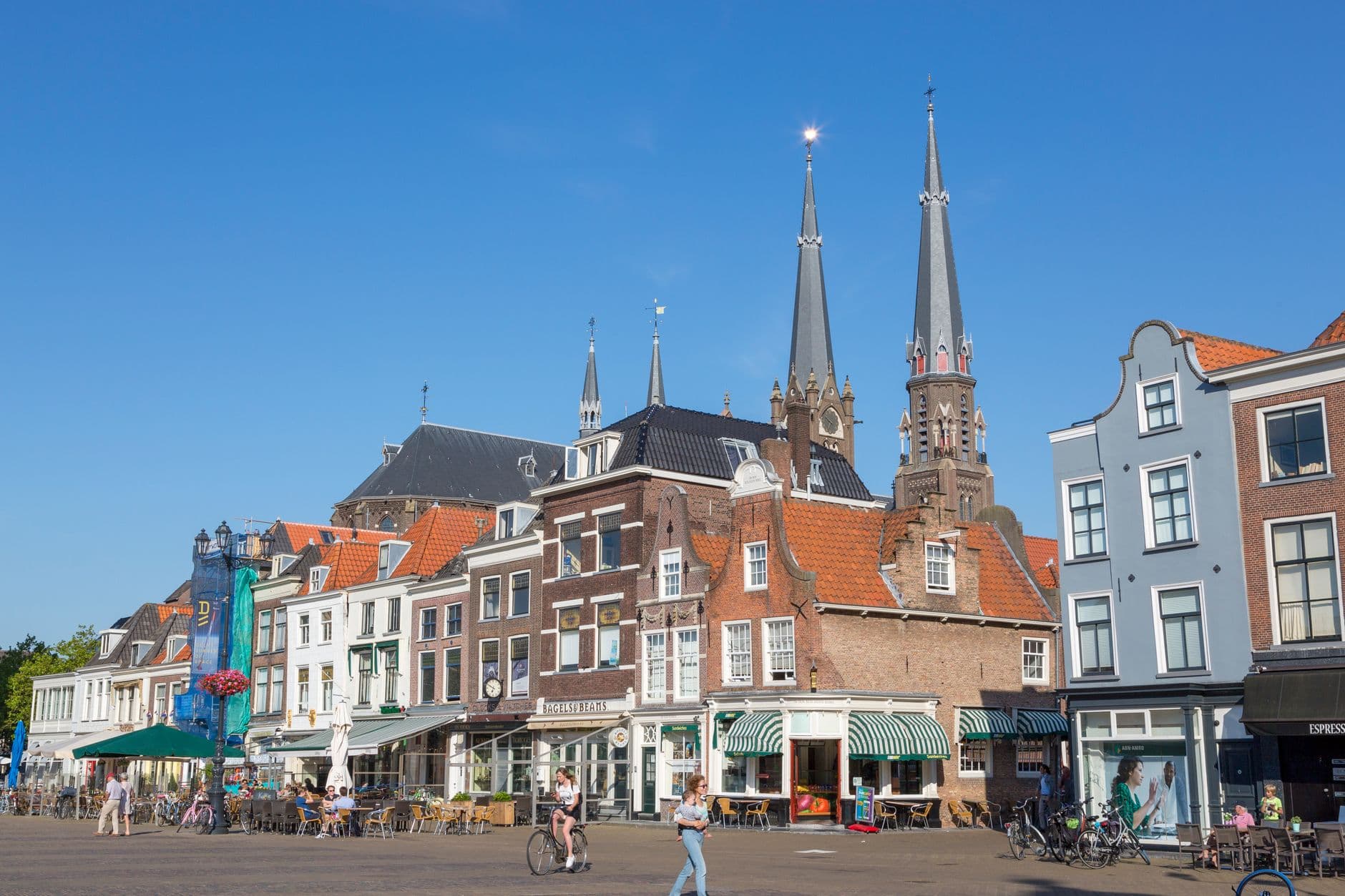
This wide, open square feels almost too calm for its history. It is called the Paardenmarkt, and the reason it stands empty is a disaster. On the twelfth of October, sixteen fifty-four, the national gunpowder magazine that stood here exploded. Roughly forty tonnes of powder were…
Full narration for this stop unlocks with the tour.
5. Delftware: Blue and White Made From an Imitation
Walk the eastern canals and you are moving through what was once the heart of the pottery district, where workshops clustered along the water. This is the place to be honest about what Delft Blue actually is. The famous blue-and-white ware, Delfts blauw, is not porcelain. It is…
Full narration for this stop unlocks with the tour.
6. The Oostpoort: The Last Gate Standing
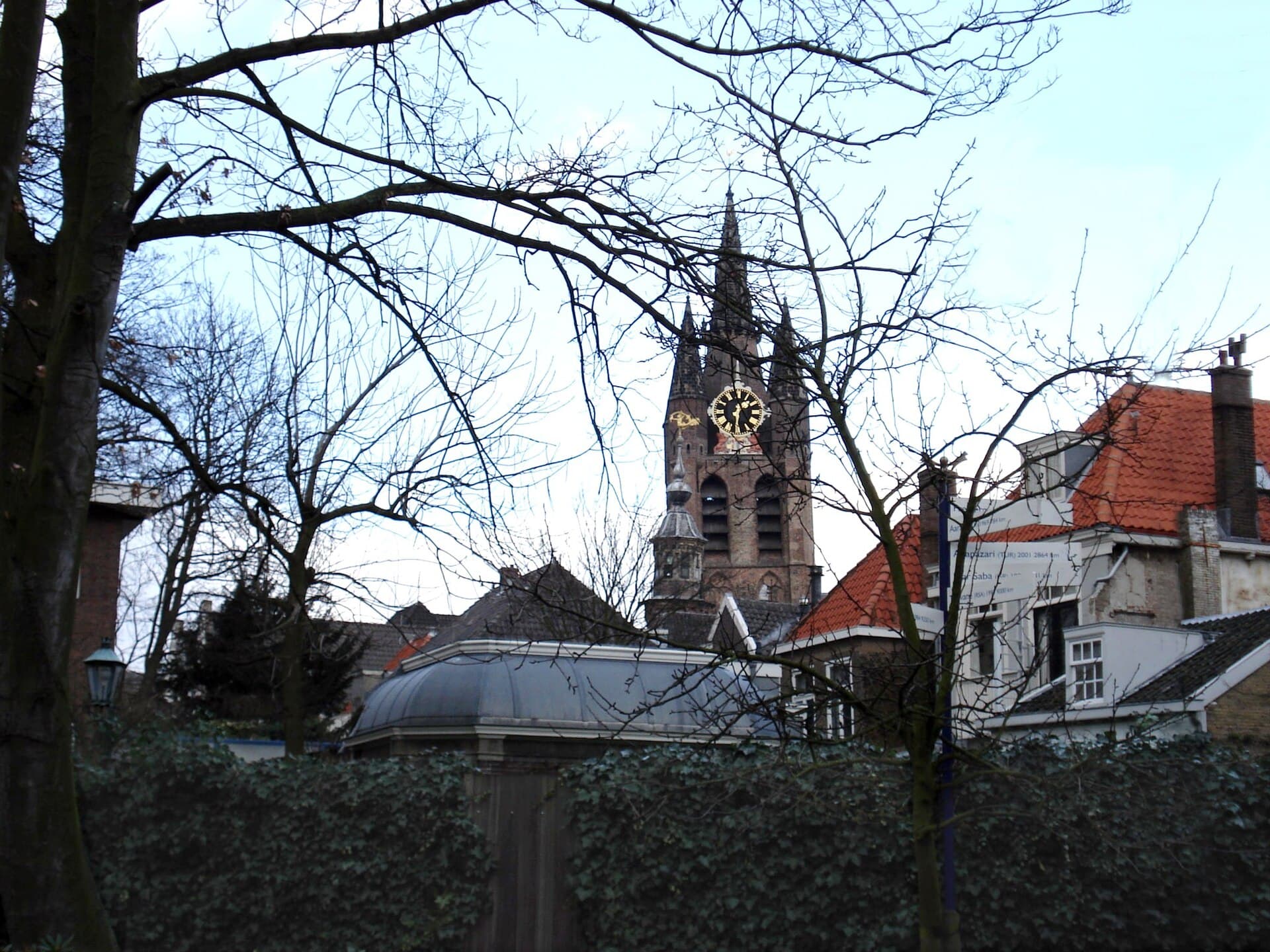
Ahead of you rise two brick towers with tall, pointed spires, guarding a passage where the water still slips into town. This is the Oostpoort, the eastern gate. Poort means gate, and this is the only one Delft has left. The town once had several city gates, but the others were…
Full narration for this stop unlocks with the tour.
7. Royal Delft: Where the Blue Is Still Fired
Your walk ends here for a reason, at a working pottery called De Porceleyne Fles, known today as Royal Delft. This is where the whole story resolves into something still alive. The pottery was founded in sixteen fifty-three by a man recorded as David Anthonisz van der Pieth,…
Full narration for this stop unlocks with the tour.