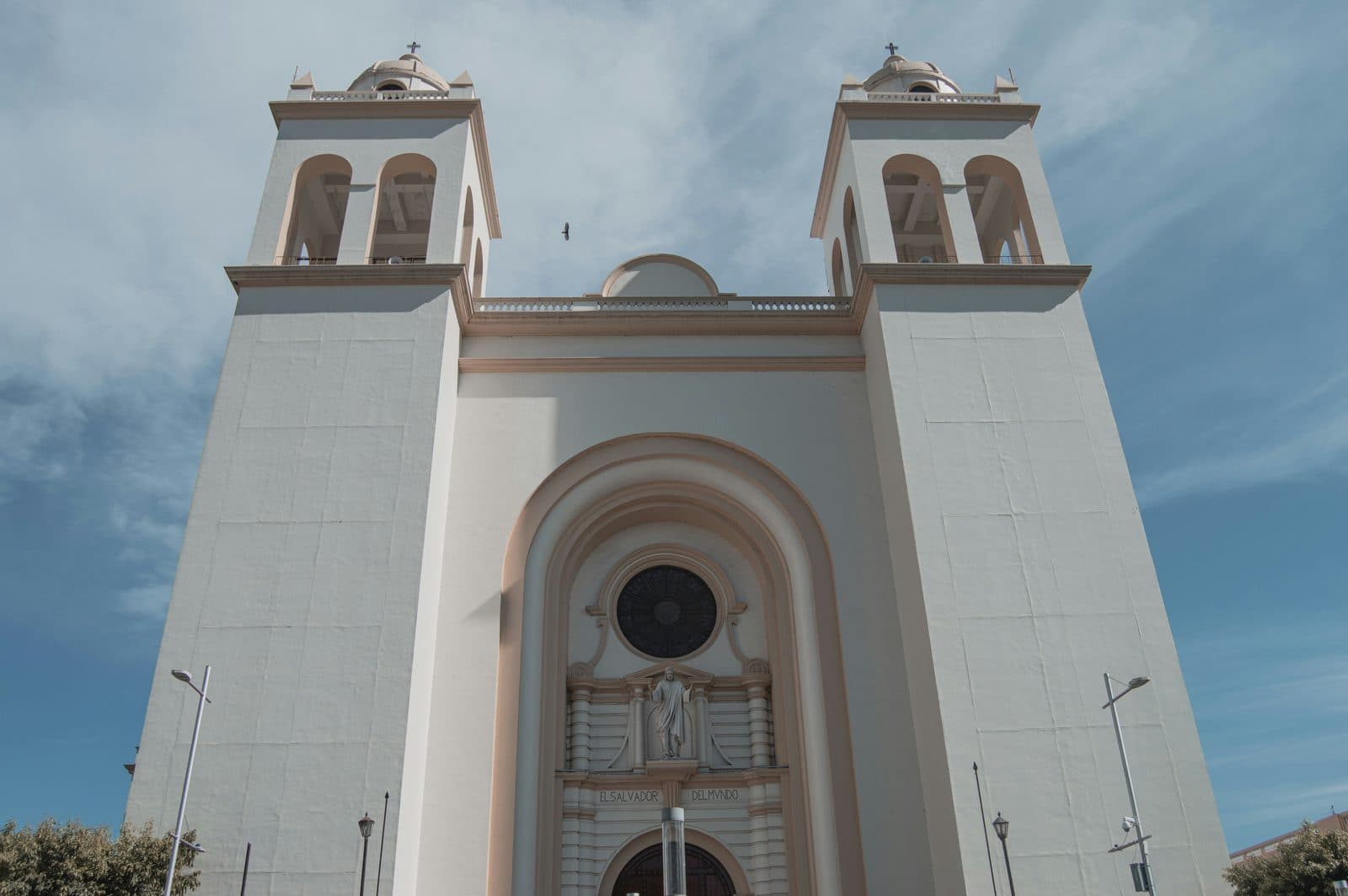
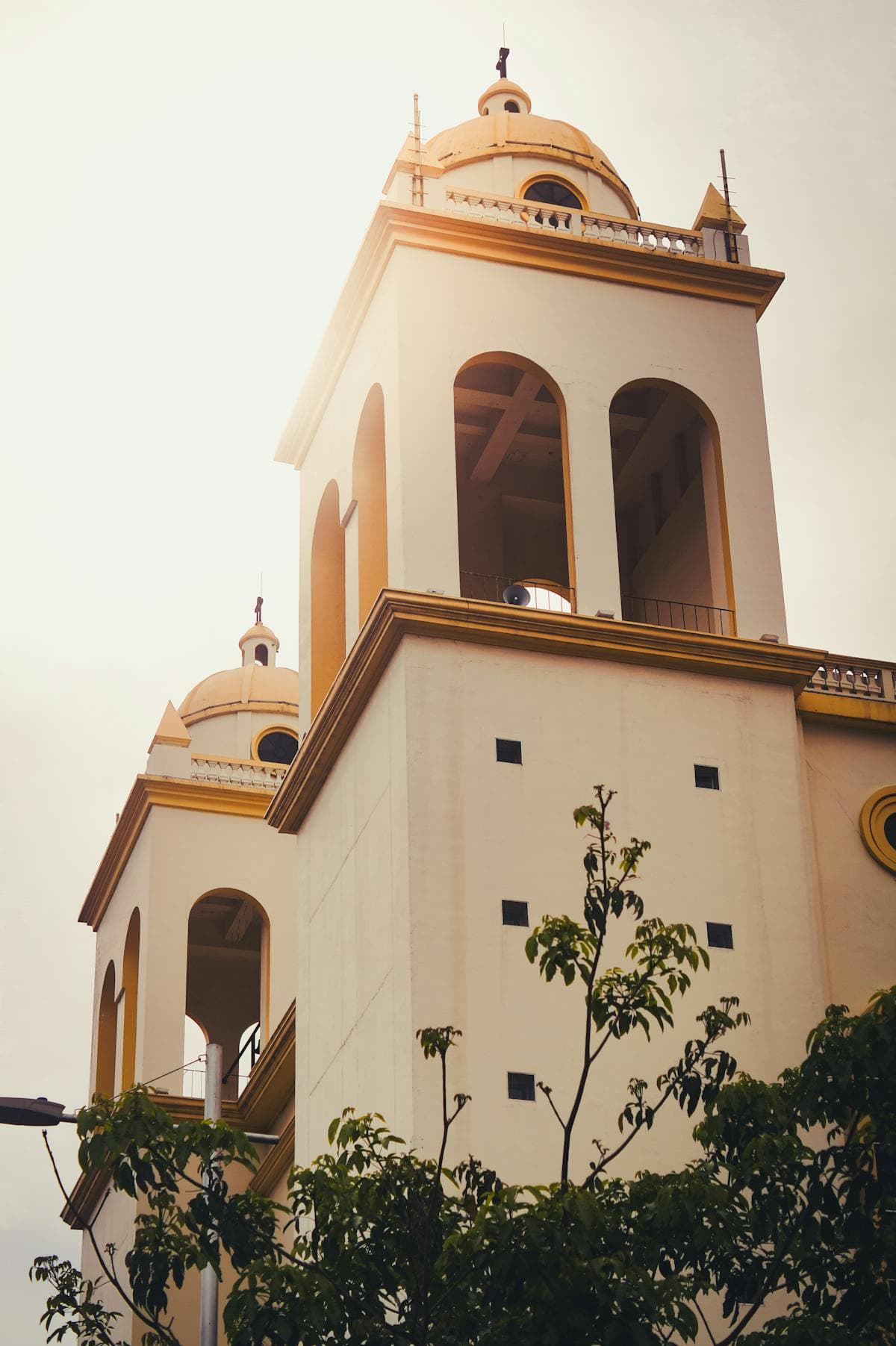
Historic Center: The City That Keeps Coming Back
65 min · 1.1 km · easy
Salvadoran food is built around one iconic dish and a table of honest, corn-and-comfort accompaniments around it. This is not a cuisine of fuss; it is a cuisine of the griddle and the market stall, and eating well in San Salvador means knowing the national canon and where the capital serves it best. It pairs naturally with a slow walk on one of our San Salvador self-guided tours, because the best food here is often a pupusa bought a block from where you are standing.
The dishes to seek out
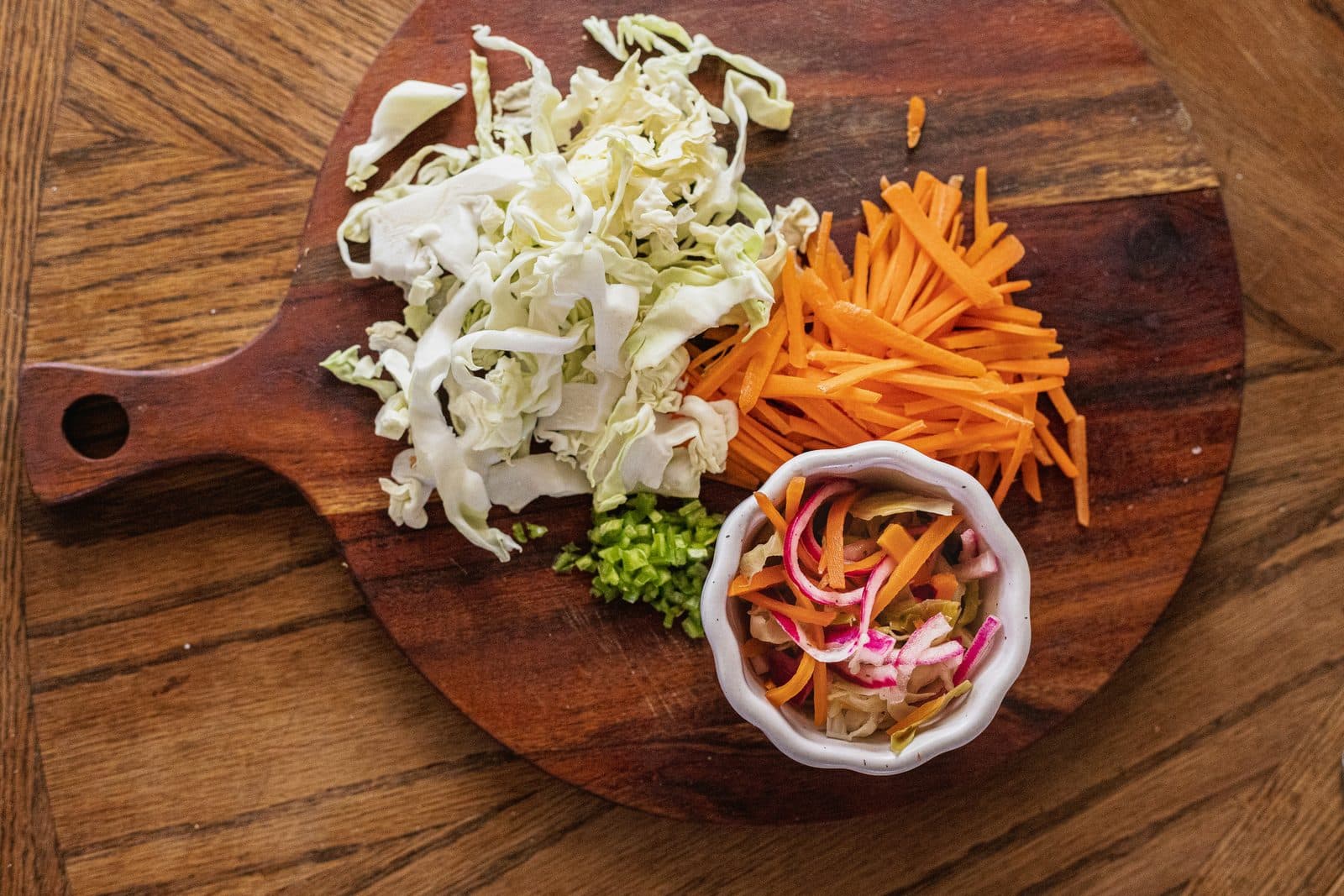
Pupusas. El Salvador national dish and the reason to come hungry: a thick, hand-patted corn tortilla stuffed with a filling and griddled until it blisters. The classics are queso (cheese), frijol (refried bean), chicharron (seasoned ground pork), and the mixed revuelta, plus popular vegetable versions like loroco (an edible flower bud). You eat them topped with curtido, a lightly fermented cabbage, carrot, and onion slaw with a vinegary tang, and a mild salsa roja. Two or three make a meal, and they cost a dollar or two apiece. Find a busy pupuseria with a queue of locals and you cannot go wrong.
Yuca frita. Fried cassava, crisp outside and soft within, typically served with curtido and either chicharron or fried fish (yuca con chicharron). A beloved street and market snack.
Pastelitos. Small, half-moon savory turnovers, filled with seasoned ground meat and vegetables and deep-fried golden. Perfect with a coffee.
Tamales. Corn masa steamed in a leaf wrapper around a filling, a staple of Salvadoran home cooking and celebrations. Look for tamales de elote (sweet corn) and the chicken-filled versions.
Quesadilla salvadorena. Do not expect the Mexican cheese tortilla. The Salvadoran quesadilla is a sweet cheese pound cake, made with rice flour, hard cheese, and sour cream and topped with sesame seeds, eaten at breakfast or with afternoon coffee.
What to drink
Hear a stop from this walk
Iglesia El Rosario: The Rainbow in Concrete
Horchata. The classic table drink, but note it is not the Mexican rice horchata. Salvadoran horchata is made primarily from morro seeds, from the calabash tree, blended with other seeds and spices for a nuttier, earthier taste. Order it cold with pupusas.
Beer. Pilsener is the everywhere-national lager, joined by Regia and Bahia.
Coffee. El Salvador grows excellent coffee in the highlands, and the towns of the Ruta de las Flores are its heartland, so a good cup is never far away.
Where the food culture lives
Pupuserias and comedores. The soul of Salvadoran eating is the casual local eatery. Pupuserias with the griddle out front, and comedores serving daily plates for a few dollars, are the most authentic and affordable tables in the city. This is where the food lives.
The Centro Historico market. The restored downtown and its market are thick with stalls and comedores, an easy place to graze on pupusas and snacks between the plazas. Pair it with the San Salvador: The Smallest Country's Largest Plaza walking tour, whose route runs right through the market district; the companion piece on the largest plaza in the smallest country sets the scene.
Colonia San Benito and Zona Rosa. For a wider spread of restaurants, cafes, and nightlife, the leafy San Benito and Zona Rosa districts are the capital dining core, walkable and comfortable in the evening.
Eat as you walk
The best way to work through this list is on foot, one district at a time: pupusas and market snacks downtown, a sit-down plate in San Benito, morro horchata whenever the day gets hot. Route your day with the one day in San Salvador itinerary, plan the practical side, including getting around and an honest safety rundown, with the San Salvador travel guide, and browse all San Salvador tours. Every tour is free to start: the introduction and first stop play in full, and every later stop plays a short preview before an optional purchase.
Frequently asked questions
- What food is San Salvador known for?
- Above all, the pupusa, El Salvador national dish: a thick handmade corn tortilla stuffed with cheese, beans, or chicharron and griddled, served with tangy curtido slaw and salsa roja. Beyond pupusas, San Salvador tables feature yuca frita (fried cassava), pastelitos (crisp savory turnovers), tamales, the sweet quesadilla salvadorena, and morro-seed horchata to drink.
- What is a pupusa and how do you eat it?
- A pupusa is a thick, hand-patted corn (or rice-flour) tortilla stuffed with a filling, most classically cheese (queso), refried beans (frijol), chicharron (seasoned pork), or the mixed revuelta, then cooked on a hot griddle. You eat it topped with curtido, a lightly fermented cabbage, carrot, and onion slaw, and salsa roja, a mild tomato sauce, usually with your hands. Two or three make a meal, and they cost a dollar or two each.
- What is quesadilla salvadorena?
- Despite the name, it is not the Mexican cheese tortilla. The Salvadoran quesadilla is a sweet cheese pound cake, made with rice flour, hard cheese (often parmesan), sour cream, and sugar, and topped with sesame seeds. It is a breakfast or coffee-time treat, not a savory dish.
- What do Salvadorans drink?
- The classic non-alcoholic drink is horchata, but note that Salvadoran horchata is different from the Mexican rice version: it is made primarily from morro seeds (from the calabash tree) blended with other seeds and spices, giving it a nuttier, earthier flavor. For beer, Pilsener is the ubiquitous national lager, alongside Regia and Bahia. Coffee is excellent, grown in the highlands of the Ruta de las Flores.
- Where should you eat in San Salvador?
- For the most authentic and affordable food, eat at pupuserias and comedores, casual local eateries found across the city, and at market stalls in the Centro Historico. For a wider spread of restaurants, cafes, and nightlife, Colonia San Benito and Zona Rosa are the dining districts. Anywhere with a busy griddle out front and a queue of locals is a safe bet for pupusas.
Ready to experience it?
Historic Center: The City That Keeps Coming Back
65 min · 1.1 km · easy
More from San Salvador
Explore more at your own pace.
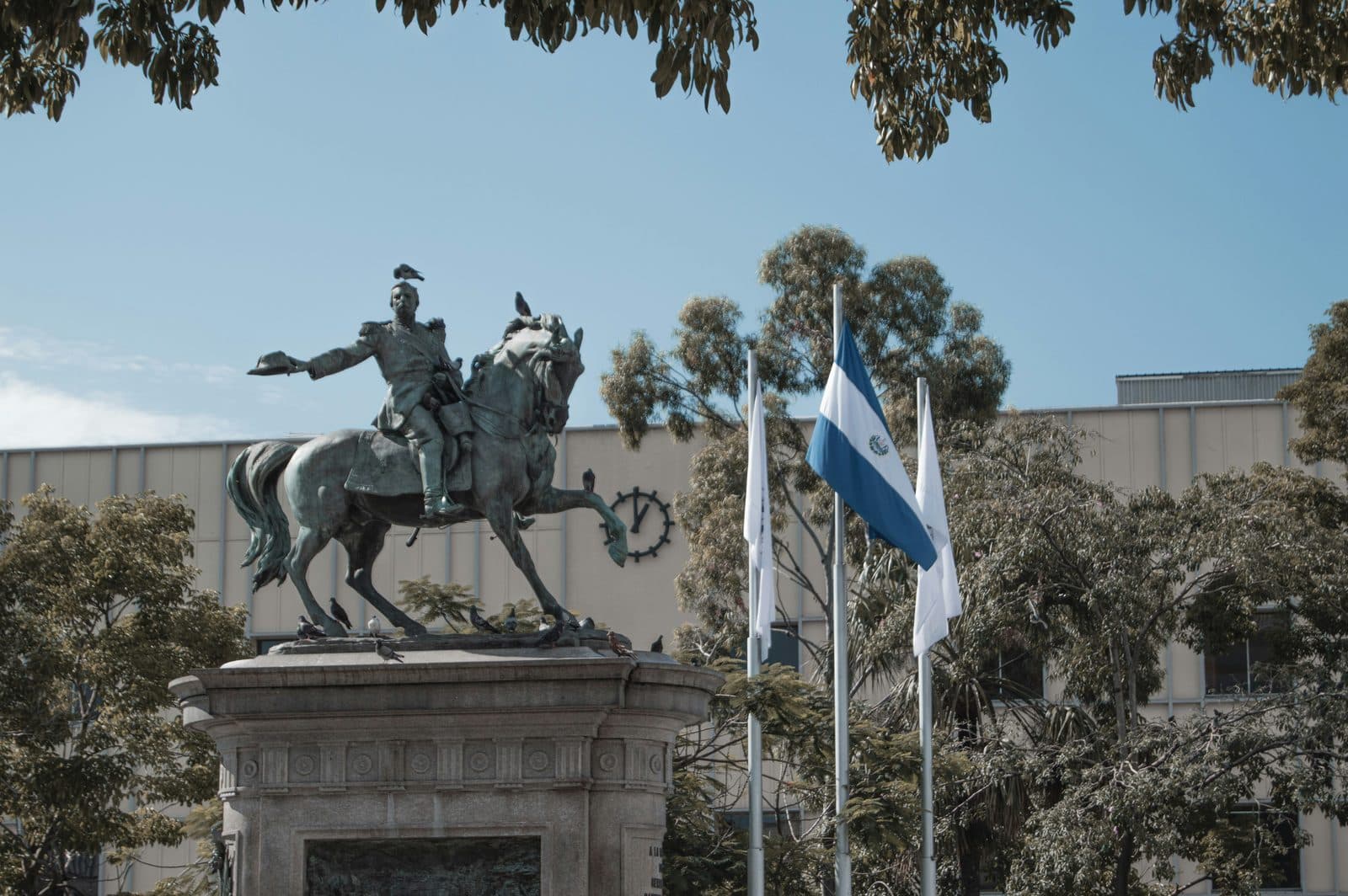
Best Self-Guided Walking Tours in San Salvador (2026)
How to See San Salvador: A Capital That Aspired to Be a Capital
One Day in San Salvador: A Walkable Historic-Center Itinerary (2026)
San Salvador Travel Guide: How Many Days, Getting Around, Is It Safe (2026)
Best History Walking Tours in San Salvador (2026)