Historic Center: The City That Keeps Coming Back
65 min · 1.1 km · easy
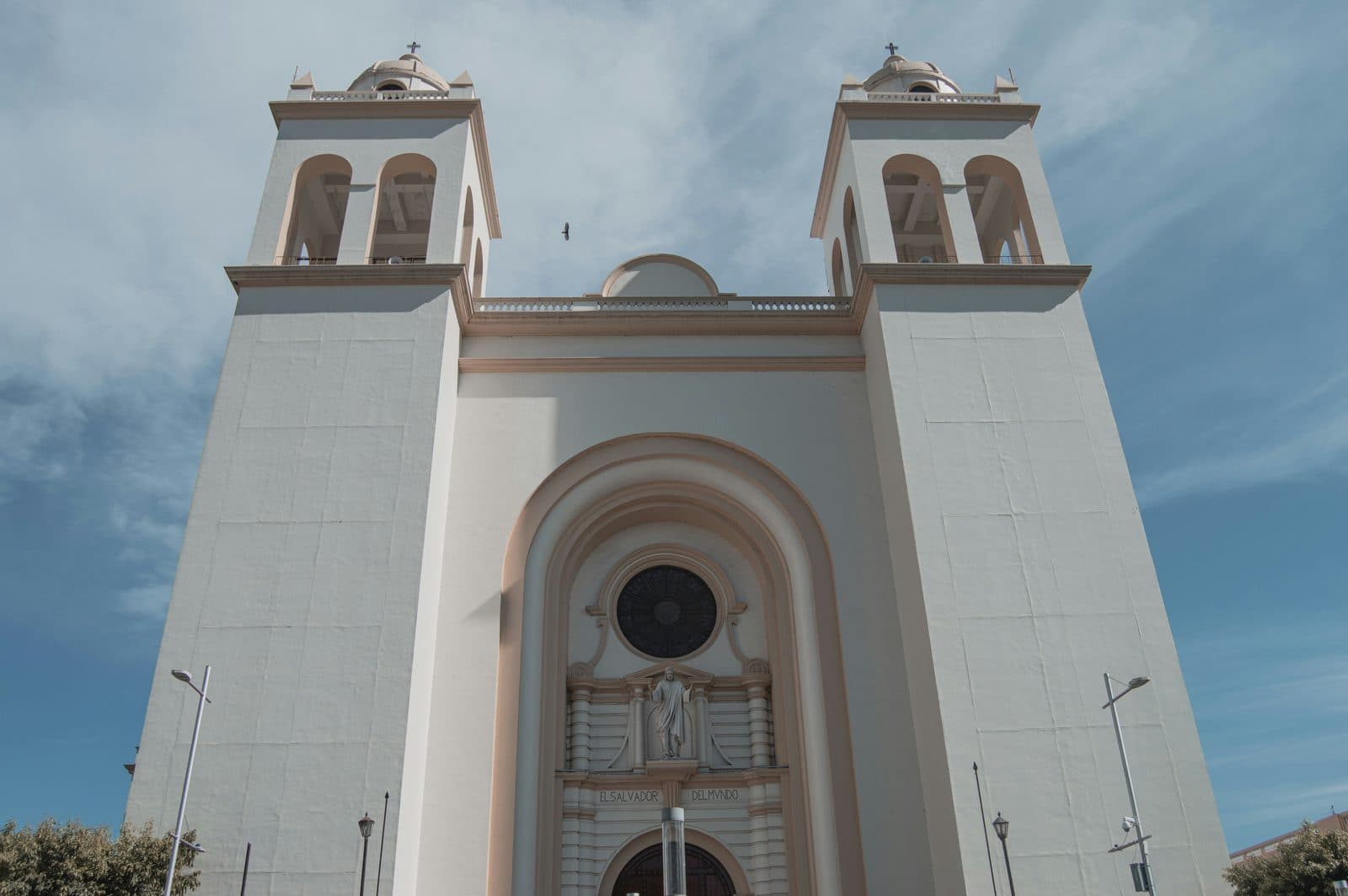
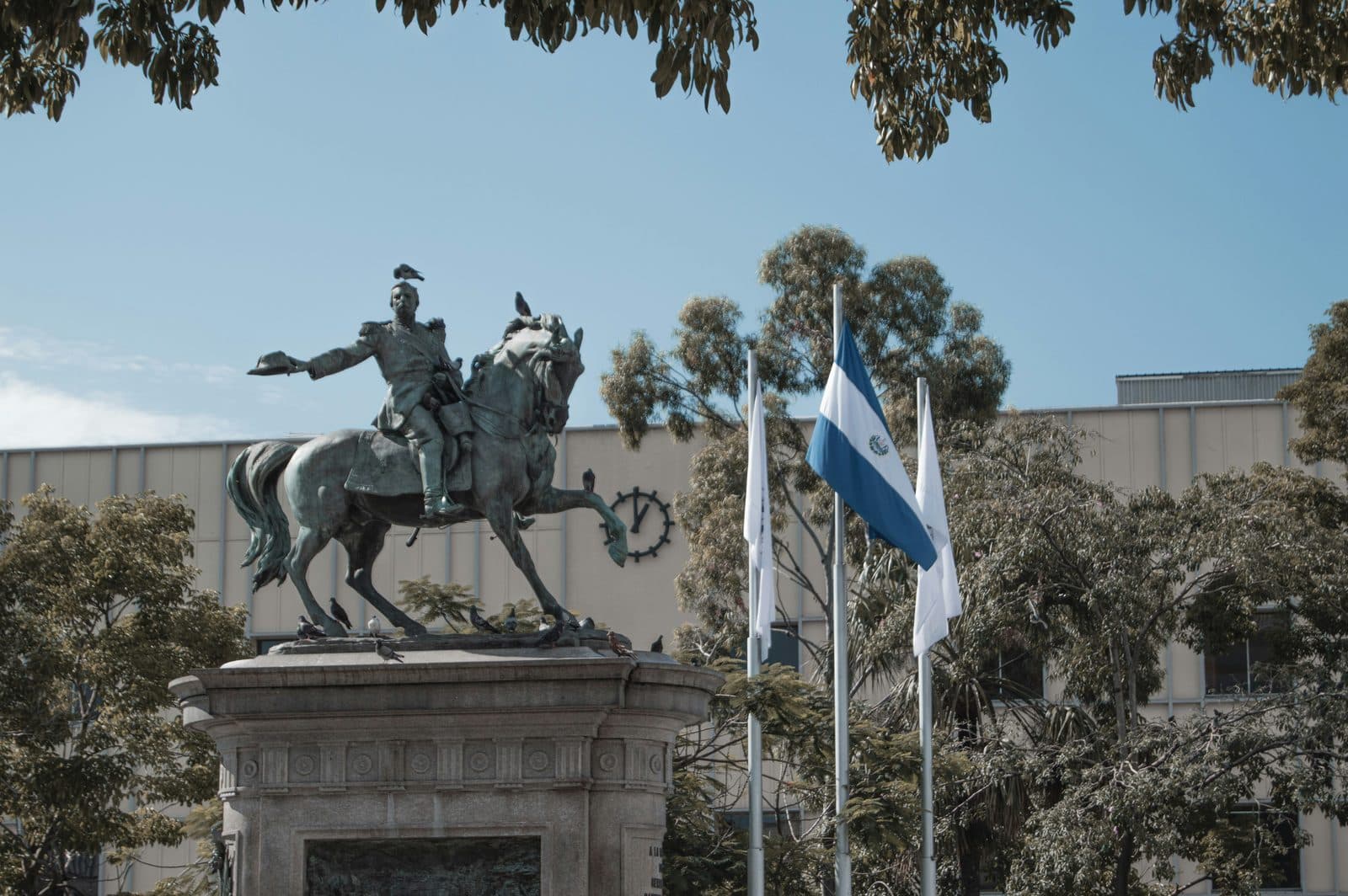
Stand in the center of Plaza Gerardo Barrios at ten in the morning. Look around. The plaza is four hectares of open paved space. The Palacio Nacional anchors the west side, the Catedral Metropolitana the north. The pavement is flat enough that you can see across to the National Theater two blocks south. The whole composition is built for crowds the city has rarely needed to assemble. It is almost twice the size of Mexico City's Zócalo, and Mexico has roughly twenty times the population.
That dimensional mismatch is the question the city asks every visitor before they have walked a block. Why does the smallest country in mainland America have one of the largest plazas?
The answer is in the buildings around you, and it is the same answer at every stop on a walk through the historic center. Late nineteenth-century San Salvador decided to look like a capital. It built the architecture first, and waited for the country to grow into it. The country never quite did. The architecture is what remains.
The Salvadoran moment
The buildings on this plaza are mostly the product of a thirty-year window between roughly 1880 and 1910. That window matters. El Salvador in this period was riding two commodity waves at once. Indigo, the deep blue dye that had built fortunes since the colonial era, was still being shipped out of Salvadoran ports in volume. Coffee, the crop that would replace it, was already pouring profit into the western highlands. The handful of families historians later called the Catorce Familias, the Fourteen, were richer than the government.
Most of that money went west, to Santa Ana, where it built a Gothic cathedral and a Beaux-Arts theater. But enough of it stayed in San Salvador to fund a civic upgrade. The 1854 earthquake had leveled the previous city, and the elite who rebuilt it did so with a particular ambition: they wanted San Salvador to look like a capital that the rest of Central America would have to take seriously.
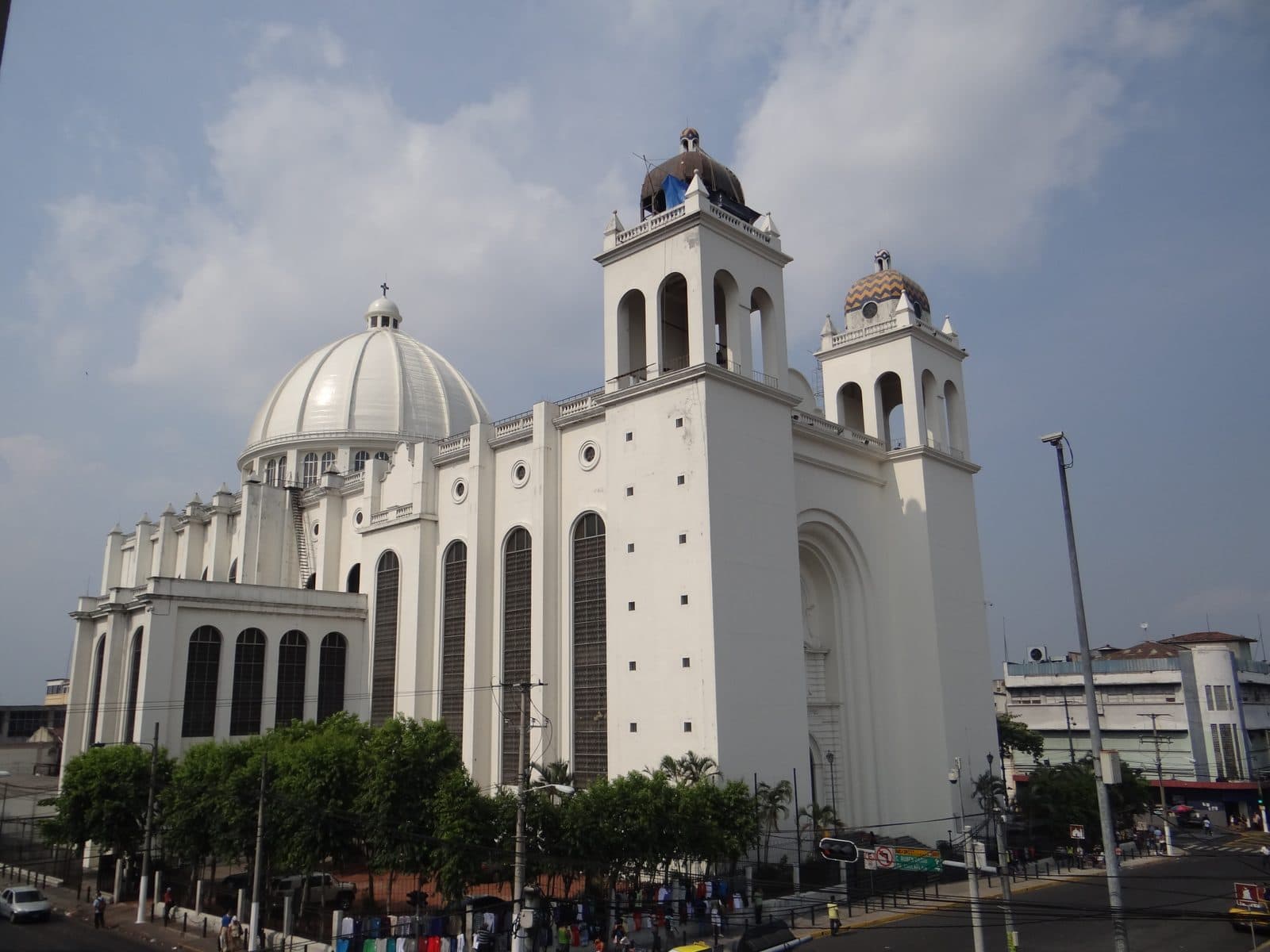
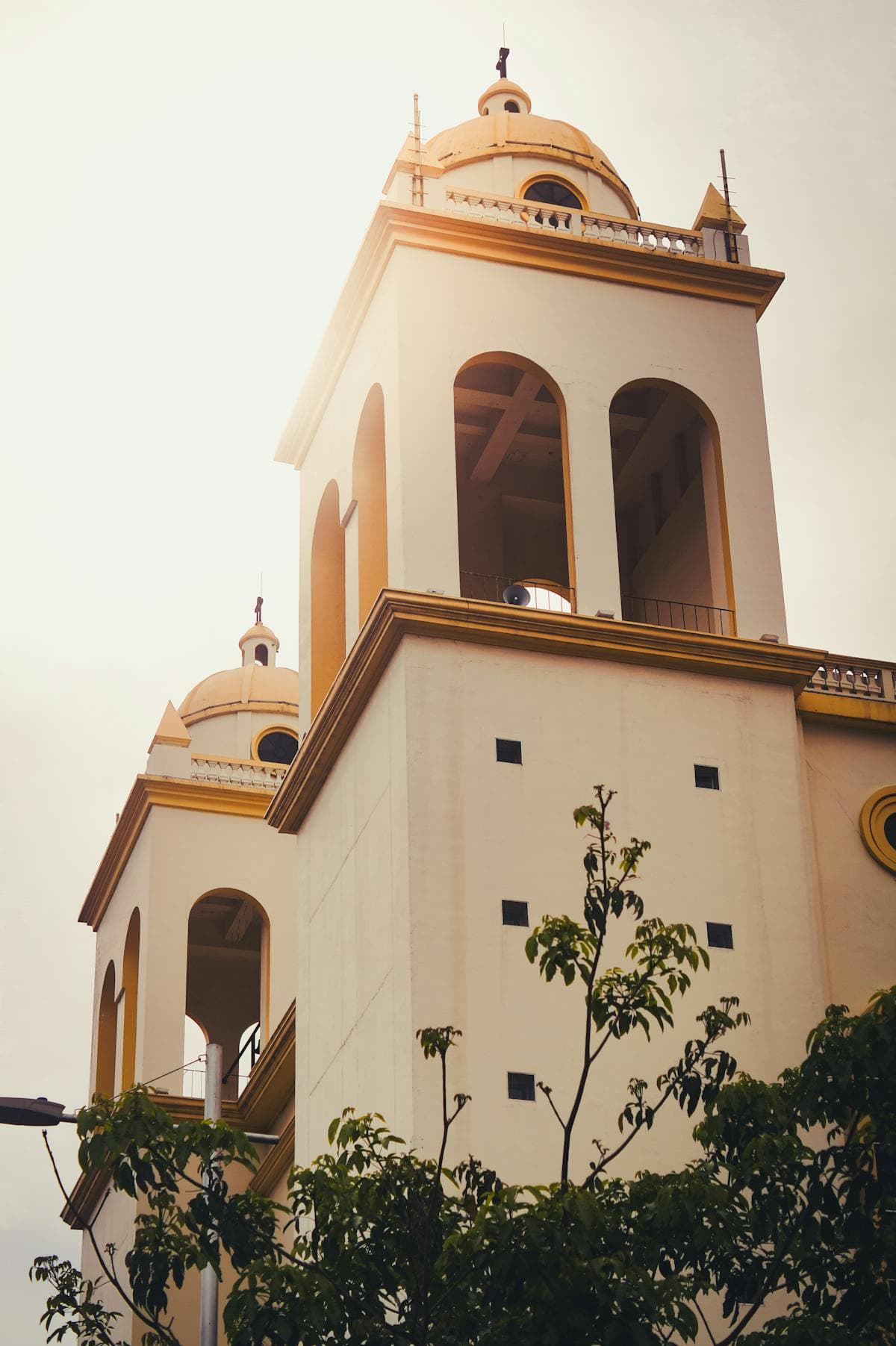
That ambition produced an unusual concentration of monumental buildings inside a four-block radius. The Palacio Nacional, finished in 1911 with a French iron frame imported from Belgium. The Teatro Nacional, finished in 1917, the oldest national theater still standing in Central America. The Catedral Metropolitana, begun in the 1950s on the foundation of an earlier church and never quite completed. The Iglesia El Calvario, a smaller Gothic church a few blocks south. And, on the eastern edge of the historic core, the Iglesia El Rosario, the strangest church in the Americas.
The plaza they ring is the punctuation that holds them together.
Why the buildings keep being unfinished
Hear a stop from this walk
Iglesia El Rosario: The Rainbow in Concrete
The Catedral Metropolitana is unfinished. The exterior is complete but the interior bays are bare. Most Salvadorans you talk to in the historic center will explain that this is on purpose. Romero is buried in the crypt. The cathedral remains incomplete as a promise that the work he started, the accounting for the country's dead, also remains incomplete.
That gesture is the second pattern of the historic center. The city repeatedly built grand civic monuments and then suffered events that interrupted them. Earthquakes in 1854, 1873, 1917, 1965, 1986, and 2001. A genocide of indigenous peasants in 1932 that historians call La Matanza. A civil war from 1980 to 1992 that killed about seventy-five thousand people, most of them civilians. A gang-violence crisis from the 1990s through 2022. Each interruption left visible traces on the architecture. Bullet holes. Patched facades. Stopped construction. Plaques.
Plaza Libertad, three blocks west of Plaza Barrios, holds the most explicit of these traces. The plaza was renamed Plaza Libertad in 1894 to commemorate a revolution. It has been a gathering point for protests during every Salvadoran political crisis since. The cathedral steps facing the plaza were the site of the 1980 funeral massacre at Romero's burial, when soldiers fired on mourners and killed dozens.
The architecture aspires. The country interrupts. The architecture aspires again. The historic center is the record of that argument.
What the rebuild is doing now
Walk through the center today and a third pattern overlays the first two. Since around 2018 the government has invested heavily in pedestrianizing downtown streets, restoring facades, and stationing tourist police. The result is a historic core that is genuinely walkable for the first time in a generation. The pavement on Calle Arce is new. The shutters on the Palacio facade are freshly painted. The Mercado Ex-Cuartel, the former military barracks at the southeast corner of the historic center, has been cleaned up and turned into a craft market.
The rebuild is itself an argument. The current administration is saying that the country has finally reached a moment of stability where the architecture's aspirations and the country's reality can converge. That argument is contested. What is not contested is that the historic center is the place where the argument is happening.
How to walk it
The eight stops on the historic center tour follow a compact loop. Plaza Gerardo Barrios, the Cathedral, Plaza Libertad, the Palacio Nacional, the Iglesia El Calvario, the Teatro Nacional, the Iglesia El Rosario, and the Mercado Ex-Cuartel. The whole loop is under two kilometers, mostly flat, at six hundred and sixty meters of elevation, which keeps the air cooler than the coastal cities.
The route is sequenced as a question and answer. The plaza opens the question. The Palacio offers the institutional answer, the buildings the elite wanted you to see. The Cathedral complicates the answer with the country's tragedies. El Rosario, sixty years younger than its neighbors, offers a modernist answer that the elite would not have chosen. The market grounds the whole exercise in the ordinary life that fills the civic stage on weekday mornings.
Walk it once. Then walk the rest of the city differently. The colonias to the west, the suburbs to the east, the highway running south to the coast: all of them are answers to questions the historic center was asking a century before they existed.
Frequently asked questions
- How many self-guided walking tours are there in San Salvador?
- Roamer currently has 2 self-guided audio walking tours in San Salvador. Every tour is free to start: the introduction and first stop play in full, and every later stop plays a short preview before you decide to buy.
- How much does a self-guided walking tour in San Salvador cost?
- Each tour is free to preview and $4.99 for lifetime access. If you want more than one, a 7-day pass is $12.99 and a 30-day pass covering every tour is $19.99, which works out to well under a dollar a day.
- Can I do the San Salvador tours offline?
- Yes. Tours can be downloaded in advance in the Roamer app and played with no signal, which is useful when you are travelling without mobile data.
- How long are the San Salvador walking tours?
- They run about 90 to 120 minutes, covering 2.5 to 4.5 km on foot, with up to 8 stops on the longest route. You set the pace and can pause any time.
Ready to experience it?
Historic Center: The City That Keeps Coming Back
65 min · 1.1 km · easy
More from San Salvador
Explore more at your own pace.
Best Self-Guided Walking Tours in San Salvador (2026)
One Day in San Salvador: A Walkable Historic-Center Itinerary (2026)
San Salvador Travel Guide: How Many Days, Getting Around, Is It Safe (2026)
Best History Walking Tours in San Salvador (2026)

What to Eat in San Salvador: A Salvadoran Food Guide (2026)