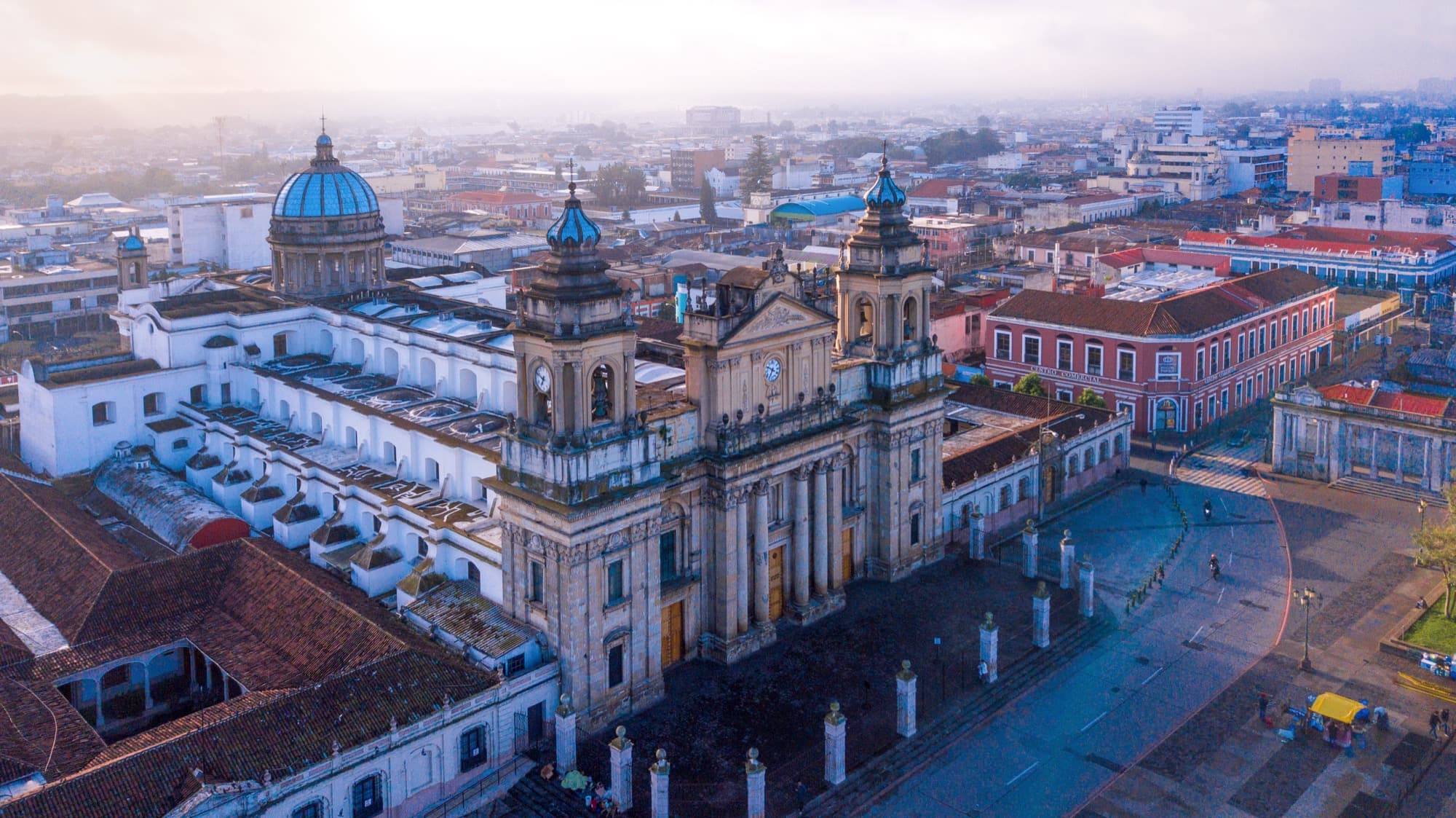
Historic Center: Who Rebuilt This City
75 min · 2.33 km · easy
Guatemalan food is a mestizo cuisine, the Maya foundation of maize, beans, and chilies layered over centuries with Spanish ingredients and technique. Its signature move is the recado, a sauce built by roasting and grinding seeds, chilies, and spices until it is thick, dark, and deep. And Guatemala City is the one place where every region of the country lands on a few walkable blocks: highland stews, coastal plates, market snacks, and world-class coffee, all within reach. This guide covers the dishes worth seeking out and where the food culture actually lives, and it pairs naturally with a slow walk on one of our Guatemala City self-guided tours.
The dishes to seek out
Pepian. Widely regarded as Guatemala's national dish: a thick, hearty stew whose recado is made by roasting and grinding pumpkin seeds (pepitoria), sesame seeds, and dried chilies, then simmering it with chicken, beef, or pork. It is the clearest taste of the Maya-Spanish blend at the heart of the cuisine.
Kak'ik. A bright red turkey soup from the Q'eqchi' Maya of Cobán, its color from achiote (annatto), its flavor from coriander and spicy chilies. One of the country's oldest and most distinctive dishes, and a highland classic you will find in the capital.
Hilachas. The name means "rags" or "shreds", a nod to the beef pulled into fine strips and simmered in a tangy tomato and guajillo-chili sauce with potatoes and carrots. Comforting, homestyle, and everywhere.
Tamales, paches, and chuchitos. Guatemala's tamale family is broad. Full tamales colorados are corn-masa parcels stained red with tomato and achiote, stuffed with recado, olives, capers, and meat, usually wrapped in banana or plantain leaves and eaten around Christmas. Paches swap the corn dough for mashed potato, a highland specialty. Chuchitos are the small, everyday tamale, wrapped in a corn husk, filled with chicken or pork in tomato sauce and topped with cheese.
Tostadas and garnachas. The market-counter snacks. Tostadas are crisp fried tortillas piled with toppings, most classically guacamole, black beans, or a tomato salsa, finished with cheese and parsley. Garnachas are small fried tortillas topped with meat, onion, and cheese, and they sit alongside dobladas and tacos on the same counters. This is grazing food, cheap and immediate.
Rellenitos. The sweet everyone remembers: mashed ripe plantain wrapped around a filling of sweetened black beans and cinnamon, then fried and dusted with sugar. A perfect market dessert.
Coffee. Guatemala is a celebrated coffee origin. The Antigua, Huehuetenango, and Atitlan regions are especially prized, their beans grown in volcanic soil at altitude for chocolate and citrus notes. In the capital you can drink excellent single-origin Guatemalan coffee in cafes across Zona 10 and Zona 4, often sourced from farms a short drive away.
Where the food culture lives
Hear a stop from this walk
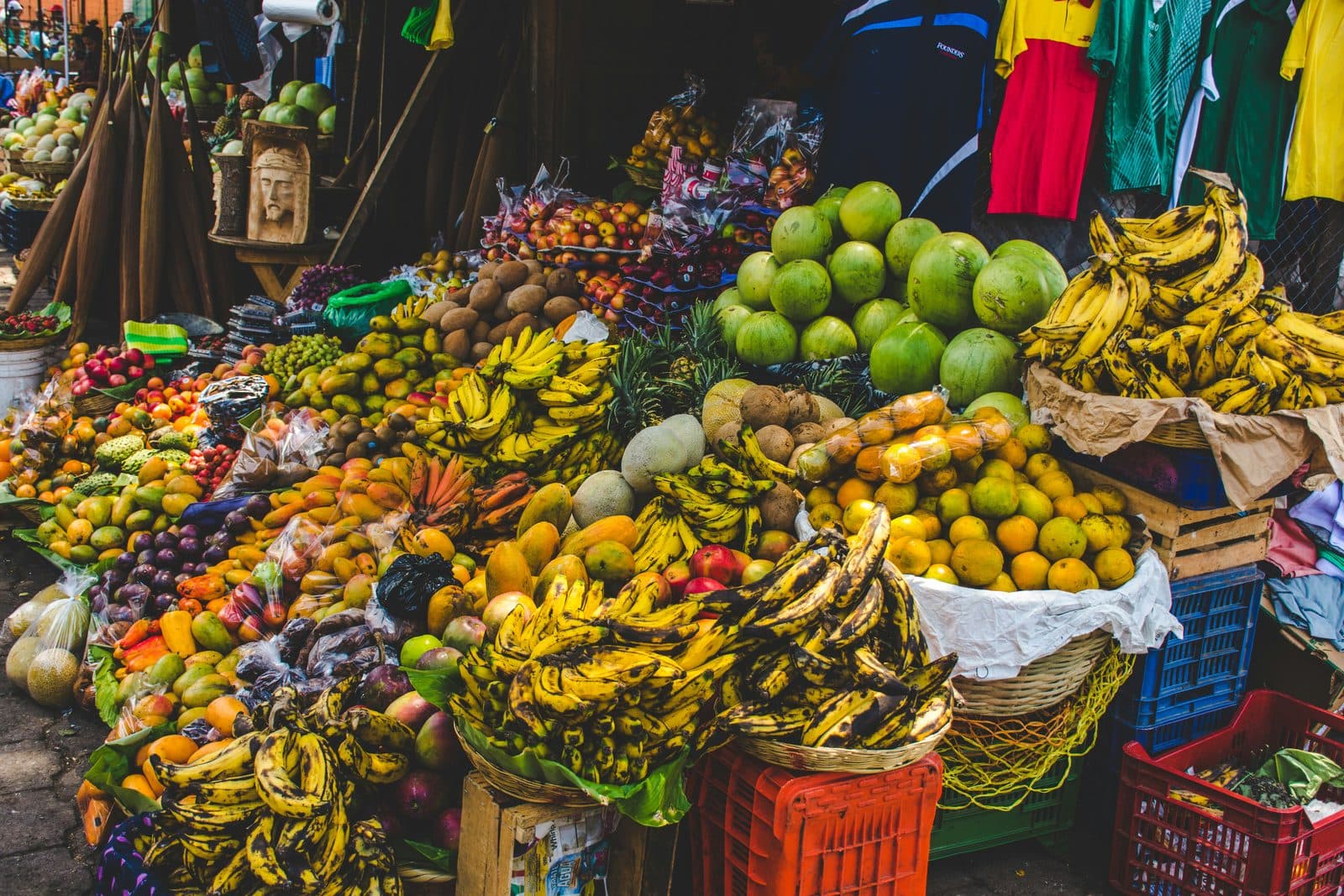
Mercado Central: The Invisible Economy
Zona 1 comedores and the Mercado Central. The historic center is where Guatemalan cooking is at its most honest and affordable. Sit-down comedores serve the big stews (pepian, kak'ik, hilachas), and the Mercado Central, tucked beneath the cathedral, is the place to graze on tostadas, chuchitos, and rellenitos. Walk it with the Who Rebuilt This City tour, which passes the market and the plaza it feeds.
Zona 4, for street food and craft. The Cuatro Grados Norte strip mixes Guatemalan street stands with taprooms and international spots, an easy, walkable place to eat and drink in the evening.
Zona 10, the Zona Viva, for a polished dinner. The upscale district holds the city's international restaurants and its most refined Guatemalan kitchens, the place to sit down for a proper dinner. It is also the safest area to be out after dark, which makes it the natural close to a day on foot. If your walk that day was Avenida Las Americas, the Boulevard of the Americas tour ends within easy reach of the Zona Viva tables.
Market counters everywhere, for the recado. The truest expression of the cuisine is the roasted, ground sauce at the base of the stews. You will taste it best where it is made in quantity: busy comedores and market kitchens rather than tourist restaurants.
Eat as you walk
The best way to work through this list is on foot, one zone at a time. Pair a morning in the Zona 1 center with a comedor lunch and market snacks, an afternoon of museums with a Zona 4 coffee, and an evening in the Zona Viva with a sit-down dinner. Route your day with the one day in Guatemala City itinerary, plan the practical side with the Guatemala City travel guide, and browse all Guatemala City tours. Every tour is free to start: the introduction and first stop play in full, and every later stop plays a short preview before an optional purchase.
Frequently asked questions
- What food is Guatemala City known for?
- Guatemala City serves the full range of Guatemalan cuisine because every region concentrates in the capital. The headline dishes are pepian (the thick, seed-thickened national stew), kakik (a bright red Qeqchi Maya turkey soup), and hilachas (shredded beef in a tomato and chili sauce). Everyday favorites include chuchitos and larger tamales, potato-based paches, tostadas and garnachas from market counters, and rellenitos, sweet fried plantain filled with black beans. Guatemala is also a world-class coffee origin.
- What is the national dish of Guatemala?
- Pepian is widely regarded as the national dish of Guatemala. It is a thick, hearty stew dating to the colonial era, built on a recado, a sauce made by roasting and grinding pumpkin and sesame seeds with dried chilies and spices, then simmering it with chicken, beef, or pork. It is a direct expression of the Maya-Spanish blend that defines the cuisine, and you will find it on comedor menus across the capital.
- Where should you eat in Guatemala City?
- For honest, inexpensive Guatemalan cooking, the comedores and market counters of Zona 1, including the Mercado Central, and the street stands of Zona 4. For a polished dinner and international range, the restaurants of Zona 10, the Zona Viva. Market counters are the place to graze on tostadas, garnachas, and chuchitos, while sit-down comedores serve the big stews like pepian and kakik.
- Is Guatemalan coffee worth trying?
- Very much. Guatemala is a celebrated coffee origin, with the Antigua, Huehuetenango, and Atitlan regions especially prized for beans grown in volcanic soil at altitude, giving chocolate and citrus notes. In Guatemala City you can drink excellent single-origin Guatemalan coffee in cafes across Zona 10 and Zona 4, often from farms a short drive away.
Ready to experience it?
Historic Center: Who Rebuilt This City
75 min · 2.33 km · easy
More from Guatemala City
Explore more at your own pace.
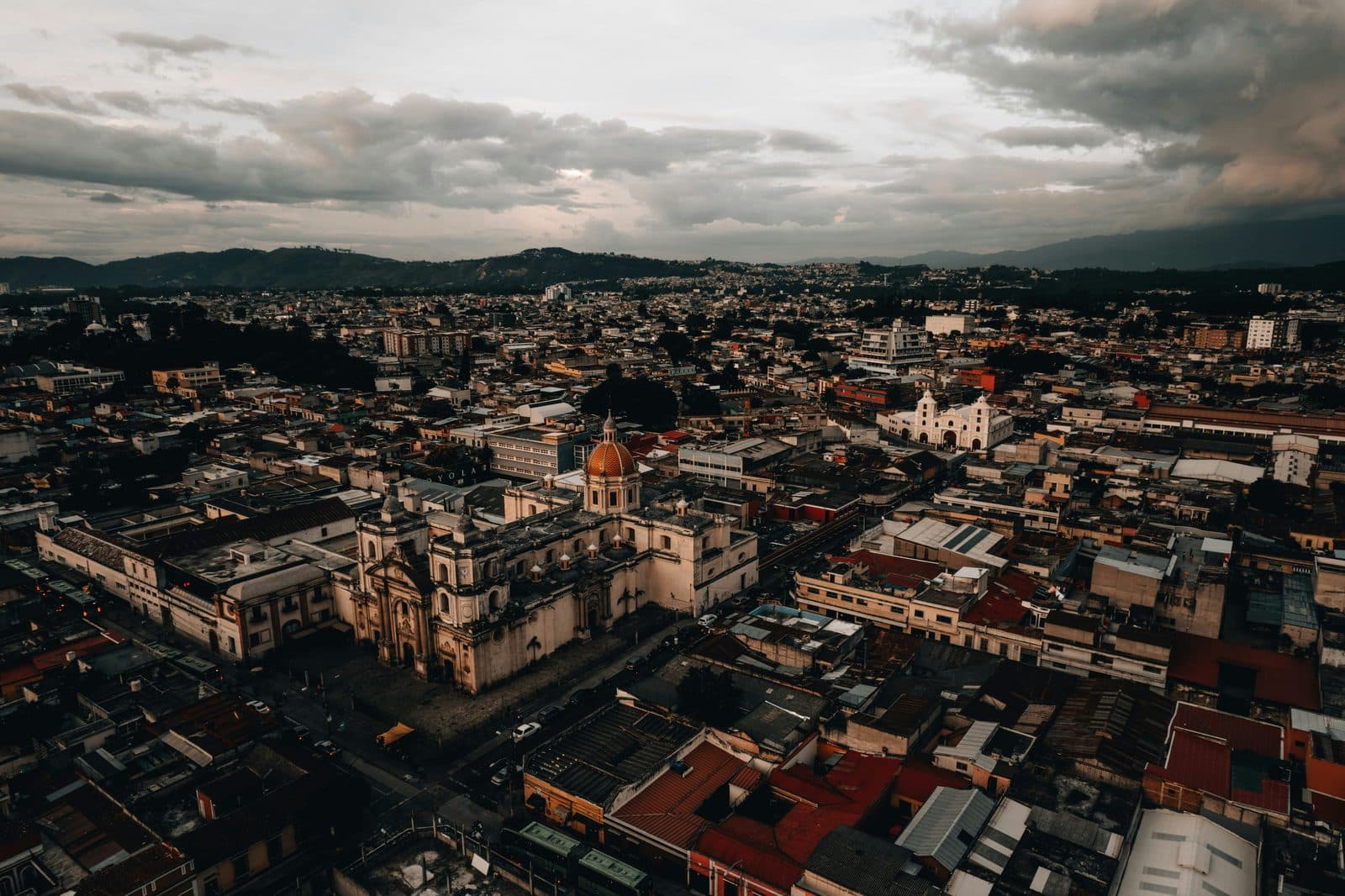
Best Self-Guided Walking Tours in Guatemala City (2026)
Guatemala City Travel Guide: How Many Days, Getting Around, Is It Safe (2026)
One Day in Guatemala City: A Walkable Itinerary (2026)
Best History Walking Tours in Guatemala City (2026)
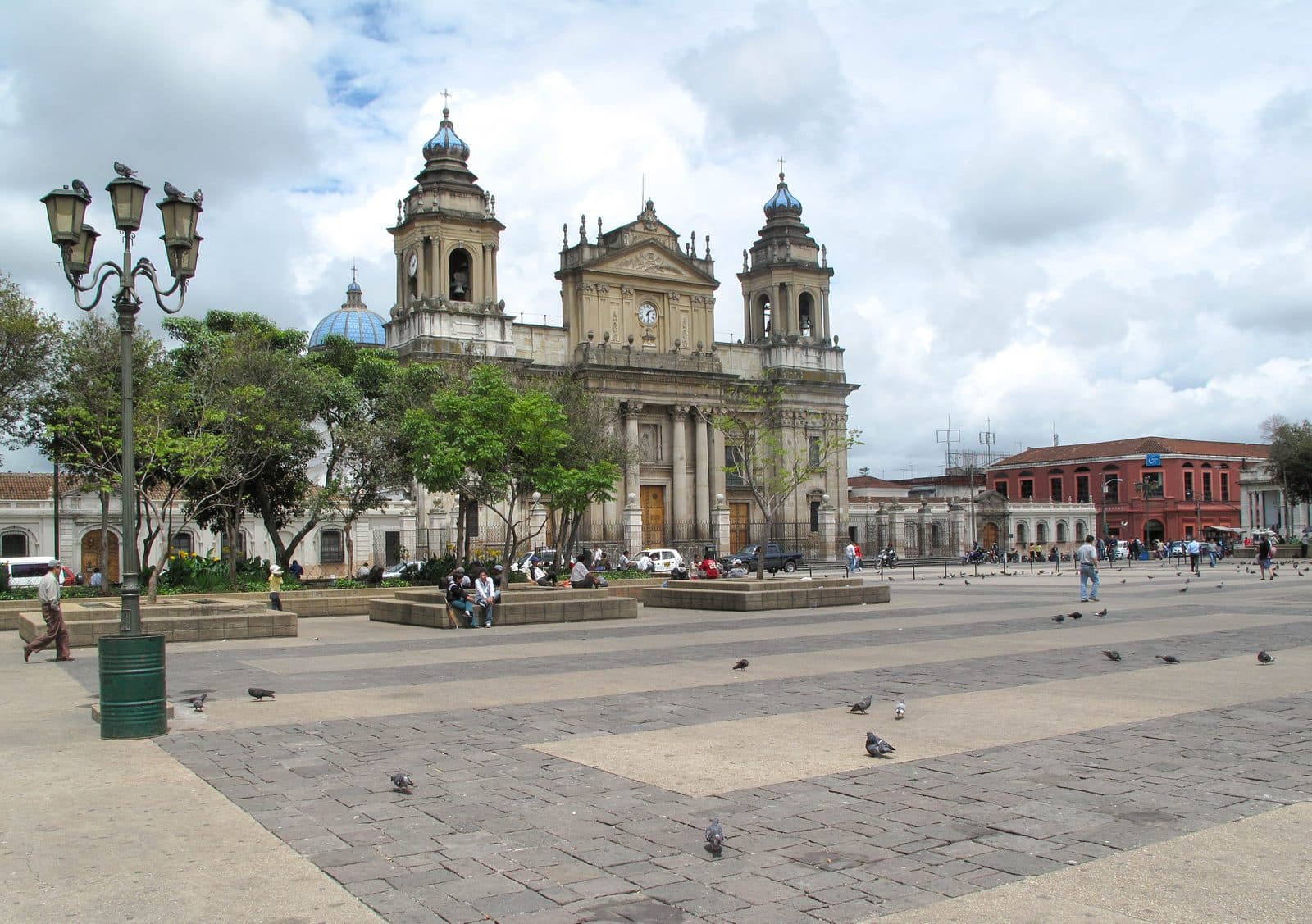
The Argument in Bronze: A Companion to the Boulevard of the Americas