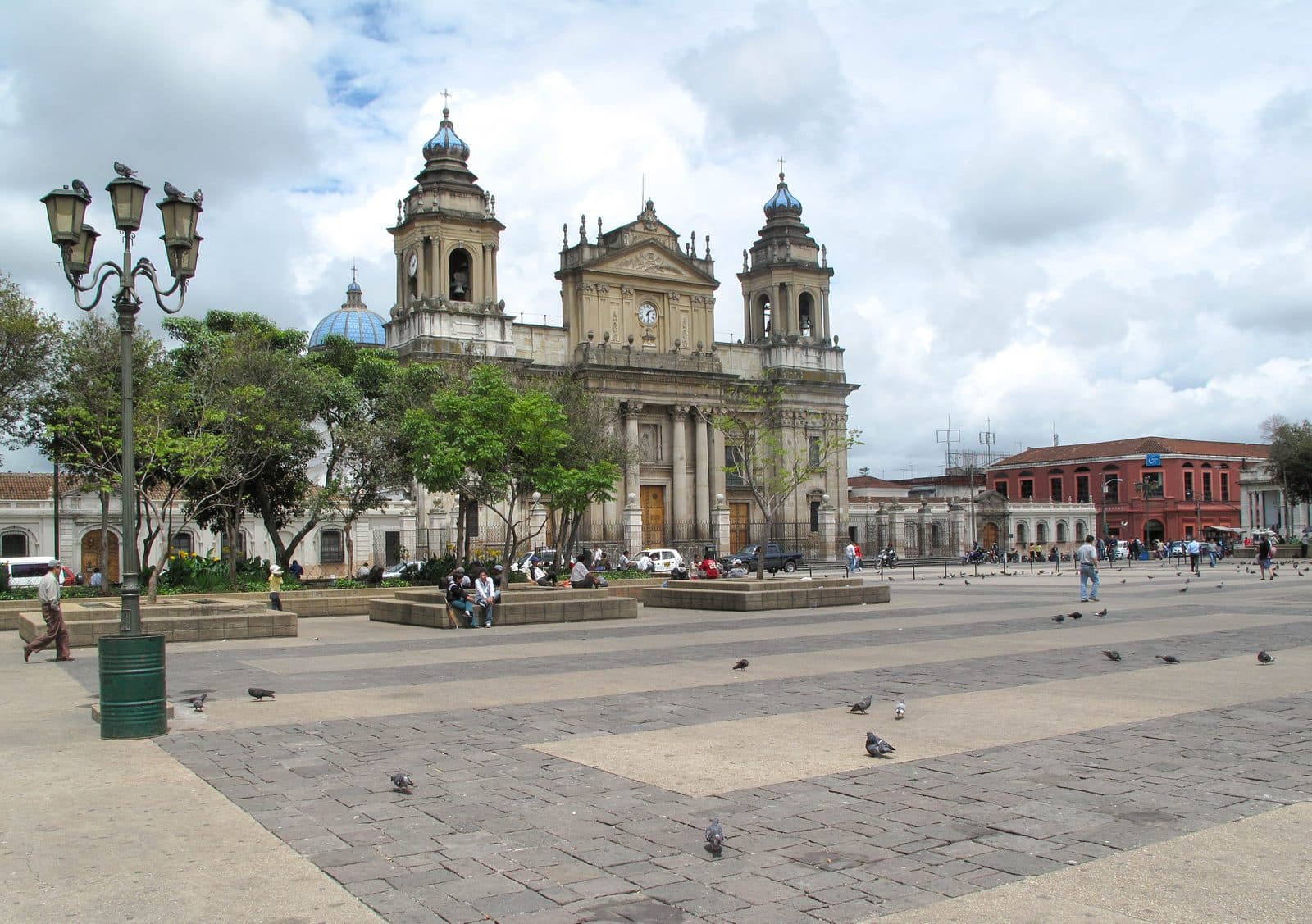
The Avenida de Las Américas runs three kilometres through the southern half of Guatemala City. It is a divided boulevard with a wide median that carries, plaza by plaza, monuments to the national heroes of the Americas. Bolívar. Juárez. San Martín. Martí. Each plaza is a small island of bronze or stone, surrounded by traffic. From a passing car, the boulevard reads as ceremonial infrastructure. From the sidewalk, walking south from the Obelisco to the Berlin Wall fragments at the southern terminus, it reads as something more interesting: a working political document that has been continuously edited since the 1890s.
The walking tour treats nineteen plazas in sequence. This companion supplies the wider frame the audio cannot stop to lay out at every monument.
How the road got here
The colonial city of 1776 ended well to the north of the modern boulevard. The southern reaches were rural until the late nineteenth century. The first piece of what would become Las Américas was traced in the 1890s by the Liberal president José María Reyna Barrios, who wanted Guatemala City to have a ceremonial avenue on the Parisian model. He had spent time in France. He had read about Haussmann's reorganisation of Paris in the 1860s. He extended the Avenida La Reforma, the central north-south spine of his planning programme, southward toward what was then unbuilt land.
Reyna Barrios was assassinated in 1898. The boulevard went unfinished for half a century. Various governments added pieces. Under the dictator Manuel Estrada Cabrera, who ruled from 1898 to 1920 and modelled himself on Reyna Barrios, the avenue's northern stretches were completed. Under Jorge Ubico, the dictator who governed from 1931 to 1944, the Obelisco was inaugurated in 1935 as a centennial monument to the Liberal reformer Justo Rufino Barrios. The Obelisco sits at what is now the northern end of the Las Américas walk.
In October 1944, a popular uprising forced Ubico out. The 1945 election brought Juan José Arévalo to the presidency. Arévalo was a philosophy professor who had spent the dictatorship years in exile in Argentina, writing about what he called "spiritual socialism." His government was the first democratic government in Guatemalan history. In 1948, Arévalo renamed the southern extension of the avenue Avenida de Las Américas, to mark the founding of the Organization of American States that year. In 1951, the monumental programme was announced in the official government newspaper, the Diario de Centro América: a series of plazas, each dedicated to a country of the Americas, each holding a statue of a national hero.
Three years later, in June 1954, that government was overthrown in a CIA-backed coup. The coup was titled Operation PBSUCCESS in the agency's internal documents. The successor government, led by Colonel Carlos Castillo Armas, undid most of Arévalo's reforms. But the boulevard, peculiarly, kept being built. Castillo Armas's government inaugurated some of the early plazas. The military governments that followed across the next four decades continued the work. Even at the height of the civil war (1960 to 1996), monuments were being added. Hemispheric symbolism was useful to every government. The form survived the politics.
The pattern of monuments
Hear a stop from this walk
Honduras
Walking south from the Obelisco, you pass a sequence that, if you read it as a single document, is a kind of survey of what Latin American liberation has meant at different moments. Simón Bolívar (Stop 2) liberated six South American nations and died penniless. Benito Juárez (Stop 6) led Mexico's Liberal reform against French invasion. José de San Martín (Stop 5) freed the southern cone. José Martí (Stop 14) wrote the case for Cuban independence and died in his first battle. The donors who funded each plaza include the embassies of the countries honoured, the OAS, occasional Guatemalan corporate sponsors, and at least one private collector who paid for a bust because his family was from the country in question.
Some plazas are simple, like the modest Plaza Chile, where a head-and-shoulders bust on a pedestal sits in a small grass island. Others are elaborate, like the Plaza Bolívar with its bronze equestrian statue donated by Venezuela in 1990. Some monuments have been the targets of recurring theft: bronze busts, especially the smaller and lighter ones, have been stolen for scrap metal value across the past three decades. The Plaza Costa Rica bust was stolen in 2008 and replaced in 2020. The Plaza Honduras has been stolen and replaced more than once. The bronze fetches roughly the price of a few quetzales per kilogram. Monuments to hemispheric solidarity, melted down for the price of a meal.
The boulevard treats the thefts as part of its texture rather than as an interruption. Plaques have been reinscribed. Replacements are made. The Foreign Ministry maintains a small budget for boulevard upkeep. The pattern is replacement, not abandonment.
The discontinuities
The tour pauses at three discontinuities in the otherwise hemispheric sequence.
The first is the Plaza Juan Pablo the Second (Stop 17), commemorating the 1996 papal visit to Guatemala that took place during the peace negotiations. The plaza is unusual in being dedicated not to a national hero of a country of the Americas but to a Polish pope who visited the country three times. The donor was the Guatemalan Catholic Church. The plaza was inaugurated in 2002. The same sculptor who carved the coat of arms on the Obelisco in 1935, Rodolfo Galeotti Torres, designed the original 1996 bust, his last public commission before his death. The boulevard's first and last named acts of carving belong to the same man.
The second is the Plaza Berlín (Stop 18), at the southern end of the boulevard. The plaza holds three slabs of the Berlin Wall, transferred to Guatemala in 1991 by the reunified German government as a gift to the city. The slabs are painted on the western side, in the graffiti that was characteristic of the wall in its last decade, and bare on the eastern side. They are mounted in a small landscaped garden. The monument is dedicated to "the fall of all the walls." The plaque does not name any specific Guatemalan wall, but the implicit reference to the country's recently ended civil war is the reading the boulevard's curators have endorsed in interviews.
The third is a series of more recent murals and small interventions that the audio does not have time to enumerate. In 2014, a mural was added near the Plaza Cuba. In 2022, a new monument appeared. In August 2020, a stolen bust was replaced. The boulevard is being continuously edited.
Two readings
The boulevard offers two readings to a walker holding both at once.
The first reading is the official one. A unified hemispheric monument. The Americas in dialogue. Bolivarian fraternity, the OAS, the Pan-American spirit of the late twentieth century. This reading is the one the plaques want to tell. Most visitors who walk the boulevard for the first time pick this reading up easily, because the monuments are arranged to support it.
The second reading is the one the audio holds open. The boulevard was built by successive governments who did not agree about what freedom meant. The Obelisco was the dictator's monument. The naming was the democrat's gesture. The 1951 programme was the democratic government's, and a Cold War coup three years later turned the programme into a piece of public infrastructure that the next four decades of military rule kept building anyway. The Berlin Wall fragments came from a different country's history but were absorbed into Guatemala's because the symbolism mapped onto the local civil war.
What the boulevard is doing, read this way, is staging a question about freedom that the country has not finished answering. Whose freedom? Freedom from what? Freedom in whose name?
What it means to walk it now
A walk down Las Américas takes about ninety minutes if you stop and read every plaque. Most visitors do not stop, because the plaques are dense and the plazas are spaced for cars rather than for pedestrians. The tour exists in part because the boulevard rewards close reading and resists casual encounter.
A few practical notes the audio mentions in passing. The walk runs through Zonas 13 and 14, the embassy and hotel zones, which are among the safer districts of the city during daylight hours. Some of the plazas sit on median islands and require crossing the boulevard at marked crosswalks. The shade is uneven. Late afternoon, after about four o'clock, is the most comfortable time to do the walk. Bring water.
The thing the boulevard does that no Guatemala City museum does is hold a hundred and thirty years of political argument in a single accessible promenade. Every government that has tried to claim hemispheric meaning has left something here. None of them has erased what the previous one left. The result is a layered text whose argument is, by accumulation, more honest than any single regime intended.
The argument is still going. The next government, the next mayor, the next foreign embassy with a hero to install, will probably add another piece. The boulevard does not finish. That is the point.
Ready to experience it?
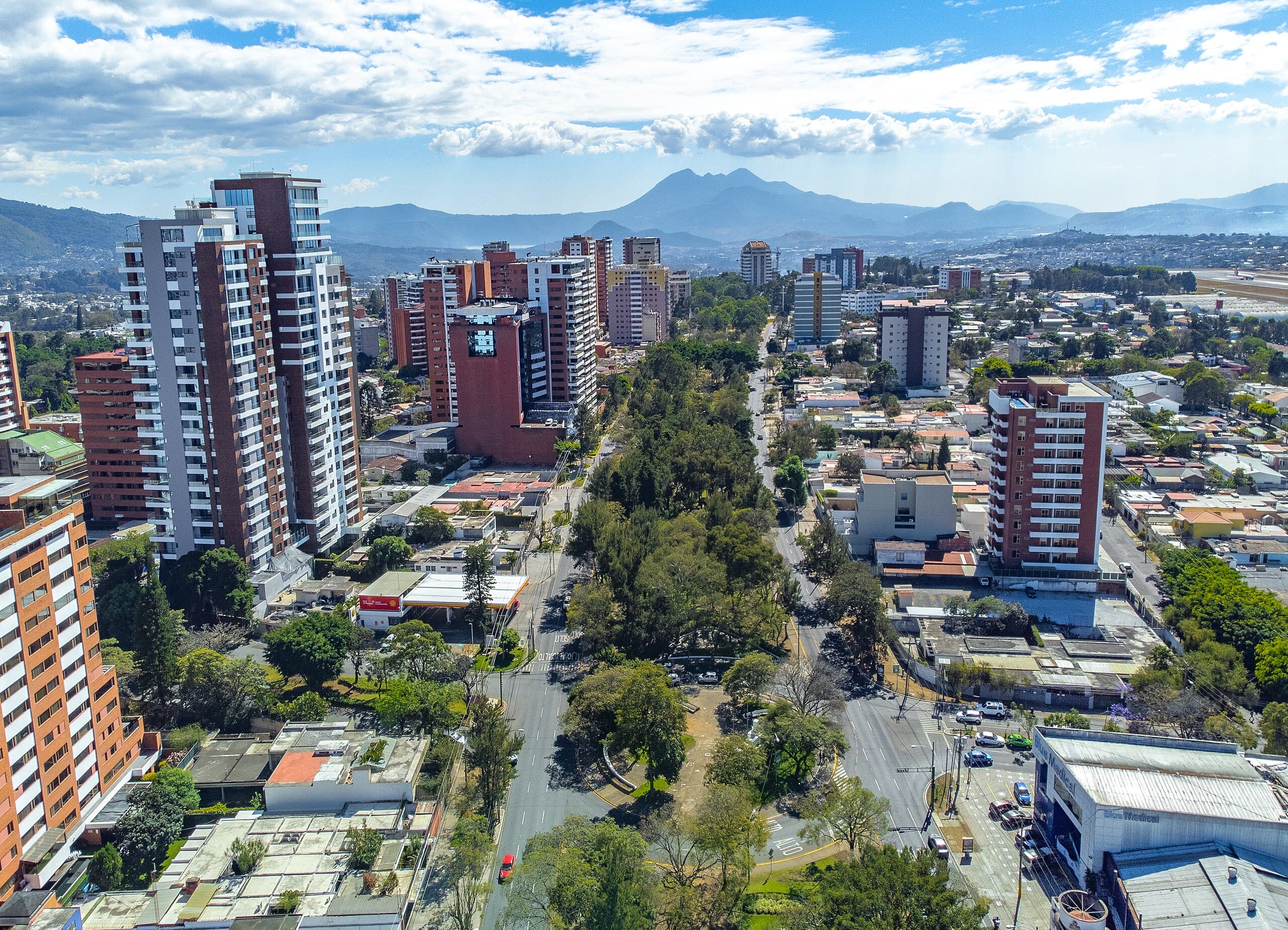
Boulevard of the Americas: What Survives
120 min · 3.5 km · easy
More from Guatemala City
Explore more at your own pace.
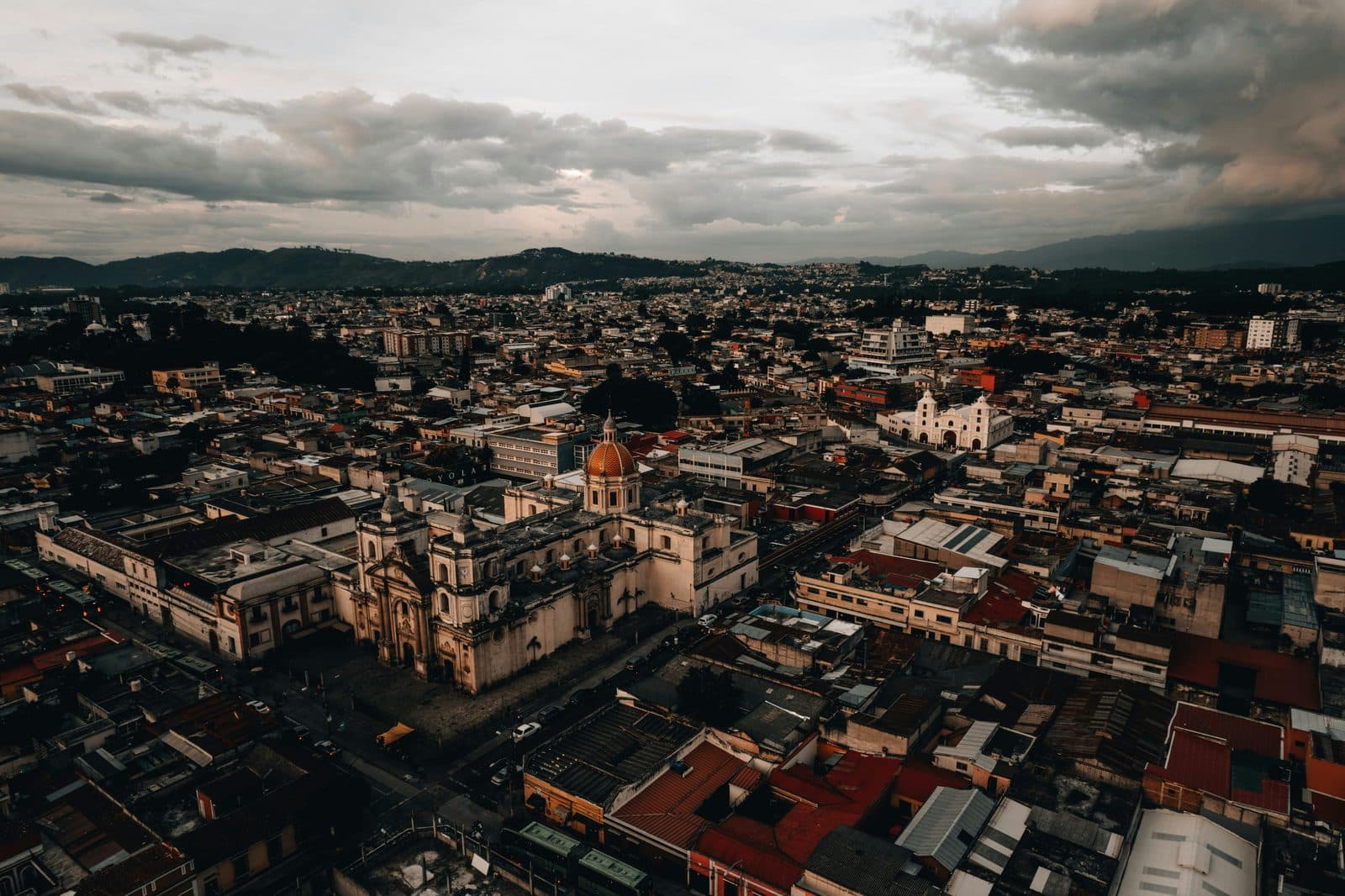
Best Self-Guided Walking Tours in Guatemala City (2026)
Guatemala City Travel Guide: How Many Days, Getting Around, Is It Safe (2026)
One Day in Guatemala City: A Walkable Itinerary (2026)
Best History Walking Tours in Guatemala City (2026)
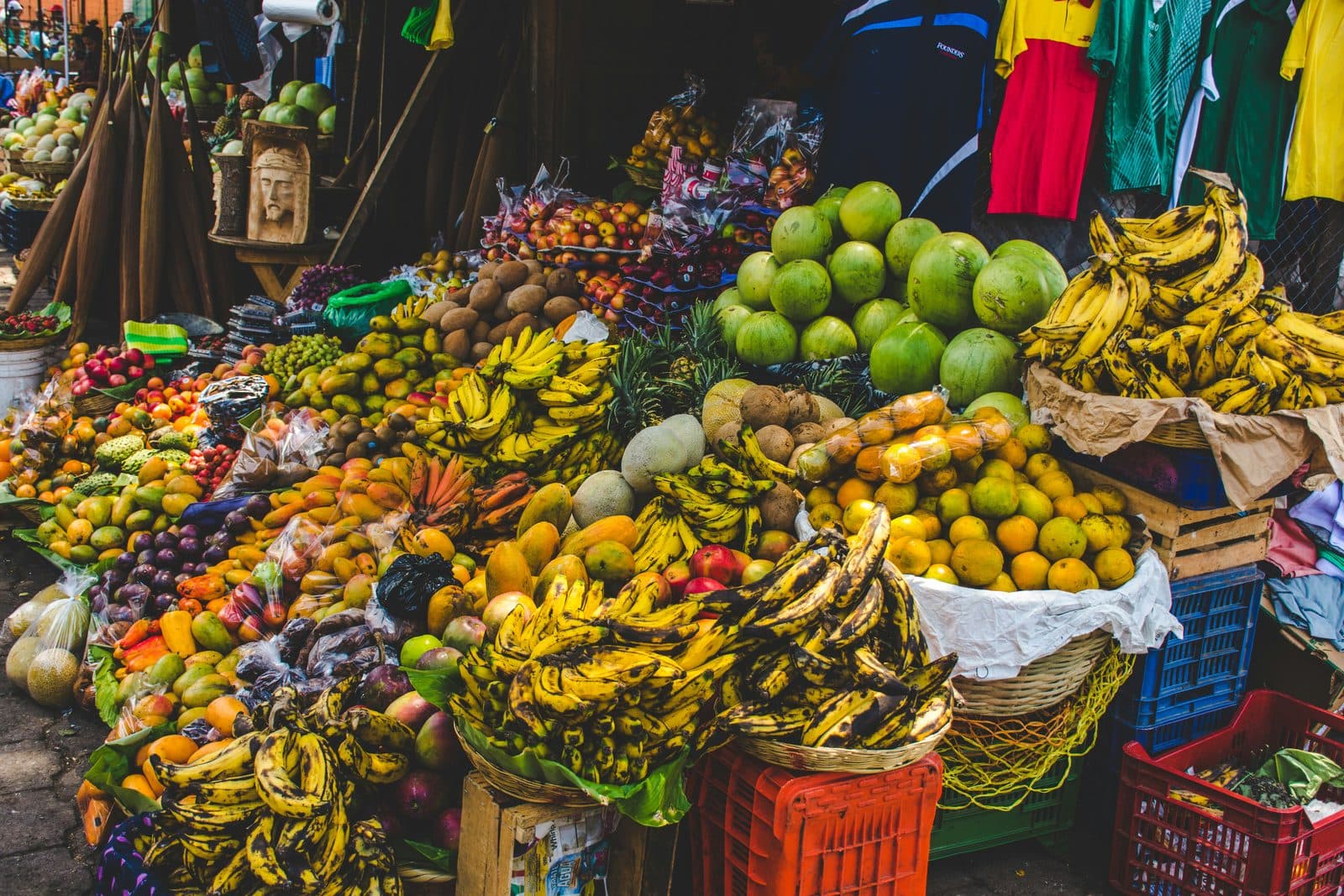
What to Eat in Guatemala City: A Food Guide (2026)