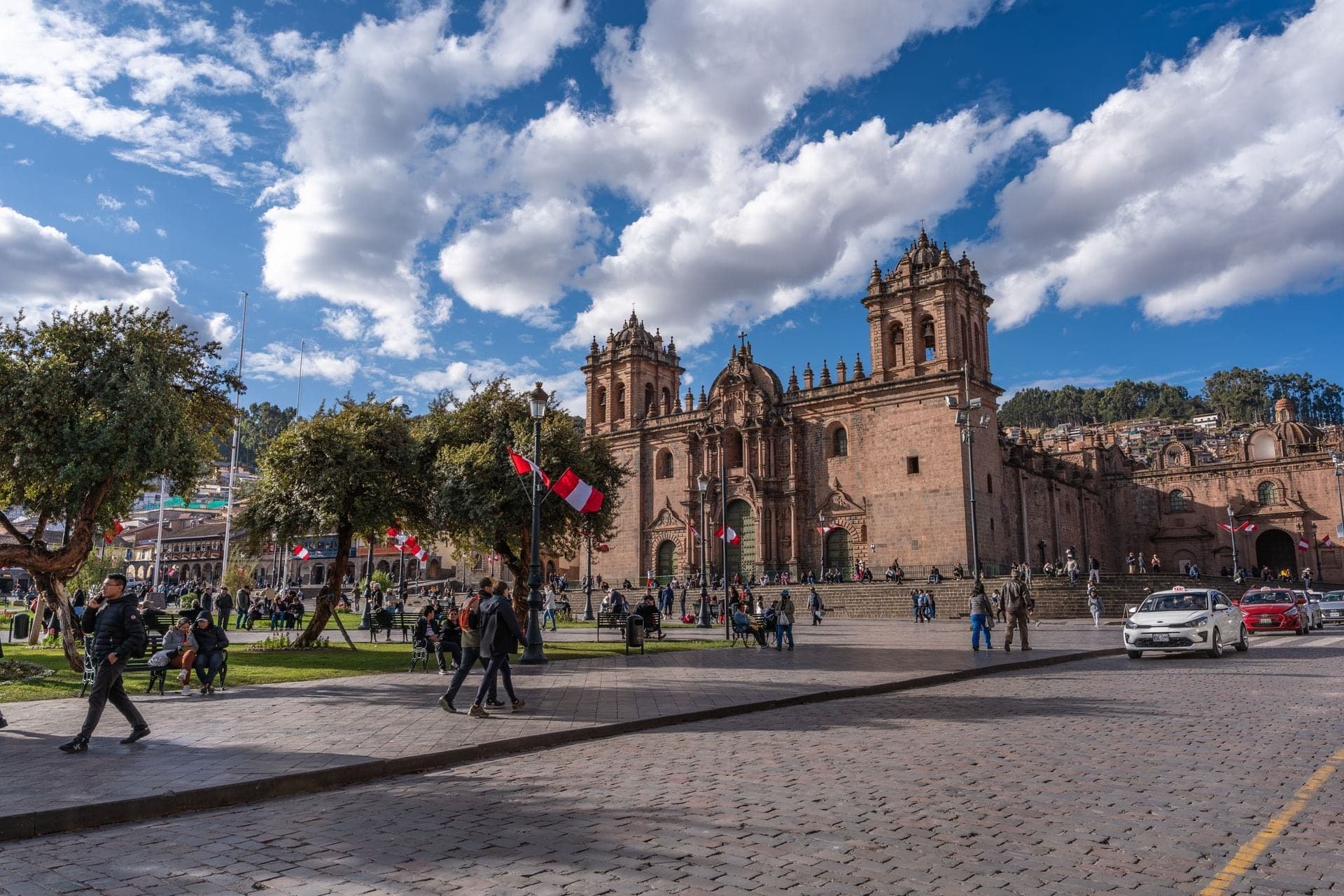
Historic Center: The City Built on Inca Walls
90 min · 2.4 km · moderate
Cusco food is Andean before it is anything else. This is the old heart of the Inca world, and the highland larder that fed it is still the one on the plate: thousands of native potato varieties, giant white corn from the Sacred Valley, quinoa, guinea pig, and alpaca, cooked with techniques that predate the Spanish. Eating well here means eating the highlands, altitude and all, and it pairs naturally with a slow walk on one of our Cusco self-guided tours. Here are the dishes and drinks worth seeking out, and where the food culture actually lives.
The dishes to seek out
Cuy. The region most iconic, most photographed dish: guinea pig, eaten in the Andes for thousands of years and reserved for feasts and celebrations. It is usually served cuy al horno (oven-roasted) or cuy chactado (pressed flat and fried), often whole with crackling skin, sometimes marinated with garlic and the aromatic Andean herb huacatay. It is rich and gamey, with little meat for its size, so many travelers order it once to try. Treat it as an experience, not an everyday plate.
Alpaca. The easier introduction to Andean meat: lean, tender, and high in protein, with a mild flavour close to a light beef. You will find it grilled as a steak, in stews, and in a local version of lomo saltado, the classic Peruvian stir-fry of meat with onions, tomatoes, soy, chips, and rice.
Chicharron. Cusco-style chicharron is pork marinated in spices (often with chicha de jora) and fried until tender, served with Andean potatoes, giant corn, and a salad. It is a beloved market and weekend dish, and the San Pedro Market is one of the best places to eat it.
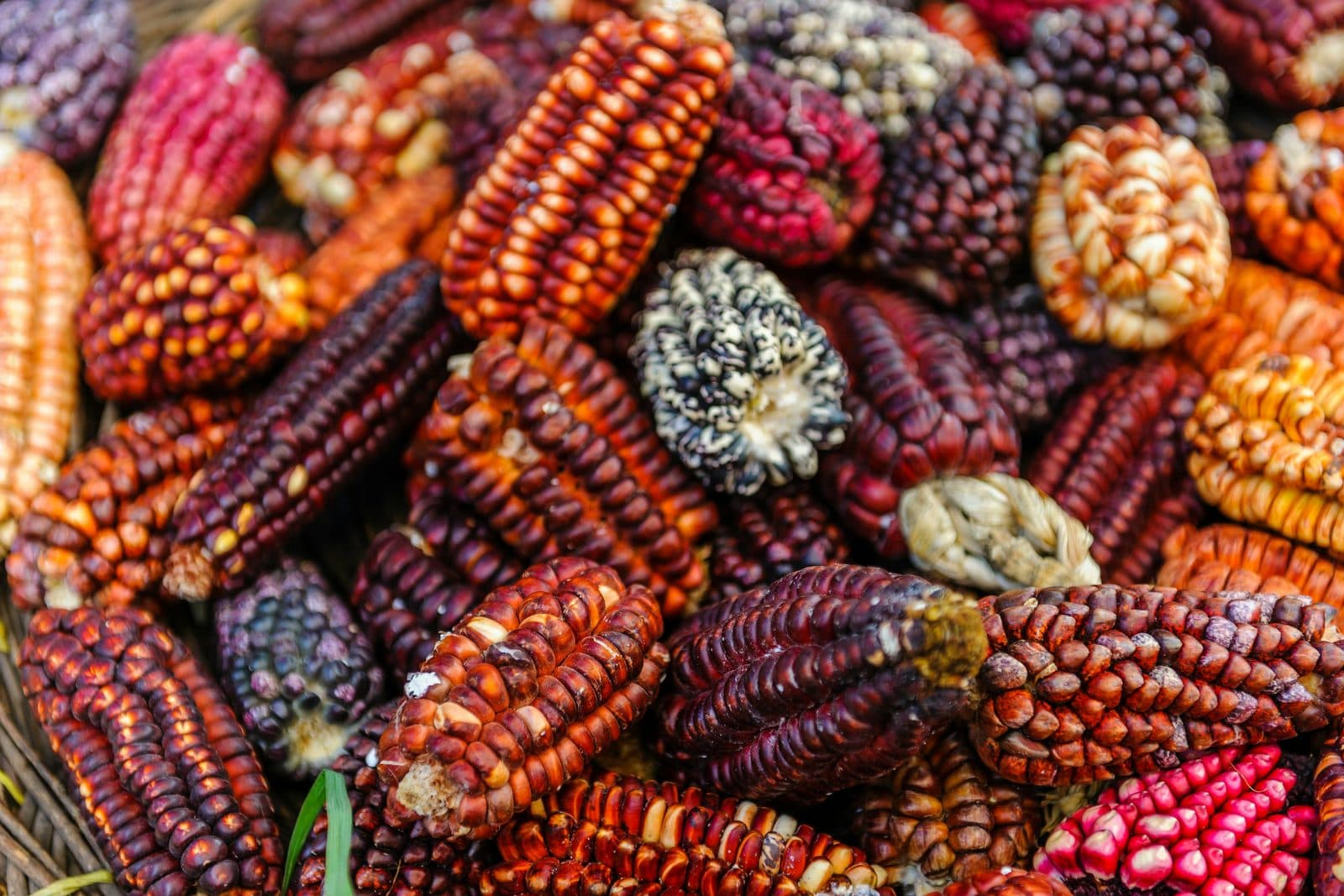
Choclo con queso. The simplest and most quintessentially highland snack: choclo, the giant-kernelled white corn of the Sacred Valley, boiled and served with a slab of fresh local cheese. Cheap, filling, and everywhere, from market stalls to roadside stops.
Rocoto relleno. A stuffed-pepper dish (originally from Arequipa but widespread in the southern highlands) built around the rocoto, a thick-walled chilli that is significantly hotter than a jalapeno. It is boiled to tame the heat, then stuffed with seasoned meat, sometimes with raisins and peanuts, topped with cheese and baked. Spicy, savoury, and slightly sweet at once.
Andean soups. At altitude, a hot bowl goes a long way. Look for chairo and other hearty highland soups thick with vegetables, grains, and meat, and the ubiquitous quinoa soups that use the region signature grain.
What to drink
Hear a stop from this walk
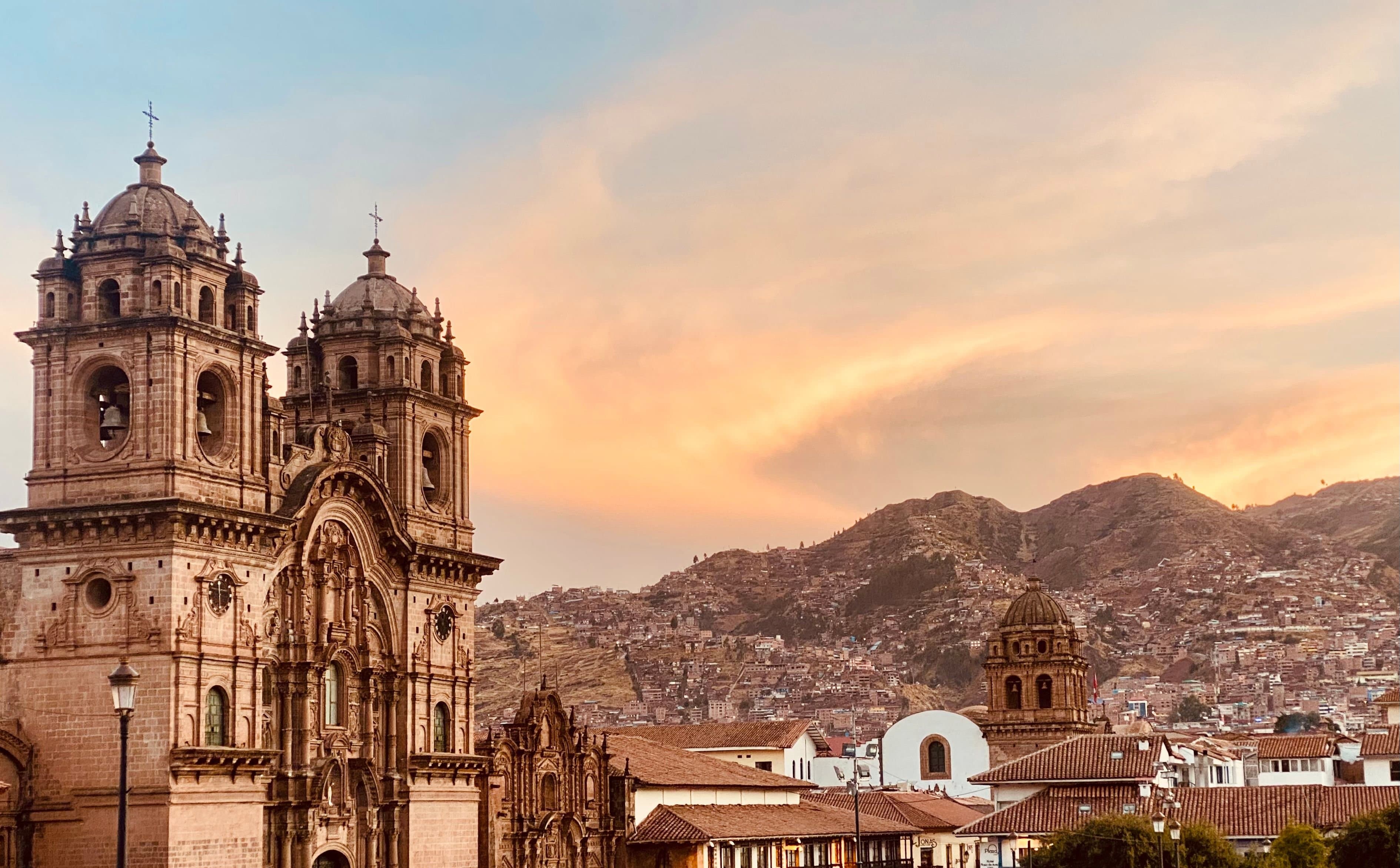
Plaza Regocijo: The Other Half of the Inca Square
Chicha de jora. The traditional Andean beer, fermented from germinated corn, with roots that run back to Inca times. It is mildly alcoholic and an acquired taste; look for the red flag or plastic bag on a pole outside a house, the old sign for a chicheria that serves it.
Chicha morada. The non-alcoholic cousin: a sweet, deep-purple drink made from purple corn boiled with pineapple, cinnamon, and clove. Refreshing and served with almost anything.
Mate de coca. Coca-leaf tea, the everyday Andean drink and the traditional remedy for altitude sickness. It is legal and normal across Peru, offered in nearly every cafe and hotel, and worth a cup on your first days while you acclimatize. One practical note: coca can trigger a positive result on some drug tests after you get home, even though the tea itself is mild. For the full altitude briefing, see the Cusco travel guide.
Where the food culture lives
The San Pedro Market (Mercado de San Pedro). The single best place to eat cheaply and authentically. This covered market near the historic centre is where locals shop and eat: juice stalls in the morning, then stands serving broths, chicharron, and Cusco tamales for a few soles, alongside heaps of native potatoes, cheeses, herbs, and even alpaca jerky. Come hungry and graze. It is not a stop on the Cusco Historic Center walking tour, but it makes an easy detour before or after it, so it slots naturally into a morning of sightseeing.
San Blas, for a sit-down meal. The artisan quarter uphill from the plaza is dense with small kitchens, cafes, and picanterias, and it is a lovely place to eat between gallery visits. Pair a plate here with the San Blas: How a Hill Became the Artisans' Quarter tour, an eight-stop loop of about 1.3 km that climbs the same lanes past the parish church and the family workshops the neighbourhood is famous for.
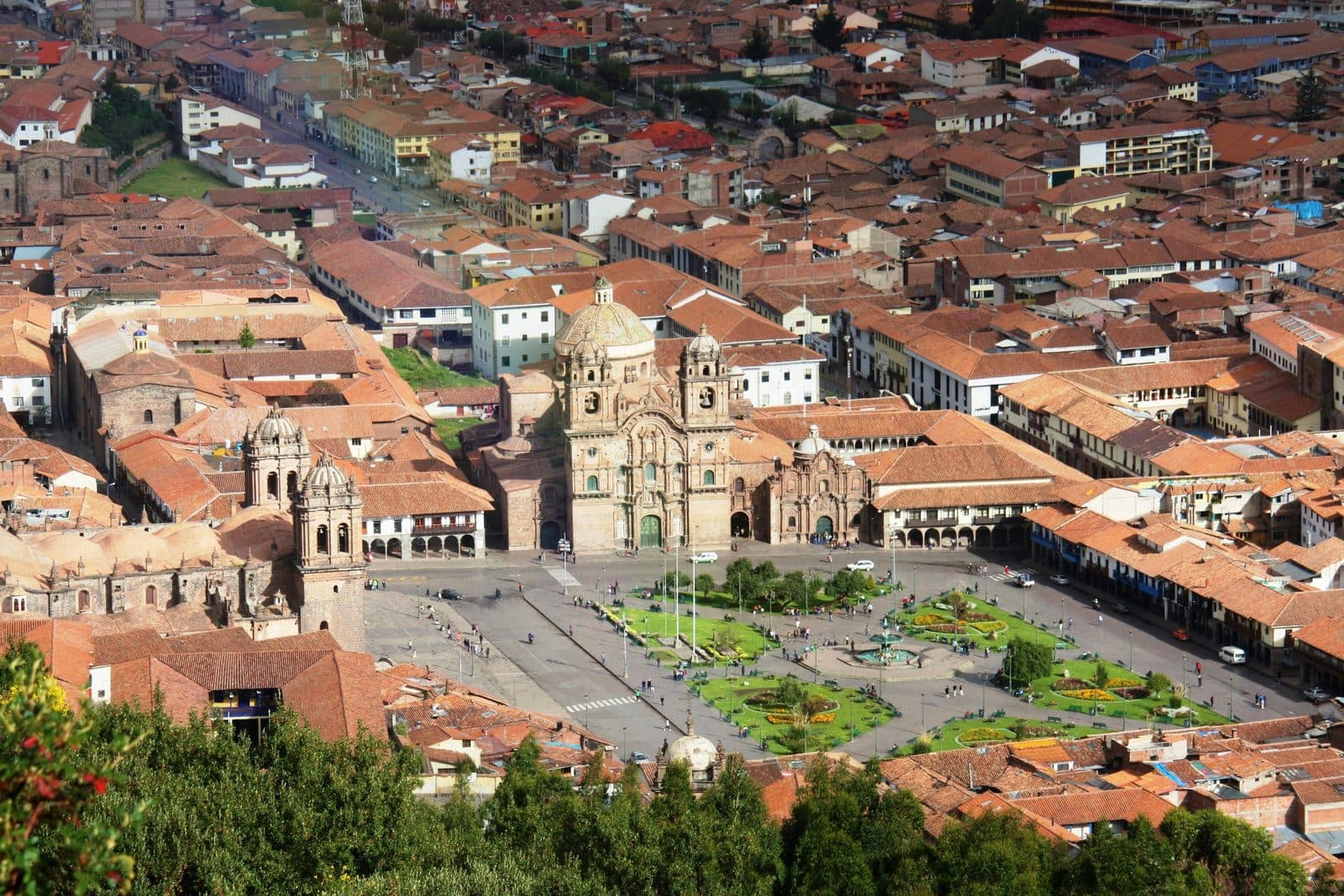
Around the Plaza de Armas, for range. The blocks around the main square hold everything from casual Andean kitchens to Cusco upscale restaurants reworking native ingredients for a special dinner. It is also where a day of walking naturally ends at a table.
Eat as you walk
The best way to work through this list is on foot, one district at a time: a market breakfast of chicharron at San Pedro, a giant-corn snack on the go, a sit-down alpaca lunch in San Blas, and a proper Cusco dinner near the plaza. Route your day with the one day in Cusco itinerary, plan the practical side (and the altitude) with the Cusco travel guide, and browse all Cusco tours. Every tour is free to start: the introduction and first stop play in full, and every later stop plays a short preview before an optional purchase.
Frequently asked questions
- What food is Cusco known for?
- Cusco is known for hearty Andean highland cuisine built on native ingredients. The headline dishes are cuy (roasted guinea pig, the region most iconic special-occasion dish), alpaca (a lean, tender red meat often served as steak or in lomo saltado), chicharron (fried pork with Andean potatoes and corn), choclo con queso (giant Sacred Valley corn with fresh cheese), and rocoto relleno (a stuffed spicy pepper). To drink, there is chicha de jora (a traditional fermented-corn beer) and mate de coca (coca-leaf tea, also the local altitude remedy).
- Is it normal to eat guinea pig (cuy) in Cusco?
- Yes. Cuy (guinea pig) has been eaten in the Andes for thousands of years and is a traditional feast and celebration dish, not a novelty. In Cusco it is usually served cuy al horno (oven-roasted) or cuy chactado (pressed and fried), often whole with crispy skin. It is richer and gamier than chicken, with little meat relative to its size, so many travelers order it once to try rather than as an everyday meal. If it is not for you, alpaca is the easier introduction to Andean meat.
- Where should you eat in Cusco?
- For authentic and inexpensive food, the San Pedro Market (Mercado de San Pedro), a covered market where stalls serve juices, broths, chicharron, and tamales for a few soles, is the best starting point. For sit-down Andean meals and picanterias, the streets around the Plaza de Armas and the artisan quarter of San Blas are full of options, from casual kitchens to well-known restaurants. Cusco also has a strong upscale scene reworking native ingredients if you want a special dinner.
- What should you drink in Cusco, and is coca tea safe?
- The traditional drinks are chicha de jora (a mildly alcoholic fermented-corn beer with deep Andean roots), chicha morada (a sweet non-alcoholic purple-corn drink), and mate de coca, coca-leaf tea. Coca tea is a normal, legal, everyday drink across Peru and the Andes and is the traditional remedy for altitude sickness (soroche); it is offered in most cafes and hotels. Be aware that coca can cause a positive result on some drug tests after you return home, even though the tea itself is mild.
Ready to experience it?
Historic Center: The City Built on Inca Walls
90 min · 2.4 km · moderate
More from Cusco
Explore more at your own pace.
Best Self-Guided Walking Tours in Cusco (2026)
Cusco Travel Guide: Altitude, How Many Days, Getting Around, When to Go (2026)
One Day in Cusco: An Altitude-Friendly Walking Itinerary (2026)
Best History Walking Tours in Cusco (2026)
Sacsayhuamán in 1536: How the House of the Sun Became a Fortress