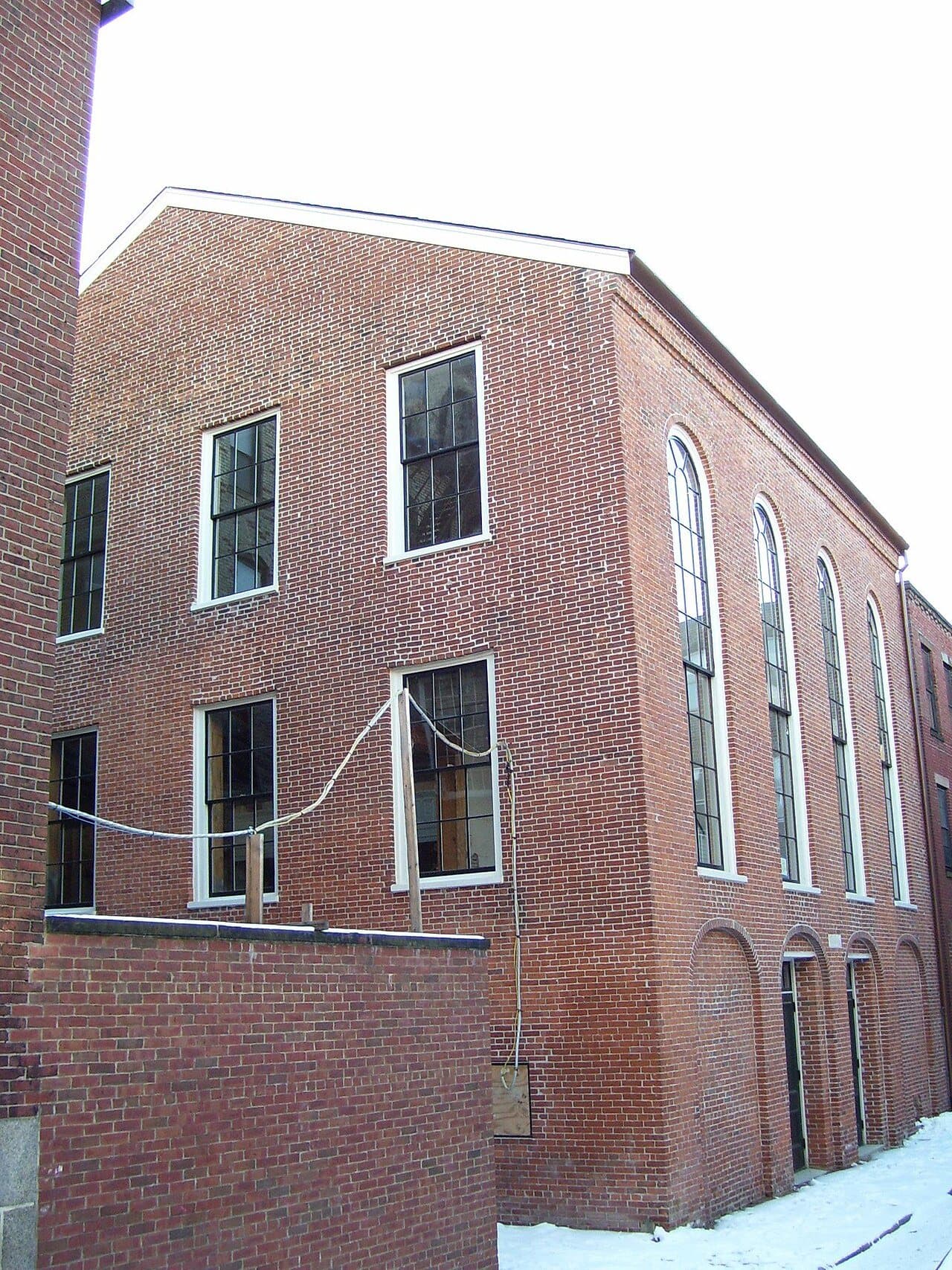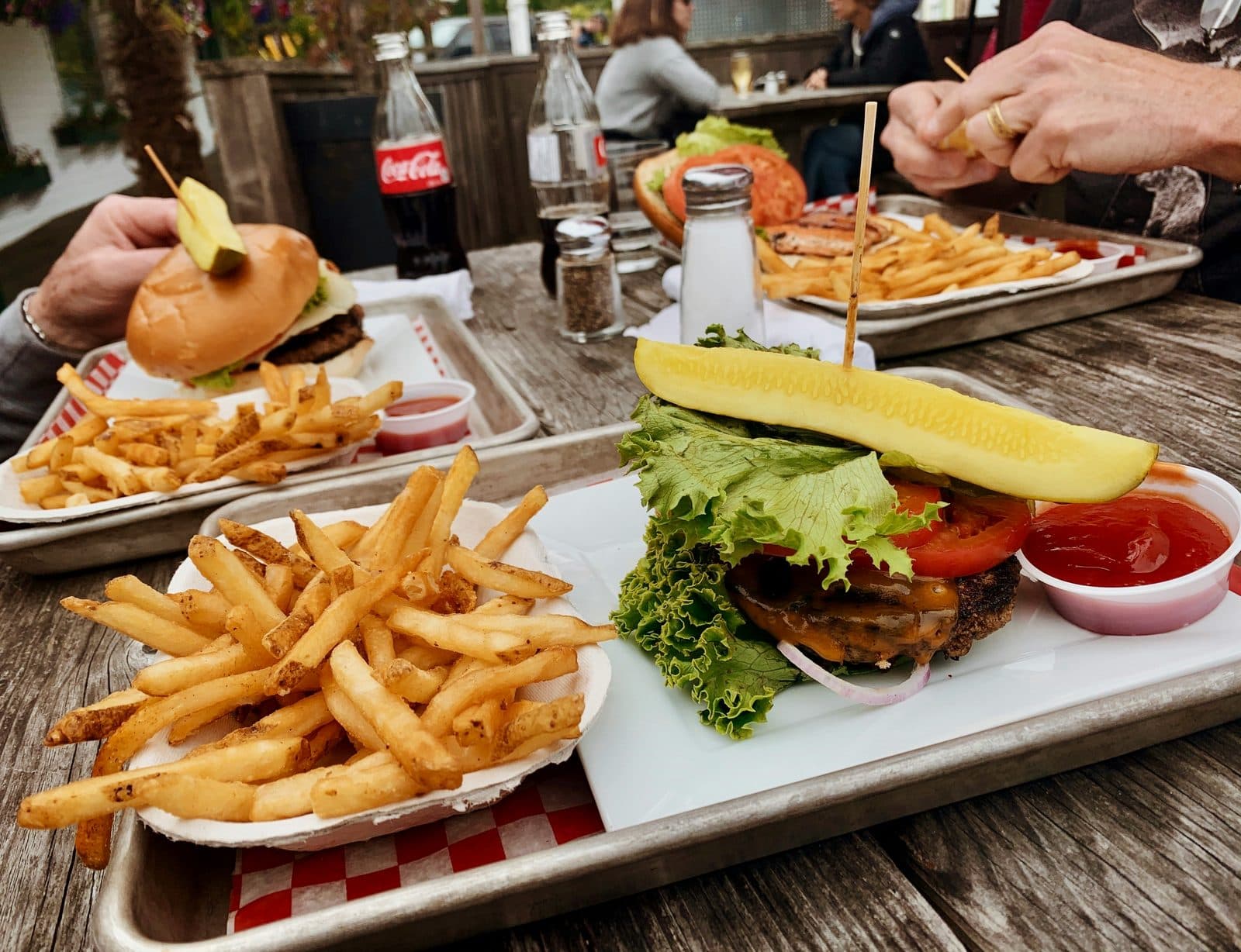
Boston food is a port-city record written in seafood and immigration. The cold North Atlantic at its doorstep gave the city its chowder, its oysters, and the lobster roll. The great immigrant waves that came through the harbor gave it the Italian North End and its cannoli. And the grand nineteenth-century hotels of a prosperous merchant city gave it the Boston cream pie. Eat well here and you are really tasting the harbor and the people who crossed it. This guide covers the dishes worth seeking out and where the food culture actually lives, and it pairs naturally with a slow walk on one of our Boston self-guided tours.
The dishes to seek out
New England clam chowder. Boston's signature bowl, also called Boston clam chowder: a rich, creamy, milk or cream based broth thick with clams, potatoes, onions, and salt pork or bacon. This is the white chowder, and locals will tell you it is the only real one. Do not confuse it with the red, tomato-based Manhattan version, which you will rarely see served here and which Boston regards with polite disdain.
The lobster roll. Chilled lobster meat, lightly dressed, piled into a buttered and toasted split-top bun. The classic New England, or Maine-style, roll uses a light coat of mayonnaise and often a little celery and lemon, so the sweetness of the lobster leads. It is a summer staple and a rite of passage, and worth the splurge when the price is fair.
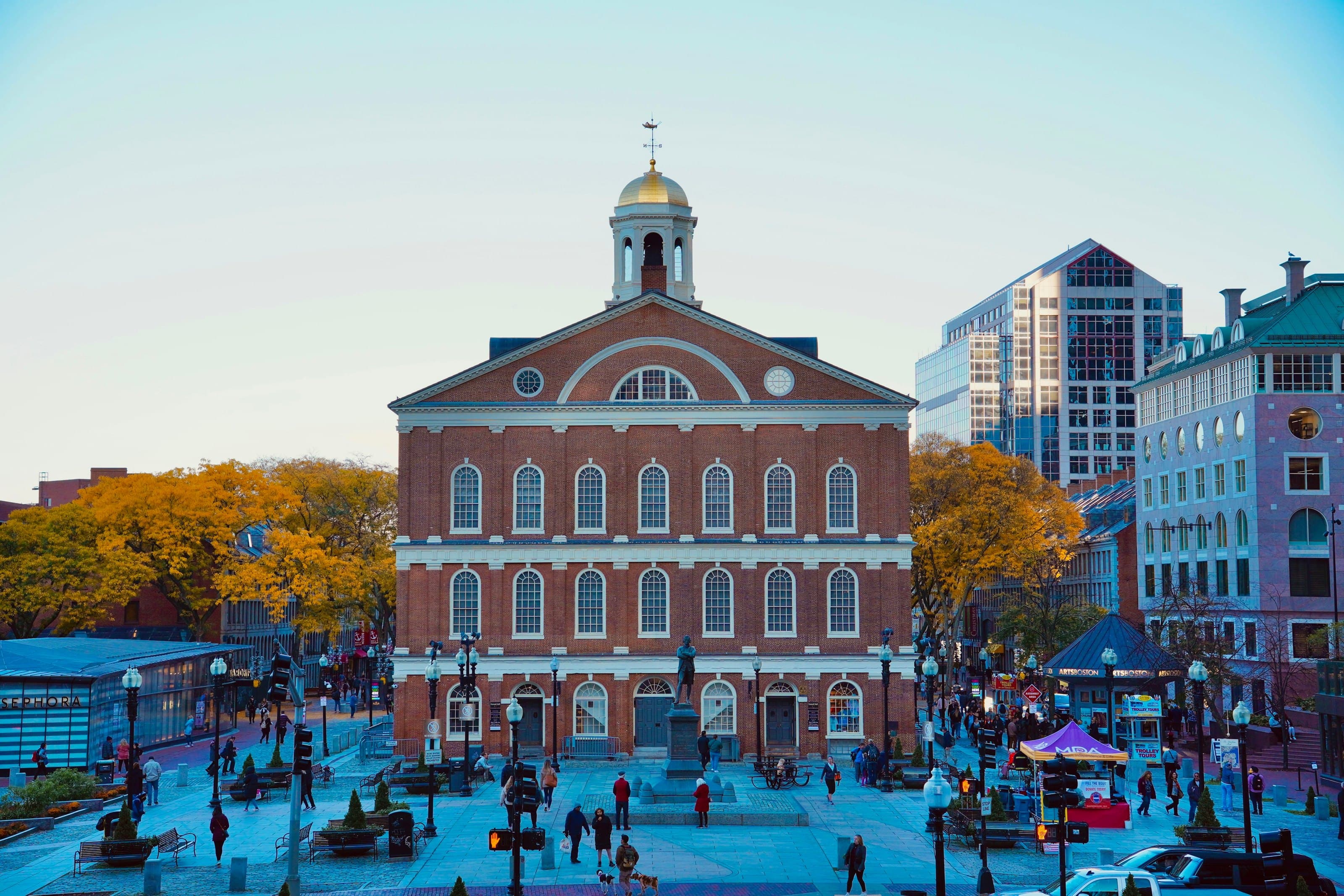
Oysters. Boston is an oyster town, and the place to taste that history is the Union Oyster House near Faneuil Hall, which has served diners continuously since 1826, making it America's oldest continuously operating restaurant. It turned 200 in 2026. The semicircular oak oyster bar dates to that first year, and the kitchen still serves a good share of the original menu. Daniel Webster was a regular who worked through plates of raw oysters at the bar.
North End Italian and cannoli. The North End, Boston's historic Italian neighborhood, is where the city eats red-sauce classics and argues about cannoli, the crisp fried pastry shell filled with sweet ricotta. The rivalry between the neighborhood's famous bakeries, Mike's Pastry, founded in 1946, and Modern Pastry, on Hanover Street since 1930, is one of the country's great friendly food feuds. The local shorthand runs: tourists like Mike's, locals like Modern. Try both and pick your side.
Boston cream pie. Despite the name, it is a cake: two layers of sponge filled with pastry cream and topped with a chocolate glaze. It was created at the Parker House hotel, now the Omni Parker House, at its 1856 opening, and in 1996 it was named the official state dessert of Massachusetts. The Omni Parker House still serves the original downtown.
Where the food culture lives
Hear a stop from this walk
Copp's Hill Burying Ground: Where the Lantern Men Rest
The North End, for Italian and dessert. The compact grid of Hanover and Salem Streets is the densest eating in the city: trattorias, salumerias, espresso bars, and the dueling cannoli bakeries. The Freedom Trail tour ends here, at Copp's Hill, after the Paul Revere House and the Old North Church; time it for late afternoon and it doubles as your route to dinner. For the story of how many communities layered into these same six blocks before the Italians, the companion piece on St. Stephen's Church and the Bulfinch wave reads the neighborhood as a stack.
The waterfront and Faneuil Hall, for seafood. The Union Oyster House, the chowder counters around Quincy Market, and the harborside seafood houses cluster here, right where the Freedom Trail tour passes the Old State House. It is the natural lunch stop midway through a downtown walking day.
Downtown, for the Boston cream pie. The Omni Parker House sits on School Street, a short walk from the Common and the head of the Freedom Trail, so the original slice is easy to fold into a morning of sightseeing.
Eat as you walk
The best way to work through this list is on foot, one neighborhood at a time. Pair a morning on the Freedom Trail with a bowl of chowder and a plate of oysters near Faneuil Hall, and an evening in the North End with a red-sauce dinner and a cannoli. Route your day with the one day in Boston itinerary, plan the practical side with the Boston travel guide, and browse all Boston tours. Every tour is free to start: the introduction and first stop play in full, and every later stop plays a short preview before an optional purchase.
Frequently asked questions
- What food is Boston known for?
- Boston is known for New England seafood and immigrant cooking. The headline dishes are New England clam chowder, a creamy, milk-based chowder also called Boston clam chowder; the lobster roll, chilled lobster meat with a light dressing on a toasted split-top bun; fresh oysters, served at America oldest restaurant, the Union Oyster House, since 1826; the Italian food of the North End, especially cannoli; and the Boston cream pie, a cream-filled sponge cake with chocolate glaze that is the official state dessert of Massachusetts.
- What is the difference between Boston and Manhattan clam chowder?
- New England clam chowder, the Boston kind, is white: a rich, creamy, milk or cream based broth with clams, potatoes, onions, and salt pork or bacon. Manhattan clam chowder is red and tomato based, with no cream. In Boston you will almost always be served the New England style, and locals feel strongly that it is the only real chowder.
- Where should you eat in Boston?
- For seafood and oysters, the Union Oyster House near Faneuil Hall and the chowder counters around the waterfront and Quincy Market. For Italian food and cannoli, the North End, the historic Italian neighborhood. For the original Boston cream pie, the Omni Parker House hotel downtown, where it was created in 1856. For a food-and-history walk, the Freedom Trail route, which runs from downtown on into the North End, passes most of these within a few blocks.
- What dessert is Boston famous for?
- Boston is famous for two desserts. The Boston cream pie, created at the Parker House hotel in 1856 and named the official Massachusetts state dessert in 1996, is a two-layer sponge cake filled with pastry cream and topped with chocolate glaze, despite the name it is a cake, not a pie. The other is the cannoli of the North End, the crisp fried shell filled with sweet ricotta, which the neighborhood bakeries have competed over for generations.
Ready to experience it?
Freedom Trail: The Buildings Boston Refused to Lose
120 min · 2.5 km · easy
More from Boston
Explore more at your own pace.
Best Self-Guided Walking Tours in Boston (2026)
Boston Travel Guide: How Many Days, Getting Around, When to Go (2026)
One Day in Boston: A Walkable Downtown Itinerary (2026)
Best History Walking Tours in Boston (2026)
The Other Olmsted: How Boston's Park System Is the Engineering Central Park Could Not Be