The riverbank between County Hall and Southwark Cathedral holds a lot of the culture that people come to London for: the London Eye, the Royal Festival Hall, the National Theatre, Tate Modern, Shakespeare's Globe, Southwark Cathedral and the George Inn. It did not arrive together. It arrived in stages, over about fifty years, and each stage left a building or a path that the next one could use.
Before the festival: an industrial bank
The South Bank was a working riverfront. The OXO Tower Wharf shows the layers. According to Coin Street Community Builders, a power station was built there around 1900 to supply electricity to the Post Office. In the late 1920s the Liebig Extract of Meat Company bought it, demolished much of the building and extended its riverside frontage. The architect, Albert Moore, built the product's name into a tower as windows, a circle, a cross and a circle, to get around a ban on skyline advertising. Further east, Giles Gilbert Scott's Bankside Power Station was begun in two phases between 1947 and 1963; it opened on 7 March 1962 and shut on 31 October 1981.
Southwark and Bankside also had an older reason to be different. Bankside lay in the Bishop of Winchester's Liberty, where the City's law did not run. The bishop had jurisdiction over the brothels of the stews, and the Clink prison stood there. The Globe opened on Bankside in 1599.
Act one: the Festival of Britain, 1951
Hear a stop from this walk
The George Inn: London's Last Galleried Inn
The Festival of Britain filled this bank in 1951. More than eight million people paid to visit the festival site, according to the Southbank Centre, and King George VI opened the Royal Festival Hall on 3 May. The Skylon, nearly ninety metres of steel and a symbol of the festival, was taken away in 1952 with the rest of the exhibition and later found to have been melted down by a scrap-metal company. The Royal Festival Hall, the Southbank Centre says, is the only building that remains from the main festival site.
The hall was designed by the London County Council's Architect's Department. The river front you see now is the 1960s skin. Historic England records major additions and alterations in 1963 and 1964, including the new river and Belvedere Road fronts. Inside is the 1951 concert hall, built on an "egg in a box" principle, a separate enclosed auditorium within the building envelope. The hall is Grade I listed.
Act two: the concrete complex, 1960s and 1970s
Around the Festival Hall, the Southbank Centre's concrete complex followed: the Queen Elizabeth Hall, the Purcell Room and the Hayward Gallery, opened in the late 1960s (sources differ on whether the Hayward opened in 1967 or 1968). Denys Lasdun's National Theatre was built between 1969 and 1976, in reinforced concrete, with long horizontal terraces broken by the vertical flytowers of its two main stages. Historic England listed it at Grade II* in 1994, eighteen years after it opened, and calls it a major public building of the post-war period.
The undercroft beneath the Queen Elizabeth Hall became an unplanned public room. The Southbank Centre says it was designed as a public space, and that skateboarders have used it since the 1970s, dating the start to 1973 in one place. In 2014 an agreement with Lambeth Council committed the centre to keep the undercroft open without charge, after a campaign against a plan that would have moved the skaters. In February 2026 the Hayward Gallery, the Purcell Room, the Queen Elizabeth Hall and the undercroft were listed Grade II, ending a campaign that began in the early 1990s, according to press reports at the time.
Act three: the community, 1977 to 1988
In 1977 plans were announced for a hotel and more than a million square feet of offices between Waterloo and Blackfriars bridges. The residents' Coin Street Action Group formed in response, according to Coin Street Community Builders, and seven years of campaigning and two year-long public inquiries followed. By the early 1970s the residential population had fallen from 50,000 to 4,500. In 1981 the Greater London Council threw its weight behind the community scheme, and Coin Street Community Builders bought the 13-acre site from the council in 1984. Between 1984 and 1988 they organised the demolition of derelict buildings, completed the South Bank riverside walkway and created a riverside park, Bernie Spain Gardens. The OXO Tower Wharf was refurbished and opened to the public in 1996, with design studios and shops, a public viewing gallery and a housing co-operative of 78 flats. The riverside walkway under your feet is Coin Street's work.
Act four: the millennium rush, 1997 to 2002
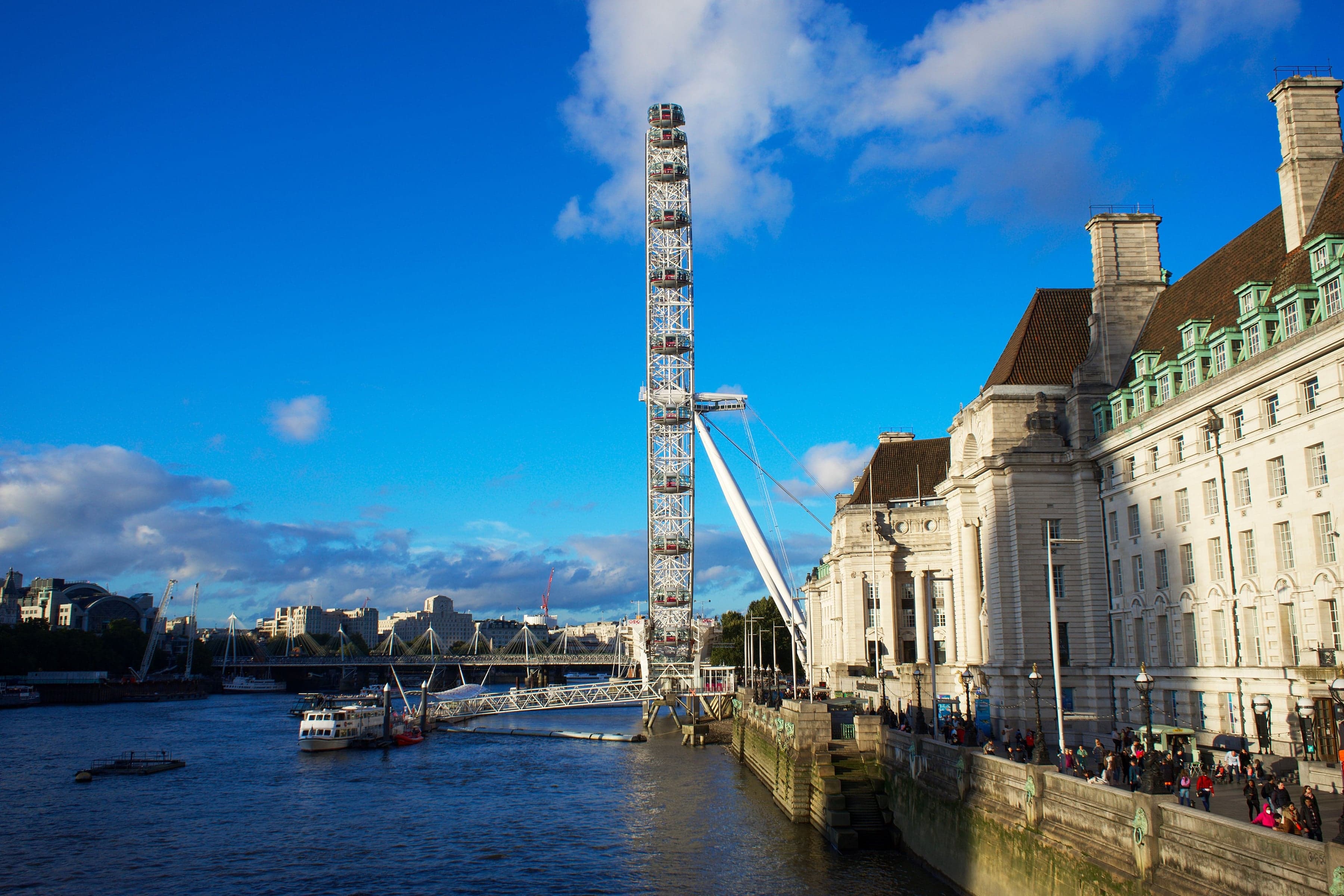
Shakespeare's Globe officially opened in 1997, the third Globe on this bank, after Sam Wanamaker spent most of the rest of his life working to build it. The London Eye was built lying flat on the river and raised; its first lift in 1999 failed when a cable came loose in front of the press. The Eye was meant to stand for five years: the planning permission was for five years, and it opened to the public in spring 2000 and is still turning in 2026. Tate Modern opened on 11 May 2000 in the old power station, after Herzog and de Meuron won the competition in 1995, and Tate says 115 million people have visited since. The collection is free. The Millennium Bridge opened on 10 June 2000, was ordered closed on 12 June because of its swaying, and reopened in February 2002 after dampers were fitted. Borough Market, by its own timeline, began in 1998 to reinvent itself as a retail market.
None of these was part of a single plan. They happened on the same stretch of riverbank because earlier stages had left something behind: the Festival Hall, the concrete complex, the walkway, and the protected view of St Paul's from Queen's Walk, which the Mayor's protected-views document marks as the most pleasing on the bank.
What the walk shows you
The South Bank and Bankside walk goes from County Hall and the London Eye along Queen's Walk to the Royal Festival Hall, the undercroft, the National Theatre and the OXO Tower, under Blackfriars Bridge to Tate Modern, then on past the Globe, Southwark Bridge, the ruins of Winchester Palace and Southwark Cathedral, ending at the George Inn. It is a single path along the water. The buildings beside it are a stack of separate decisions, and walking it in order shows you which one came before which.
Ready to experience it?
South Bank and Bankside: London's Other Side
100 min · 3.1 km · easy
More from London
Explore more at your own pace.
British Museum: What to See, Floor by Floor
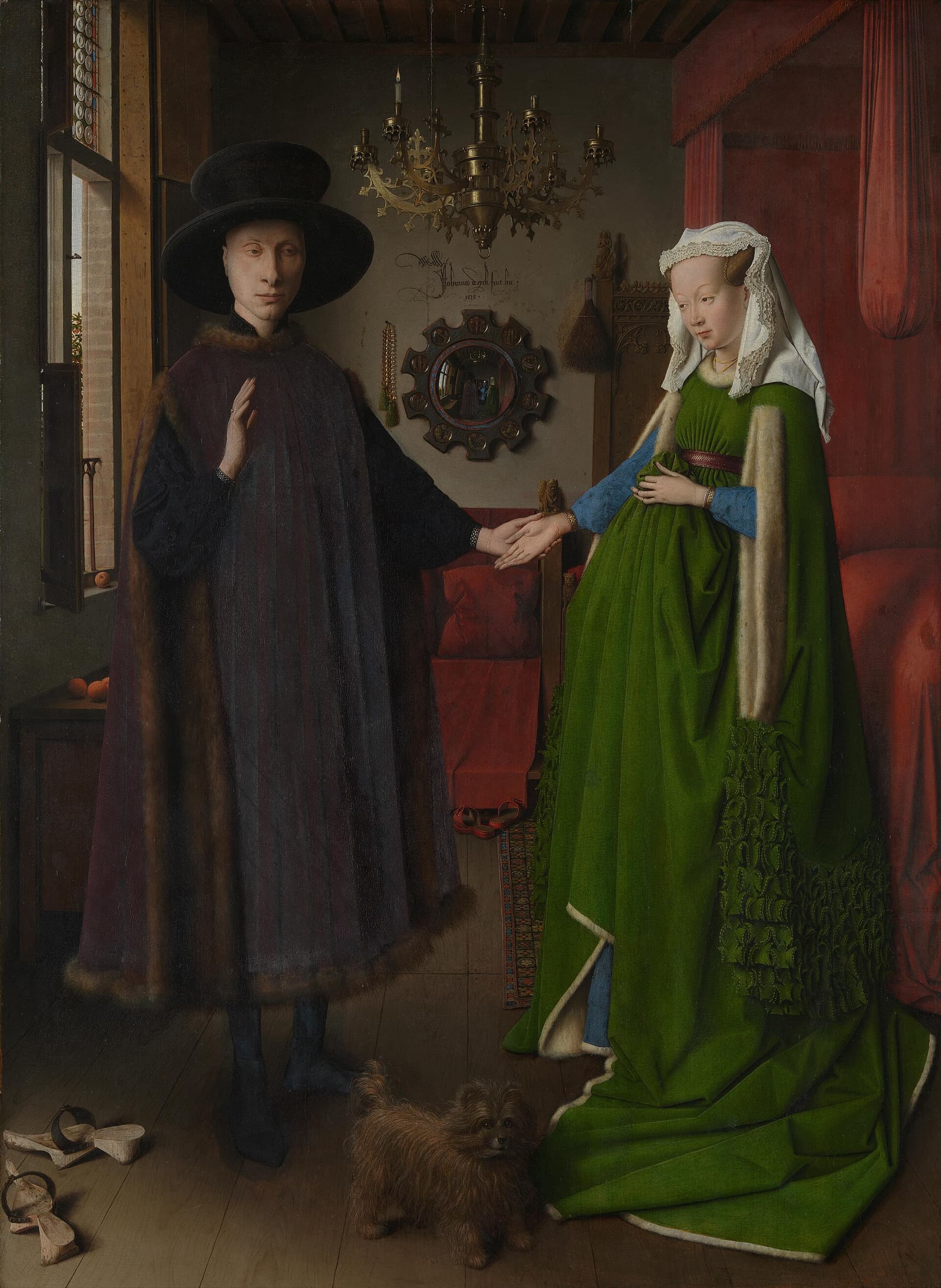
The Arnolfini Portrait: The Mirror, the Meaning and the Myths
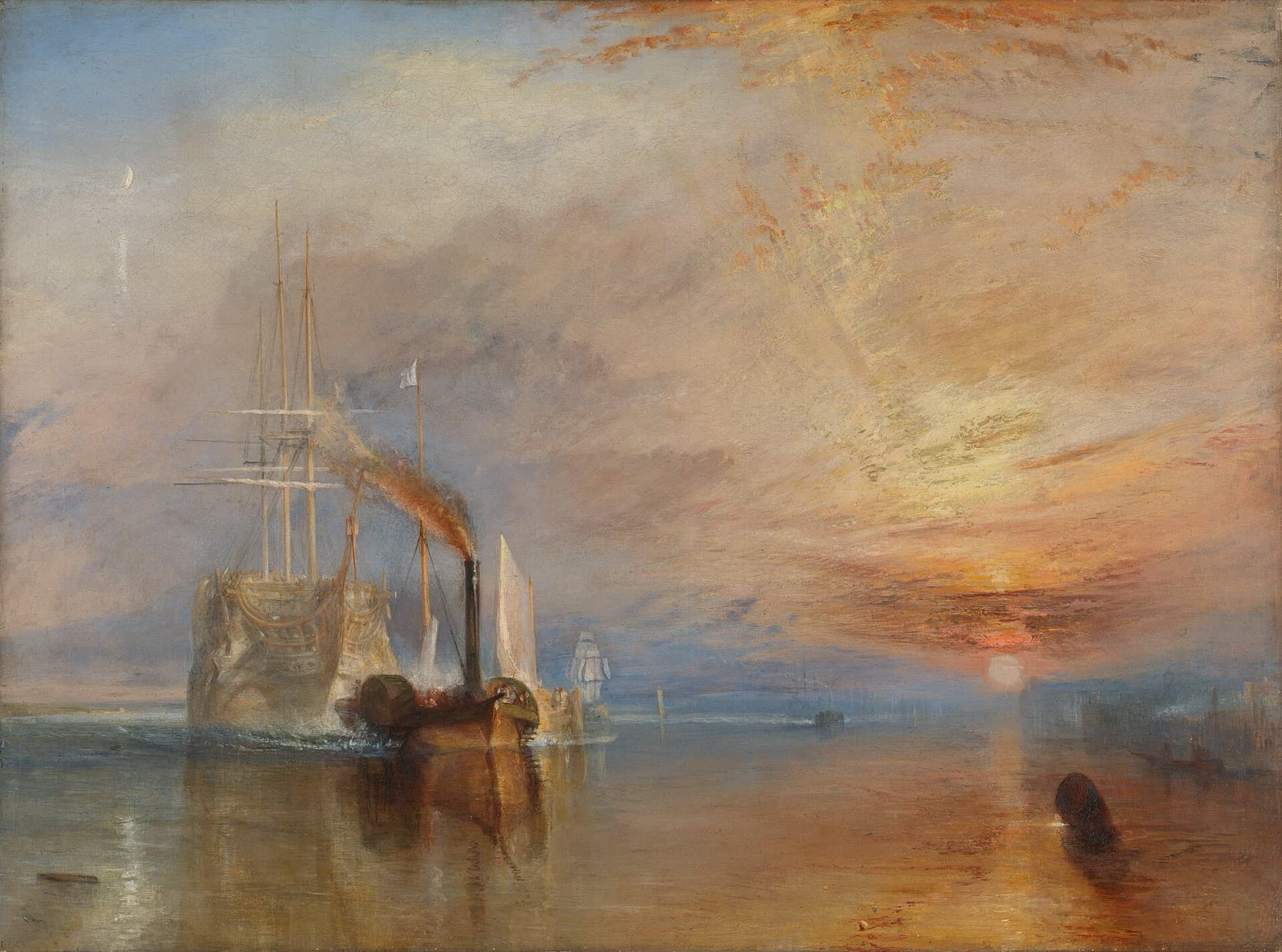
The Fighting Temeraire: Turner's Last Voyage of a Trafalgar Ship
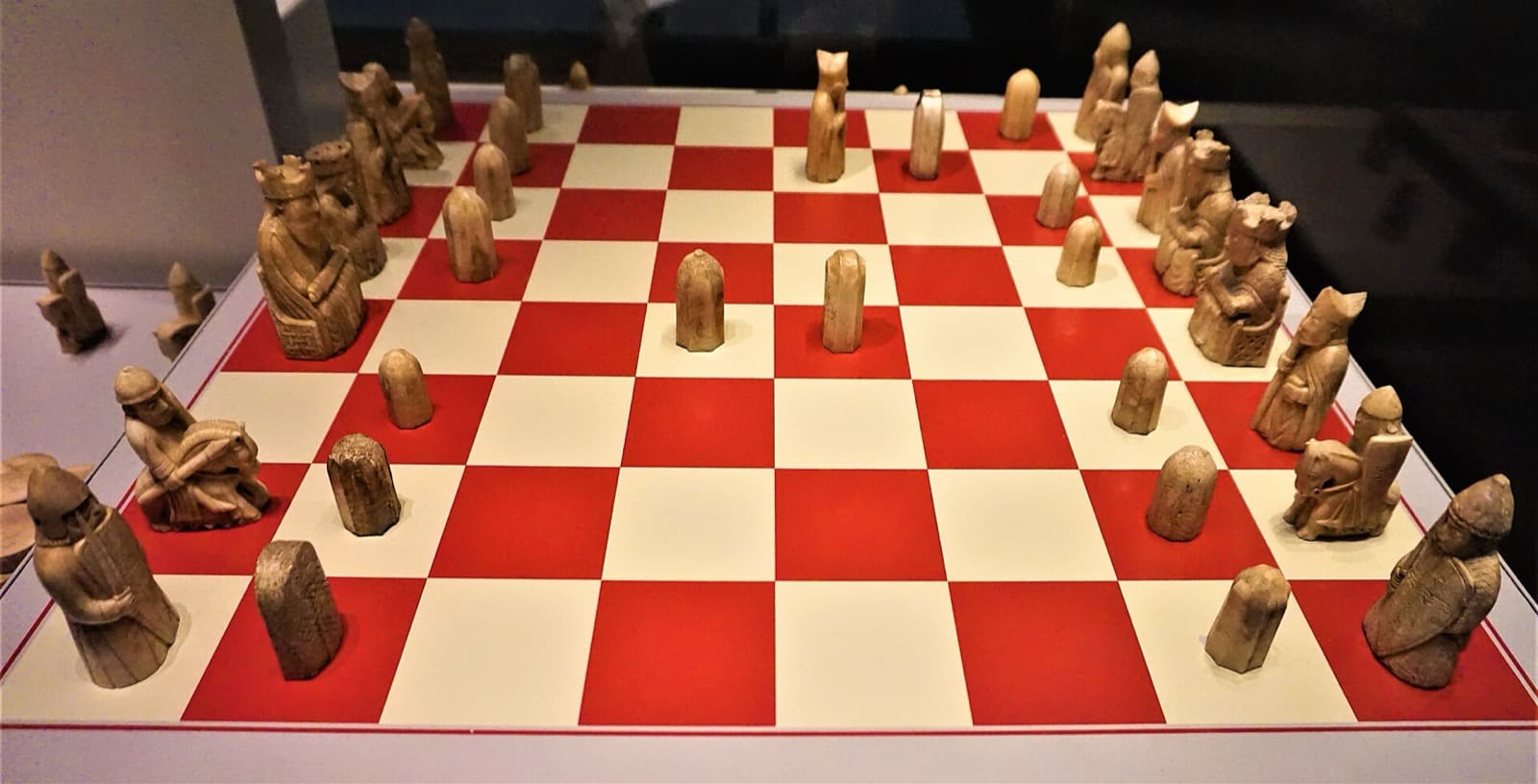
The Lewis Chessmen: Kings, Queens and Berserkers in Room 40
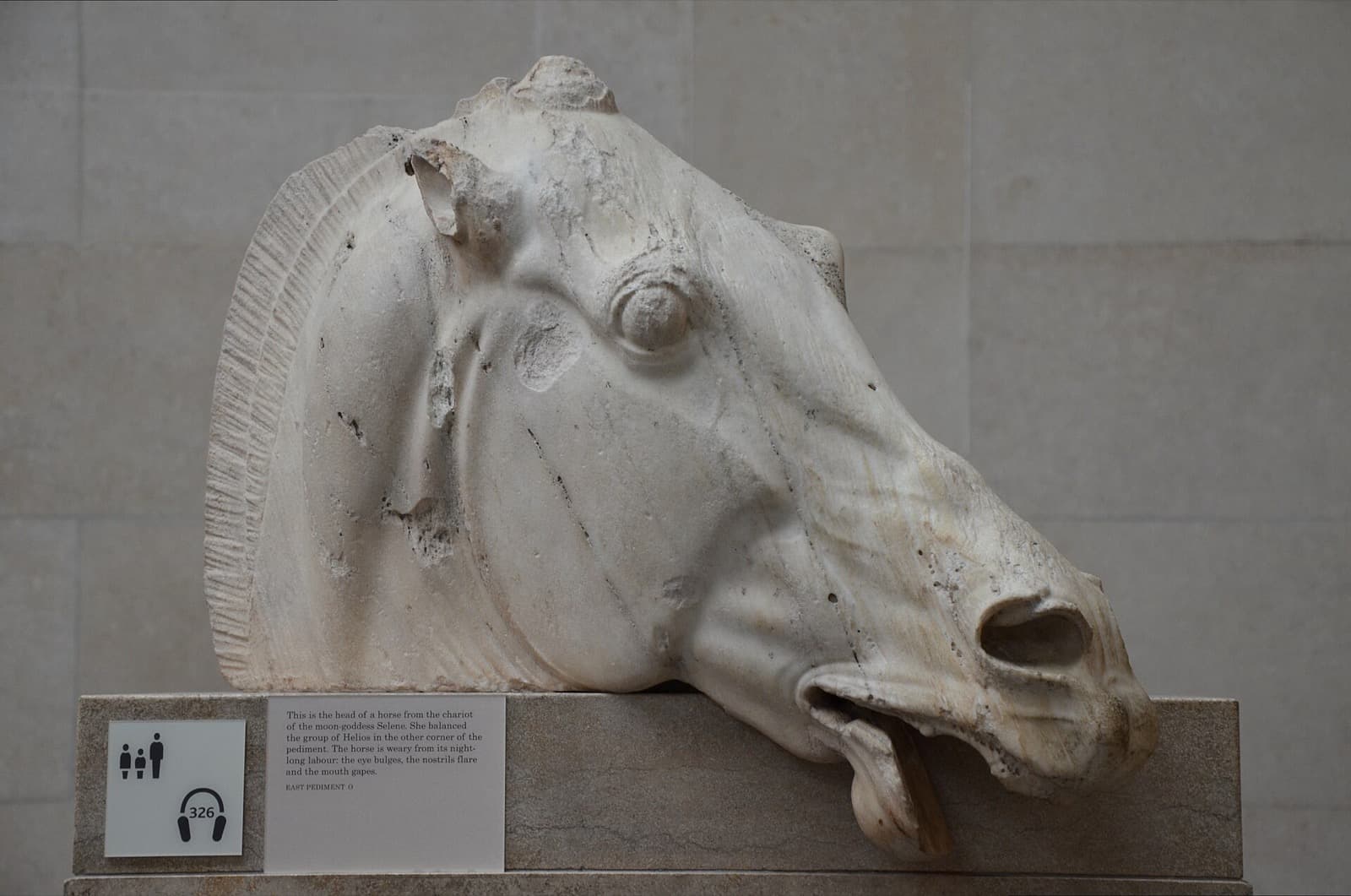
The Parthenon Sculptures: What Is in Room 18 and How It Got There