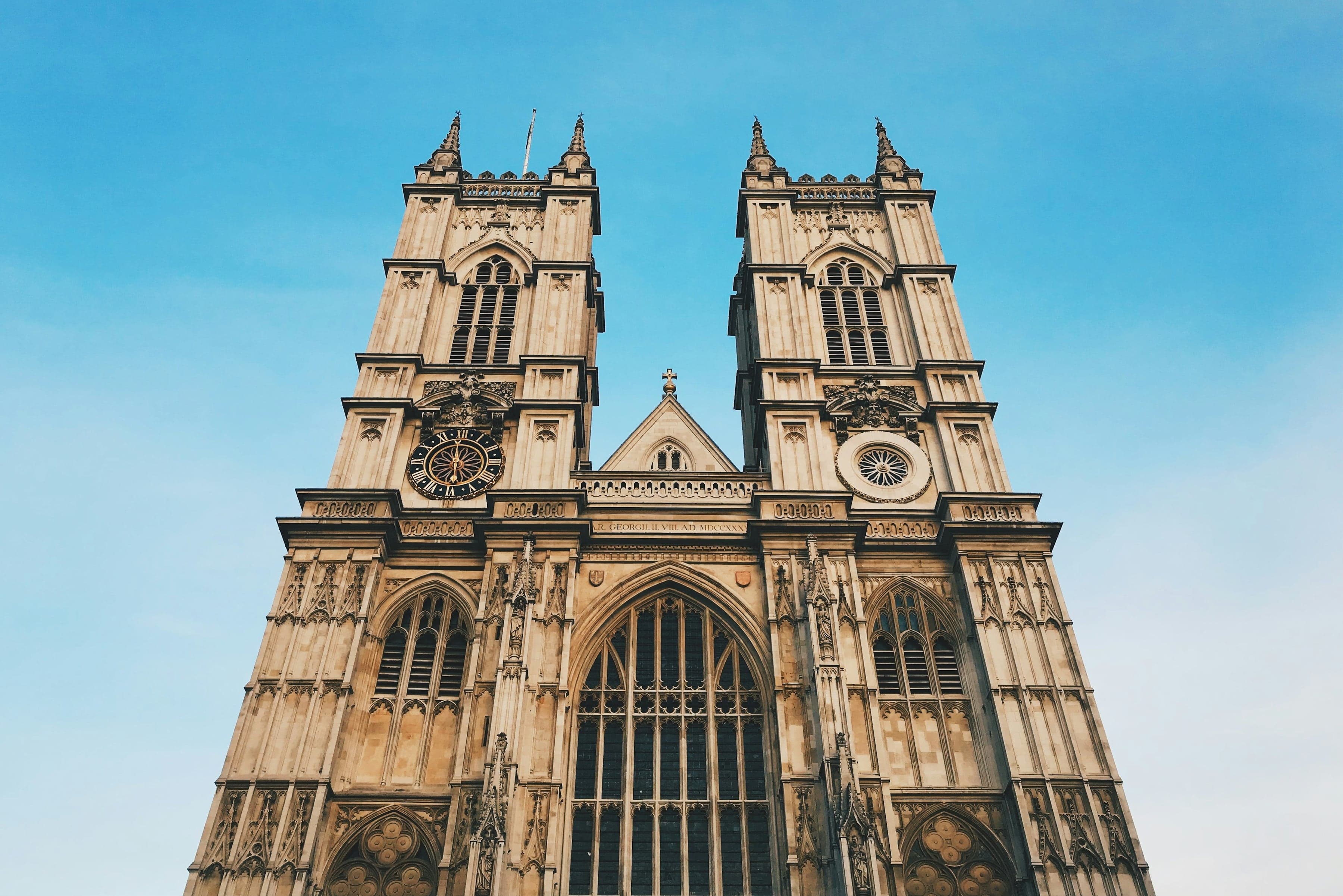
Westminster: The Rebels at Parliament's Gates
90 min · 2.9 km · easy
Most great cities replace themselves. Paris flattened its medieval lanes in the 1860s to make boulevards. Rome buried its imperial forum under a thousand years of pasture. New York demolishes faster than it builds. London does not work this way. London leaves the old thing in place and builds the new thing on top.
That habit is the reason the city is hard to read at first glance and immensely rewarding once you know what to look for. The street under your feet may be a Roman road, surveyed in the second century, paved over twenty times since, still tracing the route it traced before there was an England. The inn you are standing in front of may be a 1677 rebuild of an older inn on the same plot. The office tower next to it may be modern glass beside a Victorian market, on a street that follows a medieval lane.
This is the rule. The layers are not erased. They are stacked.
The seven layers
There are seven historical strata visible in London if you train your eye. Every walking tour in the city is some combination of these layers.
Roman (43 to 410). The Romans founded Londinium around the year 50 and wrapped it in a stone wall around AD 200, roughly two and a half miles long. English Heritage looks after the best stretch, at Tower Hill: thirty-five feet tall there, the bottom thirteen feet Roman and the rest medieval. A second-century Roman pavement lies in the crypt of All Hallows by the Tower. The curve of the Roman amphitheatre is marked in the paving of Guildhall Yard. At Leadenhall Market, the City's own records place the Roman forum and basilica below, and one stone pier of the basilica survives in a basement on Gracechurch Street. The geometry of the modern Square Mile is largely Roman geometry.
Saxon (410 to 1066). When Rome withdrew, Londinium emptied out and a new settlement grew west of the wall, called Lundenwic. By the late ninth century, Alfred the Great moved the population back inside the Roman walls for defence against Viking raids. All Hallows by the Tower says it is the oldest church in the City, founded by the Abbey of Barking in 675, and an arch from the Saxon church can still be seen. Historic England dates the surviving fabric to the later seventh or eighth century, built of reused Roman material.
Norman and medieval (1066 to 1485). The Normans put the Tower of London beside the city they had just taken, and in 1067 William confirmed the City's laws and customs in a charter. The medieval City that grew around it was a tight grid of guild halls, parish churches, narrow lanes, and timber-framed houses. Almost none of it survived. What did survive is the street pattern, the market lanes whose names still say what they sold, and a handful of buildings that escaped the Great Fire: the Tower itself, the walls of the Guildhall, Westminster Hall, and a few outliers.
Tudor and Stuart (1485 to 1666). This is the layer Shakespeare knew. London grew rich and crowded, the Globe opened on Bankside in 1599 in the Bishop of Winchester's Liberty, where the City's law did not run, and Inigo Jones's Banqueting House on Whitehall, finished in 1622, brought his revolutionary reading of Palladio to the royal court. Most of this layer also burned. The George Inn in Southwark is a rare survivor, though what stands is the south range rebuilt in 1677 after a fire the year before, and it is the last galleried coaching inn in London according to the National Trust.
Wren and the long eighteenth century (1666 to 1837). The Great Fire of September 1666 burned thirteen thousand two hundred houses and eighty-seven churches, by the Monument's count, and the old St Paul's. The rebuild was not a new plan: the street pattern was largely kept, apart from new streets such as King Street and Queen Street, and Wren's grand scheme for a redrawn City was mostly rejected. What changed was the skin. Parliament ordered brick or stone fronts, and Christopher Wren rebuilt dozens of City churches and then St Paul's, finished around 1710. The layer he laid down is the Portland-stone, classical-proportion, white-spire London that is still the iconic look of the historic core. The Monument, the Bank of England's founding in 1694 and Edward Lloyd's coffee house of 1688, from which Lloyd's of London grew, all sit in this layer.
Victorian and Edwardian (1837 to 1914). Britain in the nineteenth century was the world's largest economy and London was the largest city on earth. The Victorians put a rail network, an underground, a sewerage system, Tower Bridge and Leadenhall Market in place, and built a good many of the pubs that survive, such as the Jamaica Wine House of 1868. They also imitated every earlier layer in their new buildings. Tower Bridge is a steel-framed 1894 machine wrapped in medieval costume. The Bank of England was rebuilt by Herbert Baker between 1925 and 1939 around the windowless outer wall of Sir John Soane's bank. Reading the Victorian layer is largely a matter of seeing where the costume ends.
Blitz and postwar (1940 to today). The Luftwaffe bombed London night after night from the autumn of 1940. The City was hit hard on the night of 29 December 1940: St Paul's own timeline says twenty-eight small explosive devices fell on and around the cathedral, hitting the dome and destroying the nearby Chapter House, and the cathedral stood. All Hallows by the Tower was left with only its tower and walls, and St Dunstan in the East lost its body in the Blitz and is now a garden. What replaced the damage is the seventh layer: the Festival of Britain in 1951, whose one permanent building, the Royal Festival Hall, still stands on the South Bank, then the Southbank Centre's concrete, Lloyd's of London (occupied in 1986), the City's towers, the Shard, the Walkie-Talkie. In much of the postwar layer you can name the architect and the year for almost every building.
How to read the stack on the ground
Hear a stop from this walk
Victoria Tower Gardens: Pankhurst at Parliament's Door
The seven layers are not stacked neatly. They cluster. The City of London inside the Roman wall holds the densest concentration of every layer at once. Westminster, a mile to the west, runs from the medieval abbey through Victorian Parliament. The South Bank holds a medieval layer in the Bishop of Winchester's palace wall and the thirteenth-century choir of Southwark Cathedral, the George Inn's seventeenth-century galleries, and a postwar concrete layer on top. The East End beyond the wall is Georgian weavers' houses on Fournier Street, Hawksmoor's church of 1729, and the Victorian and later city around them.
If you stand at the foot of the Monument and turn slowly, you can see several layers at once. A Wren-era column above you. A medieval street pattern around you, with Fish Street Hill following a Roman road. Victorian Leadenhall Market a few minutes to the north. Twenty-first-century towers behind. None of it accidental. All of it stacked.
Why the layers survived
London preserves by accident more often than by intent. The Fire of 1666 burned most of the old City, but the street pattern was largely kept, because Wren's plan for a new City was mostly rejected and the lanes were rebuilt where they had been. St Paul's Heights, a City policy since 1938, still protects views of the cathedral and keeps the street wall on Ludgate Hill low. The South Bank became a cultural quarter in stages: the 1951 Festival of Britain left the Royal Festival Hall, and in the 1980s Coin Street Community Builders won the fight against a hotel-and-offices scheme for the land and completed the riverside walkway between 1984 and 1988.
Even the things that got demolished mostly got demolished slowly. The Palace of Whitehall, probably the largest palace in Europe in its day, burned in 1698 and was simply not rebuilt. Its only complete surviving building is the Banqueting House, where in 1649 Charles the First walked to his execution beneath the Rubens ceiling he had commissioned, a painting of his own father being carried up to heaven. That one detail holds the whole logic of the city. The building stays. The meaning of the building changes.
What this means for a walk
Every Roamer London tour is built around one of these layers and uses the others as background. The City of London walk runs from the Roman wall at Tower Hill to St Paul's and reads the old street plan under a rebuilt City. The Westminster walk is a ten-stop loop through the seat of British state power, from Whitehall and St James's Park to Parliament Square, read through the statues of the rebels who defied it. The South Bank walk goes from County Hall to the George Inn along the river, and takes in the Festival of Britain's survivor, the concrete that came after it, a Tudor theatre rebuilt and a bishop's ruined palace. The Spitalfields and Brick Lane walk leaves the City by its eastern edge into the Huguenot weavers' streets and the Bangladeshi quarter beyond. The Covent Garden and Soho walk reads a different kind of layer, the streets that were drawn on a plan, from Trafalgar Square through Soho and Seven Dials to a piazza a king redrew.
You can walk any London street and read at least three layers at once. Knowing they are there is the trick. Knowing how to name them, the second.
Frequently asked questions
- How many self-guided walking tours are there in London?
- Roamer currently has 5 self-guided audio walking tours in London. Every tour is free to start: the introduction and first stop play in full, and every later stop plays a short preview before you decide to buy.
- How much does a self-guided walking tour in London cost?
- Each tour is free to preview and $4.99 for lifetime access. If you want more than one, a 7-day pass is $12.99 and a 30-day pass covering every tour is $19.99, which works out to well under a dollar a day.
- Can I do the London tours offline?
- Yes. Tours can be downloaded in advance in the Roamer app and played with no signal, which is useful when you are travelling without mobile data.
- How long are the London walking tours?
- They run about 75 to 100 minutes, covering 1.7 to 3.1 km on foot, with 10 to 12 stops on a single route. You set the pace and can pause any time.
Ready to experience it?
Westminster: The Rebels at Parliament's Gates
90 min · 2.9 km · easy
More from London
Explore more at your own pace.
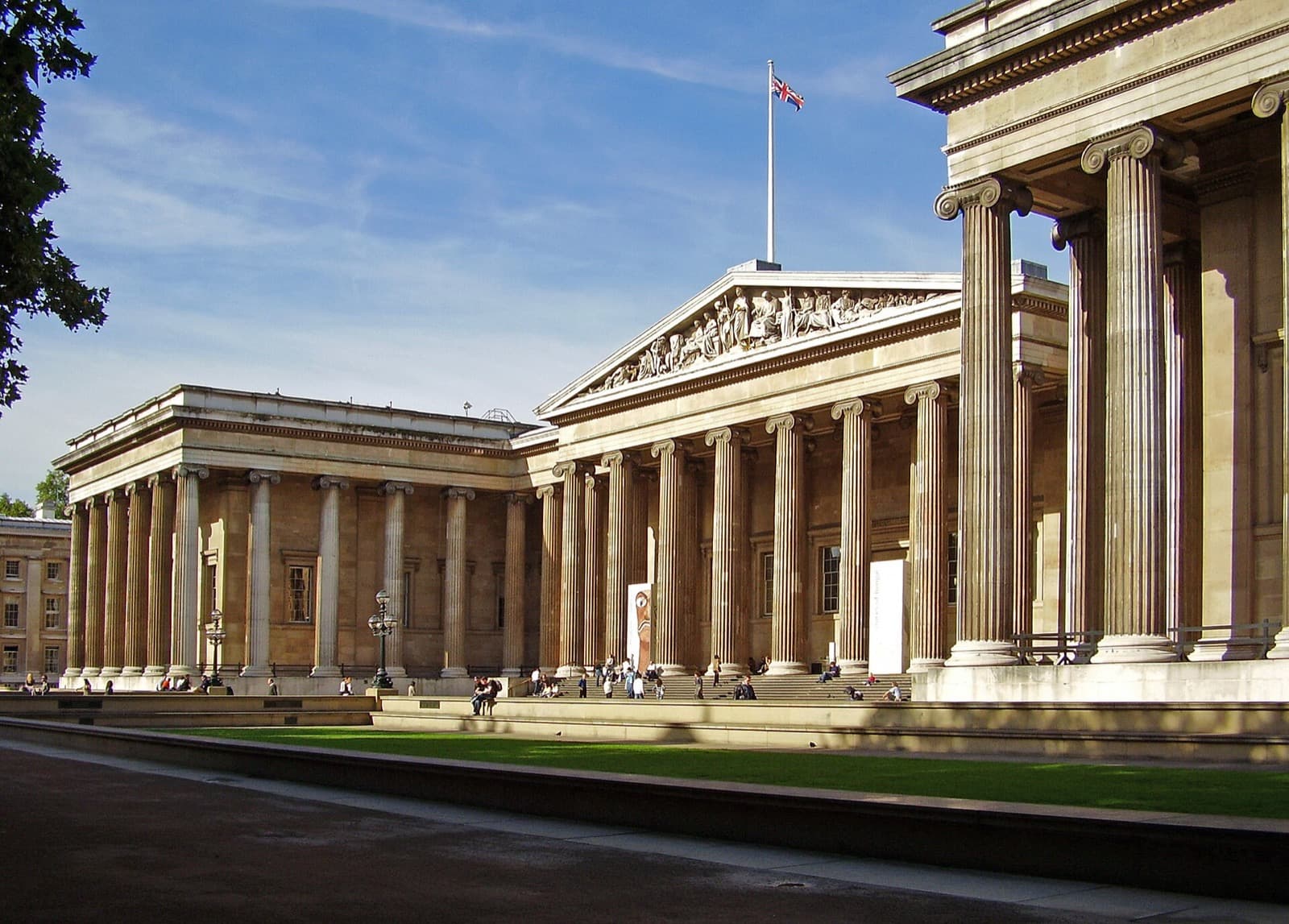
British Museum: What to See, Floor by Floor
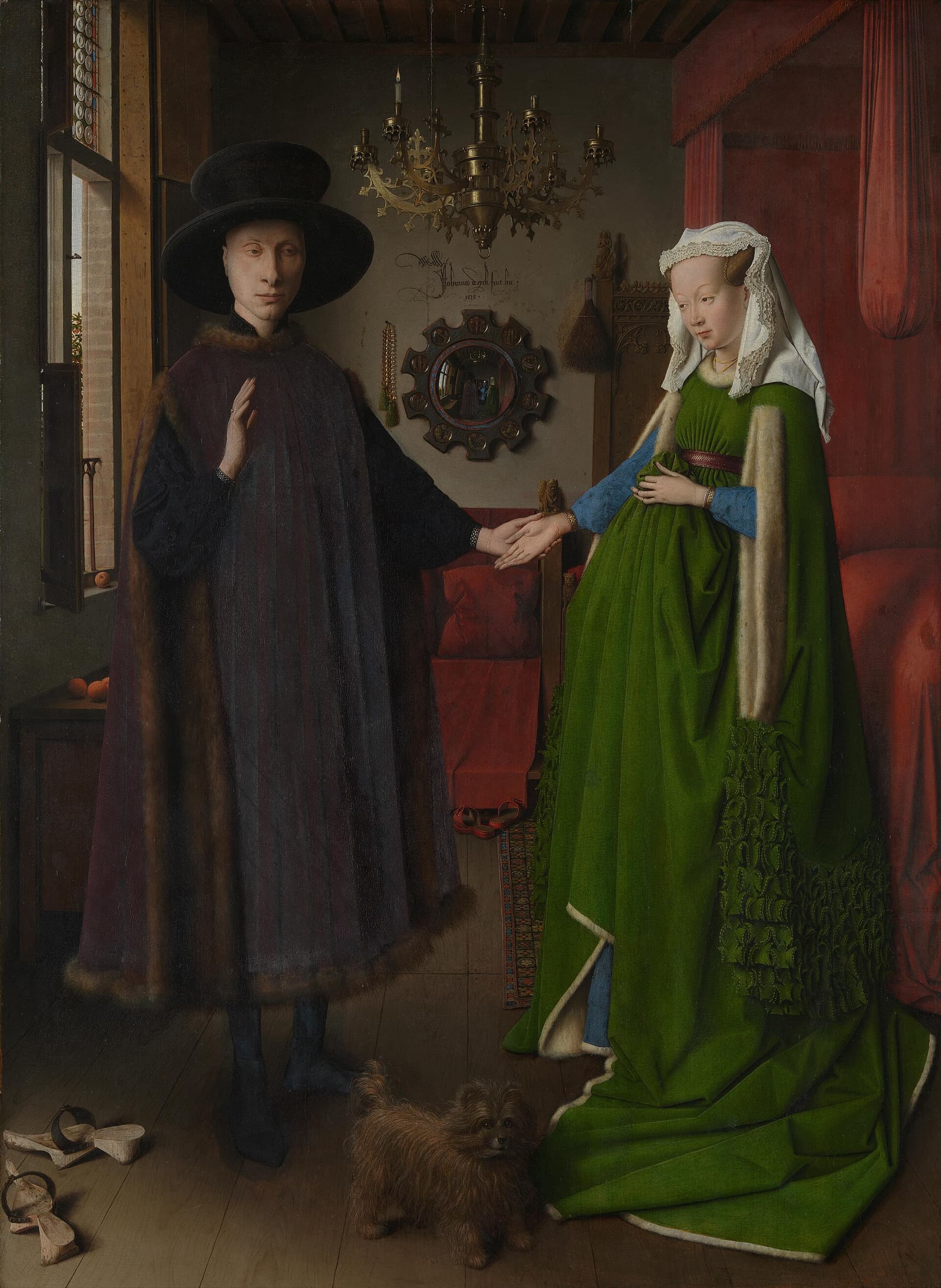
The Arnolfini Portrait: The Mirror, the Meaning and the Myths
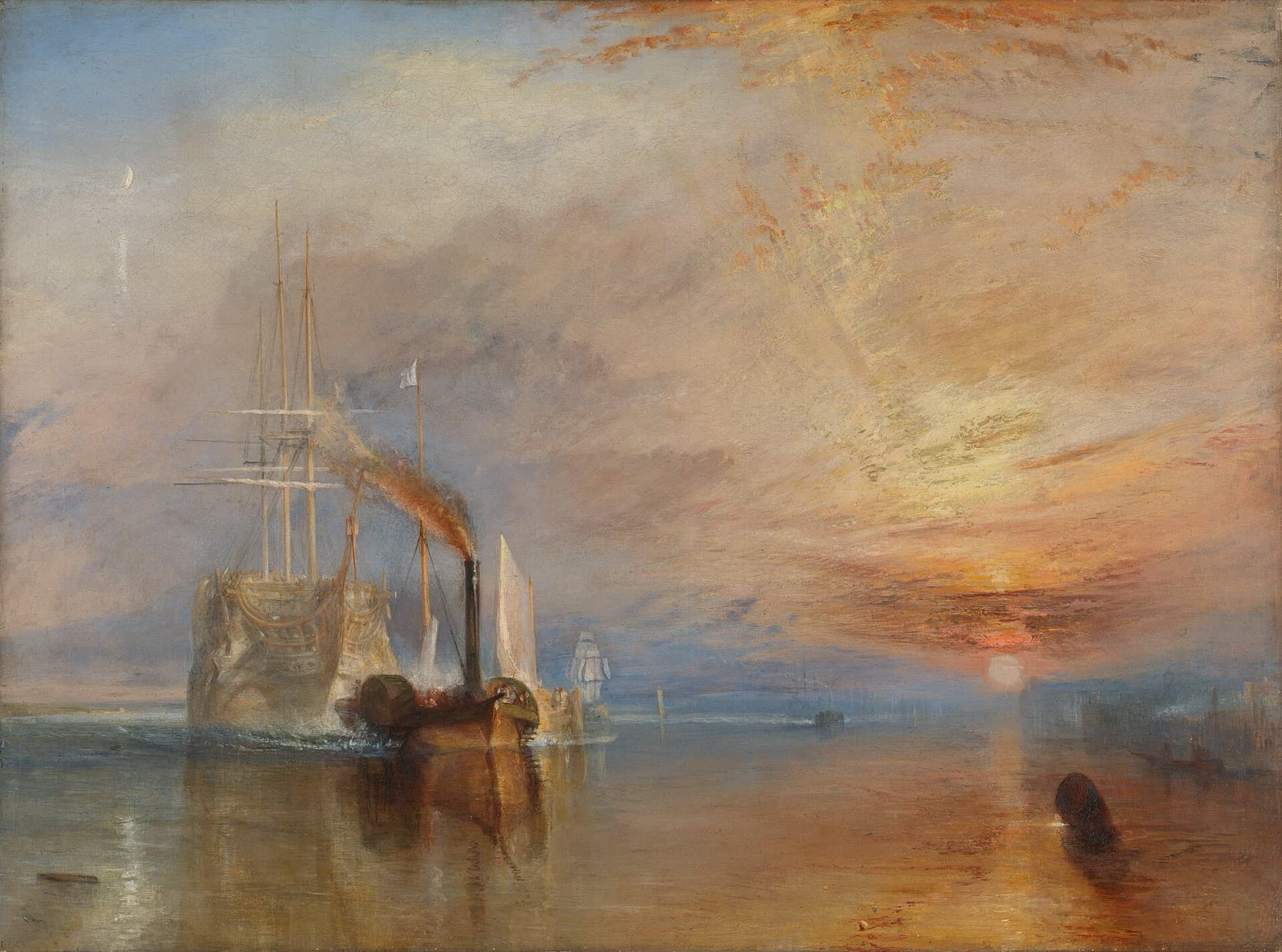
The Fighting Temeraire: Turner's Last Voyage of a Trafalgar Ship
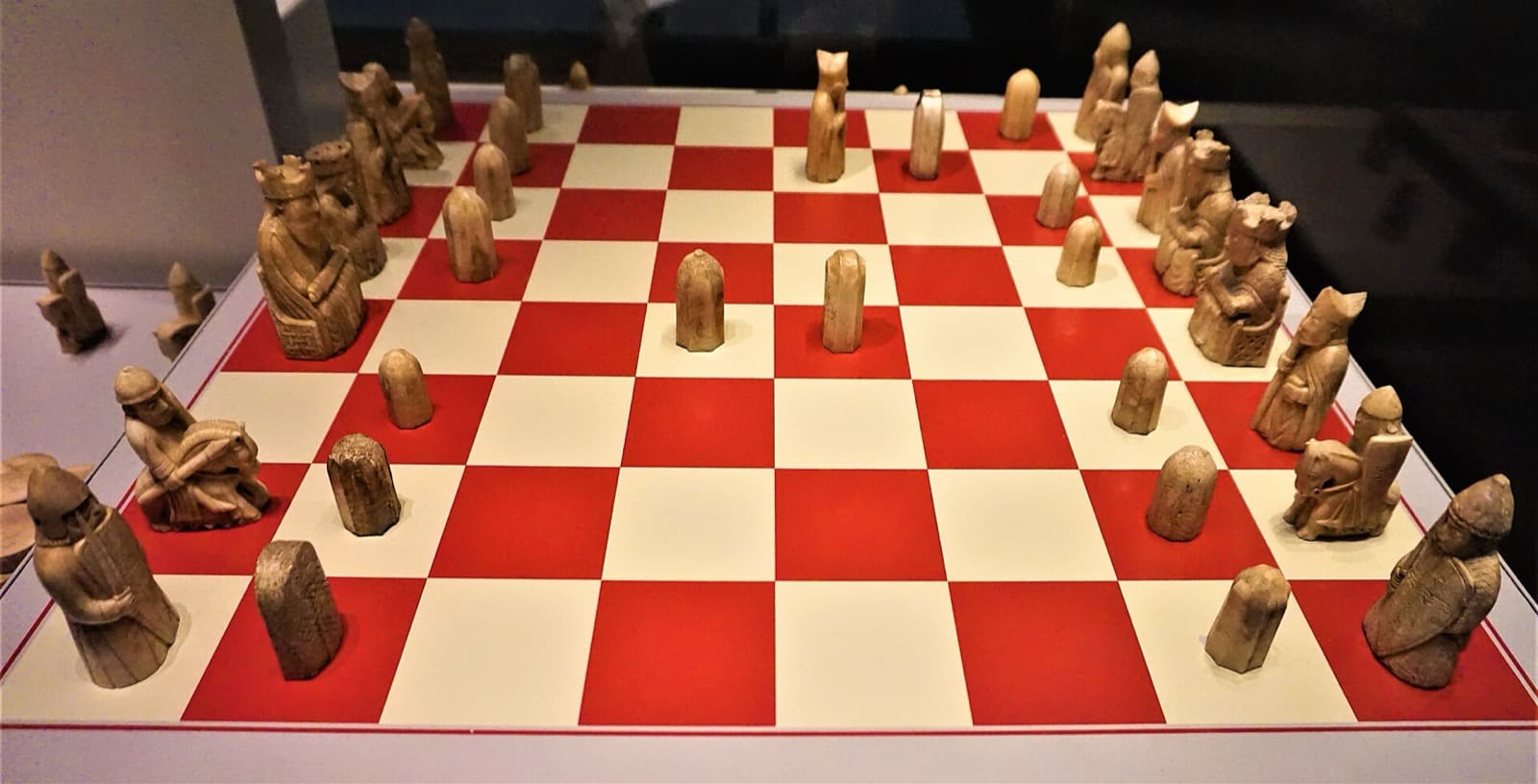
The Lewis Chessmen: Kings, Queens and Berserkers in Room 40
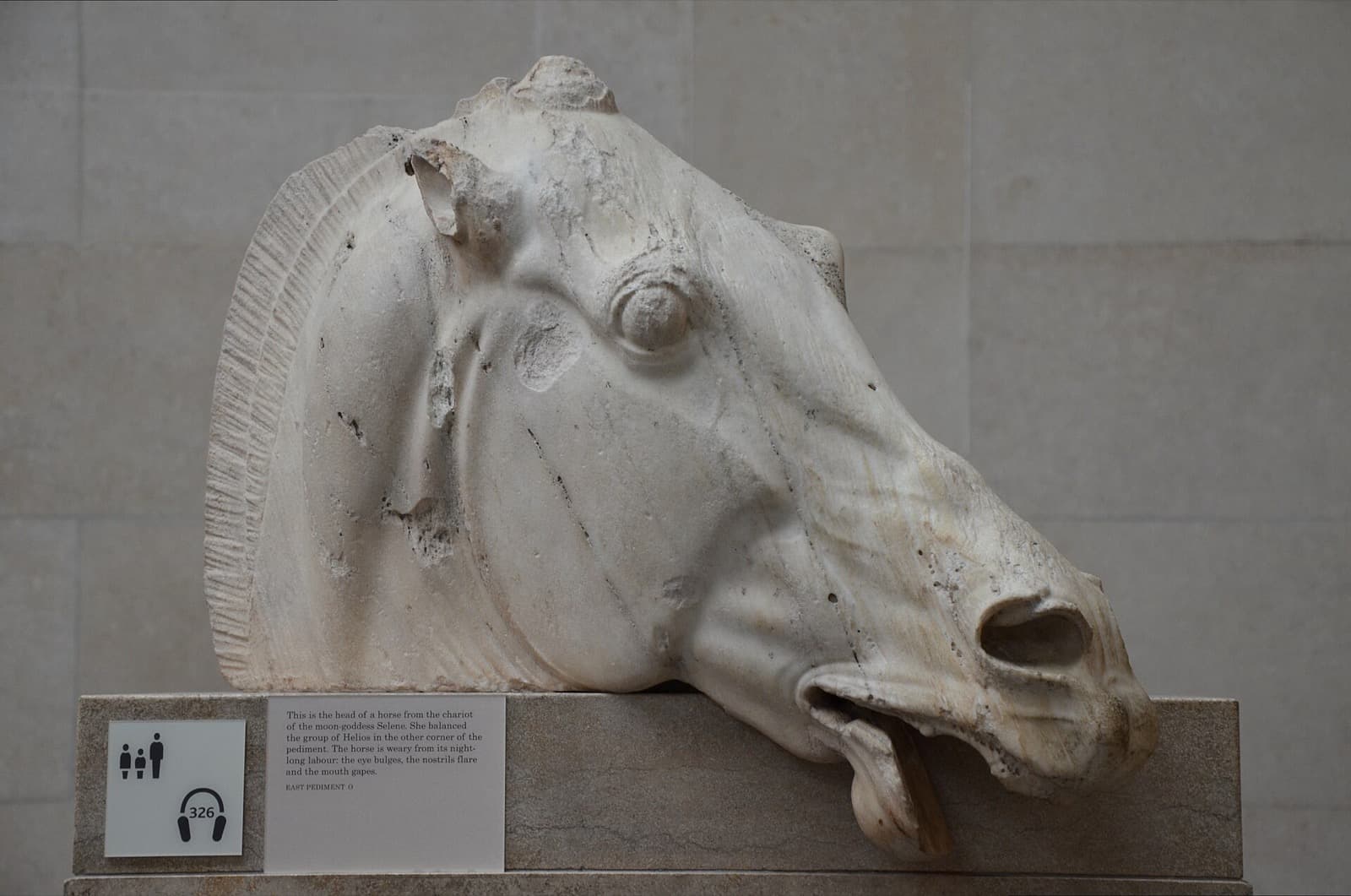
The Parthenon Sculptures: What Is in Room 18 and How It Got There