The City of London is not London. That sentence is true in a way that sounds like a riddle.
The Greater London you arrive in by train is a postwar administrative unit of thirty-two boroughs covering about six hundred square miles and home to roughly nine million people. The City of London is a single square mile inside it. Its own Corporation says it provides local government services for 8,600 residents and 614,500 City workers. It operates under a separate legal and electoral system from everything around it. It has its own police force in different uniforms from the Metropolitan Police, its own franchise that lets businesses vote alongside residents, and its own ceremonial head, the Lord Mayor, who is not the same person as the elected Mayor of London.
The interesting question is not how it started. The interesting question is why English governments have so often left it alone.
The 1067 charter
William the Conqueror won at Hastings in October 1066, and the country he had to govern afterwards was hostile, unfamiliar and large. London was the largest settlement in it and the wealthiest, and it was not interested in being conquered.
William's answer was a short written charter, the oldest document in the City's archive. In it William greets "all the citizens in London, French and English" and wills that their laws and customs be preserved as they were in King Edward's day. The City Corporation reads it as William's recognition of how much London mattered. The Normans took the country. The City was permitted to keep its ways.
The charter was a practical decision. London's wealth depended on its trading and customs networks, and disrupting them would have cost the new crown more than an exception did. The same calculation has reappeared every time the question has come up since.
The medieval consolidation
Hear a stop from this walk
St Paul's Cathedral: The Dome the City Keeps in View
In 1215, the same year as Magna Carta, King John's letters patent gave Londoners the right to choose a mayor each year, to be presented to the sovereign for approval and to swear to be faithful. The City's own account says those provisions have been respected ever since.
By the later Middle Ages the City ran on its trading guilds: the Mercers, Goldsmiths, Fishmongers, Drapers, Skinners and dozens of others. These were not informal associations. They controlled who could practise a trade, what quality of goods could be sold, and which apprentices could rise, and they were the City's electoral base. The Lord Mayor is still chosen from within that guild world. The City's electoral system therefore preserves a medieval commercial republic inside a twenty-first-century state.
The seventeenth-century stress test
The Great Fire of September 1666 tested the City hardest. It burned thirteen thousand two hundred houses and eighty-seven churches, by the Monument's own count, and the City came out of it with its institutions intact.
What followed was a rebuilding on the old plan, not a new one. The street pattern was largely kept after the Fire, apart from new streets such as King Street and Queen Street, and Wren's grand scheme for a redrawn City was mostly rejected. Parliament's rebuilding Act ordered brick or stone fronts and wider streets in named places. The Monument, designed by Robert Hooke and Christopher Wren together and finished in 1677, stands on a City site by Parliament's order. The City was told to build in brick and stone, and the lanes mostly stayed where they were.
The Bank of England is the other late-seventeenth-century fixture of the same story. It opened in 1694 in rented rooms at Mercers' Hall in Cheapside, moved to Grocers' Hall in the Poultry, and came to its Threadneedle Street home in 1734. The state needed the City's capital, and the City needed the state's stability.
The nineteenth-century survival
The usual account of the nineteenth century is that the great reforms of British local government went around the City. Other English towns were reorganised in 1835, and the London County Council, created in 1888, was set up to administer the rest of the metropolis without taking over the Square Mile. That is the standard telling rather than something the City Corporation itself documents, so treat it as background.
The pattern it describes is simple. Reformers proposed absorbing the City. The City's commercial and political weight made the proposal costlier than the principle, and the exception survived.
What you can see on the ground
The jurisdictional boundary is invisible if you do not know it. Walk west from the Tower of London and somewhere along the way you cross into the City. There is no sign, no line, no change in the street. The police officer at the next corner wears a slightly different uniform from the one half a mile back, and that is the only visible cue.
The boundary asserted itself in stone at Temple Bar. Historic England's listing describes it as the former west gate into the City, built in 1670 to 1672 by Joshua Marshall and Thomas Knight, with possible involvement of Christopher Wren; tradition gives the design to Wren. It stood where Fleet Street meets the Strand. When the monarch came to the City, the sovereign paused at the gate to request permission to enter, and the Lord Mayor handed over the Sword of State. The gate was taken down in 1878 for traffic, rebuilt in a Hertfordshire park in 1888, and brought back in 2004 to Paternoster Square beside St Paul's. It now stands where nobody ever crossed the City line, so it no longer marks the boundary. It marks the idea of one.
Mansion House, the Lord Mayor's official house, and the Guildhall, which dates from 1411, are the other two places where the City's separateness has a building. The Guildhall lost its roof in the Fire and kept its walls, and a new roof went on in 1667 to 1671.
Why the anomaly is interesting
The City of London is not an inefficiency in the British state. It is an old arrangement that keeps being renewed because rulers keep finding it useful. The arrangement is not democratic in the modern sense. It is older than modern democracy and has outlived several versions of it.
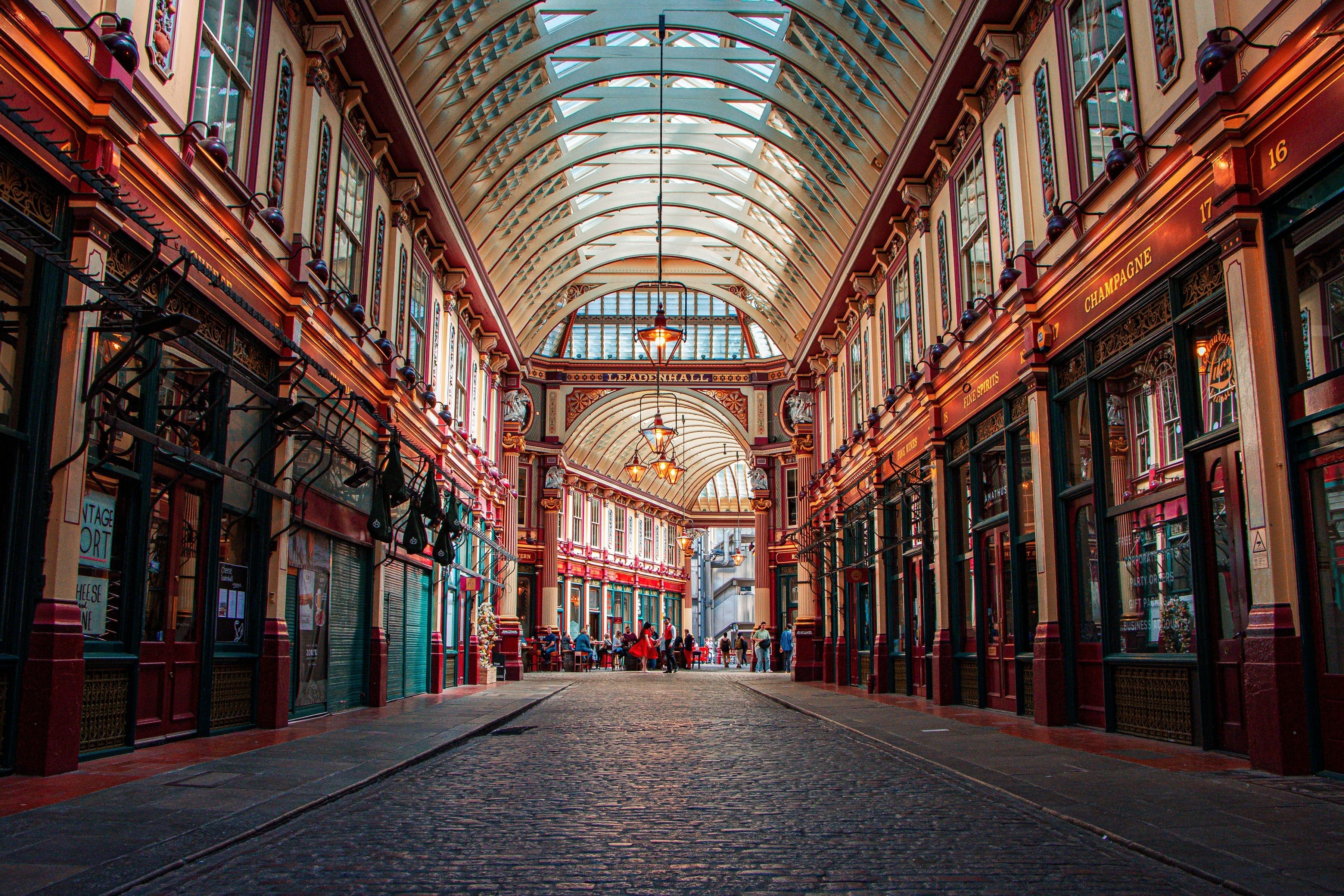
The City of London walk follows the thing that outlived the Fire, which is the plan. It starts at the Roman wall at Tower Hill and passes All Hallows by the Tower, the church whose steeple Pepys climbed, and the garden that St Dunstan in the East became. It goes on by the Monument, Leadenhall Market on the Roman forum, Lloyd's and the Bank junction, then the Roman arena in the paving of Guildhall Yard, St Mary-le-Bow, Temple Bar and St Paul's. Walking them in order is walking how a Roman and medieval street plan kept its shape while the buildings around it were replaced.
Ready to experience it?
City of London: The Plan That Outlived the Fire
100 min · 2.8 km · easy
More from London
Explore more at your own pace.
British Museum: What to See, Floor by Floor
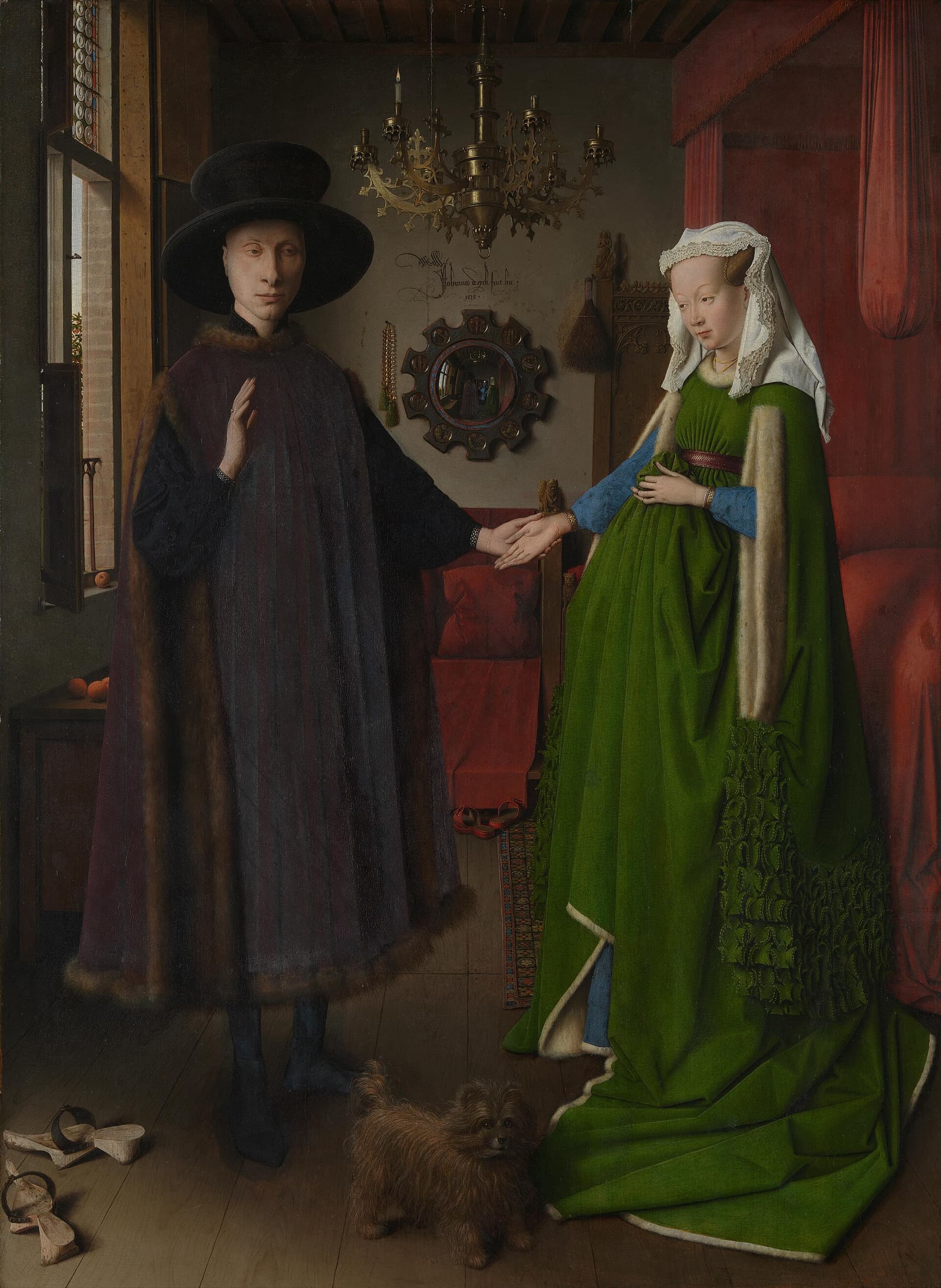
The Arnolfini Portrait: The Mirror, the Meaning and the Myths
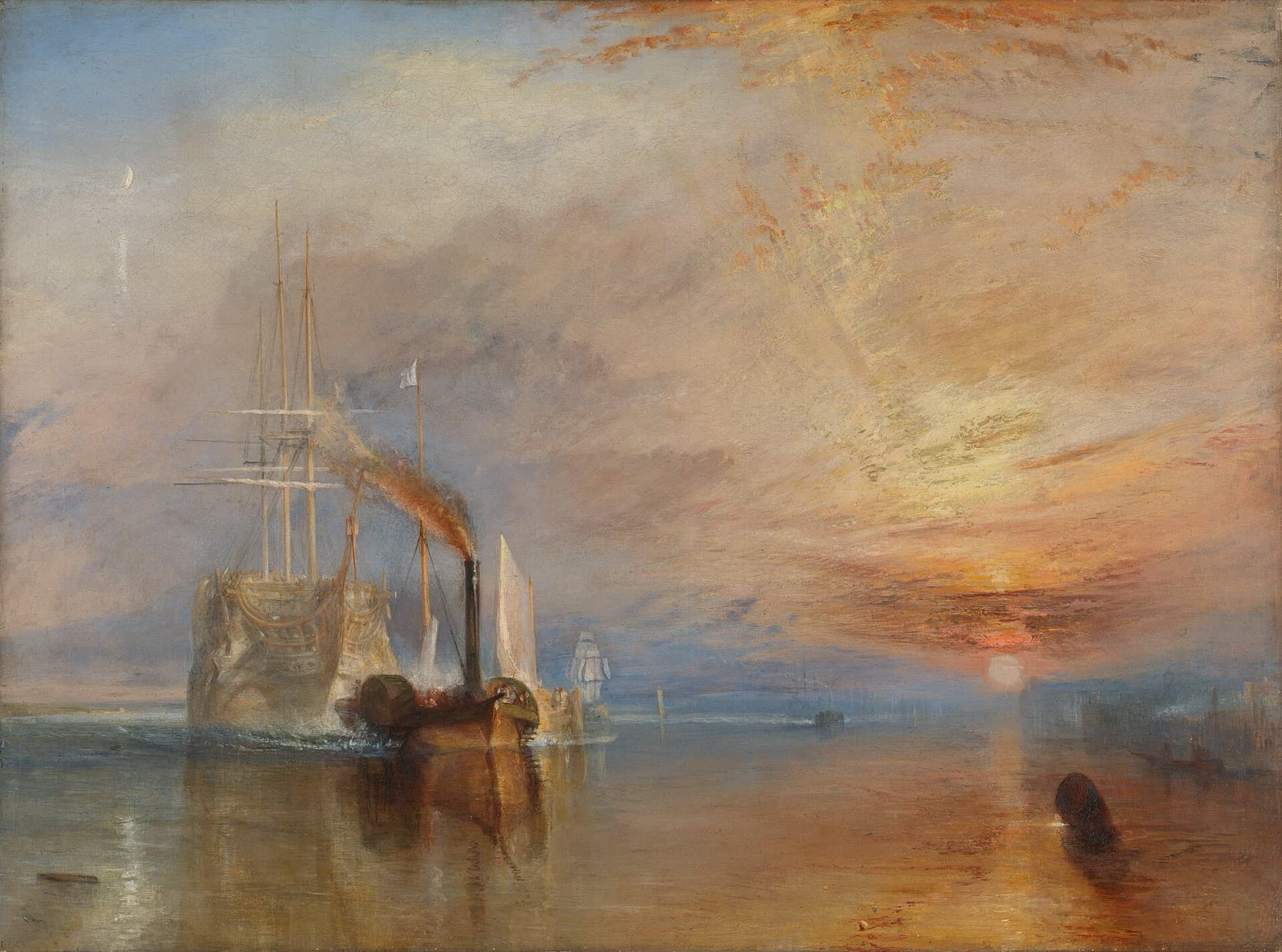
The Fighting Temeraire: Turner's Last Voyage of a Trafalgar Ship
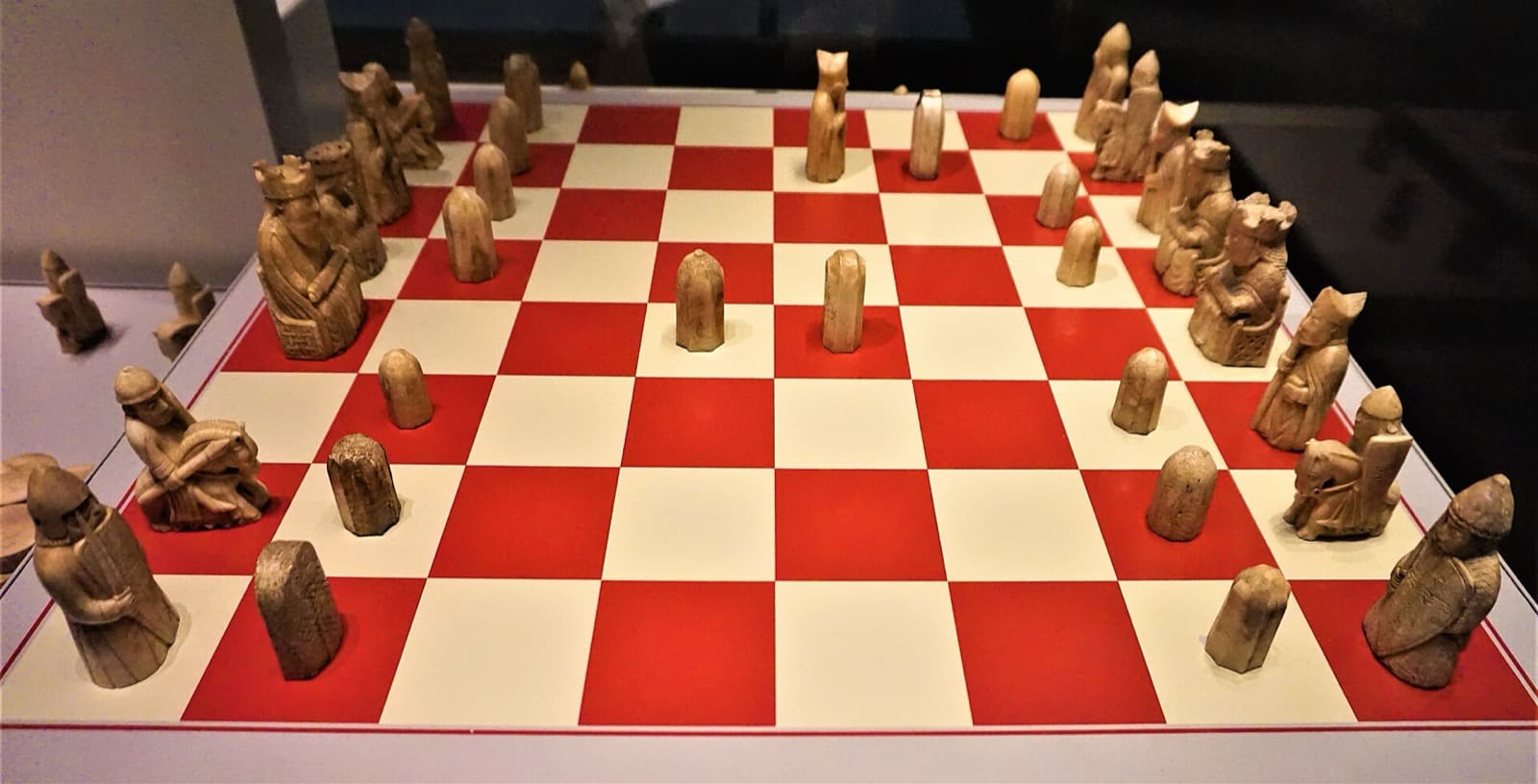
The Lewis Chessmen: Kings, Queens and Berserkers in Room 40
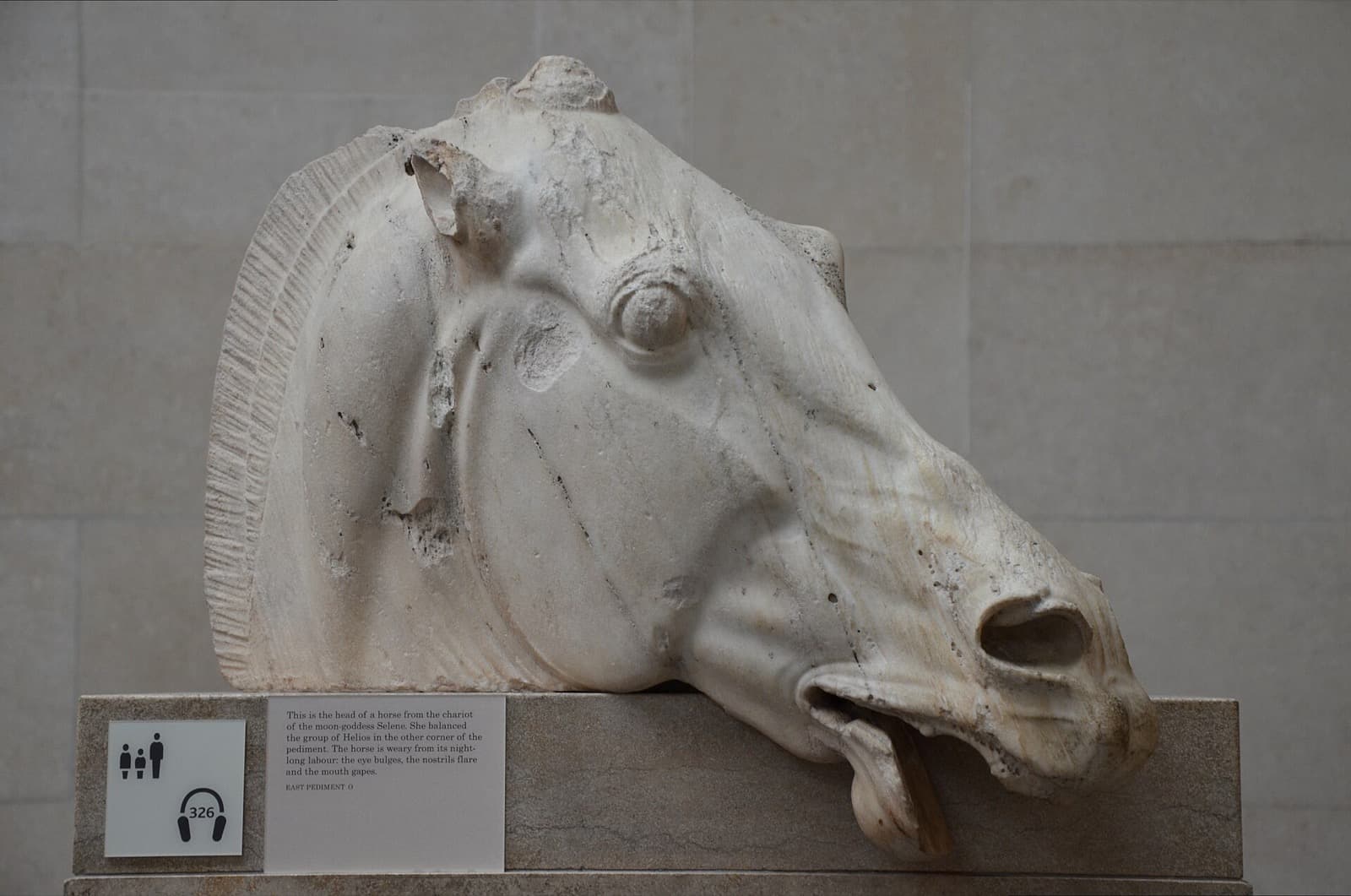
The Parthenon Sculptures: What Is in Room 18 and How It Got There