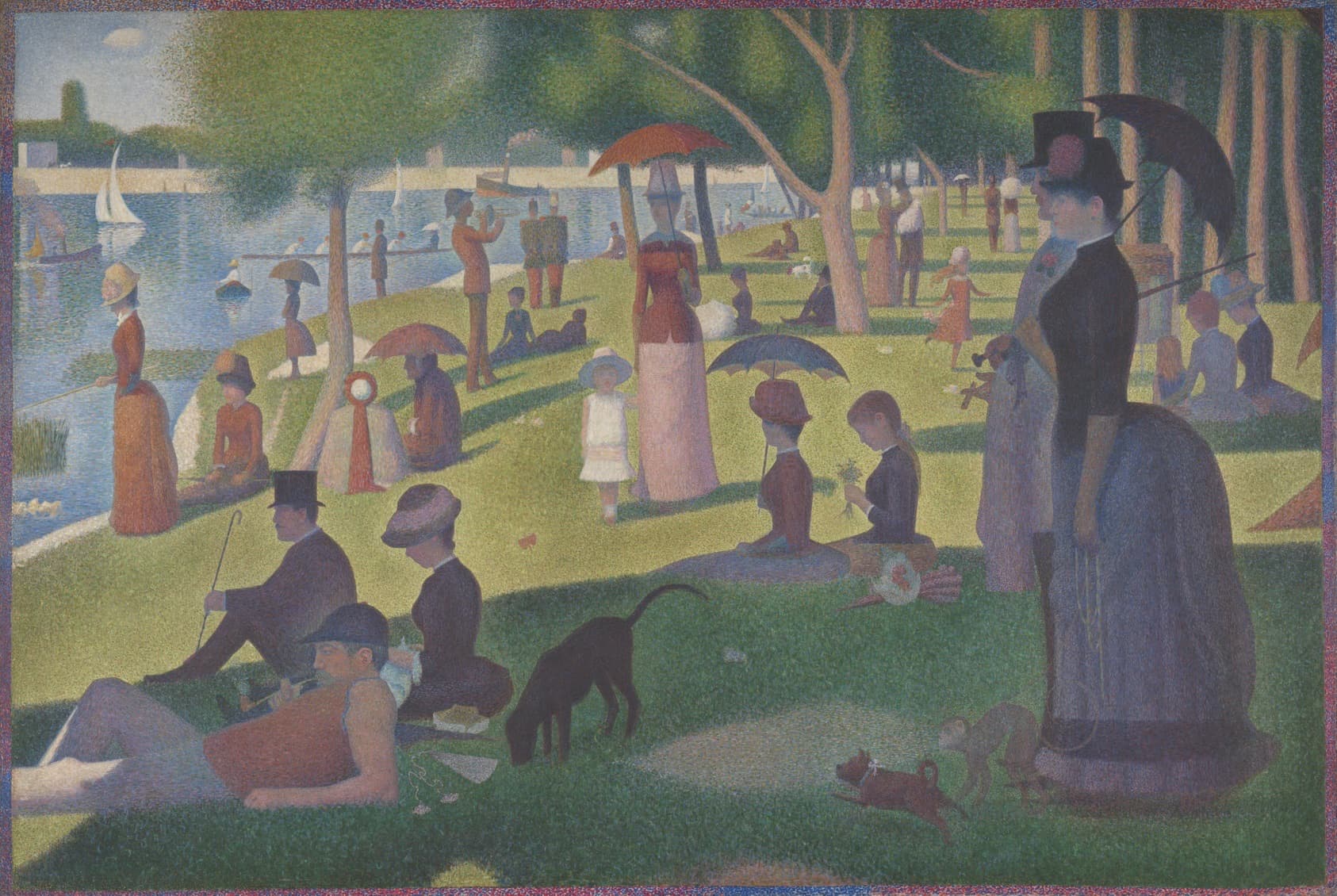
A Sunday on La Grande Jatte is Georges Seurat's largest and best-known painting, made between 1884 and 1886. It shows Parisians relaxing on an island in the Seine, painted in tiny dabs of color that your eye blends into a scene. It hangs in Gallery 240 on Level 2 of the Art Institute of Chicago.
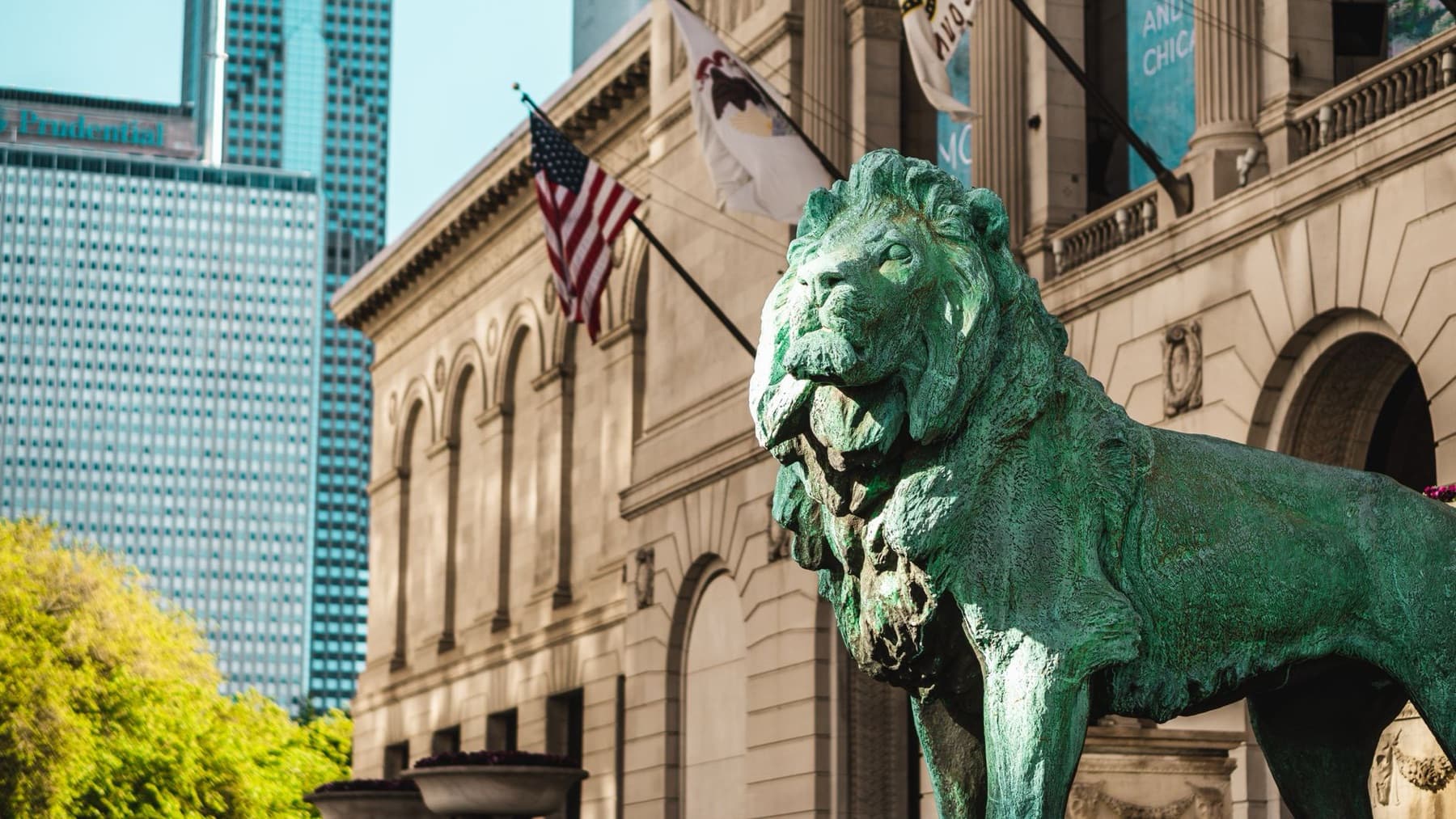
If you are asking where A Sunday on La Grande Jatte is: it is in Chicago. Georges Seurat's huge painting hangs in Gallery 240 on Level 2 of the Art Institute of Chicago, and it has been in the museum's collection since 1924.
If you are asking what it means: it is a picture of ordinary Parisians spending a Sunday outdoors. La Grande Jatte is a park on an island in the River Seine, and Seurat filled it with people of every age and social class, strolling, lounging, sailing and fishing. The meaning most people reach for is the technique, a painting built from small dabs of color. Seurat's own stated aim, per the museum, was bigger: a painting of modern life with the order of a classical Greek frieze.
Where La Grande Jatte actually is
The island sits in the Seine between Neuilly and Levallois-Perret, at the gates of Paris, a short distance from where the La Défense business district stands now. When Seurat began the painting in 1884 it was a bucolic retreat far from the city center. It later became an industrial site, and today it holds a public garden and housing.
How the painting was made
Hear a stop from this walk
Daley Plaza: Steel That Rusts on Purpose
Seurat spent two years on it. According to Wikipedia he worked from May 1884 to March 1885 and again from October 1885 to May 1886, and he made many preliminary drawings and oil sketches first. One complete painted study, about 70 by 104 centimeters, is in the Metropolitan Museum of Art in New York. The Art Institute's own record adds that several larger canvases came before the final version, where he worked out the landscape and the figures.
The painting was first shown at the eighth and last Impressionist exhibition in May 1886, and then at the Salon of the Société des Artistes Indépendants, which Seurat had helped found.
What the dots are doing
Seurat was drawing on color theory. Instead of mixing paint into a final shade on the palette, he placed small dabs of different colors side by side and let the viewer's eye merge them. He believed the result would be more brilliant than ordinary brushwork. He preferred to call his method Divisionism, though today it is known as Pointillism.
The museum describes what happens when you walk up to the canvas: figures and forms dissolve into dots and dashes of complementary colors set next to each other. Wikipedia adds that the dots only became fairly uniform in the second year of work, 1885 to 1886.
Changes Seurat made along the way
He did not paint it in one pass. The museum notes that Seurat returned to the work two years after starting, enlarging the silhouettes of some figures and adding others. The monkey on a leash feels so central now that it is hard to picture the painting without it. Others are almost invisible. In the far distance there is a man carrying a rolled newspaper, which the museum calls barely noticeable.
Around 1888 and 1889 he added a painted border, still made of dots, so the viewer sees a transition between the painting and its frame. The record dates the whole painting 1884 to 1886, with the border added 1888 to 1889.
The Greek frieze idea
The museum says Seurat's goal was a painting of modern life equivalent to a classical Greek frieze. Wikipedia, citing the historian William Everdell, records that Seurat told the critic Gustave Kahn his model was the Panathenaic procession on the Parthenon frieze. He did not want ancient Athenians. He wanted ordinary people of his own time, filing past in their essential form.
How big is it, and what is it made of?
It is oil on canvas, 207.5 by 308.1 centimeters (about 6 feet 9 inches by 10 feet 1 inch). The museum's own text calls it a nearly ten-foot-wide painting, and it is Seurat's largest and best-known work.
One slow change is worth knowing about. Wikipedia reports that the zinc yellow Seurat used for sunlit grass has darkened toward brown over time, a change that was already visible in his lifetime.
What to look for in front of it
Start up close, a step or two from the canvas, and find the dots. Pick one patch of shaded lawn and notice how many colors sit together to make it.
Then walk back until the scene locks into place. Find the fashionable couple on the right, with the woman carrying a sunshade and leading the monkey. Find the woman on the left holding a fishing pole over the water. Near the middle, find the small girl in white. She faces you, and Wikipedia notes she is not in shadow, which some readers take as a quiet question put to the viewer.
Last, look for what Seurat added later, especially the man with the rolled newspaper far in the distance. If you spot him, you have looked harder than most visitors do.
If the scene feels familiar, the museum notes another reason. In Ferris Bueller's Day Off, the character Cameron Frye studies this painting in a scene set at the Art Institute.
How this fits the Roamer guide
Roamer's museum guide to the Art Institute of Chicago includes a story for A Sunday on La Grande Jatte in the Post-Impressionism rooms on Level 2, next to Van Gogh's The Bedroom and Toulouse-Lautrec's Montmartre. You can find it in the Art Institute of Chicago guide. For the rest of the museum, floor by floor, read what to see at the Art Institute of Chicago.
Cover image: Georges Seurat, A Sunday on La Grande Jatte, 1884, 1884-86, Art Institute of Chicago, CC0, via the Art Institute of Chicago.
Ready to experience it?

The Loop: The Frame Behind the Wall
90 min · 2 km · easy
More from Chicago
Explore more at your own pace.

Chicago Travel Guide: How Many Days, Getting Around, When to Go (2026)
One Day in Chicago: A Walkable Downtown Itinerary (2026)
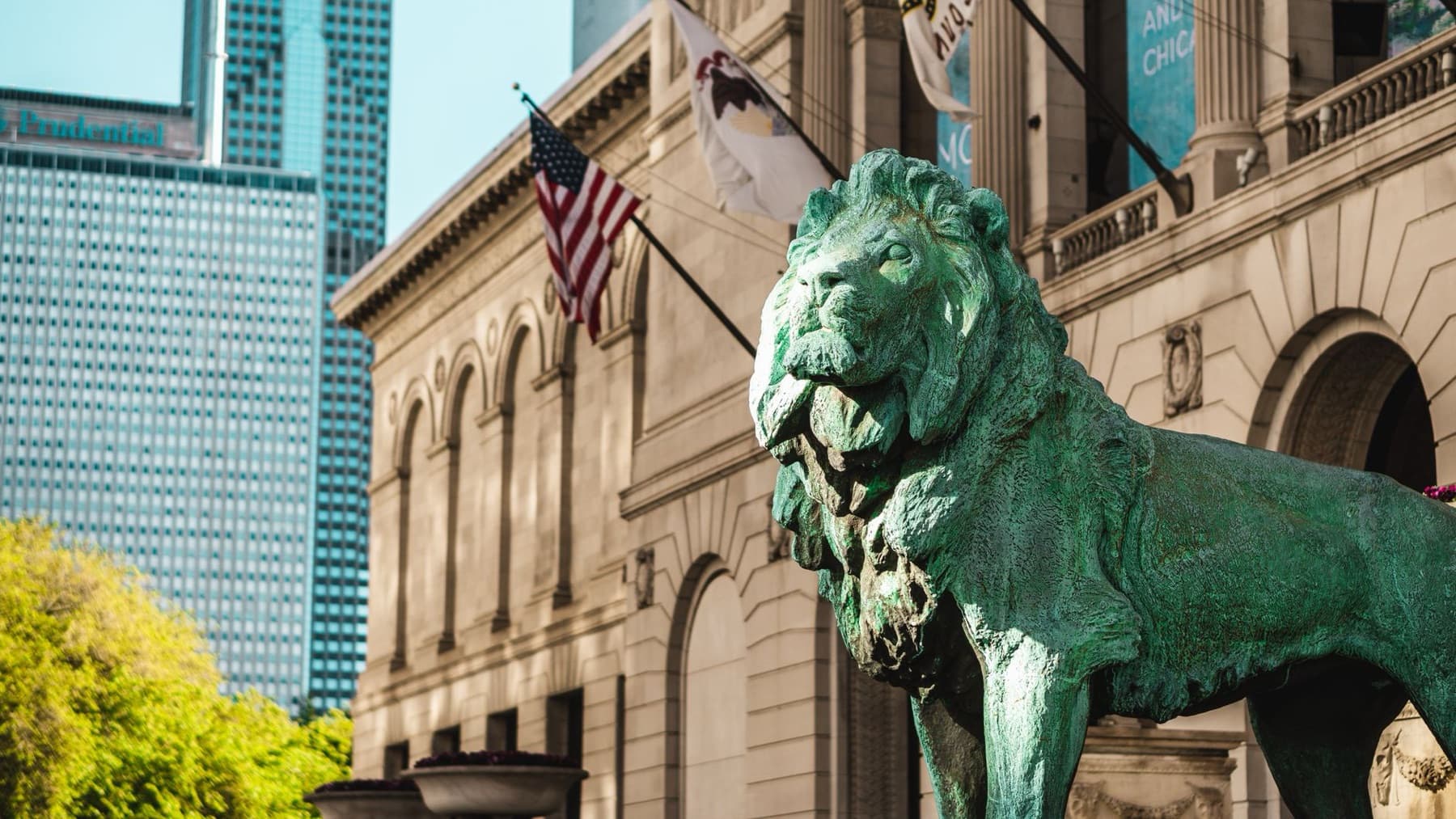
Art Institute of Chicago: What to See, Building by Building
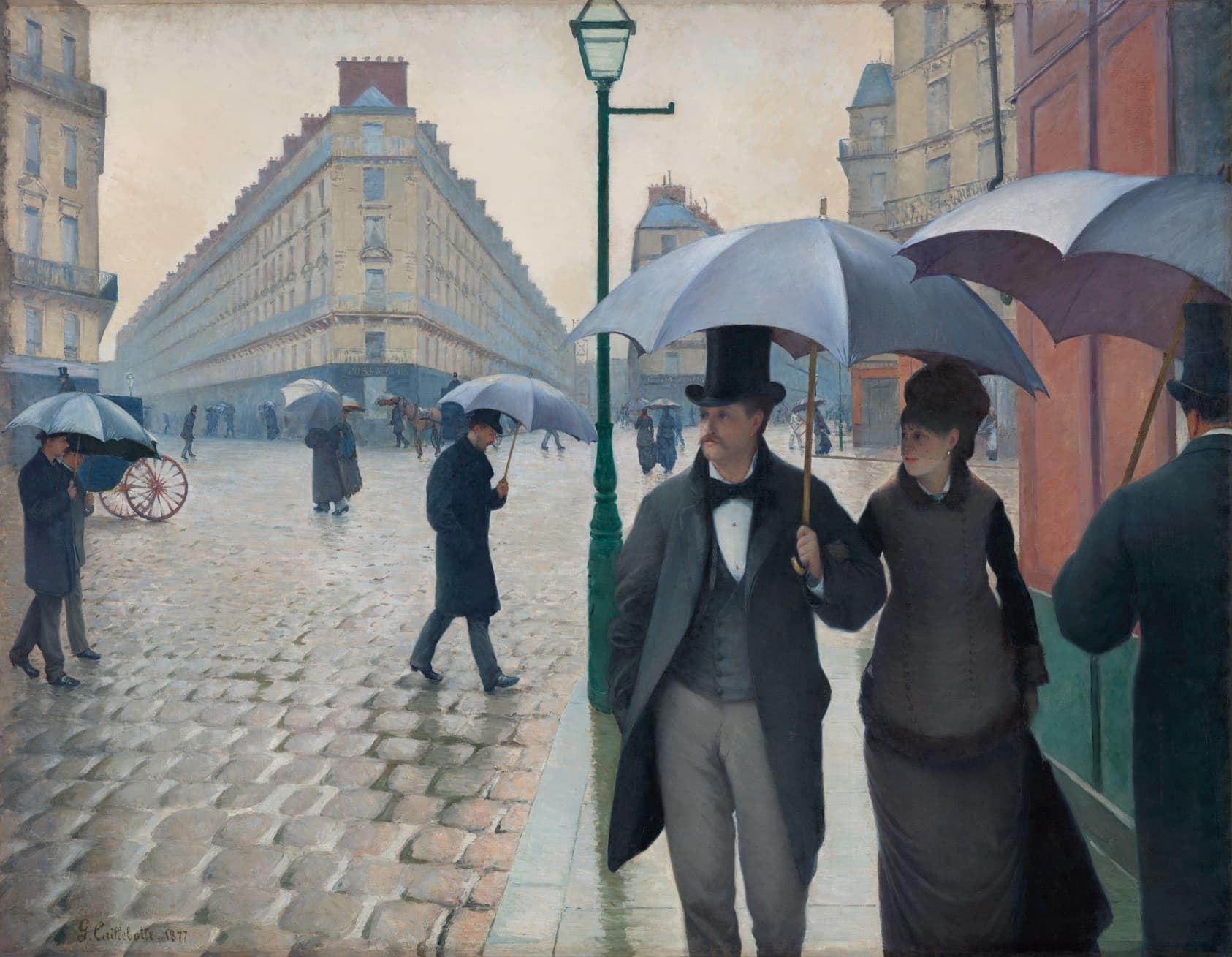
Paris Street; Rainy Day: Caillebotte's Nine-Foot Street Corner
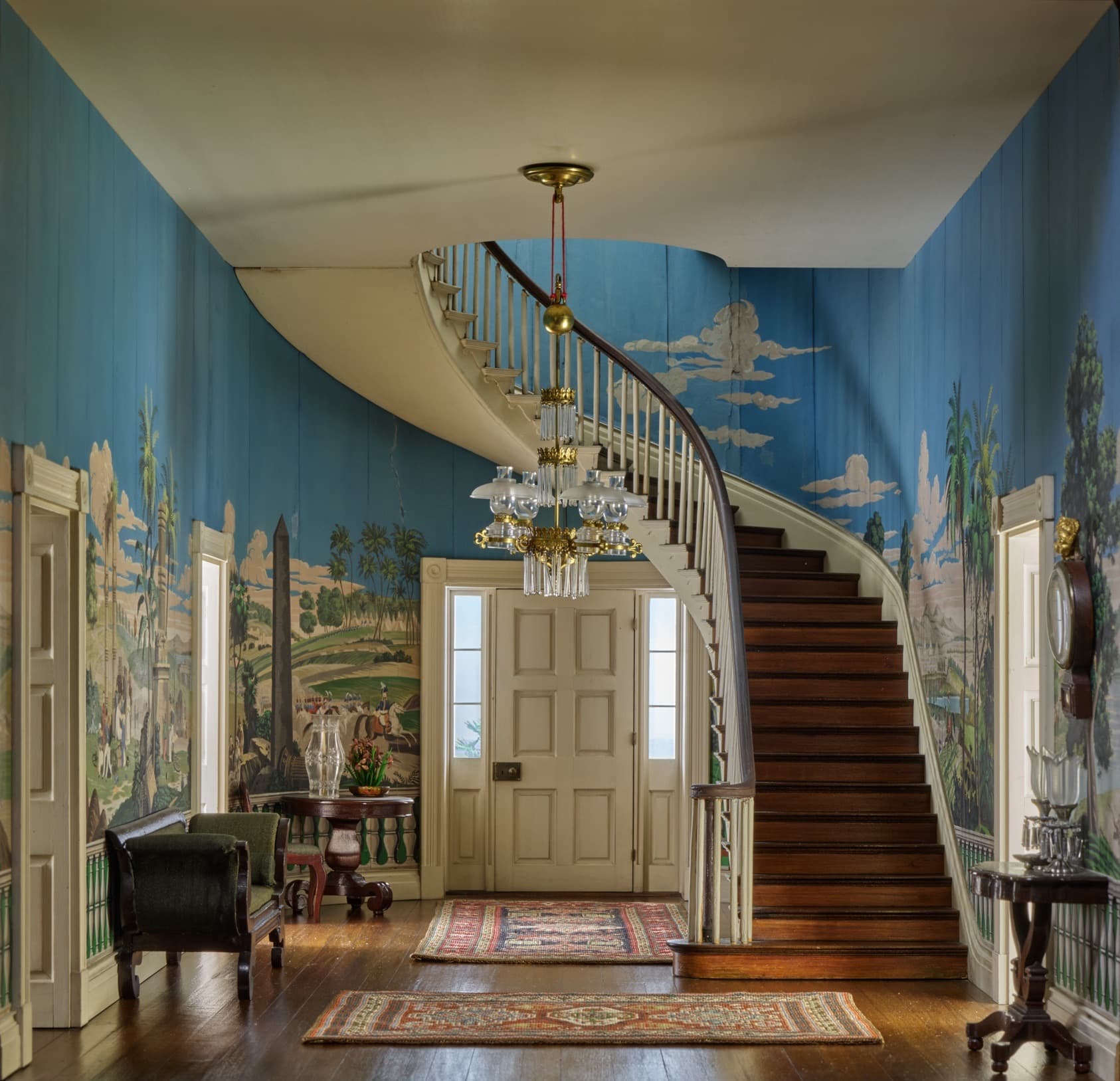
Thorne Miniature Rooms: Sixty-Eight Interiors at One Inch to the Foot