Kanazawa escaped the war that flattened most of old Japan, and kept something rarer than buildings. This walk follows the Maeda family's three centuries of patronage from the samurai lanes to the market to a pottery kiln still run by the same family after more than three hundred sixty years.
Start · Nagamachi Samurai District: The City the War Missed
DirectionsStops
- 1
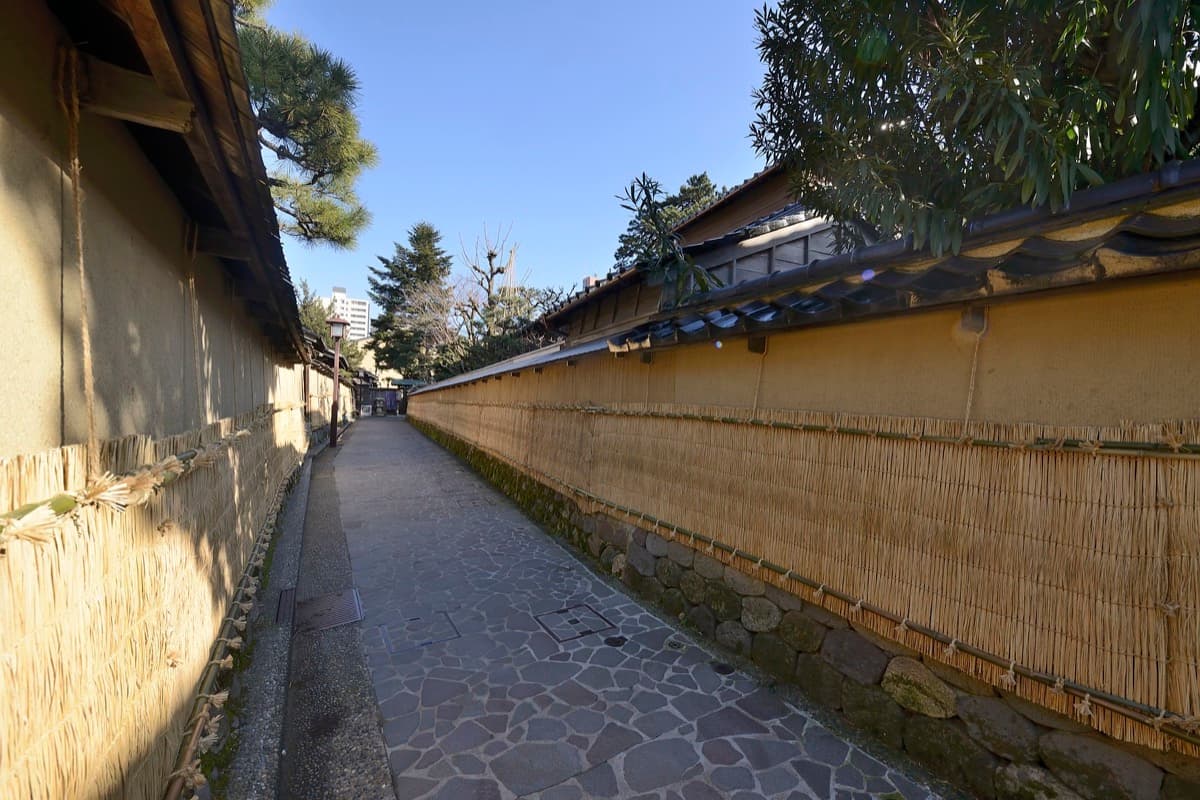
Nagamachi Samurai District: The City the War Missed
An intact quarter of earthen-walled samurai lanes at the foot of the old castle, spared when most Japanese castle towns burned in the war.
- 2
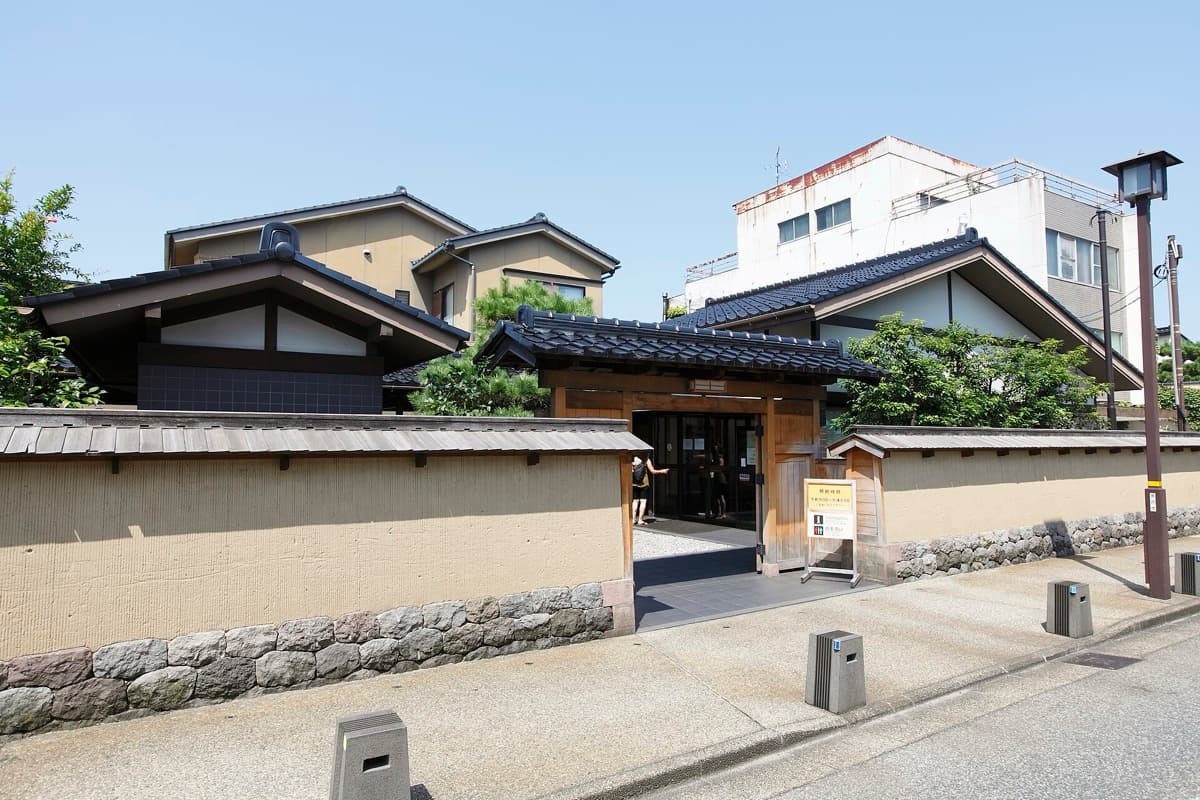
Nomura Family Samurai House: Eleven Generations
A restored samurai residence with an acclaimed courtyard garden, home to one family that served the Maeda for roughly eleven generations.
- 3
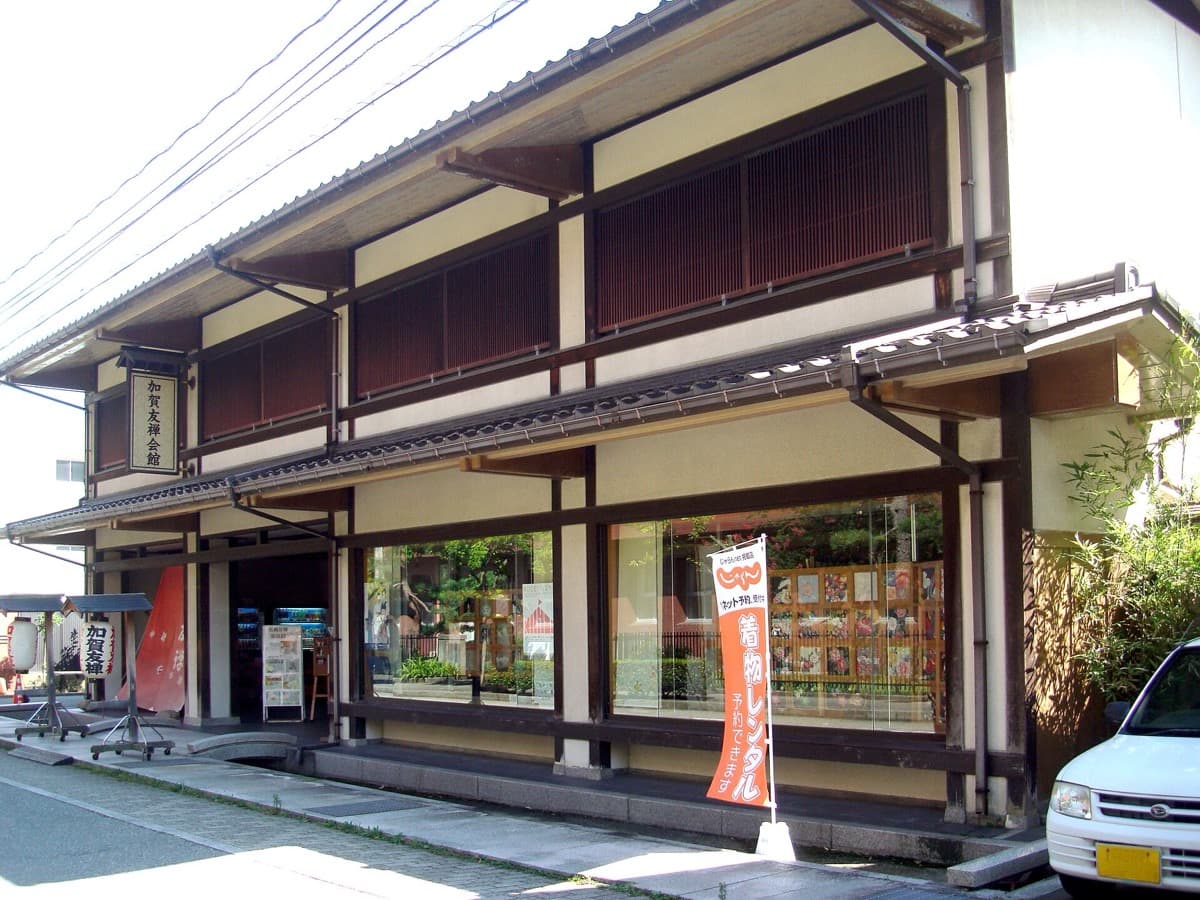
Kaga-Yuzen: The Five-Colour Silk
Kanazawa's hand-painted silk-dyeing tradition, built on five signature colors and a taste for nature rendered with startling realism.
- 4

21st Century Museum of Contemporary Art: The Glass Heir
A circular glass museum with no front or back, and the counter-intuitive heart of the walk: is it a break from the craft city, or its truest heir?
- 5

Omicho Market: Kanazawa's Kitchen
A covered food market near the castle that has fed the city for about three hundred years, once the pantry of the Kaga Maeda and still a working market today.
- 6
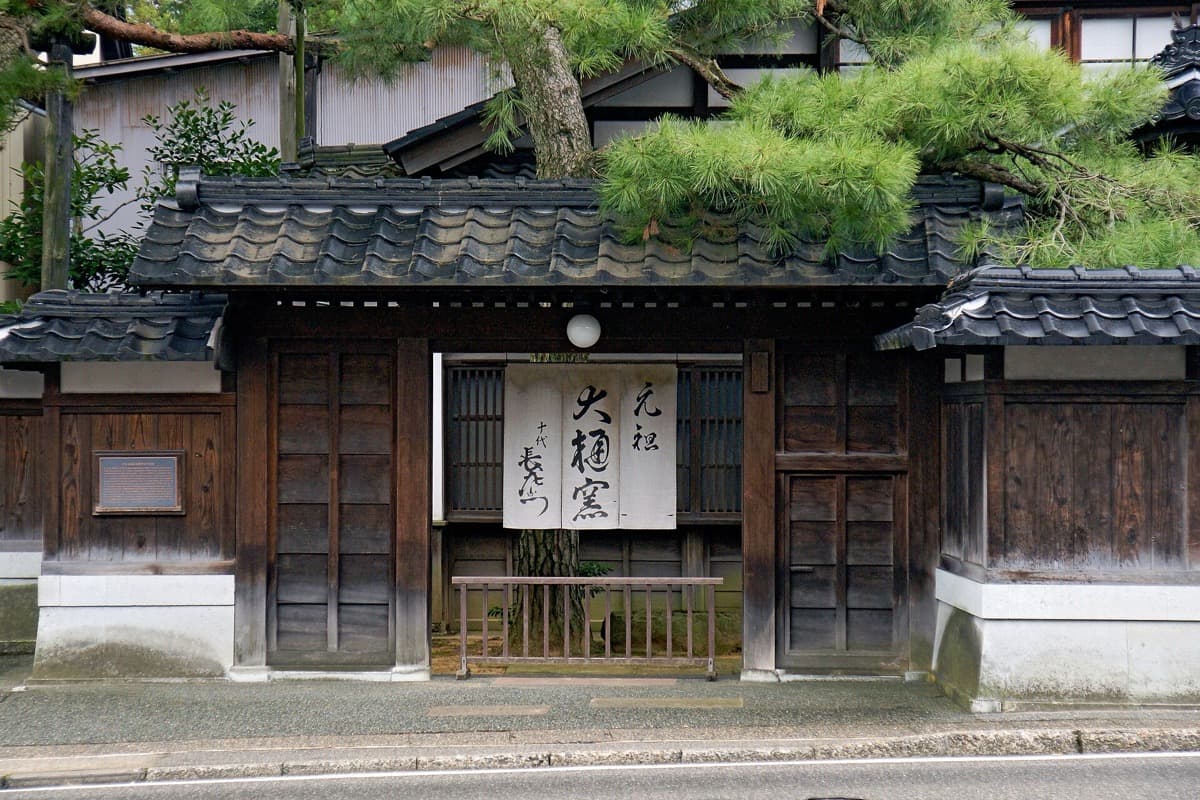
Ohi Pottery: The Unbroken Line
A tea-ceremony pottery founded in sixteen sixty-six and still made by the same family line, the closer that lands the thesis of the whole walk.
Details
Best Time to Visit
Spring and autumn are the most comfortable seasons for this walk, with mild air and, in autumn, color in the Nomura garden. Morning is best for Omicho Market, when the fish is freshest and the wholesale trade is in full swing, roughly nine to eleven. Winter rewards you with snow crab in the market and the striking sight of the Nagamachi walls wrapped in their straw mats, though you will want warm, waterproof layers.
Pro Tips
- •Go at your own pace and skip freely: the six stops are close together but each stands on its own, so there is no wrong order.
- •Wear comfortable, waterproof shoes. Kanazawa is one of the rainier cities in Japan, and Nagamachi's lanes and the market floor can be wet and slick.
- •The Nomura house garden is meant to be seen seated from indoors, so take a few minutes on the veranda rather than rushing through.
- •At the 21st Century Museum you can wander the outer circulation ring and outdoor works for free; only the inner exhibition galleries, including the underwater view of The Swimming Pool, need a ticket.
- •Hit Omicho Market before lunch and bring some cash: many stalls sell small portions to eat on the spot, and eating standing near the shop is the local way.
- •Carry a small bag for your shoes if you enter the Nomura house or a tea room, since you will remove them at the entrance.
Safety & Precautions
- •Nagamachi is a residential neighborhood where people still live behind those walls. Keep your voice down, stay on the public lanes, and do not enter private gates or photograph into homes.
- •Kanazawa's weather turns fast, especially in winter when snow and sleet are common. Check the forecast, carry an umbrella, and watch your footing on wet stone and market floors.
- •Omicho Market is a working market, not an attraction staged for visitors. Do not block the narrow aisles for photos, ask before photographing a vendor's stall, and step aside for the carts moving stock.
- •If you continue toward the geisha teahouse districts, remember any geisha you see are working professionals on their way to appointments. Do not chase, touch, or block them for photos.
Travel advisory: Exercise Normal Precautions (Level 1).
Gallery
Related Reading
Go deeper on what you'll see, hear, and walk through.
Overview
Best Self-Guided Walking Tours in Kanazawa (2026)
3 min
Overview
Kanazawa Travel Guide: How Many Days, Getting There, When to Go (2026)
5 min
Overview
One Day in Kanazawa: A Walkable Castle-Town Itinerary (2026)
6 min
Thematic
Best Culture Walking Tours in Kanazawa (2026)
2 min
Thematic
What to Eat in Kanazawa: A Food Guide (2026)
5 min
Deep dive
21st Century Museum: The Glass Circle That Made Kanazawa a Modern-Art City
5 min
Deep dive
Ohi Pottery in Kanazawa: The Kiln That Has Never Stopped Since 1666
6 min
Read the walk
The full story of Nagamachi: The Craft City, in words. Prefer to listen? Play it narrated, from home or on location.
Introduction
Kanazawa sits on the Sea of Japan coast, and this walk through it lasts about ninety minutes across roughly four kilometres, with six stops you can take in any order or skip entirely. This is Japan, and Kanazawa is one of its great survivors. When the Second World War ended, it was the second largest Japanese city after Kyoto to escape destruction by air raids, so it kept things most cities lost. An intact quarter of earthen-walled samurai lanes. A food market that has fed the city for three hundred years. And a living line of luxury crafts that the ruling Maeda family once paid for, generation after generation. The argument of this walk is not really about lucky buildings. It is about spared hands. For nearly three centuries the Maeda lords spent their enormous wealth on refinement instead of war, and that steady demand kept craft knowledge alive as a working profession rather than a museum display. You will follow that logic from the samurai streets to the market to a pottery kiln still run by the same family after more than three hundred sixty years. And in the middle of it all, a radical glass museum poses a question worth carrying with you: is Kanazawa's boldest modern architecture a break from the craft city, or the same instinct in a new material? Go at your own pace. Linger where you like, move on when you are ready. When you arrive at the Nagamachi samurai district, begin with stop one.
1. Nagamachi Samurai District: The City the War Missed
Look at the walls. They are made of packed earth, a yellow ocher clay called tsuchi-kabe, and in the cold months you will often see them wrapped in straw mats, tied on like winter coats. That is not decoration. Kanazawa gets real snow, and the straw, called komo, shields the earthen walls from frost so they do not crack. People have been doing this here for a very long time. This is Nagamachi, the district where middle and upper ranking samurai lived at the foot of the old Kanazawa Castle. The narrow lanes, the private gates, the little water canals running alongside, most of it looks much as it did in the Edo period. And there is a reason it survived. According to Kanazawa's own official history, this was the second largest city in Japan after Kyoto to escape the air raids of the Second World War. While other castle towns burned, these walls stood. Now, do not let anyone tell you Kanazawa never knew fire. It did, like every old wooden city. What it escaped was the war, and that sparing is why you can walk a genuinely intact samurai neighborhood today. The family that made all of this possible was the Maeda, who ruled the Kaga domain from Kanazawa for nearly three hundred years. Hold that name. Almost everything on this walk traces back to their choices, and to one choice in particular: they spent their fortune on beauty rather than battle. Take your time here. The lanes reward slow walking.
2. Nomura Family Samurai House: Eleven Generations
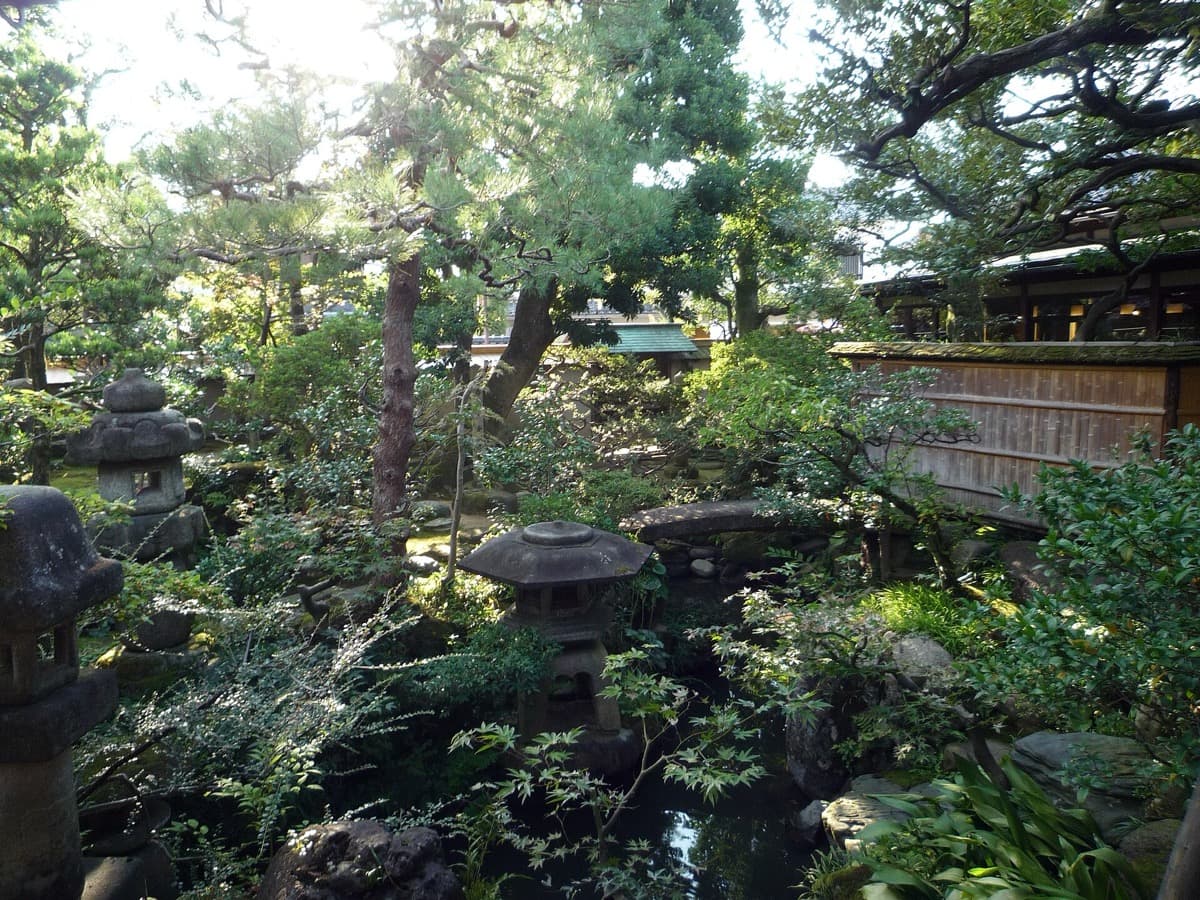
Step inside one house and the abstraction of samurai rank becomes a single family. This was the home of the Nomura, and they served the Maeda from the late fifteen hundreds all the way to the end of the Edo period, roughly eleven generations of upper-middle-rank retainers. The first of them was linked to a retainer of Maeda Toshiie, the very first Maeda lord of Kanazawa. Think about that continuity. One family, one loyalty, for the better part of three hundred years. Inside, look up at the coffered ceiling made of Japanese cypress, and at the painted sliding panels, the fusuma-e. This was a household with means and taste. But the piece people remember is the garden. It is small, and it is intimate, and it folds a whole landscape into a tight courtyard: a meandering stream, strange old rocks chosen for their character, and a Japanese bayberry tree said to be more than four hundred years old. The garden is internationally acclaimed and singled out in the Michelin Green Guide. Sit on the wooden veranda for a moment, because that is exactly how it was meant to be seen, from inside, framed like a painting. And here is the turn in the story. When the feudal era ended at the Meiji Restoration, the Nomura lost their fortunes, like samurai families all across Japan. The system that had sustained them for eleven generations simply vanished. What you are looking at is a survivor of that collapse, a house that outlived the world it was built for. Take the veranda slowly, and then move on when you are ready.
3. Kaga-Yuzen: The Five-Colour Silk
Now the walk turns from buildings to hands. Kanazawa's signature craft is Kaga-yuzen, a way of painting pictures onto silk with dye, and once you know it, you will see it everywhere in this region's kimono. It is built on five base colors, known as the Kaga gosai: indigo, a dark…
Full narration for this stop unlocks with the tour.
4. 21st Century Museum of Contemporary Art: The Glass Heir
Here is where the walk asks its hardest question. In front of you is the 21st Century Museum of Contemporary Art, and at first it looks like the opposite of everything you have just seen. It was designed by the architects Kazuyo Sejima and Ryue Nishizawa, of the office known as…
Full narration for this stop unlocks with the tour.
5. Omicho Market: Kanazawa's Kitchen
Every great craft city also has to eat, and this is where Kanazawa has done its eating for about three hundred years. Omicho Market is a warren of covered lanes packed with fish, shellfish, vegetables, pickles, and prepared food, and it has been here, in this spot near the…
Full narration for this stop unlocks with the tour.
6. Ohi Pottery: The Unbroken Line
This last stop lands the whole argument. Ohi pottery began in sixteen sixty-six, and the story of how is the story of Kanazawa in miniature. In that year, the fourth head of the Urasenke school of tea, Senso Soshitsu, was invited to Kanazawa to preside over a tea gathering for…
Full narration for this stop unlocks with the tour.