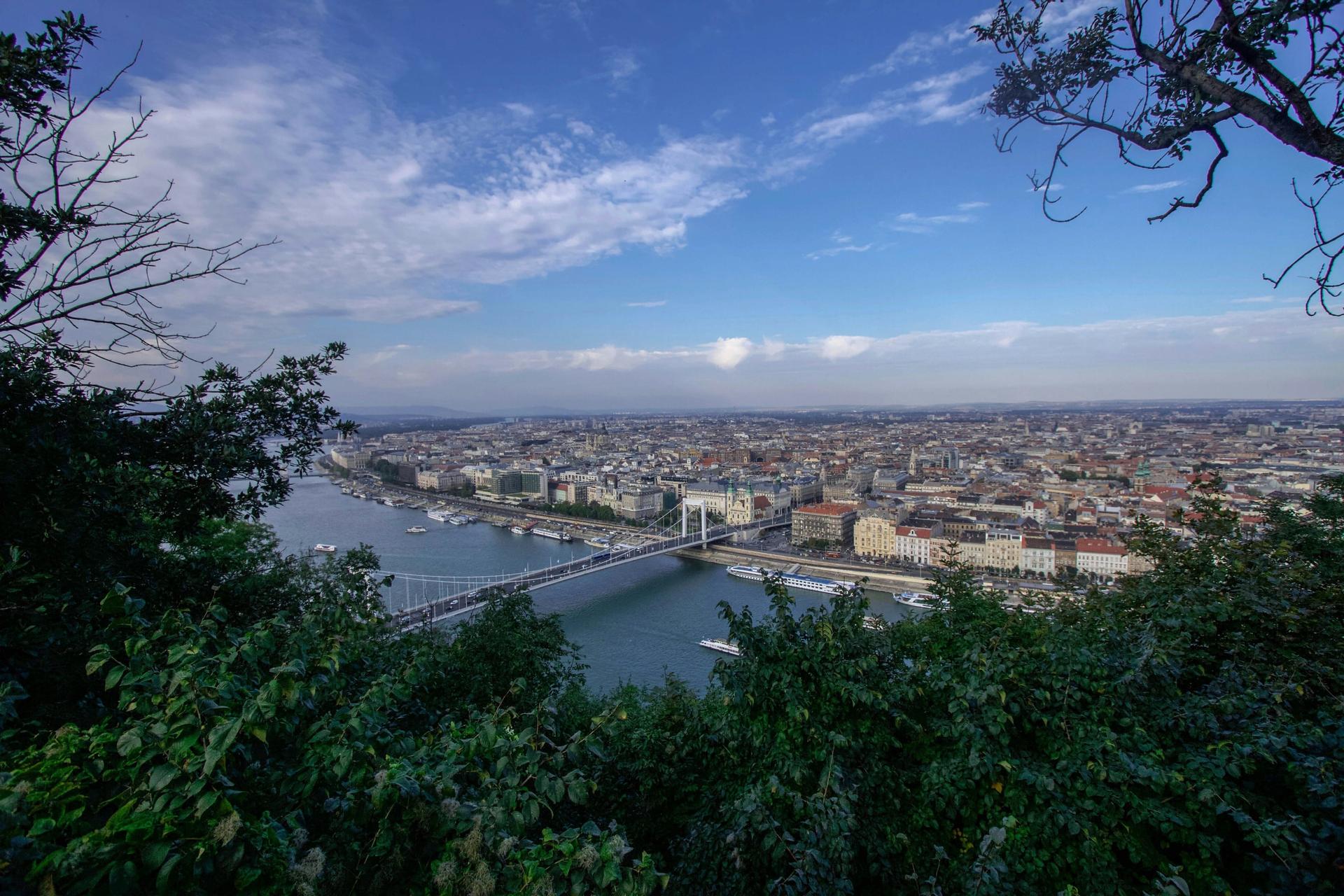
From the Gellért Baths up Gellért Hill's stairs past the Cave Church, the Liberty Statue, Jubilee Park and the reopened Citadella's walls and Great Gate, then down past Saint Gellért's statue to the Buda end of the Elisabeth Bridge.
Start · Gellért Baths: Hot Water Under the Cliff
DirectionsStops
- 1
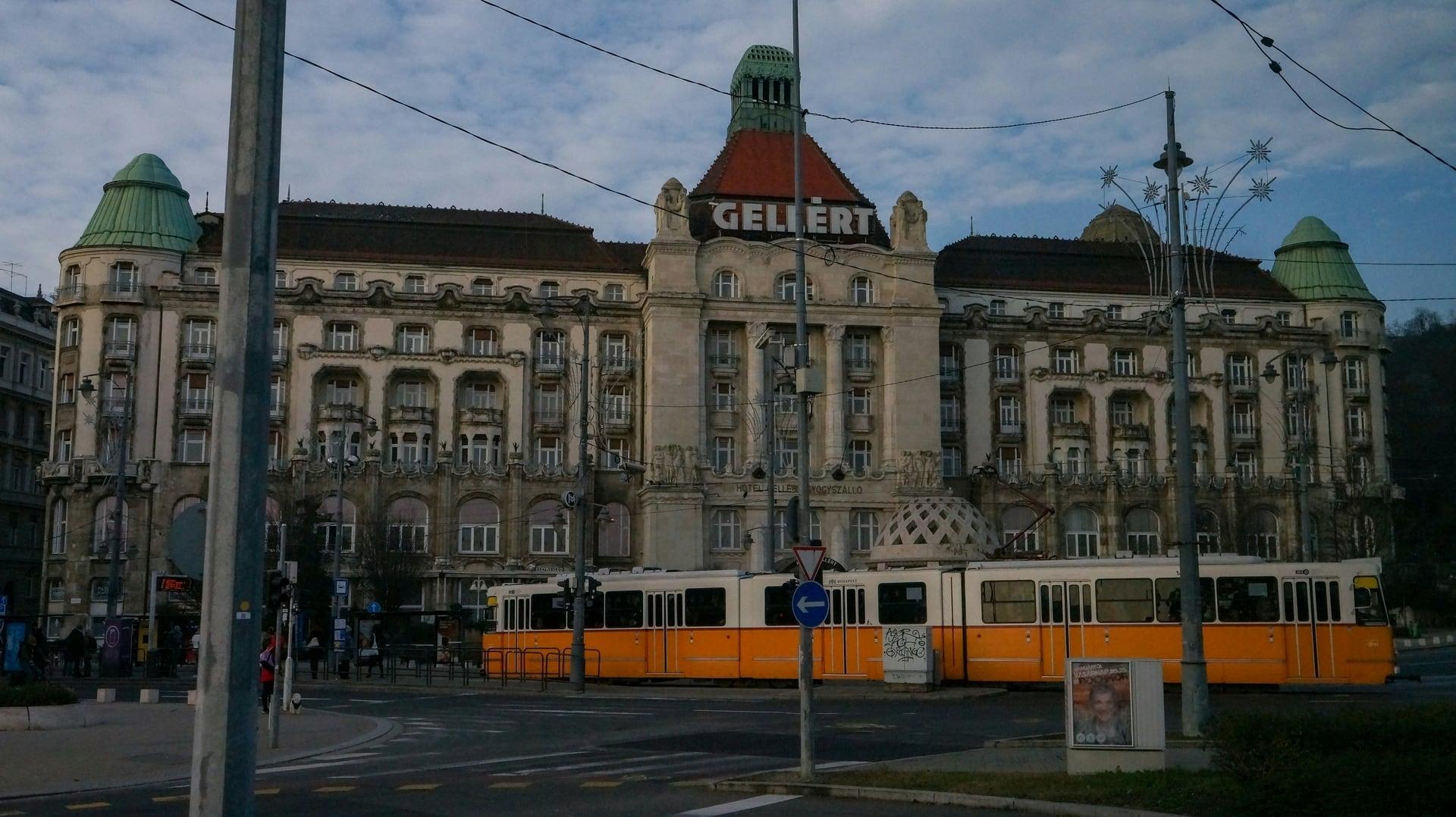
Gellért Baths: Hot Water Under the Cliff
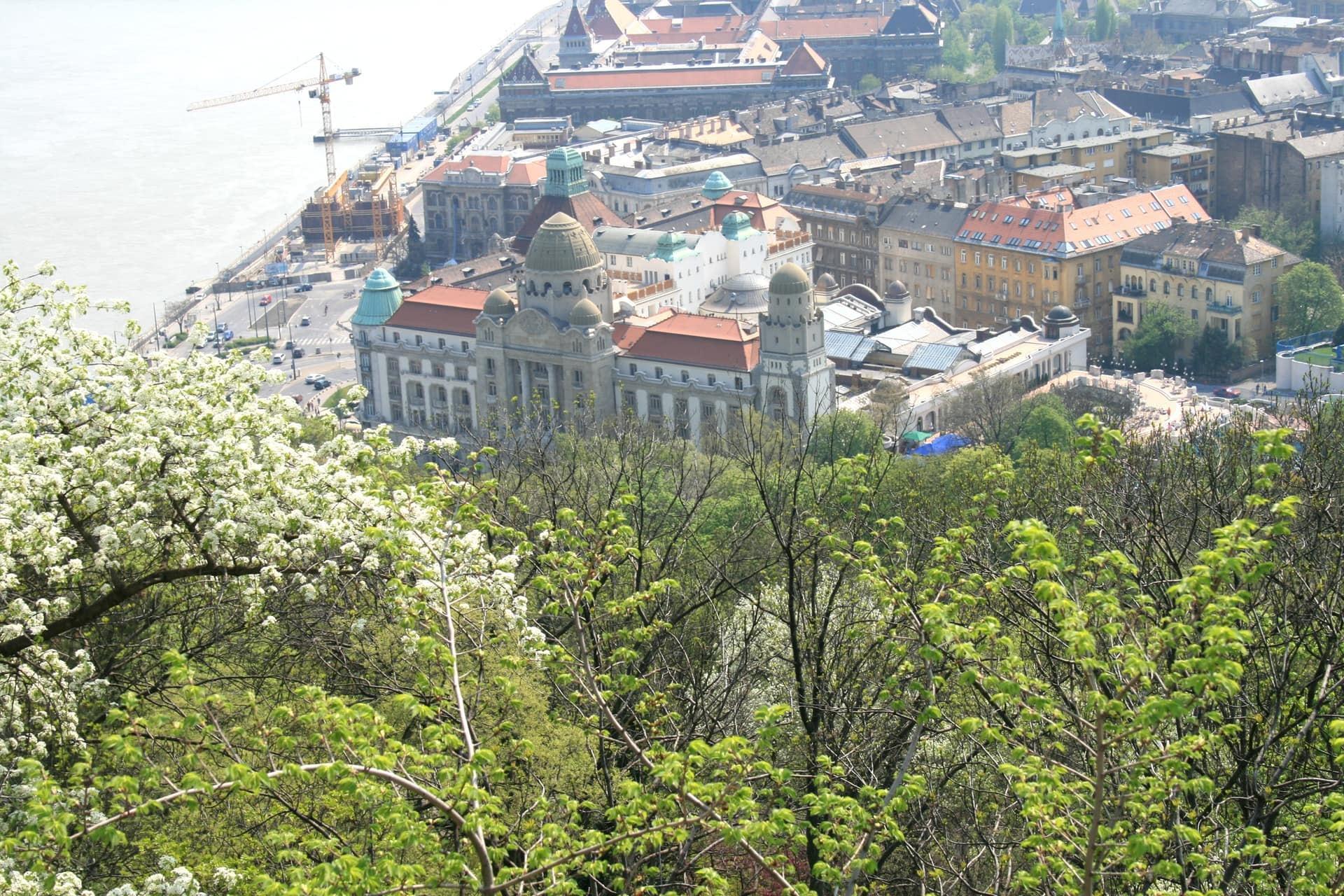
Hot springs rise under this cliff. The Gellért Baths' front on Szent Gellért tér, opened in 1918 after the Liberty Bridge, closed for renovation since 1 October 2025, with reopening expected in 2028.
- 2
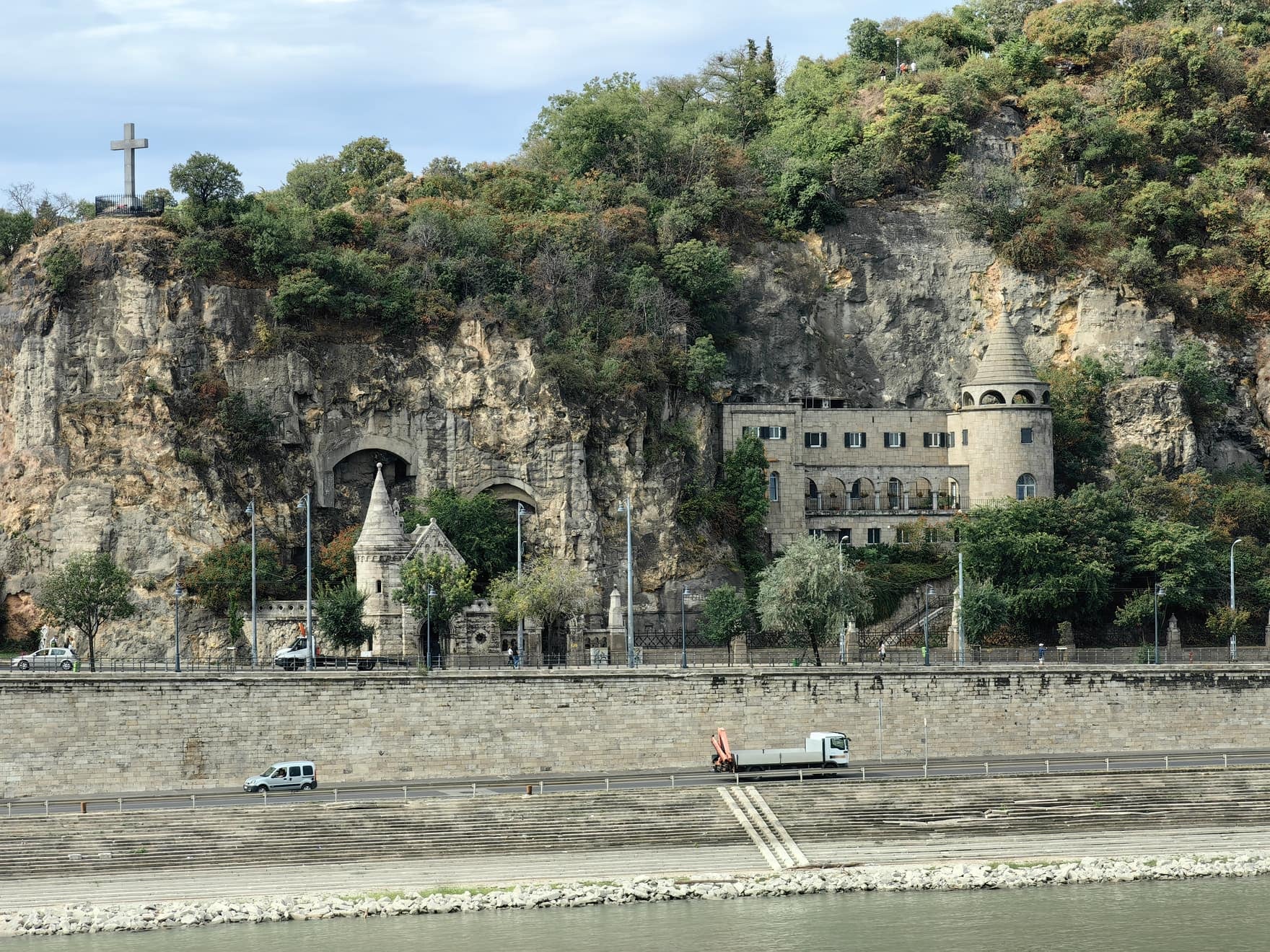
Cave Church: A Church in the Rock
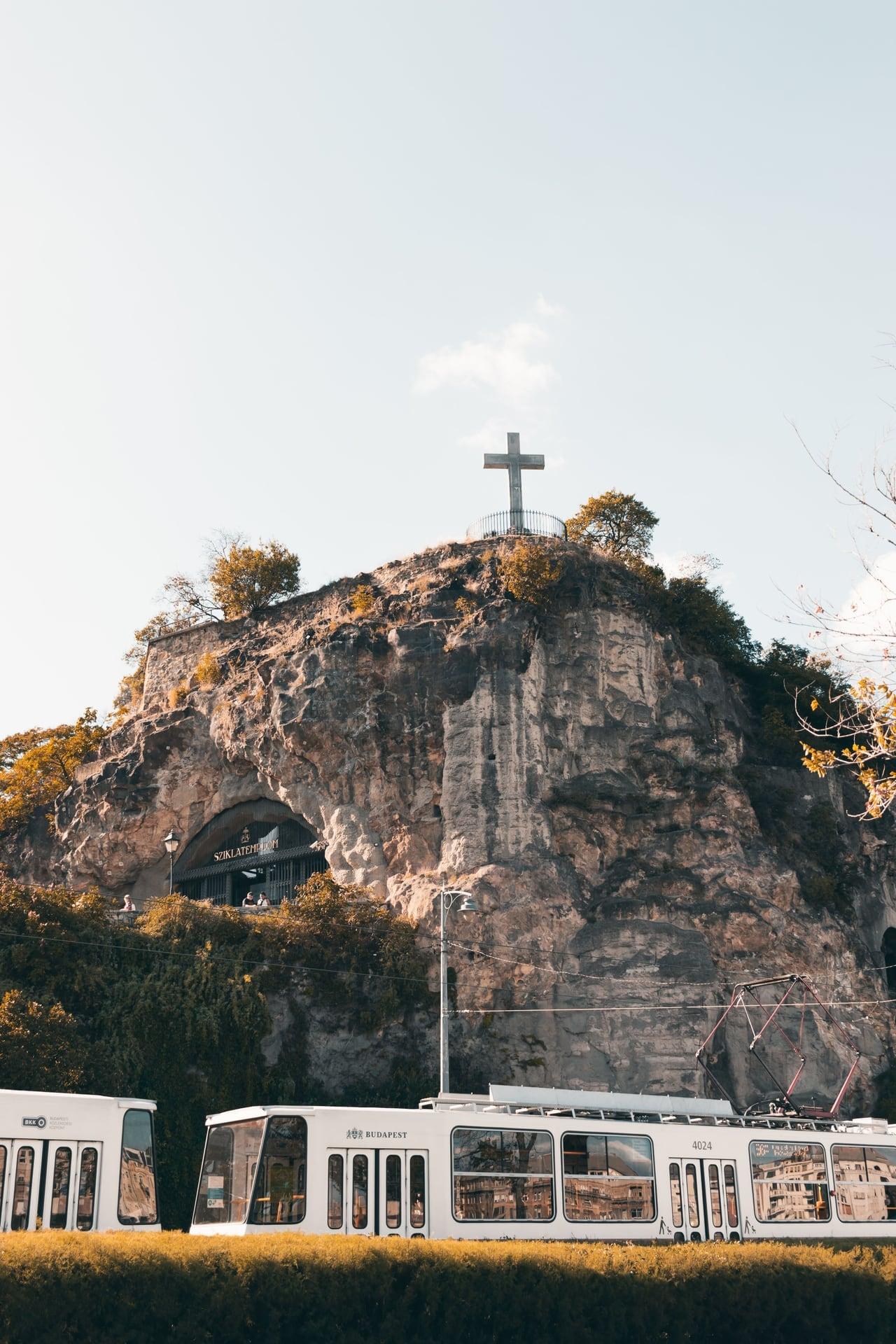
A church cut into the rock. The Cave Church, begun by pilgrims back from Lourdes and blessed in 1926, shut in 1950 and walled up with concrete, reopened in 1989; ticketed inside, closed on Sundays.
- 3
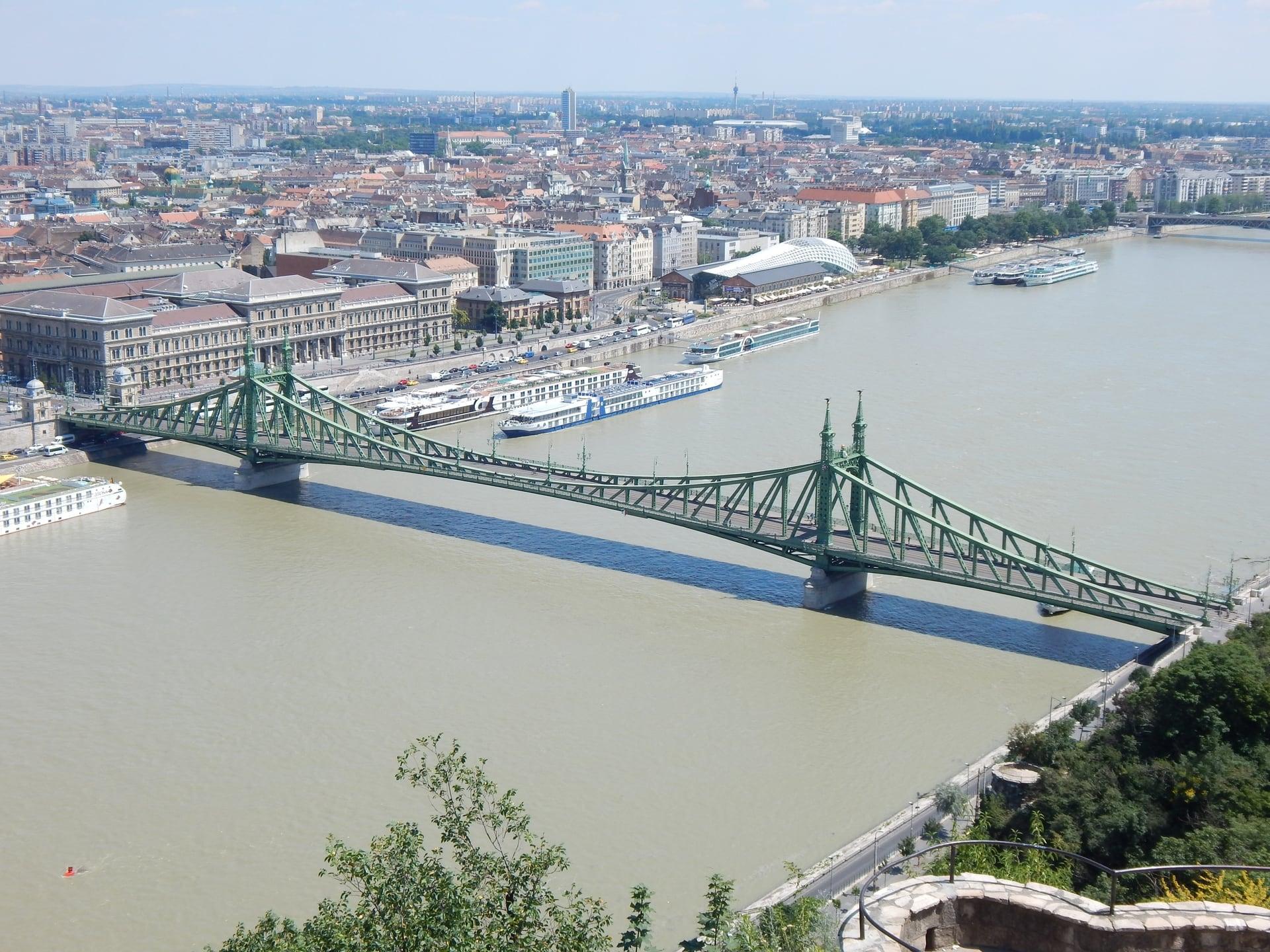
Liberty Bridge Lookout
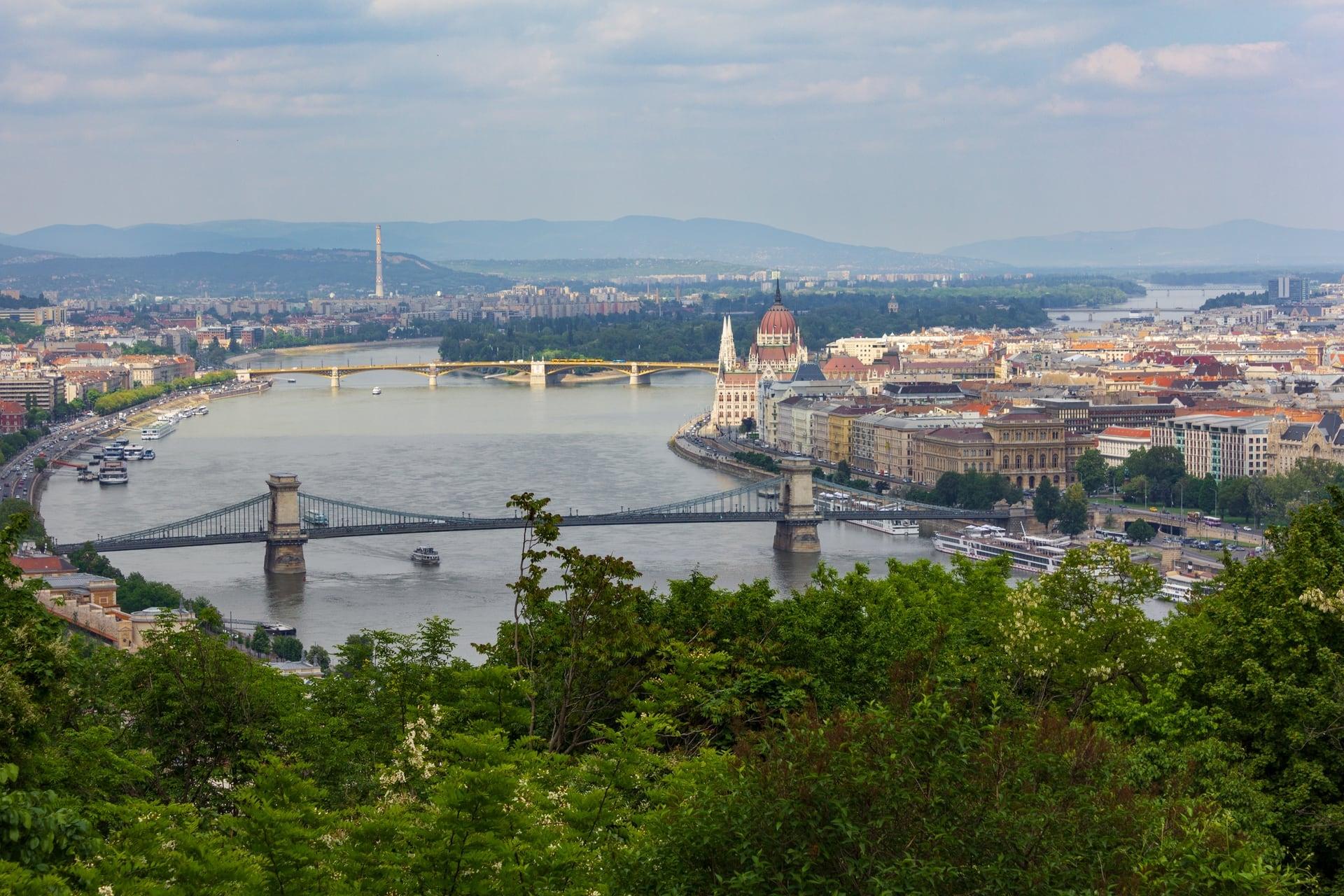
The Liberty Bridge spread out below. A lookout above the Cave Church over the 1896 bridge, blown up in 1945 and reopened under a new name in 1946, before the walk's big climb.
- 4
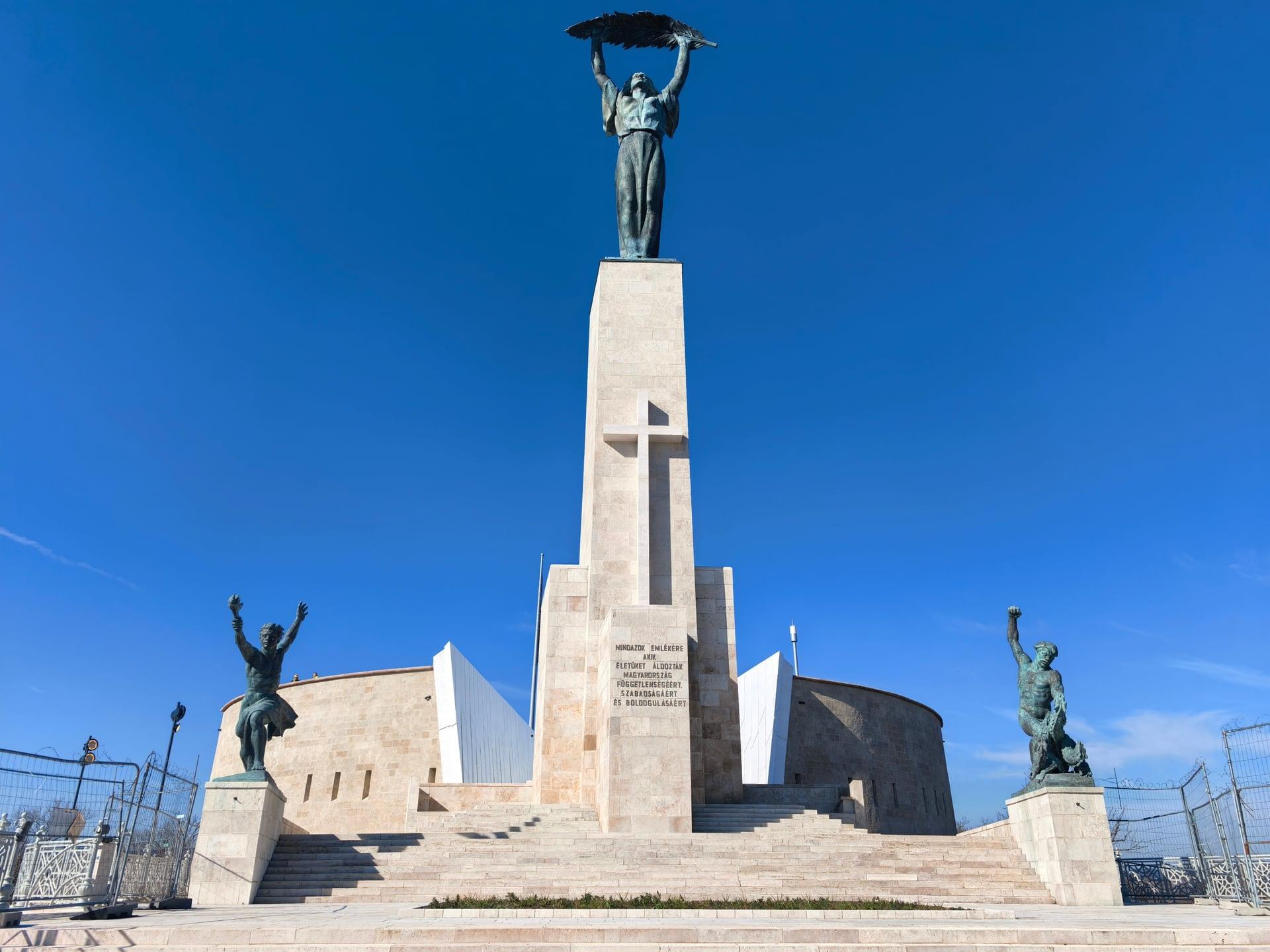
Liberty Statue: One Monument, Two Names
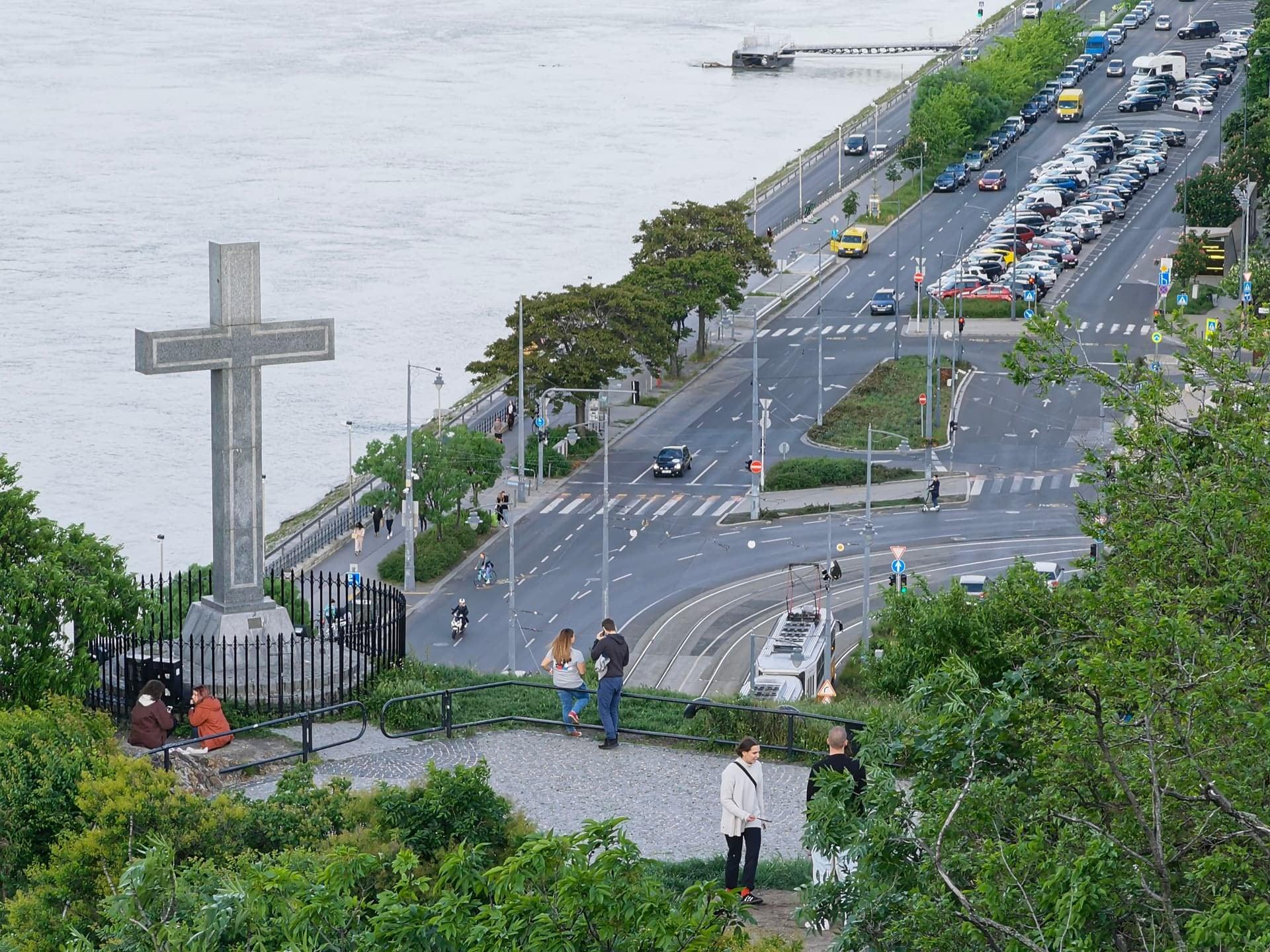
One monument with two names. The Liberty Statue of 1947, the Liberation Monument until the end of communism, its Soviet soldier toppled in 1956 and removed in 1992; free in park hours.
- 5
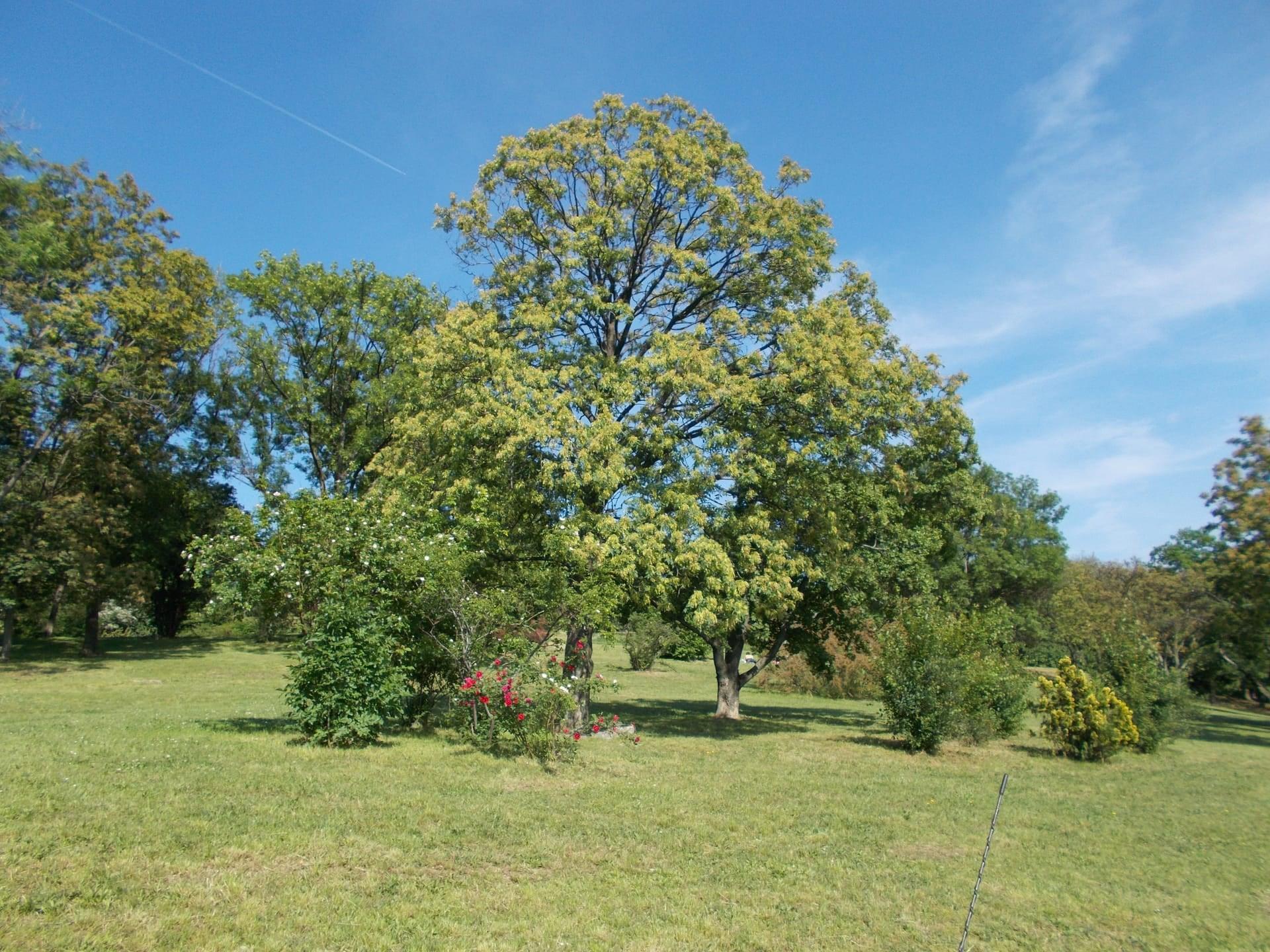
Jubilee Park: From Vines to Lawns
A vineyard slope turned park. Jubilee Park, first laid out in 1954 and rebuilt in 1965 with its small sculptures, on a hillside of vines until phylloxera and villas in the late 1800s.
- 6
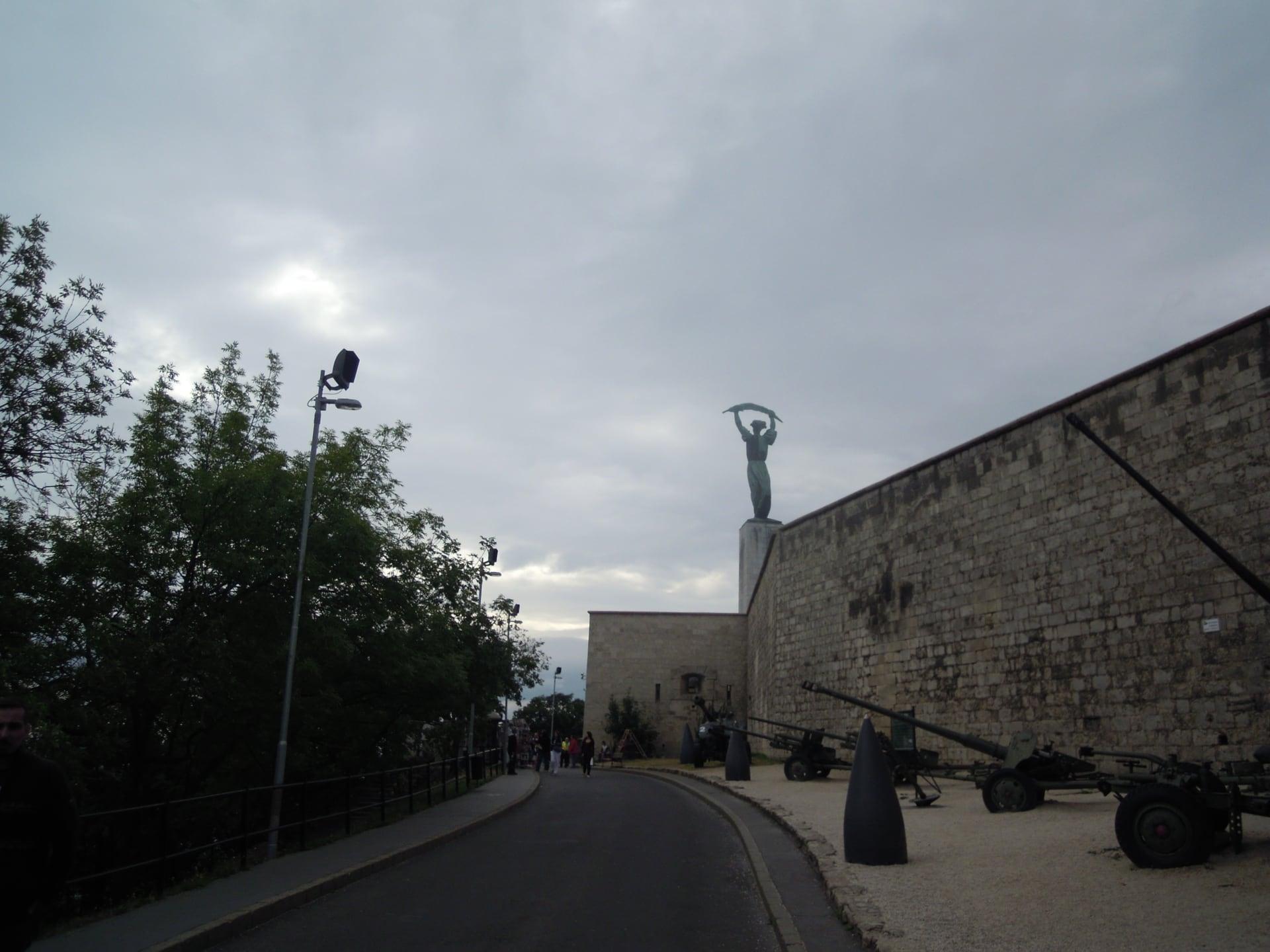
Citadella: A Fortress Facing the City
A fortress above the city. The Citadella's west end and round bastion, begun in the early 1850s, finished in 1854 and reopened on 5 April 2026 with a free park inside.
- 7
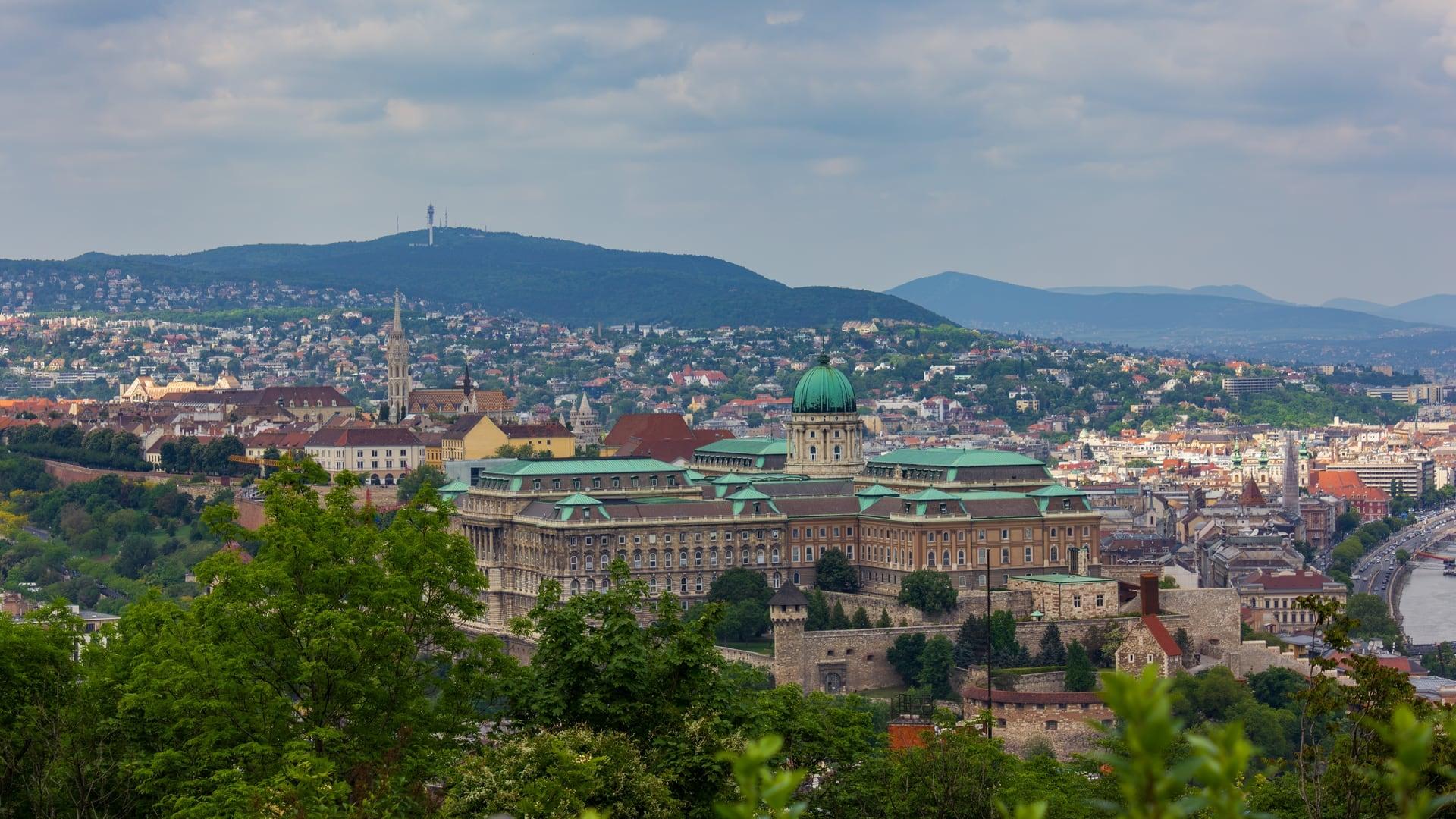
Castle Hill Lookout
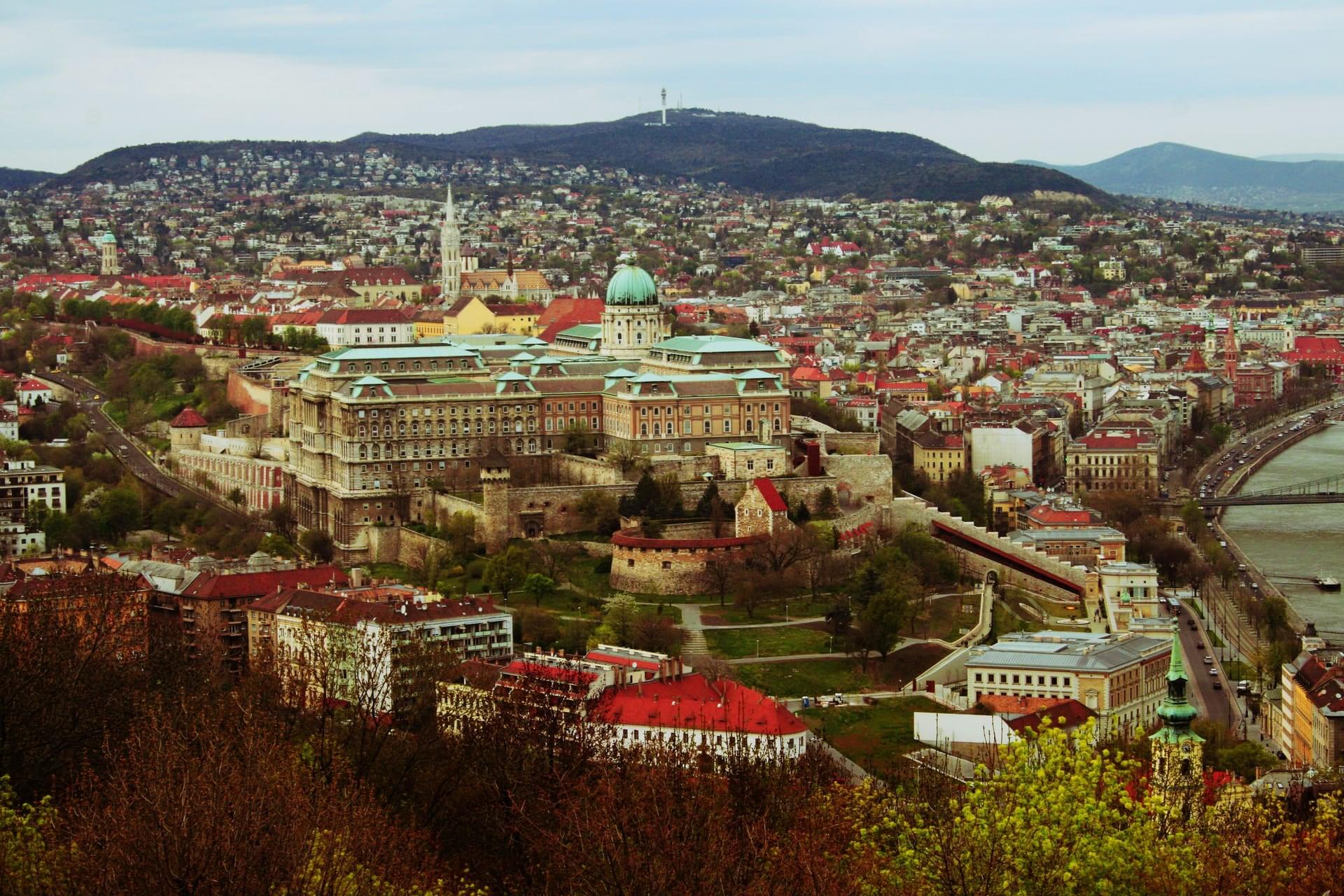
Castle Hill across the Tabán valley. A round lookout terrace facing the palace ridge and the Buda hills, and the stones this hill is made of.
- 8
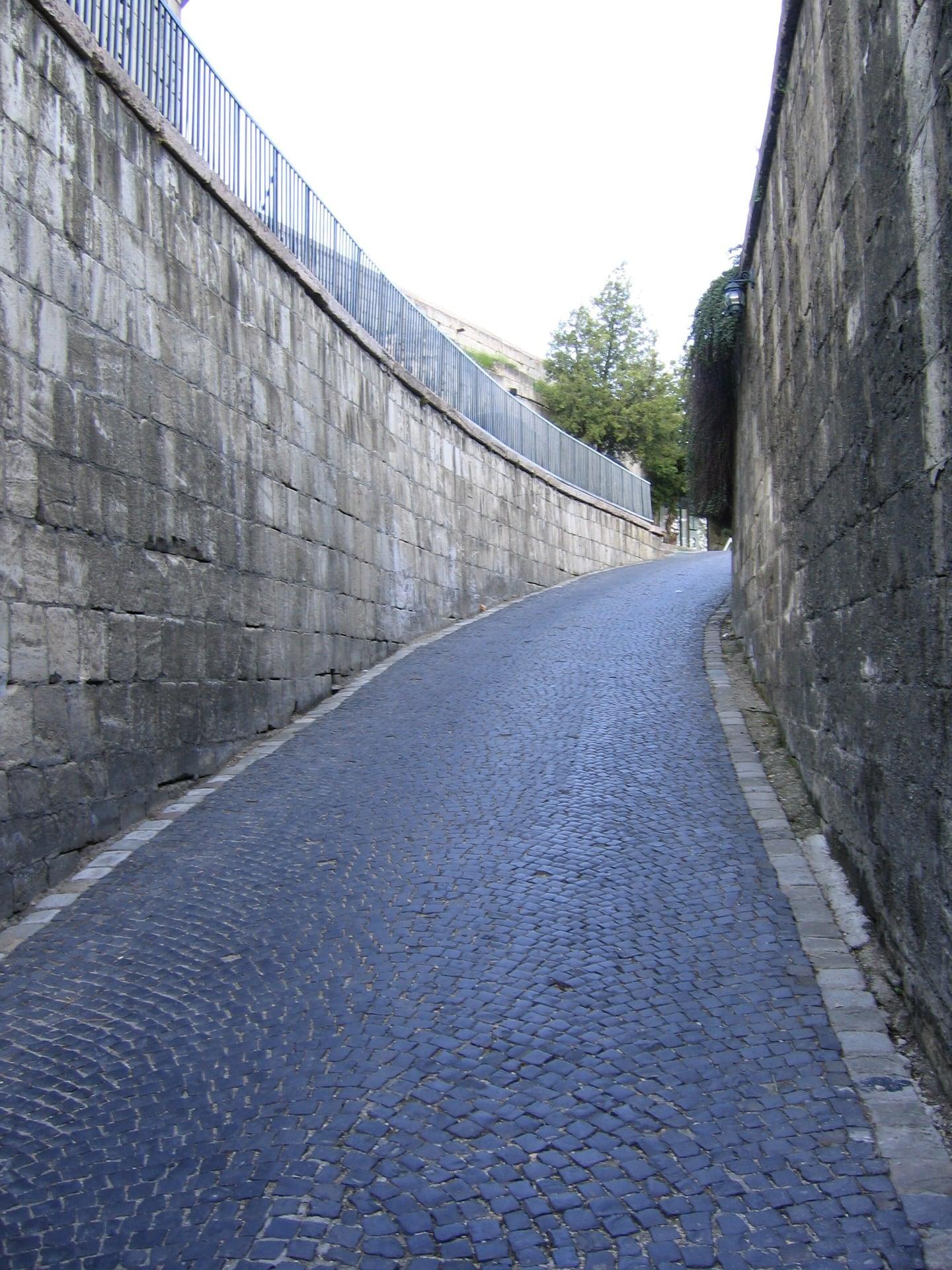
Great Gate
A breach the citizens made. The Citadella's Great Gate with the V-shaped gap left in the 1890s, shot marks from February 1945, and the free North Bastion terrace view through the gate.
- 9
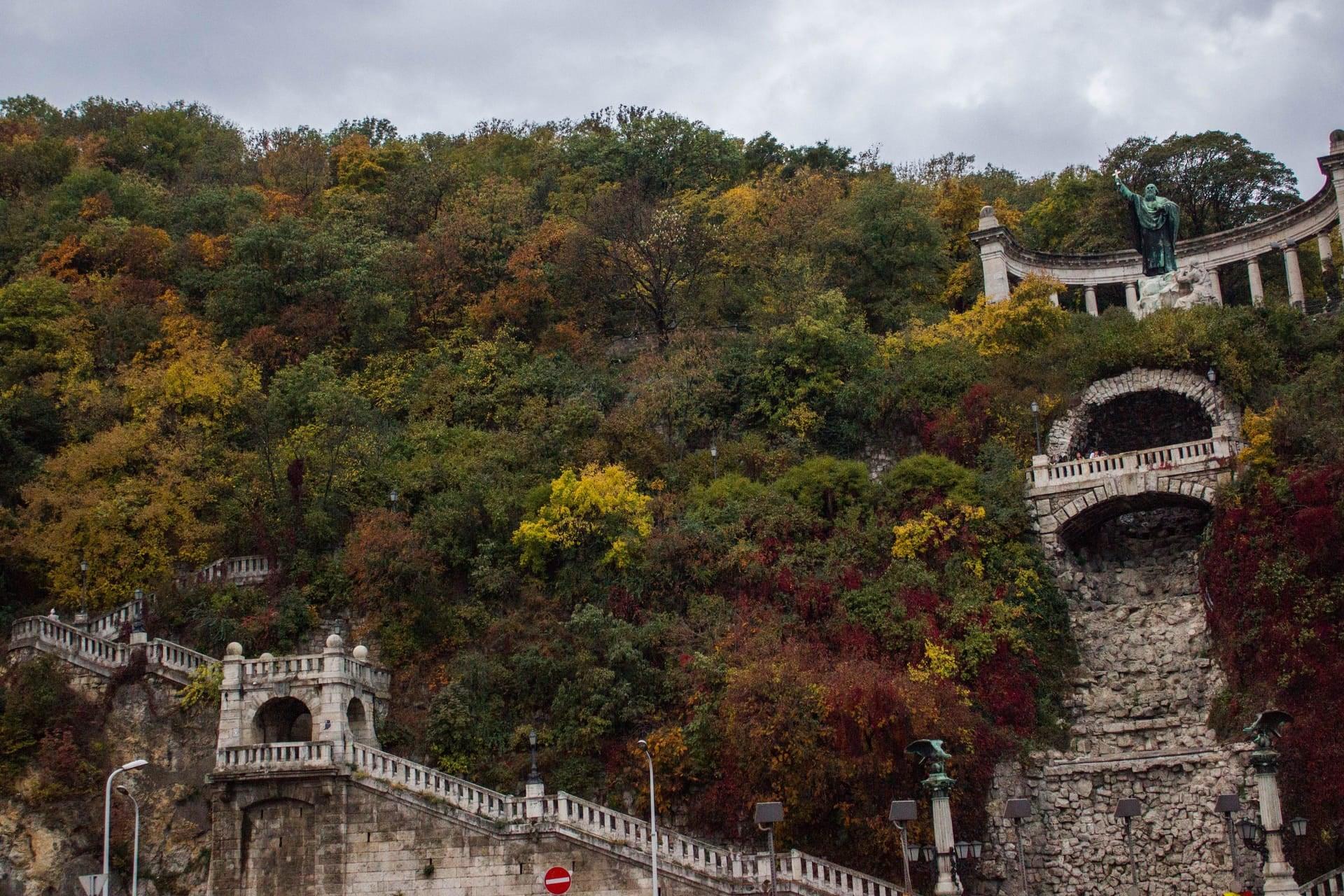
St Gellért's Statue: The Bishop's Hill
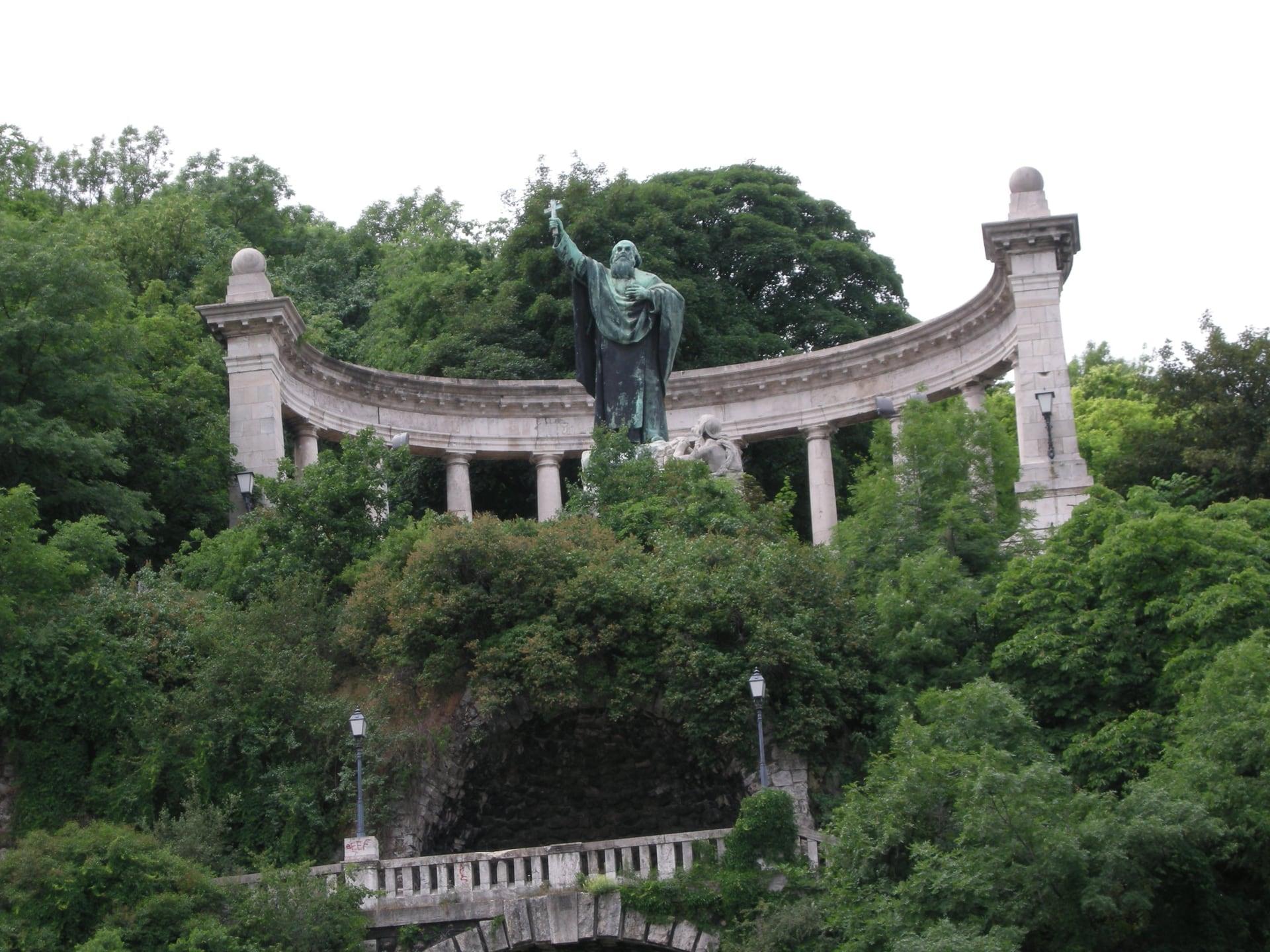
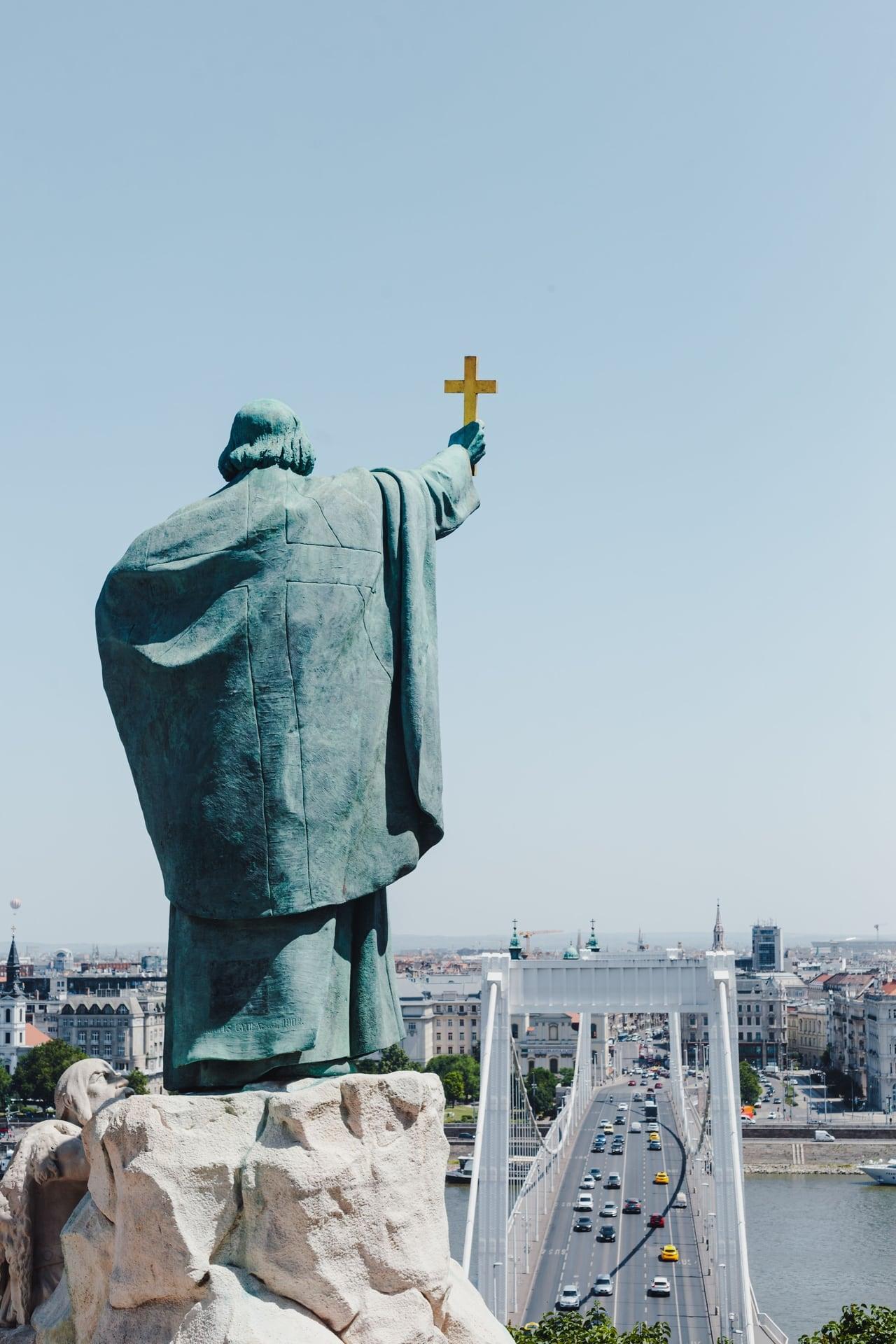
The bishop who gave the hill its name. Saint Gellért's 1904 statue in its colonnade above the waterfall, and the legend of his death on the hill in 1046.
- 10
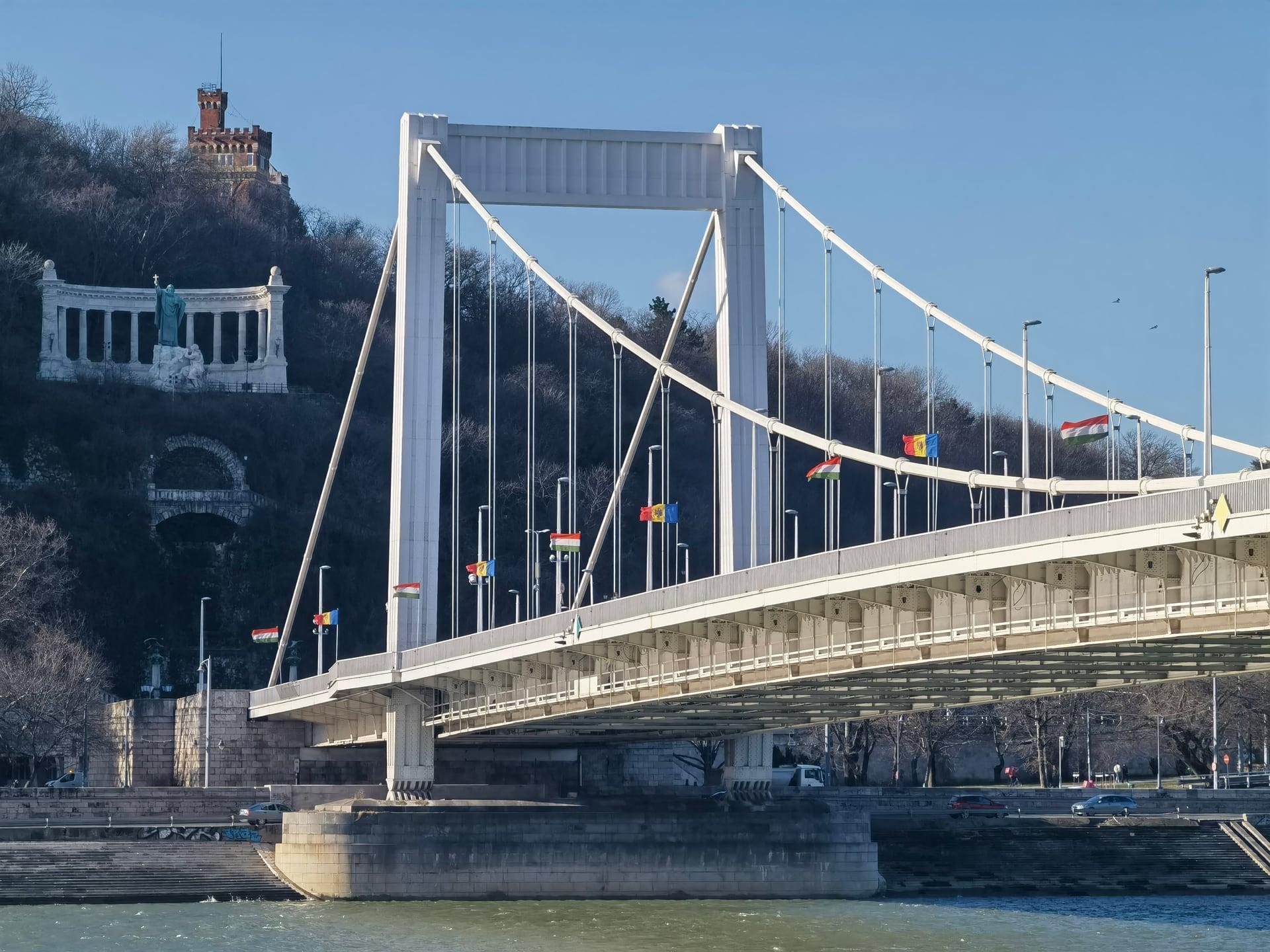
Elisabeth Bridge: A New Bridge, an Old Crossing
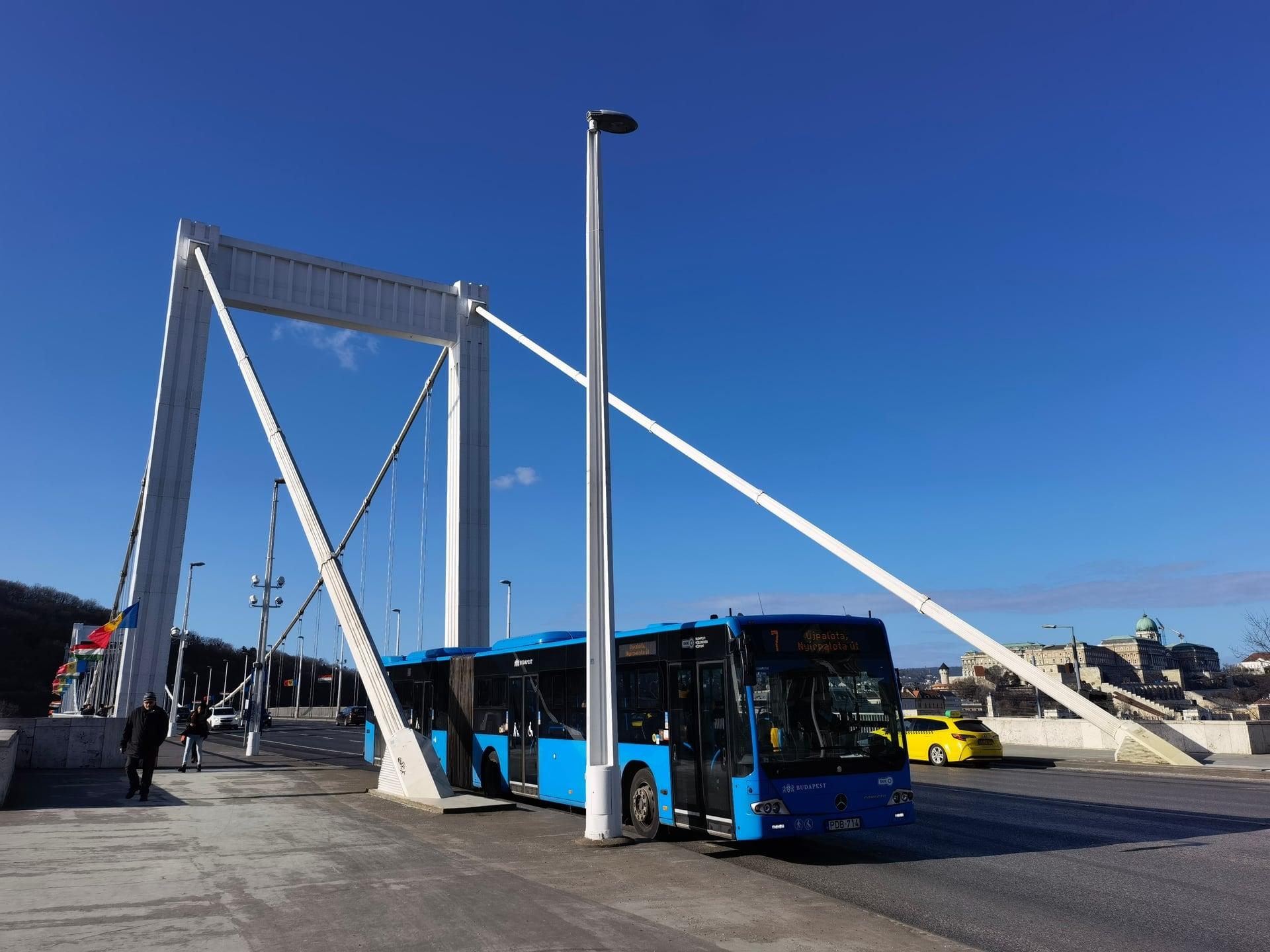
A new bridge on an old crossing. The Elisabeth Bridge's Buda end, rebuilt in 1964 after the 1903 bridge was destroyed in the war, and Queen Elisabeth's statue, here since 1986.
Details
Best Time to Visit
Daylight and dry weather, for the stairs. In November and December start by 14:00, so the unlit stairs on the east face (stops 2 to 5) are done before dark: sunset is about 16:15 in early November and before 16:00 in late December (computed, not yet checked against HungaroMet). The promenade, the Citadella park and the Liberty Statue are free November to March 8:00 to 22:00 and April to October 6:00 to 24:00. To go into the Cave Church, avoid Sundays and the daily 17:00 Mass. In summer heat, start early and carry water: the climb is steep and partly unshaded. Checked 9 November 2026.
Pro Tips
- •Start at Szent Gellért tér, in front of the Gellért Baths at the Liberty Bridge's Buda end: M4 Szent Gellért tér Műegyetem, or trams 19, 41, 47, 48, 49 and 56 to the square.
- •On foot from the Historic Center walk's end at Fővám tér: cross the Liberty Bridge, about 400 m, and the baths are at its Buda end. Check lines and stops in the BKK app before you go; they were read from OpenStreetMap. Checked 9 November 2026.
- •Short version without the climb: bus 27 from Móricz Zsigmond körtér M to Búsuló Juhász (Citadella), then about 300 m on foot to stop 6 (Citadella), and walk stops 6 to 10, about 1.2 km, mostly downhill on stairs. The Citadella's own FAQ gives this bus and stop. Checked 9 November 2026.
- •Getting away from the end: trams 19 and 41 stop at Döbrentei tér, about 150 m from stop 10. Our Buda Castle District walk starts at Clark Ádám tér, about 1 km along the river through the Tabán.
- •Citadella exhibition (stop 6): adults 4,900 HUF, students, youth (6 to 26) and seniors (62 to 70) 2,450 HUF; 10:00 to 18:00, Fridays 12:00 to 20:00. The park inside the walls and the North Bastion terrace (through the Great Gate at stop 8) are free in park hours. Checked 9 November 2026.
- •Cave Church (stop 2): adults 1,400 HUF, pensioners and students 1,200 HUF, under 10 free; Monday to Saturday 9:30 to 19:30, closed Sundays and during the 17:00 Mass. Checked 9 November 2026.
- •The Gellért Baths (stop 1) are closed for renovation from 1 October 2025, with reopening expected in 2028 (gellertfurdo.hu). The stop is the front, on the open square. Checked 9 November 2026.
Safety & Precautions
- •This is a real hill walk: about 150 m up and 150 m down, about 840 steps (about 300 up, about 540 down), with no step-free version. The stairs down from the Great Gate (stop 8) to Saint Gellért's statue (stop 9) and on to the bridge are hard on knees: use the rails. Not suitable for wheelchairs or strollers.
- •The promenade and the Liberty Statue are open free during the Citadella's park hours: November to March 8:00 to 22:00, April to October 6:00 to 24:00. Whether the paths are physically shut outside those hours is not stated; walk it in daylight and inside those hours.
- •About 400 m of the stairs and paths between stops 2 and 5 and about 85 m between stops 8 and 9 have no lights. In November and December start by 14:00. Wet leaves make the steps slippery in autumn.
- •Road crossings: wait for the signal at Kelenhegyi út (between stops 1 and 2), and at Hegyalja út and Krisztina körút at the bridgehead (between stops 9 and 10). Szirtes út (between stops 6 and 7) is a quiet residents' lane with no marked crossing: look both ways.
- •Cars with permits use the promenade at the Citadella (stops 6 to 8): keep to the side.
- •The Cave Church is an active church: keep quiet near the entrance and dress modestly if you go in. It is closed on Sundays and during the daily 17:00 Mass.
- •If you need to skip the climb, bus 27 to Búsuló Juhász (Citadella) reaches the top: join at stop 6 and walk stops 6 to 10.
- •GPS drifts under the trees, especially on the stairs below stops 3, 8 and 9: if a stop does not start on its own, start it by hand.
- •The view from the promenade at the Great Gate (stop 8) is through trees; for the clear view of the Elisabeth Bridge, Margaret Island and the Parliament, step through the gate to the free North Bastion terrace in park hours.
Travel advisory: Exercise Normal Precautions (Level 1).
Gallery
Related Reading
Go deeper on what you'll see, hear, and walk through.
Read the walk
The full story of Gellért Hill: The Fortress That Became a Park, in words. Prefer to listen? Play it narrated, from home or on location.
Introduction
Budapest, Hungary's capital, has a cliff in the middle of it. Gellért Hill rises from the Danube on the Buda bank, and the city has remade it again and again. Vineyards became villa gardens. A falling rock face was walled and planted. A Habsburg fortress built over the city in the eighteen fifties reopened in April twenty twenty six as a free park. This walk climbs through all of it.
There are ten stops over about two point six kilometers, just over a mile and a half, and it takes about an hour and a half. It is a real hill walk: about a hundred and fifty meters up and the same down, on about eight hundred and forty steps, most of them on the way down. There is no step-free version. Wear good shoes and go easy on your knees on the stairs down. If the climb is too much, take bus twenty-seven to the top and join at stop six.
The promenade and the Liberty Statue keep the Citadella's park hours: eight in the morning to ten at night from November to March, six to midnight from April to October. In November and December, start by two in the afternoon, so the unlit stairs are done in daylight. Wait for the signal at the three road crossings. The walk ends at the Buda end of the Elisabeth Bridge. When you arrive at Gellért Baths, begin with stop one.
1. Gellért Baths: Hot Water Under the Cliff
Welcome to Szent Gellért tér, Saint Gellért Square, at the foot of the hill, where this walk begins. In front of you is the domed corner front of the Gellért Baths. Behind you, the Liberty Bridge comes down onto the Buda bank. And above the square the hill rises, a cliff of rock and trees, with a dark opening in the rock that is the next stop.
The baths are closed. They shut for renovation on the first of October twenty twenty five, and the bath company expects them to reopen in twenty twenty eight. So this stop is about the outside, and about the water underneath.
The hill is mostly dolomite, a hard rock, and under its slope runs a deep fissure. Hot springs rise through it. People knew these springs by the twelve hundreds, when a medieval king put a hospital over the water here. It went by a plain name: the Muddy Bath.
The building in front of you came much later, and it came with the bridge. After the bridge behind you opened in eighteen ninety six, the city rebuilt the baths on this corner, and the new Saint Gellért bath and hotel opened in nineteen eighteen. Bridge and bath belong together: one carried people across the river, the other gave them a reason to come.
Now look up at the hill once more. Its summit stands about two hundred and thirty five meters above sea level, about a hundred and thirty above where you are standing. You will climb most of that, by paths and stairs.
The Historic Center walk ends across this bridge, at the Great Market Hall.
Follow the route along the square toward the hill. At Kelenhegyi út, wait for the signal. Next is a church inside the rock.
2. Cave Church: A Church in the Rock
Walk on to the foot of the ramp here, and look up it. It climbs to a dark opening in the rock face, with a statue of a king on the terrace halfway up and a white monastery front above. That opening is a church. This is the Cave Church.
It is an active church, ticketed inside, closed on Sundays and to visitors during the daily five o'clock Mass. Price and hours are on this stop's card. The ramp itself is free, so walk up to the door and back if you like, and keep your voice low near the entrance: people come here to pray.
The idea came from a group of Hungarian pilgrims who had been to Lourdes, in France, where a shrine stands in a grotto. They wanted one at home. A Budapest architect and professor shaped this cave into a chapel, and its first part was blessed at Pentecost, on the twenty third of May nineteen twenty six. The church was enlarged deeper into the hill and consecrated in nineteen thirty one, and in nineteen thirty four the monks of the Pauline order built the monastery you see above.
Then came the communist state. In nineteen fifty it banned the religious orders, and the church was shut. In the nineteen sixties the mouth of the cave was simply walled up, with concrete about two meters thick. A history of the order says their life went on in secret for four decades. In nineteen eighty nine the church reopened.
If you go in, the walk picks up again here, at the foot of the ramp.
Follow the route along the path below the cliff. It turns back and climbs a zigzag of short steps, because there is no direct path up the rock. Next is a lookout above the church.
3. Liberty Bridge Lookout
Find the bridge below you, the steel bridge springing across the Danube from the foot of this hill. That is the Liberty Bridge, and from this lookout you can follow it all the way across to the Pest bank, where it lands by the Great Market Hall. The roofs at its near end are the baths where you started.
The bridge opened on the fourth of October eighteen ninety six, with the emperor himself there, and it carried his name. In nineteen forty five, in the war, it was blown up. It came back fast. On the twentieth of August nineteen forty six it reopened, freshly painted blue, and with a new name: Liberty Bridge. In the nineteen eighties it got its first color back, the green you see today.
A guide to the city's parks says the fig bushes growing near the chapel and on the hill's southern slope descend from trees planted in the Ottoman era, when the Ottomans grew fruit on this hill. Watch for their big lobed leaves along the paths.
Just below this lookout, beside the path you came up, is a stone relief with a small fountain, made in nineteen forty three. It tells the legend of the man this hill is named for. You will hear that legend at the other end of the walk, where his statue stands.
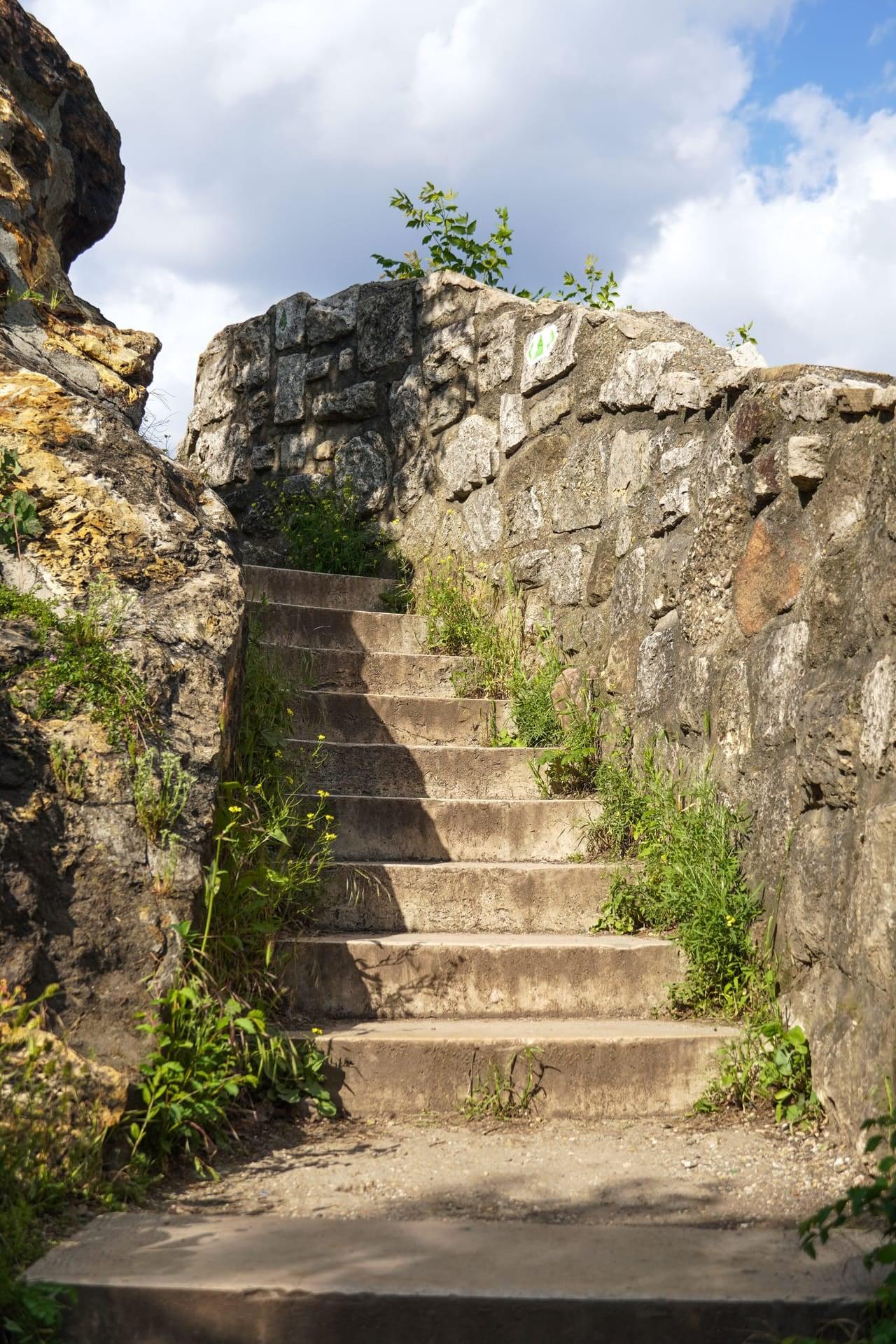
Now, a word about what comes next. It is the big climb of the walk: about eighty meters up the face of the hill, on eleven flights of steps, around two hundred and thirty six steps in all. Some of the flights have no lights, which is why this part of the walk belongs to daylight. Halfway up there is another lookout over this same bridge, a good place to catch your breath.
Follow the route up the steps. At the top stands the Liberty Statue.
4. Liberty Statue: One Monument, Two Names
Look up. High above you on its stone column is a bronze figure, and beside it rise the walls of the Citadella. This is the Liberty Statue. The whole monument is about forty meters tall, and the bronze at the top, which its makers called a Genius, a spirit of peace and freedom,…
Full narration for this stop unlocks with the tour.
5. Jubilee Park: From Vines to Lawns
Walk on along the stepped promenade of Jubilee Park to the fountain with a figure of a girl, and stop there. Look around you: lawns, broad steps, and small sculptures set along the paths. For centuries this slope was vineyards. The first record of vines on the hill dates from…
Full narration for this stop unlocks with the tour.
6. Citadella: A Fortress Facing the City
Look across the open ground to the great curved wall. That is the rounded end of a fortress, its western round bastion, four levels of stone closing off one end of the fort. This is the Citadella. After Hungary's revolution and war of independence in eighteen forty eight and…
Full narration for this stop unlocks with the tour.
7. Castle Hill Lookout
From this round terrace the view opens across a valley to a long ridge with a palace along its top. That ridge is Castle Hill, and the palace is the old royal seat of Buda. Our Buda Castle District walk climbs up there. The hollow between here and there is the Tabán. It is a…
Full narration for this stop unlocks with the tour.
8. Great Gate
Find the gate in the fortress wall beside you, where a cobbled ramp climbs into the walls. This is the Great Gate, the Citadella's main way in from this side. Look up at the wall above it. There is a V-shaped gap in it. The people of the city made that gap. After the imperial…
Full narration for this stop unlocks with the tour.
9. St Gellért's Statue: The Bishop's Hill
You come down onto a terrace in front of a white semicircle of columns. In it stands a huge bronze bishop, about seven meters tall, raising a cross out over the river and the Elisabeth Bridge. Below the terrace an artificial waterfall drops toward the road, when it is…
Full narration for this stop unlocks with the tour.
10. Elisabeth Bridge: A New Bridge, an Old Crossing
Walk on into the small oval park at the Buda end of the Elisabeth Bridge, to the statue of Queen Elisabeth. Ahead, the bridge's white span leaves its bridgehead and carries the road across to Pest. The first bridge here was declared necessary by law in eighteen ninety three and…
Full narration for this stop unlocks with the tour.
- Gellérthegy Természetvédelmi terület. Jubileum Park dél felől. - Budapest XI. kerület. Kelenhegyi út — Globetrotter19, CC BY-SA 3.0 · source
- Citadel (Citadella) Budapest, Hungary — Andrew Bossi, CC BY-SA 2.5 · source
Images may be cropped or resized. Other photos via Unsplash and Pexels.