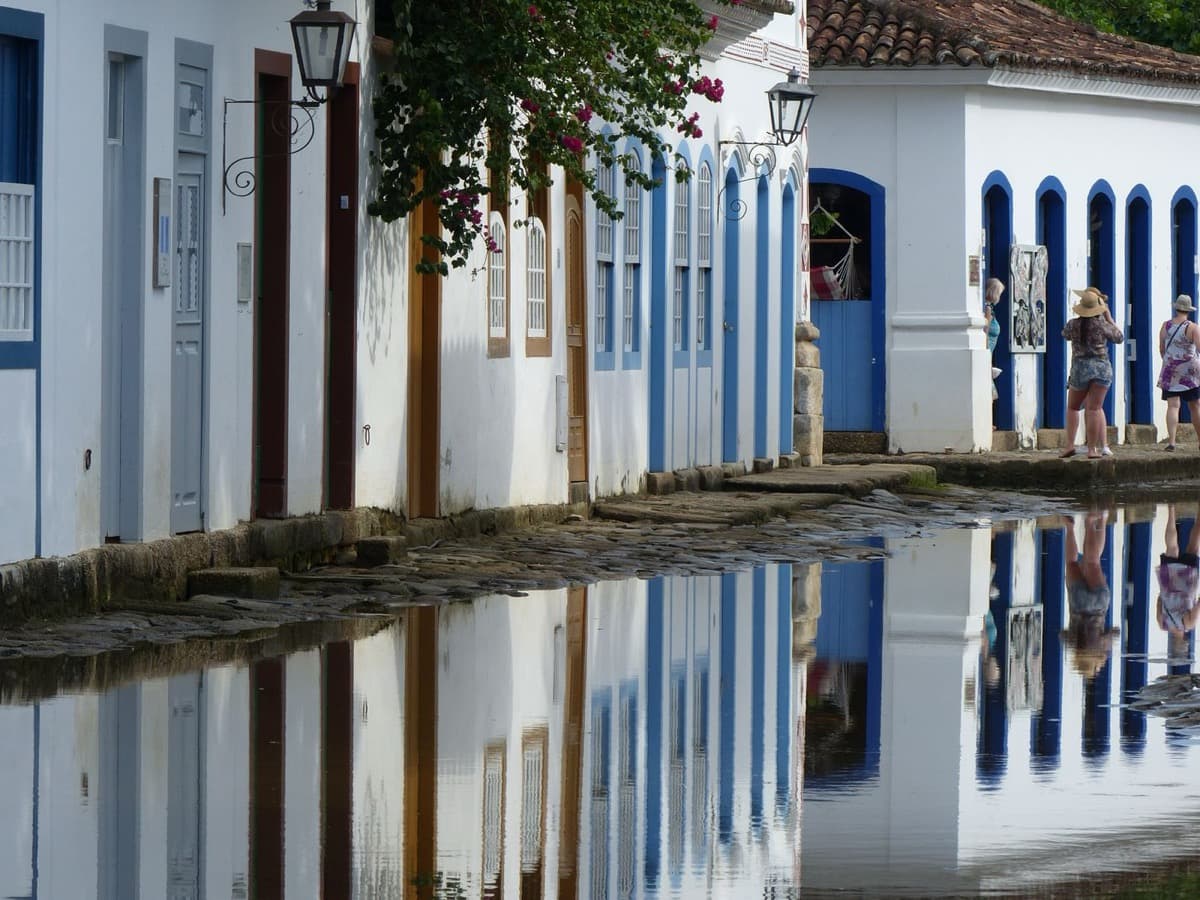
Paraty is a colonial town built, on purpose, to be flooded. Follow the tide from the schooner pier through the mirror-bright streets and the cachaca heritage that floated out on them, up to the fort that watches the whole bay.
Start · The Waterfront and the Schooners: Where the Sea Enters
DirectionsStops
- 1
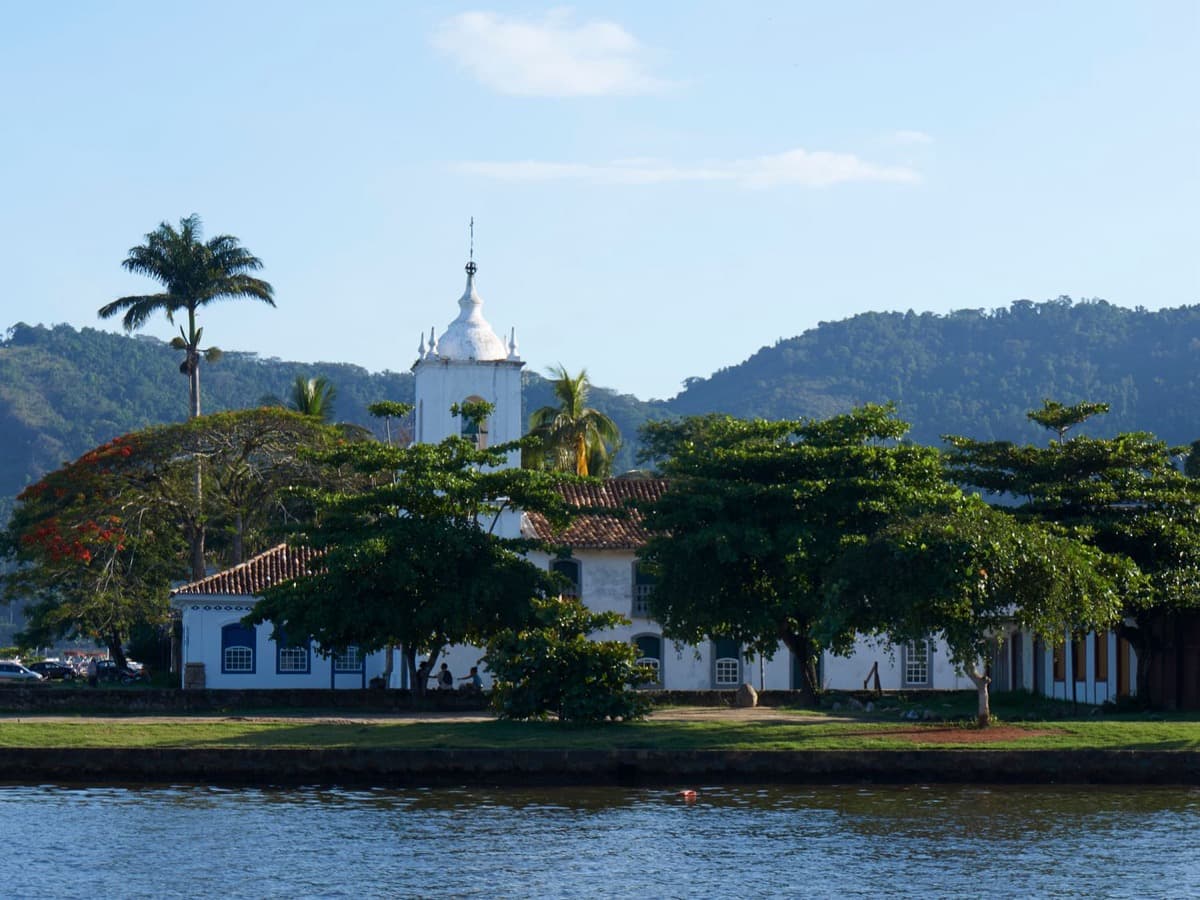
The Waterfront and the Schooners: Where the Sea Enters
The whitewashed chapel of Santa Rita and the old pier where the town's wealth once sailed out and where the tide still comes in.
- 2
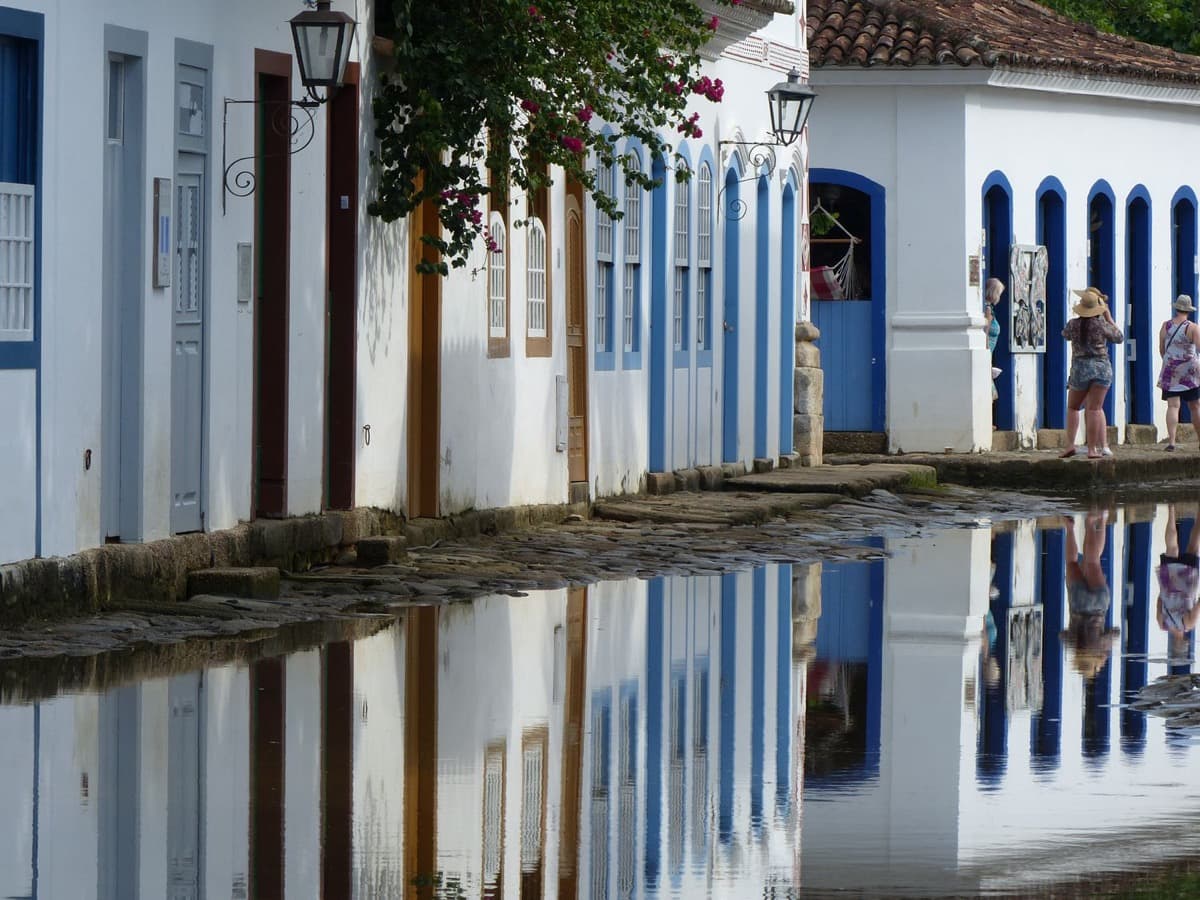
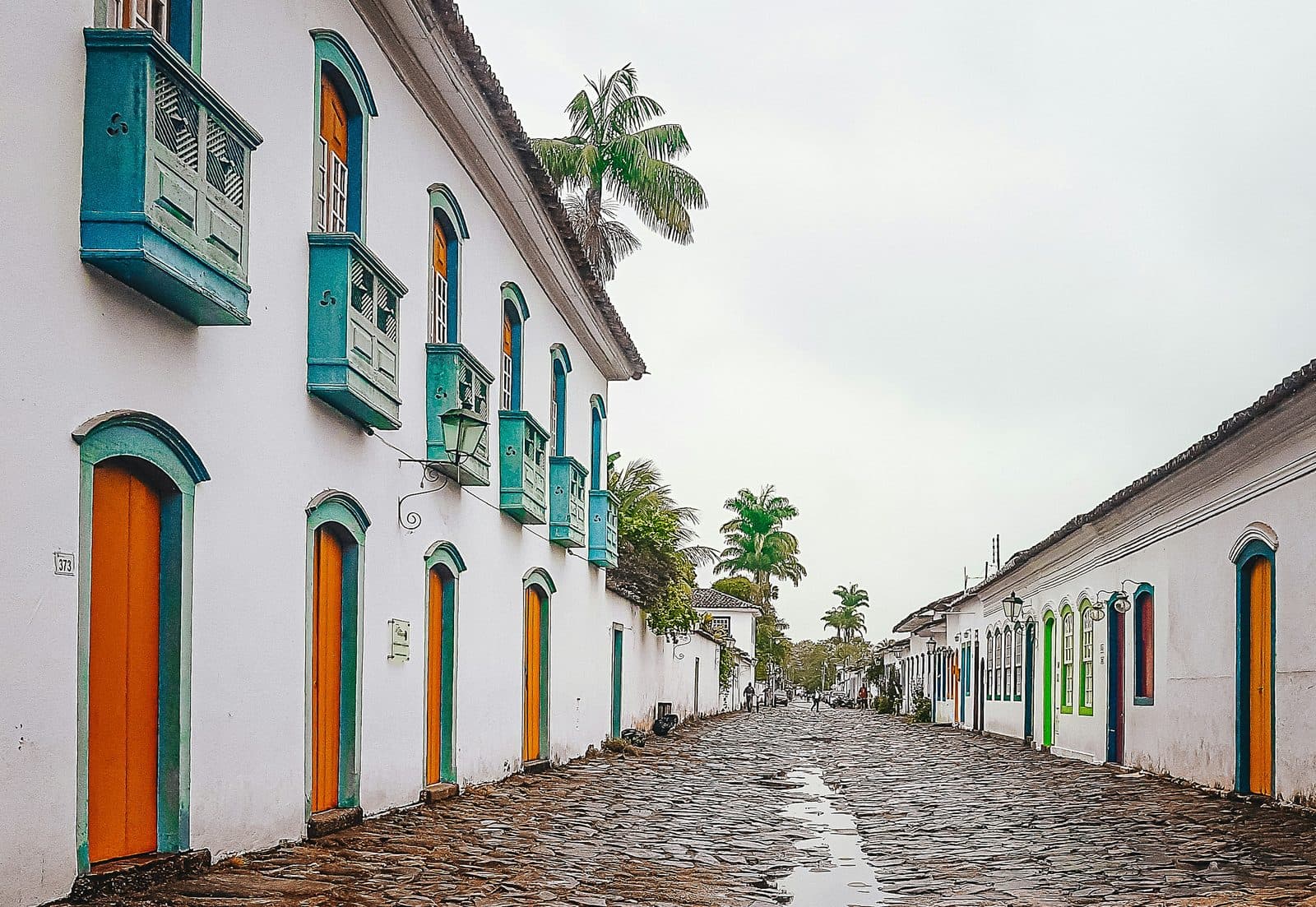
The Tide-Washed Streets: A Town Built to Be Flooded
The signature phenomenon: a colonial grid laid low enough that the sea rises through the seawalls to wash the streets clean.
- 3
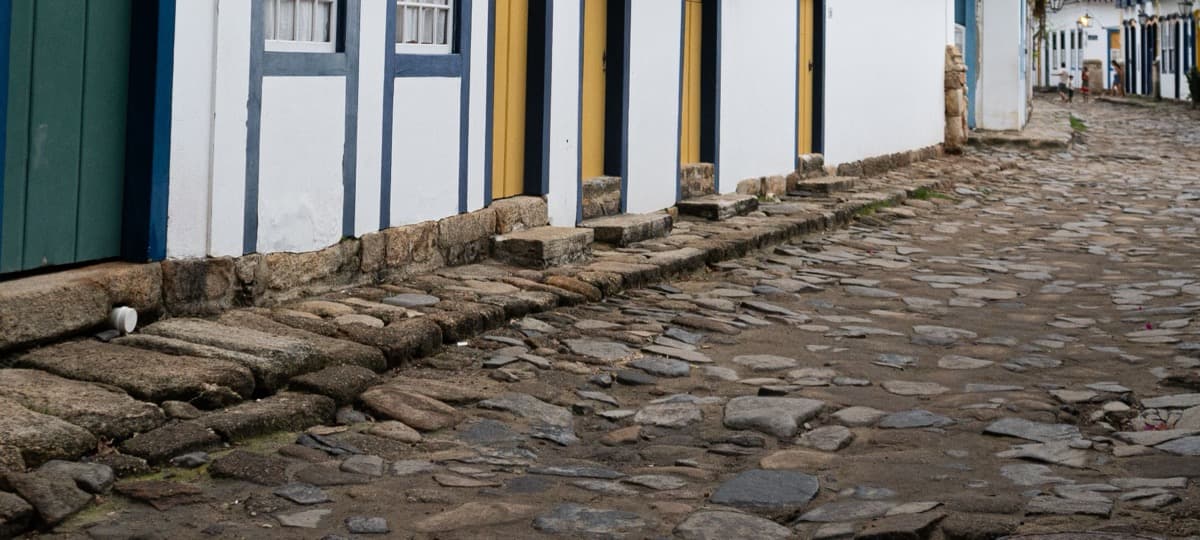
The Pe de Moleque Cobblestones: Stone That Steers the Water
The undulating eighteenth-century paving, flattened into place by street children, that channels the tide back out to sea.
- 4

The Cachaca Heritage of Paraty: The Spirit That Named the Town
The sugarcane spirit that made Paraty rich and floated out on the tide, until the town's own name became a word for cachaca.
- 5
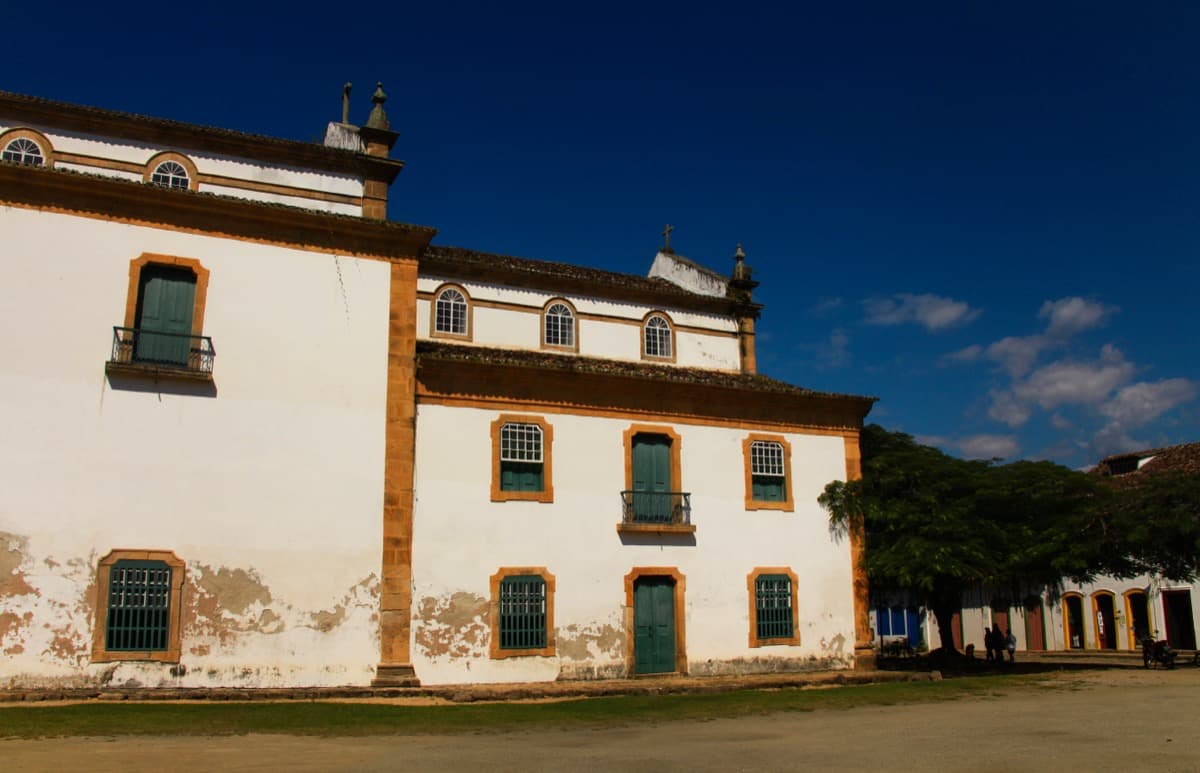
Praca da Matriz at Dusk: The Gathering Heart
The oldest and largest open space in the historic center, facing the town's largest church, at its best as the evening light drops.
- 6
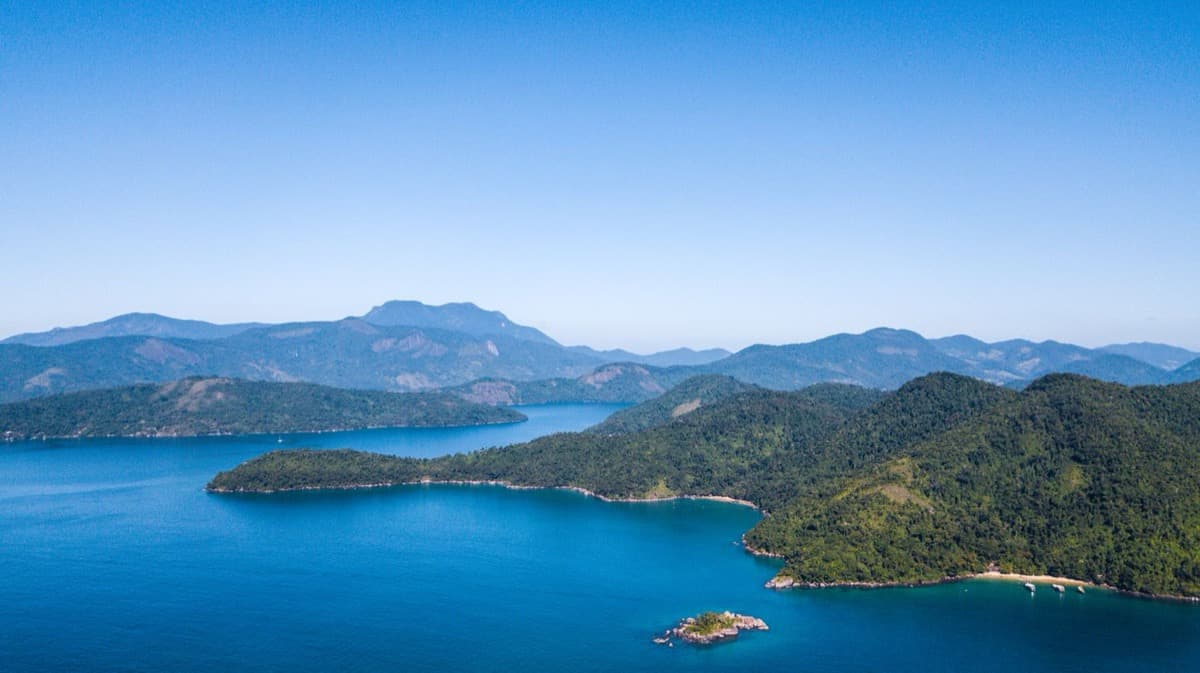
Forte Defensor Perpetuo: Above the Whole Bay
The hilltop fort that guarded the bay's gold and cachaca, now a free museum with a panorama over the town and the tidal sea.
Details
Best Time to Visit
Plan around the full moon and high tide if you want to see the streets flood, since the water rises only on the highest tides for an hour or two around high water. Otherwise, aim for the late afternoon into dusk: the low sun warms the white facades, the heat eases, and you reach the fort near sunset with the whole bay glowing.
Pro Tips
- •Check a tide table and the moon calendar before you go: the street flooding happens on the highest tides around the full moon, usually for just an hour or two around high water.
- •Wear closed shoes with good grip. The pe de moleque cobbles are uneven and become slick when wet.
- •Start in the late afternoon so you reach the fort on the hill close to sunset, when the bay light is best.
- •The historic center is closed to most cars, so this entire walk is comfortably done on foot at your own pace.
- •Bring a little cash. The small sacred-art museum inside Santa Rita and some minor stops may not take cards, though the fort museum is free.
- •Slow down and watch the reflections. On a flooded morning the wet stones mirror the whole town, and that is the point of the walk.
Safety & Precautions
- •Heat, sun, and humidity run high on this coast. Carry water, wear sunscreen and a hat, and take shade breaks, especially around midday.
- •This is a rainy stretch of coastline, and sudden downpours make the cobbles slippery. Slow down and take extra care on the uneven paving when it is wet.
- •The pe de moleque stones and the climb to the fort demand sure footing and comfortable shoes, and can be awkward with strollers or wheelchairs.
- •Treat the churches and any sacred spaces with respect: dress modestly, stay quiet during services, and ask before photographing people. Stay street-smart after dark, keeping valuables close and sticking to well-lit lanes at night.
Travel advisory: Exercise Increased Caution (Level 2).
Gallery
Related Reading
Go deeper on what you'll see, hear, and walk through.
Overview
Best Self-Guided Walking Tours in Paraty (2026)
3 min
Overview
One Day in Paraty: A Walkable Colonial-Port Itinerary (2026)
5 min
Overview
Paraty Travel Guide: How Many Days, Getting There, When to Go (2026)
5 min
Thematic
Best Culture Walking Tours in Paraty (2026)
2 min
Thematic
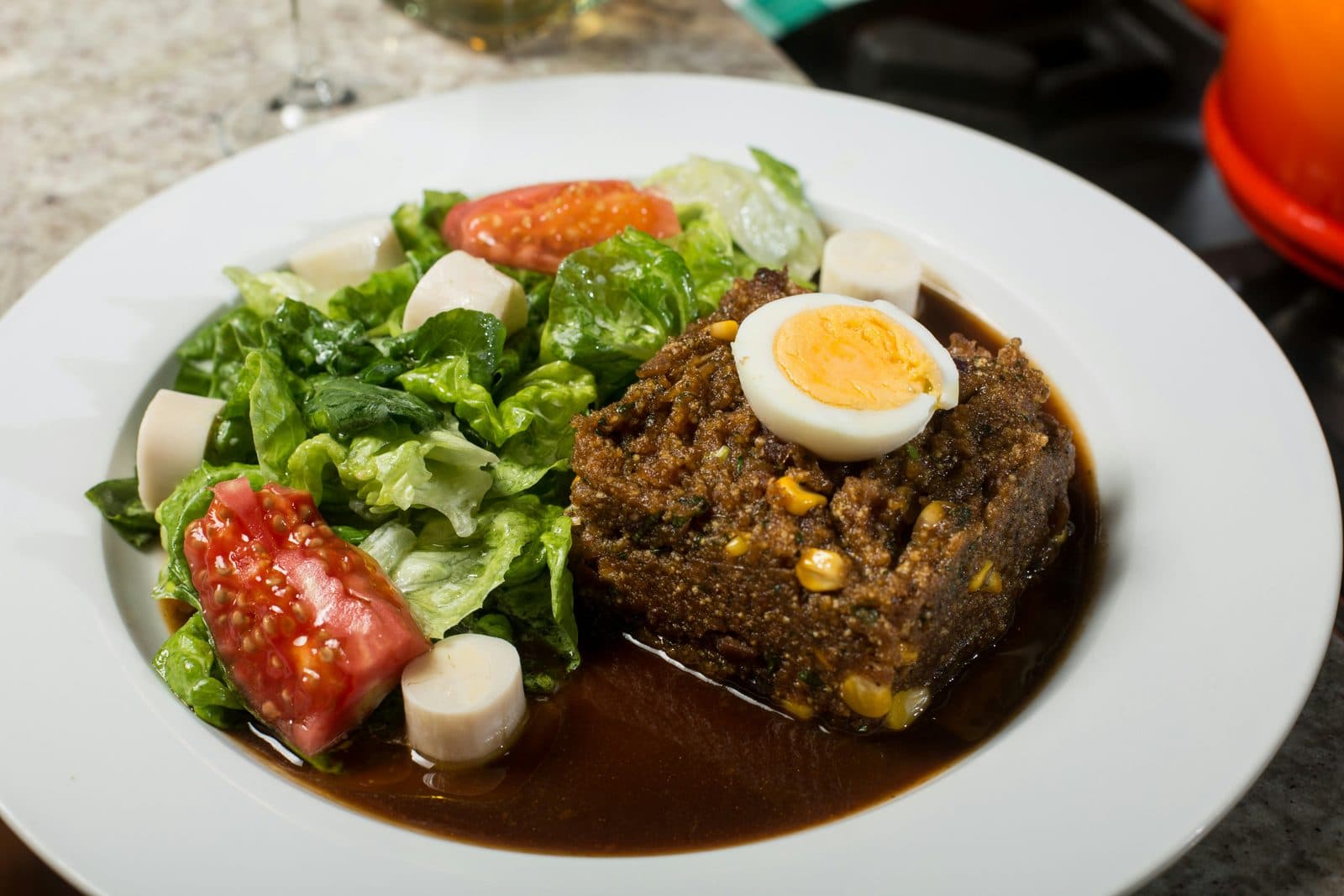
What to Eat in Paraty: A Caicara and Cachaca Food Guide (2026)
4 min
Deep dive
How Cachaça Made Paraty Rich, Then Became the Town's Own Name
6 min
Read the walk
The full story of Historic Center: Cachaca, Sea, and the Tide-Washed Streets, in words. Prefer to listen? Play it narrated, from home or on location.
Introduction
Paraty sits on the southern coast of Rio de Janeiro state, in Brazil, where the Serra do Mar mountains drop straight into a bay scattered with islands. This walk has six stops and covers roughly one and three quarter kilometers, about ninety minutes at an unhurried pace, though it is yours to stretch or shorten however you like. What makes this town unusual is the water. Its colonial grid was laid deliberately close to the tide line, so on the highest full-moon tides the sea slips through openings in the seawalls and washes the streets clean, turning the whole historic center into a mirror. You will follow that same water. You begin at the working waterfront where the sea enters and the schooners moor, then move inland to feel the tide's aftermath on the streets and the wobbling cobblestones. You will meet the sugarcane spirit that made the town rich and floated out on this exact tide, pause in the gathering square as the light drops, and finally climb to the fort on the hill, where the entire bay opens at once. Along the way, expect salt and cane in the air, reflections underfoot, and stone that is warm from the sun. Everything here is designed to be self-cleaning and entirely at your own speed. There are no group timetables and no lines to keep. Wear shoes that grip, watch your footing on the uneven paving, and linger wherever the light is good. When you arrive at the waterfront beside Igreja de Santa Rita, begin with stop one.
1. The Waterfront and the Schooners: Where the Sea Enters
Stand where the town meets the bay. In front of you the whitewashed chapel of Santa Rita faces the water, and just beside it the old pier, the Cais de Paraty, runs out toward the moored boats. Traditional wooden schooners, called escunas, and smaller craft rock at their lines here, their colored hulls doubled in the water, and each morning they cast off for the islands and beaches of the Bay of Paraty. Breathe in and you will catch it: salt, a thread of diesel, and somewhere the sweetness of cane. This is where the town's wealth left. In the seventeenth and eighteenth centuries, sugarcane spirit distilled all around Paraty and gold arriving down the mountain road, the Estrada Real, were loaded onto boats at this waterfront and sent on to Rio de Janeiro and the wider world. The chapel itself dates to seventeen twenty-two, built for the community of free pardos, freed and mixed-race people, whose labor and lives were bound up in that economy. It now holds a small museum of sacred art. Notice the tide line staining the seawall. This is not just the town's front door, it is the opening through which the sea itself comes in. On the highest tides the water you see lapping the stone will rise past the pier and run into the streets behind you. Hold that thought. The same water that carried cachaca and gold away is the water that still climbs to the doorsteps by the calendar of the moon. Everything on this walk flows from that single fact.
2. The Tide-Washed Streets: A Town Built to Be Flooded
Look down. If the moon is full and the tide is high, you may be standing at the edge of a street that has become a mirror. This is the phenomenon that defines Paraty. The colonial builders set the grid low on purpose, close enough to the sea that on the highest tides, around the full moon, water rises through special openings in the seawalls and flows along certain streets, then drains back out as the tide falls. It is a self-cleaning system, a primitive and elegant piece of engineering, not a flaw or a failure. The water is usually only about six to ten inches deep. Merchants lay out small wooden footbridges so you can cross with dry feet, and the flooded stones turn the whitewashed walls and the colored window frames upside down in the surface. If you have arrived on a dry day, look instead for the clues: the smoothness of the lower walls, the drains, the way the ground tilts gently toward the sea. Either way, imagine the hush of ankle-deep water moving where you stand, and the smell of the sea arriving inland, blocks from the shore. This tidal design is central to why UNESCO, in its twenty nineteen citation, recognized Paraty and Ilha Grande together as a mixed site of culture and biodiversity, the first of its kind in Brazil. Most towns fight the water. This one invited it in and gave it a job. Beauty and utility here are the same thing. The tide that scrubs the streets is the same tide that once carried the town's fortune out to sea.
3. The Pe de Moleque Cobblestones: Stone That Steers the Water
Feel the ground shift under your feet. These streets are paved in what is called pe de moleque, which means, roughly, street-kid's foot. The paving has been here since the eighteenth century. Large, irregular stones were set into a loose bed of sand and then flattened down by…
Full narration for this stop unlocks with the tour.
4. The Cachaca Heritage of Paraty: The Spirit That Named the Town
Somewhere near here, once, you would have smelled it constantly: the sweet, heavy scent of sugarcane being crushed and boiled and distilled. Cachaca, the spirit of Brazil, made this town rich. From the sixteen hundreds onward, the region around Paraty filled with sugar mills,…
Full narration for this stop unlocks with the tour.
5. Praca da Matriz at Dusk: The Gathering Heart
This is the town's gathering heart. The open square in front of you, Praca da Matriz, is described as the oldest and largest open space in the historic center, and the church facing it, the Igreja Matriz de Nossa Senhora dos Remedios, is the largest in Paraty, filling an entire…
Full narration for this stop unlocks with the tour.
6. Forte Defensor Perpetuo: Above the Whole Bay
You have climbed to the edge of where it all began. Forte Defensor Perpetuo stands on Morro da Vila Velha, the rocky hill at the north edge of town, on the ground where the first Portuguese settlement took hold. The fort was first built in seventeen oh three and rebuilt in…
Full narration for this stop unlocks with the tour.