The Last Day
Retrace the last hours of the Republic of Vietnam on the morning of April thirtieth, nineteen seventy-five, through the palace where the war ended, the museum that holds its evidence, and the old press hotels where the world learned a republic had fallen. A calm, factual walk about the end of one Vietnam and the start of another.
4.25|140 minutes|5 km|6 Stops
Start
Independence Palace: Where the War Ended
1
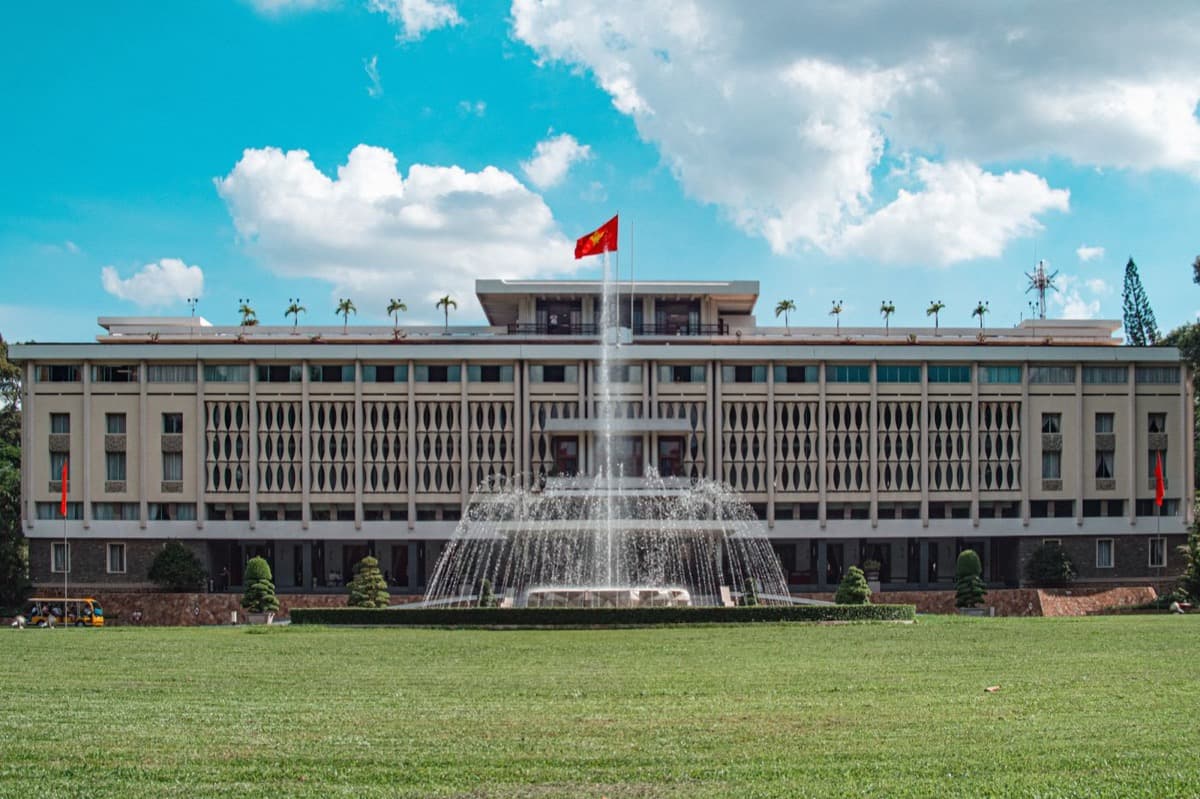
Independence Palace: Where the War Ended
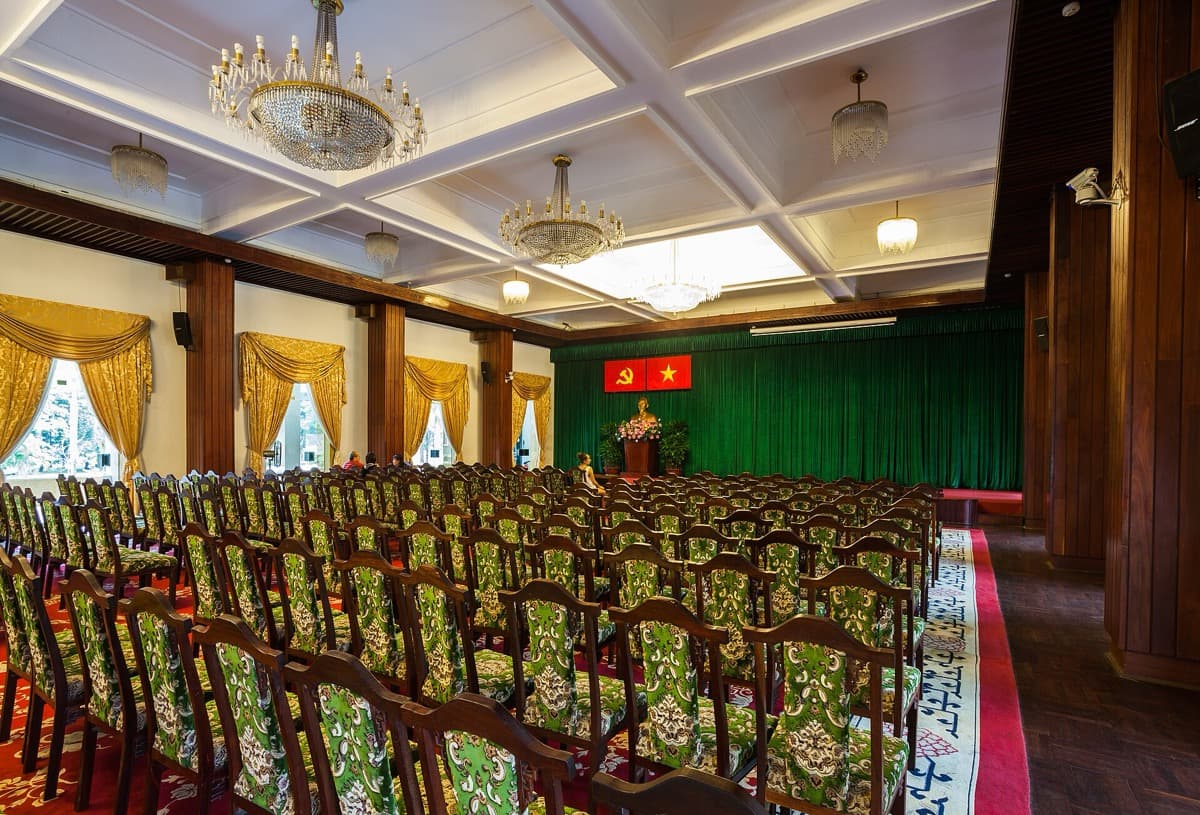
The preserved modernist palace of the South Vietnamese president, kept much as it was the morning the tanks broke the gate.
2
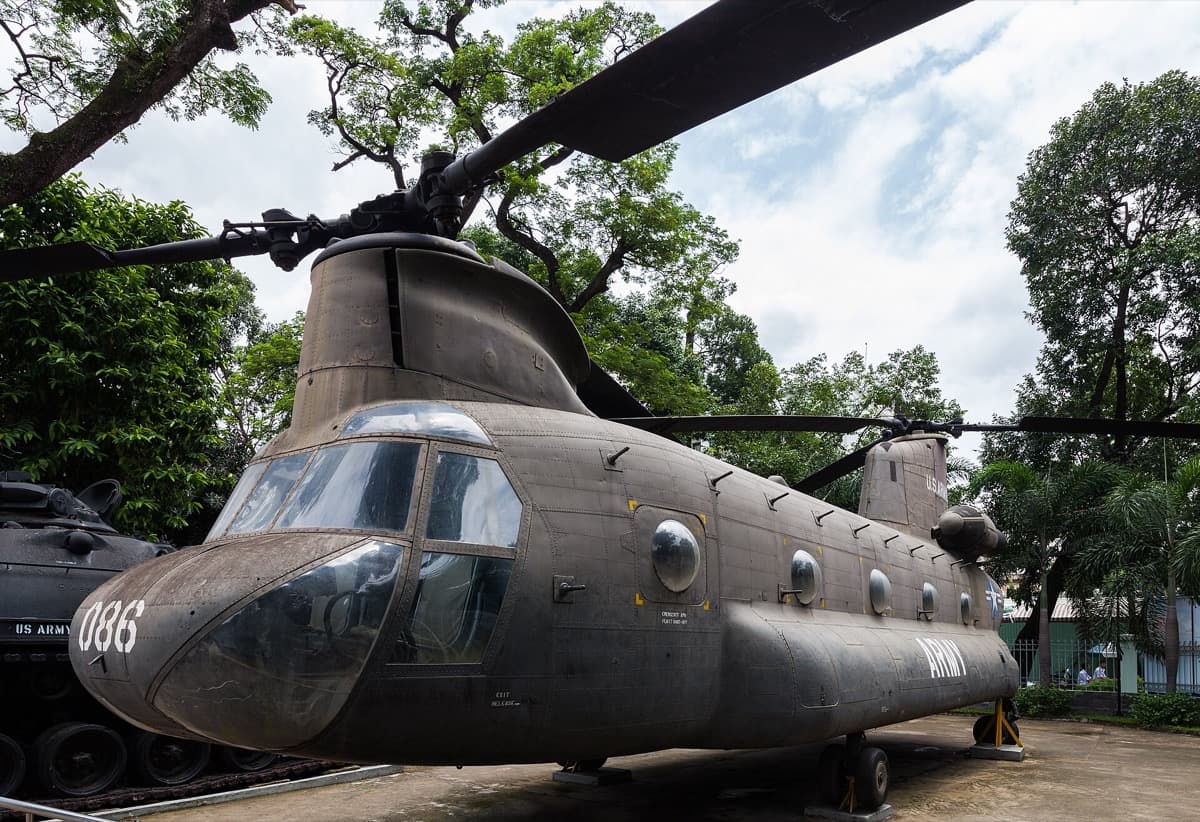
War Remnants Museum: The Physical Evidence
The museum that documents the human cost of the war, from Agent Orange to the aircraft left behind in its courtyard.
3
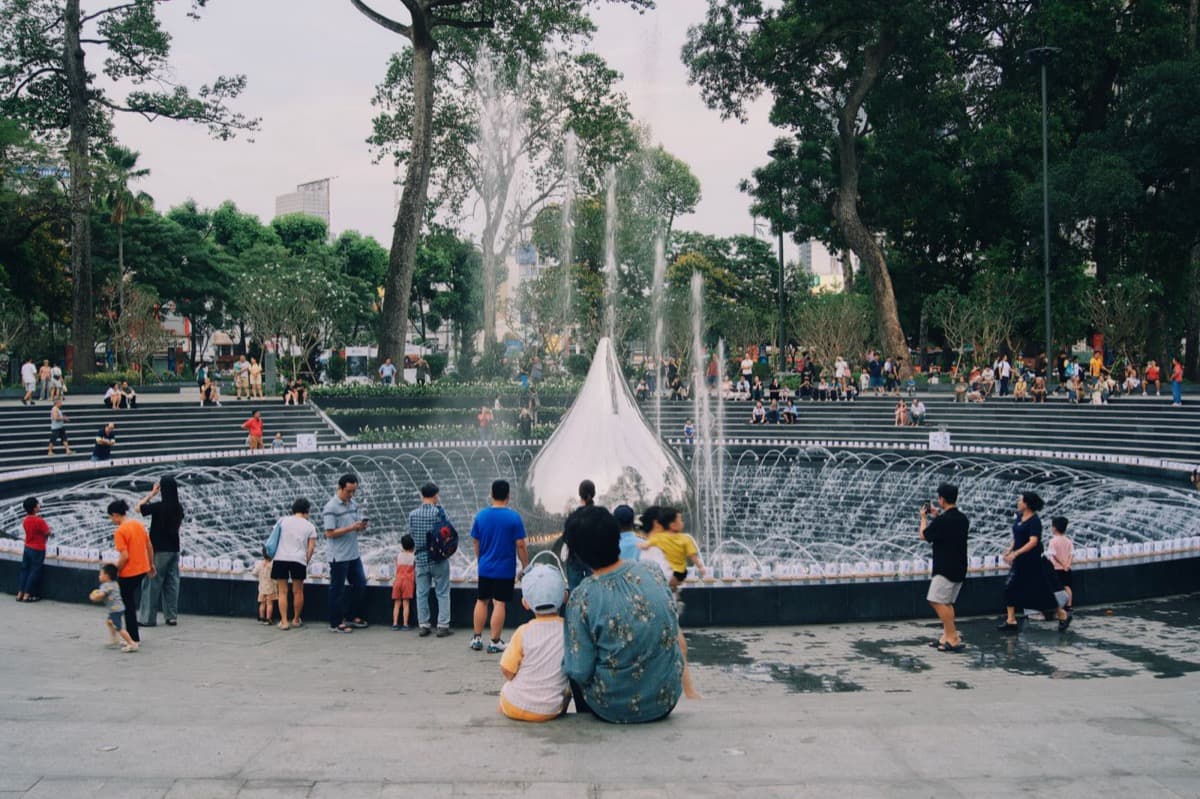
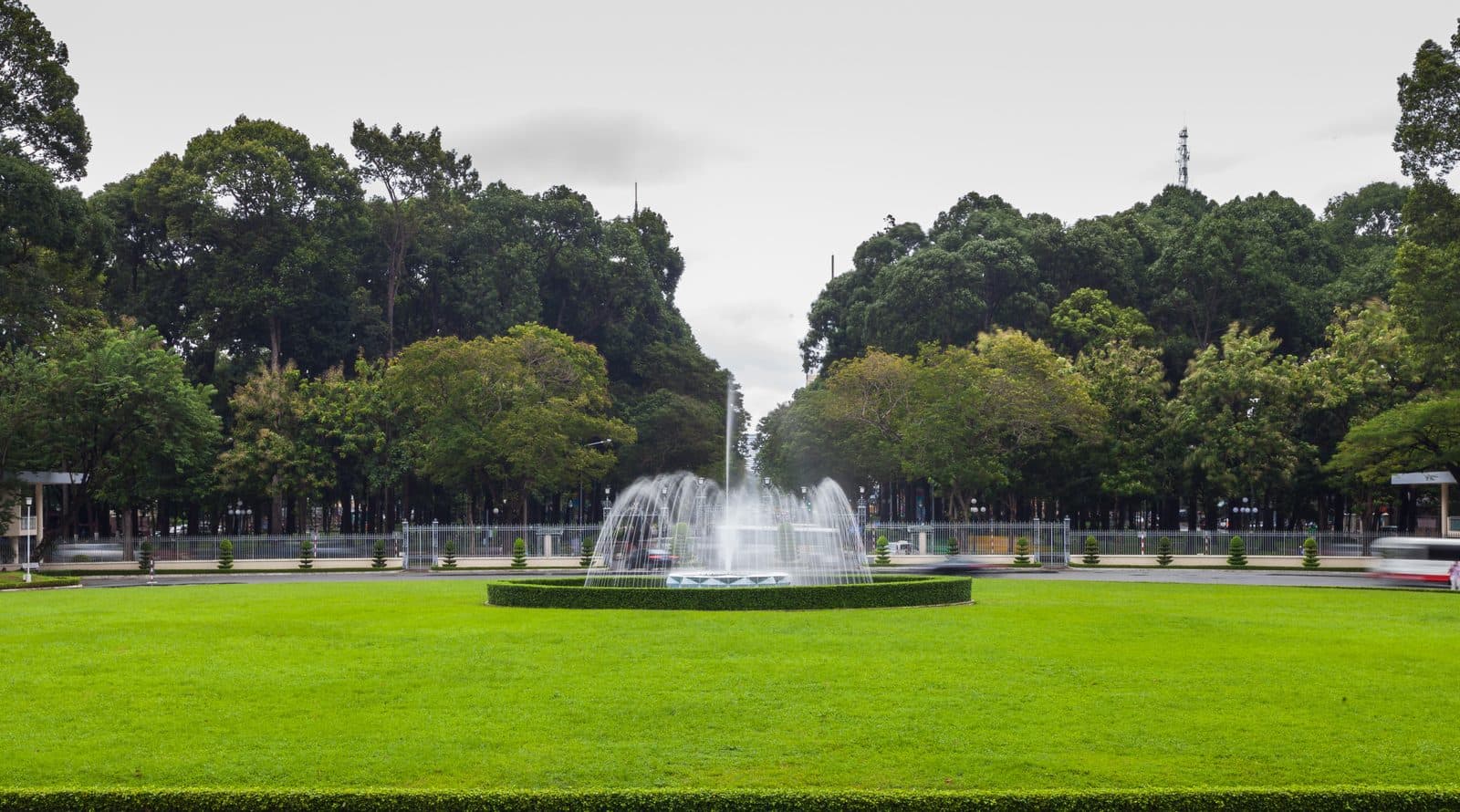
Turtle Lake: A Breath in the Old City
A modernist fountain plaza from the republic's final years, an everyday corner of the war-era city that outlived the government that built it.
4
Former US Embassy Site: The Empty Roof
The site of the American chancery, hub of the Tet attack in nineteen sixty-eight and the helicopter evacuation of nineteen seventy-five.
5
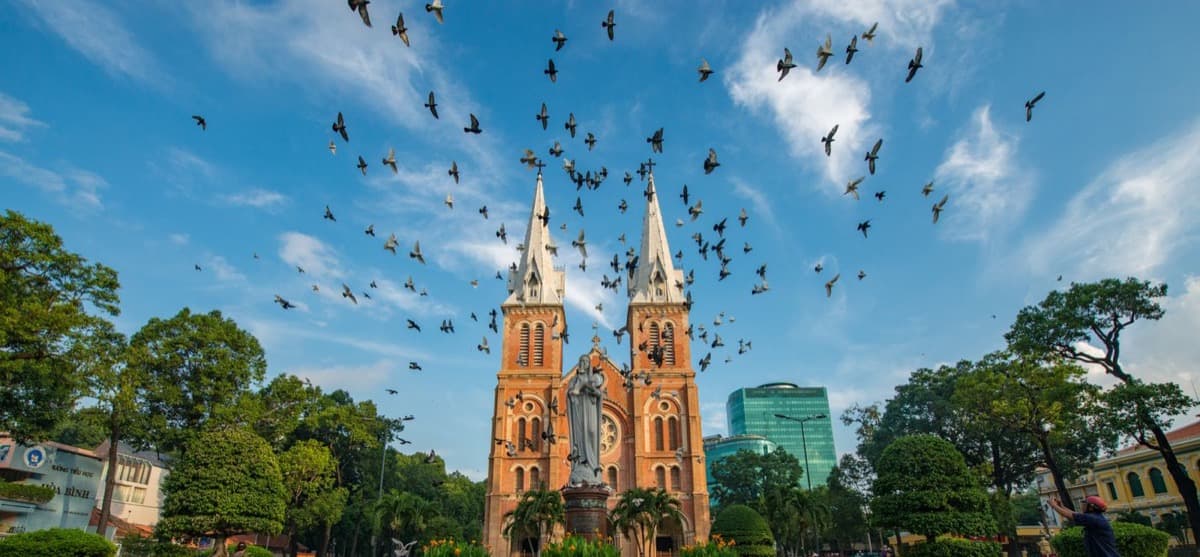
Saigon Notre-Dame Cathedral Square: The Calm Witness
The French-built cathedral that stood through colony, republic, and reunification, a fixed point at the center of the city.
6
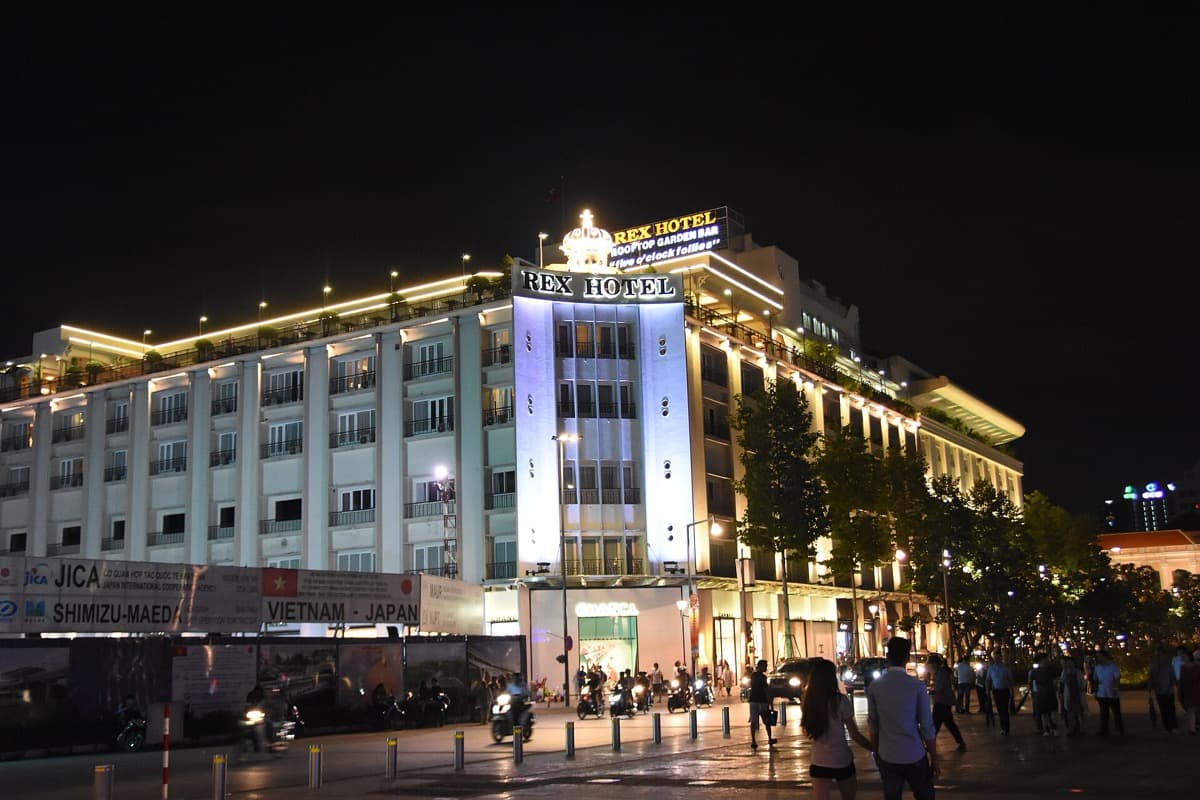
Hotel Continental and the Rex: Where the News Was Filed
The colonial press hotels by the opera house, where the world's correspondents watched and reported the fall of the republic.
Best Time to Visit
The cool of early morning, from about eight o'clock when the Independence Palace opens its gates, is the best time to start. You will beat the midday heat for the outdoor stops and reach the War Remnants Museum before the tour groups fill its halls. The dry season, from roughly December to April, brings the clearest weather. From May to November, aim for mornings to stay ahead of the afternoon monsoon downpours.
Pro Tips
- •Buy your palace ticket at the gate for about forty thousand dong, and consider the combined ticket if you want the extra exhibition hall.
- •Give the War Remnants Museum at least an hour; it is a demanding stop, and rushing it does it no justice.
- •Carry small dong notes for entry fees, water, and iced drinks, since not every counter takes cards.
- •The stops are close together, but the museum can be emotionally heavy, so pace yourself and use Turtle Lake as a genuine rest.
- •Start early to keep the outdoor stops, the plaza, the embassy site, and the cathedral square, in morning shade.
- •The cathedral has been under long restoration, so plan to enjoy it from the square rather than counting on going inside.
Safety & Precautions
- Traffic is constant and motorbikes rarely stop, so cross the street slowly and steadily, keep a predictable pace, and let the riders flow around you rather than darting or freezing.
- The heat and humidity are serious; wear light clothing, use sun protection, and drink water often, especially between the outdoor stops.
- From May to November, sudden monsoon downpours can arrive in minutes, so carry a compact rain layer and be ready to shelter in a museum or cafe.
- In busy squares and near the markets, keep your bag zipped and worn across your front, and hold your phone firmly near traffic where snatch thefts can happen.
- The cathedral is an active place of worship, so dress modestly at the shoulders and knees and keep your voice low if services are underway.
Gallery
Related Reading
Go deeper on what you'll see, hear, and walk through.
Overview
Best Self-Guided Walking Tours in Ho Chi Minh City (2026)
4 min
Overview
Ho Chi Minh City Travel Guide: How Many Days, Getting Around, When to Go (2026)
5 min
Overview
How to See Saigon: A City of Kept Frames
6 min
Overview
One Day in Ho Chi Minh City: A Walkable Saigon Itinerary (2026)
5 min
Companion
The City That Did Not Burn: Saigon on the Last Day
7 min
Deep dive
The Last Morning: What Happened at Independence Palace
7 min