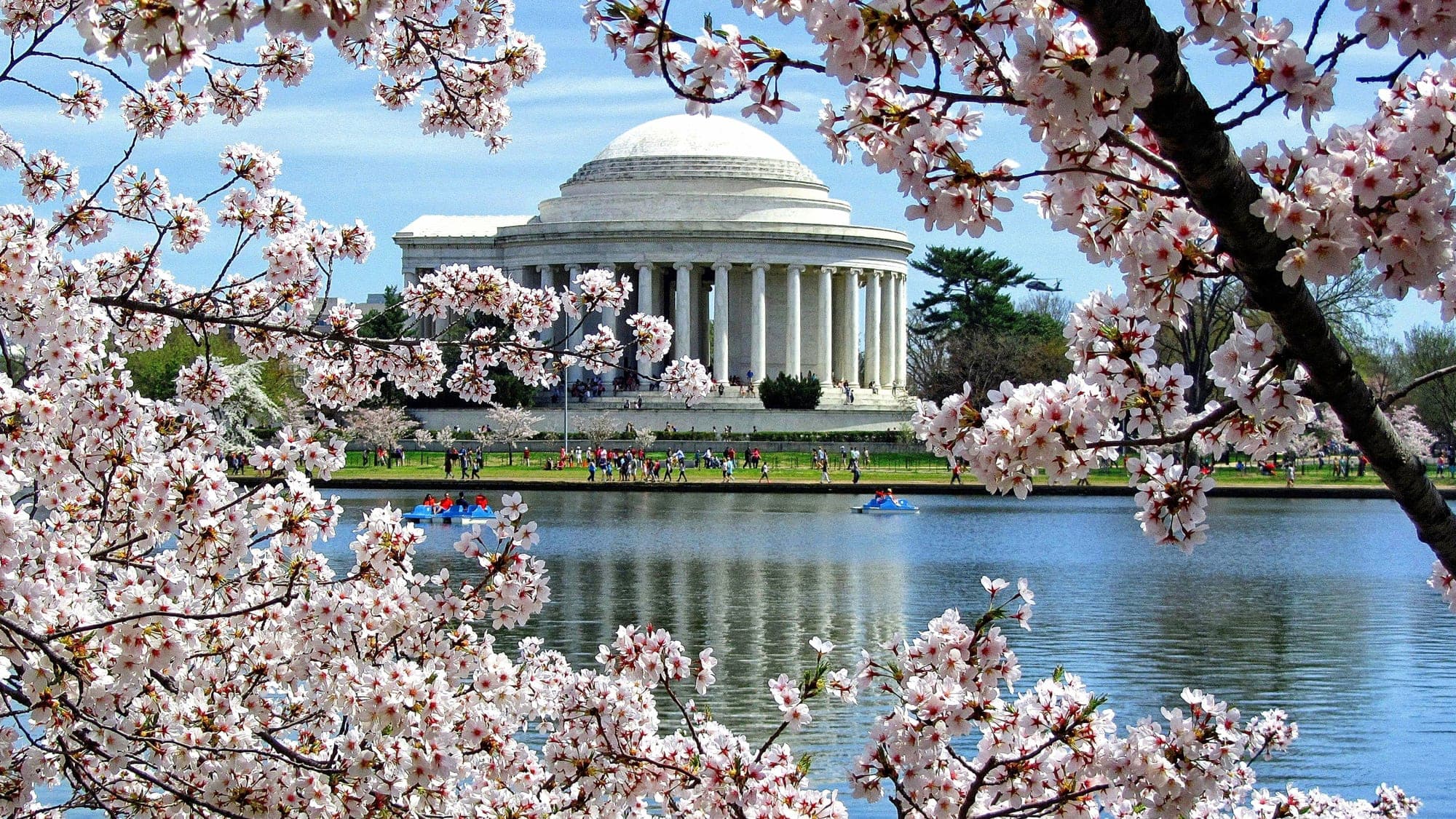
Seven monuments along a one-and-nine-tenths-mile axis, read as the political minutes of the eras that built them. The Mall is not a single founding-era design; it is more than two centuries of committee arguments carved in marble, granite, and bronze.
Start · US Capitol West Front: Where the Axis Begins
DirectionsStops
- 1
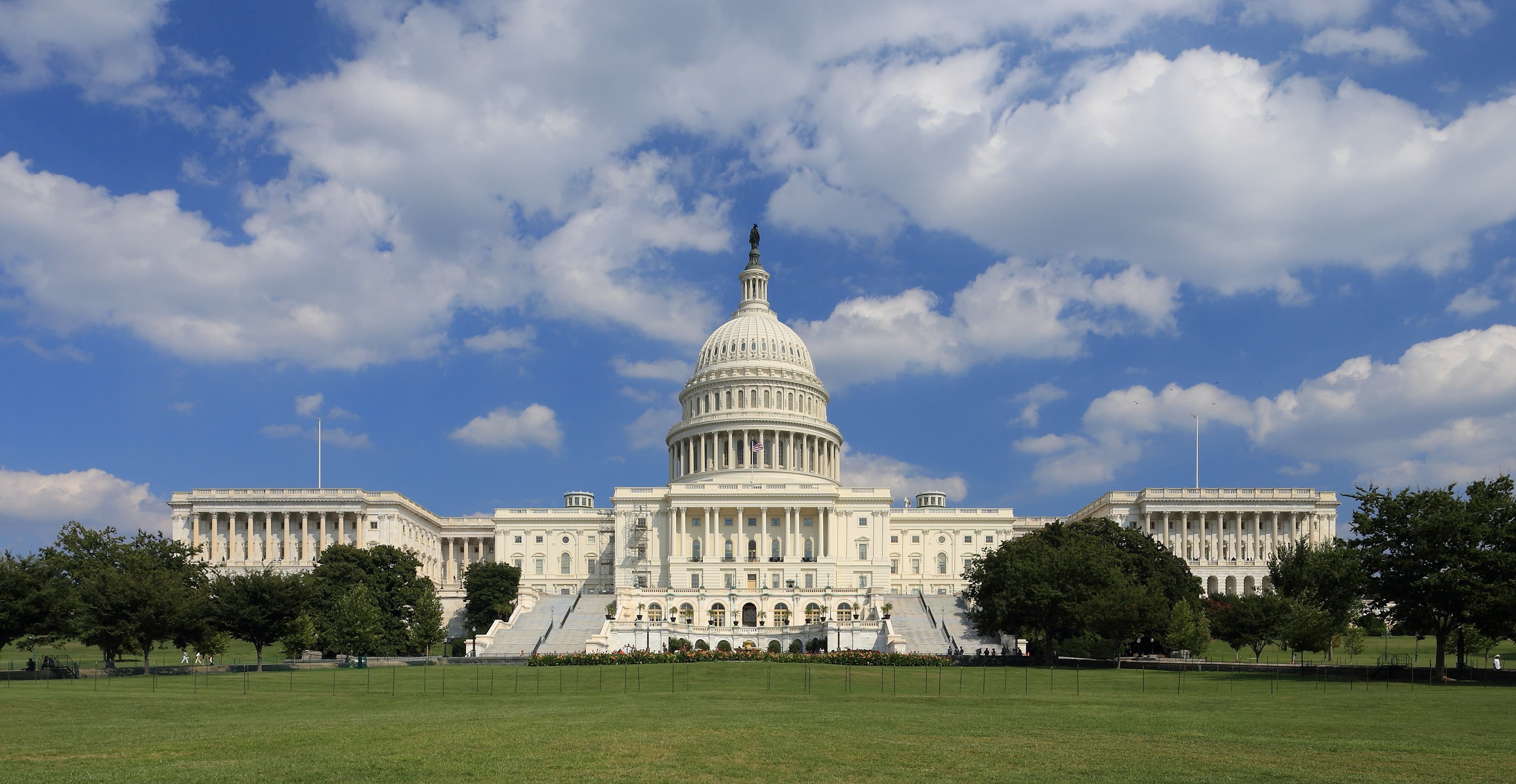
US Capitol West Front: Where the Axis Begins
The east anchor of the Mall axis. L'Enfant proposed the Grand Avenue in 1791; the McMillan Plan of 1902 set the cruciform you are walking; the US Commission of Fine Arts, founded 1910, became the room where every decision got minuted.
- 2
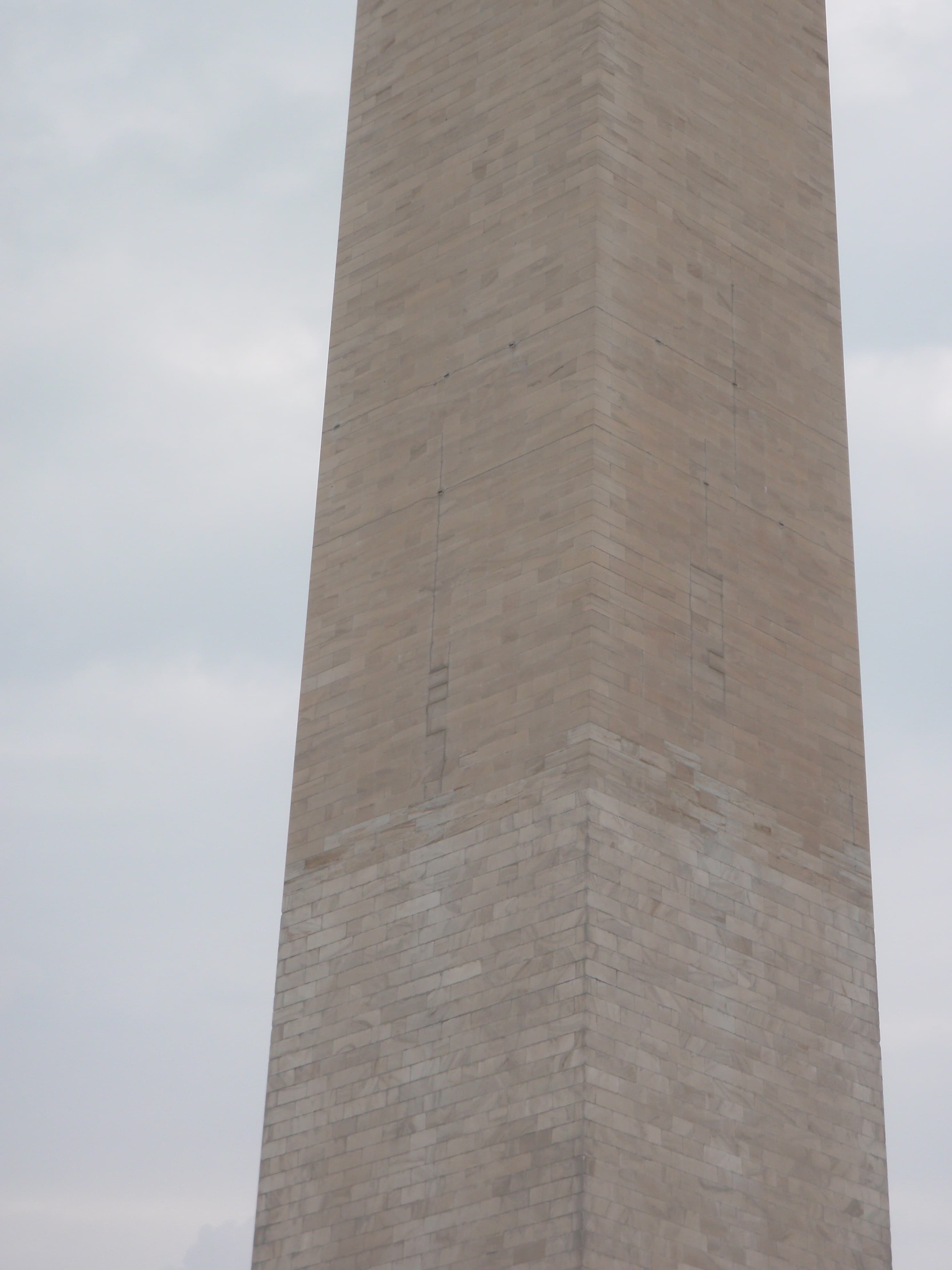
Washington Monument: The Seam in the Marble
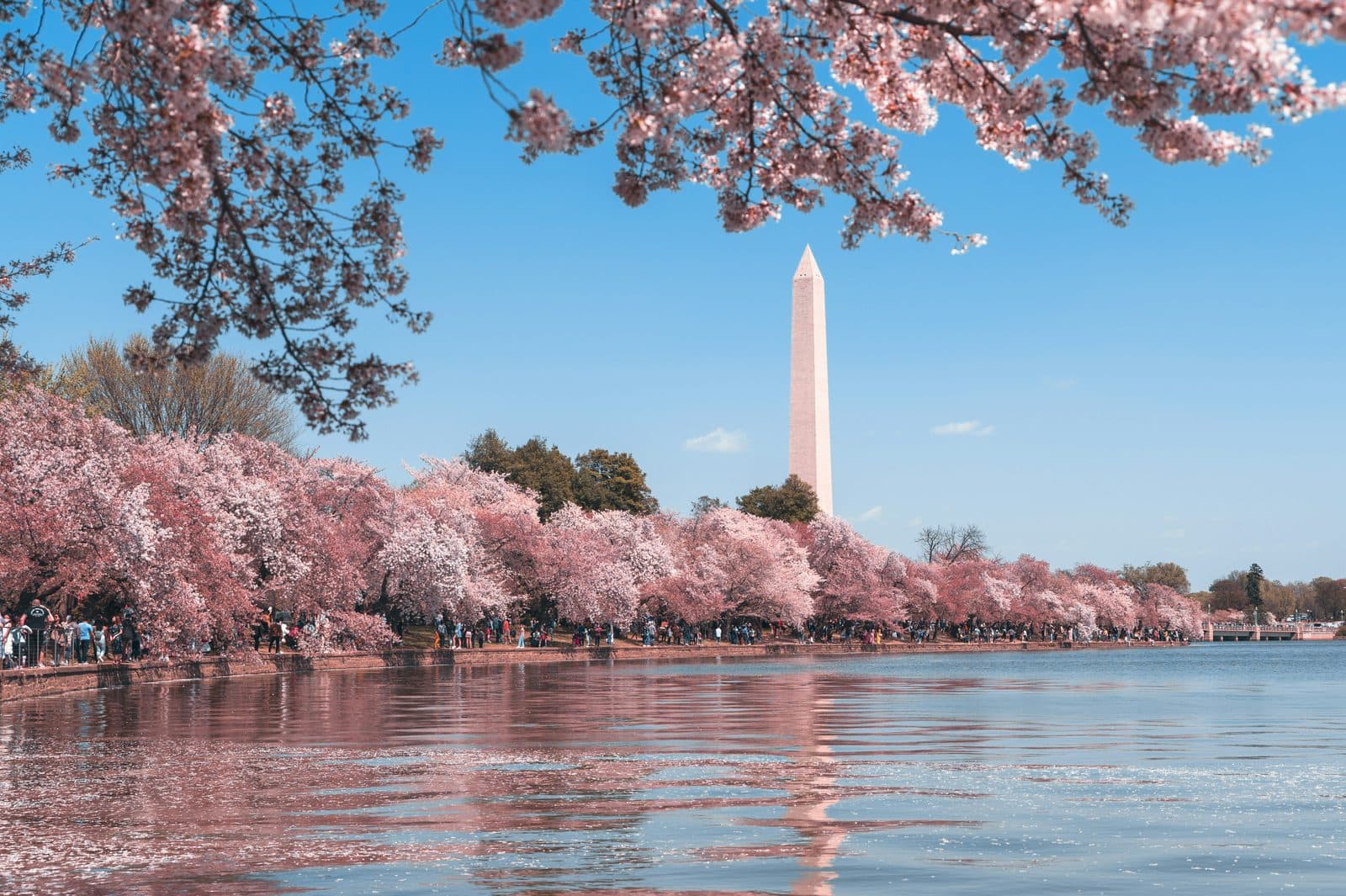
The 555-foot obelisk that is not one obelisk. The visible color band at approximately 150 feet is the seam between the 1848 to 1854 first phase and the 1879 to 1885 second phase: a twenty-five-year halt made literally visible in stone.
- 3
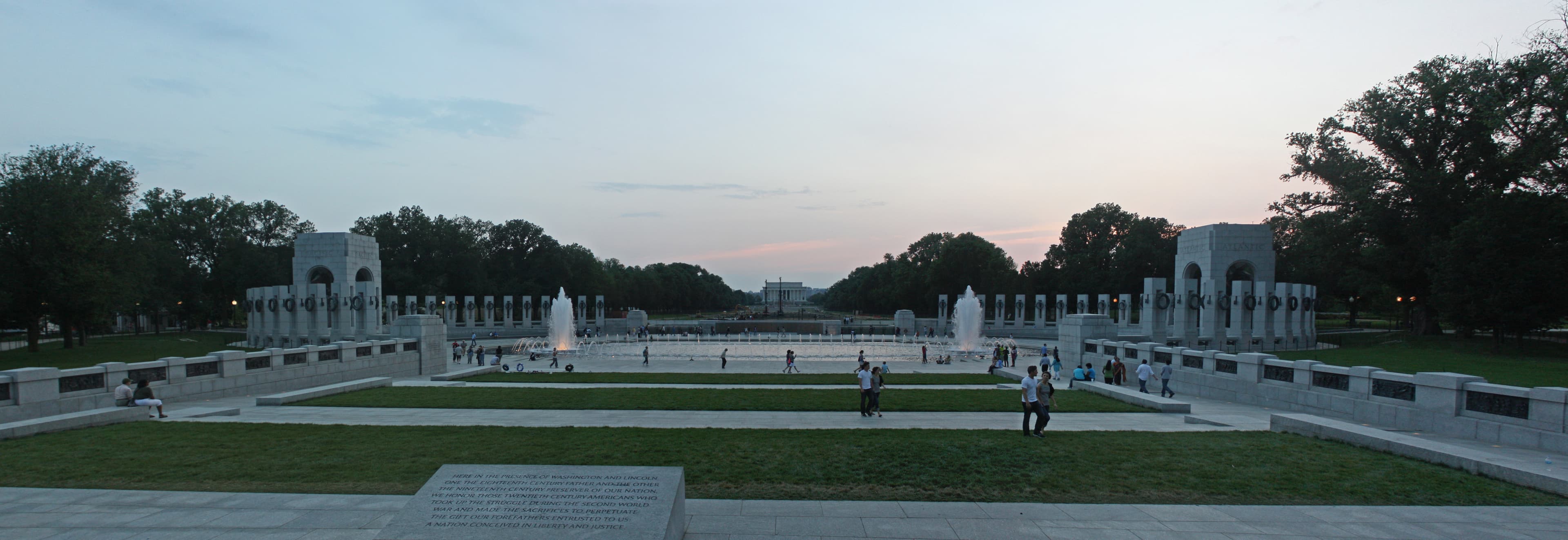
World War II Memorial: The Vista the McMillan Plan Lost
Opened April 29, 2004 on the Rainbow Pool site between Washington Monument and Lincoln Memorial. Friedrich St. Florian architect, 4,048 gold stars on the Freedom Wall. The 2004 placement broke the open vista the McMillan Plan had protected for a century.
- 4
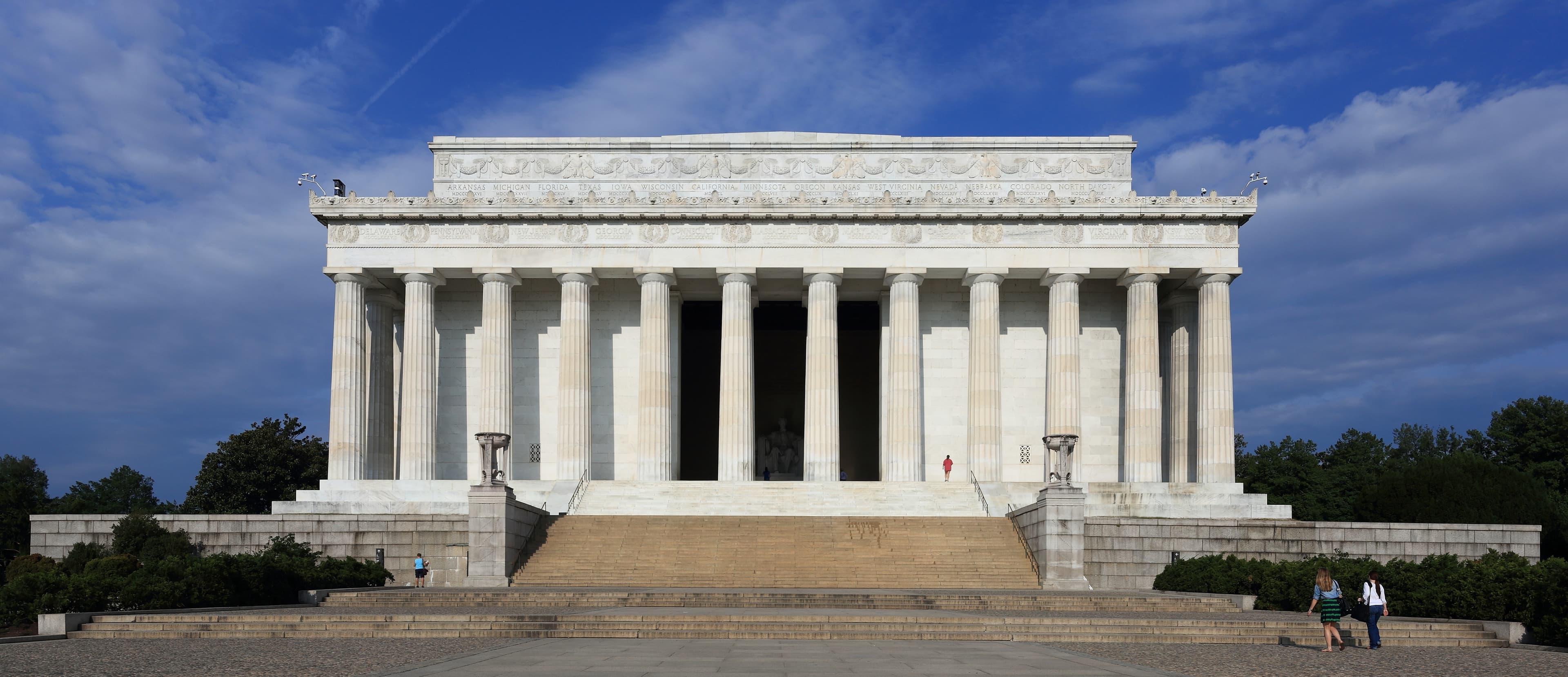
Lincoln Memorial: The McMillan Plan's Western Anchor
Dedicated May 30, 1922. Henry Bacon architect, Daniel Chester French sculptor of the seated statue. The 1922 completion of the McMillan Plan's western anchor, twenty years after the plan was drawn. (For the August 28, 1963 speech site, see our Civil Rights Corridor tour.)
- 5
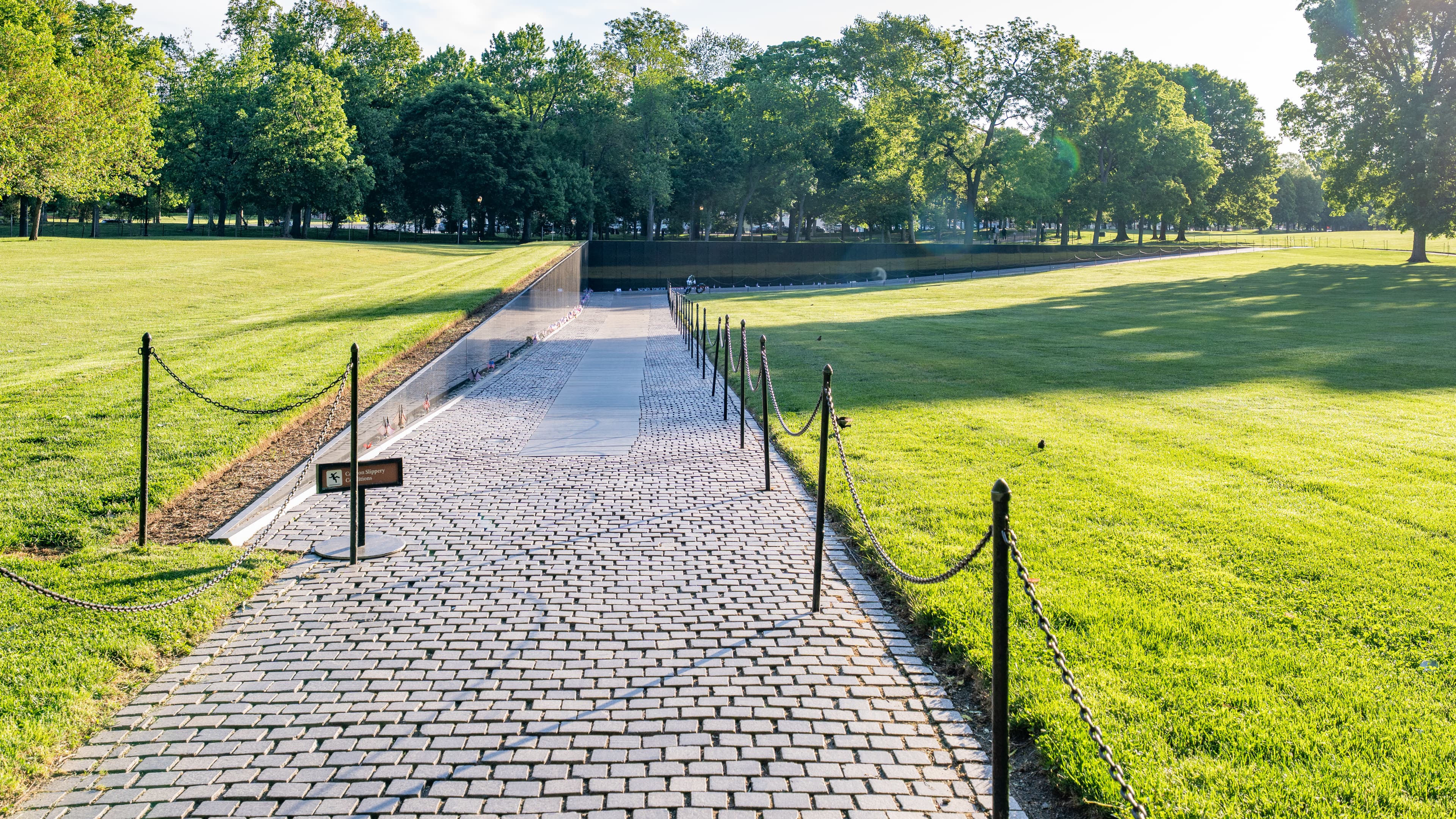
Vietnam Veterans Memorial: The Counter-Monument
Dedicated November 13, 1982. Maya Lin, age 21, Yale undergraduate, entry 1026 of 1,421 in the 1980 to 1981 competition. The black granite wall broke the Mall's figural-classical-temple grammar; Frederick Hart's bronze Three Soldiers, dedicated 1984, was the political compromise.
- 6
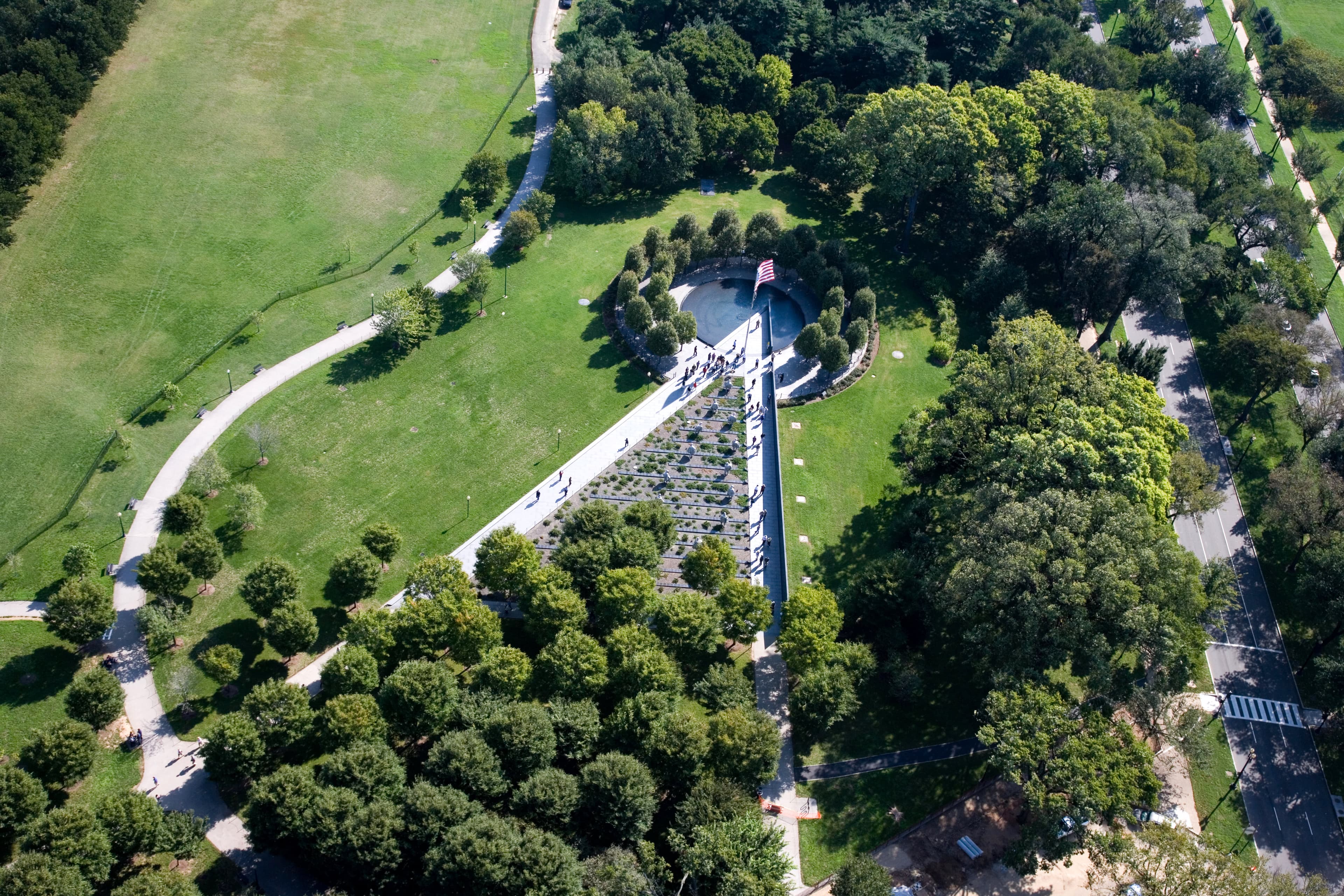
Korean War Veterans Memorial: The Figural Answer to the Counter-Monument
Dedicated July 27, 1995. Frank Gaylord sculptor of the 19 stainless steel figures of 'The Column.' Cooper-Lecky Architects on site design. The Wall of Remembrance was added in 2022 with 36,634 American and 7,174 KATUSA names.
- 7
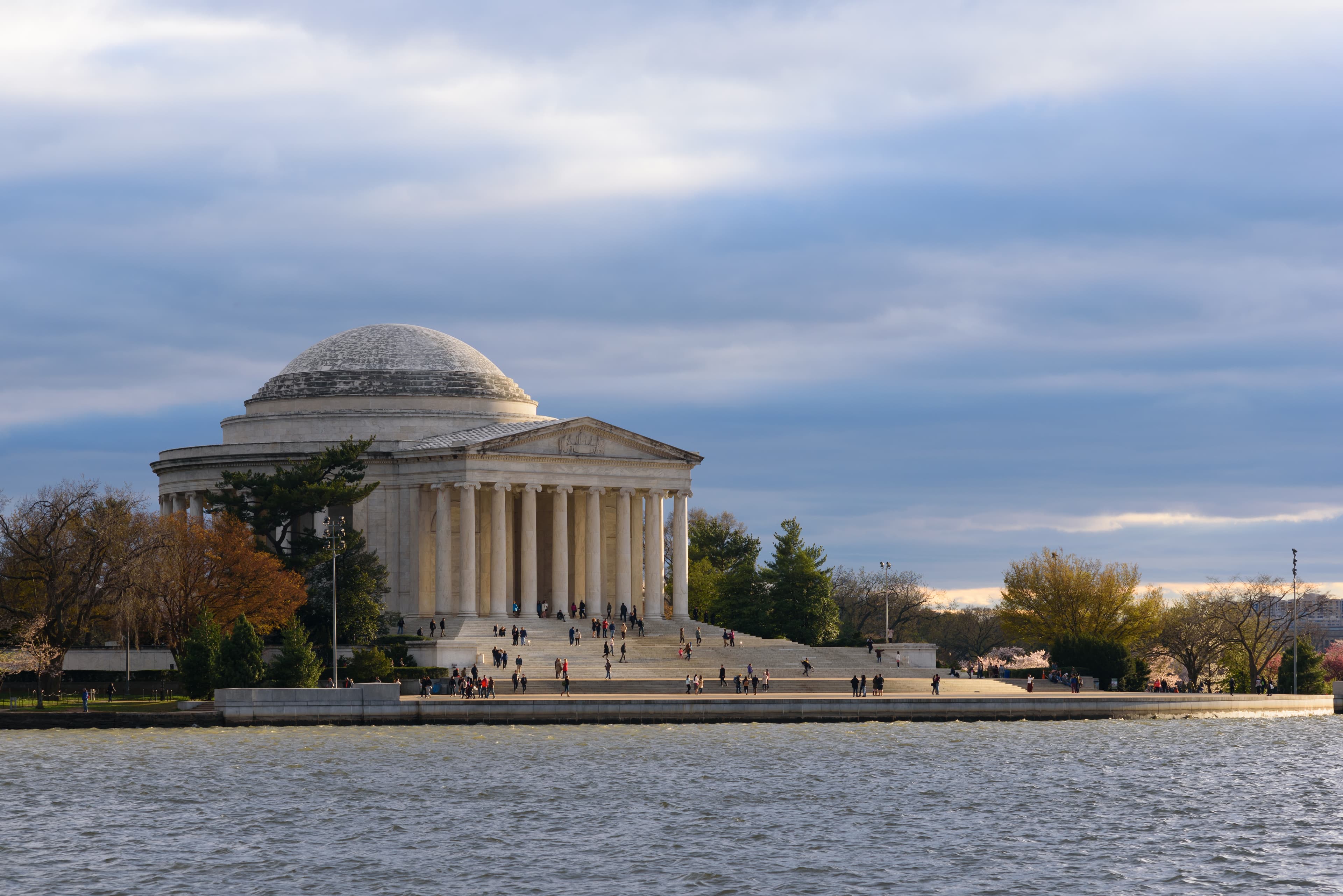
Jefferson Memorial: The McMillan Cruciform Closed
Dedicated April 13, 1943, Jefferson's 200th birthday. John Russell Pope architect (Eggers and Higgins completed after Pope's 1937 death). Rudulph Evans sculptor of the bronze statue, installed 1947. The Tidal Basin site completed the McMillan four-anchor cruciform: Capitol, Washington Monument, White House, Tidal Basin.
Details
Best Time to Visit
Spring and fall are the easiest months on the corridor: cherry blossoms peak around Tidal Basin in late March or early April, and October light is the clearest of the year for reading the Washington Monument's two-tone seam against the sky. Summer is hot and humid in DC, but the monuments are open twenty-four hours and the evening light from about seven o'clock onward is the best photographic window from June through August. Winter mornings are cold but uncrowded; January and February read the corridor cleanly. Weekday mornings before the school-group buses arrive, roughly eight to ten in the morning, are the quietest. Sunset at Lincoln Memorial, facing east back toward the Capitol, is the single most-photographed framing in American political life for a reason.
Pro Tips
- •The two-tone seam at Stop 2 is most visible on the Washington Monument's south side in late-morning or mid-afternoon light, when the sun is high enough to side-light the marble. Overcast days flatten the contrast and the band reads less clearly.
- •Stop 3, the World War II Memorial, is best read from inside the pavilion-ring, between the Atlantic and Pacific arches, with the Freedom Wall to your west. The vista-loss point that the audio narrates lands when you stand at the central pool and look both directions along the axis at once.
- •Stop 4, Lincoln Memorial, reads the building in its 1922 axis-completion frame only. The August 28, 1963 speech site, the engraved step from 2003, and the broader civil-rights reading of the Memorial are the subject of our companion tour, the Civil Rights Corridor. The two walks are designed to be taken as a pair.
- •Stop 5, the Vietnam Veterans Memorial, descends below grade. Walk the full length of the Wall at least once at standing height; the names rise above eye level at the central angle. The Frederick Hart Three Soldiers statue is at the entrance plaza, not on the Wall itself, by design of the 1984 political compromise.
- •Stop 6, the Korean War Veterans Memorial, reads best from the south path looking northeast at the patrol. The 2022 Wall of Remembrance is the curved black wall behind the central pool; the names there were added decades after the original dedication.
- •The optional Jefferson Memorial detour, Stop 7, adds about nine hundred metres each way. If your walking budget is tight, end at Korean and read the axis-completed thesis from the Reflecting Pool's south side. The McMillan cruciform is legible without standing on Tidal Basin.
- •Kirk Savage's Monument Wars, University of California Press, 2009, is the academic monograph this tour leans on for the committee-argument frame. John Reps's Monumental Washington, Princeton University Press, 1967, is the canonical planning history. Frederick Gutheim and Antoinette Lee's Worthy of the Nation, Johns Hopkins University Press, 2006, covers the committee-implementation chronology in detail. Those are the three readings if the argument holds your attention.
- •The Washington Monument interior ascent is free but requires a timed-entry ticket reserved at recreation.gov. The audio tour reads the Monument from outside; the ticket is not needed for the walk.
Safety & Precautions
- •The Mall is open ground with limited shade and very little drinking water between monuments in summer. Carry water. The walk from Capitol to Korean Memorial is approximately three kilometres with stops; in July or August heat, plan a slower pace and use the shaded paths along the north and south edges of the central lawn.
- •The corridor is high-security federal space. Bag checks are routine at the Washington Monument interior; the Capitol West Lawn perimeter is patrolled by the Capitol Police. Standard rules: no large bags, no glass containers, no drones. The exterior tour does not enter any building requiring screening, but expect uniformed presence throughout.
- •Stop 5, the Vietnam Veterans Memorial, descends below grade on a paved path. The path is wheelchair-accessible but the slope is real; if you use mobility assistance, the south-side approach from Constitution Gardens is the gentler grade.
- •Tidal Basin paths flood occasionally during heavy spring rain or extreme high tide; if the optional Stop 7 Jefferson Memorial extension is included, check the path along the basin's east edge for closures. The east-side approach via Ohio Drive is the reliable alternative.
- •Crossing 17th Street between the World War II Memorial and the Lincoln side, and crossing 23rd Street near the Vietnam Veterans Memorial, both have active traffic. Use the marked pedestrian signals. The Mall is heavily walked but the perimeter streets are not pedestrian-only.
Travel advisory: Exercise Normal Precautions (Level 1).
Gallery
Related Reading
Go deeper on what you'll see, hear, and walk through.
Overview
Best Self-Guided Walking Tours in Washington, DC (2026)
4 min
Overview
How to See Washington, DC: A City of Edits
12 min
Overview
One Day in Washington, DC: A Walkable Monuments-to-U-Street Itinerary (2026)
6 min
Overview
Washington, DC Travel Guide: How Many Days, Getting Around, When to Go (2026)
4 min
Thematic
Best History Walking Tours in Washington, DC (2026)
2 min
Companion
The Mall is the Working Draft: How a Plan from 1902 Got Rewritten by Every Era Since
11 min
Deep dive
The Washington Monument: The Seam That Made the Committee Visible
8 min
Read the walk
The full story of The National Mall: An Axis Designed by Committee, in words. Prefer to listen? Play it narrated, from home or on location.
Introduction
On a national axis that looks like it was designed once, in seventeen ninety-one, by a French engineer named Pierre Charles L'Enfant, almost nothing you are about to see was decided then. The obelisk has a literal stripe in it where a committee fell apart for twenty-five years. The Greek temple at the far western end was sited a century after the original plan was drawn. The black wall of Vietnam veterans was approved over the objection of half its own commissioners. The Mall is not a monument. It is a committee argument made physical.
The Mall is more than two centuries of decisions: committee minutes, design competitions, won fights, lost fights, and rejected drafts. Every monument is the political answer of the era that built it, and every new one had to pry open the consensus the previous monuments had locked. The historian Kirk Savage, in his two thousand and nine book Monument Wars, reads this corridor as a working surface that successive generations have re-edited. That is the frame we walk.
The walk is seven stops, about three point five kilometres, and ninety minutes including stop dwell, from the United States Capitol West Front to the Korean War Veterans Memorial, with an optional Jefferson Memorial detour across the Tidal Basin. Every monument is free. The Mall is open twenty-four hours. The Washington Monument requires a free timed-entry ticket if you want to go up, but the tour reads it from outside.
By the closing stop you will read the Mall the way the curators read it: as a stack of committee resolutions, each one answering a different question, each one editable by the next.
When you arrive at the Capitol West Front, begin with stop one.
1. US Capitol West Front: Where the Axis Begins
You have arrived at the West Front of the United States Capitol. Stand on the brick plaza above the Capitol Reflecting Pool, facing west. Look down the central Mall lawn. The obelisk at the visual midpoint is the Washington Monument. The low temple at the far western edge is Lincoln Memorial. This entire field is the axis we are reading.
Here is what the standard story tells you. In seventeen ninety-one, a French artist and engineer named Pierre Charles L'Enfant, who had served in the Continental Army, was commissioned by President Washington to plan the new federal city. L'Enfant proposed a four hundred foot wide ceremonial avenue running roughly one mile west of the Capitol he stood on. By February of seventeen ninety-two, Washington had dismissed him over his refusal to share the plan for engraving. Andrew Ellicott completed the survey on a revised version. Most of L'Enfant's grand elements were never built.
The Mall you are looking at right now is not the L'Enfant plan. It is the nineteen oh-two McMillan Plan. The Senate Park Commission, chaired by Senator James McMillan of Michigan, with Daniel Burnham, Frederick Law Olmsted Junior, Charles McKim, and Augustus Saint-Gaudens around the table, redrew the axis as a cruciform with four anchor points: the Capitol behind you, the Washington Monument in front of you, the White House to the north, and what would become the Jefferson Memorial site to the south. They stripped the Victorian gardens, the Smithsonian Castle landscaping, the railroad depot that had stood on the central lawn. Per the planning historian John Reps, in his nineteen sixty-seven book Monumental Washington, the McMillan Plan was never formally adopted by Congress. It has nevertheless governed Mall design for a century and a quarter.
In nineteen ten, President Taft signed the legislation creating the US Commission of Fine Arts. Every monument you are about to see passed through that commission's review room. The room had opinions. The arguments got minuted. The plan you are walking is what survived the meeting.
Now walk west along the central lawn toward the obelisk. About one kilometre. I will meet you on the south side, where the seam is most visible against the sky.
2. Washington Monument: The Seam in the Marble
You have arrived at the Washington Monument. Stand on the grass on the south side, where you can see the full height of the obelisk against the sky. Look up. Five hundred and fifty-five feet of marble. Now look more carefully, about a quarter of the way up. There is a horizontal band where the color changes, slightly lighter above, slightly warmer below. The brochure does not always mark this. It is the most visible committee-failure record in the United States.
Here is what the band is. The cornerstone was laid on July fourth, eighteen forty-eight, to a design by the architect Robert Mills. By eighteen fifty-four, construction had reached approximately one hundred and fifty feet, and the donations ran out. In February of eighteen fifty-five, the anti-Catholic Know Nothing Party seized control of the Washington National Monument Society. Congress halted its two hundred thousand dollar appropriation. The Know Nothings added four feet to the obelisk before surrendering control in October of eighteen fifty-eight. The work then stopped. It did not resume for twenty-one years.
In eighteen seventy-nine, a federal effort restarted the construction. The original marble had come from a quarry in Cockeysville, Maryland, known as Texas Quarry; that is a place in Baltimore County, not the state of Texas. A brief attempt to use stone from Sheffield, Massachusetts in eighteen seventy-nine and eighteen eighty produced quality problems and was abandoned. The second phase used marble from the Beaver Dam quarry, also in Maryland, warmer in tone than the original stock. The Monument was dedicated on February twenty-first, eighteen eighty-five. It opened to the public in eighteen eighty-eight.
The band you are looking at is the seam between the eighteen fifty-four halt and the eighteen seventy-nine resumption. The most photographed obelisk in America is literally striped with the record of a generation when the committee that started the building could not finish the work. Robert Mills's original design, by the way, included a colonnaded base with a statue of Washington in a chariot. Neither was ever built. What you see is what survived a quarter-century of argument and a different quarry.
Now walk west, about four hundred metres, down the slope toward the next monument. The two pavilions and the central pool are your next stop.
3. World War II Memorial: The Vista the McMillan Plan Lost
You have arrived at the World War II Memorial. Walk down between the two opposing pavilions and stand near the central pool. Look around. The Atlantic pavilion is at one end, the Pacific pavilion at the other. The curved Freedom Wall to the west carries four thousand and forty-eight gold stars, each representing one hundred American deaths. The architect is Friedrich St. Florian. The design was selected in nineteen ninety-seven from approximately four hundred submissions. The Memorial opened on April twenty-ninth, two thousand and four, with formal dedication on May twenty-ninth.
Now look east toward the Washington Monument. Then look west toward Lincoln Memorial. You are standing in the middle of what used to be one of the most carefully protected open vistas in American urban design. This was the Rainbow Pool, the line of sight between the obelisk and the Greek temple that the nineteen oh-two McMillan Plan had set as the spine of the central axis. The Park Service, in its own materials, called this site the most prominent spot for a monument on the National Mall since Lincoln Memorial opened in nineteen twenty-two.
Here is the question that built this monument. What does it mean for a plan to be sacred for a century, and then, in a single design competition in nineteen ninety-seven, become editable? The fundraising was led by Senator Bob Dole and the FedEx chief executive Frederick Smith. The approving bodies were the US Commission of Fine Arts and the National Capital Planning Commission, the two federal review rooms whose job is to protect the McMillan vision. Both signed off. Architectural critics, including Witold Rybczynski and others writing in the architectural press at the time, raised the vista issue and lost the argument.
This is the structural turn in the walk. From here forward, treat the Mall the way the curators treat it. Every old decision is editable. The McMillan Plan is the working draft, not the founding text. The federal review bodies sit in the same rooms they sat in a century ago, and they are still answering the era's question: whose memorial gets the central axis, and at what cost to the vista the previous era prized.
Now walk west along the south or north side of the Reflecting Pool, about half a kilometre, toward the temple at the far end.
4. Lincoln Memorial: The McMillan Plan's Western Anchor
You have arrived at Lincoln Memorial. Climb the east-facing steps until you can stand and look back across the Reflecting Pool toward the Washington Monument. Then turn around and look up at the columns. Doric, thirty-six of them, each one representing one of the thirty-six…
Full narration for this stop unlocks with the tour.
5. Vietnam Veterans Memorial: The Counter-Monument
You have arrived at the Vietnam Veterans Memorial. Walk down the path. The ground drops away under your feet. The black granite of the Wall rises beside you as the path descends, low at the ends, ten feet high at the central angle where the two wings meet. Stand at the angle.…
Full narration for this stop unlocks with the tour.
6. Korean War Veterans Memorial: The Figural Answer to the Counter-Monument
You have arrived at the Korean War Veterans Memorial. Stand on the path near the central position of the patrol. Look at the figures. Nineteen stainless steel soldiers, between seven feet three and seven feet six tall, weighing roughly one thousand pounds each. Fourteen Army,…
Full narration for this stop unlocks with the tour.
7. Jefferson Memorial: The McMillan Cruciform Closed
You have arrived at Jefferson Memorial. Climb the north-facing steps and stand on the plaza, looking back across Tidal Basin toward the Washington Monument. The neoclassical rotunda behind you was designed by John Russell Pope. Pope died in nineteen thirty-seven; his firm Eggers…
Full narration for this stop unlocks with the tour.