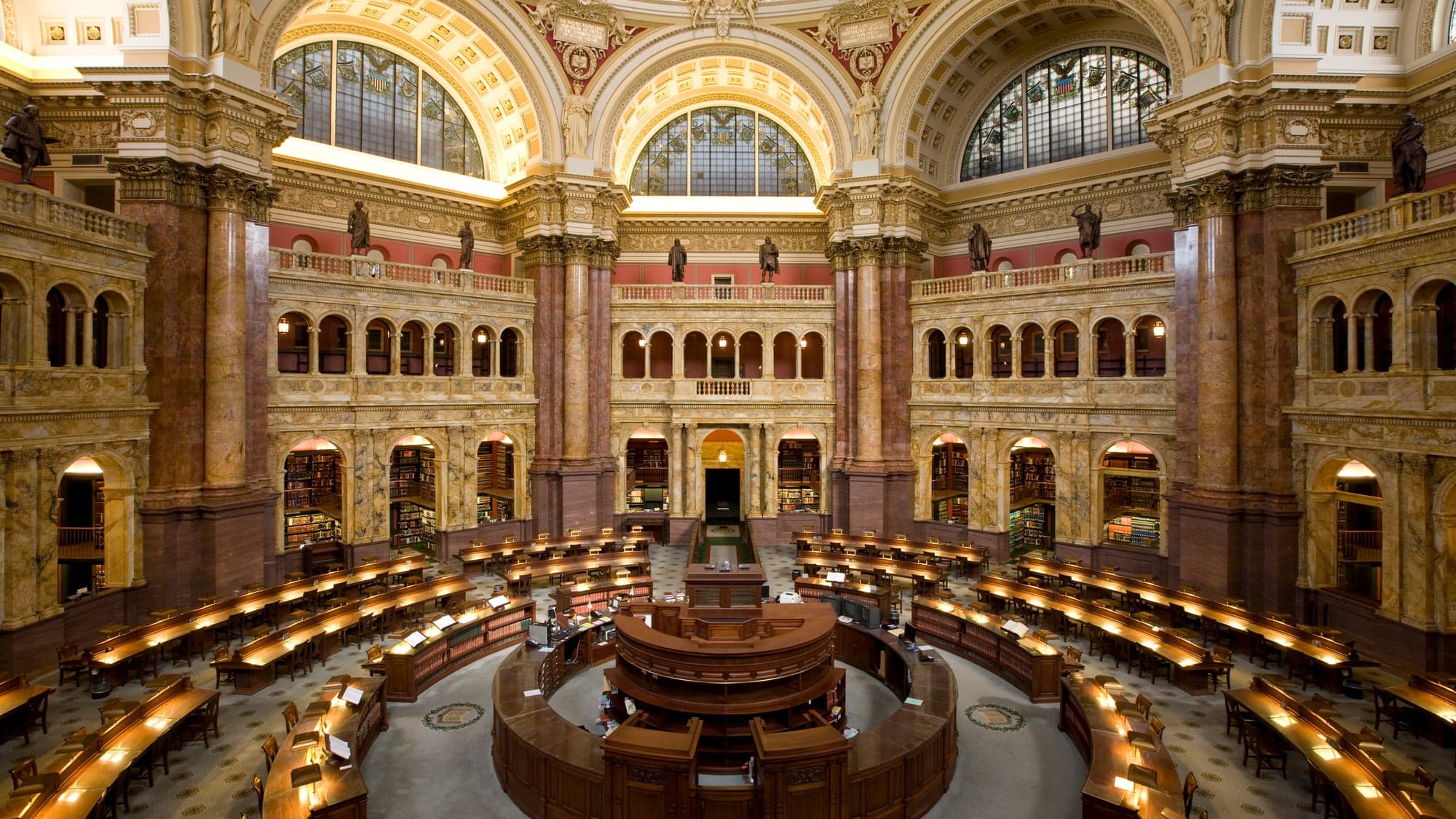
Capitol Hill is one of the few legislative districts in the world where congressional staffers walk to work past nineteenth-century rowhouses and a public market that has operated since eighteen seventy-three. This tour reads the seam between four civic temples and the residential laboratory that wraps around them.
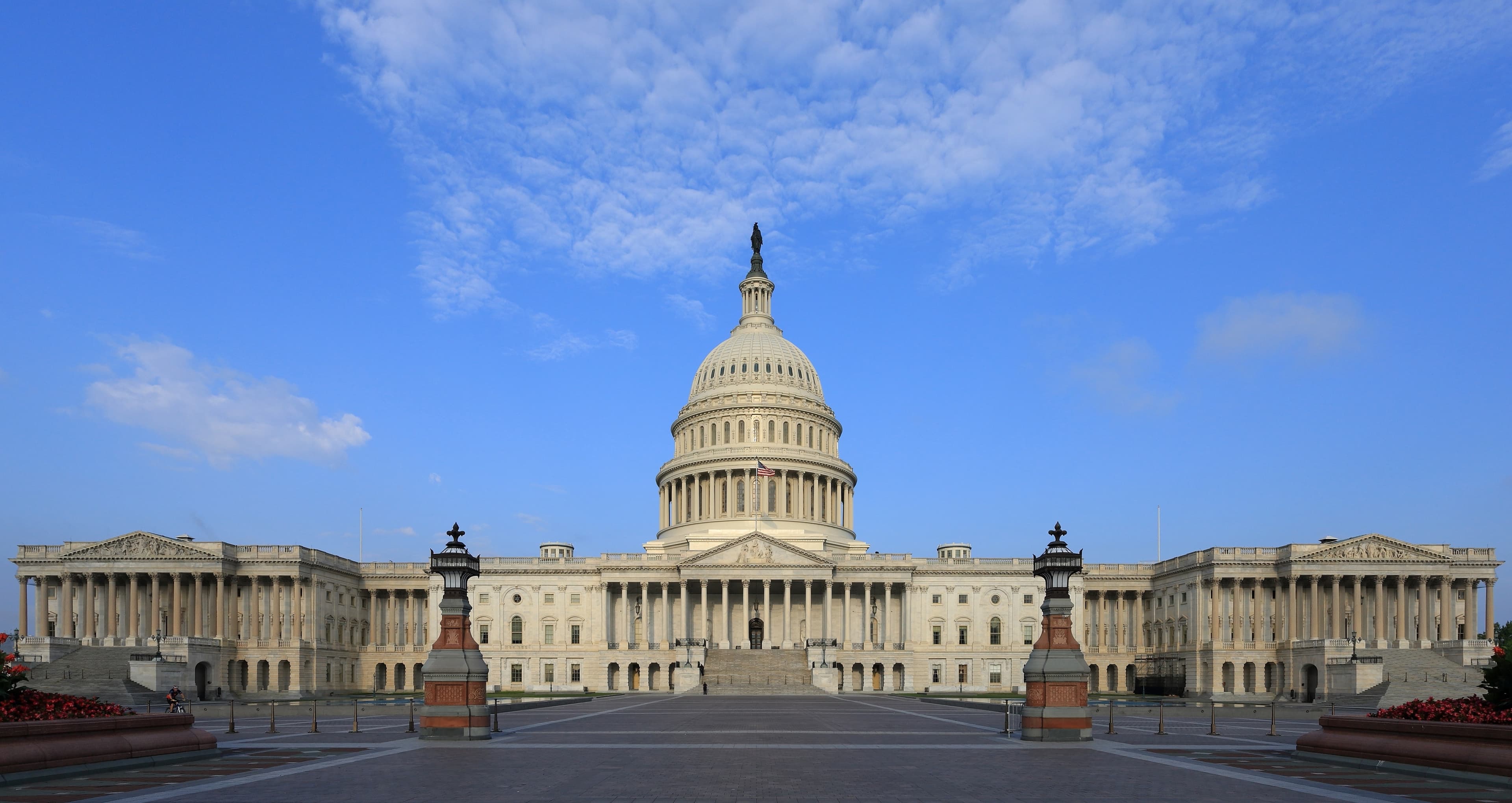
Start · U.S. Capitol East Front: The Building Behind You
DirectionsStops
- 1
U.S. Capitol East Front: The Building Behind You
Orientation only. The tour does not enter the Capitol. The listener faces the dome, then turns east into the neighborhood.
- 2
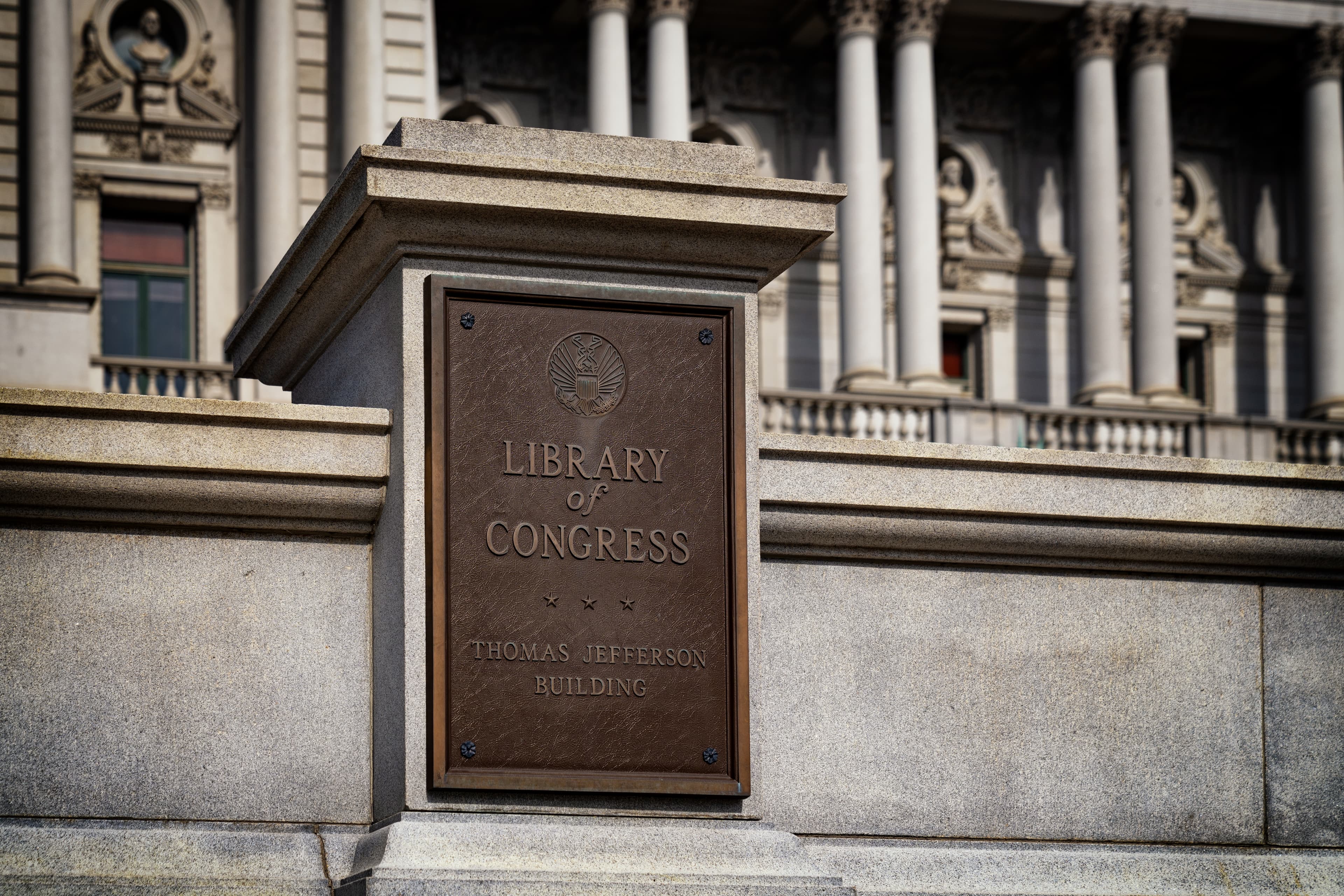
Library of Congress, Jefferson Building: The Largest Library by Catalogue Size
Smithmeyer + Pelz won the 1873 competition. Pelz led 1888 to 1892. Edward Pearce Casey completed it. Opened November 1, 1897.
- 3
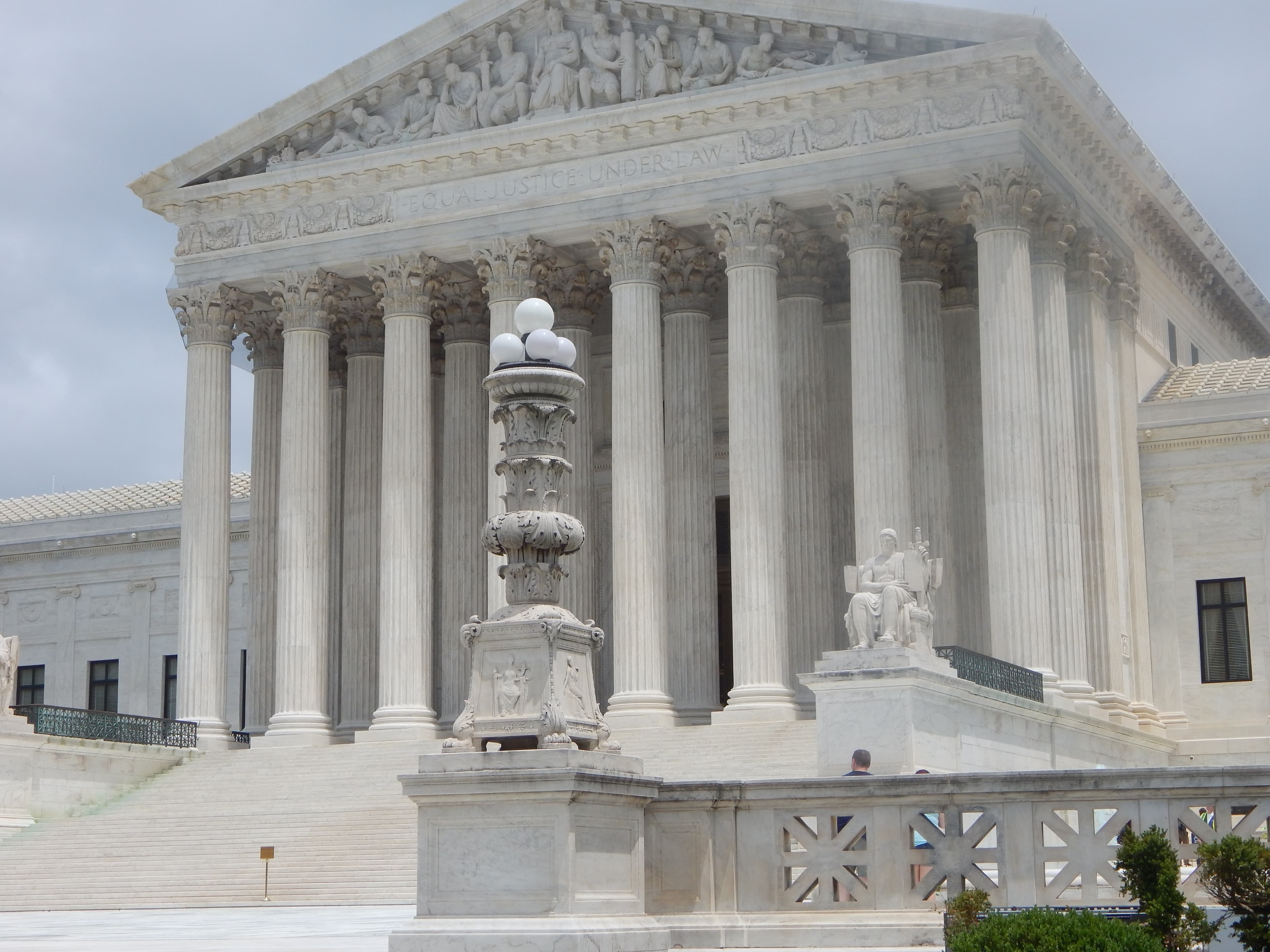
Supreme Court Building: The Court That Did Not Have a Building Until 1935
Designed by Cass Gilbert, who died May 17, 1934. Completed by his son Cass Gilbert Jr. and associate John R. Rockart. Dedicated October 13, 1935.
- 4
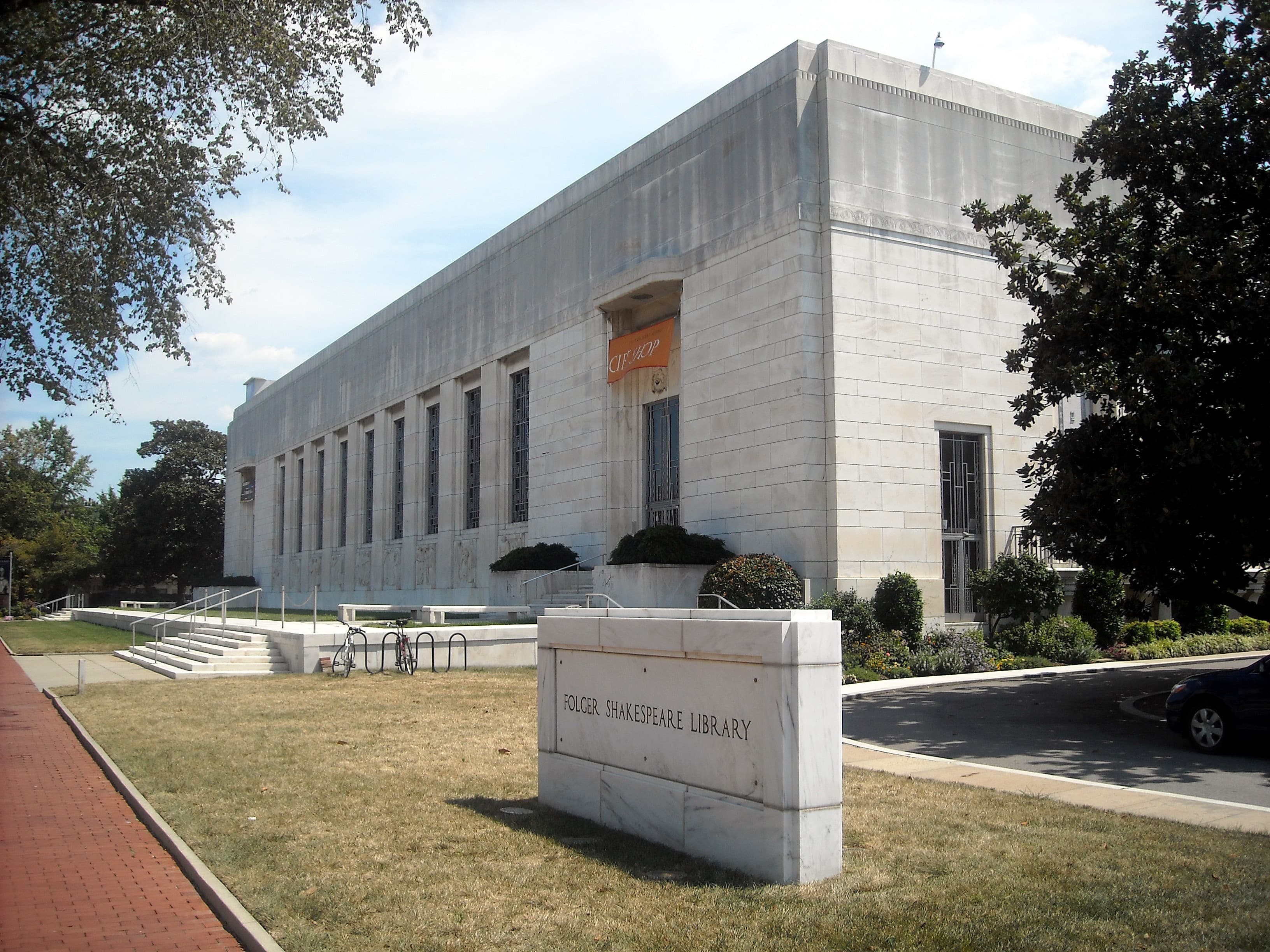
Folger Shakespeare Library: The Library That Reads Like a Neighbor
Paul Philippe Cret, with Alexander B. Trowbridge as consultant. Opened April 23, 1932. Neoclassical exterior with Art Deco ornament.
- 5
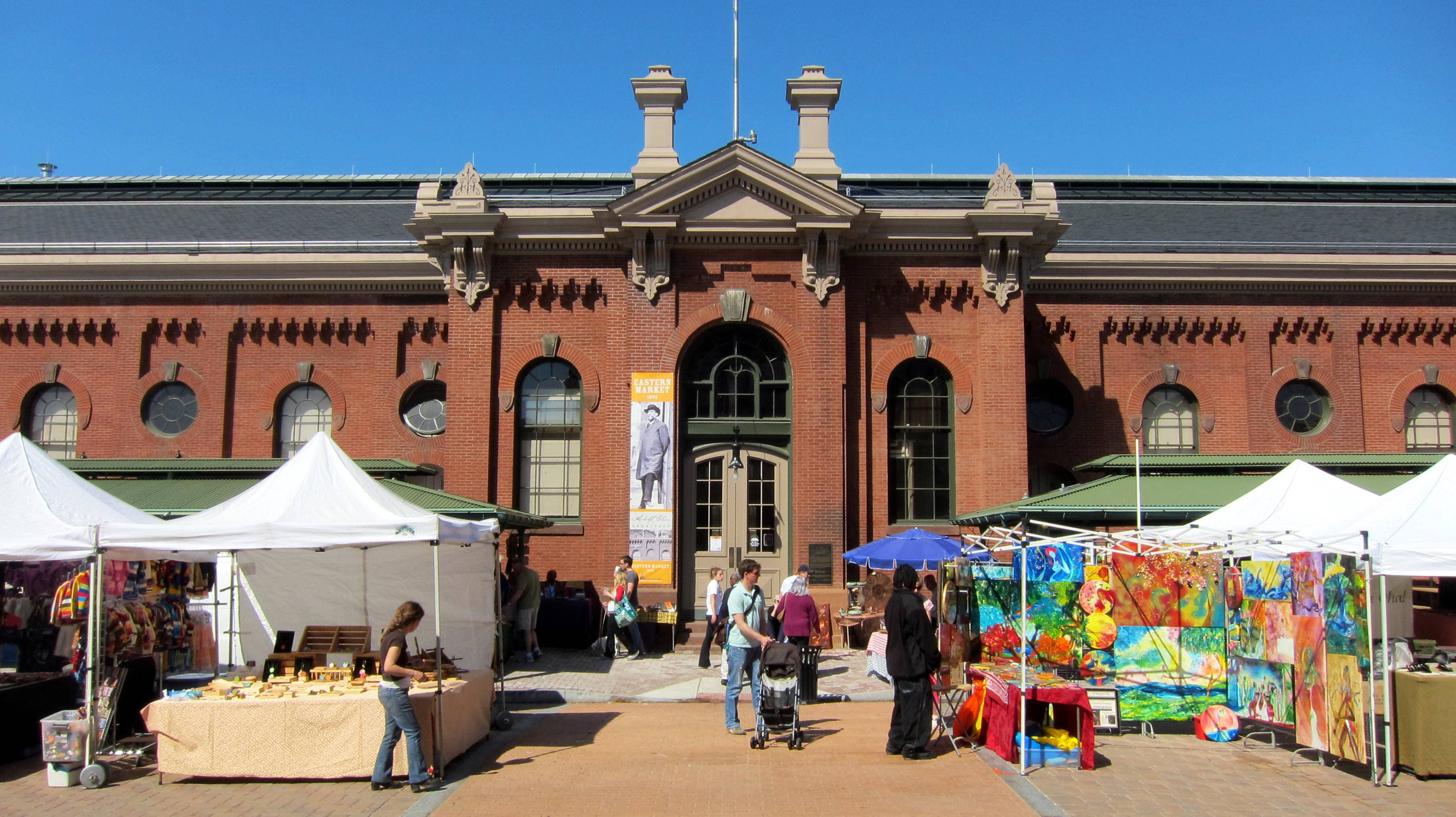
Eastern Market: The Market That Survived Its Own Fire
Adolf Cluss, 1872 to 1873. Operating as an institution since 1873. The historic Cluss building reopened June 26, 2009 after the 2007 fire.
- 6
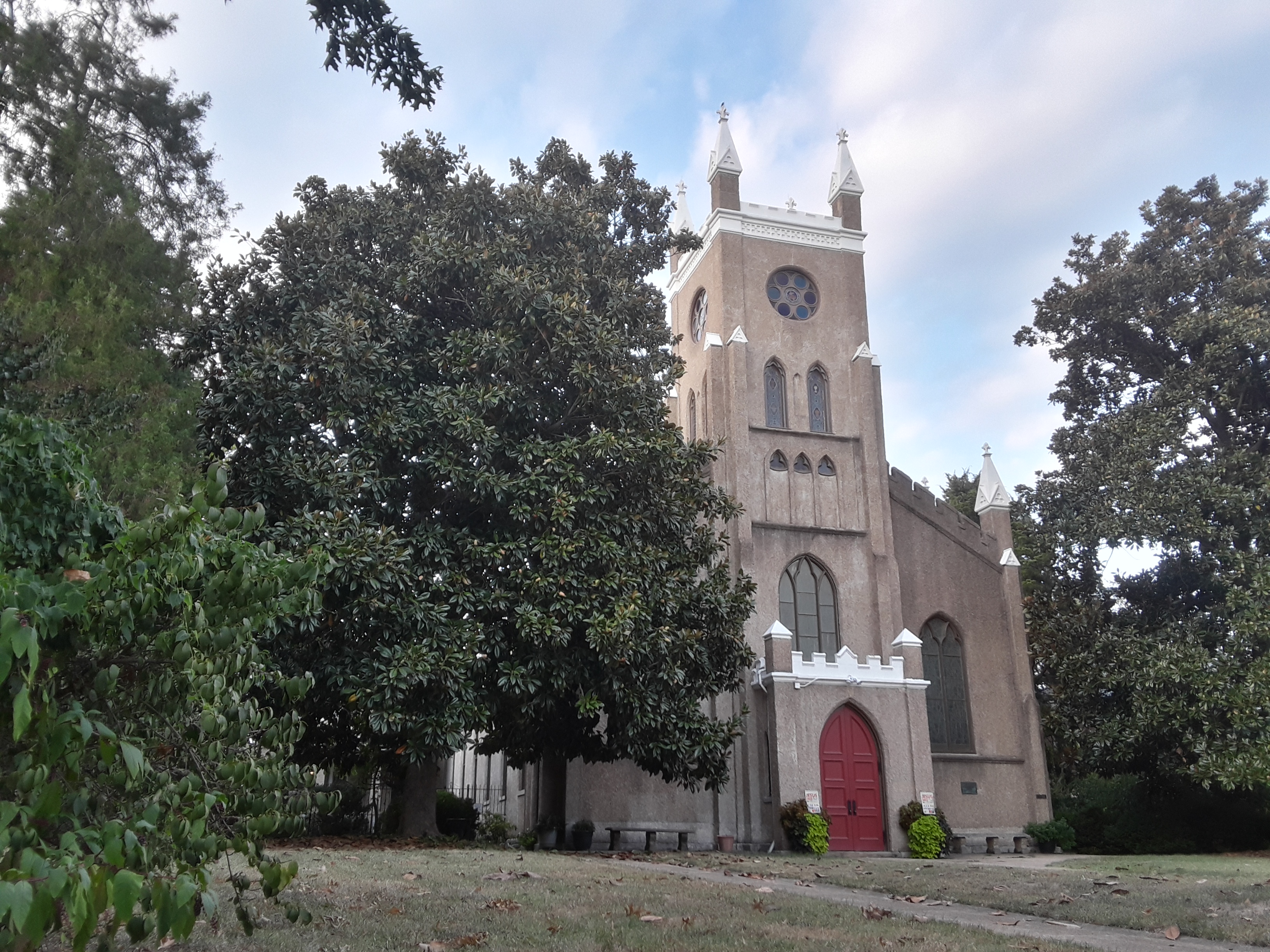
Christ Church, Capitol Hill: The Parish That Came Before the Capitol
Parish incorporated 1794. First worship in a tobacco barn 1795. Current brick building 1807, designed by Robert Alexander, a Latrobe protégé.
- 7
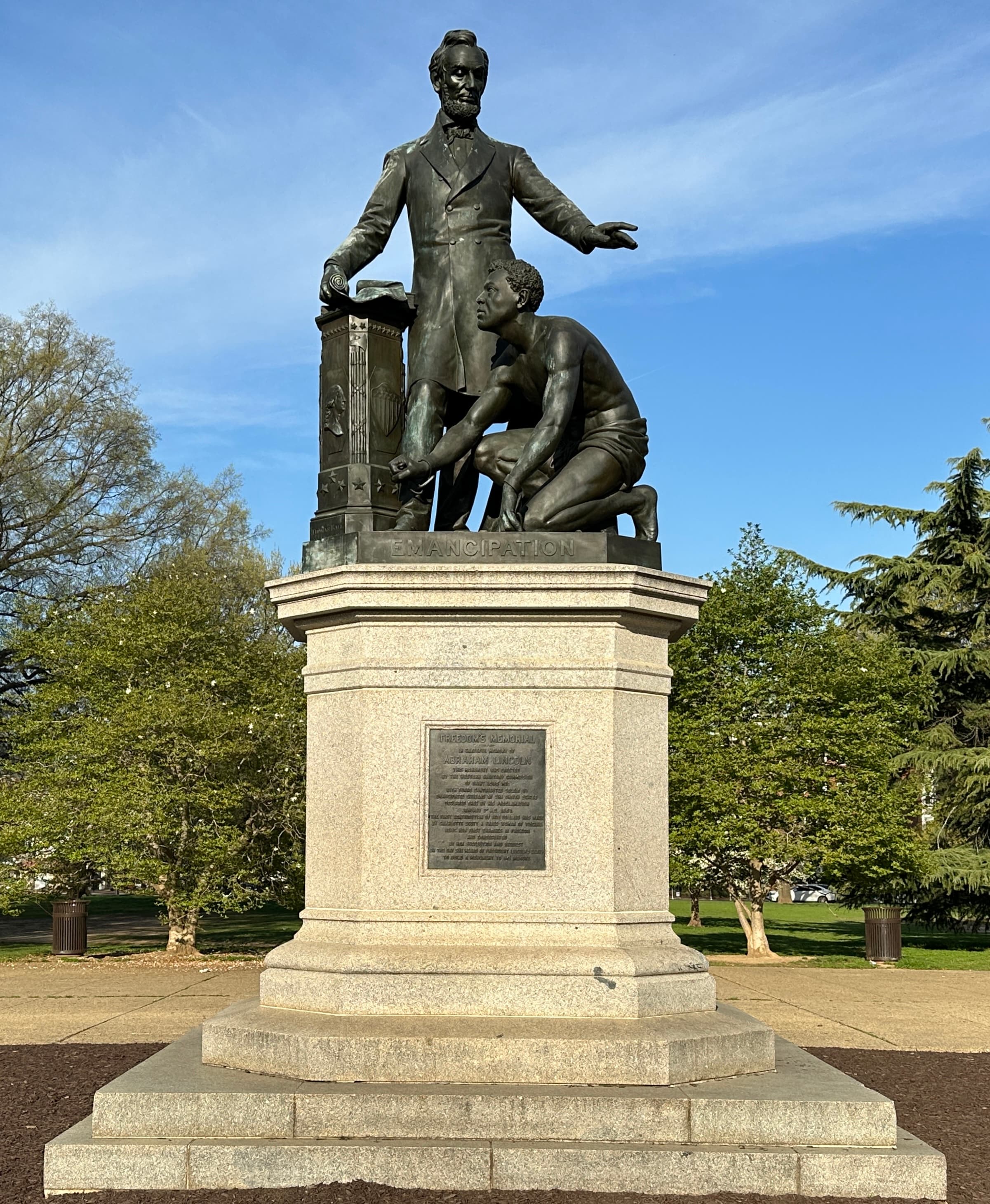
Lincoln Park: Two Monuments Facing Each Other
Emancipation Memorial (Thomas Ball, 1876) and Mary McLeod Bethune Memorial (Robert Berks, 1974). The older monument was rotated east in 1974 to face the newer one.
Details
Best Time to Visit
Late morning to mid-afternoon, any day of the week. Eastern Market is at peak energy on Saturdays and Sundays, when the outdoor flea market and farmers' line operates alongside the indoor South Hall vendors. Library of Congress Jefferson Building interior, Supreme Court plaza, and Folger Shakespeare Library exhibition halls are all free and open to the public during business hours; check loc.gov, supremecourt.gov, and folger.edu for current schedules. Lincoln Park is open at all hours; the central walkway is best in daylight when you can read the bronze inscriptions on both monuments.
Pro Tips
- •Wear comfortable walking shoes. The route is about three kilometres on sidewalk, with the longest single leg being the Christ Church to Lincoln Park stretch of roughly one and a quarter kilometres through the rowhouse fabric. The walk is part of the argument.
- •Bring water. Library of Congress Jefferson Building (entry on First Street SE, free) and the Folger Shakespeare Library (East Capitol Street entrance, free) both have public restrooms and water fountains. Eastern Market has a public restroom inside the South Hall.
- •At the Library of Congress, walk up to the Main Reading Room visitors' overlook above the rotunda. It is the single best view of Casey's interior decoration, and it is free.
- •At the Folger, the Reading Room is closed to the public, but the exhibition halls and the bas-relief panels on the East Capitol Street façade are open. Look at John Gregory's panels at eye level. They are the building's design argument in summary form.
- •On Saturdays and Sundays at Eastern Market, walk the outdoor flea market that runs along 7th Street SE. The indoor South Hall vendors are the institution; the outdoor weekend market is what kept the institution running through the 2007 to 2009 building restoration.
- •Christ Church is open during services on Sunday mornings. Visitors are welcome to view the exterior any time. The walk around the building shows you all six construction campaigns layered into one structure.
- •At Lincoln Park, stand on the east-west central walkway with one monument behind you and the other in front. The geometry is the point. The two monuments face each other because the older one was deliberately rotated to face the newer one in 1974.
- •If you have additional time, the Capitol Hill Restoration Society publishes a self-guided rowhouse map at chrs.org, useful for picking out specific Federal, Italianate, Queen Anne, and Richardsonian Romanesque examples between Christ Church and Lincoln Park.
Safety & Precautions
- •First Street between the Library of Congress and the Supreme Court is a working federal corridor with regular traffic. Cross at the marked crossings.
- •Eastern Market is busy on weekend mornings, with vendors and pedestrians overlapping on the sidewalks of 7th Street SE. Pace and patience required.
- •Lincoln Park sits in a residential rectangle bounded by streets on four sides. Use the marked crossings, particularly on East Capitol Street, which carries traffic from the Capitol grounds out into the neighbourhood.
- •The tour does not enter the Capitol. If you want a Capitol Visitor Center tour, those are free and require advance reservation at visitthecapitol.gov; that visit is a separate hour and a half outside of this walk.
Travel advisory: Exercise Normal Precautions (Level 1).
Gallery
Related Reading
Go deeper on what you'll see, hear, and walk through.
Overview
Best Self-Guided Walking Tours in Washington, DC (2026)
4 min
Overview
How to See Washington, DC: A City of Edits
12 min
Overview
One Day in Washington, DC: A Walkable Monuments-to-U-Street Itinerary (2026)
6 min
Overview
Washington, DC Travel Guide: How Many Days, Getting Around, When to Go (2026)
4 min
Thematic
Best History Walking Tours in Washington, DC (2026)
2 min
Thematic
What to Eat in Washington, DC: A Food Guide (2026)
4 min
Companion
Capitol Hill: How a Neighborhood Survived Next to the Federal Government
12 min
Deep dive
The Jefferson Building: Three Architects, Nine Years, One Hundred and Seventy-Three Million Items
9 min
Read the walk
The full story of Capitol Hill: The Neighborhood That Lives Beside Power, in words. Prefer to listen? Play it narrated, from home or on location.
Introduction
Capitol Hill in Washington, DC is a working laboratory of what happens when residential life is left in place beside national power. There are roughly eight thousand nineteenth-century buildings on this hill. They were not cleared to make room for the federal precinct. They were preserved because someone fought to preserve them.
The neighbourhood that includes the Capitol is older than the Capitol itself. The parish whose brick church the walk ends near was incorporated in seventeen ninety-four, six years before the Capitol's first full session moved to Washington in November eighteen hundred. The residential Hill predates the federal Hill.
The thesis of this walk is that Capitol Hill is one of the few legislative districts in the world where congressional staffers walk past nineteenth-century rowhouses and a public market that has operated as an institution since eighteen seventy-three, because the residential neighbourhood was deliberately preserved when the federal precinct stopped expanding at Independence Avenue. The tour reads the seam between four civic temples, the Capitol, the Library of Congress, the Supreme Court, and the Folger, and the residential laboratory that wraps around them.
The historians to hold are Pamela Scott and Antoinette Lee, whose nineteen ninety-three Oxford volume Buildings of the District of Columbia treats the Hill as a single architectural unit, and Constance McLaughlin Green, whose Pulitzer-winning history of the capital treats it as a neighbourhood that grew up around a federal building.
The walk is seven stops, about four kilometres and ninety-five minutes. It begins at the Capitol's east front, runs east to the Library of Congress, north to the Supreme Court, east to the Folger, then through rowhouse fabric to Eastern Market, west to Christ Church, and east again to Lincoln Park. Everything is free. When you arrive on the east front plaza facing the dome, begin with stop one.
1. U.S. Capitol East Front: The Building Behind You
You are standing at the east front of the United States Capitol. The dome above you was finished in eighteen sixty-eight. The plan goes back to a competition won by William Thornton in seventeen ninety-three. Six architects in succession executed it, from Hallet and Hoban through Latrobe, Bulfinch, and Walter. That whole chain is the National Mall tour's story. We are not telling it here.
For this tour, the Capitol is one building. The lens.
Look past the steps. Past the east plaza. The line you cannot quite see, two hundred metres south, is Independence Avenue. That is the federal precinct's southern edge. Cross it, and you leave the federal Hill and enter the residential Hill. The DC Historic Preservation Office records the Capitol Hill Historic District as approximately eight thousand contributing buildings, designated on the DC Inventory June nineteenth nineteen seventy-three and listed on the National Register August twenty-seventh nineteen seventy-six. That is the working laboratory.
A historic district, in preservation language, is a defined geographic area whose buildings are protected as a group because the group matters more than any single structure. A contributing building is one that helps the district read as historic. We will use both terms again. The Hill is one of the largest residential historic districts in the city, and the rowhouses we are about to walk through are the contributing fabric.
Now the chronological surprise. The parish at the church we will visit near the end of this walk, Christ Church of Washington Parish, was incorporated in seventeen ninety-four by an act of the Maryland General Assembly. Its first worship services were held in a converted tobacco barn in seventeen ninety-five. The Capitol's first full session arrived in November eighteen hundred. The parish was here before the federal city was. Hold that. We will come back to it.
Now turn around. You are facing east. The grand building at the end of the block in front of you is the Library of Congress Jefferson Building. The dome is behind you. You will not look back at it.
Walk east, one block, on East Capitol Street.
2. Library of Congress, Jefferson Building: The Largest Library by Catalogue Size
You have arrived at the Library of Congress Jefferson Building, main reading room side. Stand on First Street SE, looking up at the façade. The pale granite, the arched windows, the green copper dome over what you cannot yet see from outside. This is the first civic temple of the four on this tour.
A word from the Engineer voice before we go inside the history. The style is called Beaux-Arts. The name comes from the École des Beaux-Arts in Paris, the nineteenth-century academy that trained American architects in the classical orders and the grand-public-building manner. According to the Library of Congress's own May nineteen ninety-seven *Information Bulletin* on the Jefferson Building, this is the first DC building to embrace the Italian Renaissance and Beaux-Arts style. Hold the term Beaux-Arts. We will see two more buildings on this tour that are sometimes confused with it, and the Engineer will help you tell them apart.
Now the history.
In eighteen fifteen, after the British burned the small Congressional library in the Capitol, Thomas Jefferson sold Congress his personal library, six thousand four hundred and eighty-seven volumes, for twenty-three thousand nine hundred and fifty dollars. The institution rebuilt itself around his books. By the eighteen seventies it had outgrown the Capitol entirely. In eighteen seventy-three, Congress ran a design competition. The winners were John L. Smithmeyer and Paul J. Pelz.
The architect chain ran three names in nine years. Smithmeyer was dismissed in eighteen eighty-eight. Pelz led the work from eighteen eighty-eight until he, too, was dismissed in eighteen ninety-two. The completion fell to Edward Pearce Casey, the son of the Army Corps of Engineers chief who was supervising the whole project. The building opened to the public on November first, eighteen ninety-seven.
Most visitors assume one architect designed the world's largest library. Three did. The interior decoration is Casey's.
Now the superlative beat, with the qualifier. According to the Library of Congress's own institutional record and the Guinness World Records entry verified in twenty twenty-one, this is the largest library in the world by catalogue size. Roughly one hundred and seventy-three million items. The British Library competes on other metrics. By items held, the Library of Congress holds the record.
Hold the contrast with what is coming. The Library of Congress holds one hundred and seventy-three million items. The library we will visit four stops from here holds the largest collection of Shakespeare materials in the world. Both are libraries. One is the temple. One is the neighbor. Watch what changes.
Now walk one short block north on First Street SE. The white marble building rising behind the Library of Congress is the Supreme Court.
3. Supreme Court Building: The Court That Did Not Have a Building Until 1935
You have arrived at the Supreme Court Building. Stand on the front plaza, looking up at the Corinthian columns and the words *Equal Justice Under Law* carved into the entablature. The white marble. The classical temple form. This is the second civic temple on the tour.
The style here is neoclassical. The Engineer would like you to hold that word against the term Beaux-Arts you just heard at the Library of Congress. Beaux-Arts is one branch of the classical tradition, an exuberant late-nineteenth-century academic manner. Neoclassical is the broader and quieter tradition that runs from Thomas Jefferson through to Cass Gilbert, the architect of the building in front of you. The Court is a neoclassical Corinthian temple. The Library of Congress is its Beaux-Arts cousin a block south. Same family. Different register.
Now the Companion-voice surprise.
The Supreme Court of the United States was established in seventeen eighty-nine. The building you are looking at opened in nineteen thirty-five. For the first one hundred and forty-six years of its existence, the most institutionalized of American institutions did not have its own architecture. It met inside the Capitol, in borrowed rooms. Chief Justice William Howard Taft lobbied Congress through the late nineteen twenties for a dedicated building. Taft did not live to see it. He died in nineteen thirty.
The architect was Cass Gilbert. He was engaged in nineteen twenty-nine. Cornerstone laid October thirteenth, nineteen thirty-two, by Chief Justice Charles Evans Hughes, with President Hoover in attendance. Construction ran through to April fourth, nineteen thirty-five. The first session of the Court in the building was October seventh, nineteen thirty-five.
Gilbert did not see it finished either. He died May seventeenth, nineteen thirty-four, a year before completion. His son, Cass Gilbert Junior, and his associate, John R. Rockart, brought the building in. According to the Cass Gilbert Society, the Supreme Court Historical Society, and the Federal Judicial Center, all three institutional records, the design is the father's; the completion is the son's and Rockart's. Cass Gilbert designed the Supreme Court. He did not finish it.
The Court holds the country's arguments about what is and is not allowed. The park we end this walk at holds the neighborhood's arguments about what it built when. Both are forums. Both are on this hill. Hold that.
Now walk east on East Capitol Street one block. On your right, almost tucking behind the Library of Congress's east side, is a smaller white building. That is the Folger.
4. Folger Shakespeare Library: The Library That Reads Like a Neighbor
You have arrived at the Folger Shakespeare Library. Stand on the sidewalk at East Capitol Street, looking at the long, low building with the bas-relief panels carved into the white Georgia marble façade. The panels show scenes from Shakespeare's plays. The sculptor was John…
Full narration for this stop unlocks with the tour.
5. Eastern Market: The Market That Survived Its Own Fire
You have arrived at Eastern Market, 7th Street SE, the main entrance to the South Hall. The long red-brick building with the round-arched windows. The vendors on the sidewalk on weekends. The smell of bread and produce inside. The Engineer's word for the blocks you just walked…
Full narration for this stop unlocks with the tour.
6. Christ Church, Capitol Hill: The Parish That Came Before the Capitol
You have arrived at Christ Church of Washington Parish, G Street SE. Stand on the sidewalk facing the brick façade and the four-storey tower. The brick is Federal-period work. The tower is a later layer. You will read both before we move. First, the chronological argument we…
Full narration for this stop unlocks with the tour.
7. Lincoln Park: Two Monuments Facing Each Other
You have arrived at Lincoln Park. Stand at the centre, on the east-west walkway. To your west, the larger monument with the bronze figure of Lincoln and a kneeling figure rising. To your east, the bronze of an elderly woman handing a scroll to two children. The two monuments…
Full narration for this stop unlocks with the tour.