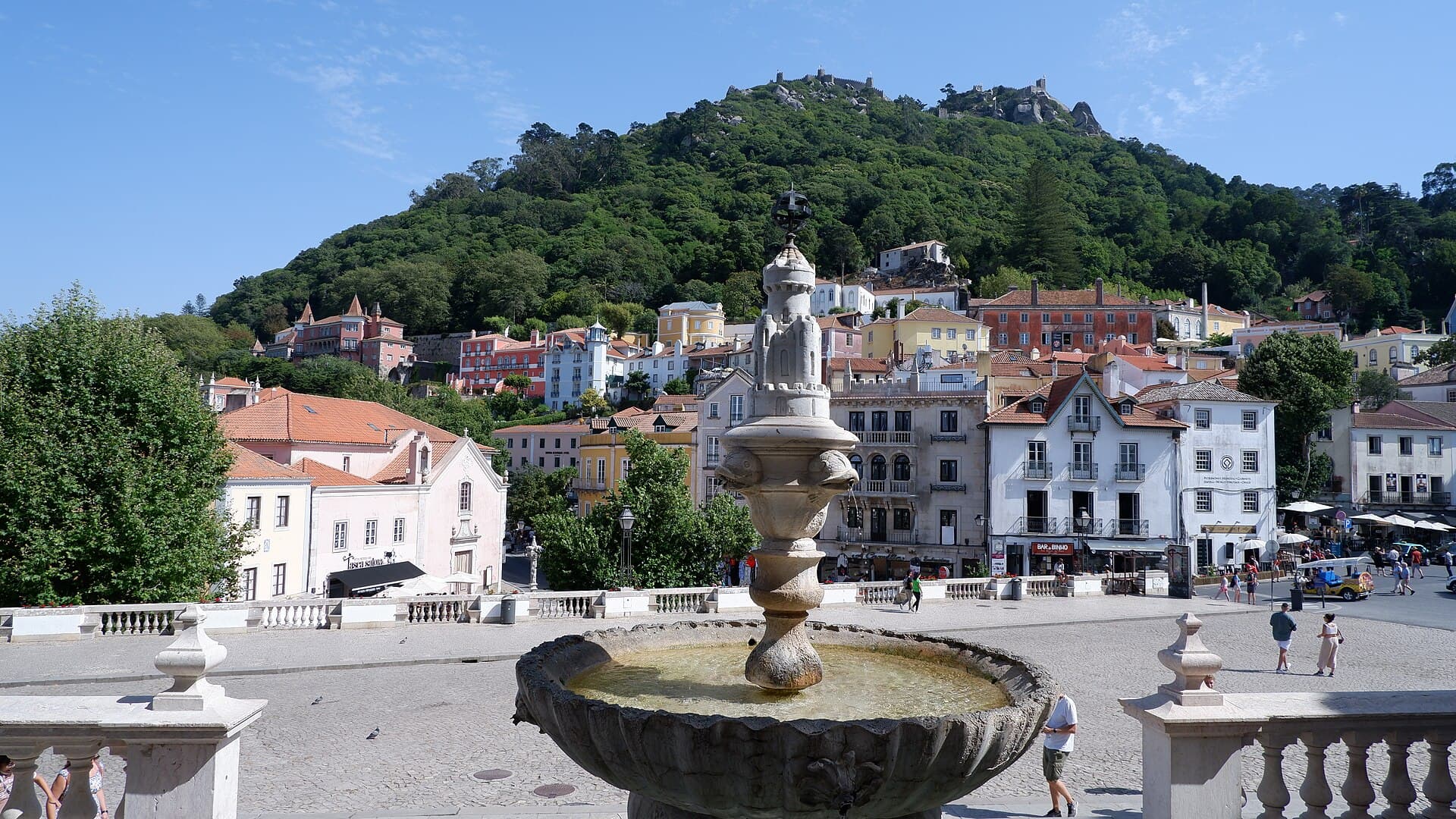
Skip the hilltop fantasy palaces for an hour and walk the old royal summer town at the mountain's foot, where Portuguese kings came for one plain reason: the cool, damp mountain air. A walk through the vila, its great palace chimneys, its springs, and its sweets.
Start · Palacio Nacional de Sintra: The Town Palace of Kings
DirectionsStops
- 1
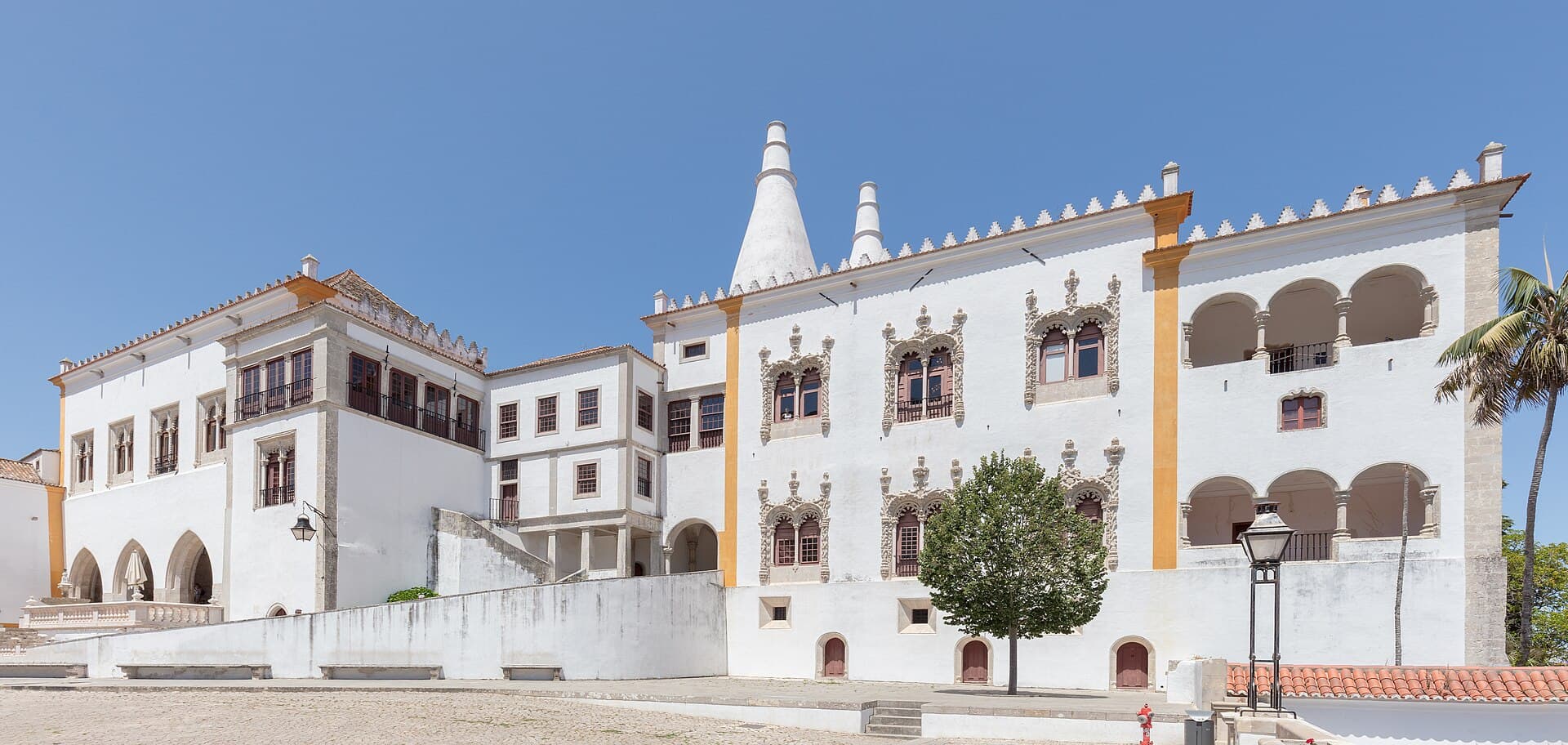
Palacio Nacional de Sintra: The Town Palace of Kings
The best-preserved medieval royal residence in Portugal, a working royal summer retreat lived in from at least the early fifteenth century to the late nineteenth.
- 2
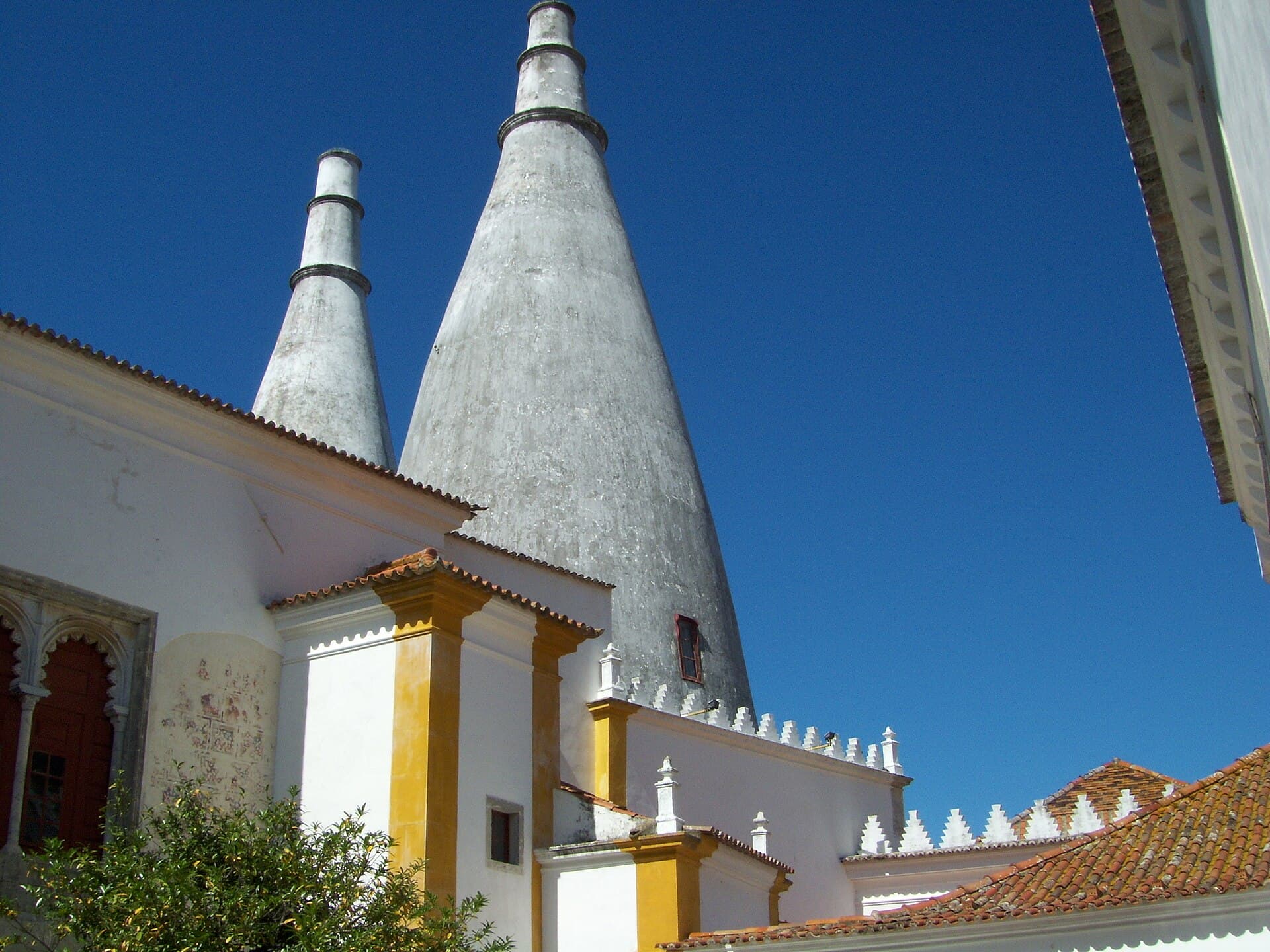
The Twin Conical Chimneys: The Skyline Over the Royal Kitchens
Two enormous white cones rising over the palace kitchens, the emblem of Sintra's skyline and a piece of pure fifteenth-century practicality.
- 3
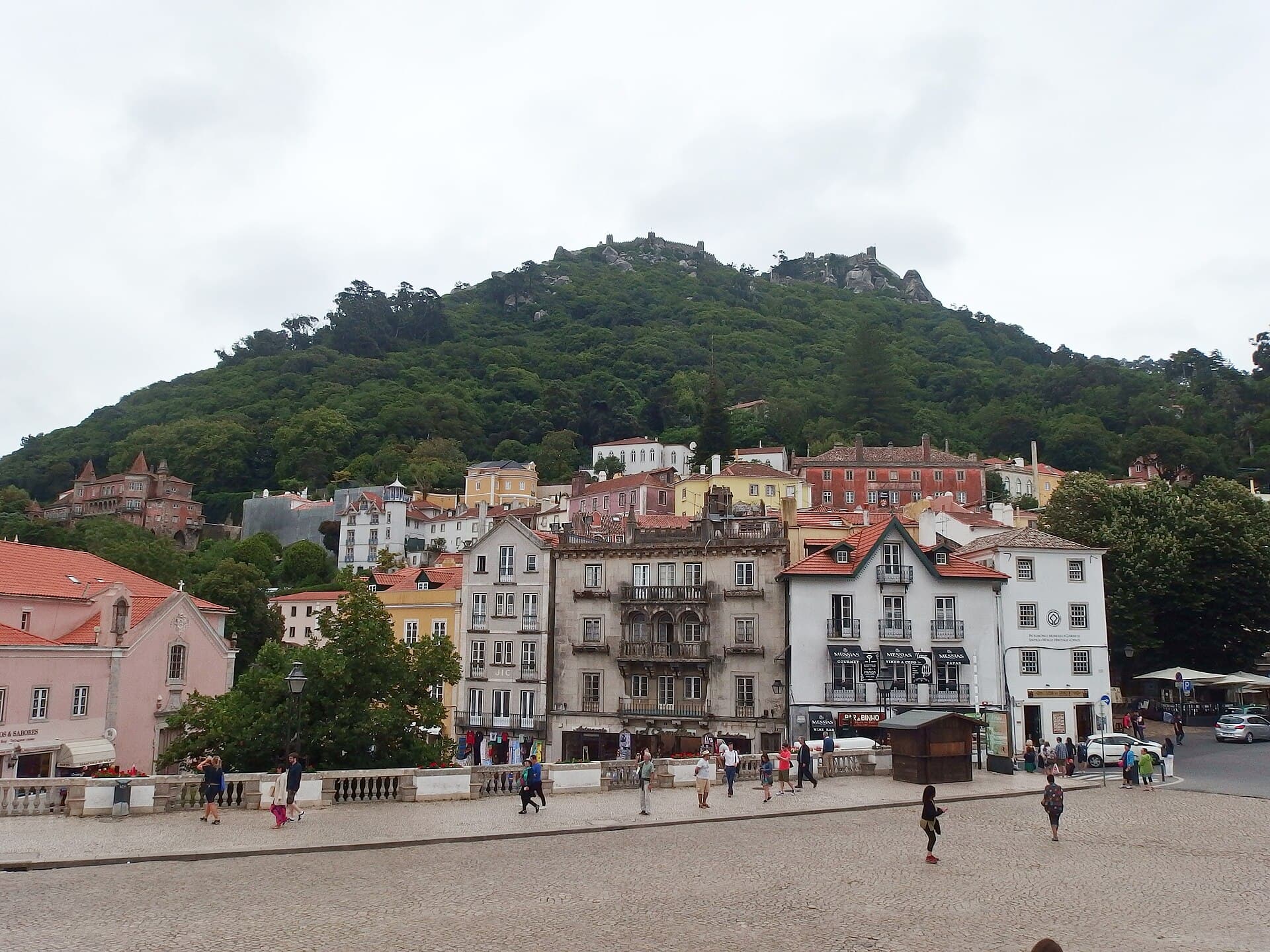
Largo Rainha Dona Amelia: The Heart of the Old Vila
The central square of the old town, spread directly before the palace, where you can read the shape and purpose of the royal summer retreat.
- 4
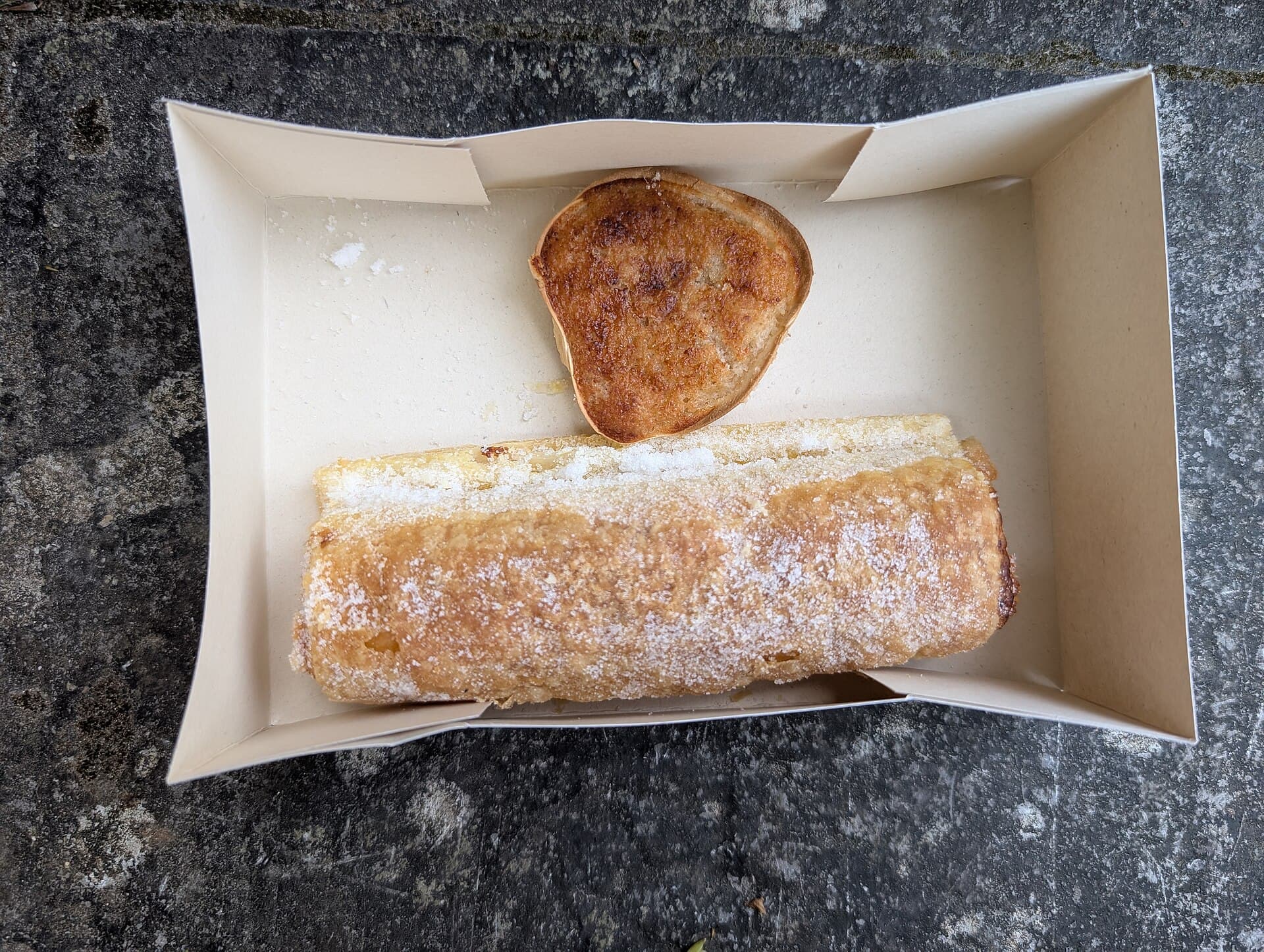
The Sweets of Sintra: Queijadas and Travesseiros
Two heritage pastries born from convent and farm kitchens feeding the court: the ancient cheese tart and the almond pillow.
- 5
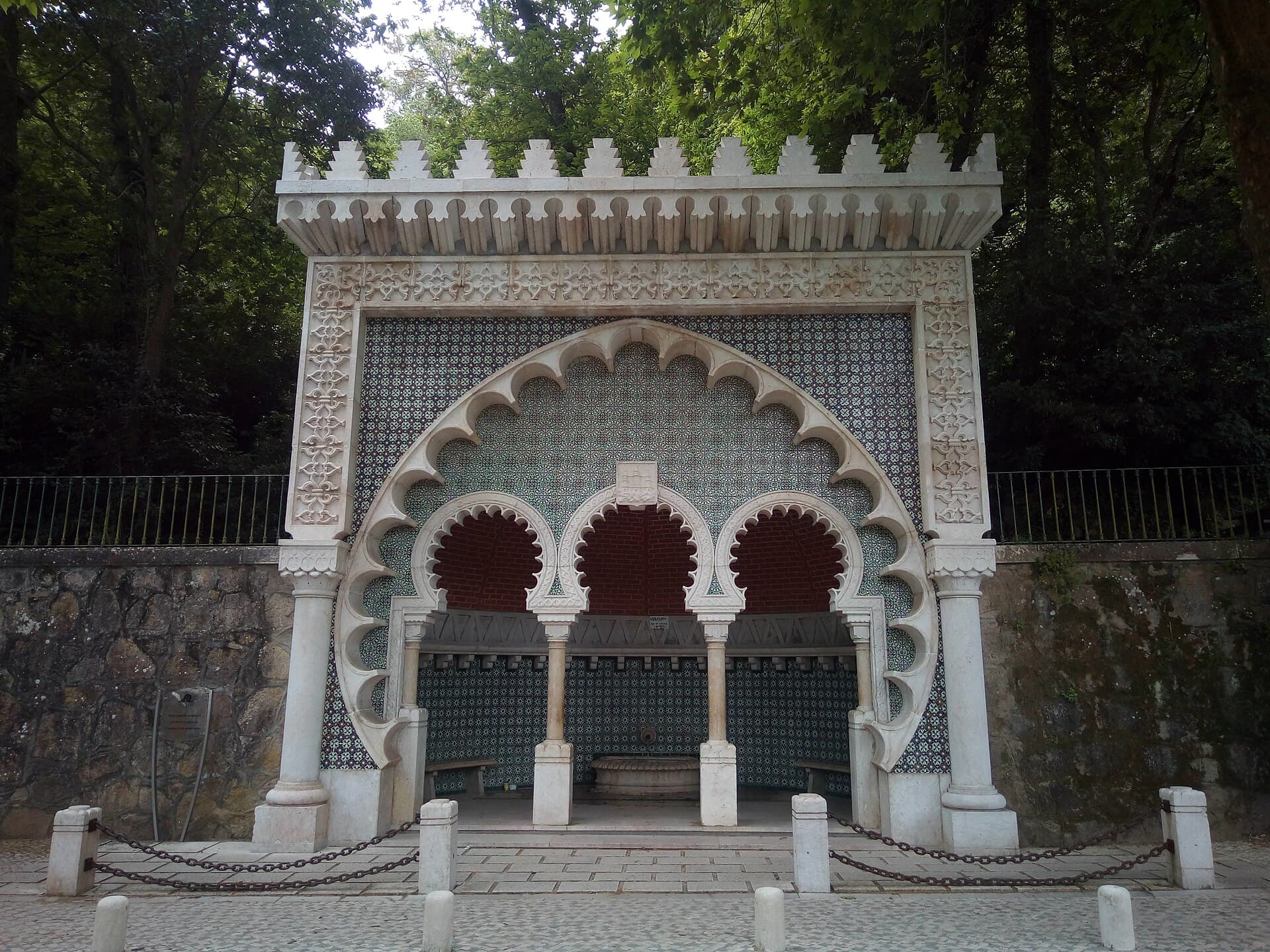
Fonte Mourisca: The Mountain's Fountains
A Moorish-revival tiled fountain over a natural spring, one of the town fountains fed by the mountain that made Sintra a cool royal retreat.
- 6
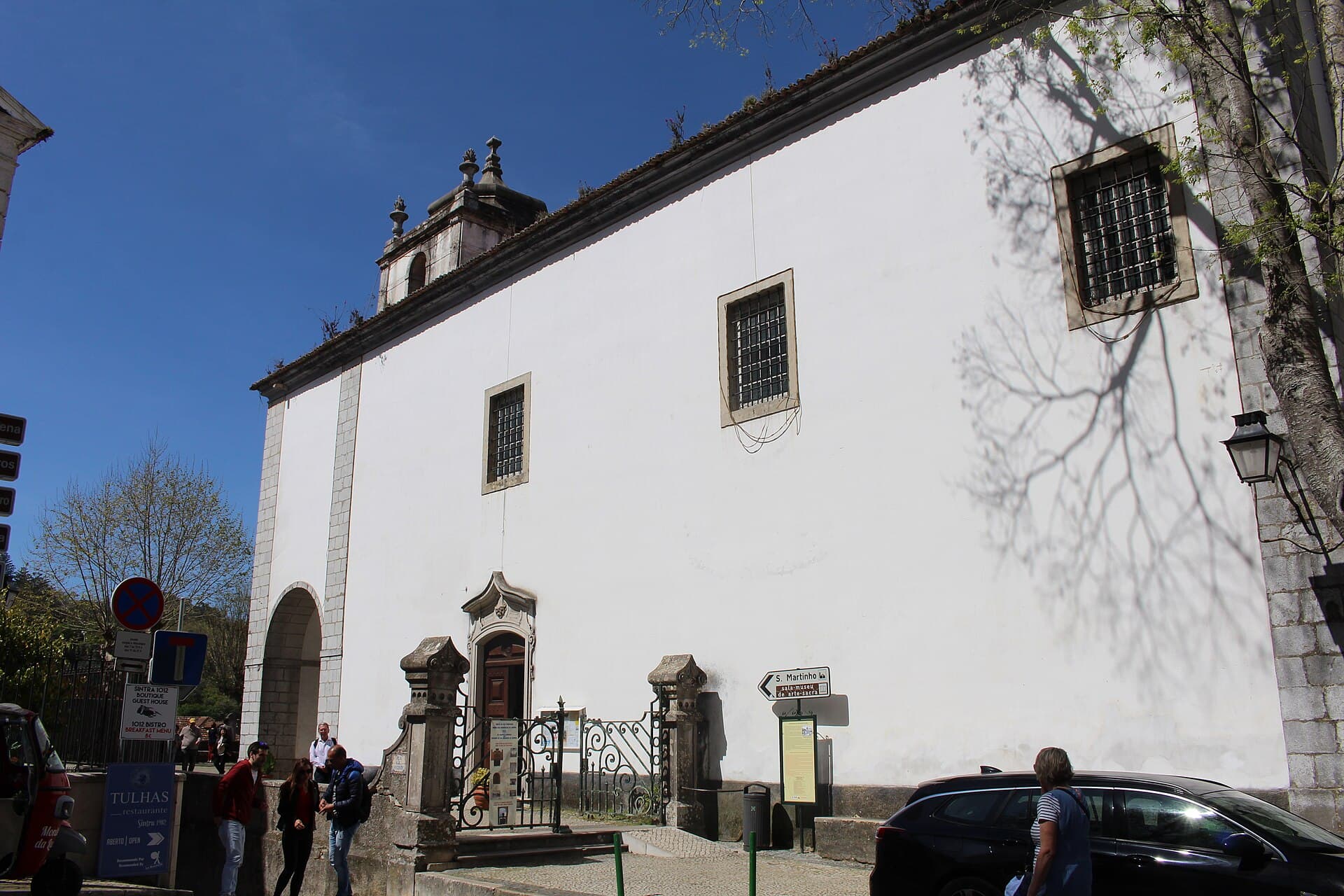
Igreja de Sao Martinho: The Parish Church of the Vila
The medieval parish church of the old town, largely rebuilt after the great earthquake, the quiet spiritual anchor of the vila.
Details
Best Time to Visit
Early morning is the single best window. Arrive when the vila opens up and before the day-trip crowds pour in from Lisbon, roughly mid-morning onward, when the square and lanes fill and the palace ticket queues lengthen. The mountain's own microclimate is part of the experience: mist often wraps the town early and burns off toward midday, so an early start gives you both the cool damp air the kings prized and the quieter streets. Spring and autumn are gentler than the peak of summer. If you can, avoid weekend afternoons, when the narrow lanes are busiest.
Pro Tips
- •This walk deliberately stays down in the vila and does not climb to the famous hilltop palaces. Save Pena, Regaleira, and Monserrate for a separate half-day, since each is a serious visit on its own and reaching them means shuttle buses or a steep climb.
- •The palace interior is a paid, worthwhile visit if you have time, but the whole of this walk works from the free exterior, square, fountains, and church, so you can do the tour first and decide on tickets after.
- •Wear proper shoes with grip. The vila is built on a slope and paved in calcada, the traditional Portuguese cobblestone, which turns slick when the mountain mist settles.
- •Try both heritage sweets, the queijada cheese tart and the almond travesseiro, from the town's bakeries. They are the edible half of this walk and are sold throughout the vila.
- •Carry a small bottle and taste the fountain water where it is running. The springs are the whole reason this town became a royal retreat, so drinking from them is the tour's central idea made literal.
- •Go at your own pace and skip freely. The square and the fountains reward sitting still, and nothing here is on a schedule but you.
Safety & Precautions
- •The vila is steep and paved in calcada cobblestones that get genuinely slippery in the mountain's frequent mist and damp. Take the hills slowly and watch your footing, especially downhill.
- •Summer days can turn hot and bright even when the morning is cool and misty. Carry water, use sun protection, and pace yourself on the climbing lanes.
- •The parish church is an active place of worship. Dress modestly, keep your voice low inside, and be mindful if a service is underway. Interior hours vary and it may be closed when you pass.
- •Ticket queues at the national palace can be long at peak times, and the old lanes are narrow with pedestrian and vehicle traffic sharing tight space. Stay alert on the roadway near the fountains, step aside for cars and any tourist transport, and do not block doorways while stopping to listen.
Travel advisory: Exercise Normal Precautions (Level 1).
Gallery
Related Reading
Go deeper on what you'll see, hear, and walk through.
Overview
Best Self-Guided Walking Tours in Sintra (2026)
3 min
Overview
One Day in Sintra: A Walkable Itinerary From Morning to Evening
8 min
Overview
Sintra Travel Guide: Days, Transport, Tickets, and Timing
7 min
Thematic
Sintra: The Fantasy Mountain That Was Built on Purpose
8 min
Companion
Sintra National Palace: The Royal Town Beneath the Famous Peaks
7 min
Read
What to Eat in Sintra: Queijadas, Travesseiros, and the Suckling Pig
7 min
Read the walk
The full story of Sintra Old Town: The Cool Mountain of Kings, in words. Prefer to listen? Play it narrated, from home or on location.
Introduction
Everyone comes to Sintra for the peaks. The Romantic hilltop palaces, the towers rising out of the mist, the fantasy castles that made this Portuguese mountain famous around the world. This walk does something quieter. It stays down in the old town, the vila, and reads the older Sintra beneath the tourist crush. Because long before anyone built dream palaces on the ridge, Portuguese kings came here for one plain reason. Up on the Lisbon plain the summers were brutal. Here on the mountain the air stayed cool and damp, the springs ran clear, and a royal court could breathe. That is the whole story, and this walk follows it. Over about six stops and roughly ninety minutes, covering a little over one kilometre on foot, you will circle the national palace with its two great white chimneys, stand in the central square, taste the heritage sweets that grew from convent and farm kitchens, drink from the mountain fountains, and end at the parish church that has anchored this town since medieval times. Along the way I will tell you the legends, because Sintra is full of them, and I will mark clearly where the record ends and the beloved story begins. Go at your own pace. Skip any stop that does not pull you. Sit in the square as long as you like. Sintra, in Portugal, rewards slowness more than most places, which is exactly why the kings kept coming back. When you arrive at the square in front of the Palacio Nacional de Sintra, begin with stop one.
1. Palacio Nacional de Sintra: The Town Palace of Kings
Stand in front of this palace and you are looking at the reason the town exists. The Palacio Nacional de Sintra, the national palace, is also called the Palacio da Vila, the town palace, and it is the best-preserved medieval royal residence in Portugal. Kings lived here, more or less continuously, from at least the early fifteenth century to the late nineteenth. That is nearly five hundred years of one building holding a court. The story begins earlier. Afonso Henriques, the first king of Portugal, took Sintra from Moorish rule in the twelfth century, and local sources date that Christian conquest to eleven forty-seven. But the palace you see took its shape later. Around fourteen fifteen, King Joao the First launched the main building campaign, raising the front facade, the central courtyard, the great kitchens, and two of the finest rooms, the Swan Room and the Magpie Room. His grandson Afonso the Fifth was born inside these walls in fourteen thirty-two, and died in Sintra in fourteen eighty-one. John the Second was acclaimed king in this palace. Then, around the turn of the sixteenth century, Manuel the First sponsored a fresh wave of construction, adding Manueline and Moorish-influenced work, including the Coats of Arms Room, built between fifteen fifteen and fifteen eighteen, with seventy-two heraldic shields across its ceiling. What you get, layered across those centuries, is a blend of Gothic, Manueline, Moorish, and Mudejar styles in a single building. The interior is a paid visit, and worth it if you have time. But even from out here, free, you are standing where the Portuguese monarchy came to escape the heat, generation after generation.
2. The Twin Conical Chimneys: The Skyline Over the Royal Kitchens
Look up. Those two enormous white cones rising over the palace are the most recognisable thing in Sintra, the emblem of the whole skyline. The town even uses them in its logo. And here is the pleasure of them: they are not decoration, not a whim, not a folly. They are chimneys. Practical, working chimneys, and they rise in place of a ceiling directly over two great royal kitchens. Those kitchens were built in the fifteenth-century campaign of King Joao the First, each one lined with a wall of ovens and stoves. When a royal court came up the mountain for the summer, it did not come light. A court could number in the hundreds, and all of them had to be fed. Whole game, boar and deer, was roasted on spits over open fires, and that meant smoke, a great deal of it. These towering cones were the answer. They vented the heat and smoke of the fires up and out, high above the roofline, which is why they had to be so tall. You will see them cited at about thirty-three metres, roughly one hundred and eight feet, though I will be honest with you: that figure comes from heritage and visitor sources rather than a confirmed measurement, so hold it loosely. What is certain is the scale, and the survival. When the great earthquake struck on the first of November, seventeen fifty-five, and shook this whole region, these chimneys stood. They are still here, still crowning the kitchens they were built to serve.
3. Largo Rainha Dona Amelia: The Heart of the Old Vila
This is the heart of it. The square spread out before the palace is the Largo Rainha Dona Amelia, sometimes called the Terreiro da Rainha Dona Amelia. Largo and terreiro both simply mean square, so I will not repeat the gloss. It is named for Queen Amelia of Orleans, the last…
Full narration for this stop unlocks with the tour.
4. The Sweets of Sintra: Queijadas and Travesseiros
Sintra tastes of two things, and both were born from feeding this town and its court. The first is the queijada de Sintra, a small round cheese tart with a thin, crisp shell and a dense filling of requeijao, a fresh cheese much like ricotta, blended with eggs, sugar, flour, and…
Full narration for this stop unlocks with the tour.
5. Fonte Mourisca: The Mountain's Fountains
Here is the spine of the whole story, running literally with water. This is the Fonte Mourisca, the Moorish fountain, on the Volta do Duche, the road that links the train station to the old town. Fonte simply means fountain. It is built in a Moorish-revival style, with a large…
Full narration for this stop unlocks with the tour.
6. Igreja de Sao Martinho: The Parish Church of the Vila
We end where the town has always gathered to pray. The Igreja de Sao Martinho, the church of Saint Martin, is the parish church of the old vila, just off the central square, and its roots run into the Middle Ages. Igreja means church, and I will leave it at that. Now, the…
Full narration for this stop unlocks with the tour.