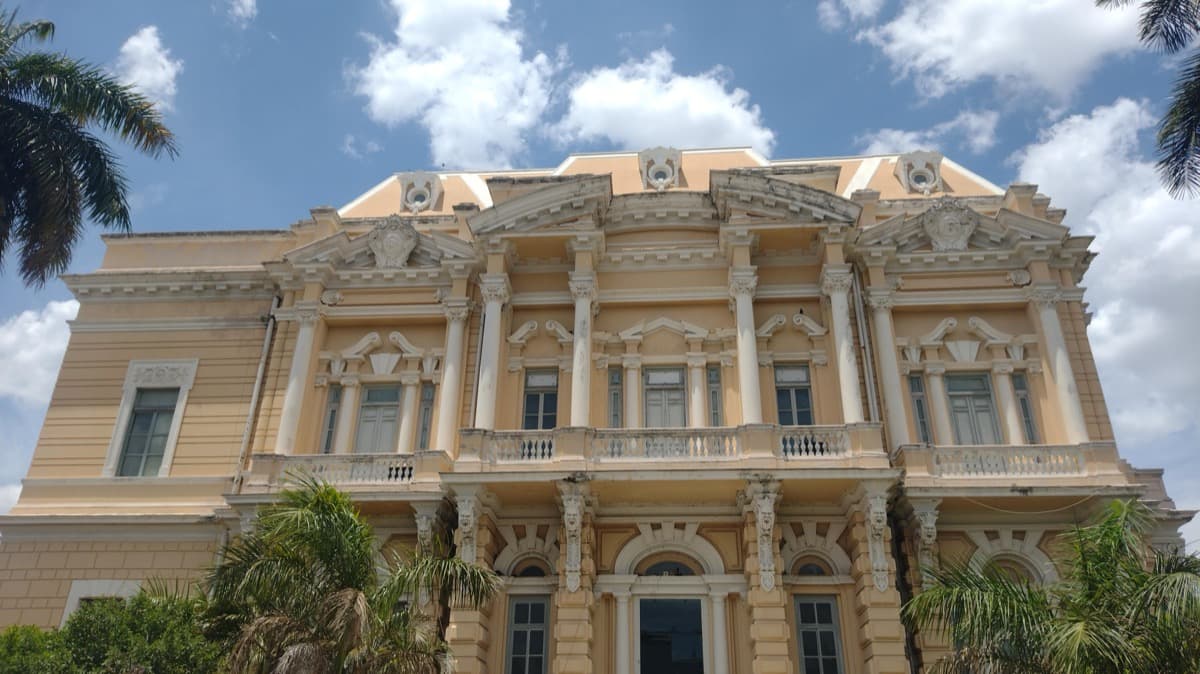
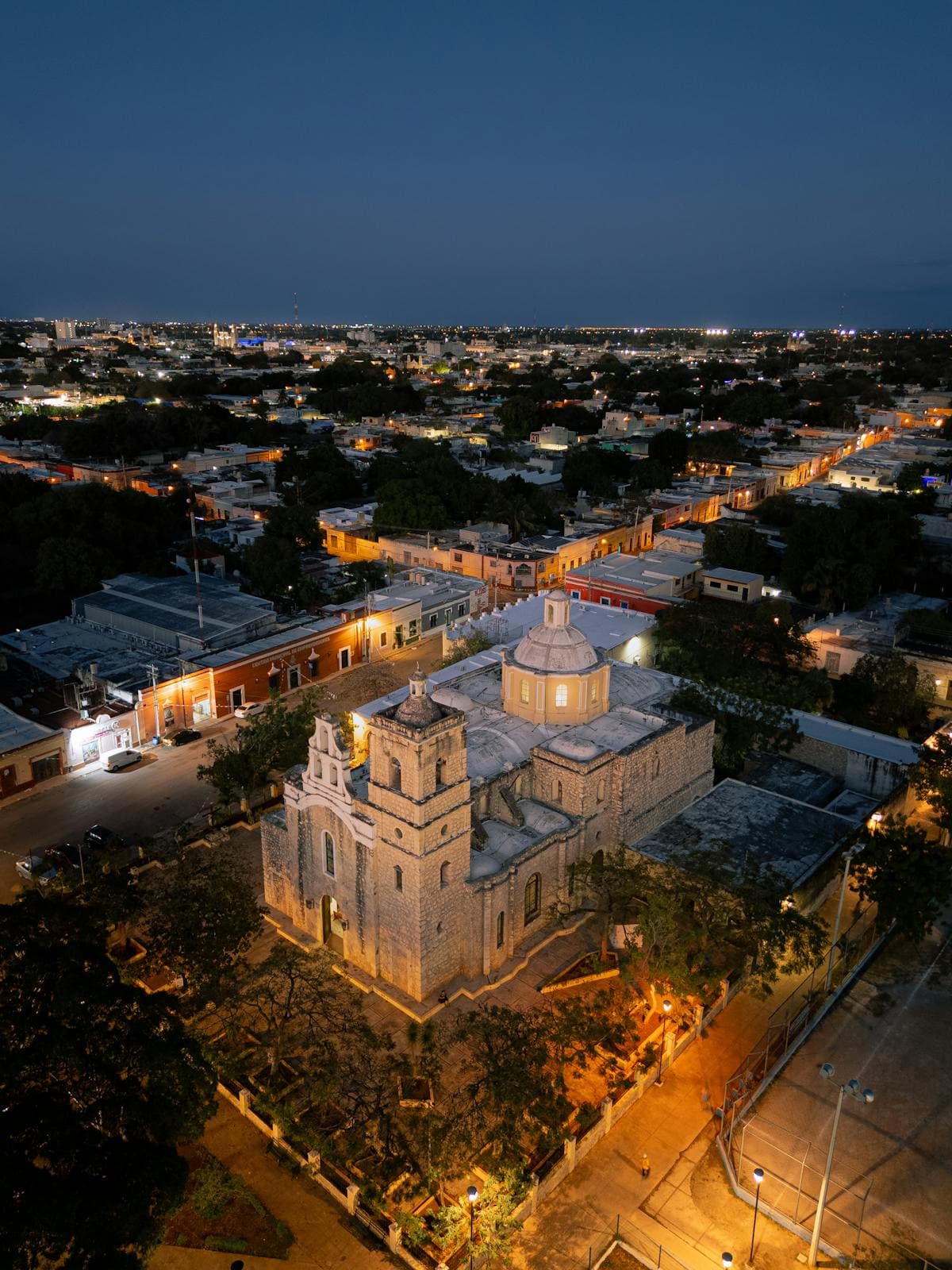
Mérida: A Maya City the Spanish Broke Apart and Rebuilt
95 min · 2.5 km · easy
Yucatecan food is its own cuisine, not a regional accent on Mexican food. For centuries the Yucatán was closer, by sea, to Havana and New Orleans than it was by land to Mexico City, and it built its kitchen on a deep Maya foundation layered with Caribbean and European influence. The pantry is genuinely distinct: achiote (annatto) and sour orange instead of the moles of the interior, pumpkin seed and epazote from the Maya table, and the ever-present habanero. Eat well in Mérida and you are eating Yucatecan, and this guide covers the dishes worth seeking out, plus the flavors and the one drink that define them. It pairs naturally with a slow walk on one of our Mérida self-guided tours.
The dishes to seek out
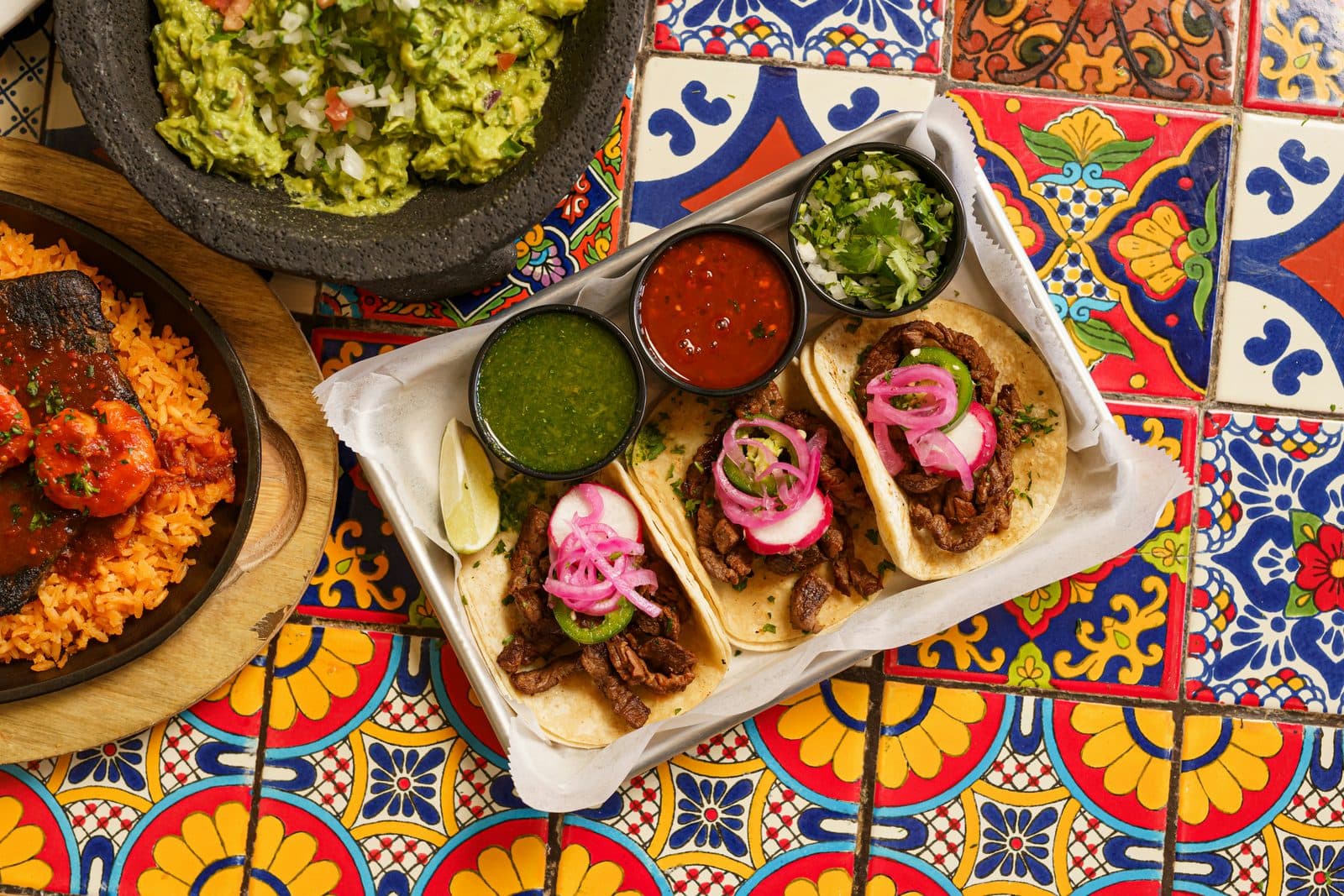
Cochinita pibil. The undisputed icon: pork marinated in achiote and the juice of bitter (sour) orange, wrapped in banana leaves, and traditionally slow-cooked in a pib, an earth oven in the ground. The result is tender, tangy, deep-orange meat, usually served shredded in tacos or tortas with pickled red onion and a jolt of habanero. If you eat one thing in Mérida, eat this.
Sopa de lima. A fragrant, restorative chicken soup built on the local lima citrus, with shredded chicken or turkey and crisp fried tortilla strips. Bright, savory, and everywhere.
Panuchos and salbutes. The classic Yucatecan antojitos, both fried corn tortillas topped with shredded turkey or chicken, pickled red onion, and avocado. The difference is the base: a panucho is split and stuffed with refried black beans before frying, so it is crisp and firm, while a salbute is fried plain and stays puffier and softer. The word salbute traces to Maya roots meaning, roughly, "light." Order both.
Papadzules. A Maya dish that predates the conquest: soft corn tortillas rolled around chopped hard-boiled egg, bathed in a smooth, pale-green sauce of ground pumpkin seed (pepita) and epazote, and finished with a cooked tomato sauce. Gentle, ancient, and satisfyingly vegetarian.
Marquesitas. Mérida's own street-food invention, born here in the 1940s: a thin batter poured onto a hot press and rolled crisp like a warm waffle cone, filled with sweet and savory combinations. The classic and slightly surprising local pairing is cajeta or Nutella with grated queso de bola (Edam cheese), a taste of the Yucatán's old Dutch trade.
The habanero and the achiote. Two flavors run through everything. Achiote, ground into the red recado rojo paste, gives cochinita and much else its color and earthy, peppery warmth. The habanero, one of the world's hottest chiles, arrives on the side as a salsa or in pickled form, so you control the heat. Handle it with respect.
What to drink
Hear a stop from this walk
Plaza Grande
Xtabentún. The signature Yucatecan liqueur, made from anise and fermented honey with rum added, descended from a Maya ceremonial drink; the name means, roughly, "vines growing on stone" in Maya. Sip it neat, over ice, or stirred into coffee for a Maya-style nightcap. Beyond it, look for agua de chaya (a leafy local green blended into a cool drink), horchata, fresh citrus aguas, and the region's local beers. Against habanero-forward food, something cold and a little sweet is exactly right.
Where the food culture lives
The markets and Plaza Grande, for street food. The covered mercados near the Centro and the food stalls around the Plaza Grande and Parque Santa Ana are the single best place to graze on cochinita tacos, panuchos, salbutes, and marquesitas. This is also the heart of the colonial Centro tour, so your food crawl and your history walk are the same streets.
The Centro and Paseo de Montejo, for a sit-down meal. The traditional cantinas and celebrated regional restaurants of the old center and the grand boulevard serve full Yucatecan menus, from sopa de lima to poc chuc (grilled citrus-marinated pork). Walking the Paseo de Montejo mansions at dusk doubles as your route to dinner.
The plazas after dark, for the evening. Mérida eats outdoors. Santa Lucía on its music nights and the Plaza Grande on the free Sunday "Mérida en Domingo" fill with food carts, marquesita stands, and open-air seating. It is the most Yucatecan way to end a day.
Eat as you walk
The best way to work through this list is on foot, one part of the Centro at a time. Pair a morning of colonial history around the Plaza Grande with a market lunch of cochinita and panuchos, an afternoon on Paseo de Montejo with a sit-down Yucatecan dinner, and a warm evening on the plazas with a marquesita and a glass of Xtabentún. Route your day with the one day in Mérida itinerary, plan the practical side with the Mérida travel guide, and browse all Mérida tours. Every tour is free to start: the introduction and first stop play in full, and every later stop plays a short preview before an optional purchase.
Frequently asked questions
- What food is Mérida known for?
- Mérida is the capital of Yucatecan cuisine, one of Mexico most distinct regional food traditions. The headline dishes are cochinita pibil (achiote-marinated pork slow-cooked in banana leaves), sopa de lima (a lime-and-tortilla chicken soup), panuchos and salbutes (fried-tortilla antojitos topped with turkey, pickled onion, and avocado), papadzules (egg-stuffed tortillas in a pumpkin-seed sauce), and marquesitas (a crisp rolled street-food crepe). Achiote, sour orange, and the fiery habanero define the flavor.
- Why is Yucatecan food different from the rest of Mexican food?
- The Yucatán spent centuries relatively isolated from central Mexico, closer by sea to Cuba and New Orleans than by land to Mexico City, so its cuisine developed on its own. It rests on a deep Maya foundation, the pib (earth oven), corn, pumpkin seed, epazote, and habanero, layered with Caribbean and European influences. The result is a distinct pantry built on achiote (annatto) and bitter orange rather than the chiles and moles of the interior.
- What is the difference between panuchos and salbutes?
- Both are Yucatecan antojitos built on a fried corn tortilla topped with shredded turkey or chicken, pickled red onion, and avocado. The difference is the base: a panucho has its tortilla split and stuffed with refried black beans before frying, so it is crisp and firm, while a salbute is fried plain, staying puffier and softer. Order both and you will taste the distinction immediately.
- What should you drink in Mérida?
- The signature Yucatecan drink is Xtabentún, a liqueur made from anise and fermented honey with rum added, descended from a Maya ceremonial elixir; sip it neat, over ice, or stirred into coffee. Beyond it, look for horchata and agua de chaya (a leafy local green), fresh lime and citrus aguas, and the region local beers. The habanero-forward food pairs well with something cold and sweet.
- Where should you eat in Mérida?
- For street food and variety, the covered markets and the food stalls around the Plaza Grande and Santa Ana. For sit-down Yucatecan cooking, the traditional cantinas and regional restaurants of the Centro and Paseo de Montejo. For marquesitas and evening snacks, the plazas after dark, especially Santa Lucía and the Plaza Grande on the free Sunday "Mérida en Domingo." Pair a meal with a slow walk on one of our self-guided Mérida tours.
Mexico eSIM· 10% off with ROAMER10
Ready to experience it?
Mérida: A Maya City the Spanish Broke Apart and Rebuilt
95 min · 2.5 km · easy
More from Merida
Explore more at your own pace.
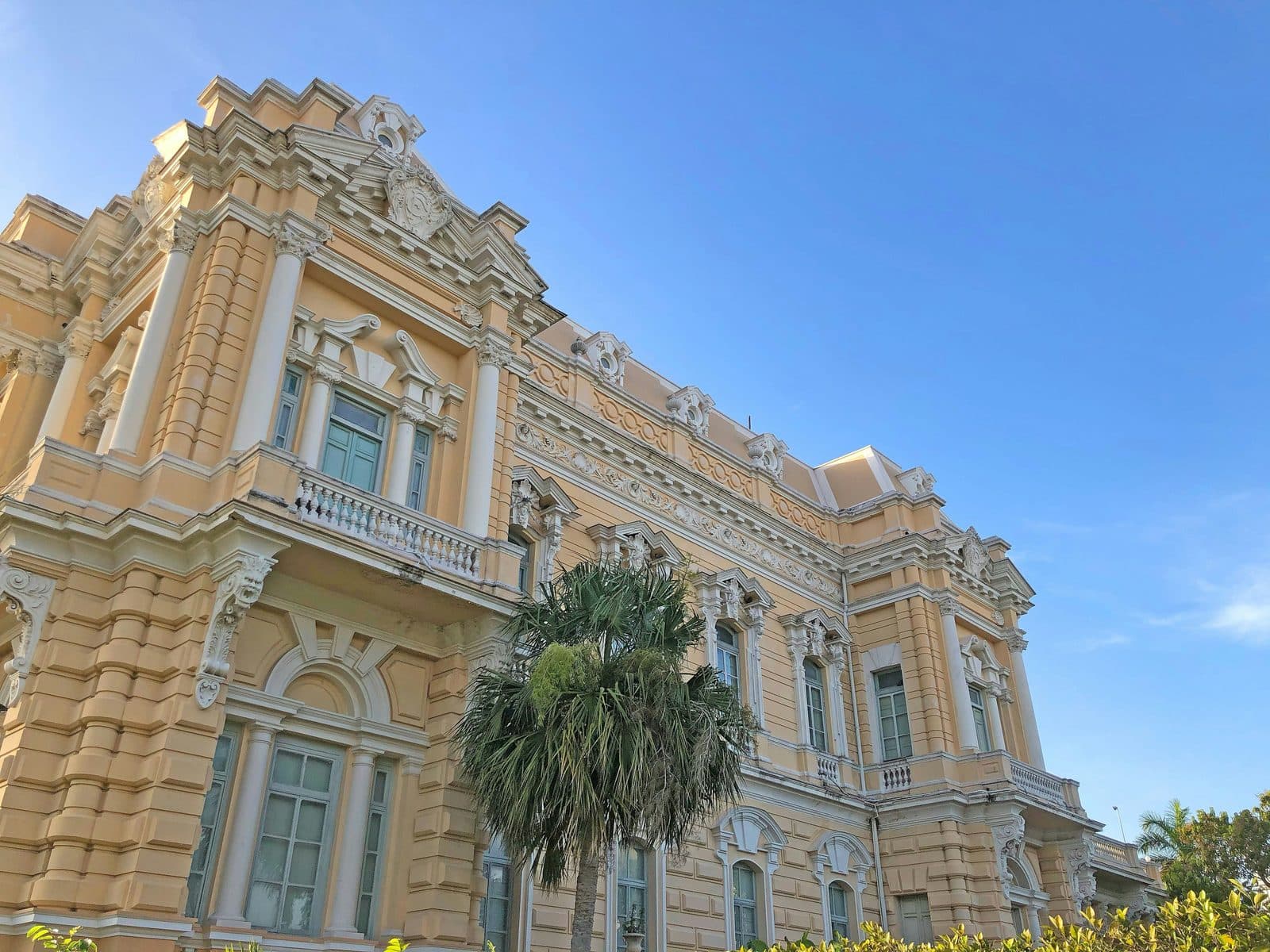
Best Self-Guided Walking Tours in Mérida (2026)
Mérida Travel Guide: How Many Days, Getting Around, When to Go, Is It Safe (2026)
One Day in Mérida: A Walkable Centro-to-Paseo Itinerary (2026)
Green Gold: How One Agave Plant Built a Belle Époque Boulevard in the Tropics
Casa de Montejo: The Conquistador's House With Maya Heads Carved Above the Door