Medellín is easier to travel than its reputation suggests. It is a warm, spring-like valley with the only metro system in Colombia, walkable café districts, and a genuine transformation behind it. The two things worth getting right before you arrive are how you move, which is the Metro and its hillside gondolas, and how you carry yourself, which is street-smart rather than fearful. This guide answers the practical questions travelers actually search, answer first, then the detail.
How many days do you need in Medellín?
Short answer: three to four days for most people.
- 2 days covers the essentials: Comuna 13, the historic center and Plaza Botero, and an evening in El Poblado. Our one day in Medellín route shows how to fit the core into a single day if that is all you have.
- 3 days adds a Metrocable ride up to the hills and Parque Arví, a slower afternoon in the Botanical Garden, and time to actually sit in the café districts rather than rush them.
- 4 to 5 days adds a day trip to the lakeside town of Guatapé and its great rock, or into the surrounding coffee farms, at an unhurried pace.
Getting around Medellín
Hear a stop from this walk
Catedral Metropolitana
Ride the Metro. It is the thing locals are proudest of, and for good reason.
- The Metro. Medellín opened the only metro in Colombia in 1995, and it is clean, cheap, punctual, and safe. Two main lines cross the valley and connect nearly everything a visitor needs, from San Javier for Comuna 13 to Parque Berrío for the historic center to El Poblado in the south.
- The Metrocable. Gondola lines climb the steep hillsides straight from the metro stations. The first line opened in 2004 as the world's first cable-car system built purely for public transit, and it is now a point of civic pride and one of the best cheap views in the city. Line up to Parque Arví turns a commute into a scenic ride over the mountains.
- The tram and buses fill in the center and the flatter districts.
- Fares. Use a reloadable Civica card or pay per ride. Fares are a fraction of a taxi.
- On foot and at night. Within districts like El Poblado and Laureles, walk. For night trips, use a ride-hailing app such as Uber or DiDi rather than flagging a street taxi.
Best time to visit Medellín
Medellín is called the City of Eternal Spring because its valley sits at about 1,500 meters, which keeps the temperature near 22 degrees Celsius all year. There are no real seasons, only wetter and drier spells.
- Driest, sunniest months: roughly December through February and July through August.
- The showpiece event: the Feria de las Flores, the Flower Festival, in early August, when the city fills with parades, a classic-car procession, and the famous Desfile de Silleteros, the parade of flower carriers who carry towering floral arrangements on their backs. It is spectacular, and hotels fill up, so book well ahead if you come for it.
Because the weather barely changes, the "best time" is really about crowds and events rather than temperature. Pack a light layer for cooler evenings and rain, and you are set.
Is Medellín safe?
Yes, broadly, and the change from its 1990s reputation is real. But it deserves an honest answer rather than either a scare or a whitewash.
The context matters. In the 1980s and early 1990s Medellín was among the most violent cities in the world, bound up with the drug trade of the Escobar era. Since then, decades of investment in transit, libraries, and neighborhoods have transformed daily life. The Metro, the Metrocable gondolas, and the Comuna 13 escalators are the visible symbols of that turnaround, and it is genuine progress, not marketing.
Today the neighborhoods most visitors use, El Poblado and Laureles, are well-policed and busy after dark. The real risks are not violent crime but petty theft, drink-spiking with scopolamine, dating-app robberies, and taxi scams. Colombians summarize the mindset as "no dar papaya", do not give anyone the opportunity. In practice:
- Keep your phone and valuables out of sight in crowds and on the street.
- Never leave a drink unattended, and do not accept drinks, food, or cigarettes from strangers. Scopolamine (burundanga) is used to incapacitate and rob.
- Be cautious meeting people from dating apps, a common setup for drug-assisted robbery of foreign visitors.
- Use Uber or DiDi at night rather than a street taxi, and skip the deserted center after dark.
Follow those habits, which are simply good sense in any big city, and the drug trade you may have read about stays exactly where it belongs: in the past you are learning about, not the trip you are taking. Please also avoid any tourism that glorifies Pablo Escobar; residents lived through that era and generally find it offensive.
Medellín on a budget
Medellín is friendly to a tight budget.
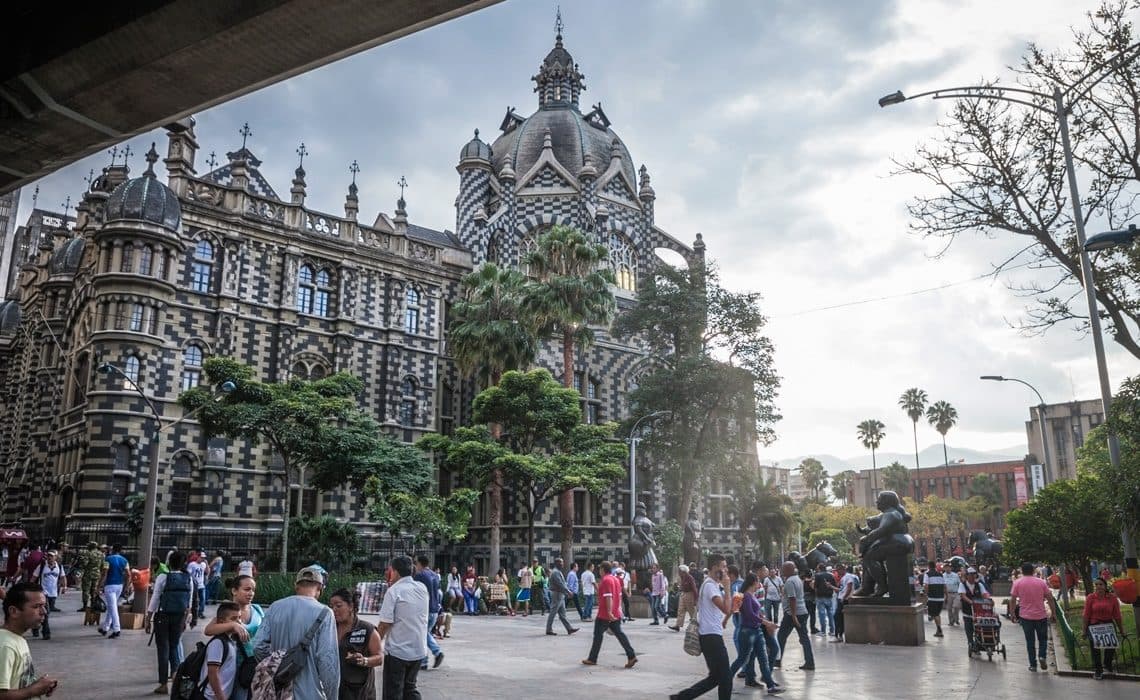
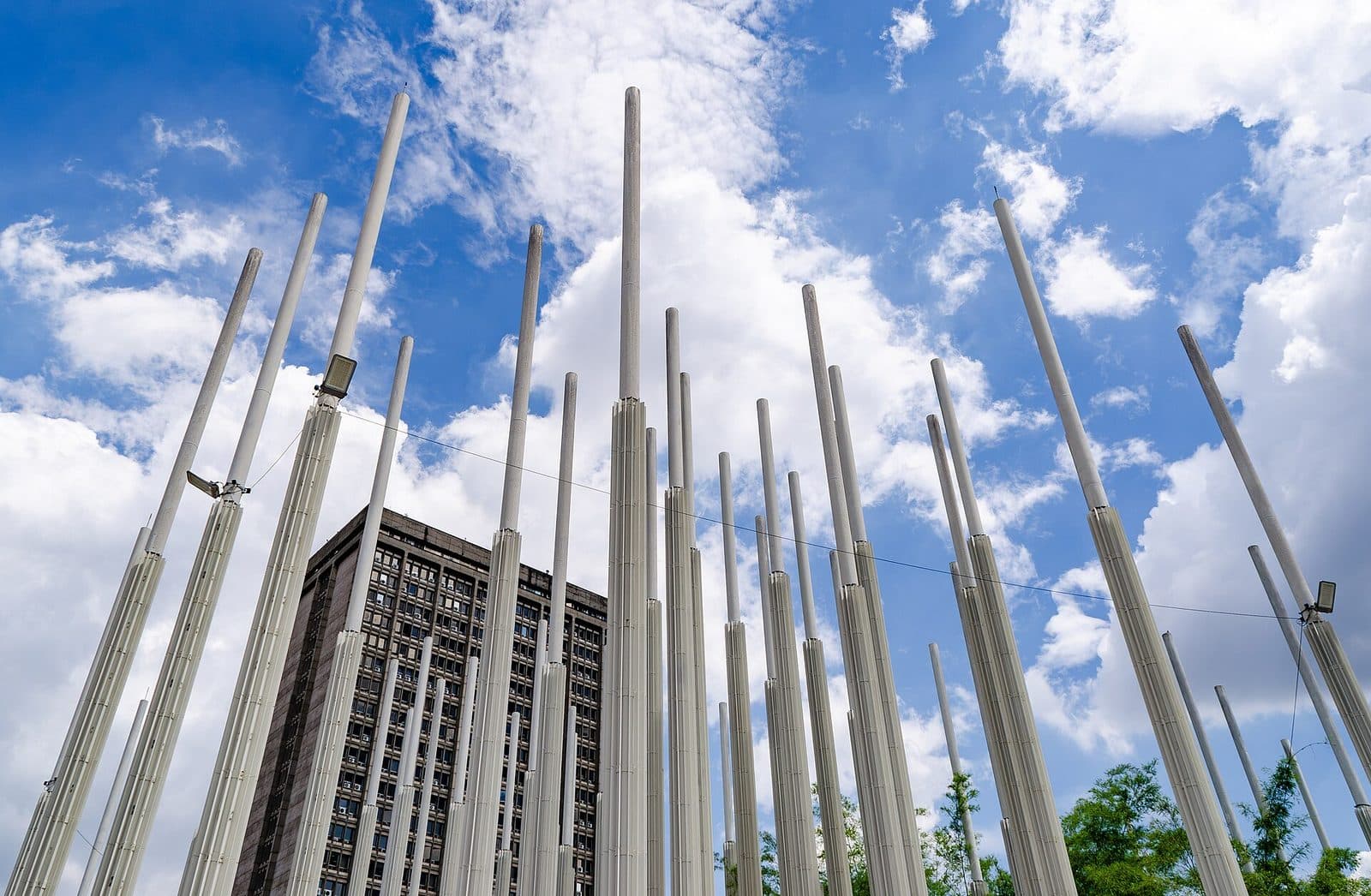
- Free to walk: Plaza Botero and its 23 bronze figures, the murals and viewpoints of Comuna 13, Parque de las Luces, and the Botanical Garden.
- Cheap to move: the Metro and Metrocable cost a fraction of a taxi and cover the whole city.
- Eat well for little: the menú del día, a set lunch of soup, a main, and juice, runs just a few dollars. See what to eat in Medellín for what to order.
- Skip the guide fee: Roamer self-guided audio tours are free to start, so you get expert narration without a private guide, a fixed start time, or a tip.
Start planning your walk
Ready to route your days? Read our one day in Medellín itinerary, browse the best self-guided walking tours in Medellín, or see all Medellín tours. Every tour is free to start: the introduction and first stop play in full, and every later stop plays a short preview before an optional purchase. Tours can also be downloaded in advance for offline listening.
Frequently asked questions
- How many days do you need in Medellín?
- Three to four days is the sweet spot. Two days covers the essentials: Comuna 13, the historic center and Plaza Botero, and an evening in El Poblado. Three days adds a Metrocable ride up to Parque Arví, a slower afternoon in the Botanical Garden, and time to actually sit in the café districts. Four or five days lets you add a day trip to the lakeside town of Guatapé or into the coffee farms of the surrounding mountains at an unhurried pace.
- How do you get around Medellín?
- By Metro. Medellín has the only metro system in Colombia, and it is clean, cheap, safe, and a real point of civic pride, with gondola Metrocable lines that climb the steep hillsides and a tram line through the center. Buy a reloadable Civica card or pay per ride, and it links Comuna 13, the center, El Poblado, and the cable-car neighborhoods. Within districts like El Poblado and Laureles, walk. For night trips, use a ride-hailing app such as Uber or DiDi rather than flagging a street taxi.
- What is the best time of year to visit Medellín?
- Any time, honestly. Medellín is called the City of Eternal Spring because its high-altitude valley keeps temperatures around 22 degrees Celsius all year, with no real seasons, just wetter and drier spells. The driest, sunniest months tend to be December through February and July through August. The showpiece event is the Feria de las Flores, the Flower Festival, in early August, when the city fills with parades and the famous Desfile de Silleteros, the parade of flower carriers. Book ahead if you come for it.
- Is Medellín safe for tourists in 2026?
- Broadly, yes, and the change from its 1990s reputation is real, not marketing. Medellín today has a safety profile comparable to other major Latin American tourist cities, and the neighborhoods most visitors use, El Poblado and Laureles, are well-policed and busy after dark. The real risks are not violent crime but petty theft, drink-spiking with scopolamine, dating-app robberies, and taxi scams. The local phrase is "no dar papaya," meaning do not give anyone the opportunity: keep your phone away in crowds, never leave a drink unattended or accept one from a stranger, be cautious meeting people from dating apps, and use ride-hailing apps at night. Follow those habits and Medellín is a rewarding, straightforward place to travel.
- How can you visit Medellín on a budget?
- Very easily. Medellín is one of the more affordable major cities in the Americas. The Metro and Metrocable cost a fraction of a taxi and reach almost everywhere you want to go. Plaza Botero, the murals of Comuna 13, and the Botanical Garden are free to walk, and a filling set lunch, the menú del día, runs a few dollars. Self-guided audio tours are free to start on Roamer, so you get expert narration without paying for a private guide, a fixed start time, or a tip.
- How honest is the "transformation" story of Medellín?
- It is genuine and it is also incomplete, and the best guides treat it as both. In the 1980s and early 1990s Medellín was one of the most violent cities in the world, tied to the drug trade. Since then, sustained investment in public transit, libraries, and neighborhoods, the Metro, the Metrocable gondolas, and the Comuna 13 escalators among them, has transformed daily life and safety for millions. Real inequality and pockets of insecurity remain, so the honest posture is admiration for the progress paired with respect and street-smarts, not naivety and not fear.
Colombia eSIM· 10% off with ROAMER10
Ready to experience it?
Medellín: The Botero City
95 min · 3 km · easy
More from Medellin
Explore more at your own pace.
Best Self-Guided Walking Tours in Medellín (2026)
Eternal Spring and Its Shadows: How Medellín Rewrote Itself
One Day in Medellín: A Walkable Itinerary (2026)

What to Eat in Medellín: A Paisa Food Guide (2026)
The Escalator as Policy: Reading Comuna 13