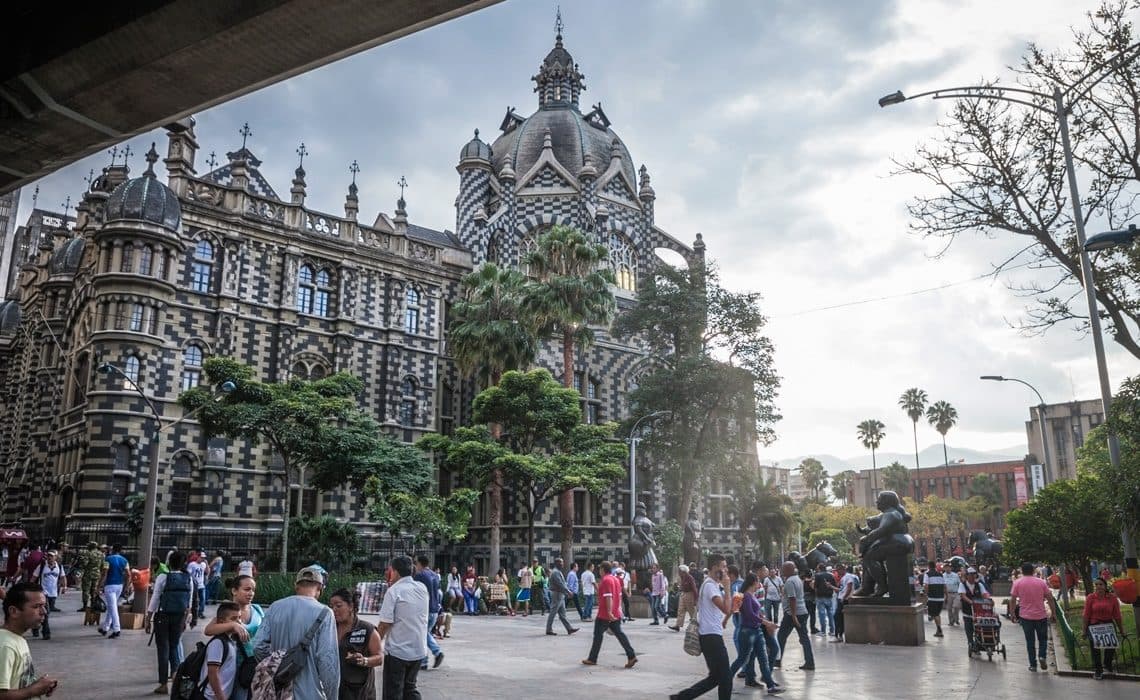
From the park of 300 lights to the plaza of 23 giants — walk through the transformation of the city that went from the world's most dangerous to its most innovative.
Start · Parque de las Luces
DirectionsStops
- 1
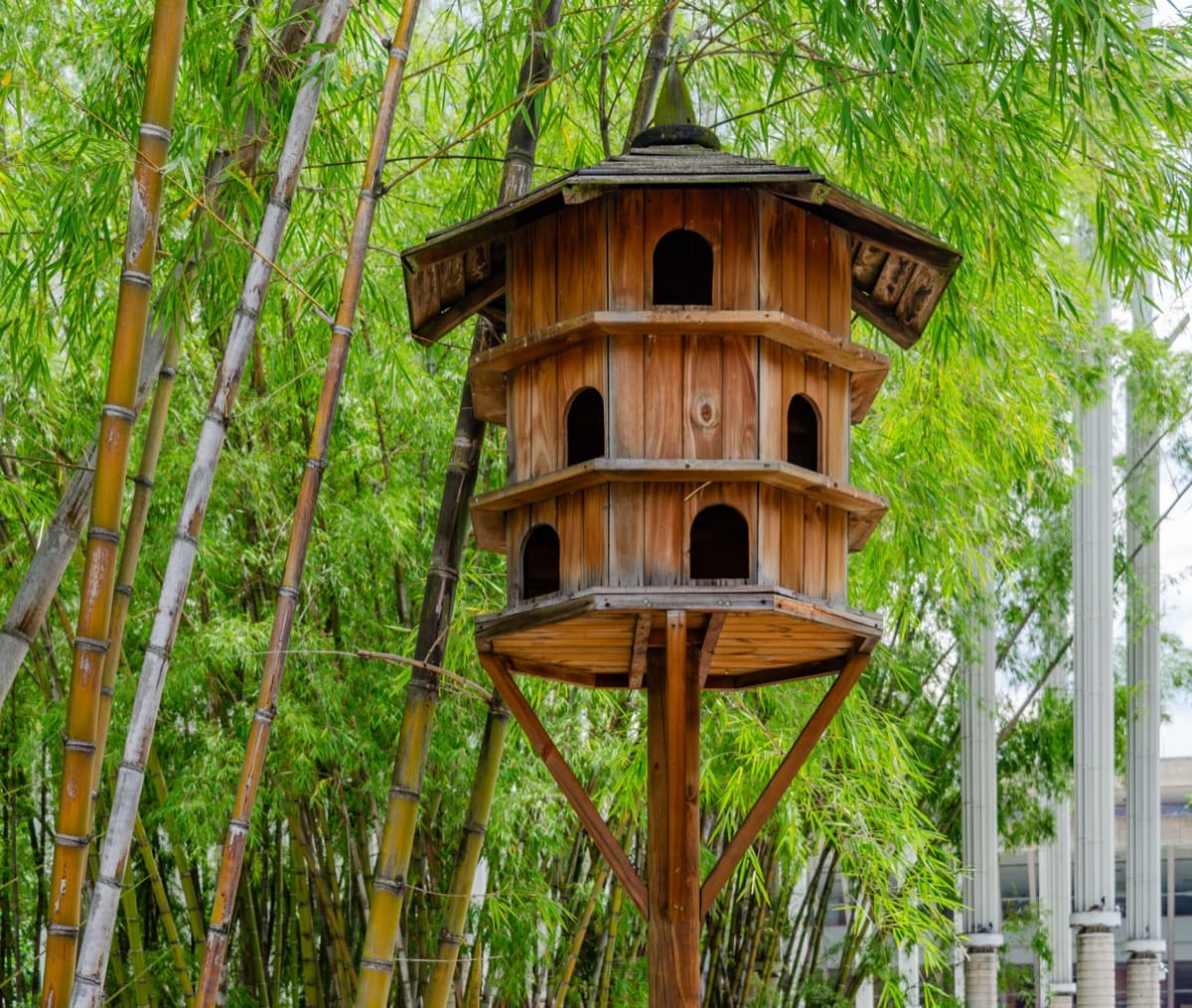
Parque de las Luces
A forest of 300 white light poles standing where one of the most dangerous neighborhoods in the Americas once thrived.
- 2
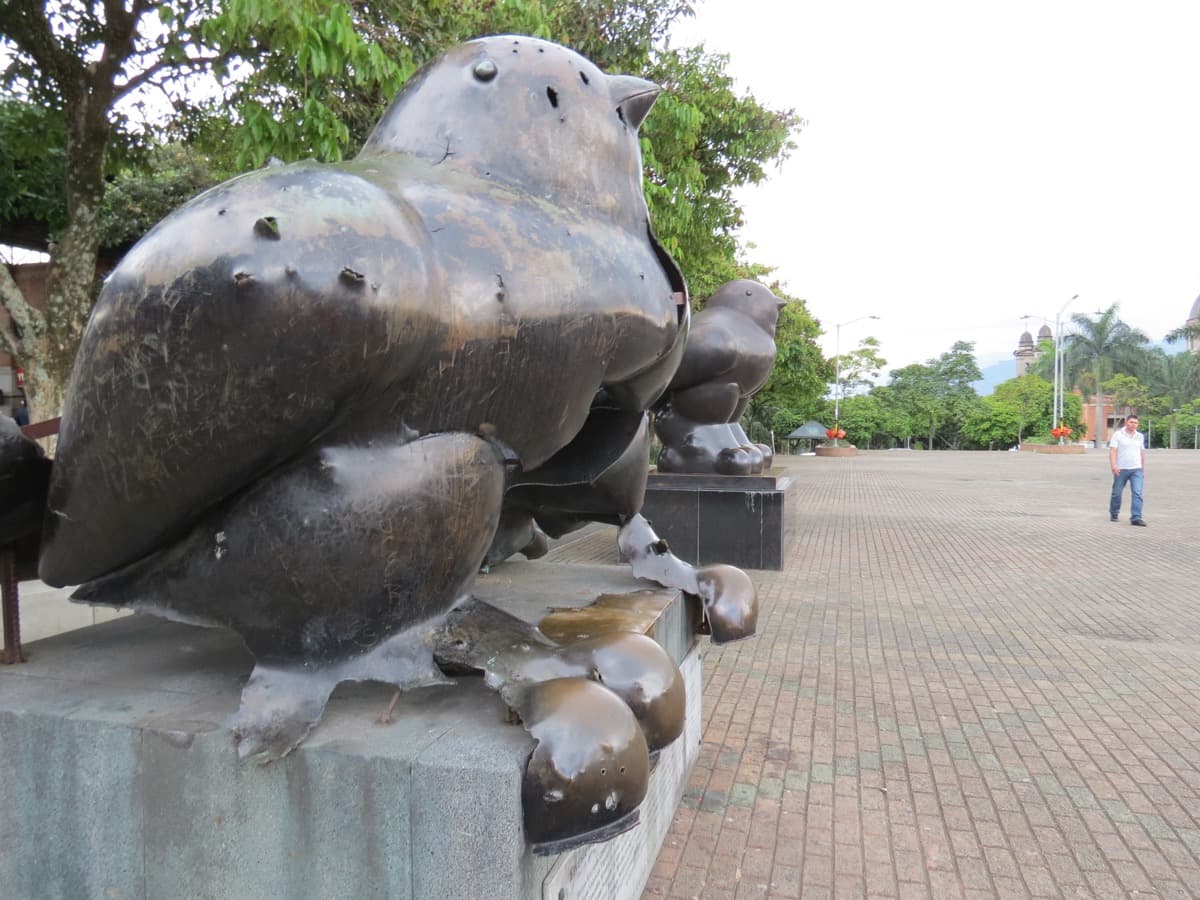
Parque de San Antonio — Botero's Birds
Two bronze bird sculptures side by side — one destroyed by a bomb, one placed beside it as a memorial. A city's refusal to forget.
- 3
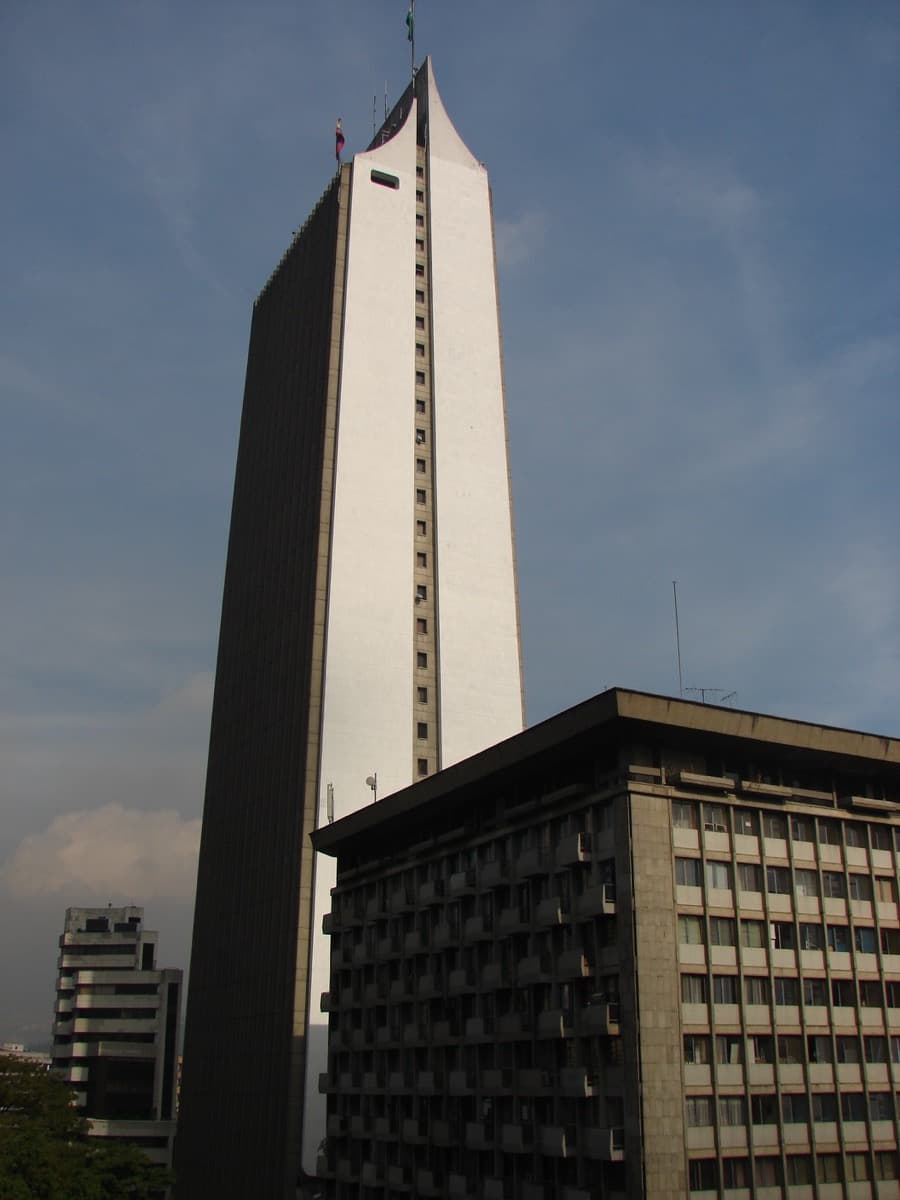
Edificio Coltejer
A skyscraper shaped like a sewing needle — Medellín's monument to the textile industry that built the city's fortunes.
- 4
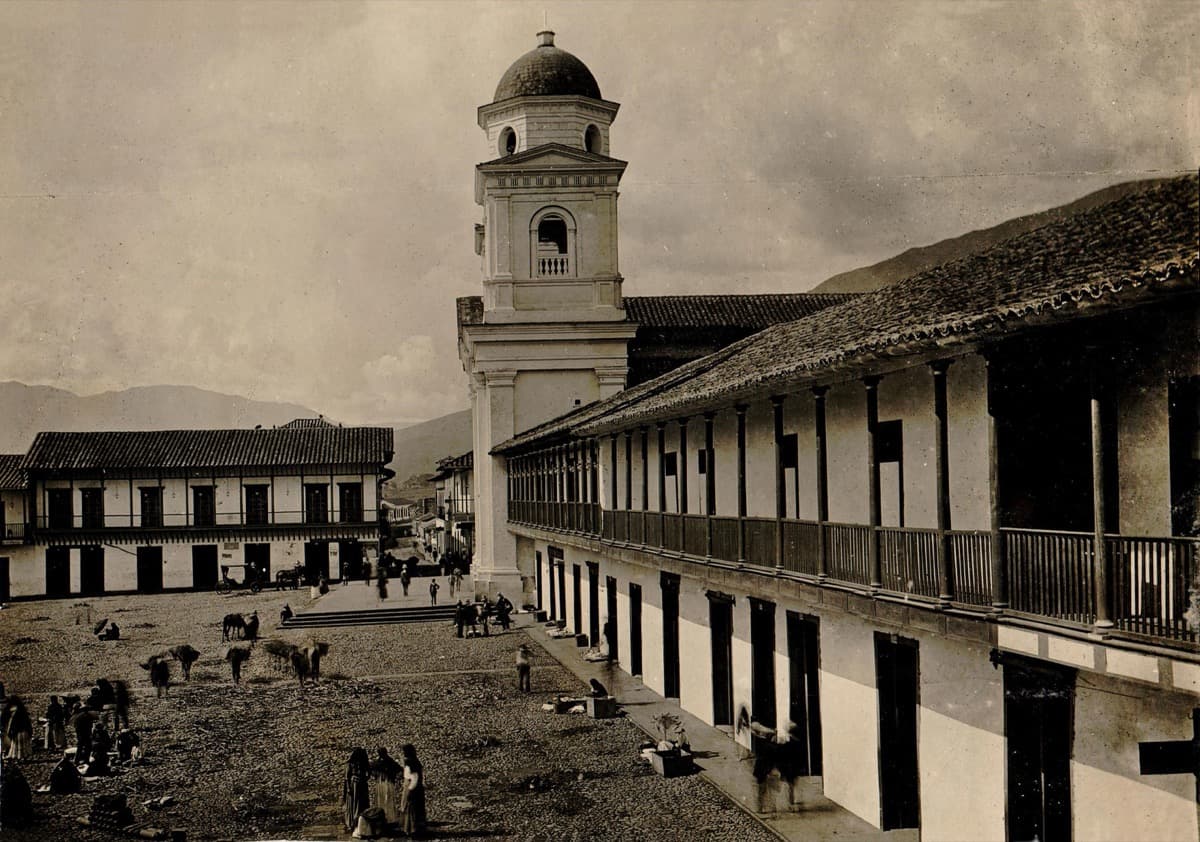
Parque de Berrío & Basílica de la Candelaria
The historic heart of the valley — the oldest church, the social catwalk, and the verb that paisas invented for showing off.
- 5
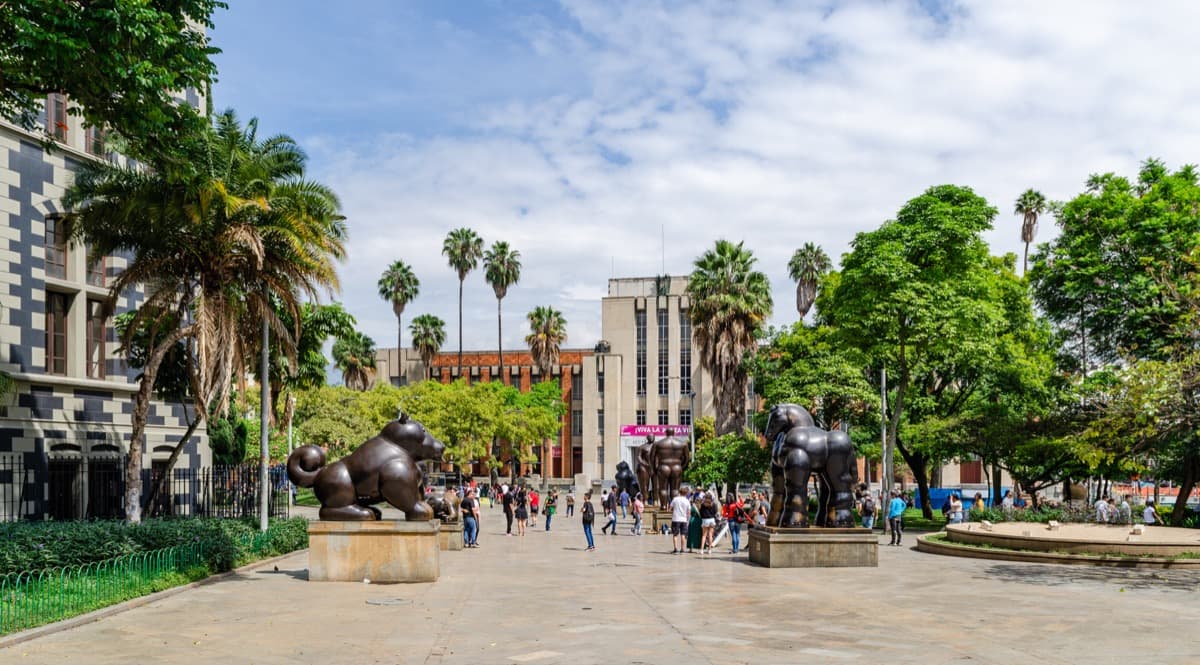
Plaza Botero
Twenty-three monumental bronze sculptures — Medellín's most famous son's gift to the city that made him.
- 6
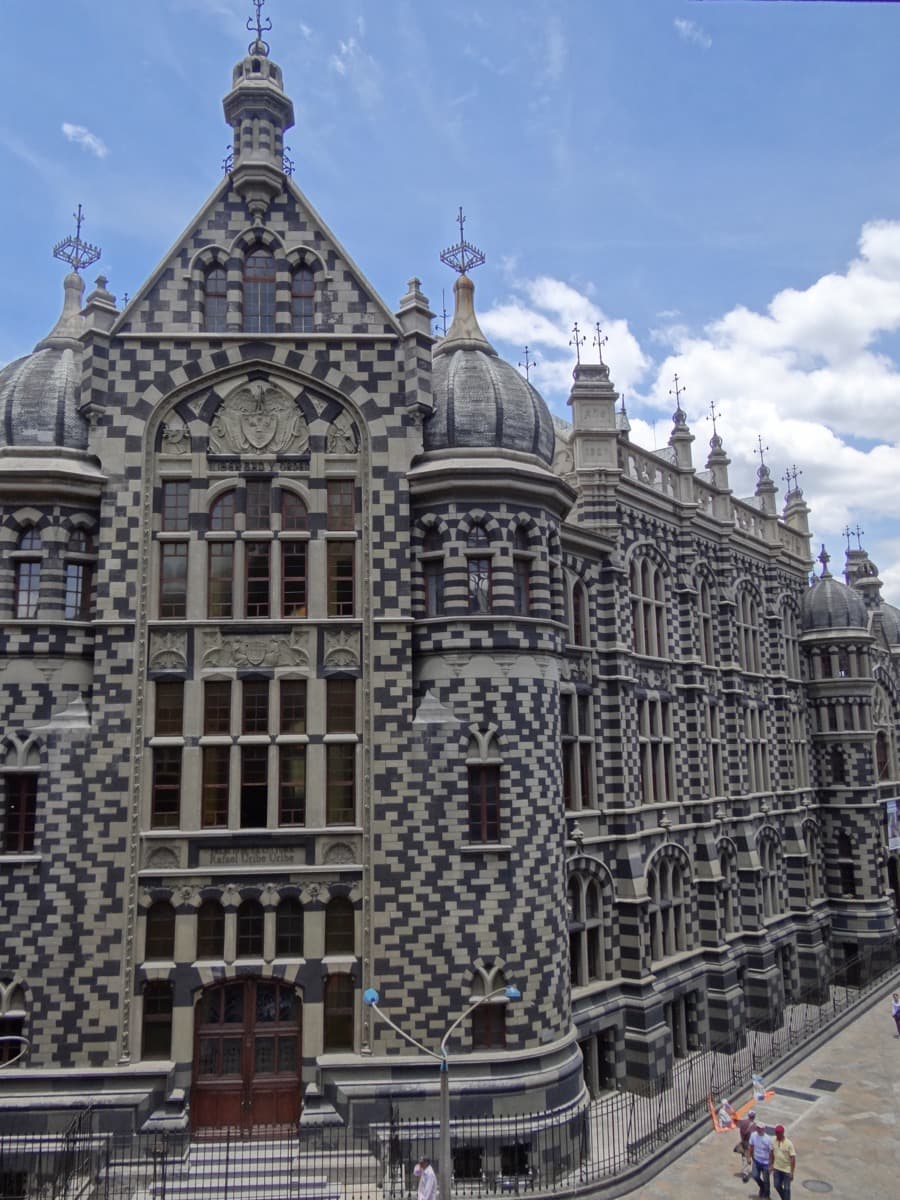
Palacio de la Cultura Rafael Uribe Uribe
A Gothic-Romanesque checkerboard palace named after the man who may have inspired literature's most famous colonel.
- 7
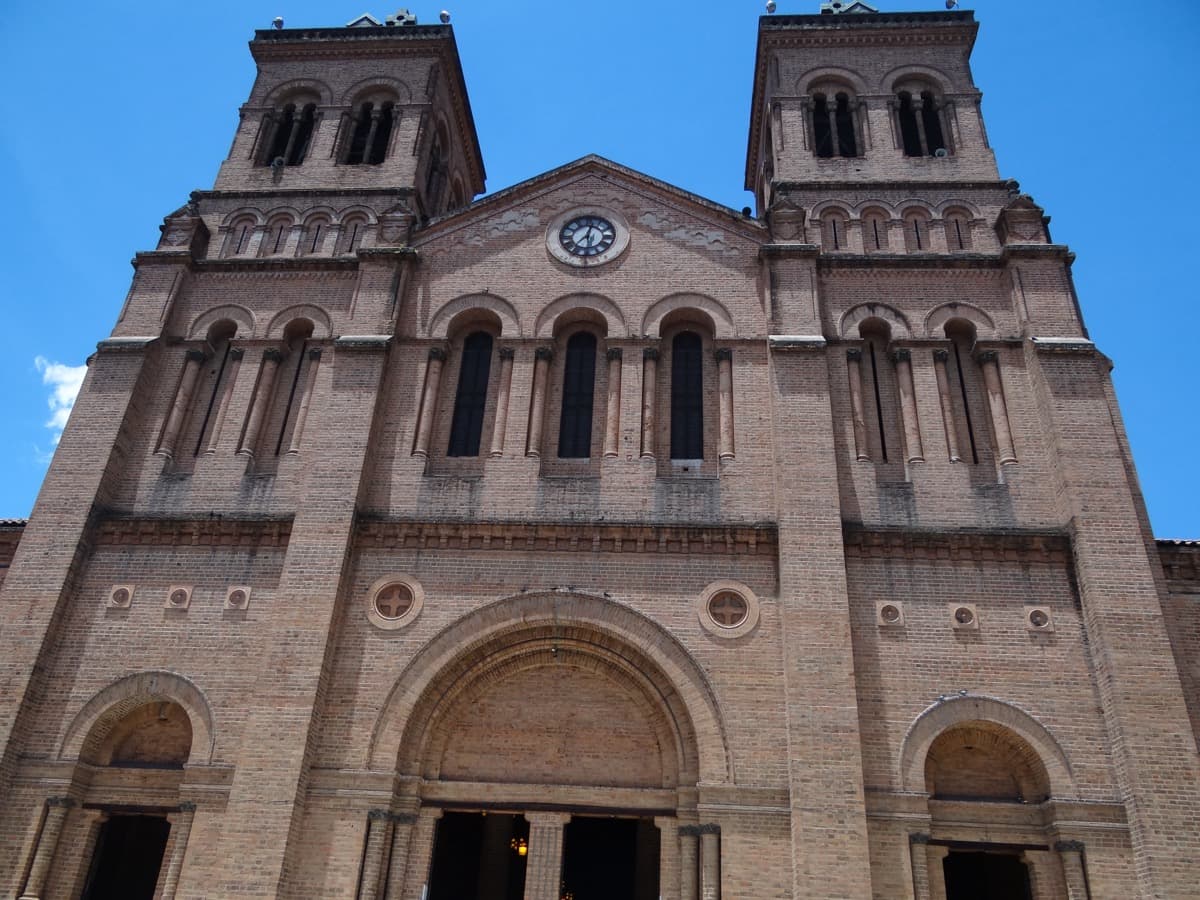
Catedral Metropolitana
The largest brick church in South America — 1.12 million bricks arranged in Romanesque Revival grandeur.
Details
Best Time to Visit
Morning between 8:00 and 11:00 AM, when the light is soft and the plazas are active but not yet crowded. The historic center gets busy after noon, and the afternoon heat — even in the City of Eternal Spring — can be strong in the open plazas.
Pro Tips
- •Start at Parque de las Luces early, then walk north. The route follows the Carabobo pedestrian spine, so you're mostly car-free.
- •Come back to Parque de las Luces after dark to see the 300 poles illuminated — it's a completely different experience at night.
- •Plaza Botero is best on weekdays. On weekends it fills with vendors and the sculptures can be hard to photograph.
- •Try a tinto (black coffee) from any street vendor along the route — it costs about 1,000 pesos and is a paisa ritual.
- •The Palacio de la Cultura has free exhibitions inside and a rooftop with views of the surrounding mountains.
Safety & Precautions
- •Keep your phone in your front pocket and avoid displaying expensive jewelry. The historic center is safe but petty theft can occur in crowds.
- •Stay on the main pedestrian corridors. Side streets south of Parque de las Luces can feel less safe, especially after dark.
- •The area around Guayaquil (near stop 1) still has an edge. It's fine during the day but best avoided alone at night.
- •Drink water. Medellín sits at 1,500 meters altitude and the sun is stronger than it feels.
- •Decline food, drinks, cigarettes, or sweets offered by strangers, and keep any drink of your own in view. Scopolamine (locally 'burundanga') is used to sedate and rob visitors, and the plazas along this route draw people who approach tourists.
- •The equatorial sun is stronger than it feels in the City of Eternal Spring, so carry water and take shade in the open plazas.
Travel advisory: Reconsider Travel (Level 3).
Gallery
Related Reading
Go deeper on what you'll see, hear, and walk through.
Read the walk
The full story of Medellín: The Botero City, in words. Prefer to listen? Play it narrated, from home or on location.
Introduction
Medellín's downtown was given to the city by Fernando Botero, twice.
The first time was nineteen ninety-two. Botero, the painter and sculptor whose figures are recognised on six continents, donated twenty-three monumental sculptures to create Plaza Botero, a public art park in the heart of the city. The donation was unconditional, except that the sculptures had to stay outdoors and free to touch. Plaza Botero became the anchor of the city centre's urban revival.
The second time was nineteen ninety-five. A bomb went off at Parque de San Antonio during a public concert. Twenty-eight people were killed. One of the casualties was a Botero sculpture, Pájaro, the bird, blown apart by the bomb. Botero left the destroyed bird in place as a memorial and donated a second, identical bird to stand beside it. The two birds, one whole and one shattered, are now the most photographed monument in central Medellín.
This is a tour of central Medellín read through Botero's hand. The colonial centre is older. The civic identity is younger. Both birds are still there.
Over seven stops you will walk Parque de las Luces (the three-hundred-light-pillar plaza that signals the modern civic identity), Parque de San Antonio (the two birds), the Edificio Coltejer (the textile-needle civic skyline anchor), Parque de Berrío and the Basílica de la Candelaria, Plaza Botero with all twenty-three sculptures, the Palacio de la Cultura, and end at the Catedral Metropolitana, the largest brick church in South America.
The route is about three kilometres in roughly ninety-five minutes on flat downtown streets at one thousand five hundred metres altitude. Most stops are free. When you arrive at Parque de las Luces, begin with stop one.
1. Parque de las Luces
Welcome to Parque de las Luces, your first stop on this tour. You're standing in the Parque de las Luces, the Park of Lights. Look around you. Three hundred white poles rise from the ground, each one about twenty meters tall, each one glowing at night like a giant candle. It's beautiful. It's also a statement. This spot was the heart of Guayaquil, a neighborhood that for decades was synonymous with everything dangerous about Medellín. Drug deals, violence, entire blocks where police simply didn't go. In the worst years of the early 1990s, this intersection was considered one of the most dangerous places in the Western Hemisphere. The architect, Juan Manuel Peláez, designed this park as a metaphor you can walk through: light replacing darkness. Not by tearing everything down and pretending the past didn't happen, the surrounding streets still have their edge, their character, but by planting something luminous right in the middle of it. Each pole is identical. No hierarchy. That matters in a city that was tearing itself apart along class lines. At night, when all three hundred poles glow together, the effect is extraordinary, a geometric forest of light visible from the hillside barrios above. The locals will tell you that the park didn't just change the landscape. It changed the permission. Suddenly families came here in the evening. Street vendors set up shop. Music appeared. That's what social urbanism looks like in practice, not a policy paper, but a grandmother sitting on a bench at nine p.m. where she wouldn't have dared stand at noon a decade earlier.
2. Parque de San Antonio — Botero's Birds
Welcome to Parque de San Antonio. You're looking at two birds. One is smooth, round, and whole, classic Botero, all generous curves and quiet dignity. The other is torn open. Its bronze skin is ripped and twisted, shrapnel wounds frozen in metal. On June 10, 1995, someone placed a bomb inside the original Bird sculpture during a crowded festival in this park. The explosion killed twenty-three people and injured hundreds more. It was one of the worst terrorist attacks in Medellín's history, likely carried out by the FARC or drug cartel operatives, the truth, like many truths here, remains contested. After the attack, the city wanted to remove the destroyed sculpture and replace it with a new one. Botero said no. He offered to create a second Bird, identical to the first, but only on one condition: the damaged sculpture stays exactly where it is. Untouched. Unrepaired. He called it the Bird of Peace, placed right beside the Bird of Violence. Look at them together. The destroyed one doesn't face away or hide. It stands at full height, its wounds open to the sky. Beside it, the new bird gleams. Botero understood something profound: you don't honor the dead by erasing what happened. You honor them by placing beauty next to horror and letting people draw their own meaning. Medellín is full of this kind of honesty. The city doesn't hide from its past. It builds next to it.
3. Edificio Coltejer
Welcome to the Edificio Coltejer. Look up. That tower shaped like a giant sewing needle is the Edificio Coltejer, and it's the most honest skyscraper you'll ever see. Most cities build towers that shout about banking or technology. Medellín built one that celebrates sewing. Coltejer was Colombia's largest textile company, and this building, completed in 1972, was their declaration to the world: we are a city that makes things. The needle shape isn't subtle, and it wasn't meant to be. Before the cartels, before the violence, before the world learned to associate Medellín with anything dark, this was a textile city. And before the textile mills, there were the arrieros, the mule drivers of Antioquia. These are the folk heroes of paisa culture. For centuries, arrieros drove mule trains through some of the most punishing mountain terrain in the Americas, carrying goods between the isolated valleys of Antioquia and the outside world. They were tough, entrepreneurial, and relentlessly practical. The paisa business culture, that hustle, that eche pa'lante spirit, traces directly back to men who bet their lives on a mule train making it over a mountain pass. The textile industry was built by their descendants, people who took that same stubborn energy and channeled it into factories. The Coltejer needle is really a monument to all of them, the arrieros, the weavers, the factory workers who made Medellín Colombia's industrial capital long before anyone had heard of Pablo Escobar.
4. Parque de Berrío & Basílica de la Candelaria
Welcome to Parque de Berrío and the Basílica de la Candelaria. Parque de Berrío has been the social center of this valley since the colonial era, and right beside you stands the Basílica de la Candelaria, the oldest church in the Aburrá Valley, its foundations dating back to the…
Full narration for this stop unlocks with the tour.
5. Plaza Botero
Welcome to Plaza Botero. Twenty-three enormous bronze sculptures surround you, each one unmistakably the work of Fernando Botero, Medellín's most celebrated artist, born just blocks from here in 1932. Look at them. A hand. A reclining woman. A horse. A Roman soldier. Every…
Full narration for this stop unlocks with the tour.
6. Palacio de la Cultura Rafael Uribe Uribe
Welcome to the Palacio de la Cultura Rafael Uribe Uribe. This black-and-white checkerboard building is the Palacio de la Cultura, and it's one of the most visually striking buildings in all of Colombia. Designed by the Belgian architect Agustín Goovaerts in the 1920s, it mixes…
Full narration for this stop unlocks with the tour.
7. Catedral Metropolitana
Welcome to the Catedral Metropolitana, your final stop on this tour. You've reached the Catedral Metropolitana, and here's a number to carry with you: one million, one hundred and twenty thousand bricks. That's what it took to build the largest brick church in South America.…
Full narration for this stop unlocks with the tour.