Nagamachi and the Craft City
Kanazawa escaped the war that flattened most of old Japan, and kept something rarer than buildings. This walk follows the Maeda family's three centuries of patronage from the samurai lanes to the market to a pottery kiln still run by the same family after more than three hundred sixty years.
4.30|90 minutes|4 km|6 Stops
Start
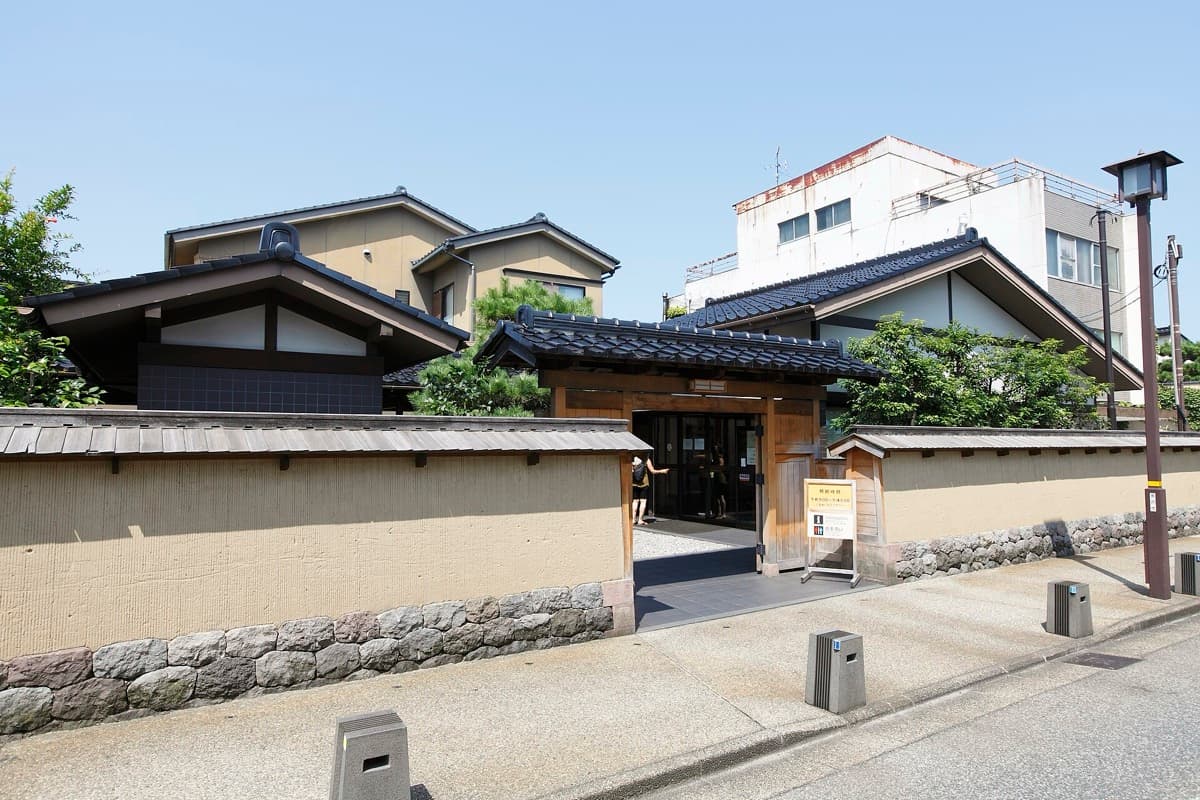
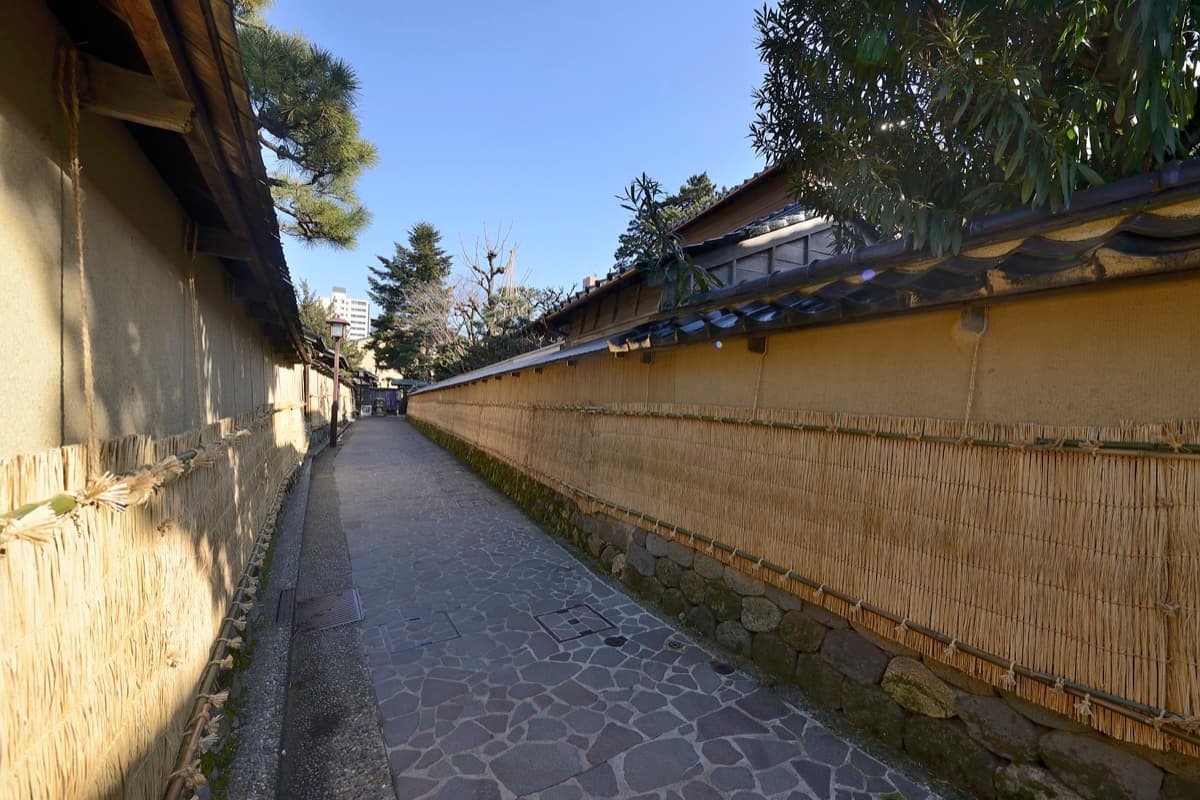
Nagamachi Samurai District: The City the War Missed
1
Nagamachi Samurai District: The City the War Missed
An intact quarter of earthen-walled samurai lanes at the foot of the old castle, spared when most Japanese castle towns burned in the war.
2
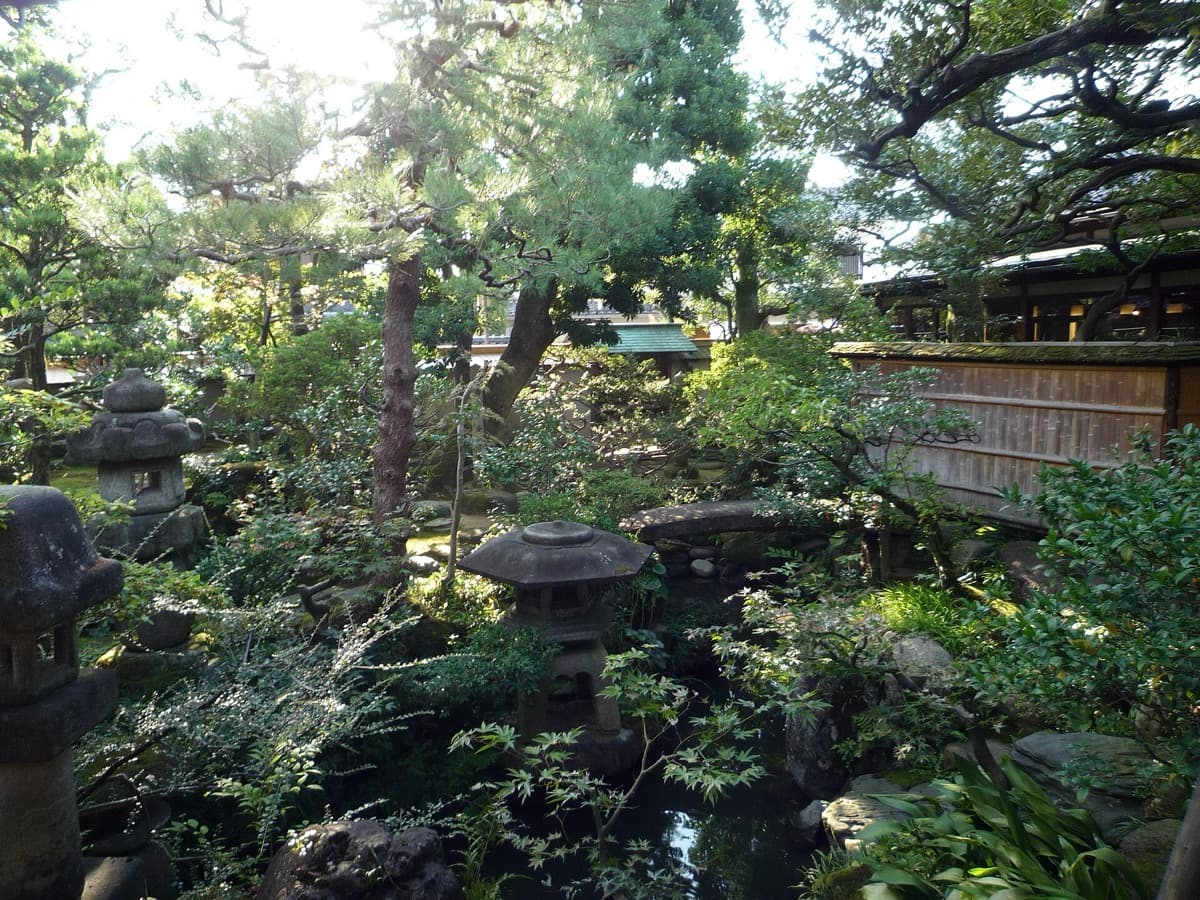
Nomura Family Samurai House: Eleven Generations
A restored samurai residence with an acclaimed courtyard garden, home to one family that served the Maeda for roughly eleven generations.
3
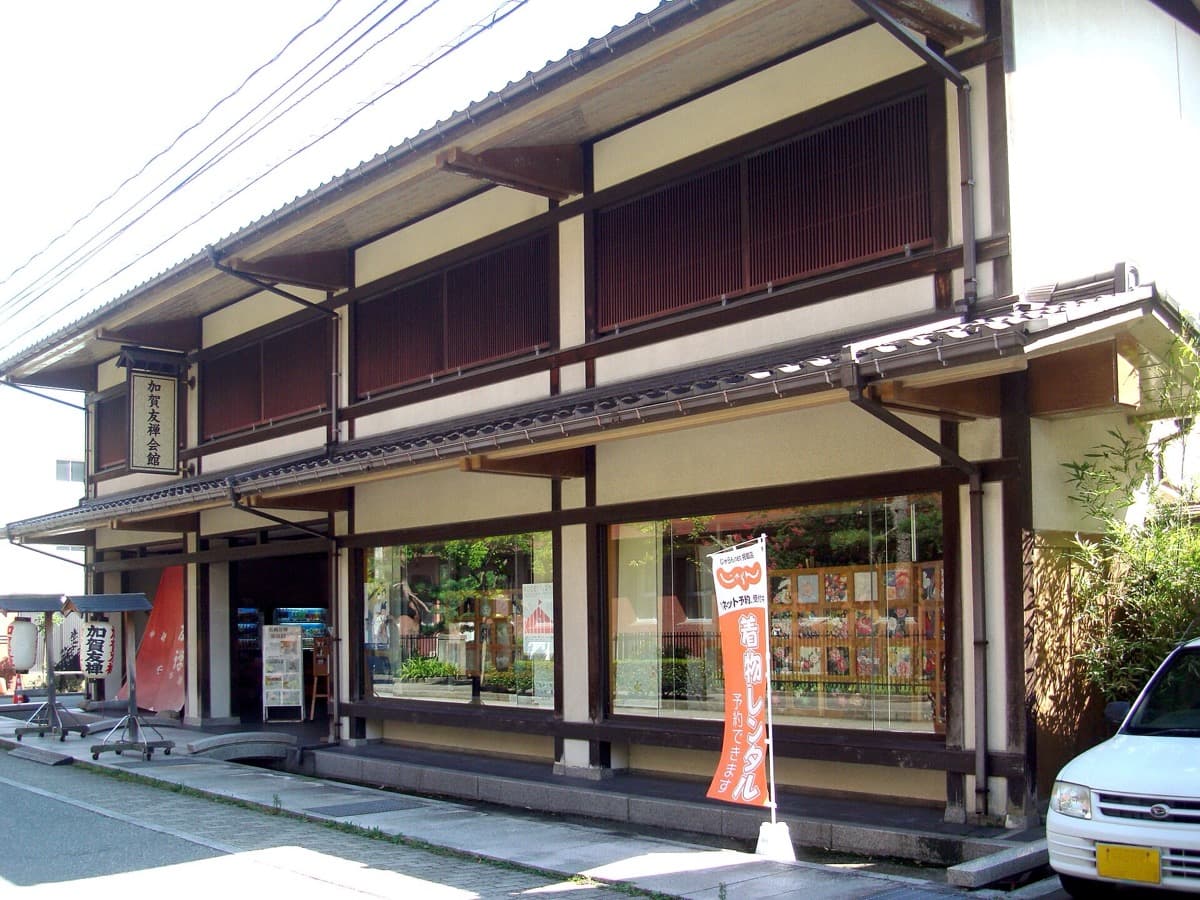
Kaga-Yuzen: The Five-Colour Silk
Kanazawa's hand-painted silk-dyeing tradition, built on five signature colors and a taste for nature rendered with startling realism.

4
21st Century Museum of Contemporary Art: The Glass Heir
A circular glass museum with no front or back, and the counter-intuitive heart of the walk: is it a break from the craft city, or its truest heir?

5
Omicho Market: Kanazawa's Kitchen
A covered food market near the castle that has fed the city for about three hundred years, once the pantry of the Kaga Maeda and still a working market today.
6
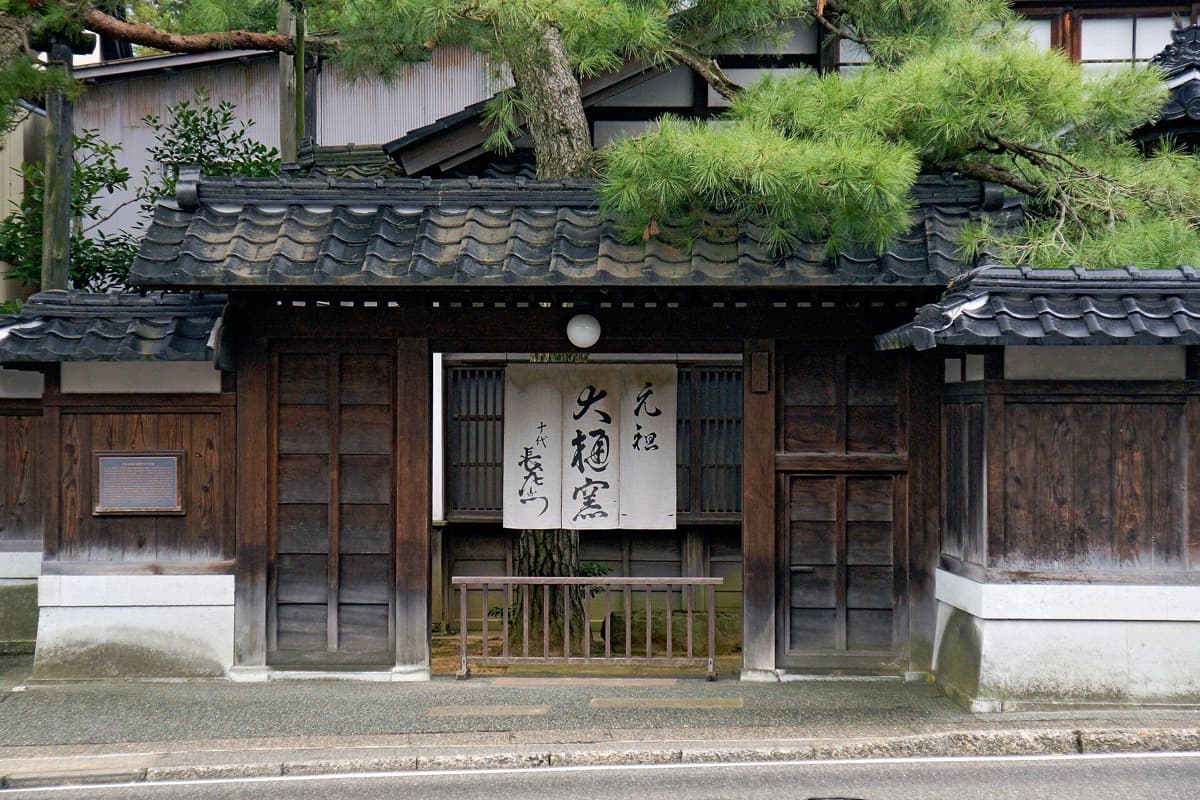
Ohi Pottery: The Unbroken Line
A tea-ceremony pottery founded in sixteen sixty-six and still made by the same family line, the closer that lands the thesis of the whole walk.
Best Time to Visit
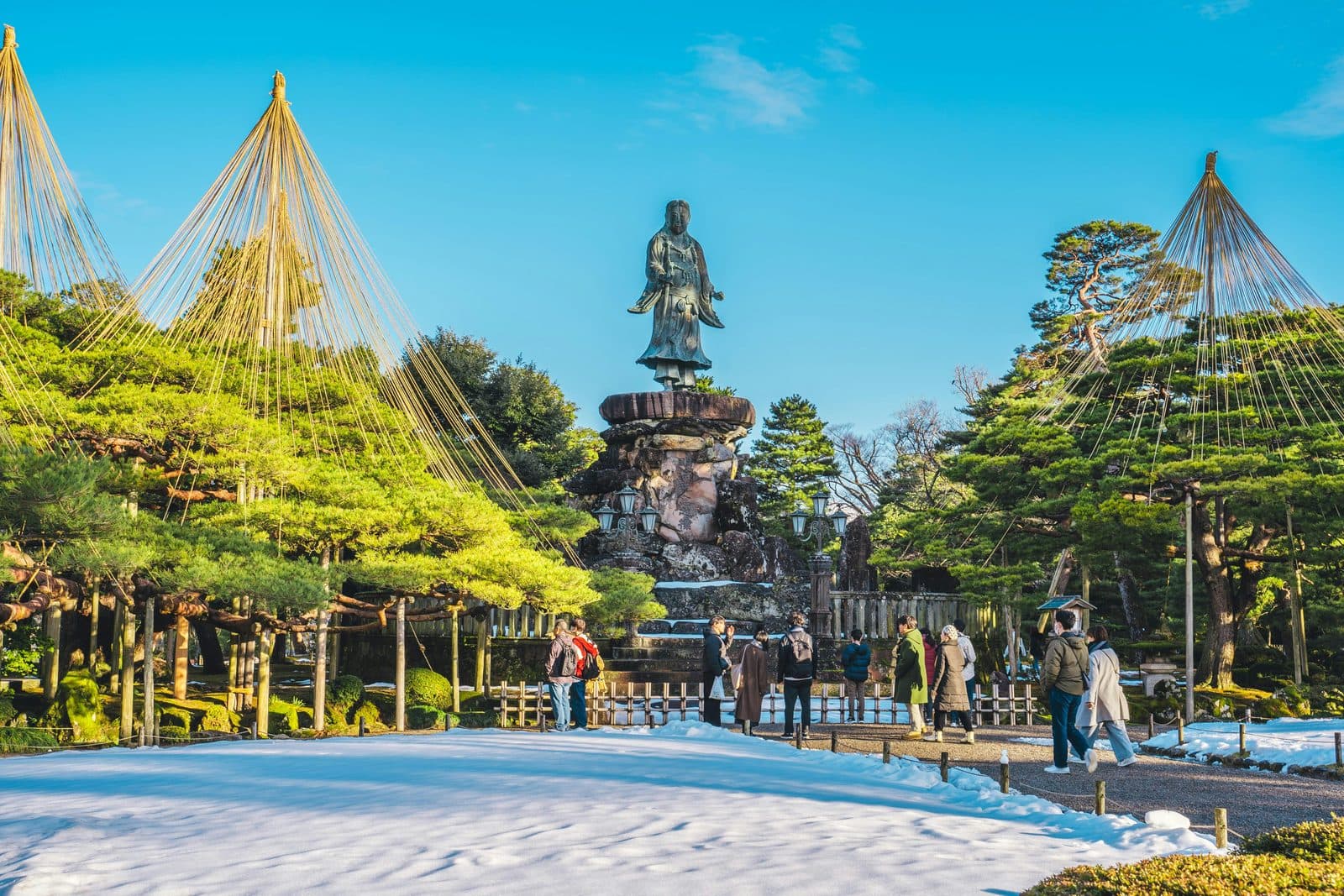
Spring and autumn are the most comfortable seasons for this walk, with mild air and, in autumn, color in the Nomura garden. Morning is best for Omicho Market, when the fish is freshest and the wholesale trade is in full swing, roughly nine to eleven. Winter rewards you with snow crab in the market and the striking sight of the Nagamachi walls wrapped in their straw mats, though you will want warm, waterproof layers.
Pro Tips
- •Go at your own pace and skip freely: the six stops are close together but each stands on its own, so there is no wrong order.
- •Wear comfortable, waterproof shoes. Kanazawa is one of the rainier cities in Japan, and Nagamachi's lanes and the market floor can be wet and slick.
- •The Nomura house garden is meant to be seen seated from indoors, so take a few minutes on the veranda rather than rushing through.
- •At the 21st Century Museum you can wander the outer circulation ring and outdoor works for free; only the inner exhibition galleries, including the underwater view of The Swimming Pool, need a ticket.
- •Hit Omicho Market before lunch and bring some cash: many stalls sell small portions to eat on the spot, and eating standing near the shop is the local way.
- •Carry a small bag for your shoes if you enter the Nomura house or a tea room, since you will remove them at the entrance.
Safety & Precautions
- Nagamachi is a residential neighborhood where people still live behind those walls. Keep your voice down, stay on the public lanes, and do not enter private gates or photograph into homes.
- Kanazawa's weather turns fast, especially in winter when snow and sleet are common. Check the forecast, carry an umbrella, and watch your footing on wet stone and market floors.
- Omicho Market is a working market, not an attraction staged for visitors. Do not block the narrow aisles for photos, ask before photographing a vendor's stall, and step aside for the carts moving stock.
- If you continue toward the geisha teahouse districts, remember any geisha you see are working professionals on their way to appointments. Do not chase, touch, or block them for photos.
Gallery
Related Reading
Go deeper on what you'll see, hear, and walk through.
Overview
Best Self-Guided Walking Tours in Kanazawa (2026)
3 min
Overview
Kanazawa Travel Guide: How Many Days, Getting There, When to Go (2026)
5 min
Overview
One Day in Kanazawa: A Walkable Castle-Town Itinerary (2026)
6 min
Thematic
Best Culture Walking Tours in Kanazawa (2026)
2 min

Thematic
What to Eat in Kanazawa: A Food Guide (2026)
4 min
Deep dive
21st Century Museum: The Glass Circle That Made Kanazawa a Modern-Art City
5 min
Deep dive
Ohi Pottery in Kanazawa: The Kiln That Has Never Stopped Since 1666
6 min