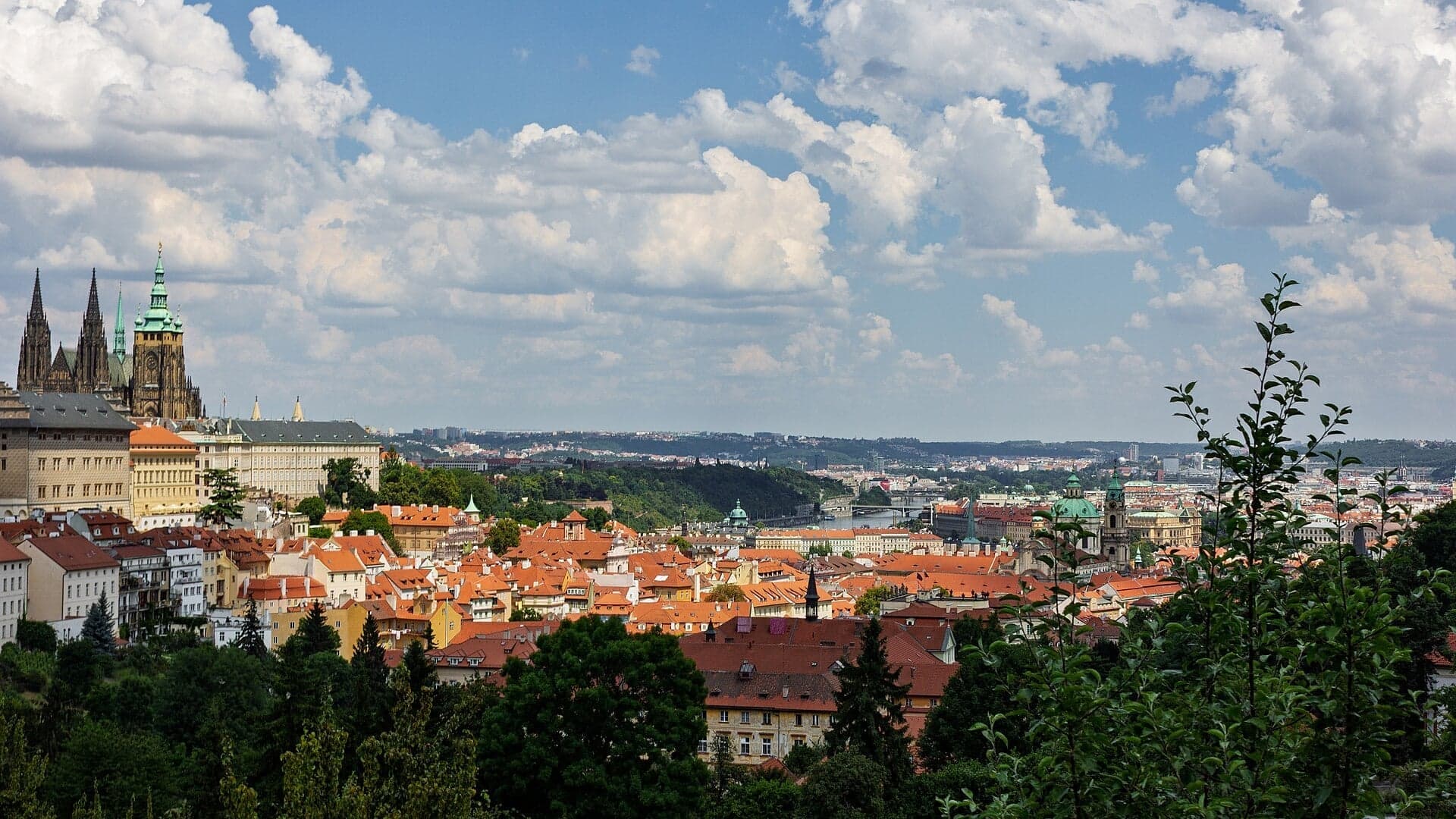
From Strahov Monastery over the top of Petřín, past the Hunger Wall, the tower and the Rose Garden, then down the stairs through the Seminary Garden's fruit trees to the Memorial to the Victims of Communism on Újezd.
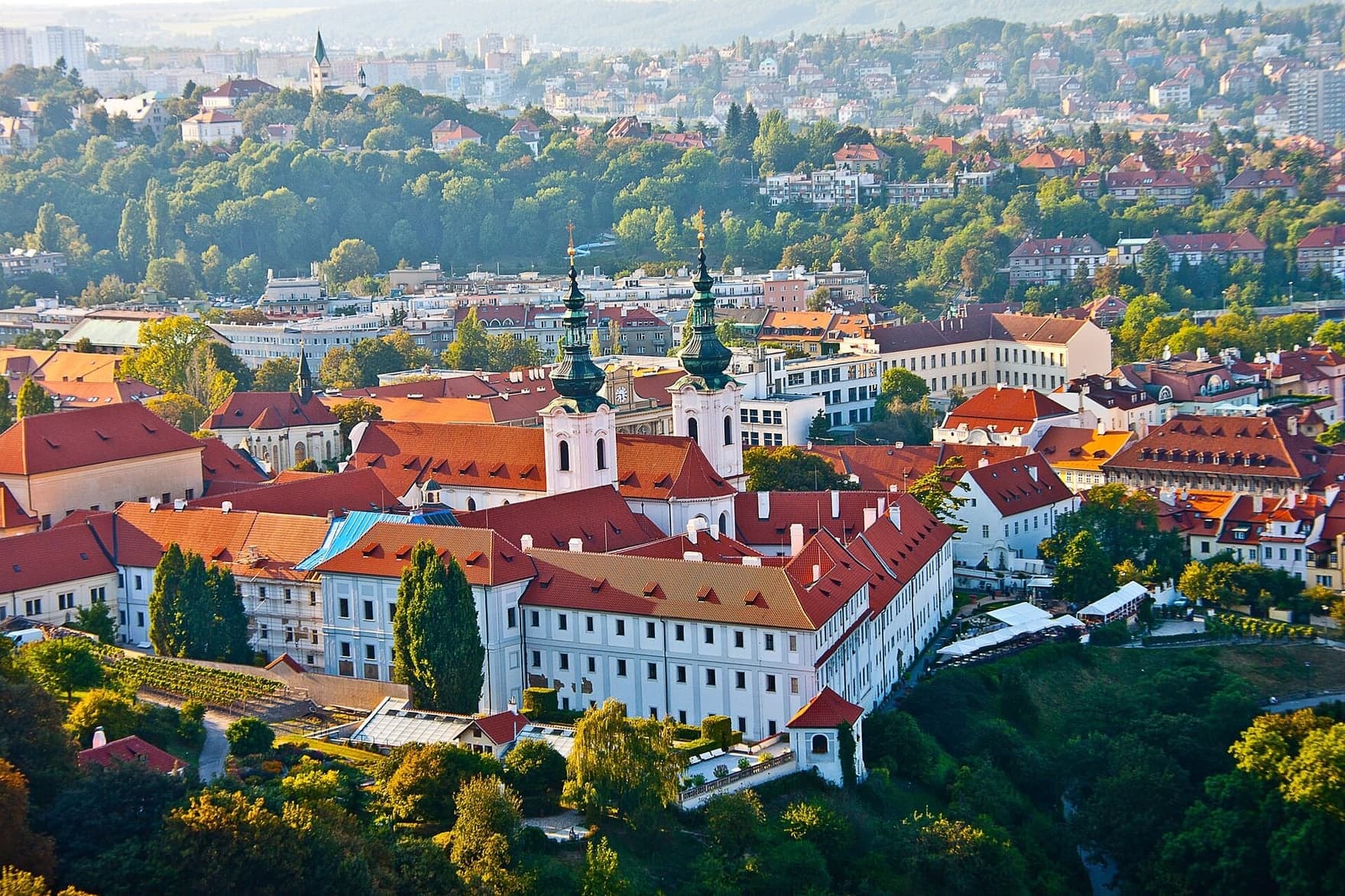
Start · Strahov Monastery Courtyard: A Hilltop That Fed Itself
DirectionsStops
- 1
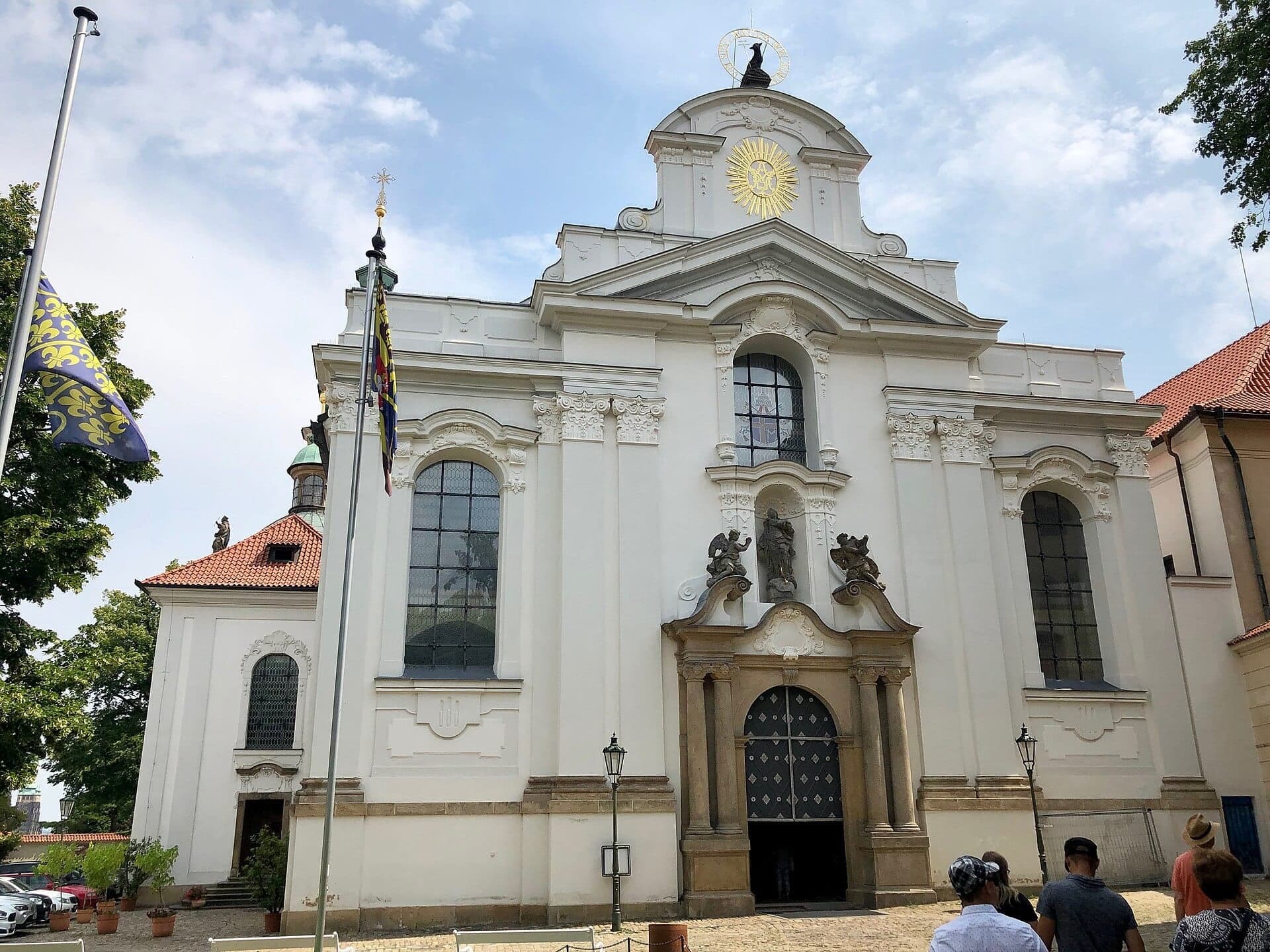
Strahov Monastery Courtyard: A Hilltop That Fed Itself
A monastery on the ridge that fed and watered itself, founded in the 1140s. The courtyard is free to walk through; the library and gallery are ticketed.
- 2
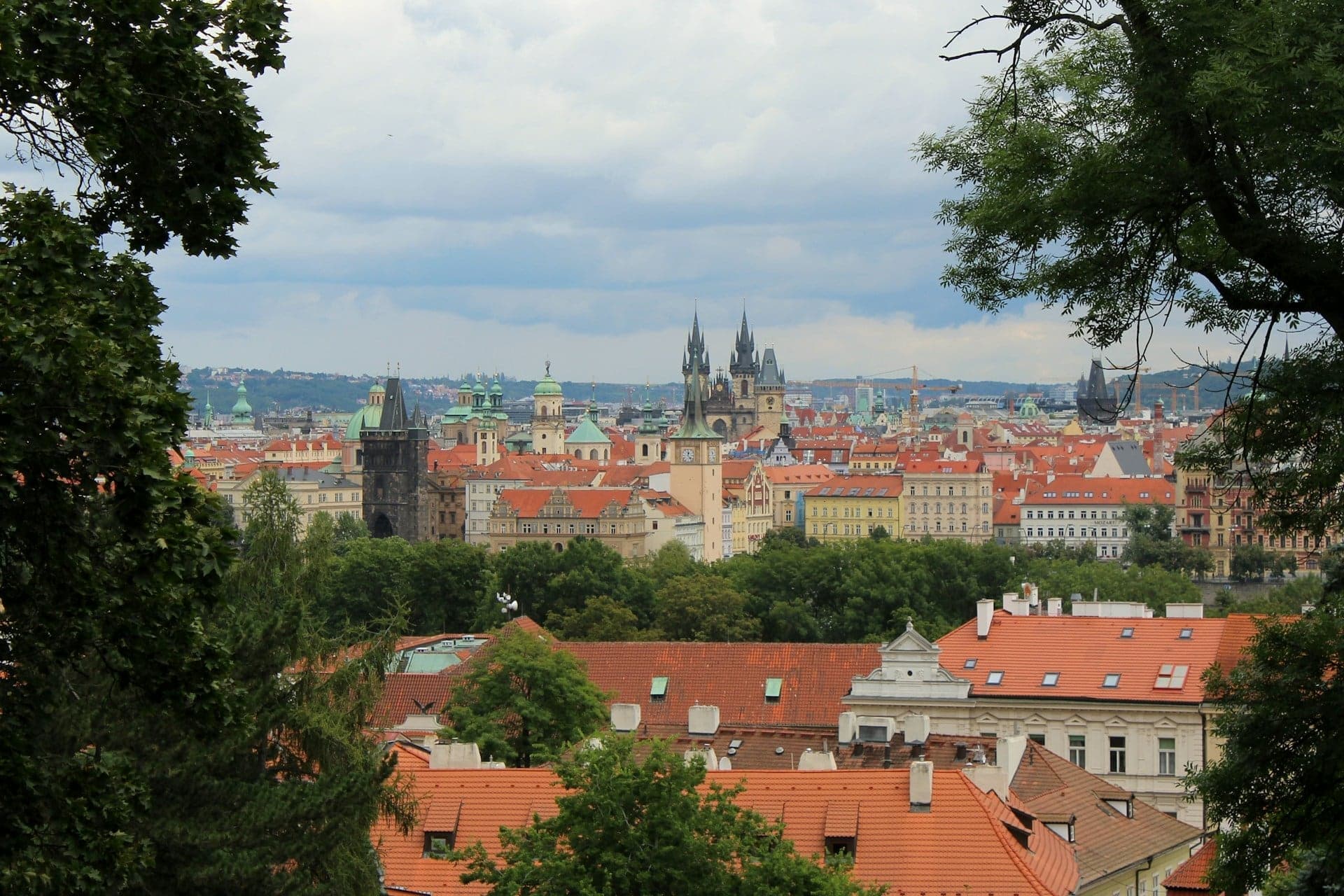
Strahov Garden: The Path That Splits the Hill
A promenade marking the border of monastery and city land. Above it the garden still belongs to Strahov; below it, to Prague.
- 3
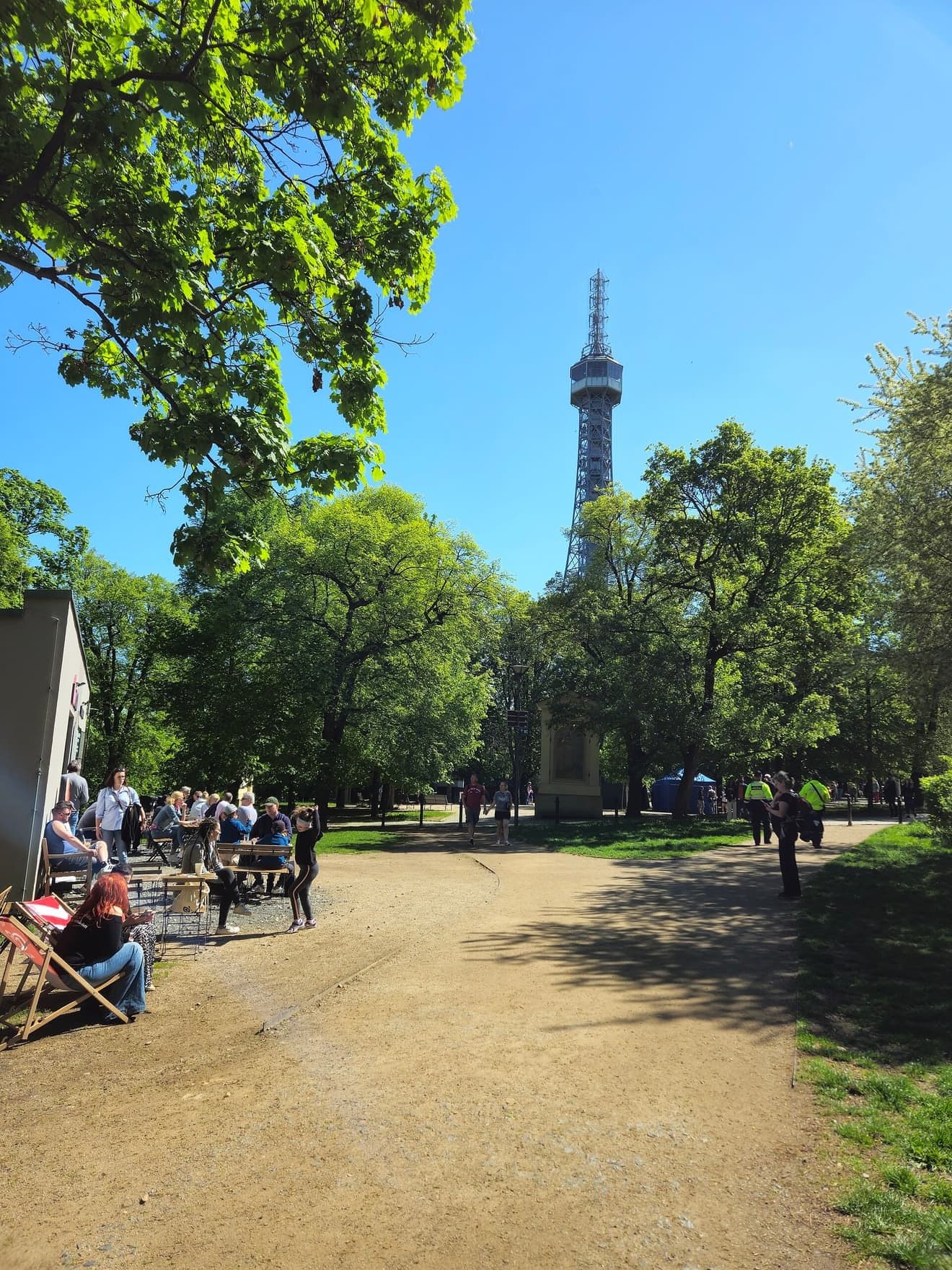
Petřín Tower: A Hiking Club's Steel Copy
A steel tower built by a hiking club back from Paris. It went up in one spring and summer, it takes its height from the hill, and going up is ticketed.
- 4
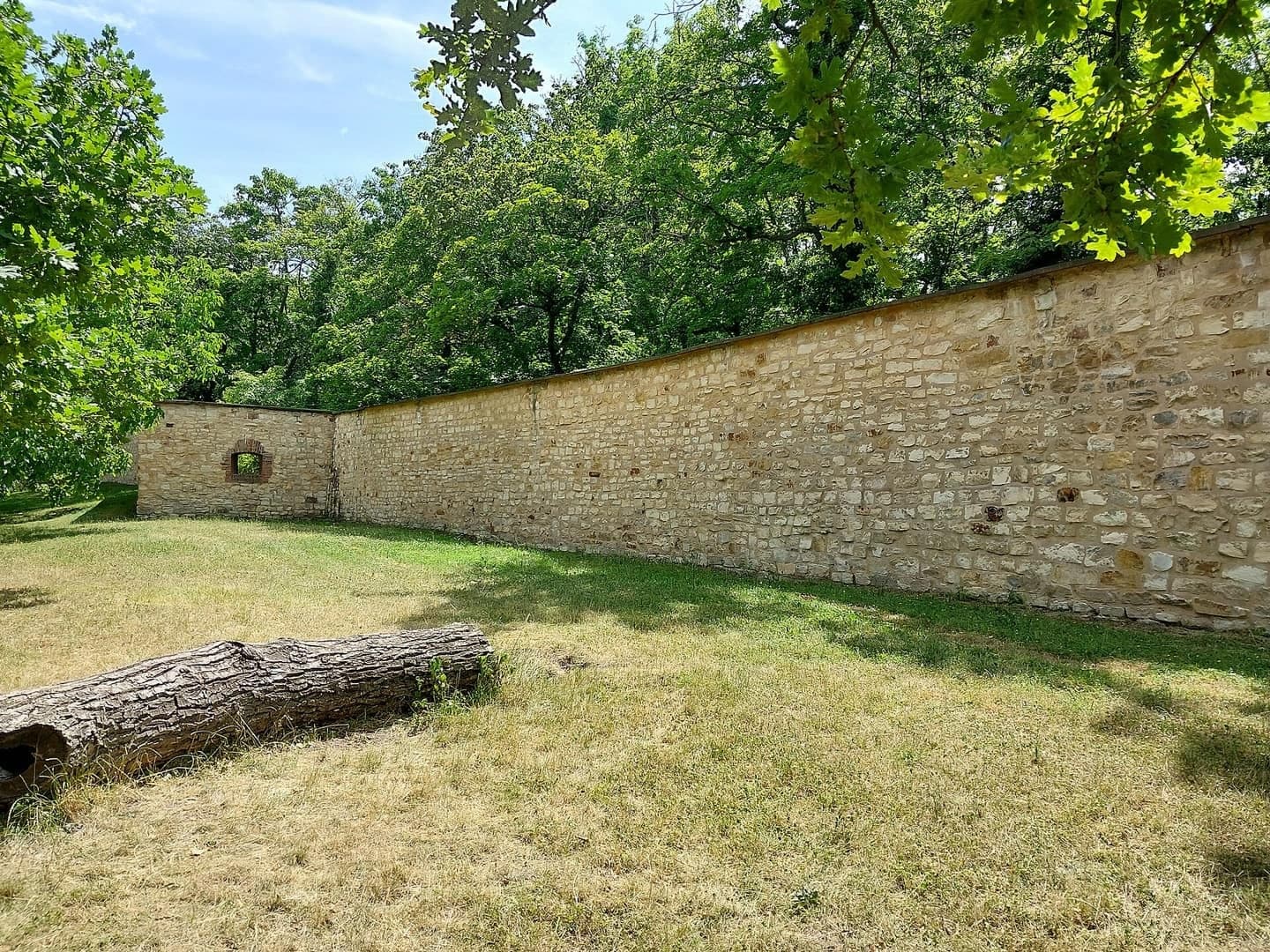
Hunger Wall: The Kind Story and the Plain One
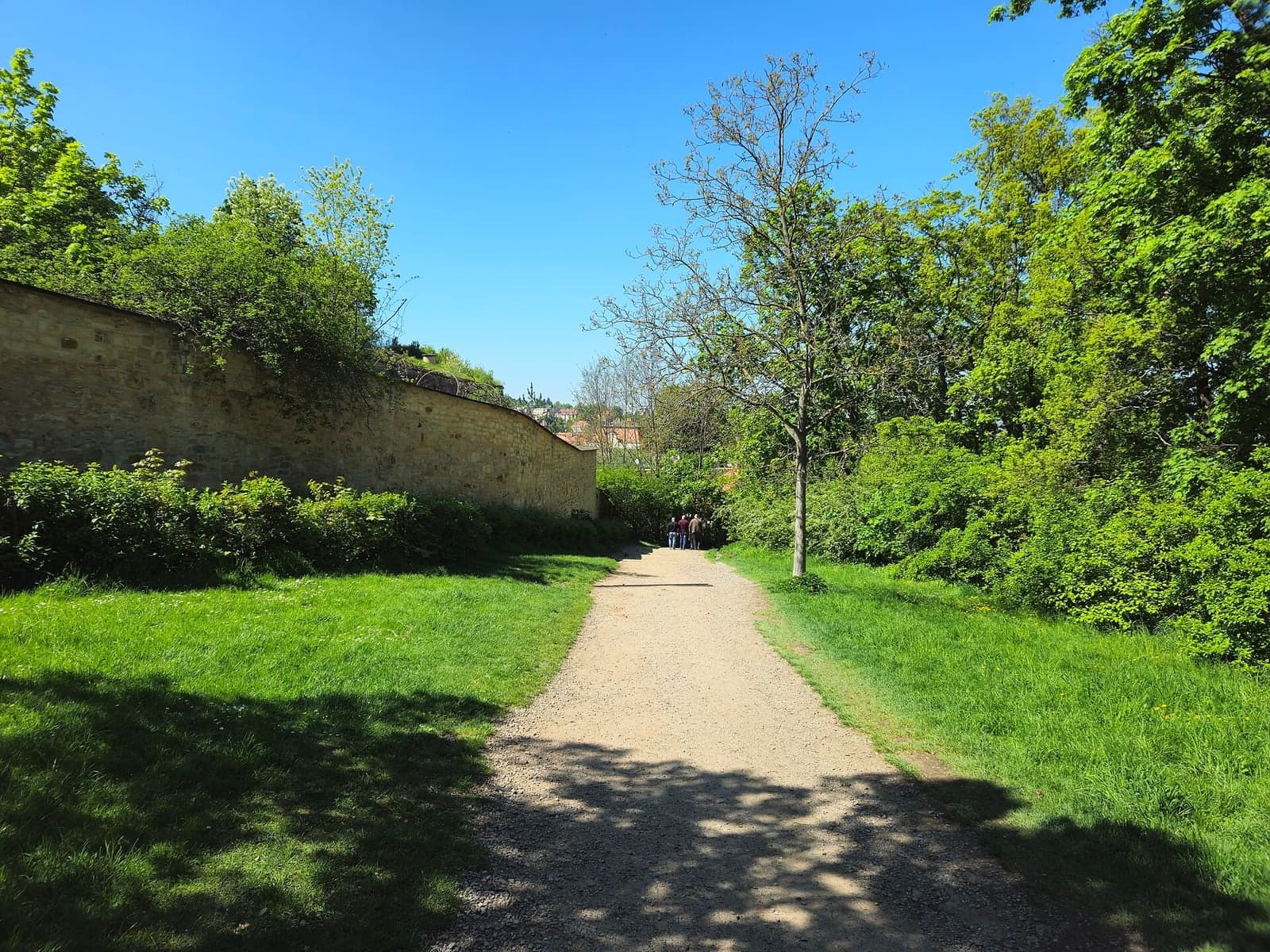
A Gothic fortress wall with a legend the city rejects. Prague's own City Hall calls the famine story fiction; the wall went up from 1360 to 1362 and has been repaired many times.
- 5
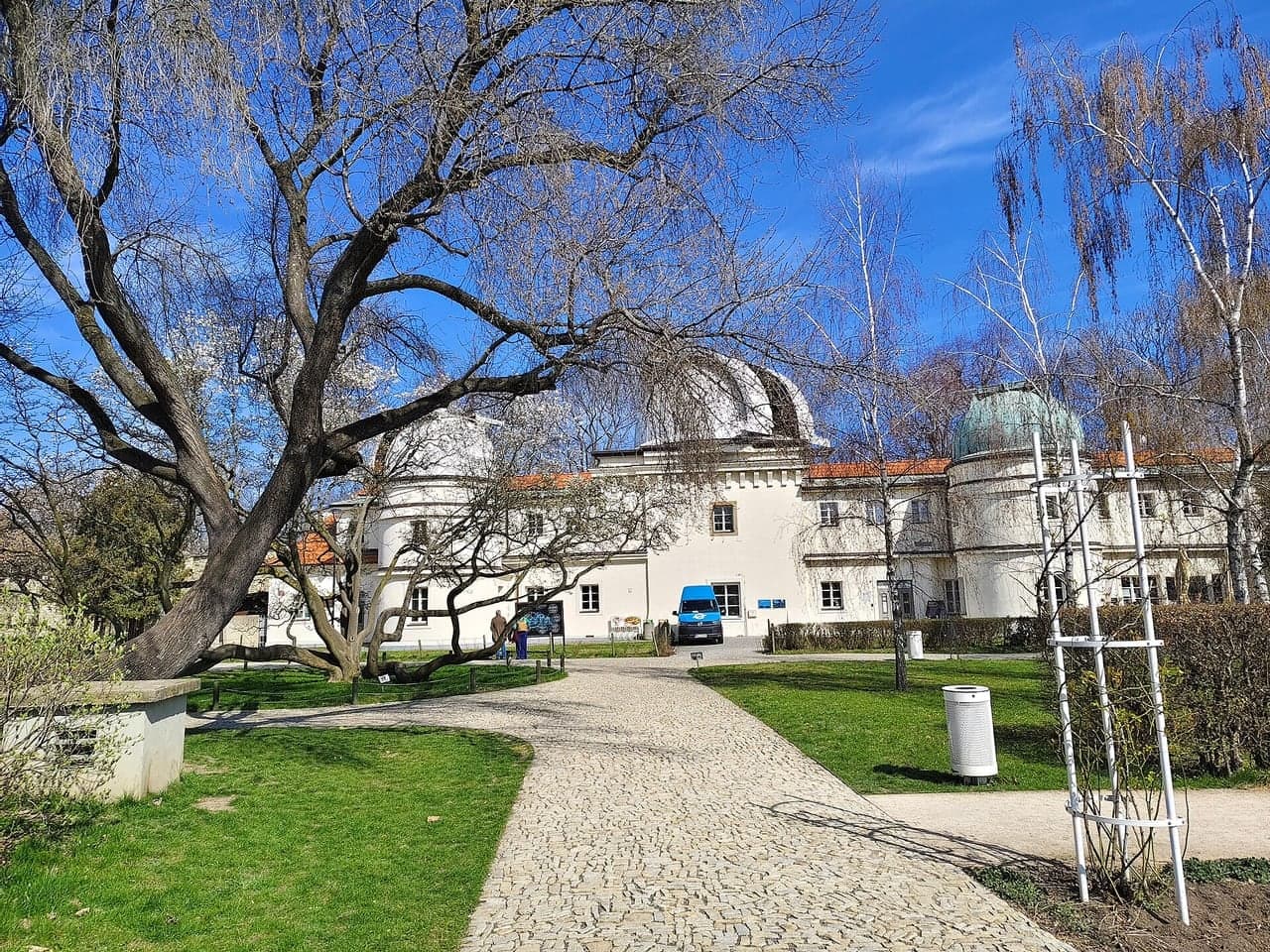
Rose Garden: Flowers on Army Ground
A 1930s rose garden on old army land. Nearby, the funicular runs on a slope that will not hold still.
- 6
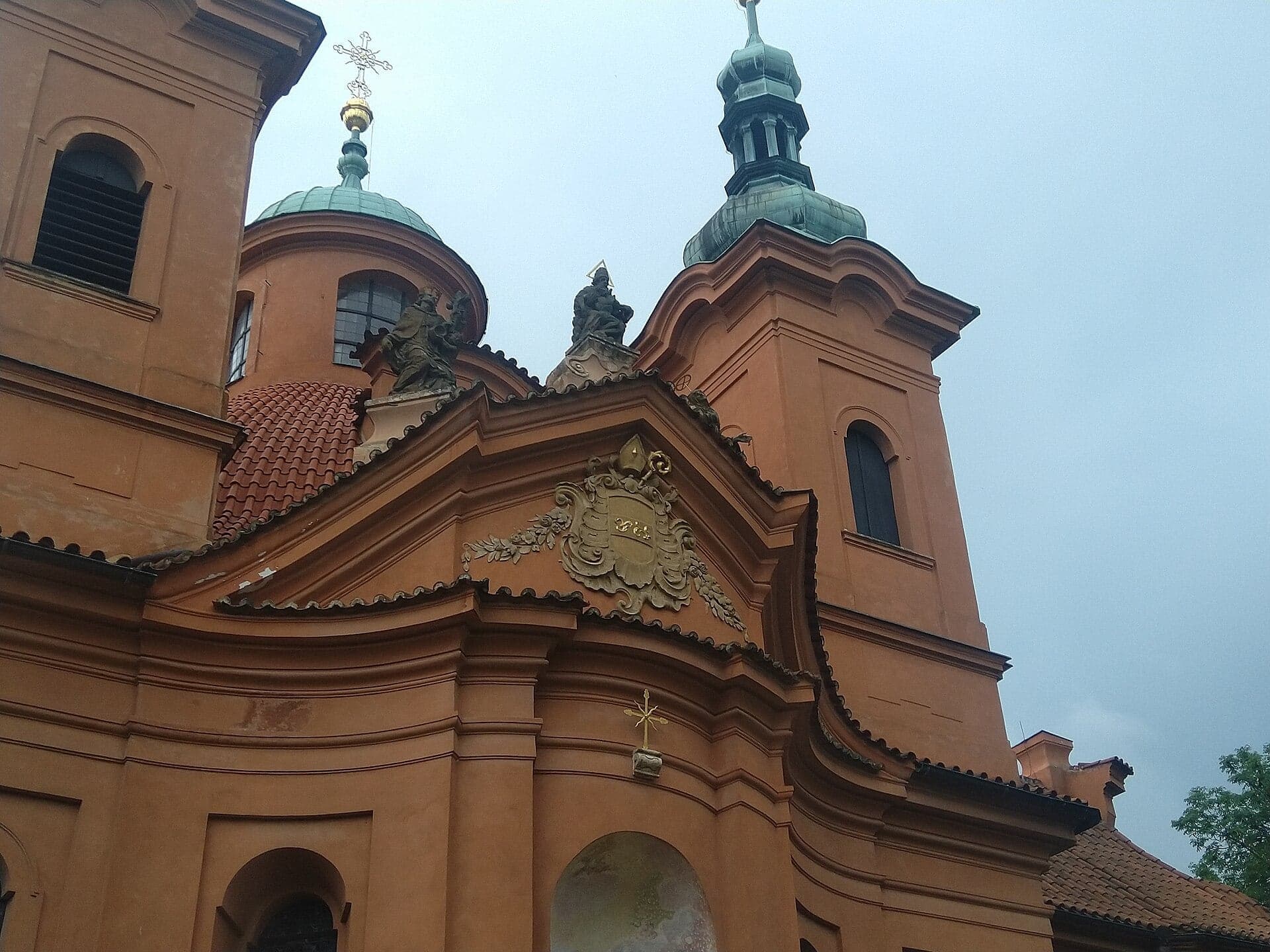
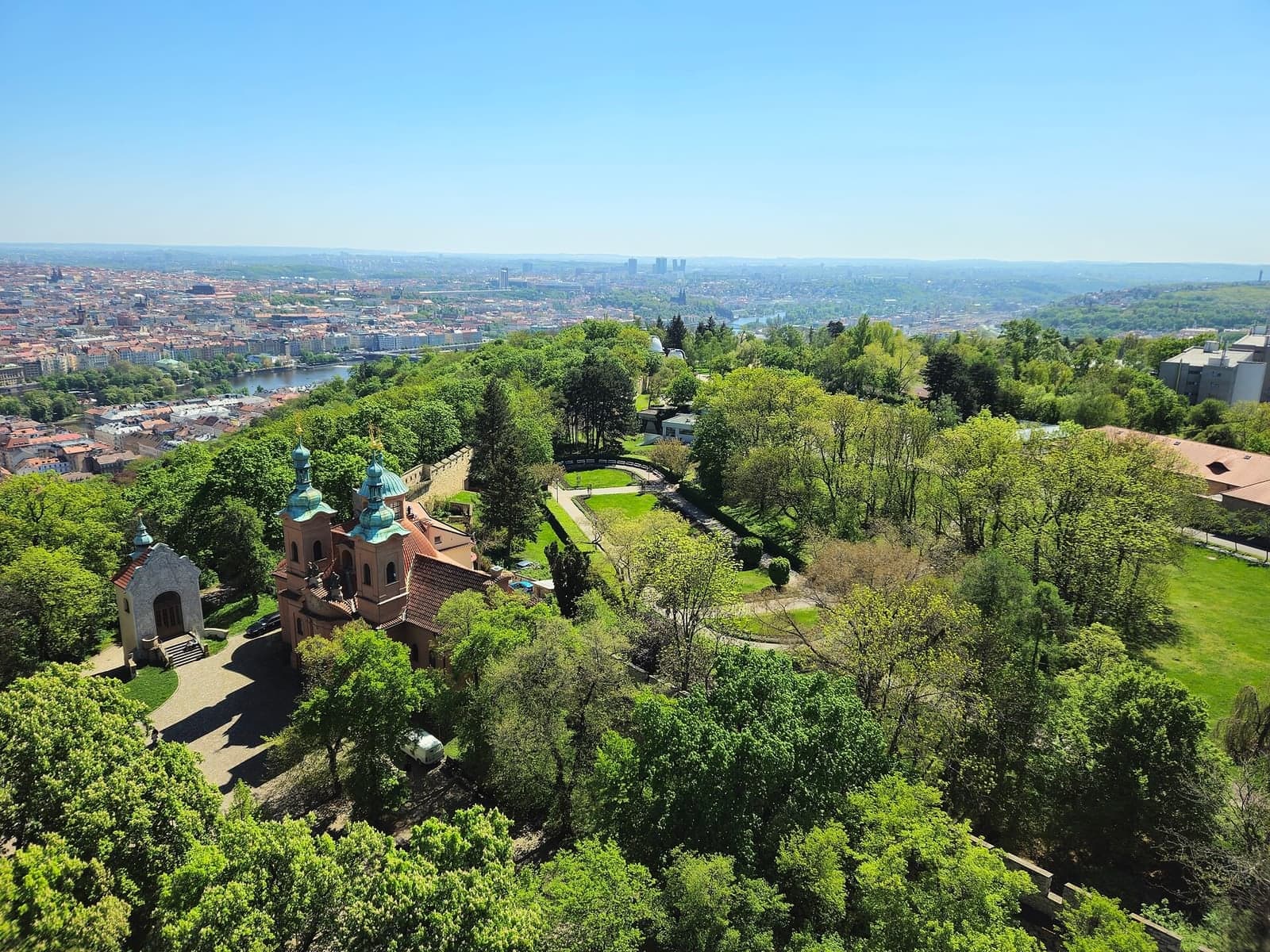
St Lawrence and the Mirror Maze: A Set That Stayed
A painted timber castle from the 1891 exhibition, facing baroque chapels. The tower finally stands whole here, and the maze is ticketed.
- 7
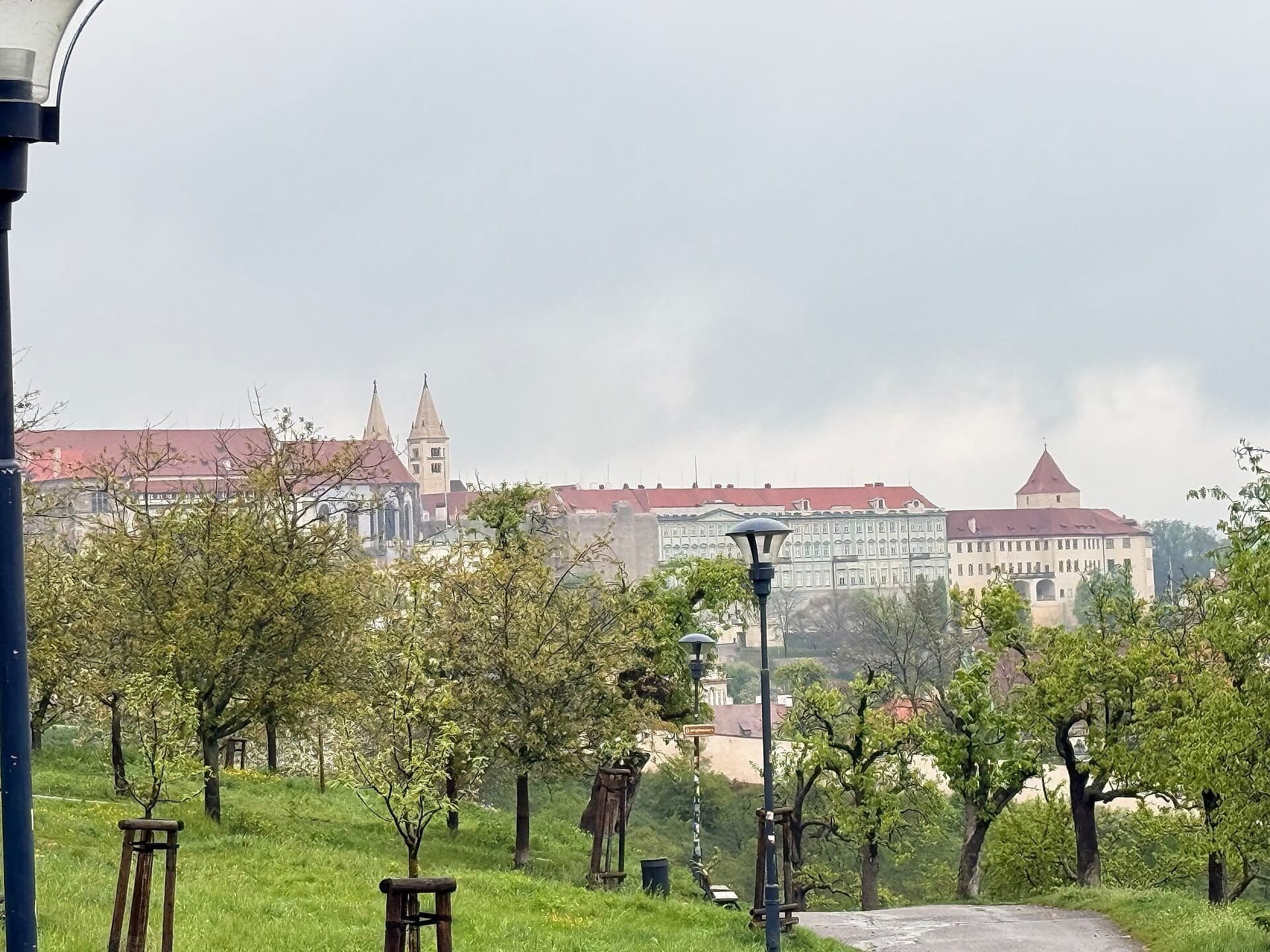
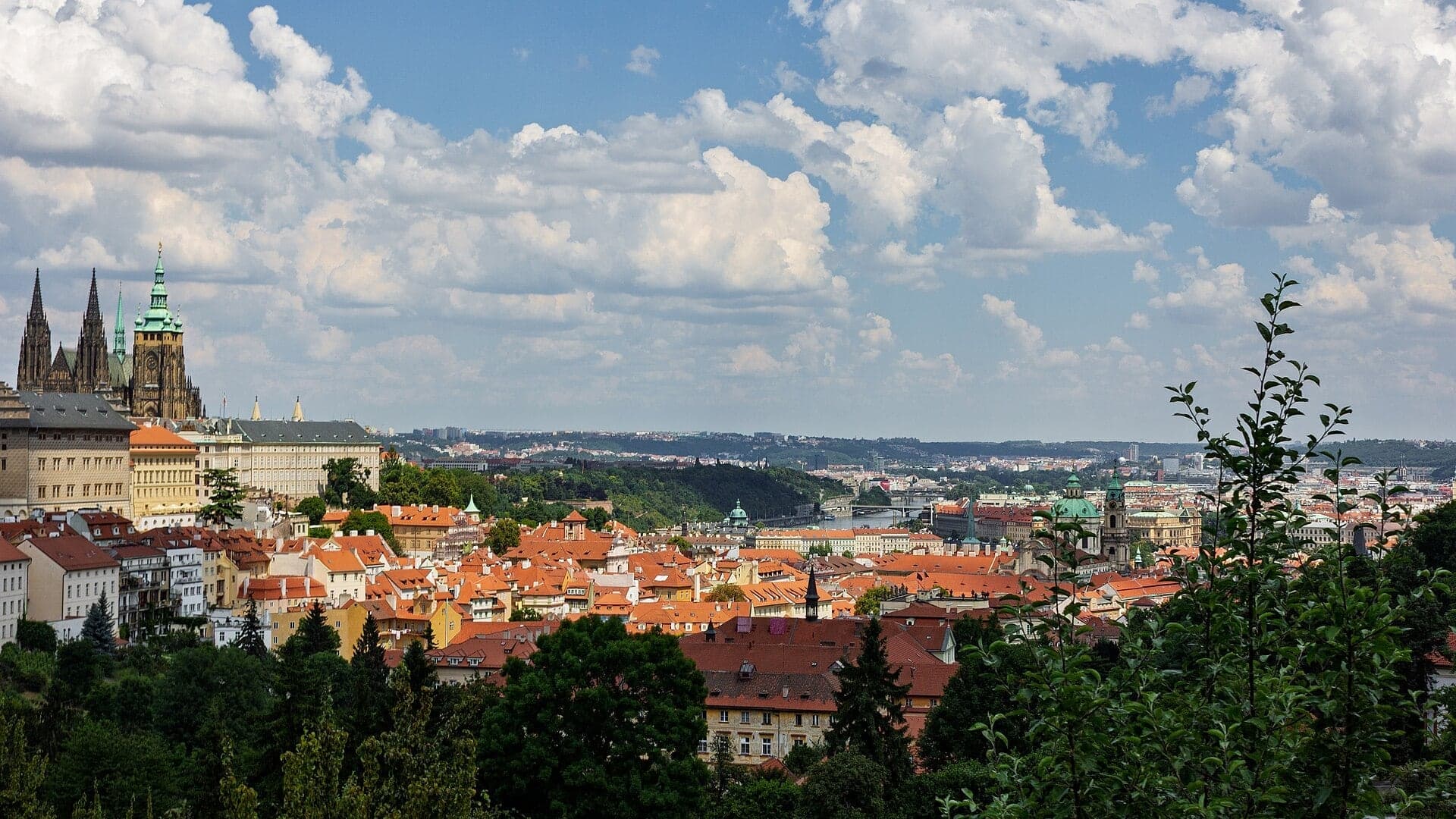
Seminary Garden: The Walls Come Down
A terrace looking to Prague Castle over the Lesser Town. The city bought this walled garden in 1927, knocked out its walls and opened it.
- 8
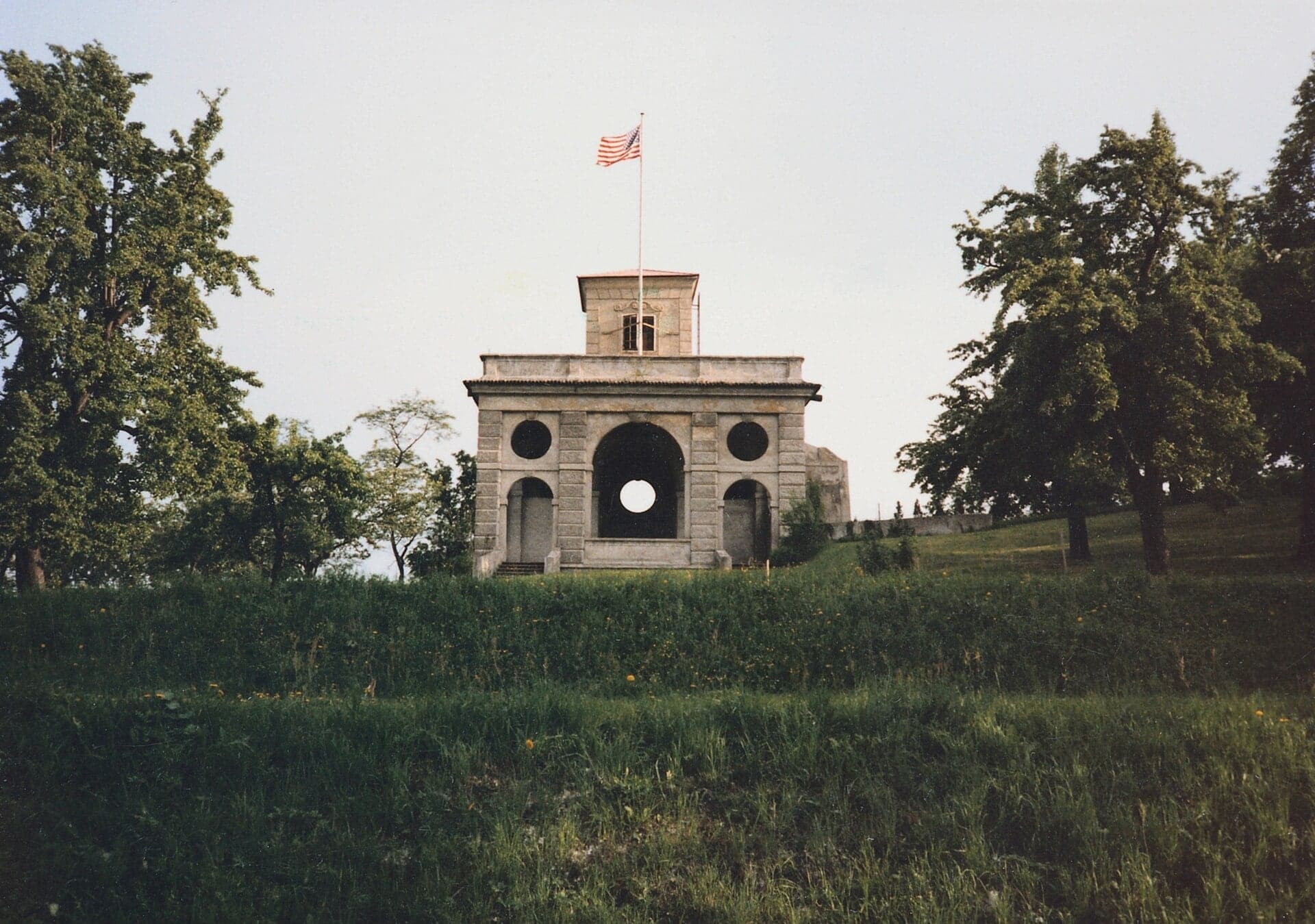
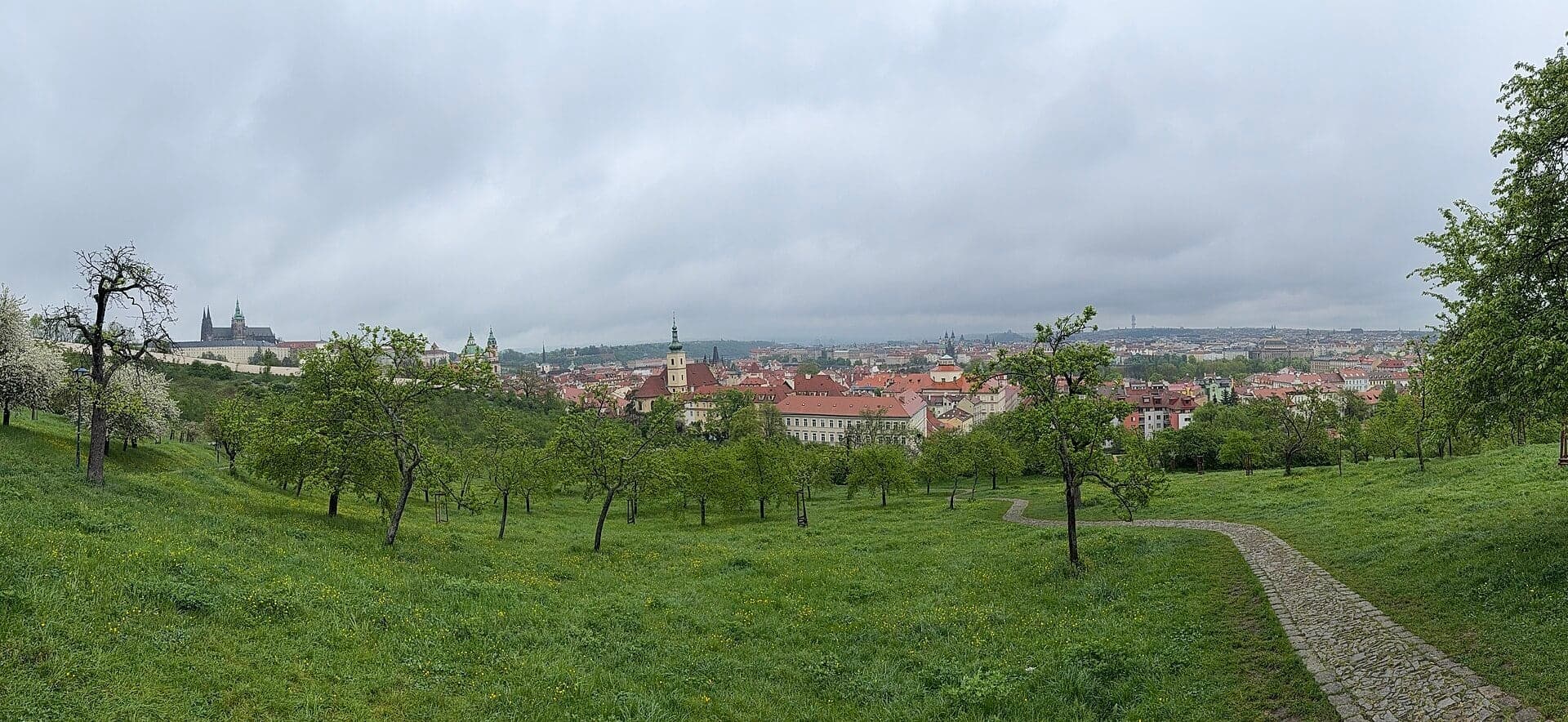
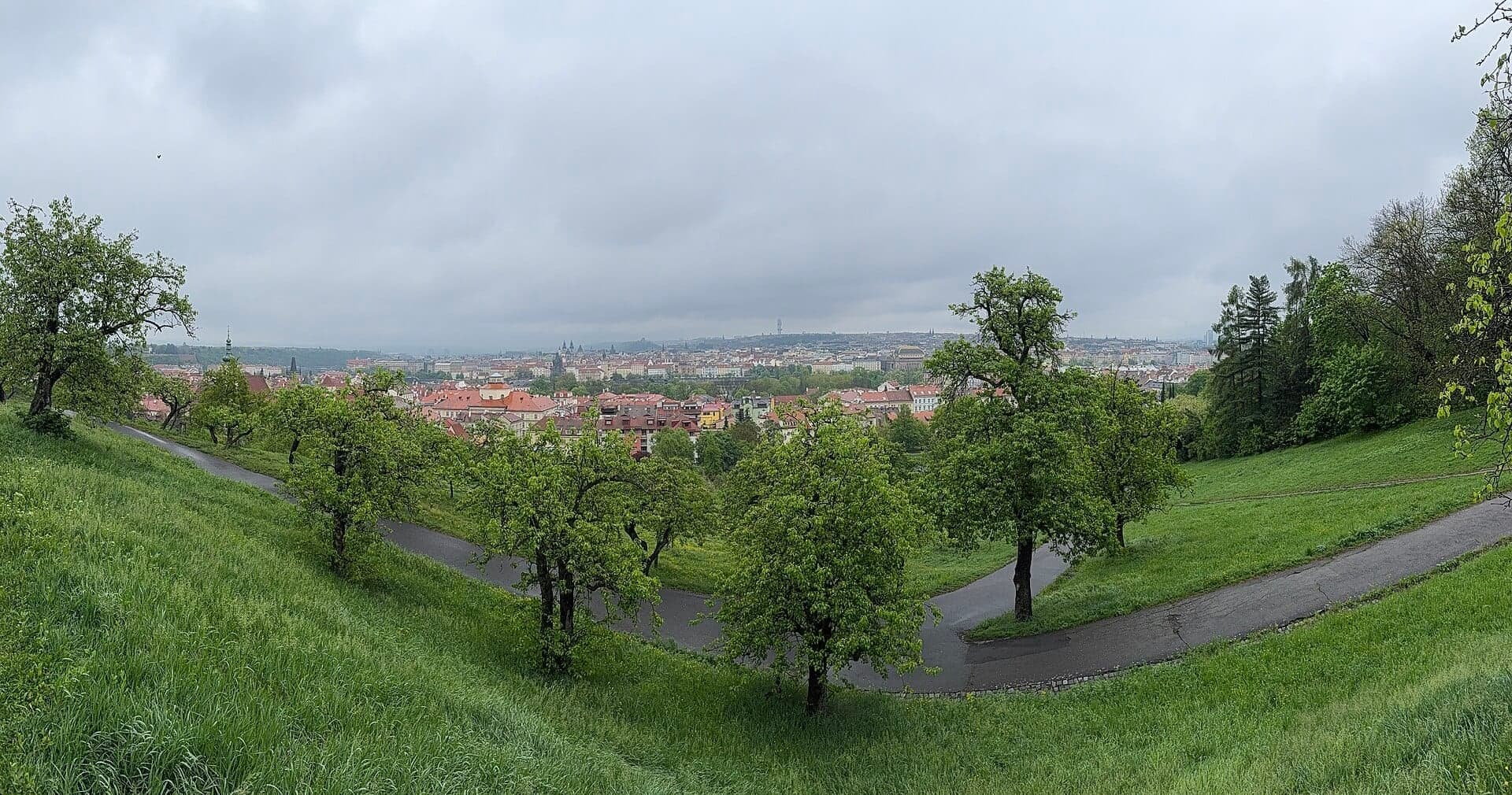
Seminary Garden: Above the Schönborn Palace
Rows of fruit trees above a private palace garden. Its owner in 1648 reportedly fled through it at night in his nightclothes.
- 9
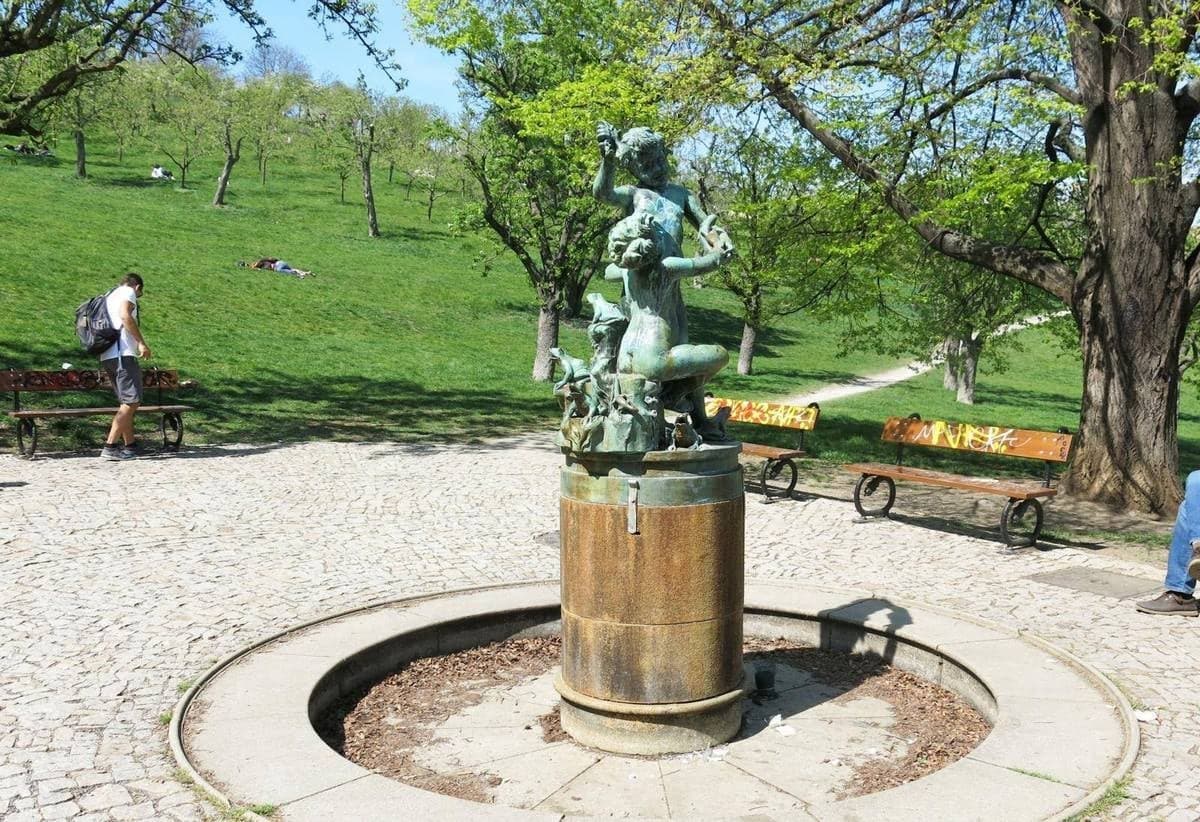
Neruda and the Boys' Fountain: A Pear Tree That Remembers
A bronze of the writer Jan Neruda, born at the foot of this hill, beside a fountain of bronze boys. A quiet place to sit before the last stop.
- 10
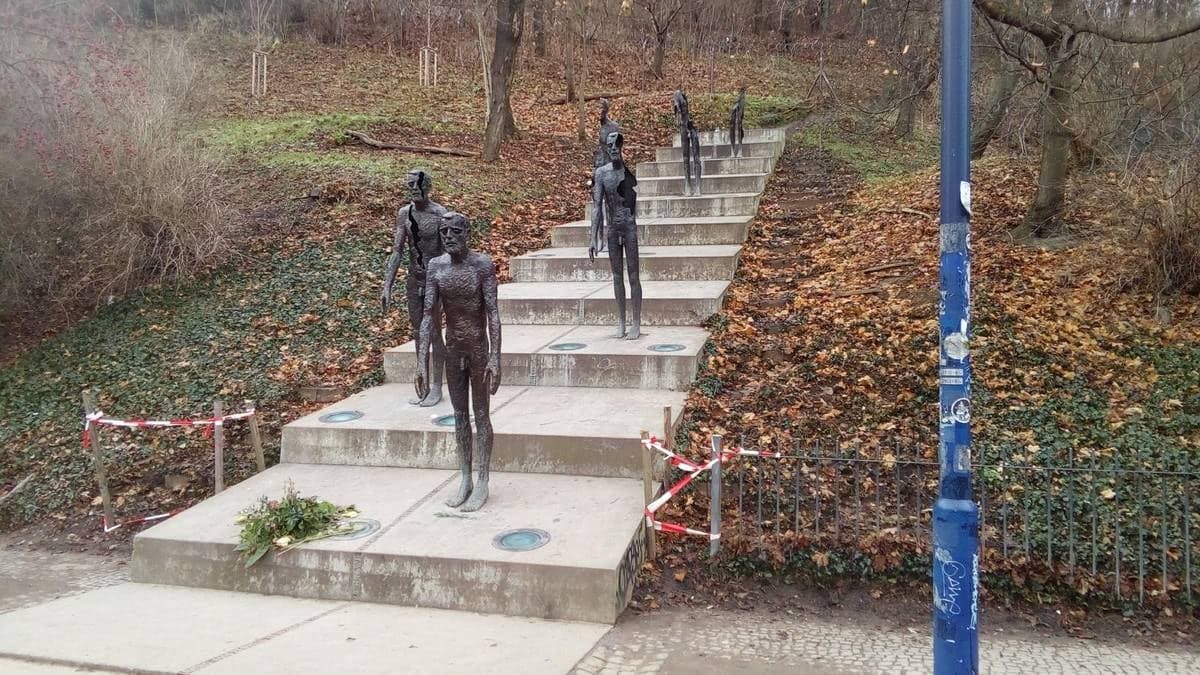
Memorial to the Victims of Communism
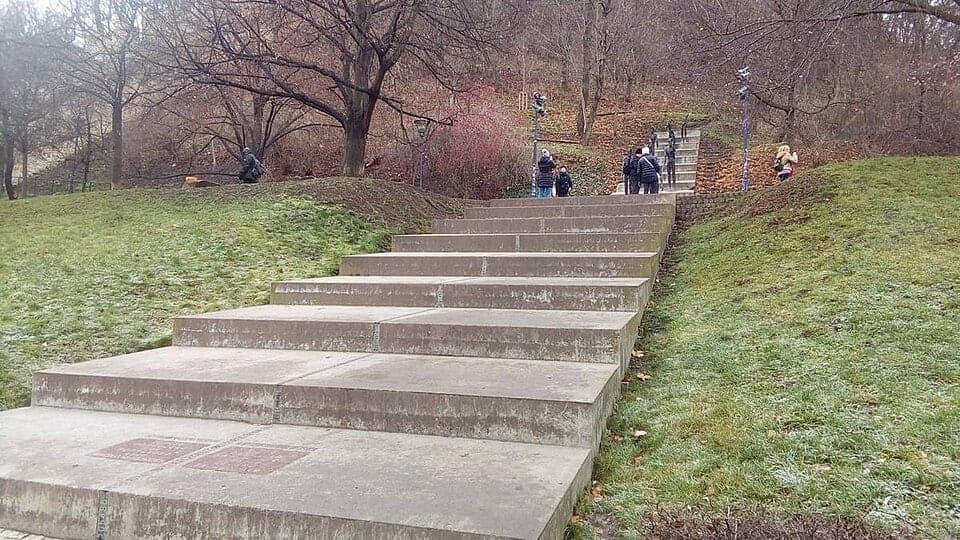
Six bronze figures on a narrowing stair, each one less complete than the last, by the sculptor Olbram Zoubek. Free and open at any hour, at the foot of Petřín.
Details
Best Time to Visit
Any day: the gardens are open ground with no published hours, and the walk never needs the tower, the maze or the funicular. In winter start by about 2pm: sunset is about 4:37pm on 3 November and about 4:02pm on 21 December, against about 9:15pm on 21 June, and most of the stairs below stop 6 are unlit. Fruit trees blossom around April, the roses peak in mid-June, and the orchard harvest is in September. In November the branches are bare, which opens the views. Avoid the stairs after heavy rain or in ice. Checked 3 November 2026.
Pro Tips
- •Getting to the start: tram 22 or 23 to Pohořelec, then walk toward Strahov Monastery, as the transport operator PID itself advises. It takes a few minutes: the mapped way is about 210 meters and goes through a lit passage with 38 steps, whose hours we could not confirm, so go round by the courtyard gate if it is shut. Tram tracks run through Pohořelec: cross only at the signals. Checked 3 November 2026.
- •Getting away from the end: the Újezd tram stop is next to stop 10, lines 9, 12, 15, 20, 22 and 23 (PID). Cross the tracks only at the push-button signals on the sidewalk about 20 meters north of the memorial's steps, or at the marked crossing by the platform. Checked 3 November 2026.
- •Petřín funicular: running again since 22 September 2026 after two years out, daily 07:00 to 22:15, every 10 minutes, 100 CZK (90 CZK in the PID Lítačka app). OUT OF SERVICE 10 to 13 November 2026 for filming, back on Saturday 14 November. It does not stop at Nebozízek on the way down. It is a way down if the light goes or the stairs look bad: its top station is by the Rose Garden, near stops 5 and 6. Checked 3 November 2026 at pid.cz.
- •Petřín Tower: 250 CZK, November to March daily 10:00 to 18:00. CLOSED 7 to 14 November 2026. Half price in the first hour after opening; 299 steps to the cabin at 51 meters, lift supplement 150 CZK. Checked 3 November 2026 at prague.eu.
- •Mirror Maze: 150 CZK, November to March 10:00 to 18:00. CLOSED 12 November 2026. Apart from that day, it stays open while the tower is closed. Checked 3 November 2026 at prague.eu.
- •Strahov Library: 220 CZK, daily 9:00 to 17:00, tickets until 16:15, last entry 16:30. Do it before you set off, since the walk leaves the monastery for good. The monastery gives courtyard toilets as open 9:00 to 19:00. Checked 3 November 2026.
- •Bring proper shoes. The stone flights are the walk's main difficulty, and a free hand helps on the descent.
Safety & Precautions
- •About 400 steps in all, and there is no step-free version of this walk: about 190 go up between stops 2 and 4, about 25 more up at the two passages through the wall, and the rest down. Going round the stairs would add well over a kilometer on one leg alone. Not suitable for wheelchairs or strollers.
- •The stone stairs are slippery when wet or icy. The longest descent, about 128 steps between stops 6 and 7, is unlit, as are most flights below it. In winter, start by about 2pm.
- •The courtyard lane at Strahov is used by cars, so keep to the side. You also cross three small service roads in the gardens; maintenance vehicles use them.
- •Two gates at the courtyard's east exit, about 100 meters from the start, are on the route, and we could not find their hours. Start in daylight.
- •The walk has no road or tram-track crossing on the route itself. At the end, stand on the sidewalk well back from the curb at Újezd: the trams run about 6 meters from the memorial's foot, with a car lane between.
- •The Schönborn Palace garden is a working embassy's ground and is seen only from the public path. Stay on the path.
- •Please do not climb on the memorial's figures. They have been damaged before.
- •Picking fruit is not part of this walk. The hill's orchardist runs guided harvest walks instead.
Travel advisory: Exercise Normal Precautions (Level 1).
Gallery
Related Reading
Go deeper on what you'll see, hear, and walk through.
Read the walk
The full story of Petřín Hill: Orchards, Walls and the Way Down, in words. Prefer to listen? Play it narrated, from home or on location.
Introduction
Prague, the capital of the Czech Republic, keeps a green hill in its middle: Petřín, on the left bank of the Vltava, between the Lesser Town and Strahov. This walk crosses it from top to bottom.
This was once a hill of walls. Monks walled their gardens at the top. A king ran a fortress wall across the summit. A count held a walled vineyard on the slope. Over the last hundred years most of those walls came down, and the gardens opened into one park. One garden on this walk is still shut.
Three people shape what you will see: Vratislav Pasovský, architect of the steel tower; Rudolf Colloredo, the commandant of Prague who owned that garden; and Olbram Zoubek, sculptor of the memorial where this walk ends.
The walk is ten stops over about two and a half kilometers, a mile and a half, and takes about ninety minutes. There are about four hundred steps, with no sensible way round them. About one hundred ninety climb early, between the second stop and the fourth. From the sixth stop on, nearly all of it goes down, and stone stairs are slippery in the wet. The library, the tower and the Mirror Maze are ticketed, and every stop works without them.
It begins in the courtyard of Strahov Monastery, a few minutes from the Pohořelec tram stop, and ends at the foot of the hill on Újezd, beside the trams.
1. Strahov Monastery Courtyard: A Hilltop That Fed Itself
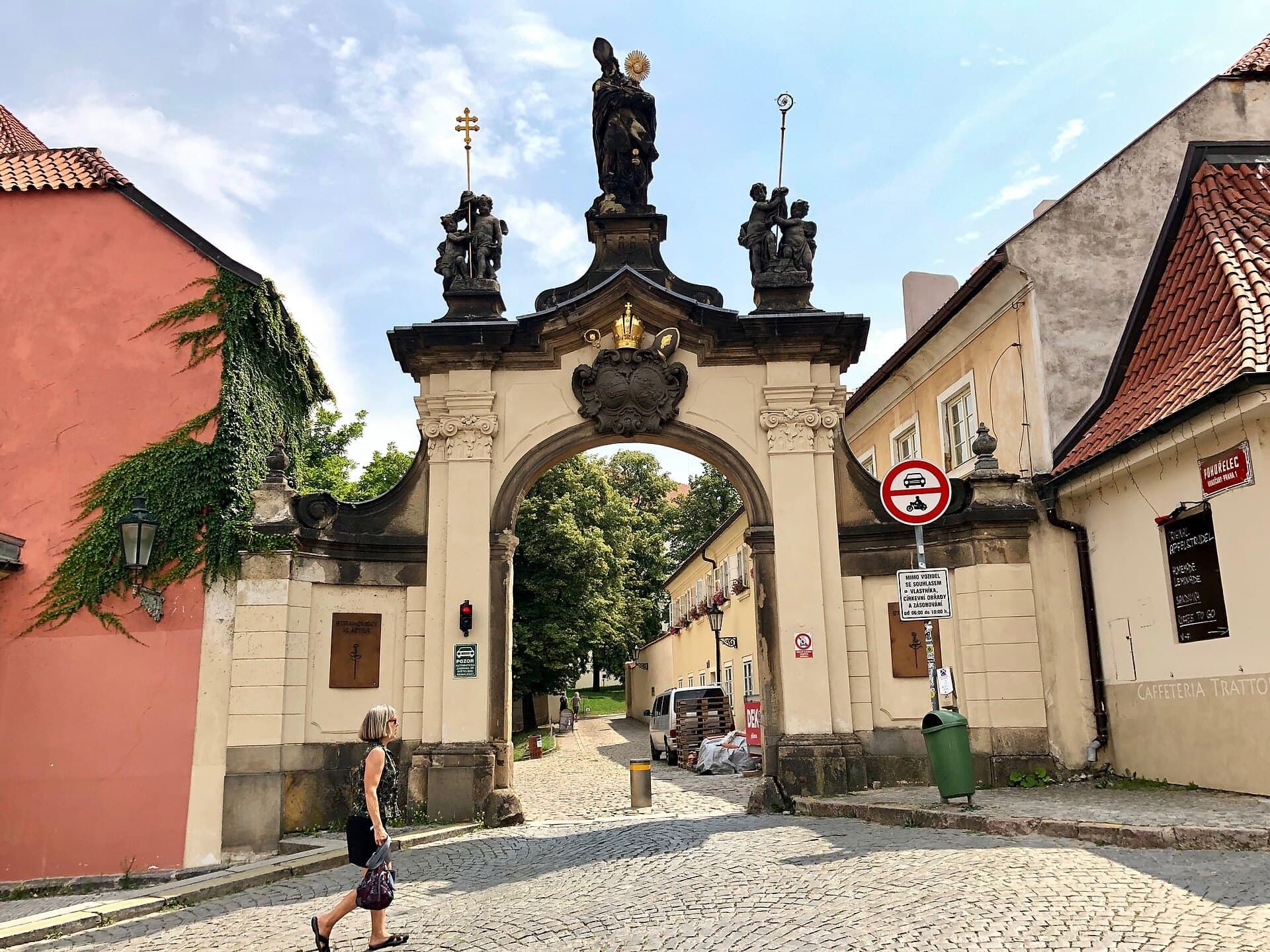
Welcome to the courtyard of Strahov Monastery, where this walk begins. The courtyard is free to walk through. The monastery's library and its gallery are ticketed, and the details are on this stop's card, but nothing on this walk needs them.
Find the front of the monastery's basilica just ahead along the lane. With that in front of you, the smaller building back by the entrance gate is the church of Saint Roch, the protector against plague, built between sixteen oh three and sixteen twelve. It is no longer a church. Today it holds a gallery and the monastery's ticket office.
The name Strahov comes from the Czech word for keeping watch. The monastery was founded in the eleven forties near the road to the prince's castle, at a place where a guard was kept.
What matters for this walk is how it lived. This was a community up on a ridge, and it had to feed and water itself. The land it was given in those first years was good for vines and gardens. At the end of the fifteen hundreds, an abbot brought the hill's spring water to the garden and the monastery through tunnels under the ground. He also planted an orchard and started keeping bees. Later a drying house for fruit went up below the monastery.
Remember two things from here. The first is the water, because this hill is full of it, and it comes back. The second is a date: in sixteen forty-eight the Swedes looted this monastery. That year comes back twice.
Follow the route out of the courtyard along its lane. Cars use the lane, so keep to the side. Where it meets a wide promenade at a sharp angle, turn back along the promenade. Next is a path that splits this hill in two.
2. Strahov Garden: The Path That Splits the Hill
Walk on along this wide promenade to the viewpoint beside the path, and stop there. This is the Promenade of Raoul Wallenberg, named in twenty fourteen for the Swedish diplomat.
It is also a border. The ground above this path still belongs to the monastery. The ground below it belongs to the city of Prague. You are walking the line between them.
This is the Great Strahov Garden, Velká strahovská zahrada, about eleven hectares that drop about a hundred meters down the slope. It was founded in the early Middle Ages as a working garden, and it survives as orchard and woods. The monastery says the woods are mostly maple now, and it would like the old oak and hornbeam back.
Look out from the viewpoint. As far as the leaves allow, the ground falls away toward the roofs of the Lesser Town, with the ridge of Prague Castle beyond them. In the middle of a capital, that is a lot of slope with no street on it.
People here have fought to keep it this way. In twenty nineteen, two local groups and several petitions took on the city's plans for this hill. They called the hill one of the few places in the center not yet swamped by tourism. That December the city dropped a planned toilet block. So walk this part gently. The quiet took some effort.
Follow the route along the promenade to the stairs. This is the walk's real climb, well over a hundred steps up, so take them slowly. Next is a tower built by a hiking club.
3. Petřín Tower: A Hiking Club's Steel Copy
Walk on along this paved path, and stop to get your breath. The climb brought you up beside the Petřín Tower, just beyond these trees. In winter you may catch it through the branches, and in summer the leaves may hide it. You will see it whole three stops from now. Going up it is ticketed, with details on this stop's card, but the walk does not need it.
In eighteen eighty-nine, members of the Czech Tourist Club, a hiking club, went to the World's Fair in Paris and came home taken with the Eiffel Tower. They wanted one. The money left over from their trip became the first deposit. One of the club's leaders, the architect Vratislav Pasovský, drew the design.
Work began on March sixteenth, eighteen ninety-one. It used one hundred seventy-five tons of iron and opened that August twentieth, built in one spring and summer for Prague's Jubilee Exhibition.
The tower's own operator calls it a free copy, and the differences are the good part. Paris stands on four legs. This one has eight sides, with eight arms anchored in big stone blocks. It is about a fifth of the size, about sixty meters tall. It did not need more, because the hill does the rest. Its base stands at three hundred twenty-four meters, which puts its top about three hundred eighty meters above sea level.
The ground you just climbed has its own story. Until the nineteen seventies a wall shut the Strahov garden off from this park. A last modern wall came out only at the end of twenty sixteen.
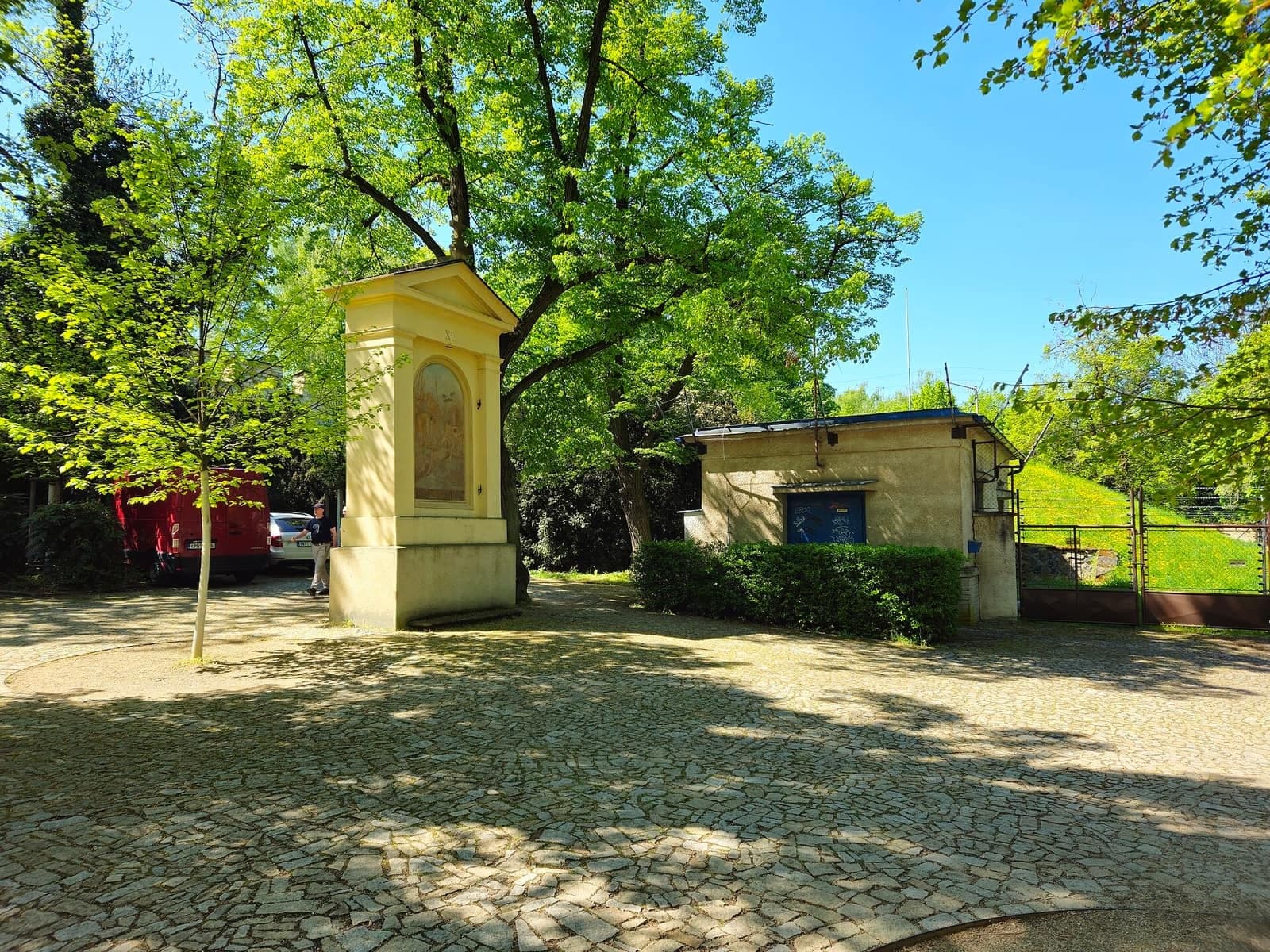
Follow the route by turning back about thirty meters to the flight of steps you just passed, and climb it. About seventy steps take you up to the Stations of the Cross, the fourteen stations on this hill, and on to the top of the walk. Next is a wall with a famous story.
4. Hunger Wall: The Kind Story and the Plain One
Walk on until a long stone wall runs beside the path, and stop there. This is the top of the walk, and the climbing is nearly over. This is the Hunger Wall, in Czech Hladová zeď. The legend first. In a time of drought, King Charles the Fourth promised the hungry people of…
Full narration for this stop unlocks with the tour.
5. Rose Garden: Flowers on Army Ground
Walk on along this path to where it meets the garden's central axis, and stop there. This is the Rose Garden, Růžový sad, free and open all year. It was laid out from nineteen thirty-two to nineteen thirty-four, on ground that had belonged to the army. Two fortress walls hold…
Full narration for this stop unlocks with the tour.
6. St Lawrence and the Mirror Maze: A Set That Stayed
Walk onto this paved plaza and stop in the middle. Here is the tower at last, whole, straight over the plaza. Turn slowly: three things share this spot. The little castle with its green spires is the Mirror Maze. It is ticketed, with details on this stop's card. Look hard at…
Full narration for this stop unlocks with the tour.
7. Seminary Garden: The Walls Come Down
Walk out onto this paved terrace to the viewpoint, and stop there. This is the view the hill is known for, when the leaves allow it. Over the red roofs of the Lesser Town, look for the long front of Prague Castle and the two spires of Saint Vitus Cathedral above it. In winter…
Full narration for this stop unlocks with the tour.
8. Seminary Garden: Above the Schönborn Palace
Follow this path until the slope opens up with rows of low fruit trees below you, and stop there. Face out over the trees. Here is the orchard. This garden has about two thousand fruit trees, apples, pears and more, and City Hall says they have been under renewal since nineteen…
Full narration for this stop unlocks with the tour.
9. Neruda and the Boys' Fountain: A Pear Tree That Remembers
Walk on until you see a bronze of a bearded man in a long coat, standing on a pale stone block, and stop near him. This is a lighter stop, and a good place to sit. This is Jan Neruda, the writer, in a bronze of nineteen seventy by Jan Simota. He was born near here at the foot…
Full narration for this stop unlocks with the tour.
10. Memorial to the Victims of Communism
Walk on along the sidewalk until a pale flight of steps opens up the slope beside you, and stop at its foot. Stay back from the curb, because the trams run close here. Turn and face up the steps. This is the Memorial to the Victims of Communism, unveiled in May two thousand…
Full narration for this stop unlocks with the tour.