Teotihuacán is not a food city, because it is not a city at all: it is an archaeological site you visit for a day. But the valley wrapped around it is one of Mexico's quiet culinary heartlands. This is highland central Mexico, it is pulque country, it cooks its lamb in the leaves of the maguey, and it hides one of the country's most famous restaurants inside a cave a few hundred meters from the Pyramid of the Sun. Eat here and you are tasting the same maguey plant painted on the ancient murals you just walked past. This guide pairs naturally with a morning at the site: plan it with the one day at Teotihuacán itinerary.
La Gruta: dinner in a volcanic cave
The signature meal is La Gruta, a restaurant set inside a natural volcanic cave about 200 m behind the Pyramid of the Sun, near Gate 5. It has been serving since 1926, and the draw is the room itself: cool air, candlelight, and stone walls that predate the restaurant by a great deal. The menu is central-Mexican comfort cooking drawn from pre-Hispanic and regional traditions, including barbacoa, mixiote, tlacoyos, mole, and pre-Hispanic delicacies like escamoles, with masa nixtamalized on-site from native corn.
It is popular with tour groups and it leans touristy, but it is a genuine institution, and as the single sit-down treat to cap a day on the one day at Teotihuacán route, it is hard to beat. Reserving ahead is wise at busy times.
The dishes of the valley
Beyond La Gruta, this is the food to seek out in and around San Juan Teotihuacán, the town at the edge of the site:
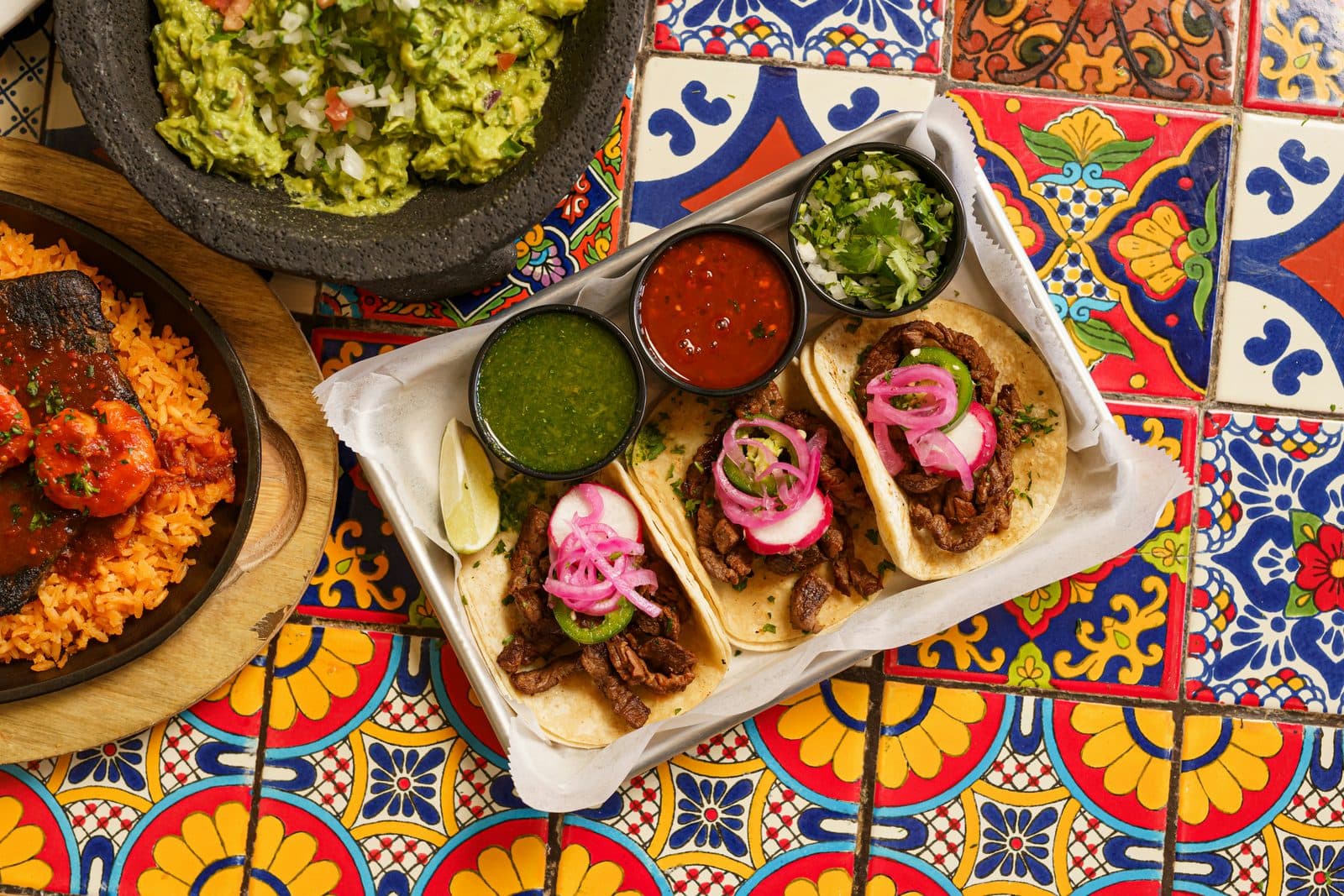
- Barbacoa. The regional signature: lamb slow-cooked in an underground pit, often wrapped in maguey leaves, until it falls apart. Weekend mornings are barbacoa time in central Mexico, served in tacos with consommé.
- Mixiote. Meat seasoned with chiles and steamed inside the thin, papery skin of the maguey plant, a technique unique to this agave-rich region.
- Tlacoyos and quesadillas. Thick, stuffed corn cakes and quesadillas built on nixtamalized corn, the everyday street food of the highlands.
- Nopal. The paddle of the prickly-pear cactus, grilled or stewed into salads, tacos, and soups. Central Mexico is nopal country.
- Escamoles and maguey worms. The pre-Hispanic delicacies for the adventurous: escamoles (ant larvae, sometimes called "insect caviar") and the worms that live in the maguey, both still eaten here as they were centuries ago.
Pulque country
The Teotihuacán Valley is one of the historic heartlands of pulque, the milky, mildly alcoholic drink made from the fermented sap of the maguey (agave) plant. It predates the Spanish by a long way: maguey and pulque imagery appears in Teotihuacán's own ancient murals, and the plant that gave the valley its drink also gave it the leaves it cooks barbacoa and mixiote in.
Around a hundred producers keep the tradition alive in the valley today, and several pulque haciendas run visits where a tlachiquero (the person who extracts the sap) shows you how it is drawn and fermented, out among the fields of maguey. It is the drink to try here, and the most direct link between what is on your plate and what is painted on the walls of the site you came to see. The murals themselves survive at the painted compound at Tepantitla, near Gate 3; for the deeper story of the city, read the city with no name.
Eat around your day
The rhythm most visitors settle into is simple: tour the site in the cool morning, then eat one proper meal, either at La Gruta by the pyramids or in San Juan Teotihuacán, with a glass of pulque if a hacienda is on your route. Plan the walk with the one day at Teotihuacán itinerary, and sort the logistics with the Teotihuacán travel guide.
Frequently asked questions
- Where do you eat at Teotihuacán?
- The famous option is La Gruta, a restaurant inside a natural volcanic cave about 200 m behind the Pyramid of the Sun, near Gate 5, serving central-Mexican classics by candlelight. Beyond it, the town of San Juan Teotihuacán has family fondas and markets known for barbacoa, and the surrounding valley is dotted with pulque haciendas and roadside stands. Most day-trippers eat one proper meal after touring the site.
- What food is the Teotihuacán area known for?
- The Teotihuacán Valley is central-Mexican highland country, and its signature foods reflect that: barbacoa (lamb slow-cooked in an underground pit, often wrapped in maguey leaves), mixiote (meat steamed in the thin skin of the maguey), tlacoyos and quesadillas built on nixtamalized corn, nopal (cactus paddle) dishes, and pre-Hispanic delicacies like escamoles (ant larvae) and maguey worms. The valley is also historic pulque country, so pulque is the drink to try.
- What is pulque and can you drink it at Teotihuacán?
- Pulque is a mildly alcoholic, milky, slightly sour drink made from the fermented sap of the maguey (agave) plant, and it has been drunk in central Mexico since before the Spanish arrived. The Teotihuacán Valley is one of its heartlands, with around a hundred producers and pulque haciendas you can visit, and maguey and pulque imagery even appears in the ancient city murals. Yes, you can drink it locally, either at a hacienda tour or in the town.
- Is La Gruta worth it?
- For most visitors, yes. La Gruta has been operating inside its volcanic cave since 1926, and the setting, cool candlelit stone under the surface, is genuinely memorable and steps from the pyramids. The food is solid central-Mexican fare rather than fine dining, and it is popular with tour groups, so it can be busy, but as a one-meal treat to cap a Teotihuacán day it is a classic for good reason.
Mexico eSIM· 10% off with ROAMER10
More from Teotihuacan
Explore more at your own pace.
One Day at Teotihuacán: A Day-Trip Itinerary from Mexico City (2026)
Teotihuacán Travel Guide: Getting There, Tickets, and Tips (2026)
The City with No Name: How to See Teotihuacán
Chapultepec Park Guide: Hill, Lakes and Museum Row
El Sargento: The Dead Ahuehuete Tree of Chapultepec