The Plan of Chicago, unveiled on July 4, 1909 by Daniel Burnham and Edward Bennett, is usually cited as the document that kept the lakefront open. Read the Plan itself and the story is stranger. It says the lake front by right belongs to the people, and that not a foot of its shores should be appropriated by individuals to the exclusion of the people. It also puts buildings in Grant Park. Chapter VII places the Field Museum in the center of the park, calls that a special instance of good fortune, and aims the park's great axis, Congress Street, at it. A new Art Institute and the Crerar Library were to stand beside the museum, as three monumental groups forming one composition.
That is not what stands there. A fountain does. The route from the Cultural Center on Michigan Avenue to Buckingham Fountain walks the difference.
The promise that is not Burnham's
The phrase usually quoted for the lakefront, a common to remain forever open, clear and free of any buildings, is not Burnham's. It is on a commercial map of 1836, a map of the canal's lots that the canal commissioners probably used when they sold them. The commissioners' own plat labels the strip Michigan Avenue. An 1839 Fort Dearborn plat says the strip was public ground, to remain forever vacant of buildings. Sources disagree on who wrote which wording. The safe version is that maps of the 1830s sold along with the canal's lots marked this shore as public ground, forever open, clear and free of buildings. Do not say the commissioners wrote it, and do not say Burnham did.
The defender
Hear a stop from this walk
Buckingham Fountain: Where the Museum Was Meant to Stand
Aaron Montgomery Ward was a mail-order merchant whose business looked out over the park. In 1890 he began a twenty-year legal battle to keep Grant Park open, free and clear. The court decisions came in four rounds in the Illinois Supreme Court: City of Chicago v. Ward in 1897, Bliss v. Ward in 1902, Ward v. Field Museum in 1909, and South Park Commissioners v. Montgomery Ward and Company in 1910, which Ward won by a vote of four to three. The Chicago Park District says Ward won his final case in late 1910.
The Illinois Supreme Court's own history lists two exceptions to the 1897 injunction, the Art Institute and an armory. The Art Institute's building on the lake side of Michigan Avenue opened in 1893. The Cultural Center on the west side stands on land that had been known as Dearborn Park, on the Fort Dearborn plat that was forever to remain vacant of buildings, authorized for the library by consents dated July 14, 1890.
In 1909 Ward told the Chicago Tribune, according to the Park District, that had he known in 1890 how long it would take to preserve a park for the people against their will he doubted he would have undertaken it. Ward died in 1913.
After Ward's last win the South Park Commission had no alternate plan for the center of Grant Park, and the site stayed unimproved for many years. In the early 1920s Bennett drew a fountain instead of a museum, as a formal focal point that would not obstruct views of the lake. Buckingham Fountain opened on May 26, 1927, and stands at Columbus Drive and Congress Parkway, on the axis the Plan drew for the museum.
The ground the park stands on
The lakefront is made land. Chicago was founded with the shoreline at Michigan Avenue. In 1852 the city granted the Illinois Central Railroad a right of way along the lakefront on trestles in the lake, in return for a breakwater. After the fire of 1871 much of the debris went into Lake Park between solid land and the tracks, and the fill continued. The City's transportation department dates the major shoreline expansion to 1920 to 1940: bulkheads set out from the old shore, then filled behind with dredged lake bottom, sand, construction debris, alley waste and, in places, debris from the fire. Say that the fire's rubble was part of it and no more.
The Plan proposed turning the city's waste into park strips, behind breakwaters, that would almost build themselves, with a yacht harbor along the park. A harbor does stand along this shore today, smaller than the Plan's, and in the 1919 Lakefront Ordinance the city restricted development of the lakefront. South Lake Shore Drive was completed in 1930.
Millennium Park
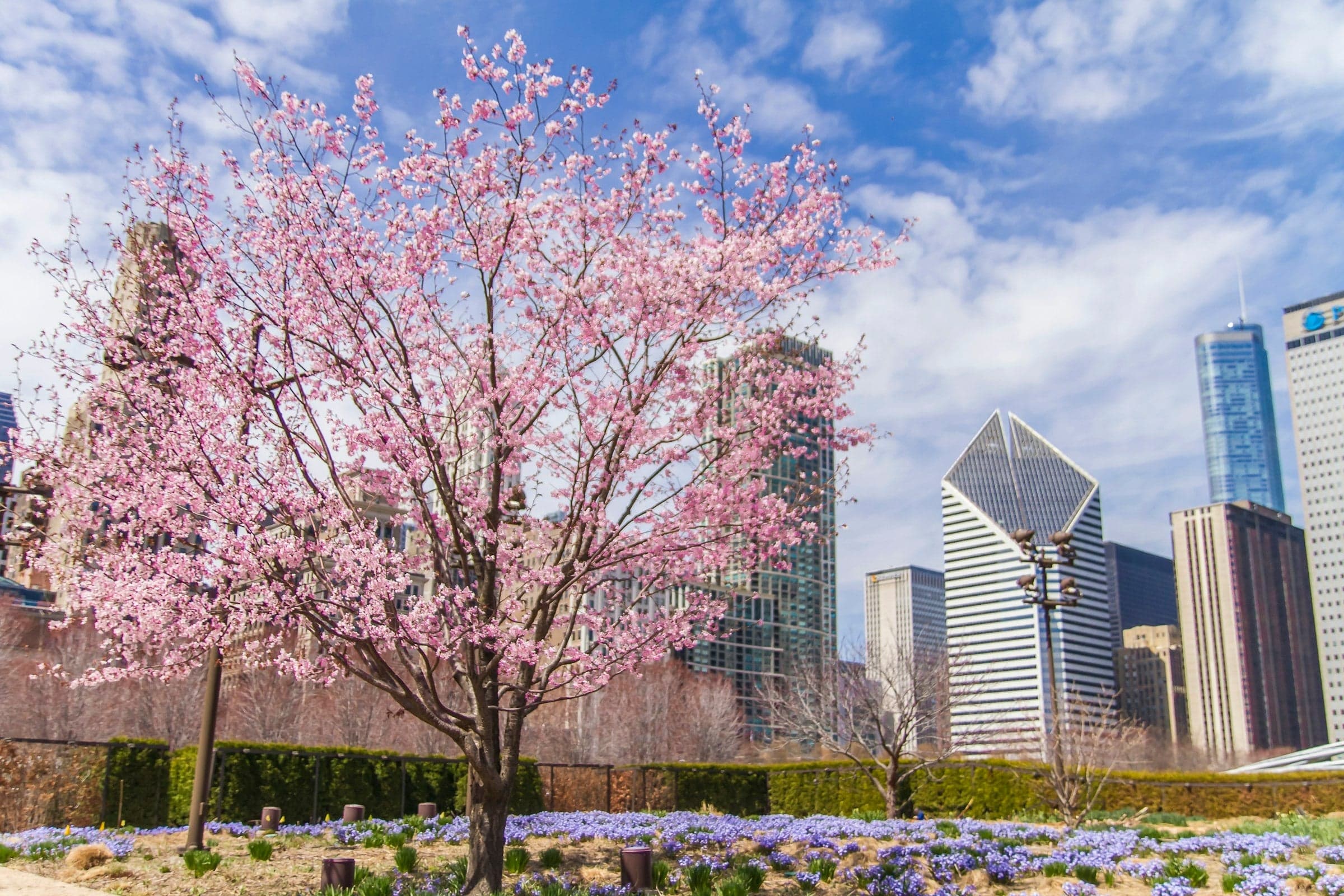
The northwest corner of Grant Park was, until the 1990s, railroad-occupied land. The Millennium Park Foundation says the city no longer controlled certain parcels, particularly that railroad-occupied northwest corner, so Burnham's ideal plan was modified to accommodate the tracks. In 1996 the city sued the Illinois Central, because the 1852 agreement required the land to be used for rail only, to regain control. The Foundation was formed in 1998. The park, 24.5 acres, opened in July 2004, about three times its first budget and several years late. Much of what you walk on is a roof over rail and parking.
The park holds the Pritzker Pavilion, Cloud Gate, Crown Fountain and the Lurie Garden. All of them are works of the twenty-first century, and none are in the Plan. Maggie Daley Park, next door, opened on December 6, 2014. The point of the walk is not to match the park to a drawing. It is to look at what was drawn, what the courts allowed, and what the city built when a railroad let go.
What the walk teaches
The Plan is the drawing. The defense is the work needed to keep the drawing from being undone, and sometimes the work that prevents the drawing from being built. The fact is on the ground. Michigan Avenue is one of the world's most recognized one-sided streets, the Commission on Chicago Landmarks says, a wall of buildings facing the park and, across the street, nothing built. That wall, the open lawn in front of it and a fountain on the museum's site are the results of Ward's four decisions.
The route is ten stops, about a mile, eighty minutes, outdoors and free. Check the season: Crown Fountain's water runs from May to October 13, the Lurie Garden has had a partial closure for repairs in 2026, and Buckingham Fountain's hourly major display is not running for the rest of the season. The Field Museum, which the Plan sited here, stands at the far south end of Grant Park.
Ready to experience it?
Millennium Park: The Museum the Plan Wanted Here
80 min · 1.9 km · easy
More from Chicago
Explore more at your own pace.
Chicago Travel Guide: How Many Days, Getting Around, When to Go (2026)
One Day in Chicago: A Walkable Downtown Itinerary (2026)
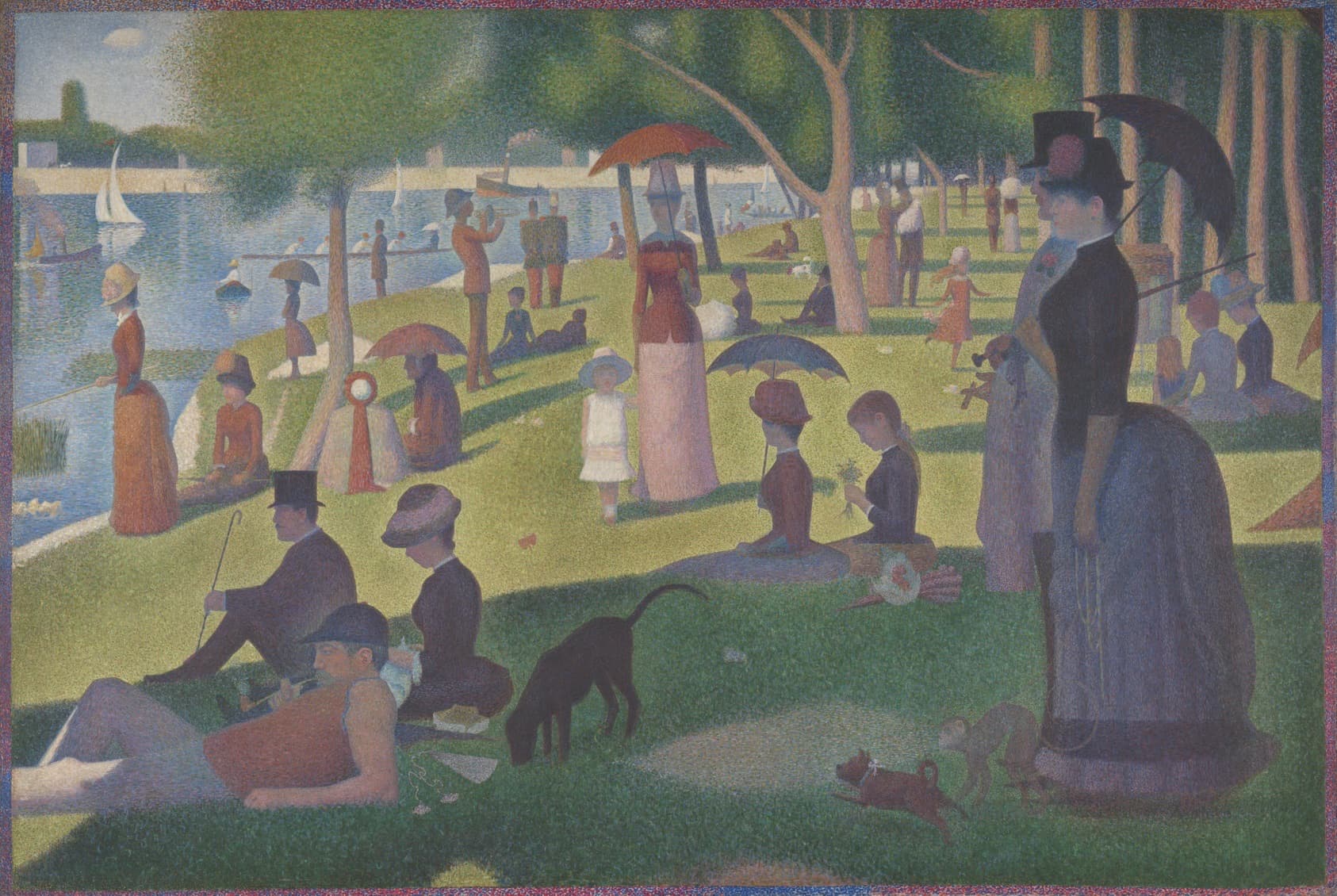
A Sunday on La Grande Jatte: Seurat's Park of Dots, in Chicago
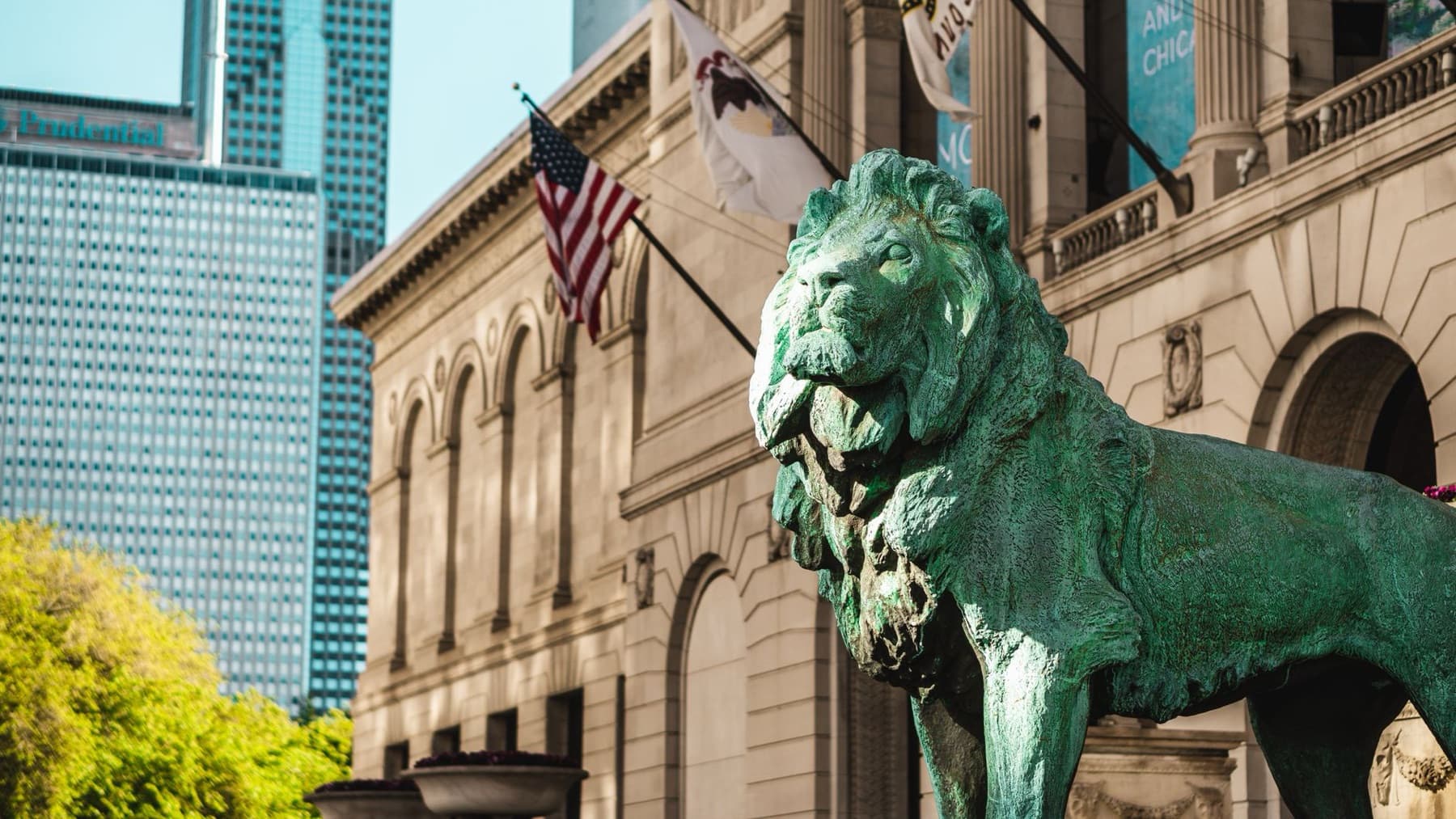
Art Institute of Chicago: What to See, Building by Building
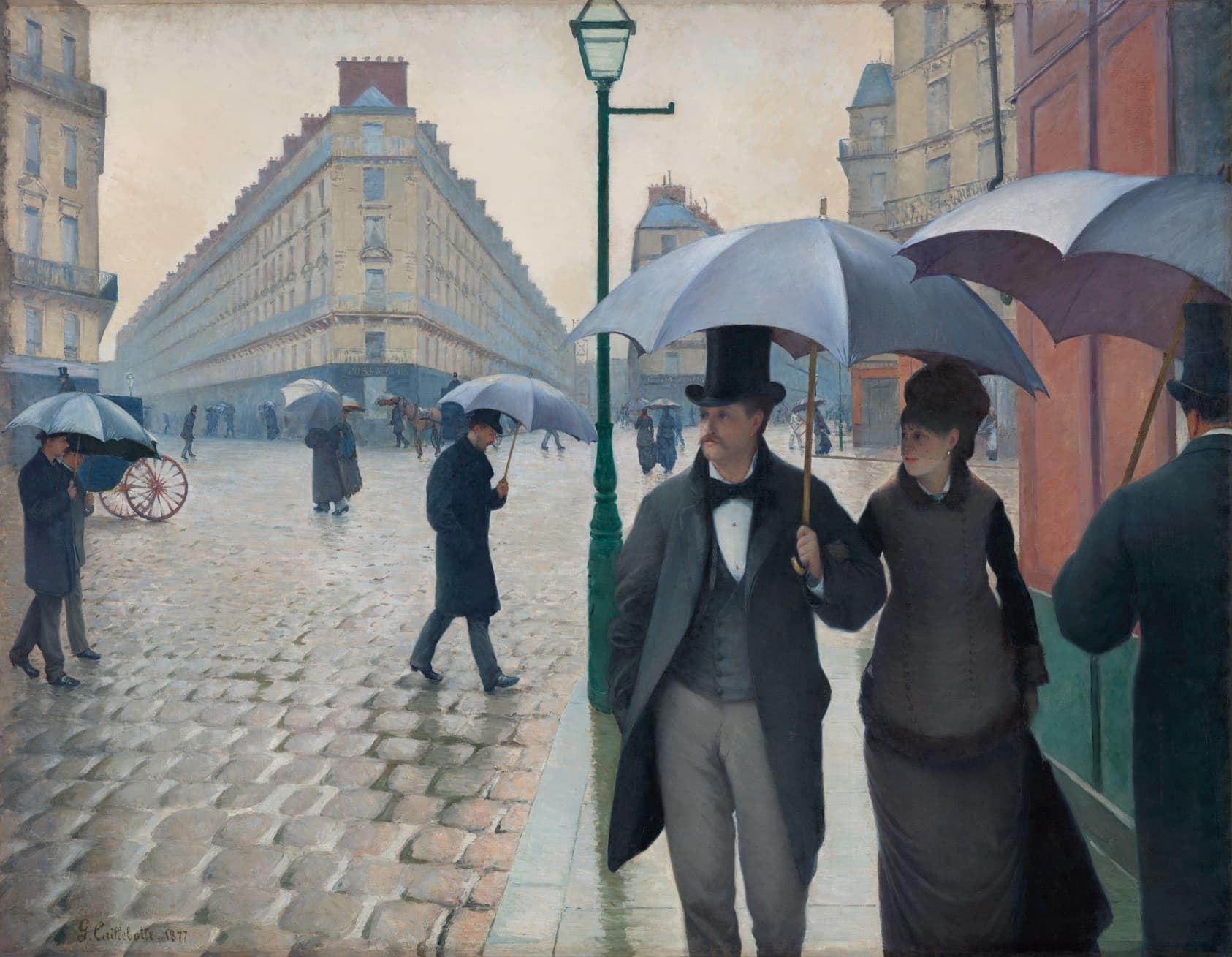
Paris Street; Rainy Day: Caillebotte's Nine-Foot Street Corner