On February 21, 1978, two electrical workers were digging in a vacant lot just northeast of the Zócalo. Their job was straightforward. Install an underground transformer for the Compañía de Luz y Fuerza. Two metres down, their pick struck stone. The stone was carved.
What they had hit was a circular disc, three and a quarter metres in diameter, weighing about eight tons. Carved into its surface was the dismembered body of a woman, her head severed, her limbs scattered, bells worked into her cheeks. It was the Coyolxauhqui stone. It had been underground since 1521. The find triggered the largest urban archaeological project of the twentieth century, the demolition of thirteen colonial-era buildings to expose what lay below, and a reframing of what could be known about the Aztec capital.
Why the temple was buried
The Templo Mayor was the principal religious building of the Aztec empire, dedicated jointly to Huitzilopochtli, the war and sun god, and Tlaloc, the rain god. It stood at the geographic and ceremonial centre of Tenochtitlán, on the eastern edge of what is now the Zócalo. When the Spanish under Cortés took the city after the 1521 siege, the temple was systematically dismantled. The Spanish wanted both to suppress the indigenous religion and to recycle the stone. Sections of the temple were used in the construction of the Metropolitan Cathedral, the colonial archbishop's palace, and other early colonial buildings on the same blocks.
By 1550 the surface ruins were gone. By 1600 colonial buildings stood directly over the temple platform. For four centuries the site was a block of houses, shops, and warehouses. A 1790 discovery of the Aztec Sun Stone and the Coatlicue statue, both found buried near the Zócalo during paving work, briefly drew attention. But systematic excavation of the temple itself did not begin. The colonial buildings on top of it were considered too valuable to demolish.
What the 1978 dig found
Hear a stop from this walk
Palacio Nacional: Three Layers of Power
The Mexican government acted unusually fast. Within months of the Coyolxauhqui discovery, President José López Portillo authorised the demolition of the colonial-era buildings on the block, the establishment of the Templo Mayor Project, and the appointment of the archaeologist Eduardo Matos Moctezuma to direct it. Nine of the thirteen buildings demolished were from the 1930s. Four were from the nineteenth century. The decision to demolish them was contested at the time. It is the reason the temple is now visible from the street.
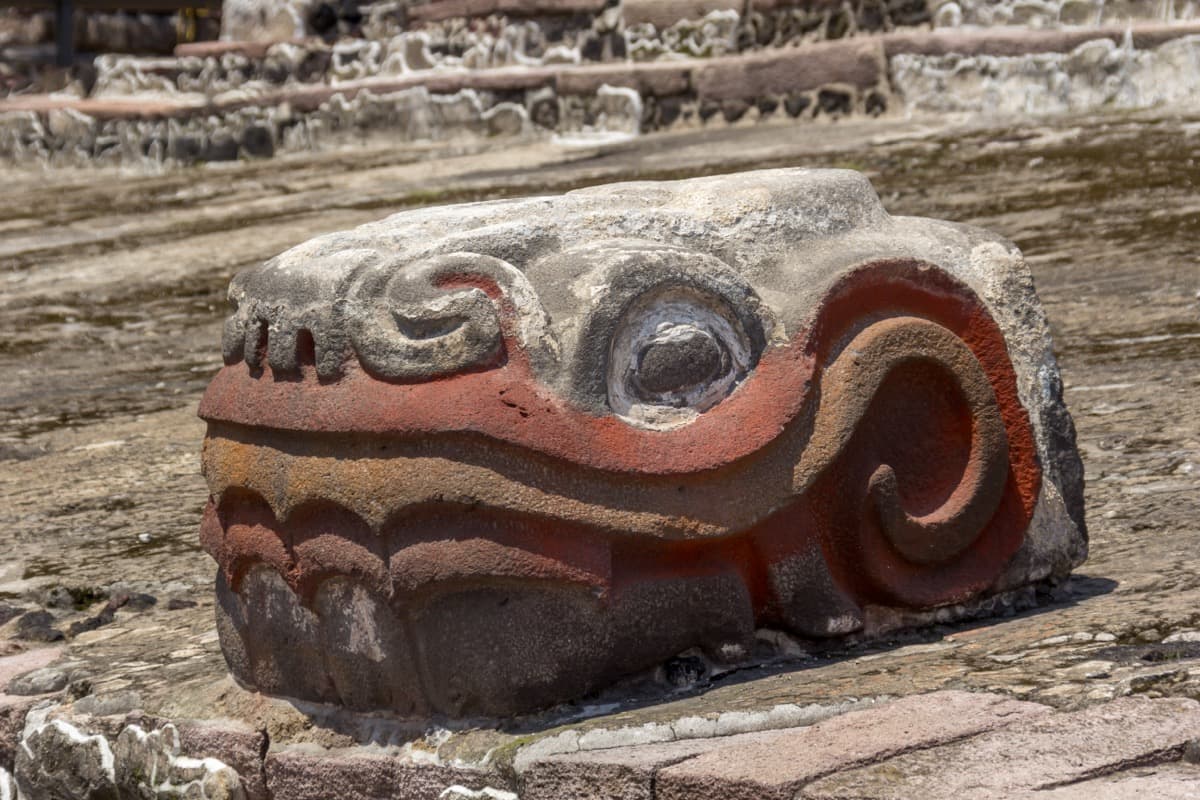
What the dig revealed was not one temple but seven, nested inside each other like a set of stone matryoshka dolls. Each time a new Aztec emperor, a tlatoani, ascended the throne, he ordered the previous temple buried and a larger one built directly over it. The buried temple was filled with rubble, surfaced with stucco, and topped with the new structure. The expansions encoded the growth of the Aztec state. The earliest temple visible in the excavation is from roughly 1390. The latest, Stage Seven, was the version Cortés saw in 1519. The first temple, dating to about 1325, has never been excavated. The water table sits above it. The same lake that made Tenochtitlán possible still protects the city's oldest building.
By the close of the initial 1978 to 1982 phase, the project had recovered over seven thousand objects. Stone braziers in the likeness of Tlaloc. Obsidian knives. Mixtec figurines from western Oaxaca. Ceramic urns from the Gulf coast. Masks from Guerrero. The temple was not only a place of worship. It was the empire's collection point. Tributary goods from every province under Aztec control were buried at its foundations during dedication rituals. The catalogue of those goods is, in effect, an inventory of the empire.
The skull rack
The most disturbing discovery came in 2015. A team led by Raúl Barrera Rodríguez uncovered the Huei Tzompantli, the Great Skull Rack, immediately north of the temple. A rectangular platform, thirty-four metres long, twelve metres wide. At its centre, a circular tower six metres in diameter, built entirely of human skulls mortared together with lime, sand, and volcanic gravel. The skulls had been perforated through the temples and mounted on horizontal wooden poles before being mortared into the tower.
Spanish chroniclers had described the tzompantli. Bernardino de Sahagún and Andrés de Tapia both wrote of skull racks displayed near the temple. Tapia gave a figure of one hundred and thirty-six thousand skulls, an estimate scholars had treated as exaggeration. The 2015 discovery did not confirm the number. It confirmed the structure.
By 2024 more than six hundred skulls had been catalogued. The analysis published in PLOS One reported that thirty-seven percent of the skulls were female, between forty-five and fifty percent were male, and the remainder were children or incomplete specimens. The female fraction overturned a long-standing scholarly assumption that Aztec sacrifice victims were predominantly male warriors taken in combat. The Huei Tzompantli's victims were a more representative cross section of the populations the empire controlled.
Tlaltecuhtli, 2006
In October 2006, while digging on the western side of the platform, Leonardo López Luján's team uncovered a single carved monolith. Four metres by three and a half. Twelve tons. The figure was Tlaltecuhtli, the earth goddess, depicted in the dismembered posture Mexica cosmology assigned to her after Quetzalcóatl and Tezcatlipoca tore her apart to make the world. She was face up. Her body was broken into four pieces, but the break was clean and the paint was preserved. Red. Ochre. White. Blue. Black. Five colours, fifteen hundred years after the masons last touched them, because the clay had sealed her from oxygen.
A single tooth in the figure was inlaid with mother of pearl. Below the slab, in a sealed offering chamber, archaeologists found three further offerings, including a sacrificed golden eagle with wings spread.
Why the dig is still going
Excavation at Templo Mayor has not stopped. The museum on the site, designed by Pedro Ramírez Vázquez, opened in October 1987. Around it, work continues. Every year the project publishes another offering, another platform, another fragment. The temple sits in the middle of the most heavily developed real estate in the country. Each subway extension, each building renovation in the surrounding blocks, opens a fresh window onto the buried city.
Almost nothing the world knew about the ceremonial life of the Aztec capital before 1978 came from archaeology. It came from Spanish chronicles, Aztec codices, and ethnographic memory. After 1978, that changed. The temple itself began to speak. What it has said so far is that the chroniclers were closer to the truth than the twentieth century gave them credit for.
Mexico eSIM· 10% off with ROAMER10
Ready to experience it?
Centro Histórico: Three Civilizations Deep
90 min · 2 km · easy
More from Mexico City
Explore more at your own pace.
Chapultepec Park Guide: Hill, Lakes and Museum Row
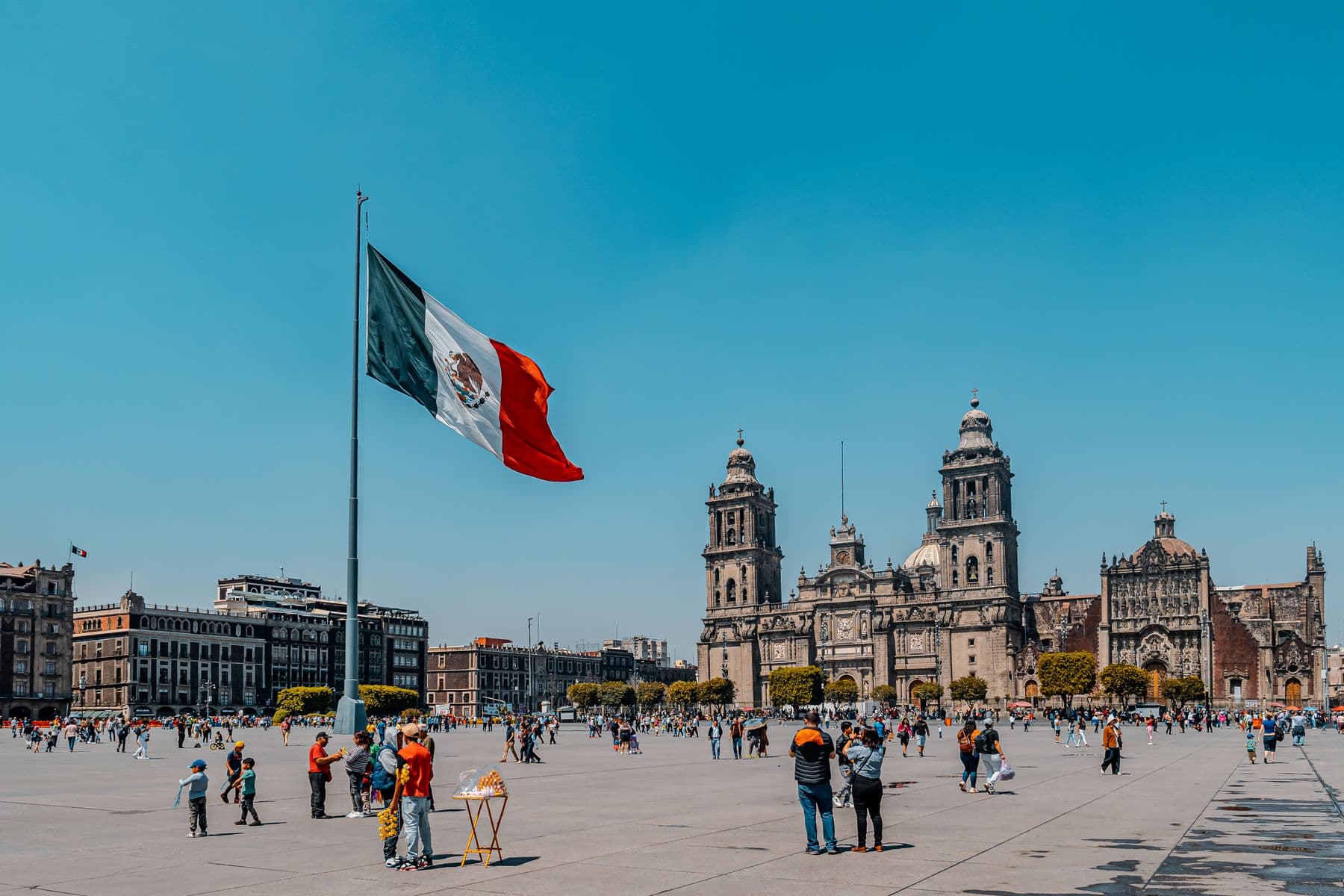
Coatlicue: The Statue That Was Buried Twice
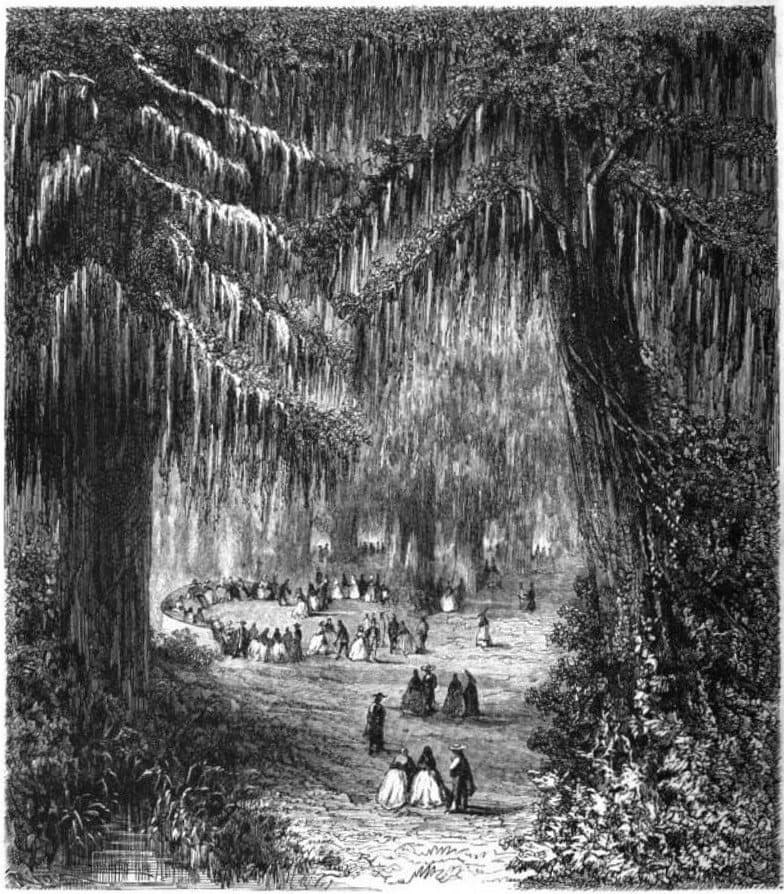
El Sargento: The Dead Ahuehuete Tree of Chapultepec
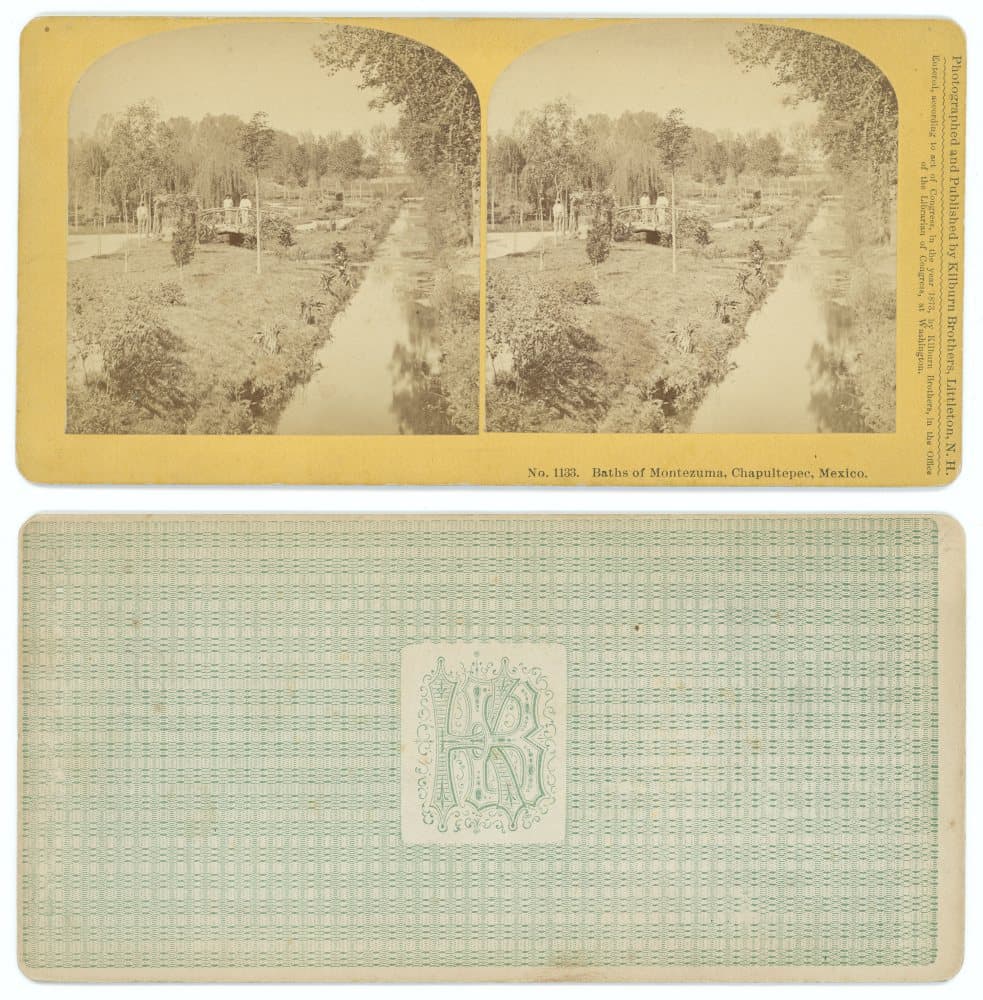
The Baños de Moctezuma: The Bath That Was Never Moctezuma's
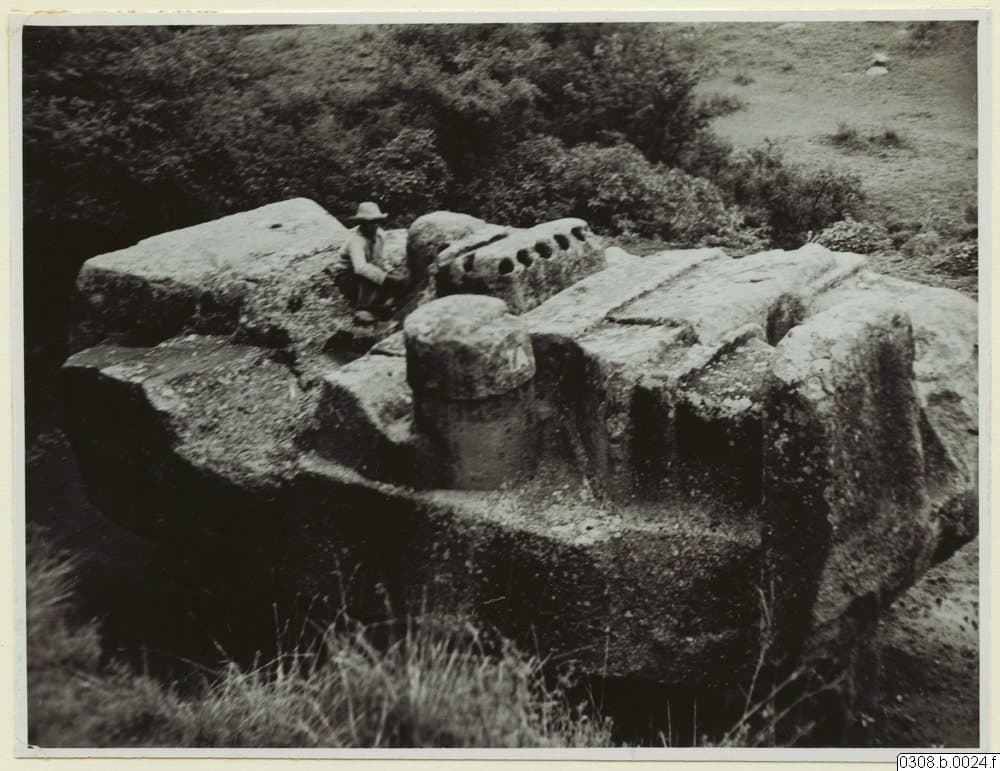
The Tlaloc Monolith: The Stone That Crossed Mexico City in 1964