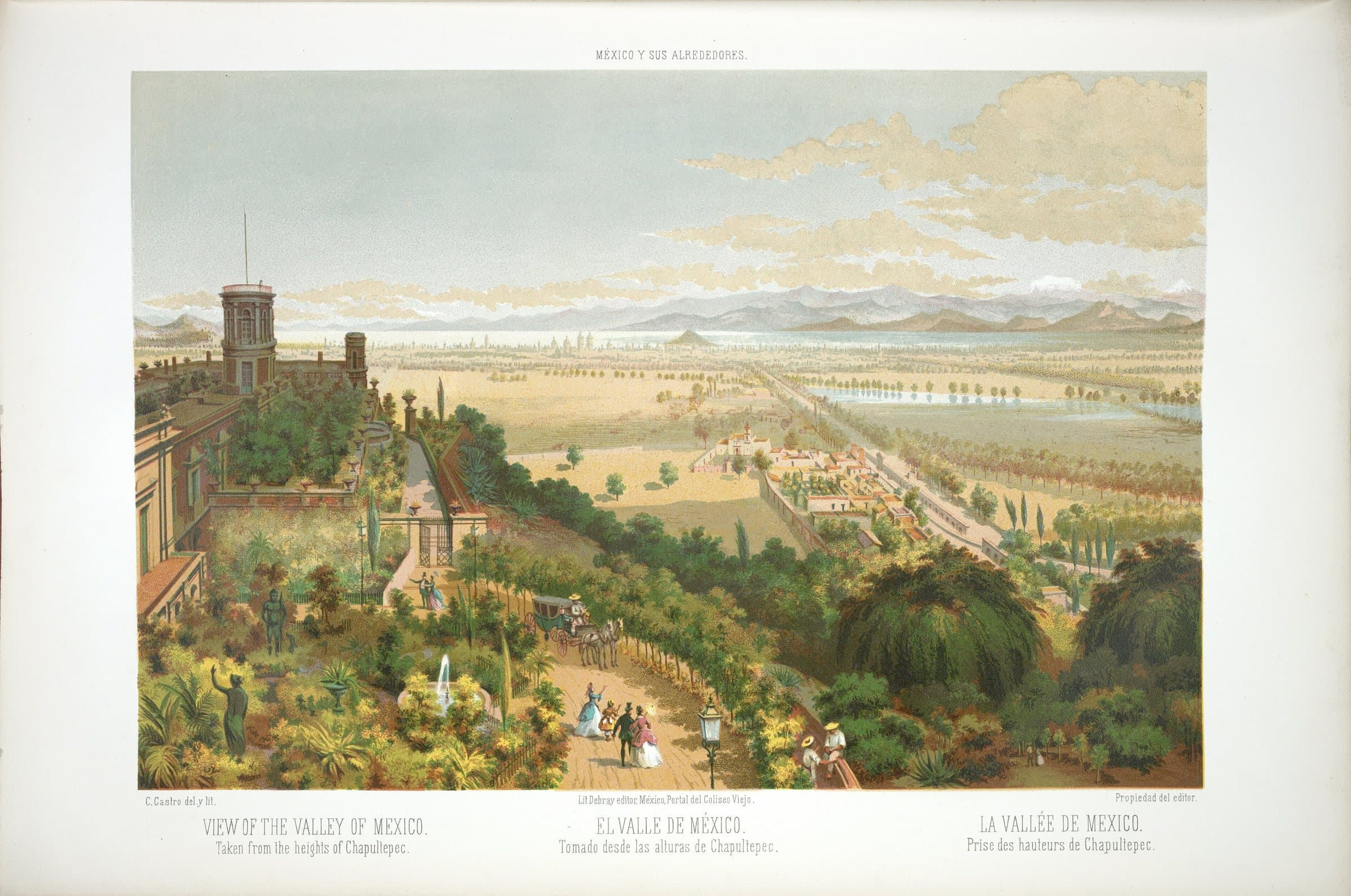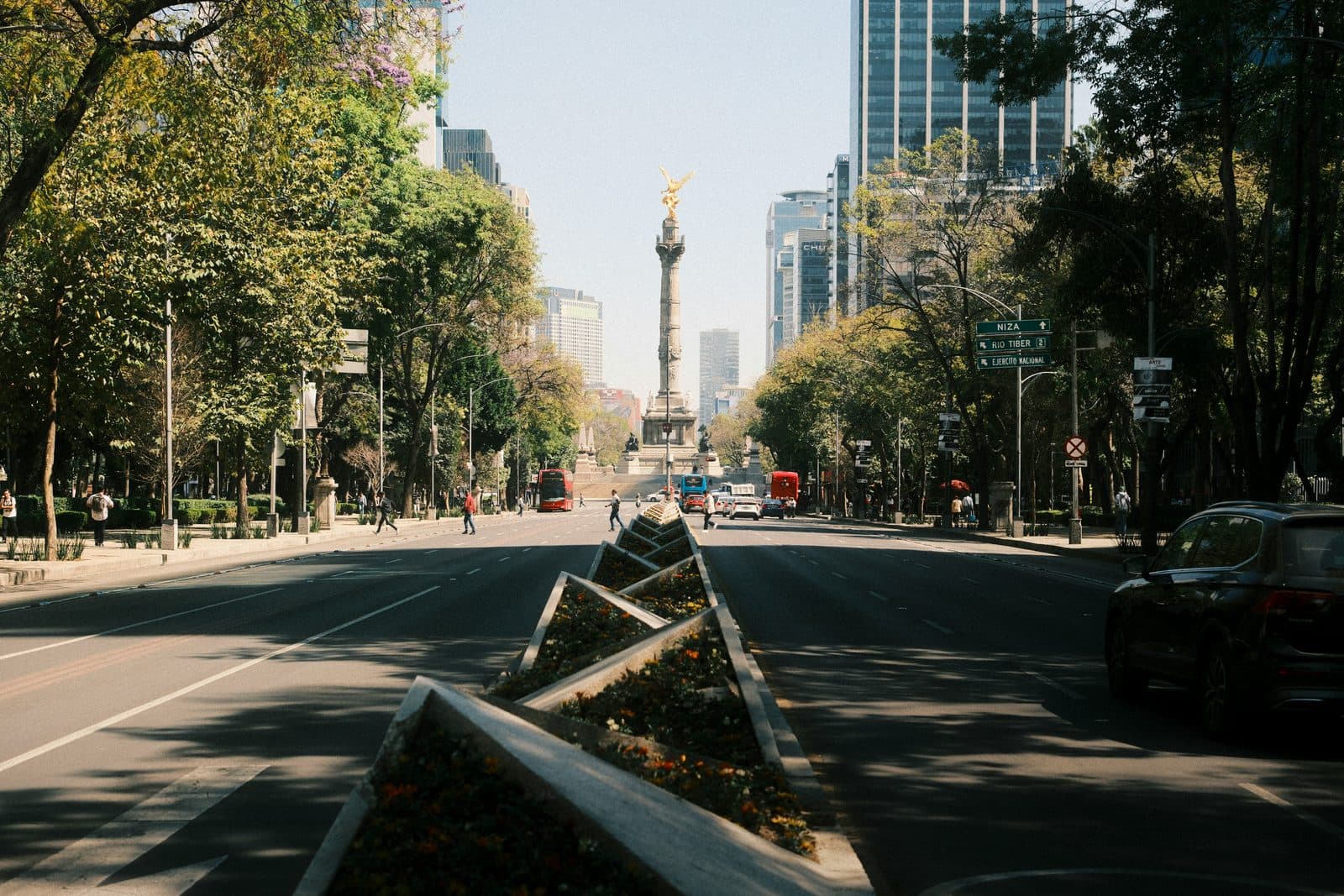
In the United States, the great public art of the twentieth century is in museums. The Pollocks are at MoMA. The Hoppers are at the Whitney. The Rothkos are at the Tate, the National Gallery, the Phillips. In Mexico, the great public art of the twentieth century is on the walls of government buildings. Schools, ministries, post offices, hotel lobbies, the staircase of the National Palace. Almost all of it was paid for by the Mexican government, and almost all of it was painted by people who would have been delighted to see the government overthrown. That arrangement is the thing that needs explaining. It is not a quirk. It is the central fact of Mexican Muralism, and there is no other twentieth-century state that did anything close to it.
The deal started in 1921. The Mexican Revolution had killed roughly a million people across a decade of civil war, broken the Porfirian aristocracy, and left the country with a new constitution, a new ruling coalition, and no settled idea of what Mexico was supposed to be. Eighty percent of the population could not read. Into that vacuum walked José Vasconcelos, the new Minister of Public Education in the cabinet of Alvaro Obregón. Vasconcelos was a philosopher by training and a culture-builder by instinct. He believed Mexico needed a national narrative, and he believed that narrative could not be delivered by books while most of the country was illiterate. The walls of public buildings, however, could be read by anybody.
So Vasconcelos hired painters. Within a few years he had three of them on retainer: Diego Rivera, returned from a decade in Paris where he had absorbed cubism and rejected it; José Clemente Orozco, who had been drawing political cartoons for revolutionary newspapers; and David Alfaro Siqueiros, the youngest, the most militant, and the only one who would later spend years in prison for attempted assassination. They agreed on the social mission. They agreed on almost nothing else.
The contradiction at the center
The Mexican state in the 1920s was not communist. The PNR, founded in 1929 and later renamed the PRI, was the political machine that consolidated revolutionary power and ran the country with effectively single-party dominance until 2000. The three muralists were card-carrying communists for most of their adult lives. Rivera was expelled from the Mexican Communist Party twice, partly for being too independent, partly for being too friendly with rich patrons. Siqueiros took up arms in the Spanish Civil War, returned to Mexico, and in 1940 led an armed attack on the Coyoacán home of Leon Trotsky with a machine gun. He missed. Twenty-five years later, the Mexican government was paying him to paint a mural at Chapultepec Castle.
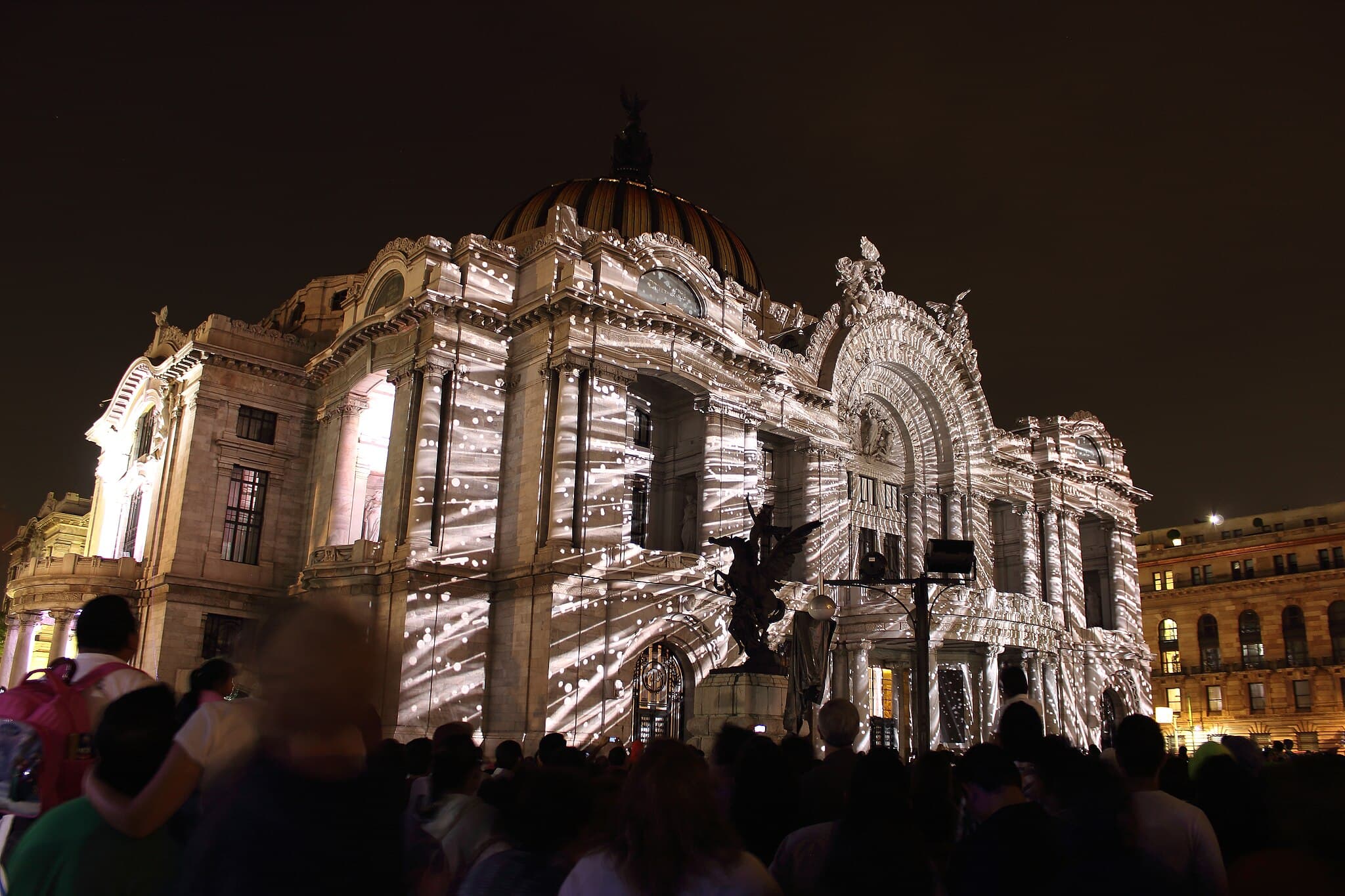
This is the contradiction the tour walks through. The Mexican government commissioned its own critique. Rivera painted Wall Street bankers feasting while peasants starved, on the walls of the Secretaría de Educación Pública, paid for by the Mexican state. Orozco painted bishops and generals as figures of corruption, on the walls of a former Jesuit school, paid for by the Mexican state. Siqueiros painted workers in armed uprising, on the walls of the Palacio de Bellas Artes, paid for by the Mexican state. The PRI did not love these images. It did not always agree with them. But it kept the program running, decade after decade, because the program produced something the regime needed more than ideological purity: a usable, visible, unmistakably Mexican national myth.
That myth had three legs. Pre-Columbian civilization as the deep root, glorified rather than mourned. The colonial period as the long oppression, with the Church and the conquistadors as the villains. The Revolution as the redemption, with the peasants and workers as the heroes. Every muralist drew slightly different lines, but the three legs held. By the 1940s, the muralist version of Mexican history had become, in effect, the official version. It was on the walls of the schools where Mexican children learned to read.
Why this worked, briefly
Hear a stop from this walk
Palacio de Bellas Artes: Four Contradictions Under One Roof
The bargain held for several reasons that are worth naming directly.
The first is that Vasconcelos and his successors got something they could not have bought any other way. A muralist working at scale on a public wall produces, for the price of his materials and a per-square-meter fee, a piece of art that is reproduced for free in every photograph, every news story, every school textbook, every tourist's memory for the next century. The state paid the muralists less than it paid its lawyers. It got, in return, the most legible public art program of the twentieth century.
The second is that the muralists themselves wanted the deal. They had spent the 1910s arguing that gallery art was a bourgeois swindle. The mural was the medium that put their politics into practice. To turn down a state commission, however ideologically compromised, would have been to admit that the gallery was the only place serious art could happen. The muralists could not afford that admission. So they took the wall.
The third is that Mexican post-revolutionary politics had a wide tolerance for ideological friction. The PRI was not a doctrinal party. It was a coalition that ran every faction of the old revolutionary forces under one roof and absorbed criticism by giving the critics things to do. Hiring Rivera and Siqueiros to paint walls was a more practical move than fighting them in the press. The walls were the safety valve.
What the murals are not
A few things to dispense with on the way into the tour. The murals are not Soviet socialist realism. They borrow from it in places, but they are funnier, more iconographically dense, more politically idiosyncratic. Rivera's compositions read more like medieval triptychs than like Stalin-era posters. Orozco's work is genuinely modernist, in the sense that it refuses easy moral resolutions. Siqueiros invented techniques (dripped enamel, pyroxylin lacquer, sprayed pigment) that Jackson Pollock acknowledged as influences.
The murals are also not the work of a unified school. The Big Three did not paint together. They argued in print for thirty years. Rivera called Orozco a defeatist. Orozco called Rivera a propagandist. Siqueiros called both of them sellouts. The aesthetic disagreement is part of the record, and it survives in the contrast between any two walls you stand in front of on this tour. San Ildefonso teaches doubt. The SEP teaches confidence. Bellas Artes hangs all three artists in one room and lets the disagreement happen visibly.
Finally, the murals are not finished. Younger Mexican artists, public and private, have been adding to the canon ever since. The Aurora Reyes mural at Centro Escolar Revolución, the Rufino Tamayo abstractions at the Museo Tamayo, the Juan O'Gorman library exterior at UNAM. The argument moved off government walls and into universities and museums by the 1960s, but it did not stop. What stopped was the original bargain: state money for radical content. That ended quietly under the late PRI, when the political incentive for commissioning critique dried up.
What remains is the seven-stop walking museum the tour follows. The murals are still where they were painted. The buildings are still government buildings or public museums. The murals are still free, or nearly so, to anyone who walks in. The bargain that built them no longer applies, but the work it produced is still on the walls.
Walk it once and you have seen, in two and a half kilometres, a movement that no other country in the twentieth century managed to produce. That is the thing to keep in mind block by block. The walls are evidence of a deal that nobody else made.
Mexico eSIM· 10% off with ROAMER10
Ready to experience it?
Diego Rivera Murals: The Revolution on the Walls
80 min · 2.5 km · easy
More from Mexico City
Explore more at your own pace.
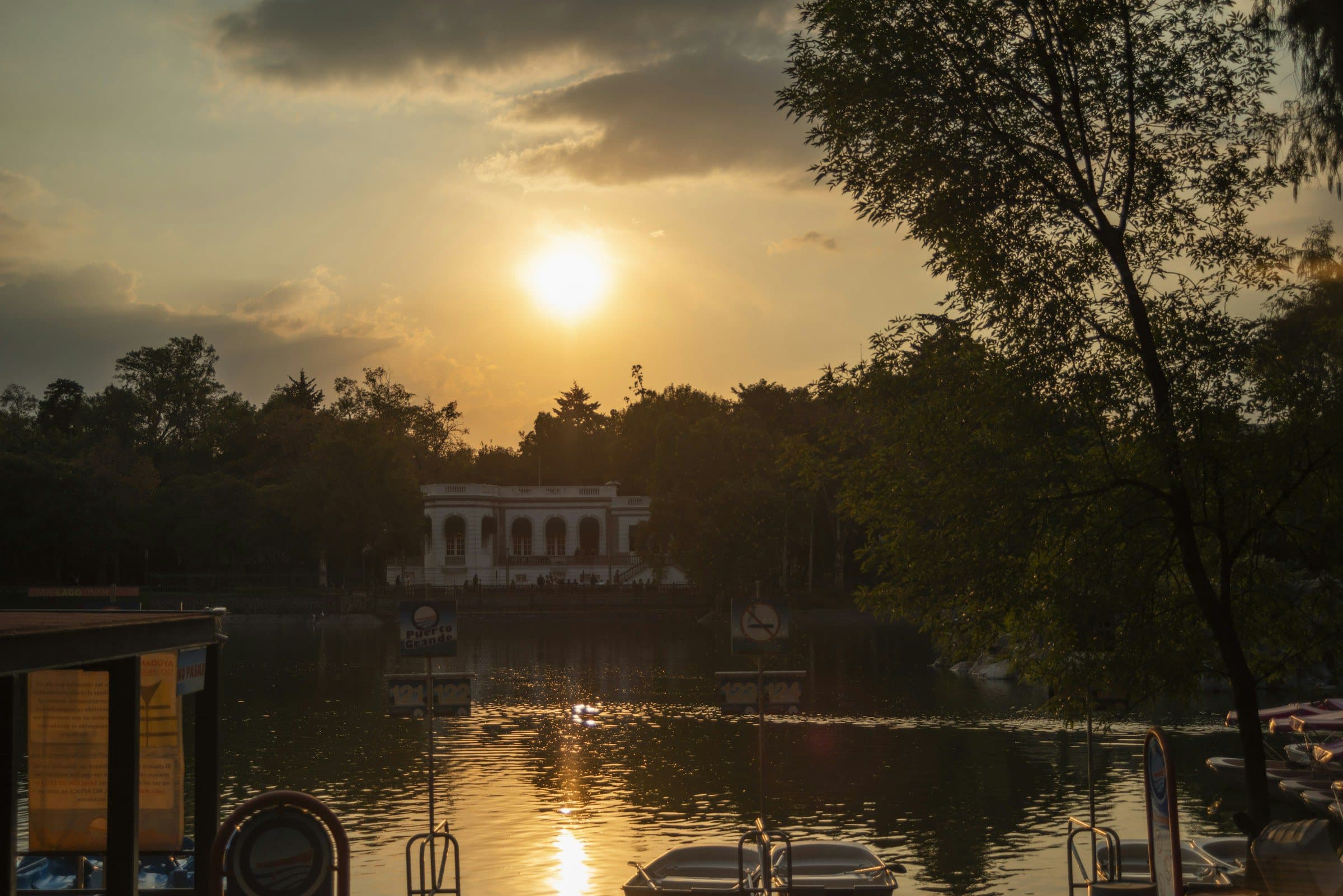
Chapultepec Park Guide: Hill, Lakes and Museum Row
Coatlicue: The Statue That Was Buried Twice
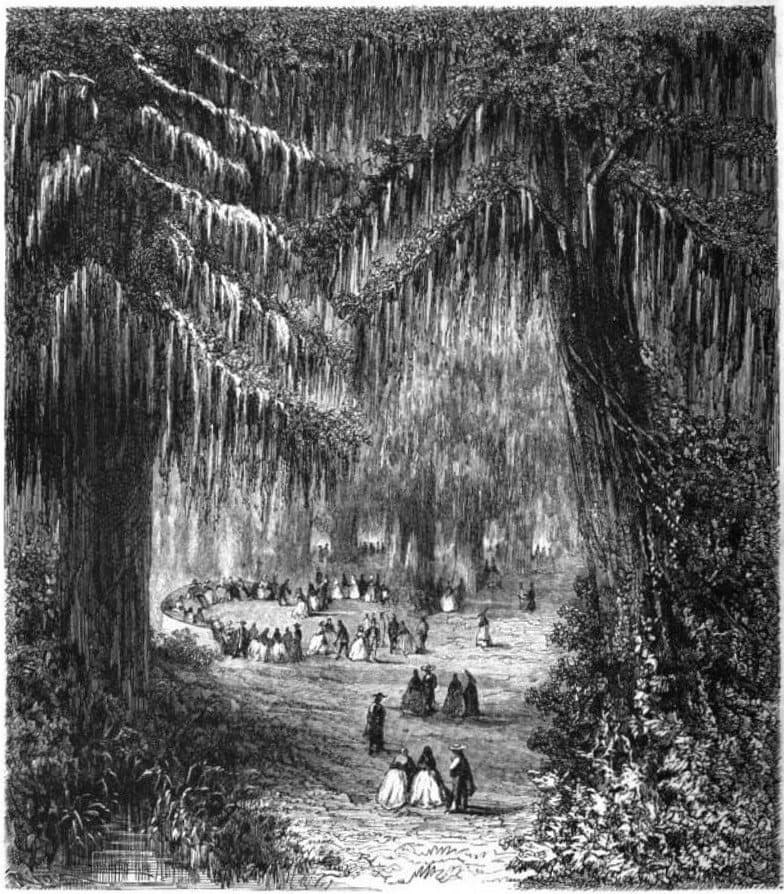
El Sargento: The Dead Ahuehuete Tree of Chapultepec
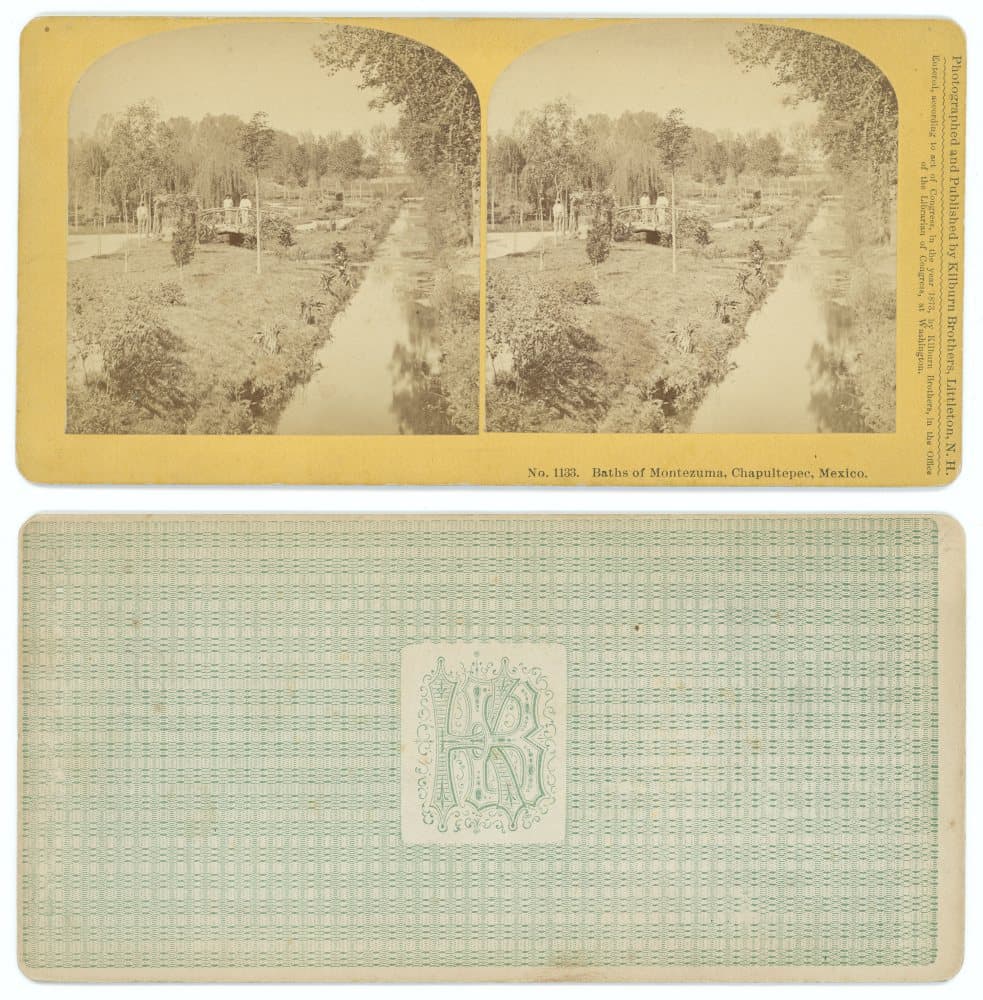
The Baños de Moctezuma: The Bath That Was Never Moctezuma's
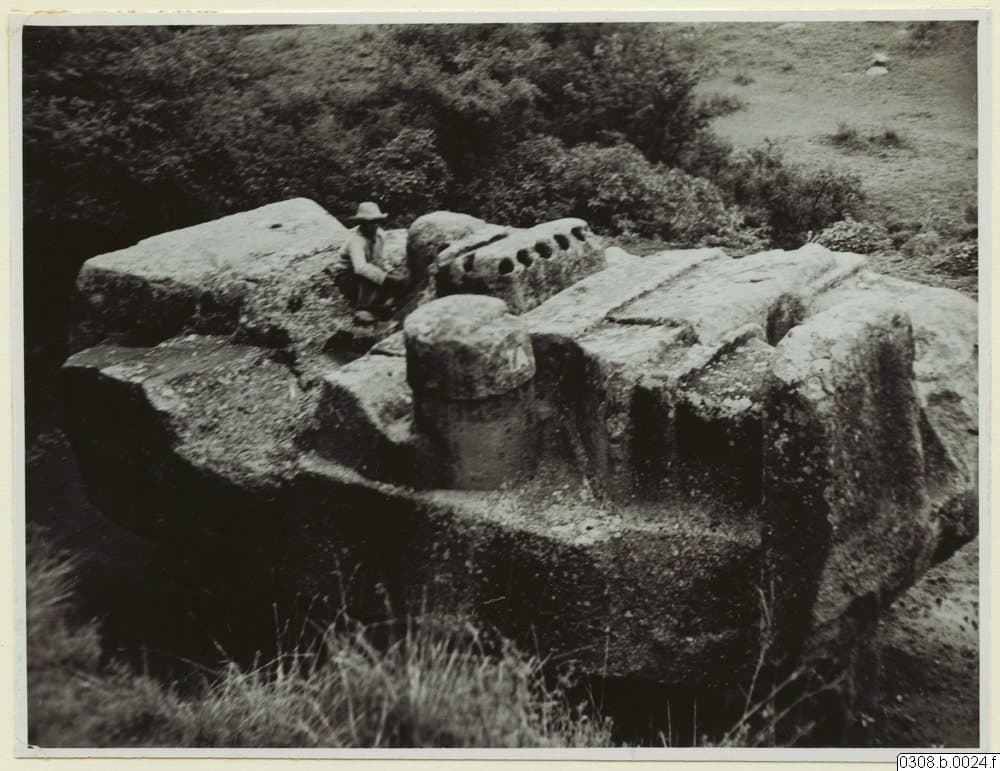
The Tlaloc Monolith: The Stone That Crossed Mexico City in 1964