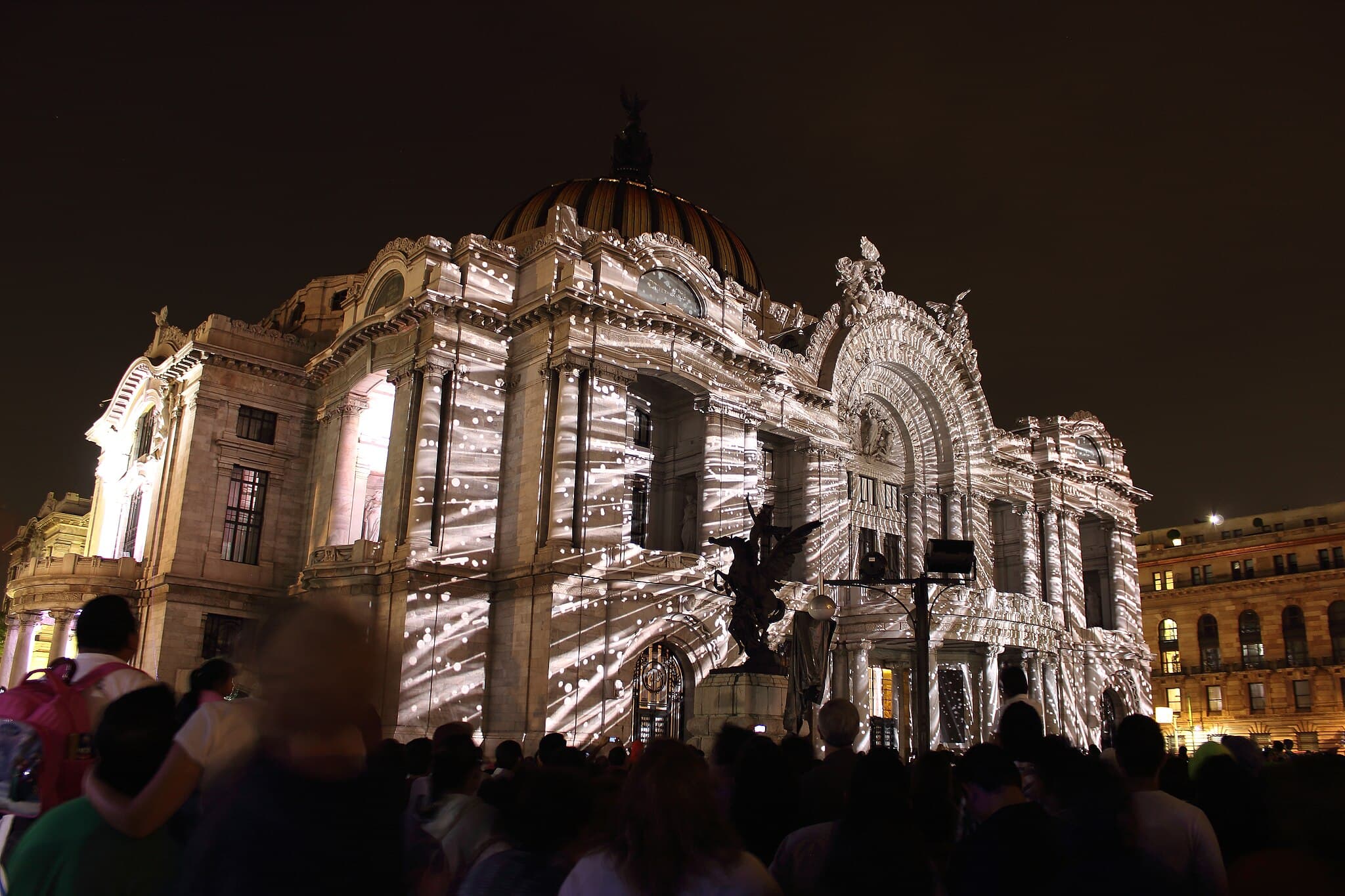
Mexico painted its walls to build a nation, and the painters who did it were as contradictory as the nation they built. Seven stops through the art, the arguments, and the paradoxes.
Start · Antiguo Colegio de San Ildefonso: Ground Zero
DirectionsStops
- 1
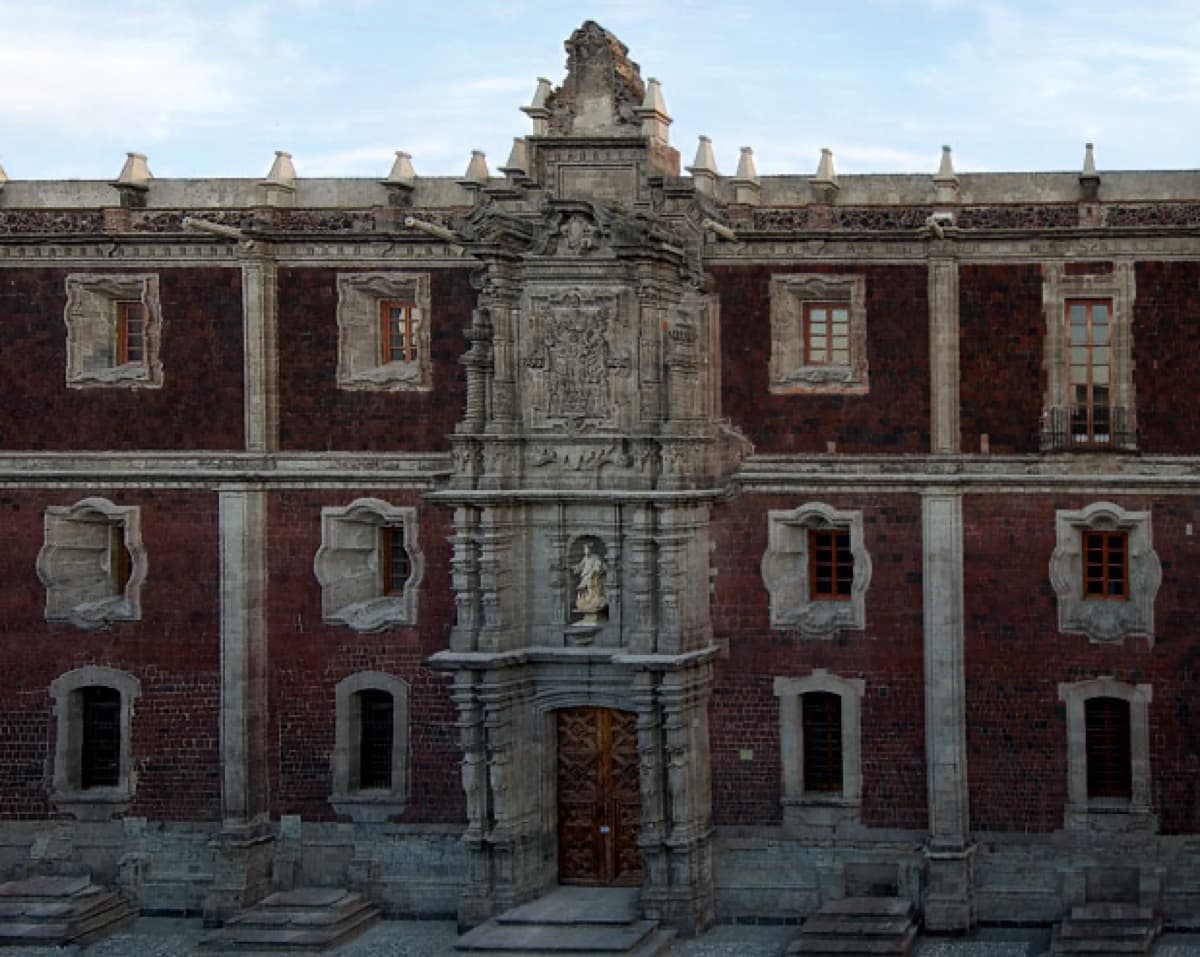
Antiguo Colegio de San Ildefonso: Ground Zero
The colonial-era Jesuit school where Mexican Muralism literally began in 1922, not with confidence, but with doubt.
- 2
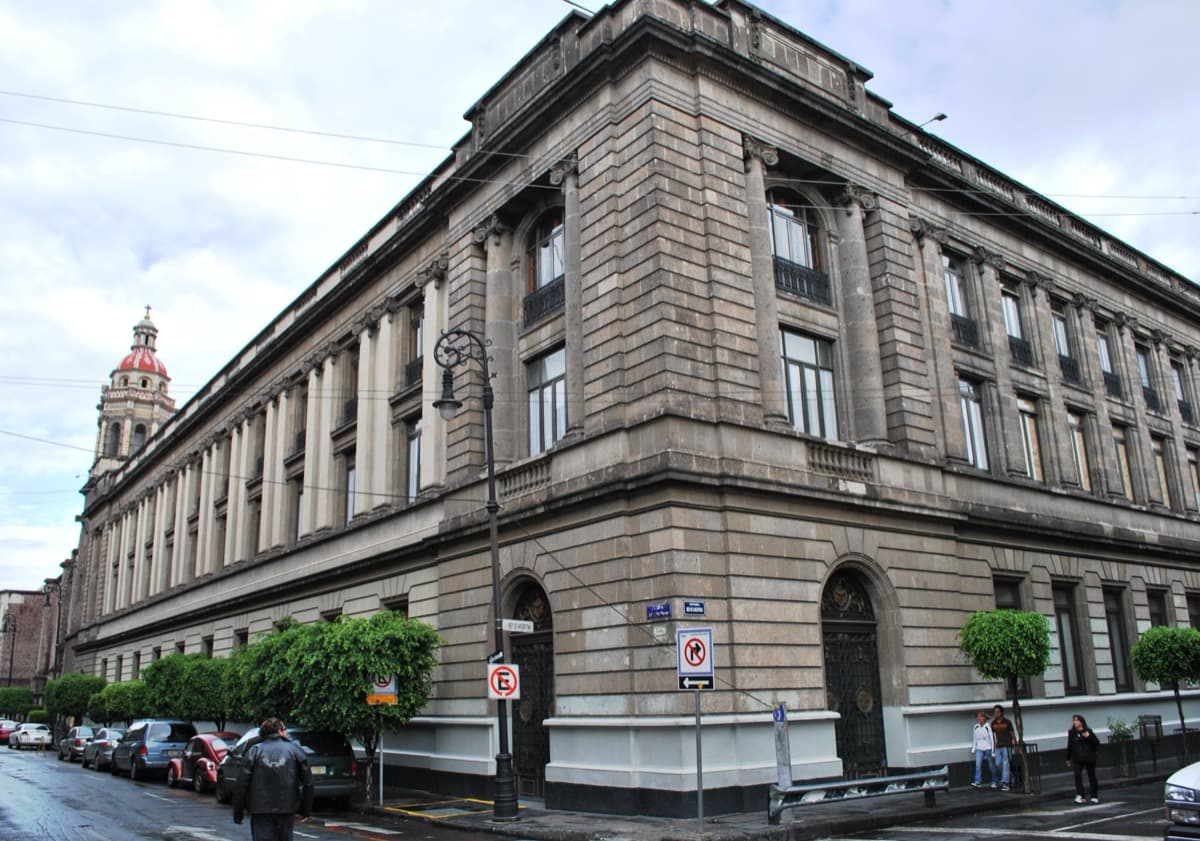
Secretaría de Educación Pública: Rivera's 120 Panels
If San Ildefonso showed doubt, this building shows Rivera's answer: 120 murals of confident nation-building, painted at eye level so you walk inside the art.
- 3
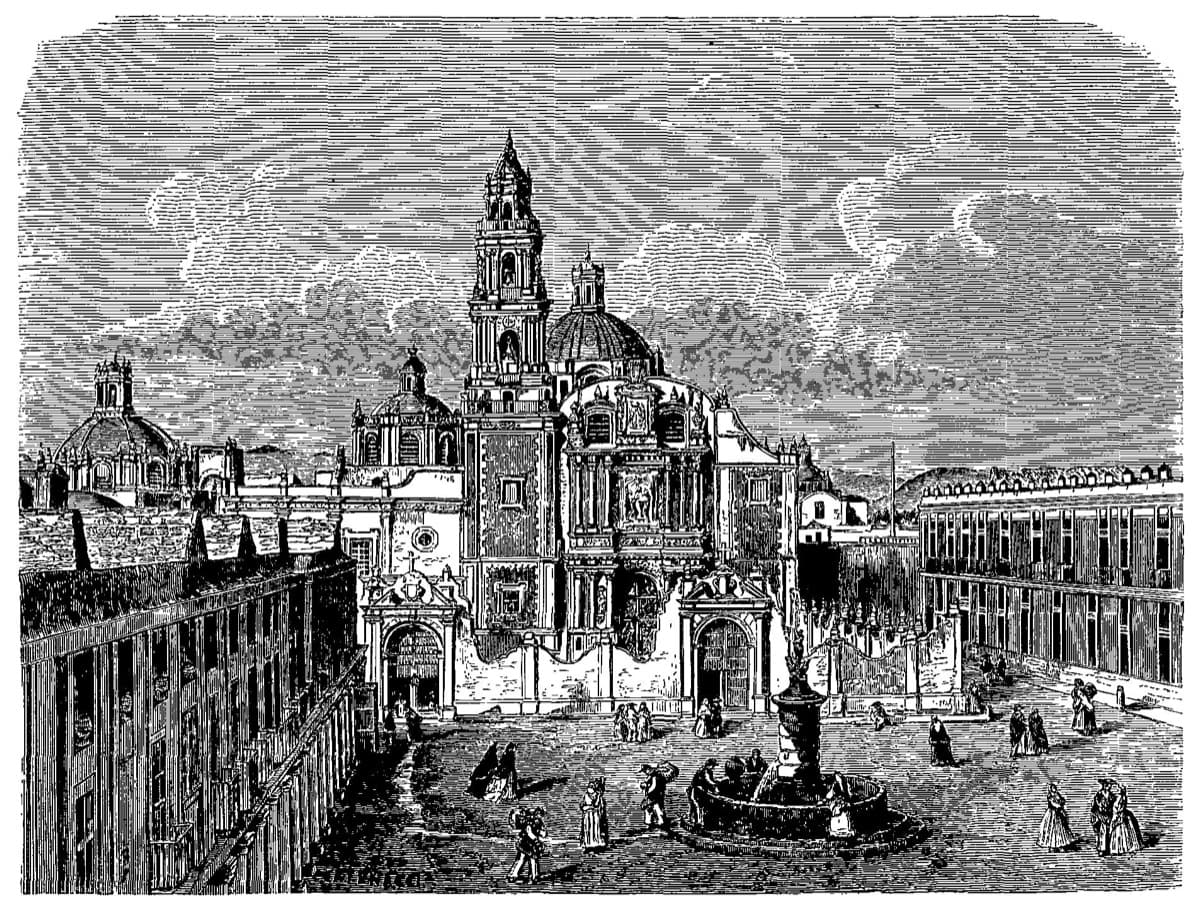
Plaza Santo Domingo: The Scribes and the Inquisition
A colonial plaza where public scribes translated the written word for centuries, and the Inquisition tried to control what people could think.
- 4
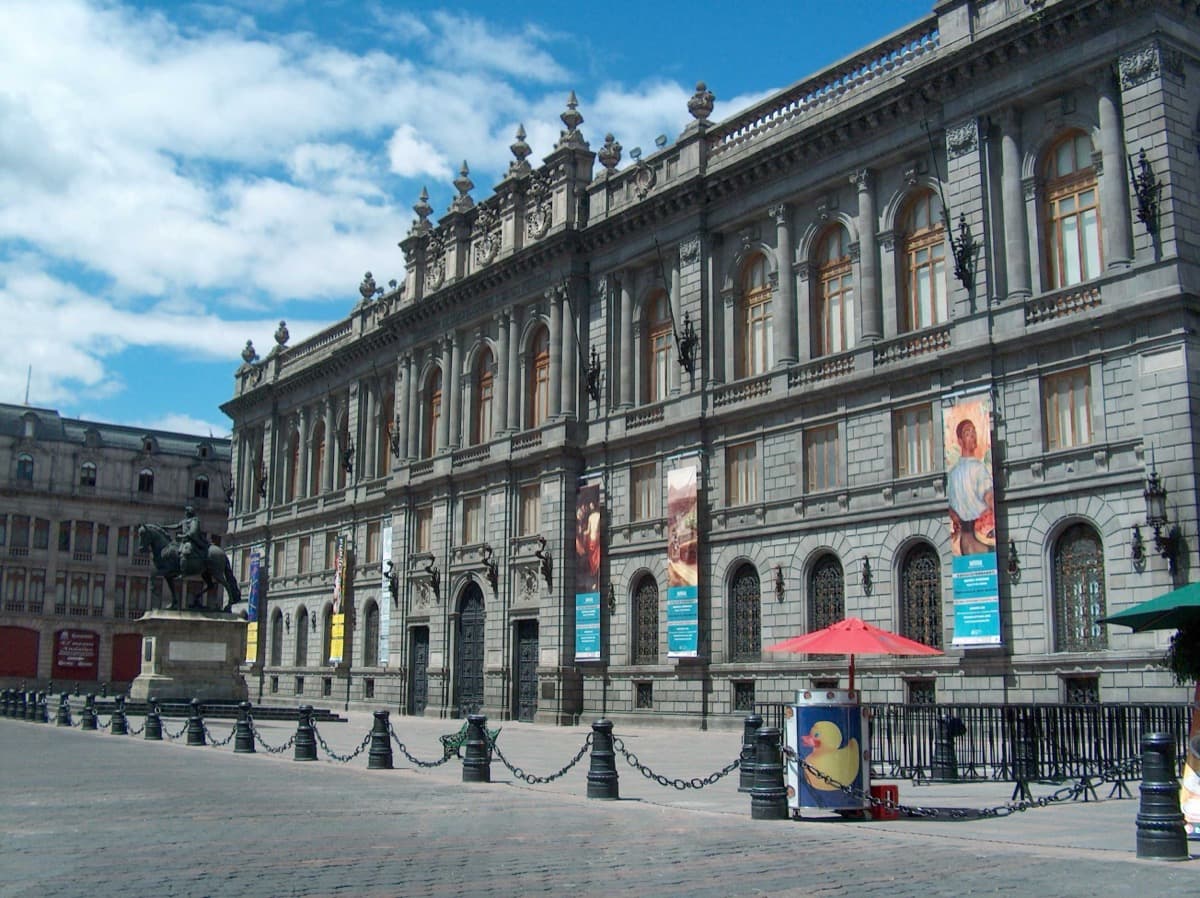
Museo Nacional de Arte: The Art Before the Revolution
Five centuries of Mexican art that prove the muralists didn't start a revolution. They inherited a 400-year argument.
- 5
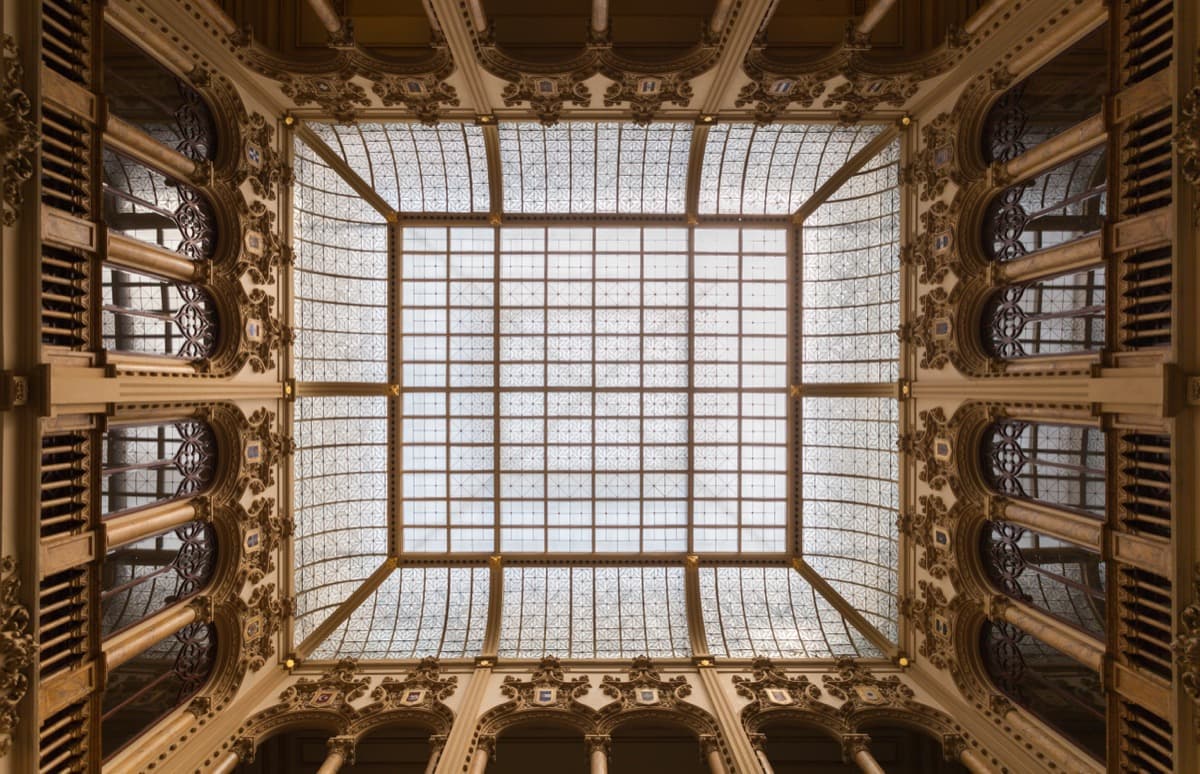
Palacio Postal: The Mirror
The lavish European-style post office the muralists claimed to reject, and the contradiction they could never resolve.
- 6
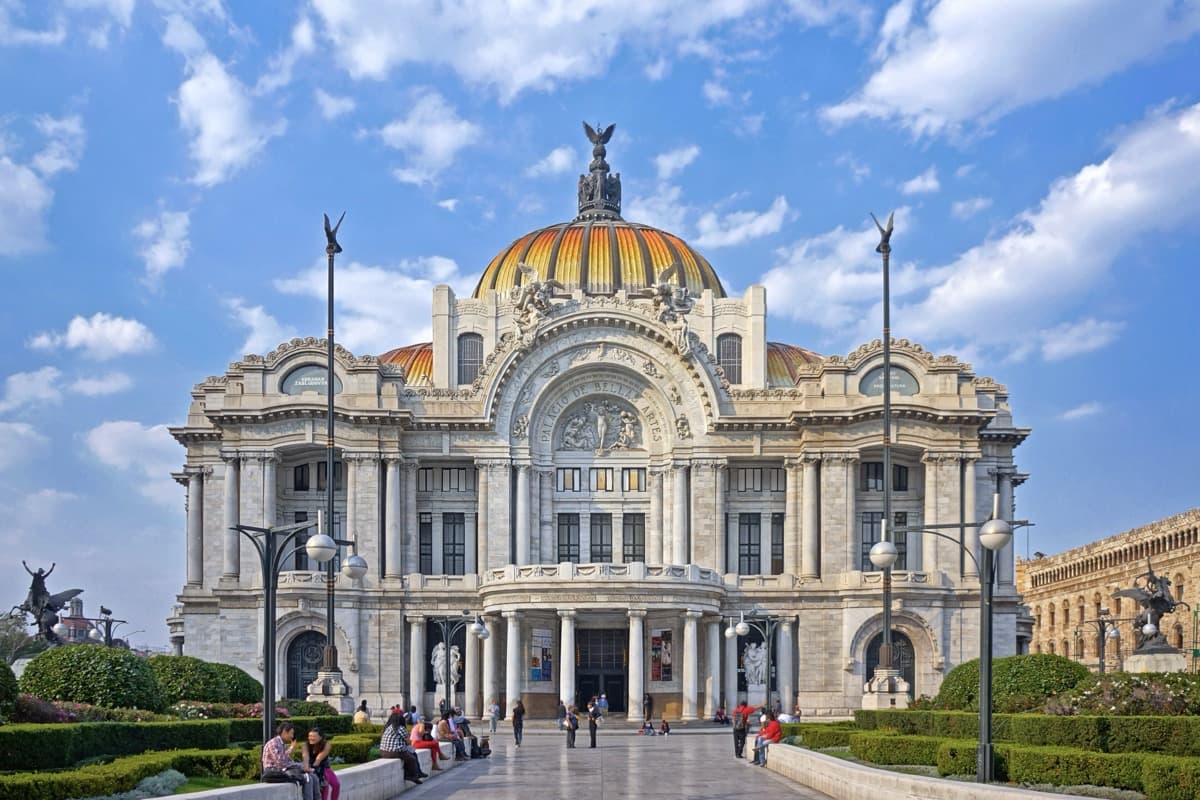
Palacio de Bellas Artes: Four Contradictions Under One Roof
All four great muralists in one building: Rivera the capitalist's client, Siqueiros the assassin, Orozco the skeptic, Tamayo the independent. The thesis arrives.
- 7
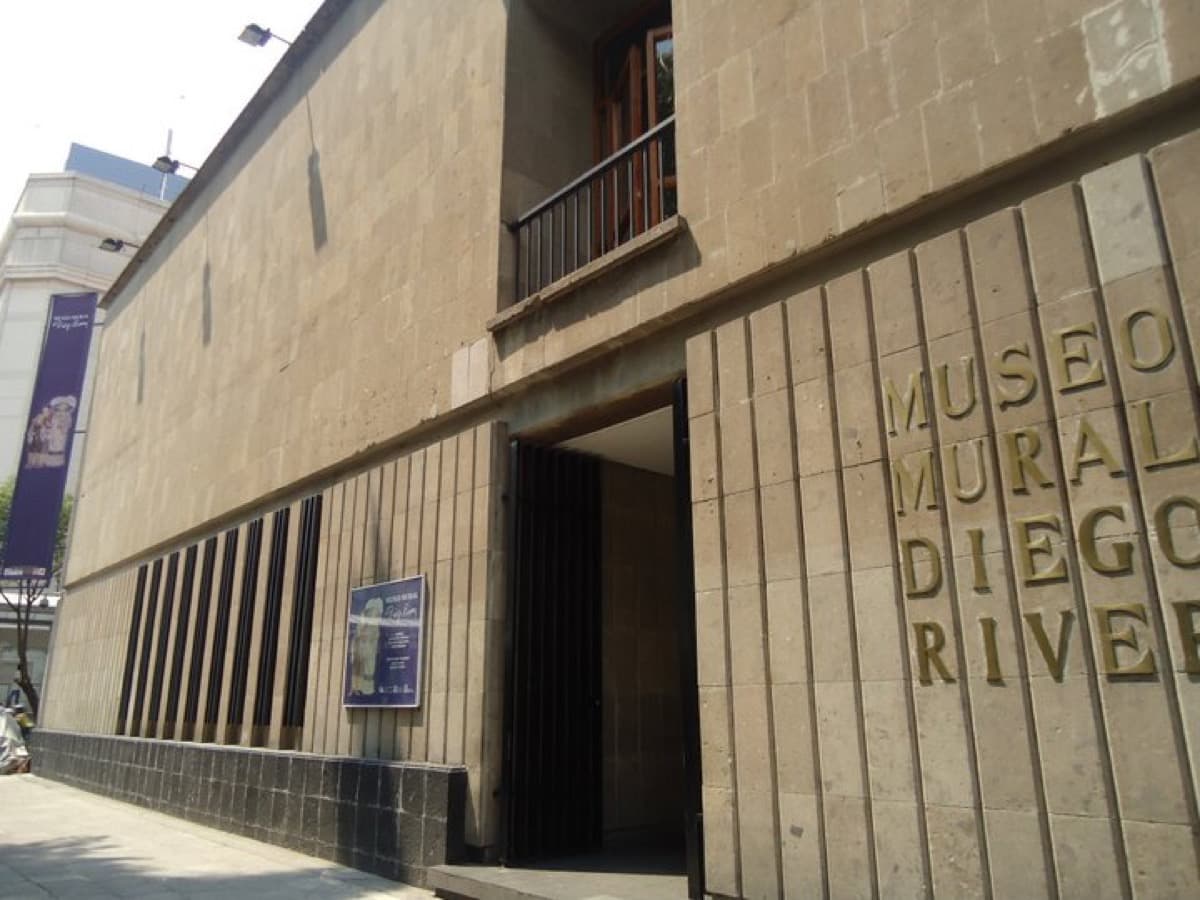
Museo Mural Diego Rivera: The Dream That Survived
A museum built for one painting: Rivera's impossible Sunday stroll through 400 years of Mexico. The crowd attacked it. The earthquake nearly destroyed it. The city saved it anyway.
Details
Best Time to Visit
Weekday mornings: government buildings with murals are open and less crowded, and MUNAL is practically empty
Pro Tips
- •Start early: San Ildefonso and the SEP building are best before the school groups arrive around 11 AM
- •The SEP building is free and almost never crowded, so take your time with Rivera's 120 panels
- •Bring your phone camera with zoom. Some murals at San Ildefonso are high on the walls
- •Visit MUNAL on Sundays when admission is free, though weekdays give you the galleries to yourself
- •The Palacio Postal is a working post office. You can actually mail a postcard from inside
Safety & Precautions
- •Large bags and backpacks must be checked at most museum entrances. Travel light
- •Flash photography is prohibited in mural halls. Turn off your flash before entering
- •Watch your step on marble floors in colonial buildings. They can be slippery when wet
- •San Ildefonso requires a small admission fee and ID. Bring your passport or a copy
- •Some stops are government buildings with security checks. Allow extra time and bring patience
Travel advisory: Exercise Increased Caution (Level 2).
Gallery
Read the walk
The full story of Diego Rivera Murals: The Revolution on the Walls, in words. Prefer to listen? Play it narrated, from home or on location.
Introduction
In the United States, the great public art of the twentieth century lives in museums. The Pollock is at the Museum of Modern Art. The Hopper is at the Whitney. In Mexico, the great public art of the twentieth century is on the walls of government buildings, and the government paid for it.
The thesis is structural. Diego Rivera, José Clemente Orozco, and David Alfaro Siqueiros were communist, anti-clerical, anti-imperialist painters. The Mexican government commissioned them to put the most radical leftist art of their generation on the walls of the buildings that housed the state. The Mexican government commissioned its own critique. There is no equivalent anywhere else in the world.
It started in nineteen twenty-one, when Education Minister José Vasconcelos hired the painters to build a national narrative on the walls of the buildings the post-Revolutionary state controlled. Rivera painted one hundred and twenty panels in the Secretaría de Educación Pública. Orozco painted the Antiguo Colegio de San Ildefonso, where the whole movement began. Siqueiros painted Bellas Artes. The walls became the museum.
The walk is seven stops, about two point five kilometres and eighty minutes through Mexico City's Centro Histórico. San Ildefonso, the SEP, the old Inquisition plaza, MUNAL, the Palacio Postal as the Porfirian fantasy the muralists rebelled against, Bellas Artes where all four hang under one roof, and the Museo Mural Diego Rivera, the dream that survived the nineteen eighty-five earthquake.
When you arrive at the Antiguo Colegio de San Ildefonso, begin with stop one.
1. Antiguo Colegio de San Ildefonso: Ground Zero
This is where it all began. And I want you to notice something, it began with a question, not an answer. In 1922, Education Minister José Vasconcelos had his grand idea up and running. He invited artists to paint the walls of the Antiguo Colegio de San Ildefonso, a former Jesuit school built in the sixteenth century. Beautiful place, three levels of arched corridors wrapping around a serene colonial courtyard. The kind of building that whispers order and certainty. And then José Clemente Orozco got his hands on the walls. Orozco's murals here are his earliest major works, and they are nothing like the confident nation-building you might expect. These are raw. Angry. Unflinching. Walk to the main staircase and look at his mural cycle. He painted the Mexican Revolution, but not as triumph. As suffering. Soldiers and peasants caught in violence, bodies twisted, faces anguished. His masterpiece here is 'The Trench', three fallen soldiers arranged in a cruciform composition, their bodies draped like a deposition from the cross but without a shred of religious comfort. Just death. Just the cost. Art historians call it one of the masterpieces of twentieth-century painting, and they're right. It hits you in the chest. Now here's what makes this stop matter for our argument. The muralist movement is usually told as a story of confidence, bold artists painting bold visions of a bold new Mexico. But the very first major work in the very first building of the movement was about grief. Orozco looked at the revolution and his first instinct wasn't to celebrate. It was to mourn. You'll also find early work by Rivera and Siqueiros here, all three were young, experimenting, figuring out what this movement would become. Rivera's encaustic work already shows his narrative instinct developing. Siqueiros was pushing at technique even then. But it's Orozco who owns this building. Stand in that courtyard, sixteenth-century stone arches above you, twentieth-century anguish on the walls around you, and feel the collision. The architecture says permanence. The art says everything is breaking. This is Ground Zero. And ground zero was built on a question, not an answer.
2. Secretaría de Educación Pública: Rivera's 120 Panels
Now we head to the SEP. If Orozco's response to revolution was grief, Rivera's response was a plan. And not a modest one. Between 1923 and 1928, Diego Rivera painted over 120 individual panels across two massive courtyards of the Secretaría de Educación Pública, the Ministry of Public Education. One hundred and twenty panels. One artist. Five years. One of the largest mural cycles by a single human being in the history of art. And it's completely free to walk in off the street and see it. The two courtyards are organized like chapters of a book. The Court of Labor on the ground floor is Rivera's portrait of Mexico at work, farmers harvesting, miners descending into the earth, weavers at their looms, dyers stirring vats of pigment. Rivera traveled across the entire country researching these scenes. He didn't generalize. You can identify specific regional costumes, specific agricultural techniques, specific craft traditions. He was building an encyclopedia of Mexican labor on these walls. Upstairs, the Court of Fiestas celebrates, Day of the Dead, folk dances, markets bursting with fruit and flowers. The palette shifts warmer. The mood lifts. This is Rivera saying: this is who we are, and who we are is worth celebrating. But here's why this building matters for our argument. Walk through these courtyards and notice something crucial, the murals are at eye level. Not on a distant ceiling. Not high on a staircase you crane your neck to see. They wrap around you at shoulder height. You're inside the art. You're surrounded by it. That was deliberate. Rivera wanted the people walking through this building to feel Mexico's story pressing against them from every direction. And the building is still a functioning government office. Right now, as you stand here, bureaucrats are walking past these masterpieces on their way to meetings. Art woven into daily work, exactly as Rivera intended. But even in celebration, Rivera couldn't resist complication. Look carefully and you'll spot Wall Street bankers dining in luxury while workers toil. Judas figures bearing suspicious resemblances to politicians he despised. Critique smuggled into every corner of the celebration. Most tourists never come here. It's not in the guidebooks. They go to the Palacio Nacional instead. Which means you're standing in one of the greatest art spaces in the Western Hemisphere, and you might have it almost to yourself. That's Rivera's 120-panel argument for what Mexico could be. Remember the doubt we saw at San Ildefonso? Rivera heard the question and answered with confidence. Whether that confidence was earned, well, we're getting to that.
3. Plaza Santo Domingo: The Scribes and the Inquisition
Step on to Plaza Santo Domingo. We're stepping away from murals for a moment. But stay with me, this plaza is going to crack open a question that matters for everything we see next. Under the western arcade of Plaza Santo Domingo, you'll find the escribanos, public scribes who have worked in this plaza for centuries. Originally, they served the illiterate majority. Need a letter written? A legal document filed? A love note composed? The scribes did it. Some still work here today on aging typewriters, mostly handling official paperwork. Now hold that thought and think about what we just saw. In the 1920s, eighty percent of Mexicans couldn't read. The scribes translated the written word for people who needed it. The muralists did exactly the same thing, translating Mexico's history, its politics, its identity into images anyone could understand. Same plaza, same problem, different medium. The scribes just write what you ask them to. They're neutral. They're a service. But look across to the east side of the plaza. That imposing building? The former Palace of the Inquisition, now, rather fittingly, a museum of medicine. The Holy Office operated from that building for over two hundred years. Trying heresy. Policing thought. Deciding what people were allowed to believe. So here's the question this plaza poses, and it's the question that's going to follow us for the rest of the tour. The scribes just translate. The Inquisition controlled the narrative. Where do the muralists fall on that spectrum? Rivera depicted the Inquisition in his murals, always as colonial oppression, always as the enemy. But think about it. What were the muralists doing if not telling people what to think? They chose which history to paint. They chose which heroes to elevate. They chose which version of Mexico to put on the walls of government buildings. Was that public education? Or public persuasion? Is there even a difference? Look at the Church of Santo Domingo on the north side, beautiful baroque facade in red tezontle, that volcanic stone that's been Mexico City's signature building material since the Aztecs. The stone endures. The arguments about who controls the story, those never settle. We're going to carry that question forward. Because the next stop is going to complicate the muralists' story in a way they never intended.
4. Museo Nacional de Arte: The Art Before the Revolution
Walk on to MUNAL. The muralists claimed to start a revolution. This museum is going to show you they inherited one. The Museo Nacional de Arte, MUNAL, houses five centuries of Mexican art, from the colonial period to the mid-twentieth century. The building alone is worth a…
Full narration for this stop unlocks with the tour.
5. Palacio Postal: The Mirror
Now we cross to the Palacio Postal. We've spent four stops watching the muralists build their argument. Now I want to show you what they were arguing against. And then I want to show you why their argument had a crack in it from the very beginning. The Palacio Postal was built…
Full narration for this stop unlocks with the tour.
6. Palacio de Bellas Artes: Four Contradictions Under One Roof
Step into Bellas Artes. Start with the building itself, because the building is the argument in miniature. The outside, Art Nouveau, white Carrara marble, designed in 1904 by Adamo Boari for Porfirio Díaz. The Porfiriato's dream of a European Mexico, carved in stone. The inside,…
Full narration for this stop unlocks with the tour.
7. Museo Mural Diego Rivera: The Dream That Survived
And for our final stop, we head to Museo Mural Diego Rivera. A museum built for a single painting. Think about that. An entire building, designed, constructed, and maintained, to house one work of art. Fifteen meters wide. Nearly five meters tall. 'Dream of a Sunday Afternoon in…
Full narration for this stop unlocks with the tour.