Two centuries of a warrior family's fortune, spent not on an army but on a garden. Walk Kenrokuen and the castle beside it to see how the Maeda lords survived by gardening instead of fighting.
Start · Kenrokuen Garden: A Fortune Made Visible
DirectionsStops
- 1
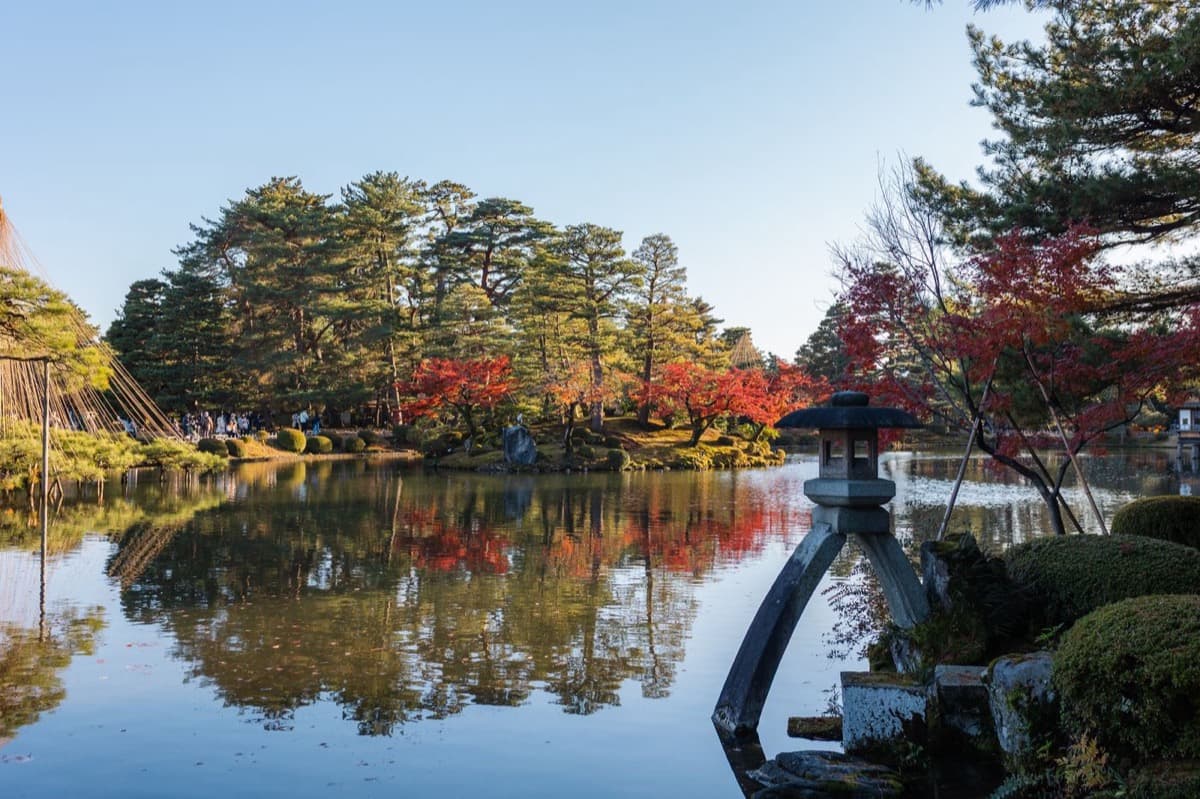
Kenrokuen Garden: A Fortune Made Visible
The celebrated garden where a warrior clan spent two centuries turning wealth into landscape.
- 2
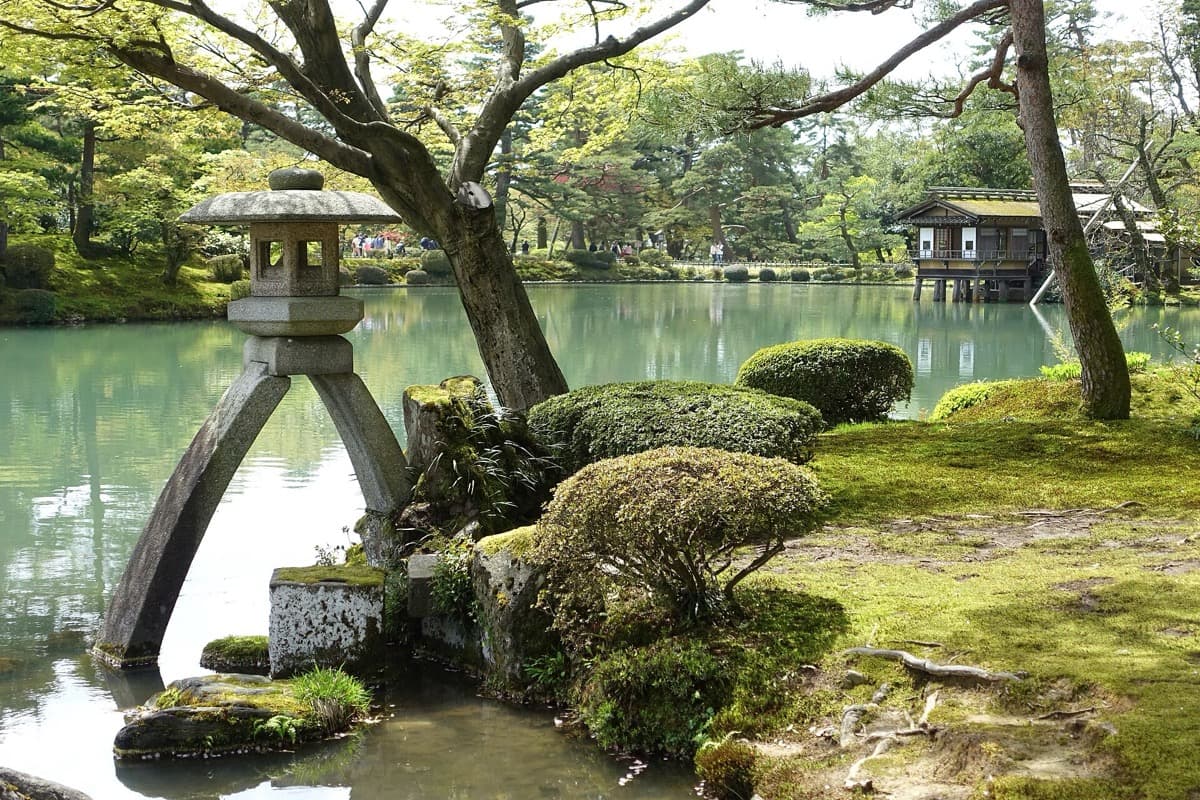
Kotoji-toro and Kasumigaike Pond: The Composed View
The two-legged stone lantern that became the single emblem of the garden and the whole city.
- 3
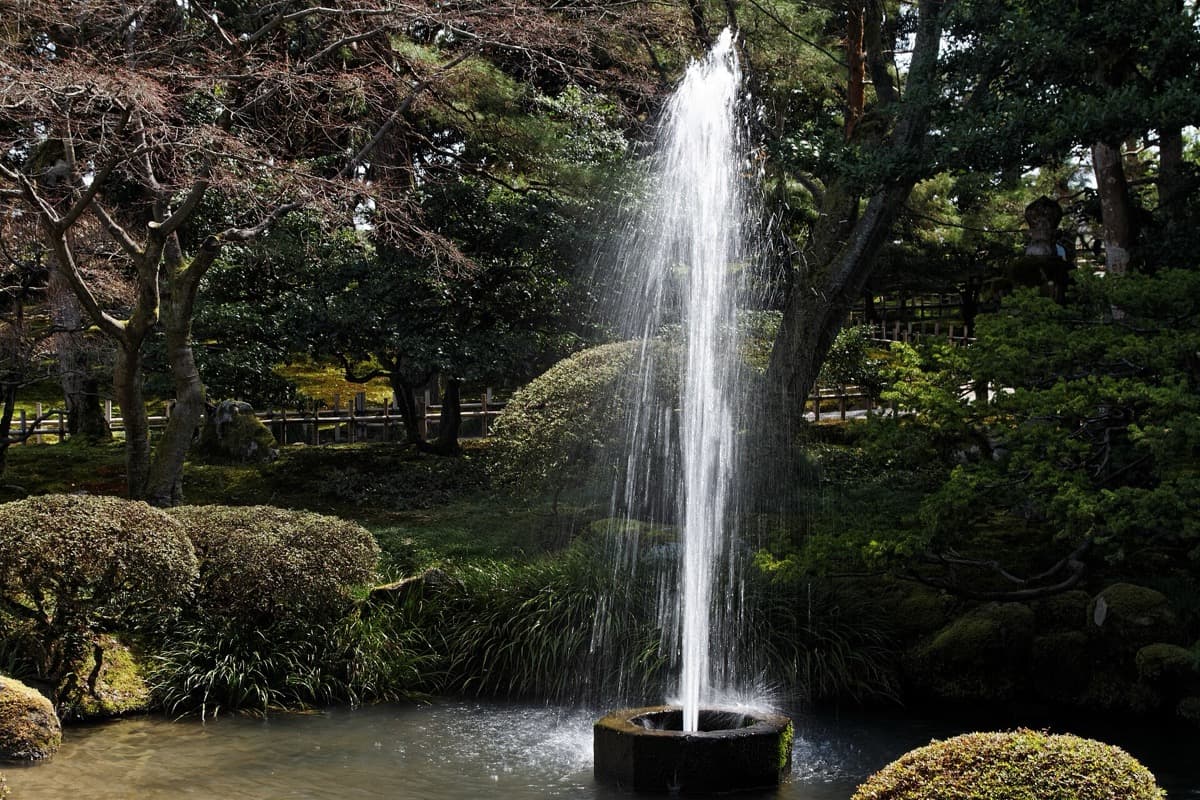
The Fountain: Water Pulled Uphill
A modest jet with no pump that quietly proves how a river was carried up into the garden.
- 4
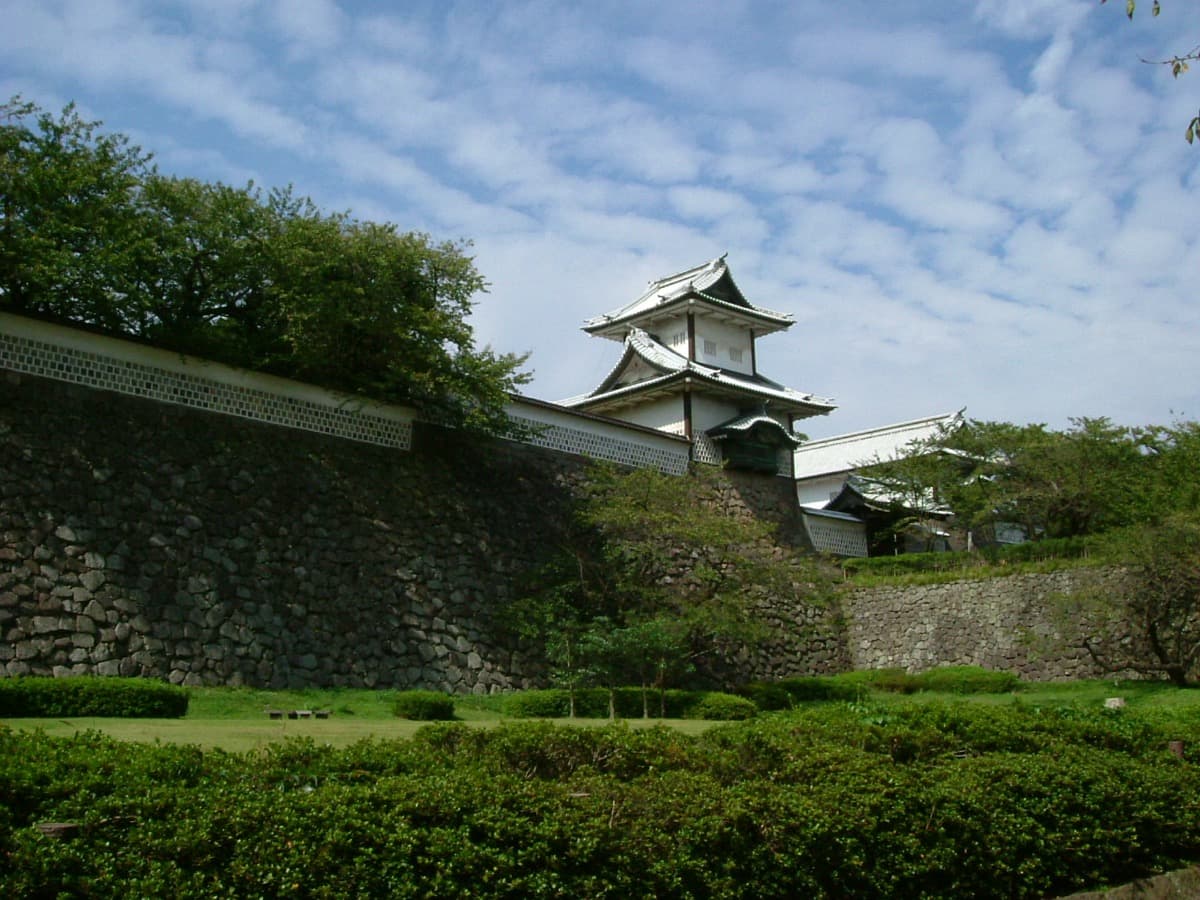
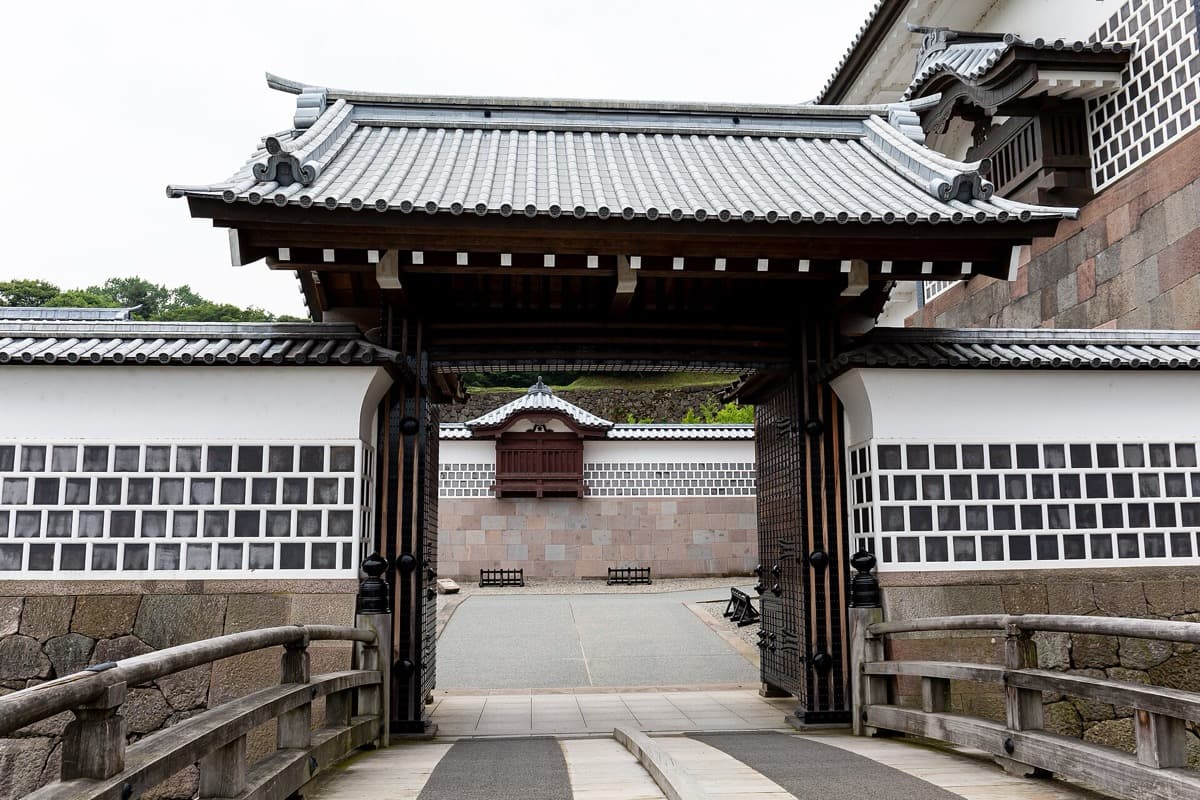
Ishikawa-mon Gate: The Threshold
The surviving Edo-period gate that marks the boundary between the garden of beauty and the stronghold.
- 5
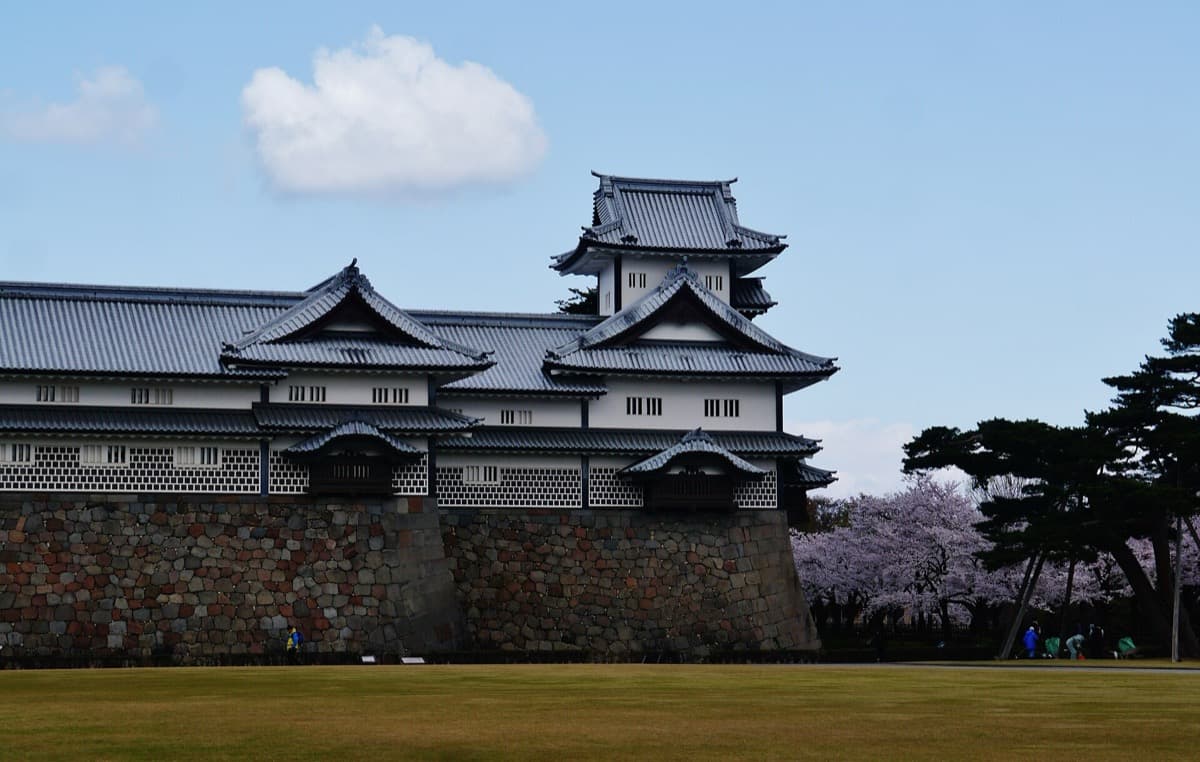
Kanazawa Castle: The Roof of Lead
The stronghold that kept burning and kept being rebuilt, roofed in fireproof lead.
- 6
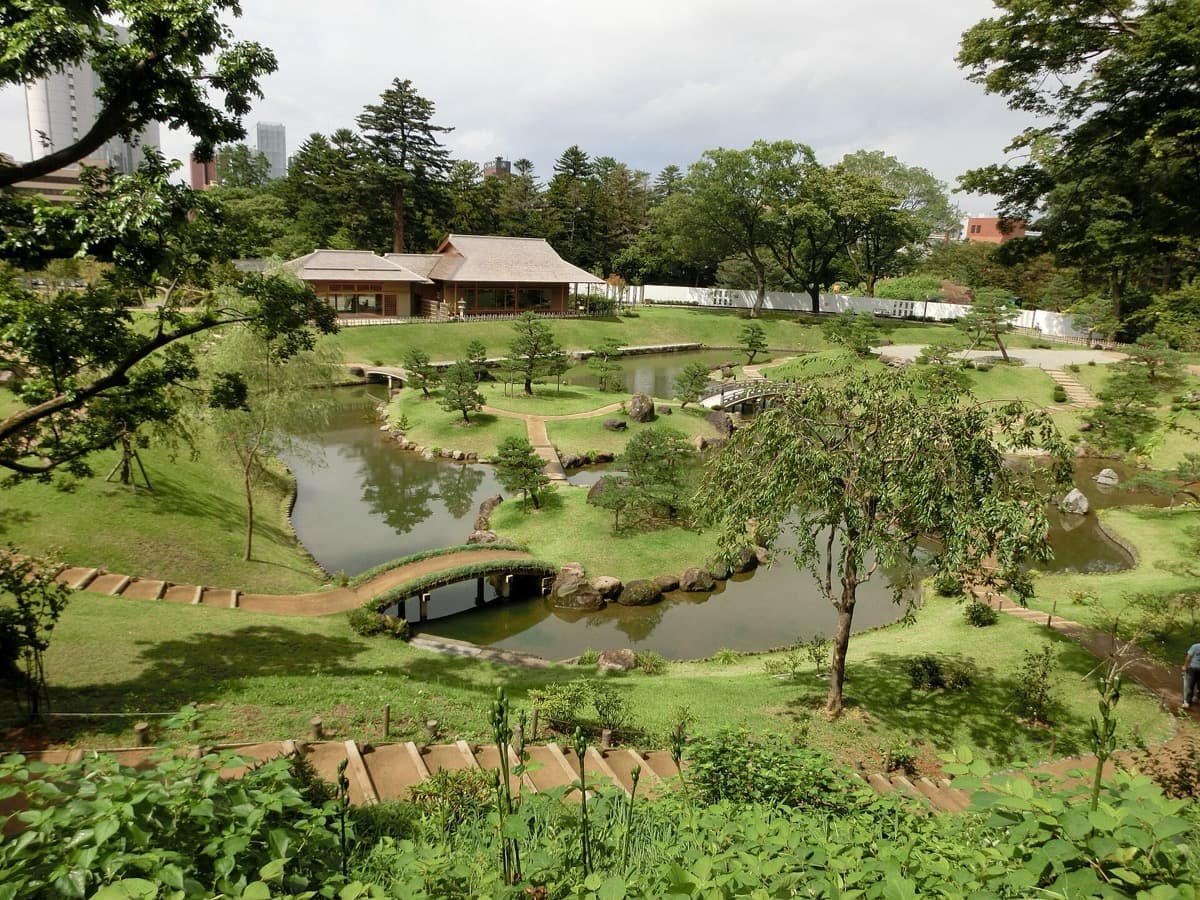
Gyokusen-inmaru Garden: Power and Beauty in One Enclosure
The lords' own private garden inside the fortress walls, where the whole paradox resolves.
Details
Best Time to Visit
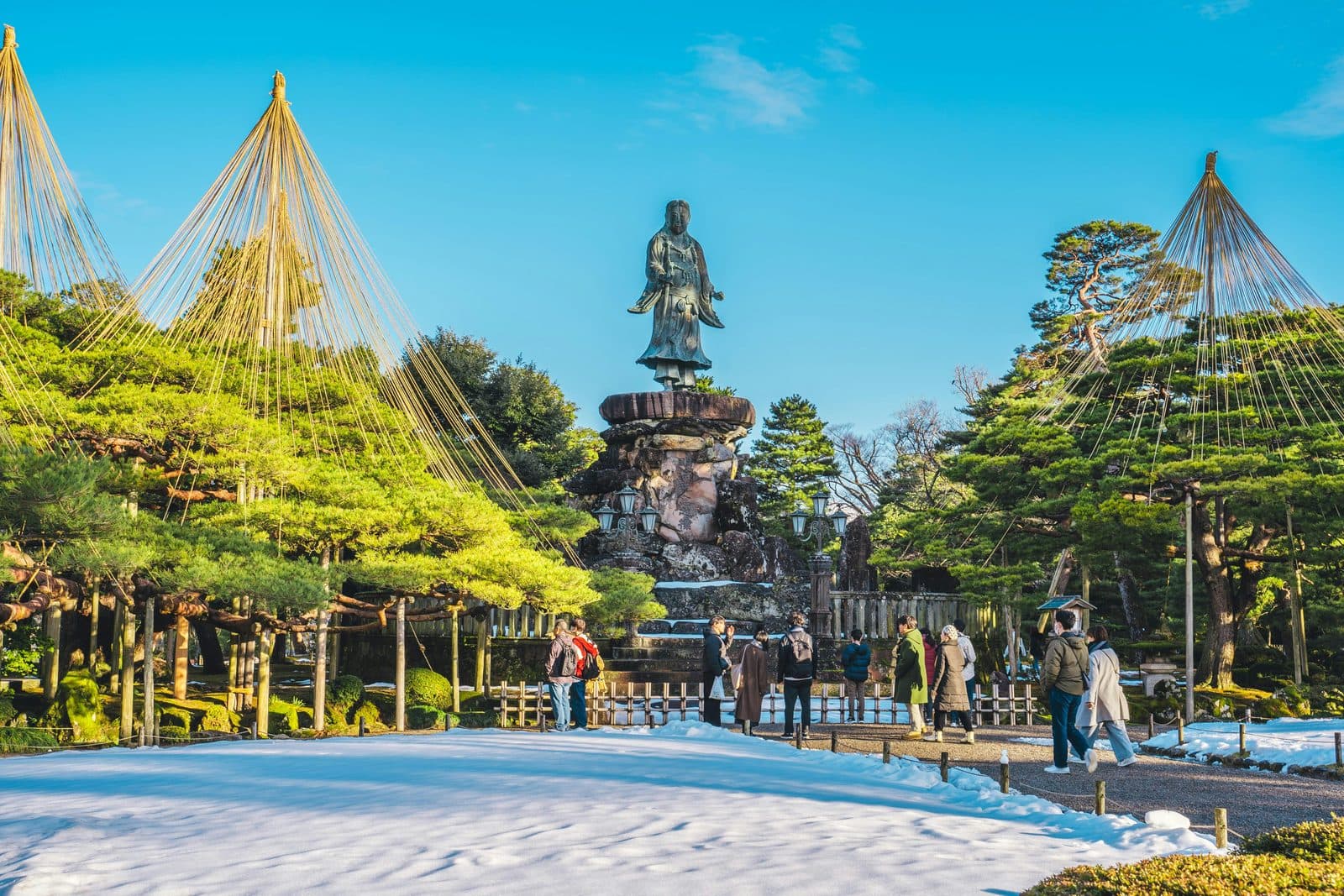
Early morning right at opening or late afternoon, when the light is soft and the crowds thin around the famous lantern. Kenrokuen rewards every season, but winter, when the pines are strung with rope supports against the snow, and cherry-blossom season in spring are the most striking.
Pro Tips
- •Kenrokuen adult admission is three hundred twenty yen, children are one hundred yen, and visitors sixty-five and older enter free with photo ID.
- •The castle park grounds are free to walk. Only the interior buildings, the turret and storehouse, cost a separate three hundred twenty yen, and Gyokusen-inmaru is free.
- •Arrive early or come late to have the Kotoji lantern, the one spot everyone photographs, mostly to yourself.
- •Wear comfortable shoes. The garden paths and castle grounds are gravel and stone with gentle slopes.
- •The garden and the castle sit right beside each other across the old moat, so you can walk the whole loop without any transit.
- •Kanazawa is Japan's center of gold-leaf craft, so leave time afterward for the surrounding heritage districts.
Safety & Precautions
- •Kanazawa is one of the rainiest cities in Japan and gets heavy snow in winter. Carry an umbrella year-round and watch for icy, slick stone paths in the cold months.
- •Stone and gravel paths can be uneven and slippery when wet. Wear shoes with good grip and take slopes slowly.
- •If you extend your walk into the old geisha districts, remember these are working neighborhoods. Keep your voice down, do not block lanes for photos, and never crowd or chase anyone in traditional dress.
- •In the nearby market it is polite to eat where you buy rather than walking off with food, and to ask before photographing stalls or vendors.
Travel advisory: Exercise Normal Precautions (Level 1).
Gallery
Related Reading
Go deeper on what you'll see, hear, and walk through.
Overview
Best Self-Guided Walking Tours in Kanazawa (2026)
3 min
Overview
Kanazawa Travel Guide: How Many Days, Getting There, When to Go (2026)
5 min
Overview
One Day in Kanazawa: A Walkable Castle-Town Itinerary (2026)
6 min
Thematic
What to Eat in Kanazawa: A Food Guide (2026)
5 min
Deep dive
The Oldest Fountain in Japan Has No Pump: How Kanazawa Pulled a River Uphill
6 min
Read the walk
The full story of Kenrokuen and the Castle: A Garden of Power, in words. Prefer to listen? Play it narrated, from home or on location.
Introduction
Kanazawa sits on the Sea of Japan coast, a castle city that spent the Edo period growing rich and never going to war. This walk through Kanazawa, in Japan, follows how one warrior family, the Maeda lords of the Kaga Domain, turned an enormous fortune into a garden instead of an army. Over about ninety minutes and roughly one and a half kilometres, you will move through six stops, beginning in the celebrated Kenrokuen Garden, crossing the old castle moat, and ending inside the walls at a private garden the lords kept for themselves. Along the way you will meet a paradox. The Maeda were among the wealthiest daimyo in all of Japan, rich enough to raise an army, and generation after generation they spent that wealth on beauty rather than soldiers. Every hill they moved and every pond they filled was a message to the government far away in Edo: we are no threat to you. The castle beside the garden tells the other half of the story. It burned again and again over the centuries and was rebuilt each time, wearing pale roofs of lead that resisted fire and, by legend, could be melted into bullets if the peace ever failed. Garden and castle are two halves of a single lesson in how a clan of warriors survived by refining themselves instead of fighting. Take the stops at your own pace, linger where you like, and skip anything that does not hold you. Each stop stands on its own. When you arrive at the Kenrokuen ticket gate, begin with stop one.
1. Kenrokuen Garden: A Fortune Made Visible
You are standing in Kenrokuen, officially recorded as opening to the public on May seventh, eighteen seventy-four. Before that day it was private, the outer garden of the castle across the way, and it belonged to the Maeda, the warrior clan who ruled this region for close to two hundred eighty years. Here is the paradox to carry with you. The Maeda were among the wealthiest daimyo in all of Japan, a fortune large enough to raise an army, and instead they spent it here, moving hills and shaping ponds generation after generation from the sixteen twenties into the eighteen forties. The name itself is a boast. Kenroku-en means the garden that combines six attributes: spaciousness, seclusion, artifice, antiquity, waterways, and broad views. Those six are supposed to work against each other. As the garden's own record puts it, if you build in a sense of vastness, you lose the feeling of quiet and intimacy. To hold all six at once was the claim these lords were making. It is why Kenrokuen is counted as one of the three great gardens of Japan, beside Kairakuen in Mito and Korakuen in Okayama. Take your time as you walk in. Notice that almost nothing here is accidental. The water sits about fifty meters above the sea, drawn from the Sai River below and carried up into these ponds. Every rise and every pool was decided by a person. What looks like nature is really two centuries of a single family telling the government far away in Edo a careful message: we are spending our money on beauty, not on soldiers. Let that idea settle as you move toward the pond at the garden's heart.
2. Kotoji-toro and Kasumigaike Pond: The Composed View
This is the picture almost everyone carries home from Kanazawa. The two-legged stone lantern is called the Kotoji-toro, and it stands at the edge of Kasumigaike, the Misty Lake, the wide pond at the center of the garden. Look at how it stands. One leg rests on the bank, the other reaches down into the water. The shape is not random. It echoes the koto-ji, the little movable bridges that hold up the strings of a koto, a traditional Japanese stringed instrument. Most stone lanterns of this snow-viewing type stand on three or four legs. This one has only two, which makes it an unusual variant and part of why it became the single emblem of the whole garden and of the city itself. Stand here a moment and think about what you are actually looking at. The pond did not shape itself. The lords who built this garden composed this view the way a painter composes a canvas, choosing where the water would sit, where the lantern would lean, where your eye would land. The reflection, the arched bridge nearby, the trees held in careful poses, all of it is engineered scenery. That is the quiet lesson of Kenrokuen. It looks like the work of nature, but it is the work of power and patience, a family with the money and the generations to move a landscape until it looked effortless. When you are ready, the path leads downhill toward a small jet of water that hides the cleverest trick in the whole garden.
3. The Fountain: Water Pulled Uphill
This modest jet of water is easy to walk past, and it is one of the most important things in the garden. It is often described as the oldest fountain in Japan, and it dates to about eighteen sixty-one, late in the Edo period. Here is what makes it remarkable. There is no pump.…
Full narration for this stop unlocks with the tour.
4. Ishikawa-mon Gate: The Threshold
You have crossed from the garden into the world of the castle, and this gate is the threshold between them. This is the Ishikawa Gate, built in seventeen eighty-eight. It faces Kenrokuen across what used to be the castle moat, and you reach it over a bridge that once spanned…
Full narration for this stop unlocks with the tour.
5. Kanazawa Castle: The Roof of Lead
Maeda Toshiie took this castle in fifteen eighty-three, after the fighting that followed one of the great battles of that age, and from here his family ruled the Kaga Domain for close to two hundred eighty years. What you see now is mostly reconstruction, and there is a reason…
Full narration for this stop unlocks with the tour.
6. Gyokusen-inmaru Garden: Power and Beauty in One Enclosure
This is where the two threads finally sit in the same enclosure. Gyokusen-inmaru is a garden inside the castle walls, and unlike Kenrokuen it was never meant for show. It was first built in sixteen thirty-four by Maeda Toshitsune, the third lord, and later lords kept refining…
Full narration for this stop unlocks with the tour.