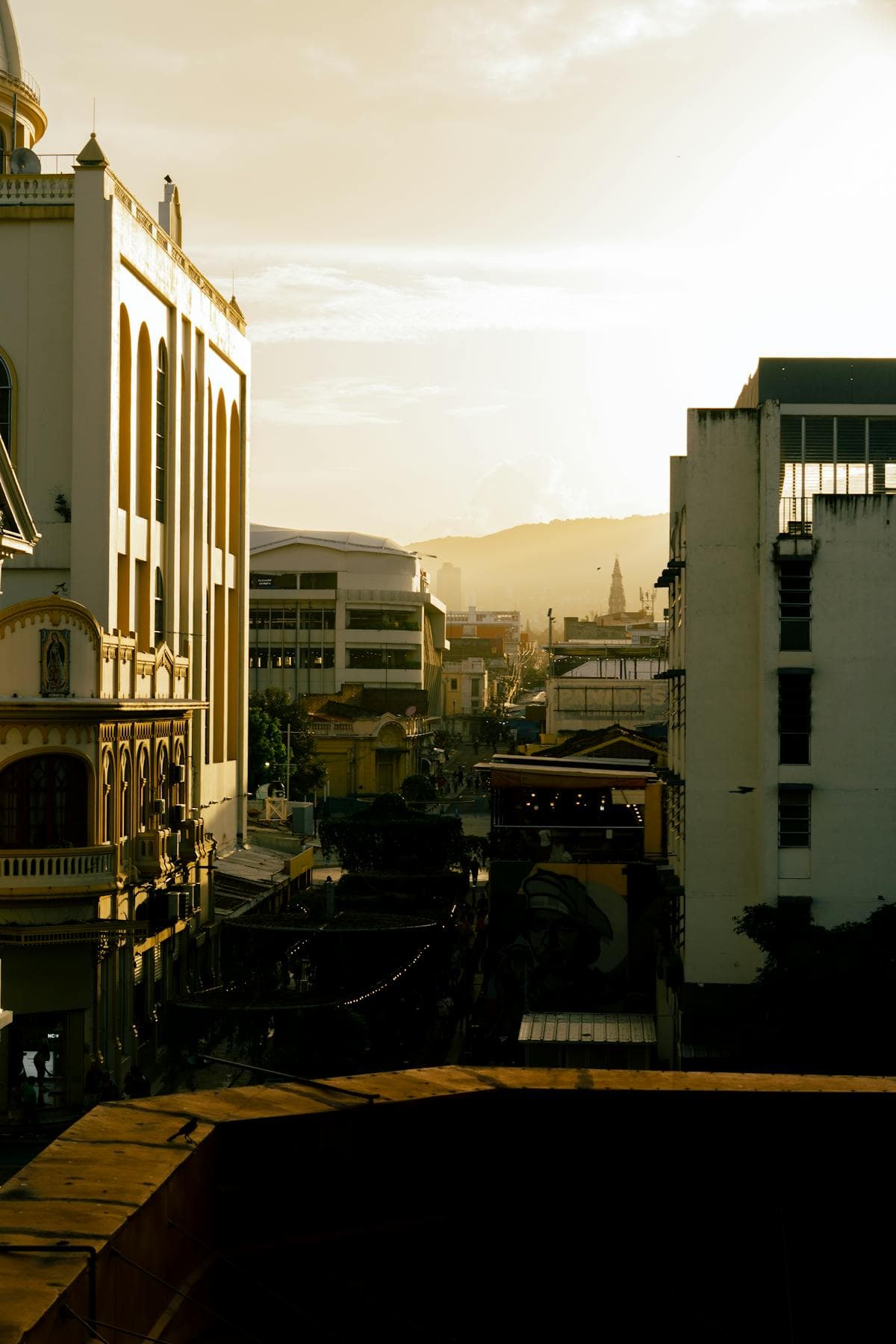
A solemn journey through the sites of Archbishop Óscar Romero's life and martyrdom, the Salvadoran Civil War, and the ongoing pursuit of justice and memory in El Salvador's capital.
Start · Catedral Metropolitana — Romero's Tomb
DirectionsStops
- 1
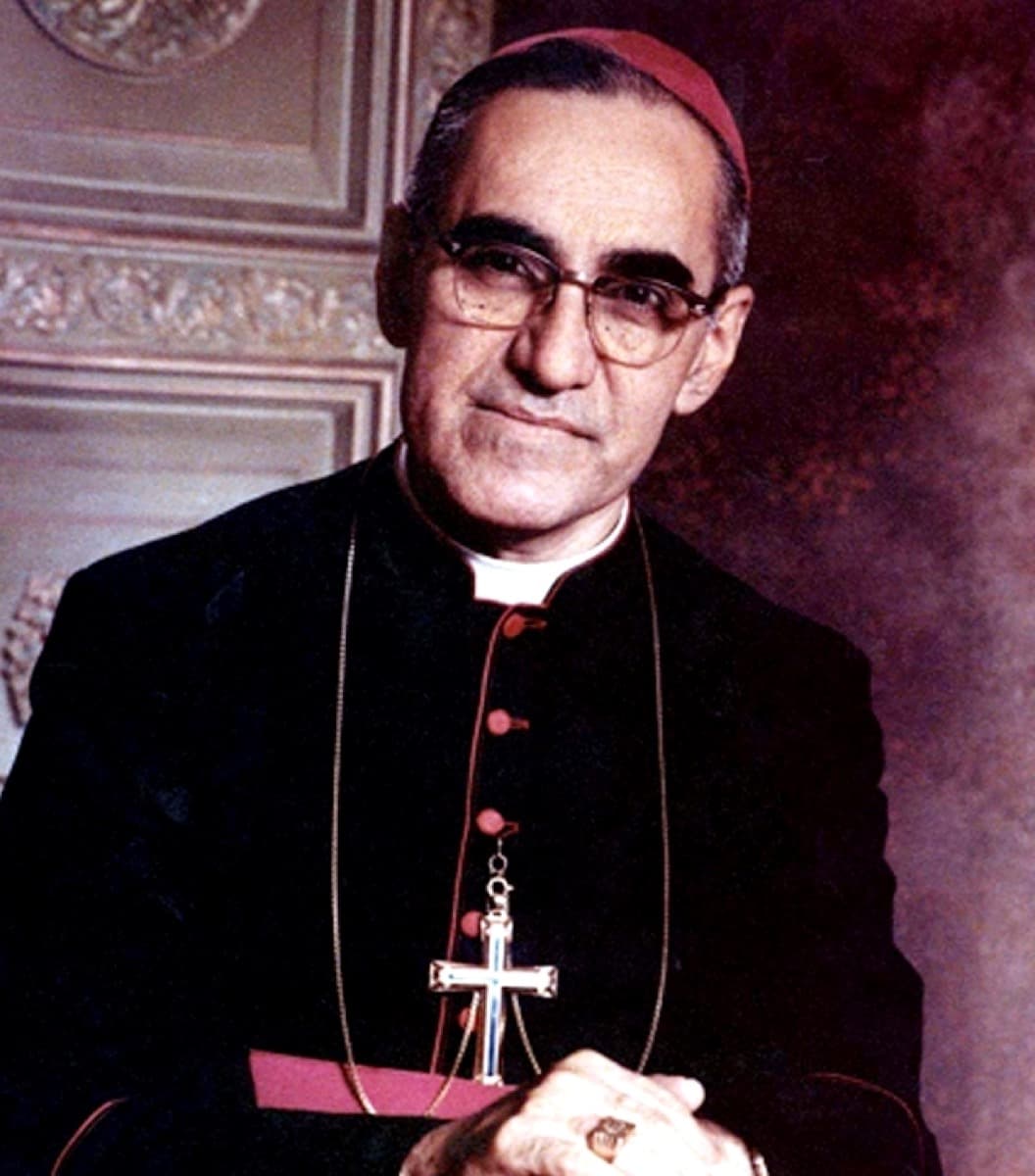
Catedral Metropolitana — Romero's Tomb
The Metropolitan Cathedral of San Salvador houses the crypt and tomb of Saint Óscar Romero, canonized by Pope Francis in 2018. Pilgrims from around the world come to pay respects to the archbishop who became the conscience of a nation.
- 2
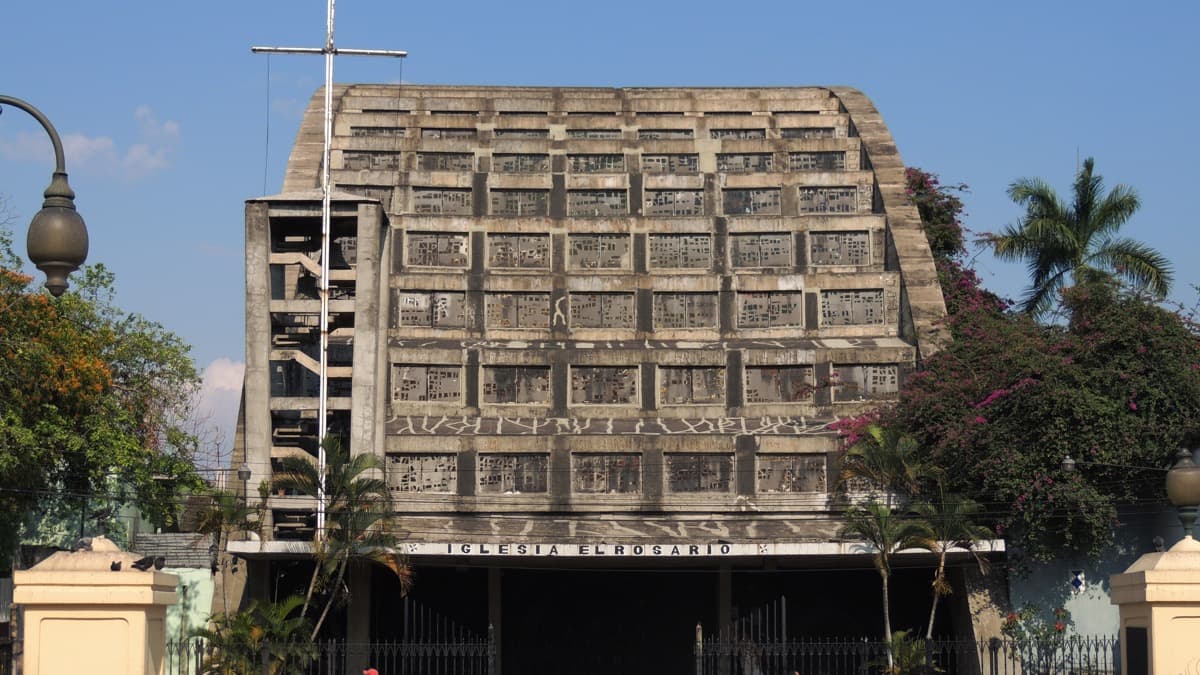
Iglesia El Rosario
A breathtaking modernist church designed by sculptor Rubén Martínez in 1971, Iglesia El Rosario is renowned for its rainbow-colored light and its role as a sanctuary for the poor and persecuted during the civil war.
- 3
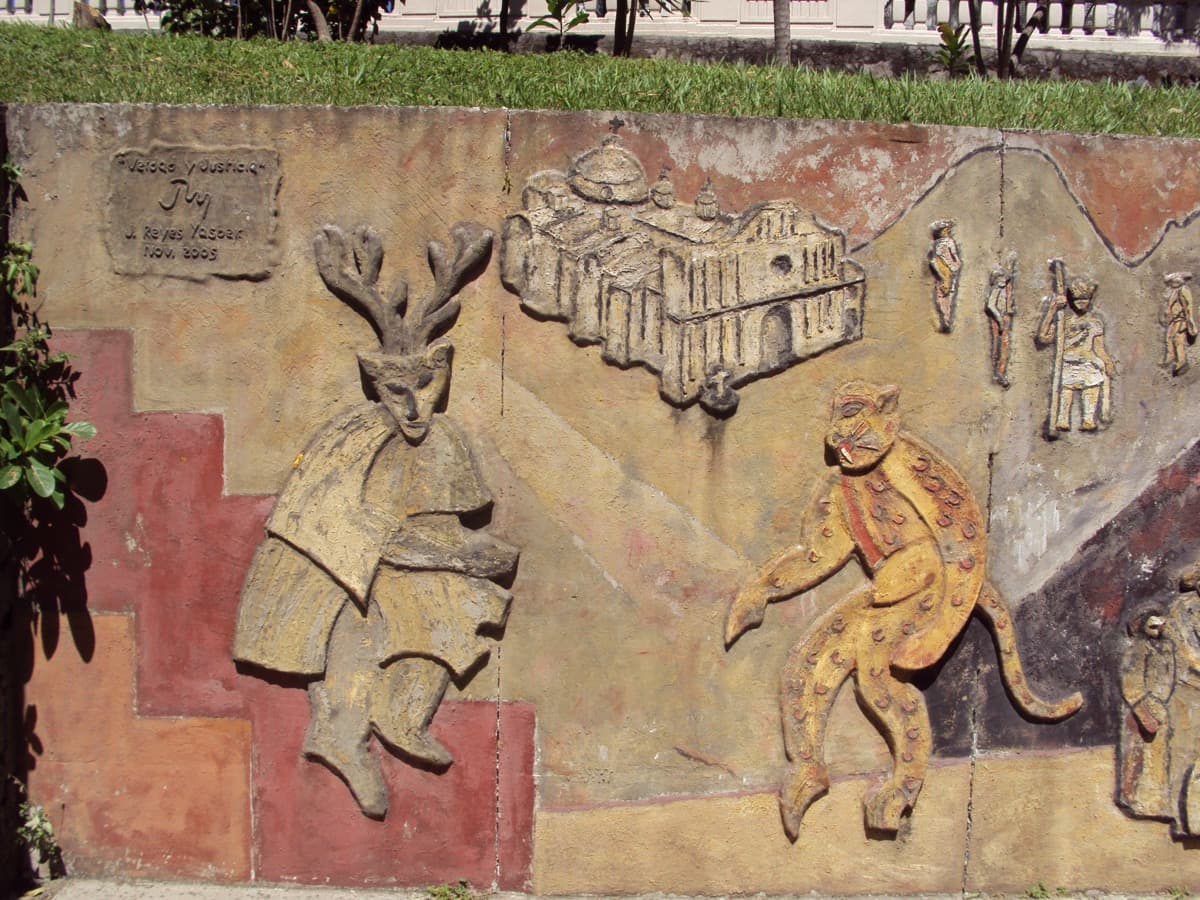
Monumento a la Memoria y la Verdad
An 85-meter granite wall in Cuscatlán Park inscribed with over 30,000 names of civilians killed or disappeared during El Salvador's civil war. It is the country's most important memorial to the conflict's victims.
- 4
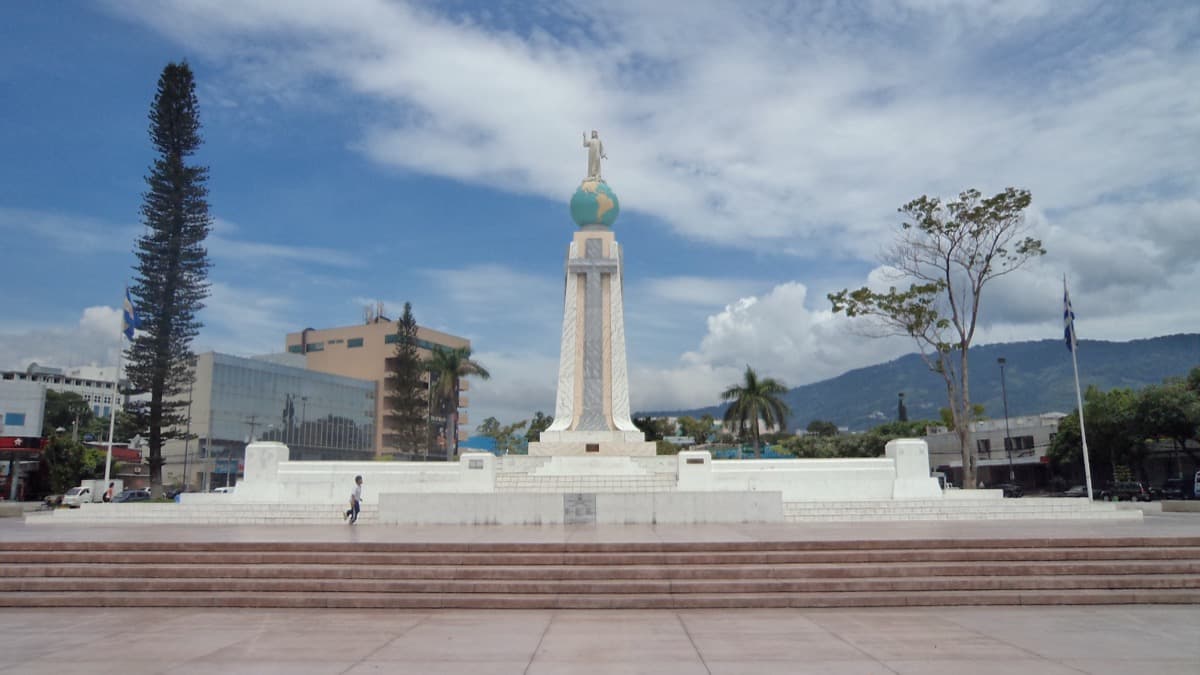
Monumento al Divino Salvador del Mundo
The iconic monument of Christ standing atop a globe, the defining symbol of San Salvador and the spiritual anchor of the nation. The surrounding plaza was remodeled in 2010.
- 5
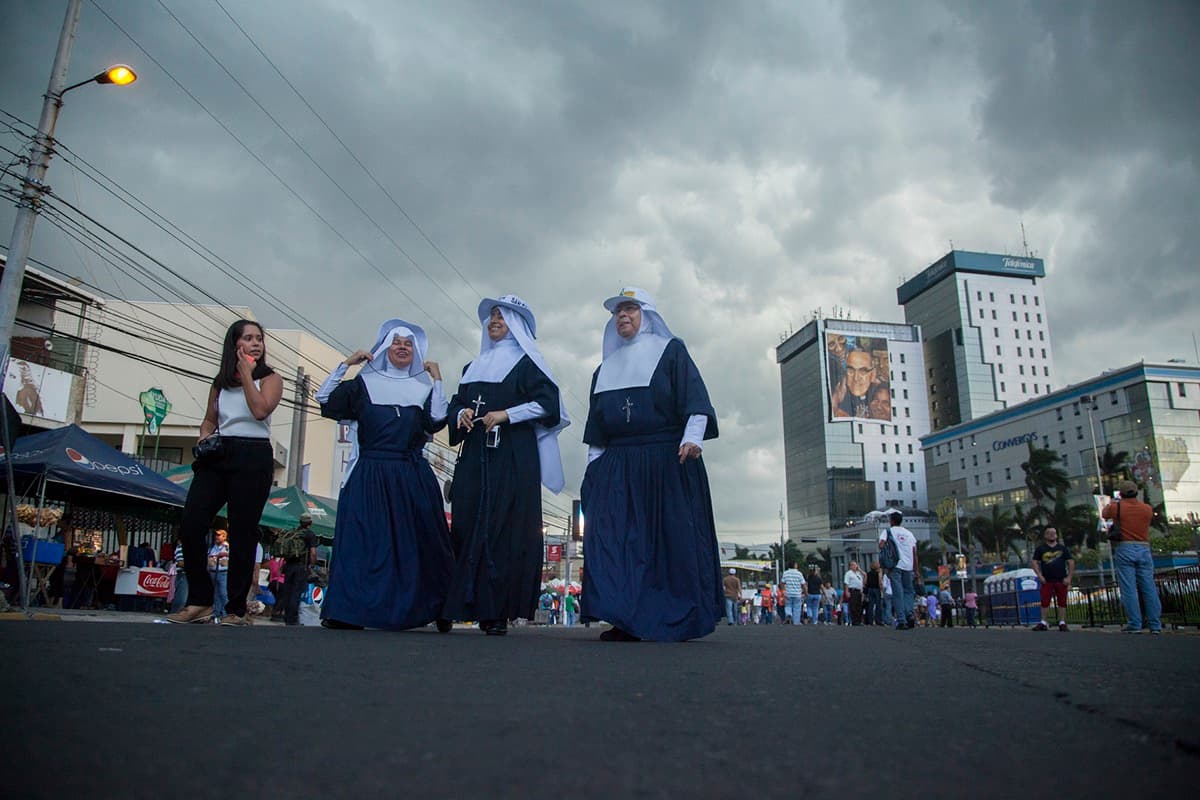
Capilla del Hospitalito Divina Providencia
The small hospital chapel where Archbishop Óscar Romero was assassinated by a sniper's bullet while celebrating Mass on March 24, 1980. The chapel is preserved as a pilgrimage site, with Romero's blood-stained vestments on display.
- 6
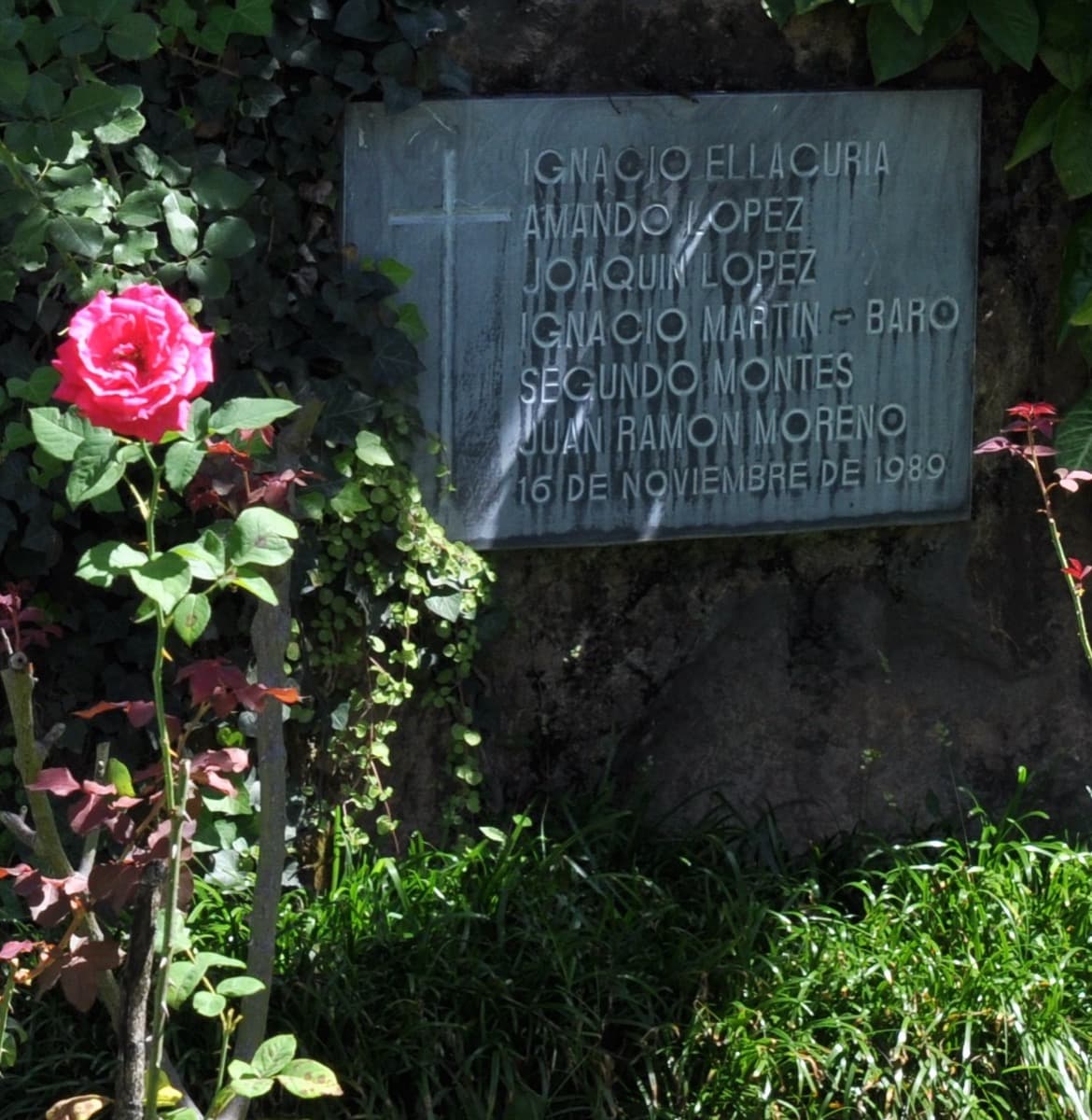
Centro Monseñor Romero (UCA)
A museum and memorial at the Universidad Centroamericana José Simeón Cañas commemorating Archbishop Romero and the November 16, 1989 massacre of six Jesuit priests, their housekeeper, and her teenage daughter by army soldiers.
Details
Best Time to Visit
Morning hours (8-10 AM) when churches are open and temperatures are cooler. Avoid midday heat for the transport segments between stops.
Pro Tips
- •This tour spans multiple neighborhoods and requires taxi or rideshare between some stops—budget accordingly
- •The Centro Monseñor Romero at UCA offers free guided tours lasting about 1.5 hours; call ahead to confirm schedule
- •Bring water and sun protection for outdoor memorial stops
- •A small donation at the Hospitalito chapel is appreciated and supports the adjacent cancer hospital
Safety & Precautions
- •This tour covers sites of political violence and human rights atrocities. Prepare yourself emotionally
- •Exercise standard urban safety precautions, especially when waiting for transport between stops
- •Dress modestly for church and chapel visits. Shoulders and knees covered
- •Some sites may be closed on Sundays or holidays; verify hours before departing
- •Keep valuables out of sight and decline unsolicited approaches while waiting for a taxi or bus between stops, where distraction scams and phone snatching are most common.
- •If you come across a protest or street gathering, give it a wide berth: El Salvador's constitution bars foreign visitors from political activity, and joining a demonstration can lead to detention or deportation.
Travel advisory: Exercise Normal Precautions (Level 1).
Gallery
Read the walk
The full story of San Salvador: Romero, March 24, 1980, in words. Prefer to listen? Play it narrated, from home or on location.
Introduction
March twenty-fourth, nineteen eighty. Six in the evening. Archbishop Óscar Romero is celebrating Mass at the chapel of the Hospital Divina Providencia, a small cancer hospice in San Salvador. He has been Archbishop for three years. He is sixty-two years old. He has spent the previous year preaching weekly radio sermons to the entire country, refusing to choose sides between the right-wing government and the left-wing guerrillas, demanding that both stop killing peasants. Two months earlier he wrote to US President Jimmy Carter asking him to stop sending military aid to the Salvadoran government. The day before, he stood in this same chapel and addressed the soldiers of the Salvadoran army directly. The law of God says you shall not kill. No soldier is obliged to obey an order to kill. Stop the repression.
At the moment of consecration, a single shot is fired from outside the chapel doorway. The bullet enters his chest. He is dead within minutes.
His murder did not start the Salvadoran civil war. It crystallised it. Romero was canonised by Pope Francis in twenty eighteen. He is now Saint Óscar Romero, patron of the Americas.
This is a human-rights tour. You will walk through the Cathedral where Romero is buried, the Iglesia El Rosario where his message resonated, the civil war memorial listing seventy-five thousand named dead, the Monumento al Divino Salvador where Romero gave his most famous public speeches, the chapel where he was assassinated, and the Centro Monseñor Romero at the UCA university where six Jesuit priests were murdered in nineteen eighty-nine.
The walk is six stops, about four point five kilometres and one hundred and twenty minutes, with one taxi or bus segment between the chapel and the UCA. The chapel and UCA charge no fees. When you arrive at the Catedral Metropolitana, begin with stop one.
1. Catedral Metropolitana — Romero's Tomb
Welcome to the Catedral Metropolitana, your first stop on this tour. You are standing in the Metropolitan Cathedral of San Salvador, and beneath your feet lies the crypt of Saint Óscar Arnulfo Romero. Descend to the lower level and you will find his tomb, usually surrounded by flowers and the quiet prayers of pilgrims who travel from every corner of the world to be here. Romero served as Archbishop of San Salvador from 1977 until his assassination in 1980. In those three short years, he transformed from a cautious, conservative clergyman into the most powerful moral voice in Central America. Every Sunday, his homilies were broadcast by radio to hundreds of thousands of Salvadorans. He read the names of the dead. He documented massacres the government denied. He pleaded with soldiers to disobey orders to kill. His final Sunday homily, delivered the day before his death, contained words that sealed his fate. Speaking directly to the army, he said: In the name of God, in the name of this suffering people, I ask you, I beg you, I order you, stop the repression. The next evening, he was killed. In 2018, Pope Francis canonized Romero as a saint and martyr. But for Salvadorans, he had been a saint for decades. Look around this cathedral. It is unfinished, construction halted during the civil war and was never fully completed. That incompleteness feels fitting. The work Romero began remains unfinished too. Justice is still incomplete. Memory is still contested. But this tomb endures as a promise that the dead are not forgotten.
2. Iglesia El Rosario
Welcome to the Iglesia El Rosario. Step inside Iglesia El Rosario and prepare to have your expectations overturned. From the outside, this church looks like a concrete bunker. Inside, it is one of the most extraordinary sacred spaces in Latin America. Designed by Salvadoran sculptor Rubén Martínez and completed in 1971, the church uses an arched concrete shell pierced by fragments of colored glass. As the sun moves through the day, shafts of rainbow light sweep across the interior, painting the bare concrete walls in shifting reds, blues, greens, and golds. There are no traditional pews, no ornate altars, no gold leaf. Martínez stripped away colonial ornamentation to create a space of raw spiritual power. The architecture is a theological statement: God is present in light itself, not in wealth or decoration. But this church carries a heavier story. The Dominican priests who served El Rosario were outspoken advocates for the poor. During the civil war, the church sheltered refugees fleeing army operations in the countryside. It became a target. Soldiers entered the church. People were threatened. The Dominicans persisted. They saw their faith as inseparable from justice. Stand in the center of the nave and look up. Watch the light move. Martínez understood something profound: beauty and suffering coexist. This church holds both, the transcendence of colored light falling on concrete, and the memory of terrified families huddled in these shadows, hoping the soldiers would not return.
3. Monumento a la Memoria y la Verdad
Welcome to the Monumento a la Memoria y la Verdad. Before you stretches a wall of names. Eighty-five meters of black granite, inscribed with over 30,000 names of Salvadoran civilians who were killed or forcibly disappeared between the early 1970s and the 1992 peace accords. This…
Full narration for this stop unlocks with the tour.
4. Monumento al Divino Salvador del Mundo
Welcome to the Monumento al Divino Salvador del Mundo. You are now at the geographic and symbolic heart of San Salvador. The Monumento al Divino Salvador del Mundo, the Monument to the Divine Savior of the World, rises above a traffic roundabout on the western end of the city. A…
Full narration for this stop unlocks with the tour.
5. Capilla del Hospitalito Divina Providencia
Welcome to the Capilla del Hospitalito Divina Providencia. This is the place where it happened. On the evening of March 24, 1980, Archbishop Óscar Romero stood at this altar celebrating Mass for the residents and staff of the Hospitalito Divina Providencia, a small hospital that…
Full narration for this stop unlocks with the tour.
6. Centro Monseñor Romero (UCA)
Welcome to the Centro Monseñor Romero at the UCA, your final stop on this tour. You have arrived at the Universidad Centroamericana, known as the UCA, and the final stop on this tour. The Centro Monseñor Romero is both a museum and a sacred memorial, and what happened on these…
Full narration for this stop unlocks with the tour.