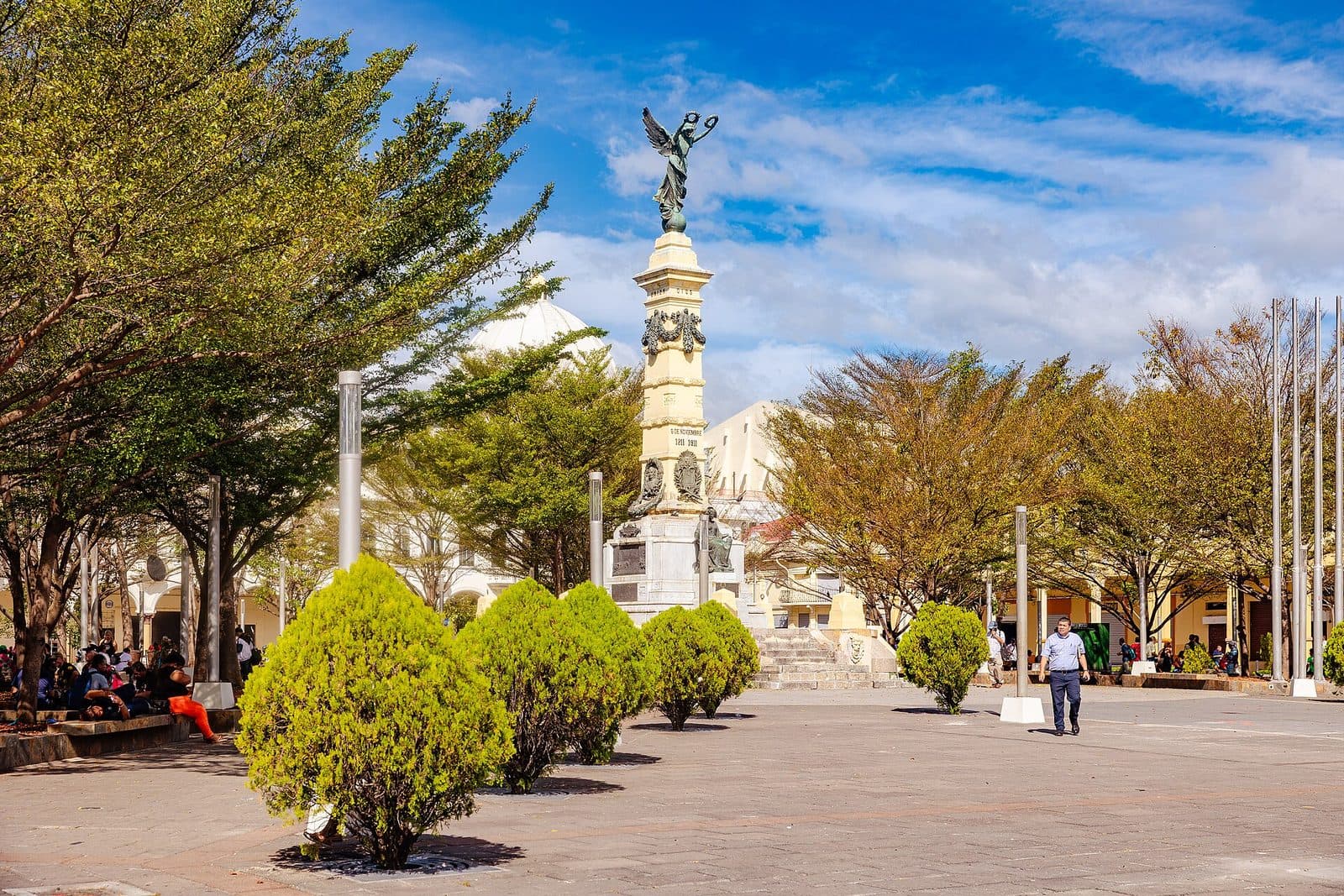
On the evening of March 24, 1980, Archbishop Óscar Arnulfo Romero lifted the chalice during Mass in the small chapel of the Hospital de la Divina Providencia in San Salvador. A single bullet, fired from the chapel doorway, struck him in the chest. He collapsed behind the altar and died within minutes. He was 62 years old.
His assassination did not silence him. If anything, it amplified a voice that had already become the conscience of a nation.
The Unlikely Prophet
Nothing in Romero's early career suggested the role he would come to play. Born in 1917 in Ciudad Barrios, a small town in eastern El Salvador, he was ordained in Rome in 1942 and spent decades as a cautious, bookish priest who avoided controversy. He rose through the church hierarchy precisely because he was seen as safe, a man who would not challenge the powerful alliance between the military government, the landed elite, and the institutional church.
When he was appointed Archbishop of San Salvador in February 1977, the oligarchy breathed a sigh of relief. The progressive clergy, who had been organizing with campesino communities under the banner of liberation theology, braced for a crackdown.
They were all wrong about him.
The Transformation
Hear a stop from this walk
Centro Monseñor Romero (UCA)
Three weeks after Romero became archbishop, his friend Rutilio Grande, a Jesuit priest who worked with landless peasants, was ambushed and killed along with two companions on a rural road. The murders were linked to government security forces.
Grande's death shattered something in Romero. He visited the crime scene, held Grande's body, and emerged a different man. He ordered every church in the archdiocese to hold a single unified Mass the following Sunday, an unprecedented act of solidarity that drew an estimated 100,000 people to the Metropolitan Cathedral.
From that moment, Romero used the one platform no government could easily shut down: his Sunday homilies, broadcast live on radio station YSAX. Each week, he opened with a meticulous accounting of the previous week's human rights abuses, including disappearances, murders, and torture. He named names. He read testimony. He wept on air.
The Voice of the Voiceless
Romero's homilies became the most listened-to broadcast in El Salvador. In a country where newspapers were censored and television was controlled, the archbishop's voice was the only reliable source of truth for millions. Families of the disappeared came to the archdiocese offices to report what had happened, knowing Romero would tell the nation.
He did not simply document. He interpreted, placing the violence within a theological framework that challenged both the government and the guerrillas. He opposed armed revolution while insisting that the structural injustice driving people to revolt was itself a form of violence.
His most famous words came in his final Sunday homily, delivered the day before his murder. Addressing the soldiers and police directly, he said:
"I beseech you, I beg you, I order you in the name of God: stop the repression."
The Aftermath
Romero's funeral at the Metropolitan Cathedral drew 250,000 mourners. During the service, explosions and gunfire erupted in the plaza, and dozens were killed in the stampede that followed. The source of the violence remains disputed. The chaos seemed almost designed to prove Romero's point about the violence consuming the country.
His assassination is widely considered the trigger for El Salvador's twelve-year civil war, though the tensions had been building for decades. The war would claim more than 75,000 lives before the 1992 peace accords.
Sainthood and Living Memory
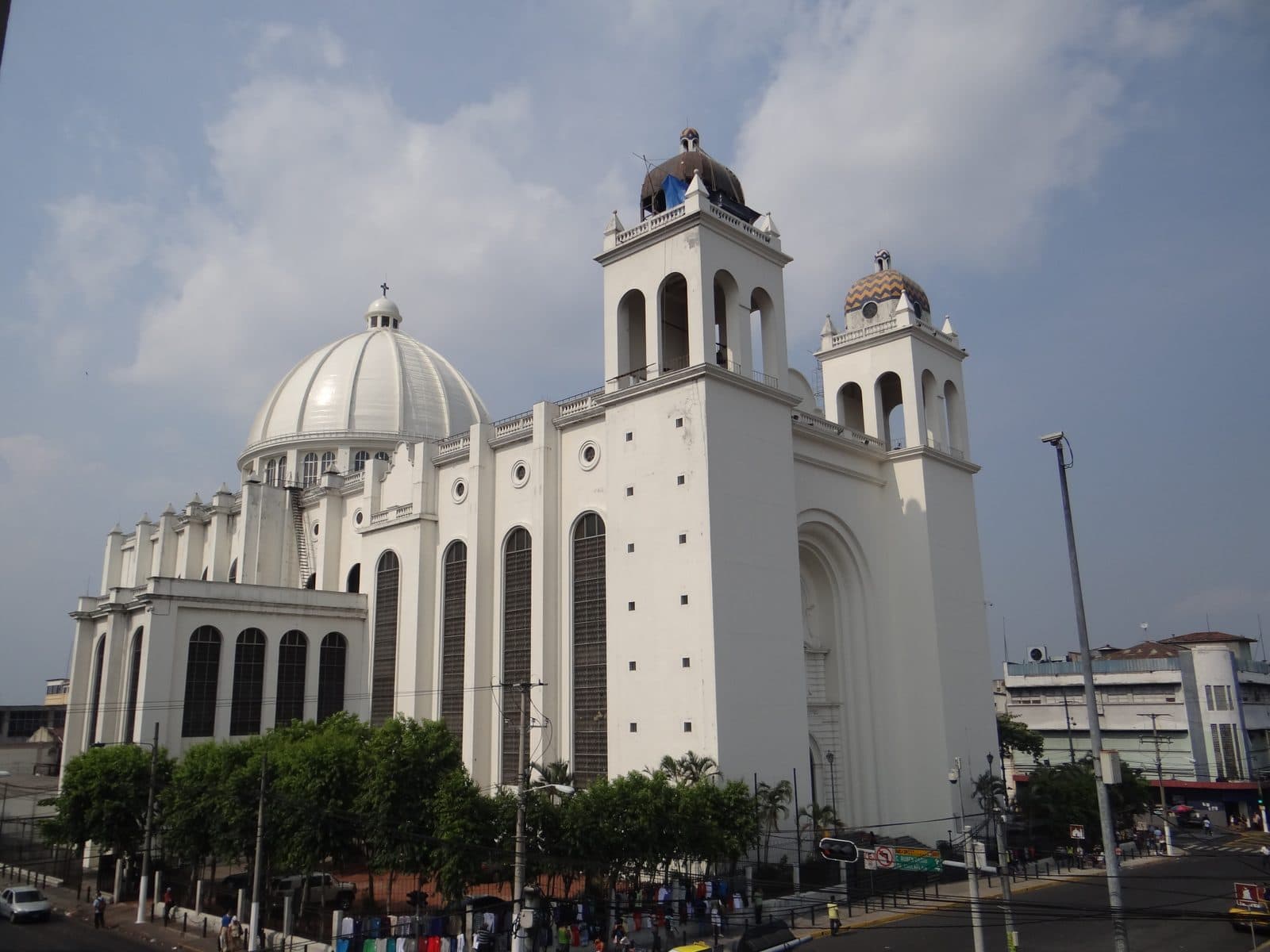
The Vatican beatified Romero in 2015 and canonized him as a saint in 2018. For many Salvadorans, the official recognition simply confirmed what they had believed for nearly four decades. His image appears on murals, T-shirts, and bus windshields across the country. His tomb in the Metropolitan Cathedral is the most visited site in San Salvador.
But Romero's legacy is not a museum piece. His example continues to animate human rights work in El Salvador and across Latin America. His question, what does faith demand in the face of injustice, remains as urgent as ever.
Walking in Romero's Footsteps
San Salvador preserves the key sites of Romero's story. The Metropolitan Cathedral holds his tomb in a crypt below the main altar. The Hospital de la Divina Providencia, where he was killed, maintains the chapel largely as it was in 1980. The UCA (Universidad Centroamericana) campus, where six Jesuits who continued Romero's work were murdered in 1989, includes a memorial rose garden and museum.
These places are not tourist attractions in the conventional sense. They are sites of pilgrimage, grief, and ongoing reckoning. Visiting them with context, understanding who Romero was, what he said, and why it mattered, transforms a walk through San Salvador into something that stays with you long after you leave.
Ready to experience it?
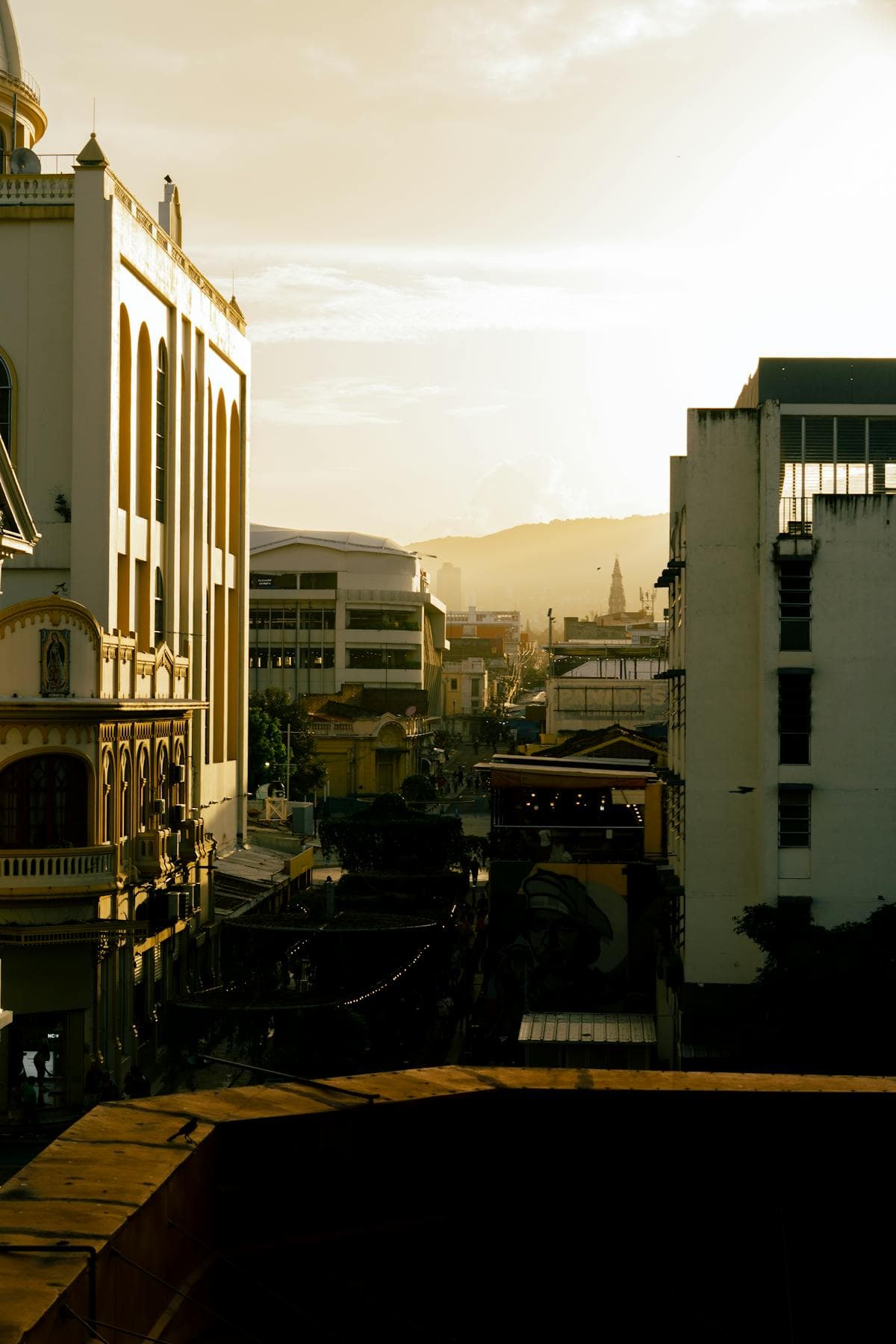
San Salvador: Romero, March 24, 1980
120 min · 4.5 km · moderate
More from San Salvador
Explore more at your own pace.
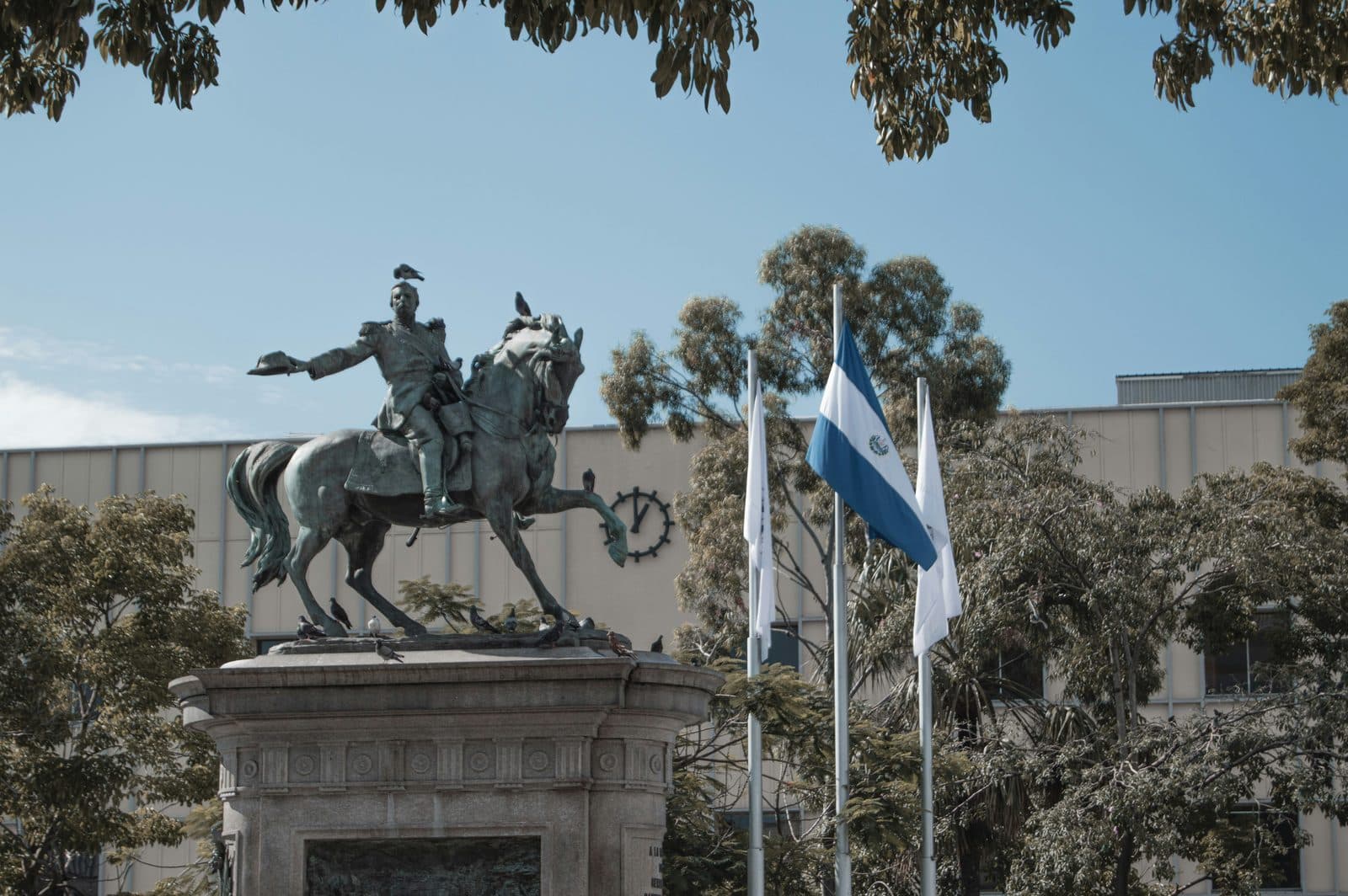
Best Self-Guided Walking Tours in San Salvador (2026)
How to See San Salvador: A Capital That Aspired to Be a Capital
One Day in San Salvador: A Walkable Historic-Center Itinerary (2026)
San Salvador Travel Guide: How Many Days, Getting Around, Is It Safe (2026)
Best History Walking Tours in San Salvador (2026)