Between 1980 and 1992, El Salvador endured one of the most brutal civil wars in Latin American history. More than 75,000 people died, over a million were displaced, and the scars, both physical and psychological, remain visible across the country. Understanding this conflict is not just an academic exercise. It is essential context for anyone walking the streets of San Salvador, where bullet holes, murals, and memorials tell a story that textbooks often oversimplify.
The Roots: Inequality and Repression
El Salvador's civil war did not erupt overnight. Its origins stretch back to the late 19th century, when a small landed elite, sometimes called the "Fourteen Families," consolidated control over the country's coffee economy. Indigenous and peasant communities were systematically dispossessed of communal lands to make way for coffee plantations.
The breaking point came in 1932 with La Matanza ("The Massacre"). Following a peasant uprising led partly by Farabundo Martí, the military government killed an estimated 10,000 to 40,000 indigenous people and campesinos in a matter of weeks. The event crushed organized resistance for nearly fifty years but embedded a deep grievance that never fully healed.
For the next five decades, El Salvador was governed by a series of military-backed regimes. Elections were held, but meaningful opposition was suppressed. Land reform was promised and never delivered. By the late 1970s, a constellation of leftist guerrilla groups was forming in the mountains, and the country's social fabric was tearing apart.
The Catalyst: Archbishop Romero
Hear a stop from this walk
Centro Monseñor Romero (UCA)
No single figure embodies this period more powerfully than Óscar Arnulfo Romero, the Archbishop of San Salvador. Initially considered a conservative, safe appointment by the Catholic hierarchy, Romero underwent a profound transformation after the 1977 murder of his friend, the Jesuit priest Rutilio Grande, in a killing linked to government security forces.
Romero began using his Sunday homilies, broadcast live on radio, to document human rights abuses. He named victims. He named perpetrators. He called on soldiers to disobey orders to kill civilians. On March 24, 1980, he was assassinated while celebrating Mass in the chapel of a cancer hospital. His murder is widely considered the event that tipped El Salvador into full-scale civil war.
The War: 1980-1992
The conflict pitted the Salvadoran military and associated death squads, armed and funded significantly by the United States, which saw the war through a Cold War lens, against the Farabundo Martí National Liberation Front (FMLN), a coalition of five guerrilla organizations.
Key Events
1980: Archbishop Romero assassinated. Four American churchwomen raped and murdered by National Guard members. The FMLN formally unifies.
1981: The FMLN launches its first major offensive. The El Mozote massacre, in which the Atlacatl Battalion killed approximately 1,000 civilians in and around a rural village, becomes one of the worst atrocities in modern Latin American history.
1989: The FMLN launches a surprise offensive into San Salvador itself, bringing the war into wealthy neighborhoods for the first time. Six Jesuit priests, their housekeeper, and her daughter are murdered at the Universidad Centroamericana (UCA) by military forces.
1990-1991: United Nations-brokered negotiations intensify as both sides recognize a military victory is impossible.
The Peace Accords
On January 16, 1992, the government and the FMLN signed the Chapultepec Peace Accords in Mexico City. The agreement did not simply end the fighting. It restructured the country. Key provisions included:
- Military reform: The armed forces were reduced and placed under civilian control. The notorious Treasury Police and National Guard were dissolved.
- FMLN transition: The guerrilla movement disarmed and became a legal political party, eventually winning the presidency in 2009 and 2014.
- Truth Commission: A UN-sponsored commission documented major human rights violations from both sides, though a subsequent amnesty law (later struck down in 2016) prevented prosecutions for decades.
- New institutions: A civilian national police force (PNC) replaced the old military-controlled security apparatus. A human rights ombudsman office was created.
The Unfinished Work
The peace accords ended the shooting, but reconciliation remains incomplete. Many massacre sites went unmarked for years. Families still search for the remains of disappeared relatives. The amnesty law's repeal in 2016 opened the door to prosecutions, but cases move slowly through an overburdened judicial system.
Yet the progress is real. El Salvador held its first genuinely competitive elections in the 1990s. Former guerrilla commanders and former military officers have served in the same legislature. Monuments and museums now preserve the memory of the conflict, and a younger generation is engaging with this history on its own terms.
Walking the History
San Salvador's streets are layered with this story. The Metropolitan Cathedral holds Romero's tomb, visited daily by Salvadorans who consider him a saint, a status the Vatican made official in 2018. The Monumento a la Memoria y la Verdad in Parque Cuscatlán lists the names of some 30,000 civilian victims. The UCA campus preserves the rose garden where the Jesuits were killed.
These are not remote historical sites. They are part of the living city, woven into the daily routines of people who remember, or whose parents remember, what happened. Walking among them with context transforms a city stroll into something far more meaningful.
Frequently asked questions
- How long did El Salvador's civil war last and how many died?
- El Salvador's civil war ran from 1980 to 1992, one of the most brutal in Latin American history. More than 75,000 people died and over a million were displaced.
- Why was Archbishop Romero important to the conflict?
- Archbishop Oscar Romero was assassinated on March 24, 1980, while celebrating Mass, an event widely considered to have tipped El Salvador into full-scale civil war.
- How did El Salvador's civil war end?
- On January 16, 1992, the government and the FMLN signed the Chapultepec Peace Accords in Mexico City. The agreement did more than end the fighting; it restructured the country.
Ready to experience it?
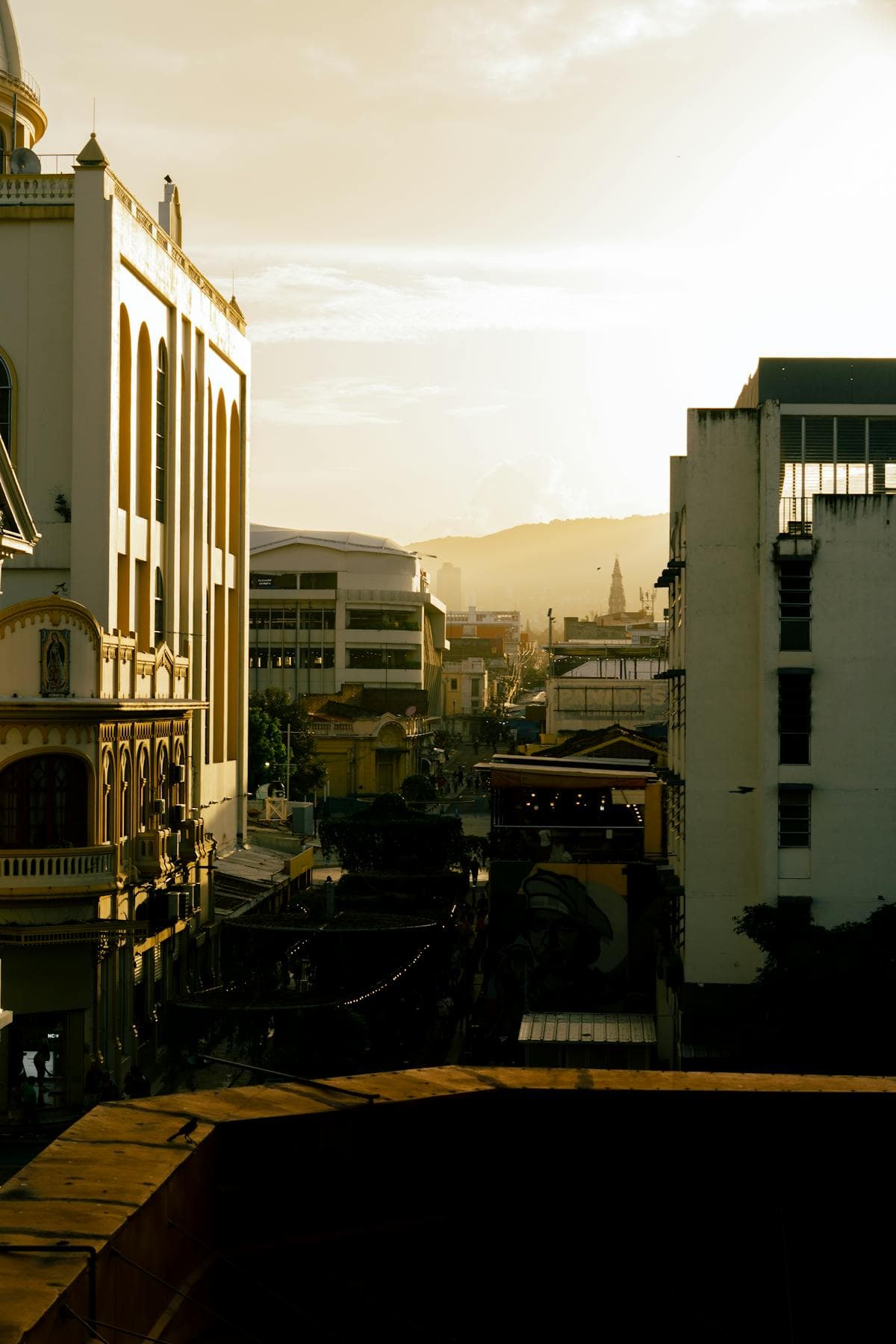
San Salvador: Romero, March 24, 1980
120 min · 4.5 km · moderate
More from San Salvador
Explore more at your own pace.
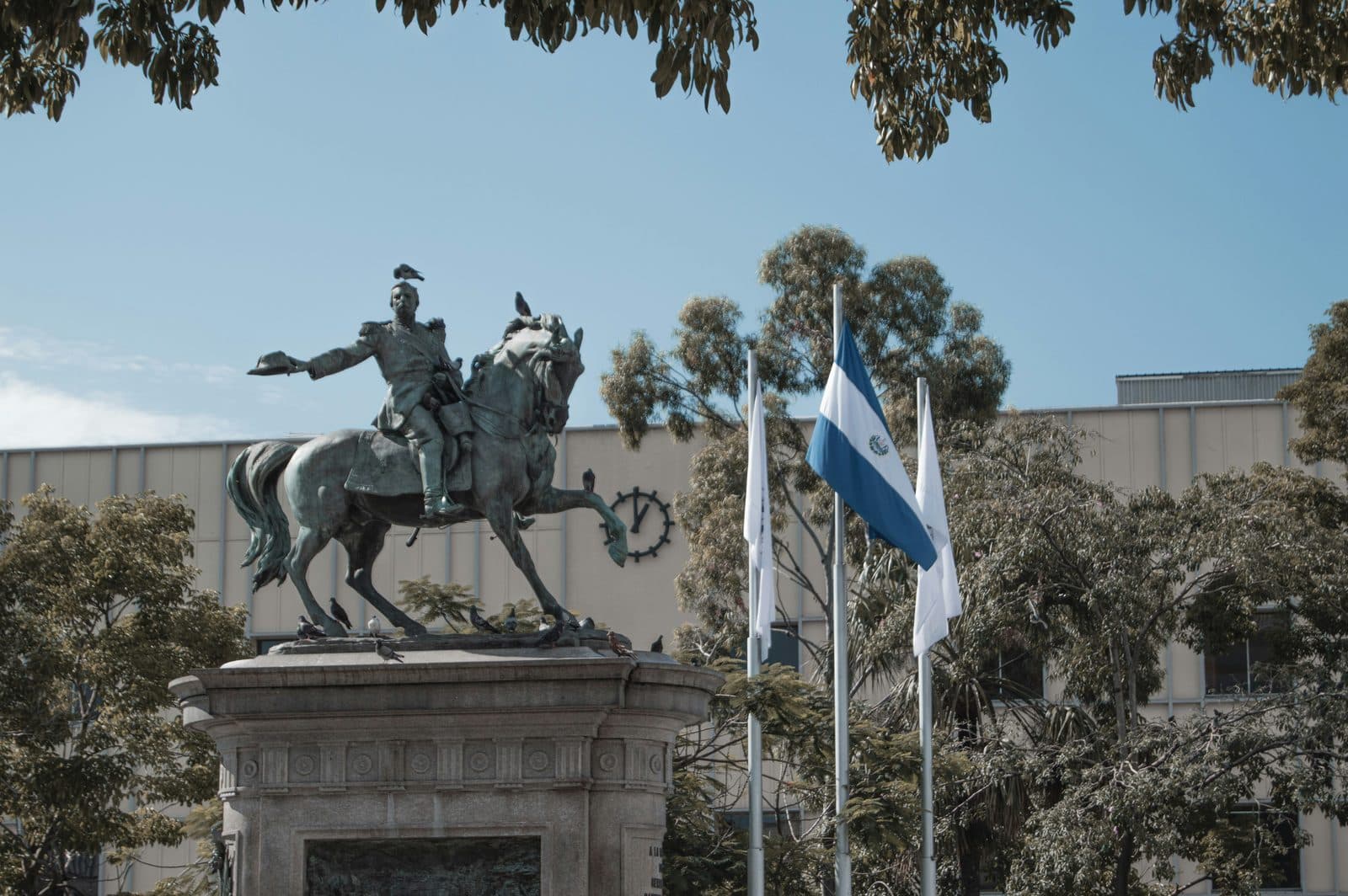
Best Self-Guided Walking Tours in San Salvador (2026)
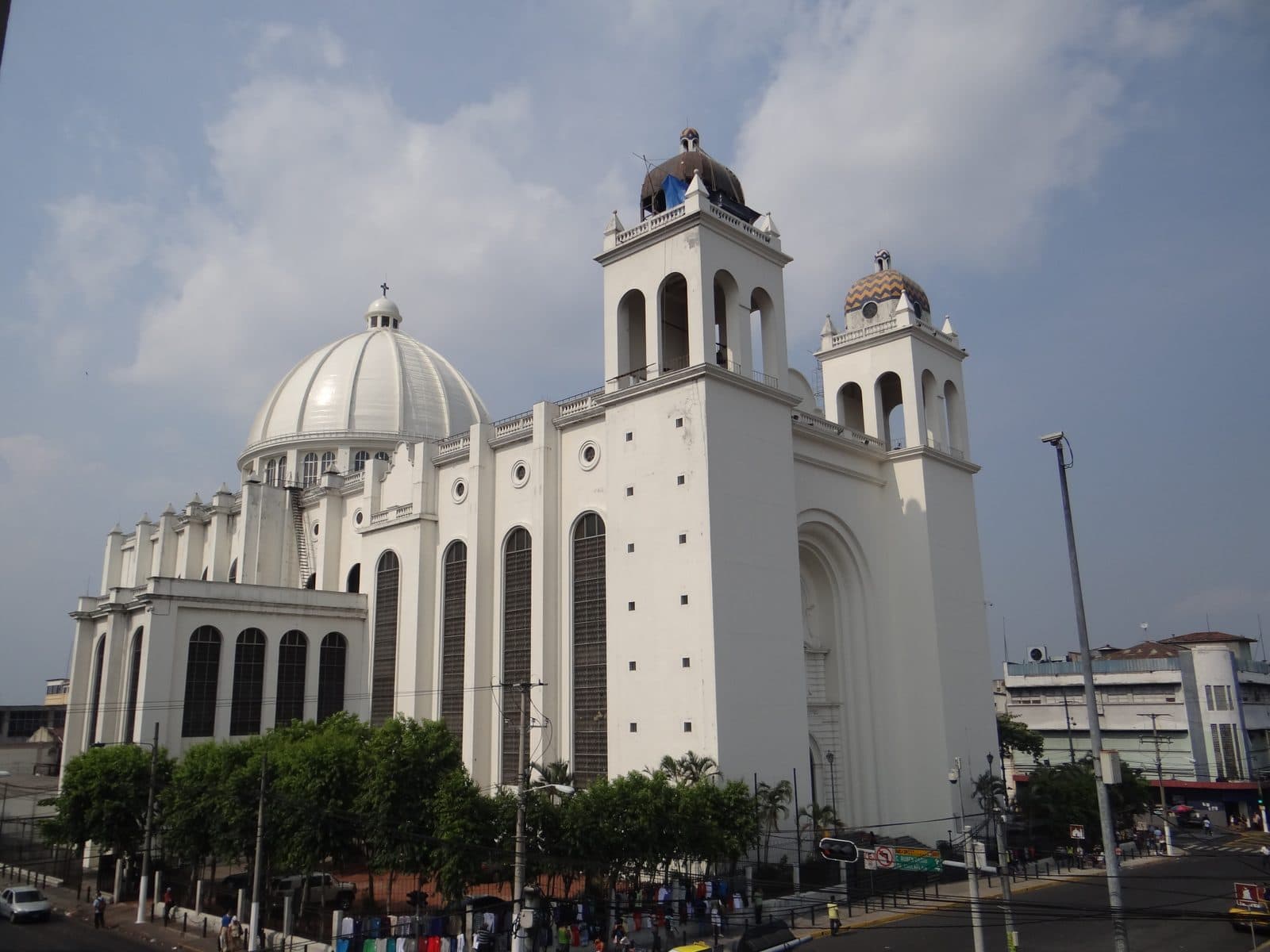
How to See San Salvador: A Capital That Aspired to Be a Capital
One Day in San Salvador: A Walkable Historic-Center Itinerary (2026)
San Salvador Travel Guide: How Many Days, Getting Around, Is It Safe (2026)
Best History Walking Tours in San Salvador (2026)