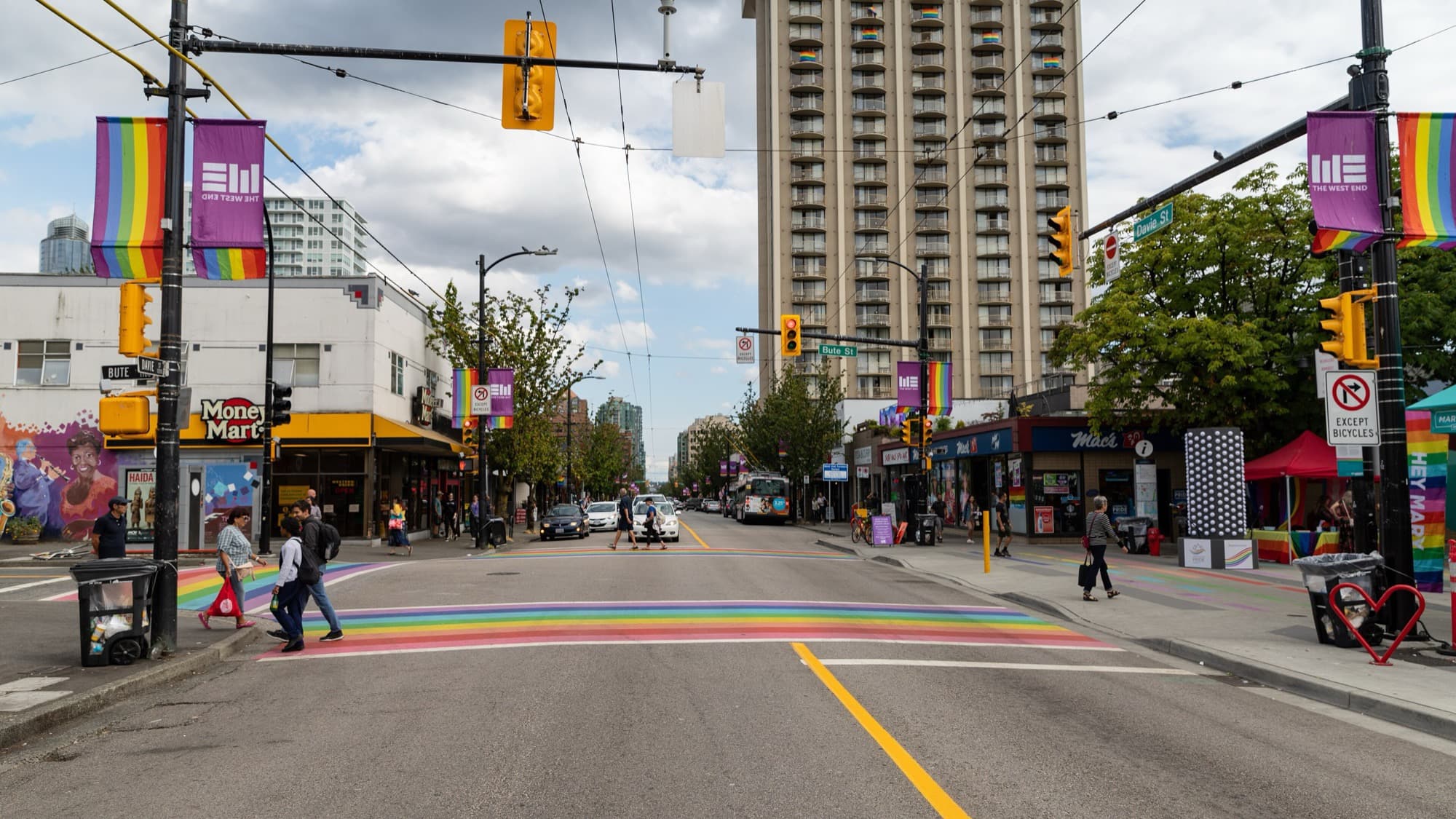
Vancouver's smallest peninsula is the most quoted residential density case study in North America. Two hundred and twenty high-rises in fifteen years, and a civil-rights district built in the same blocks at the same time.
Start · Davie and Burrard: The Threshold
DirectionsStops
- 1
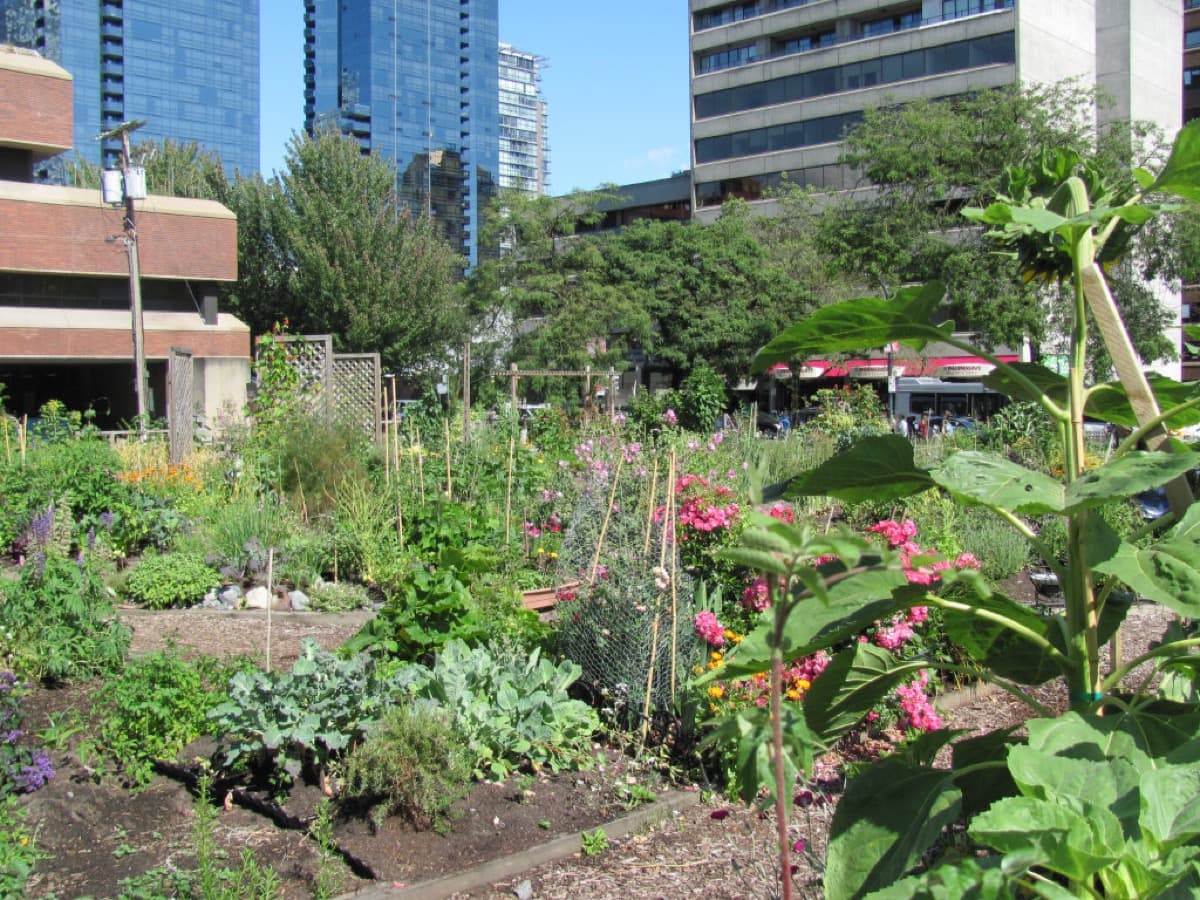
Davie and Burrard: The Threshold
The corner where both stories begin. Look west down Davie at the 1960s and 1970s RM-3 towers and one block north to St Paul's Hospital.
- 2
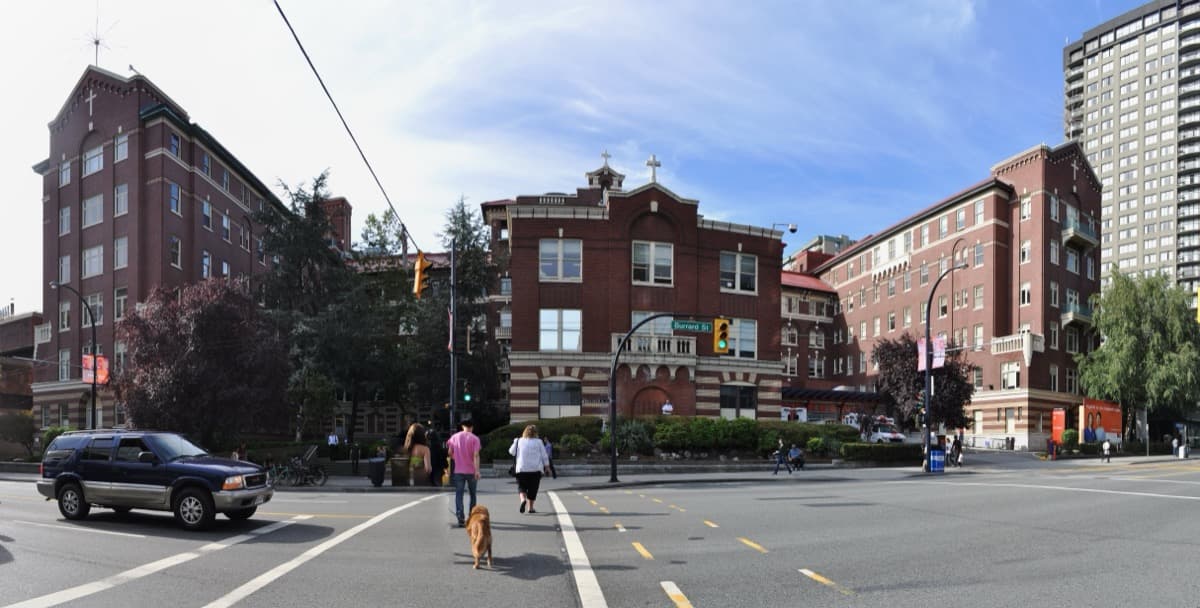
St Paul's Hospital: The Medical Record
Sisters of Providence 1894 founding, the 1912 Burrard Building heritage façade, and the BC Centre for Excellence in HIV/AIDS where Dr Julio Montaner presented HAART to the world in 1996.
- 3
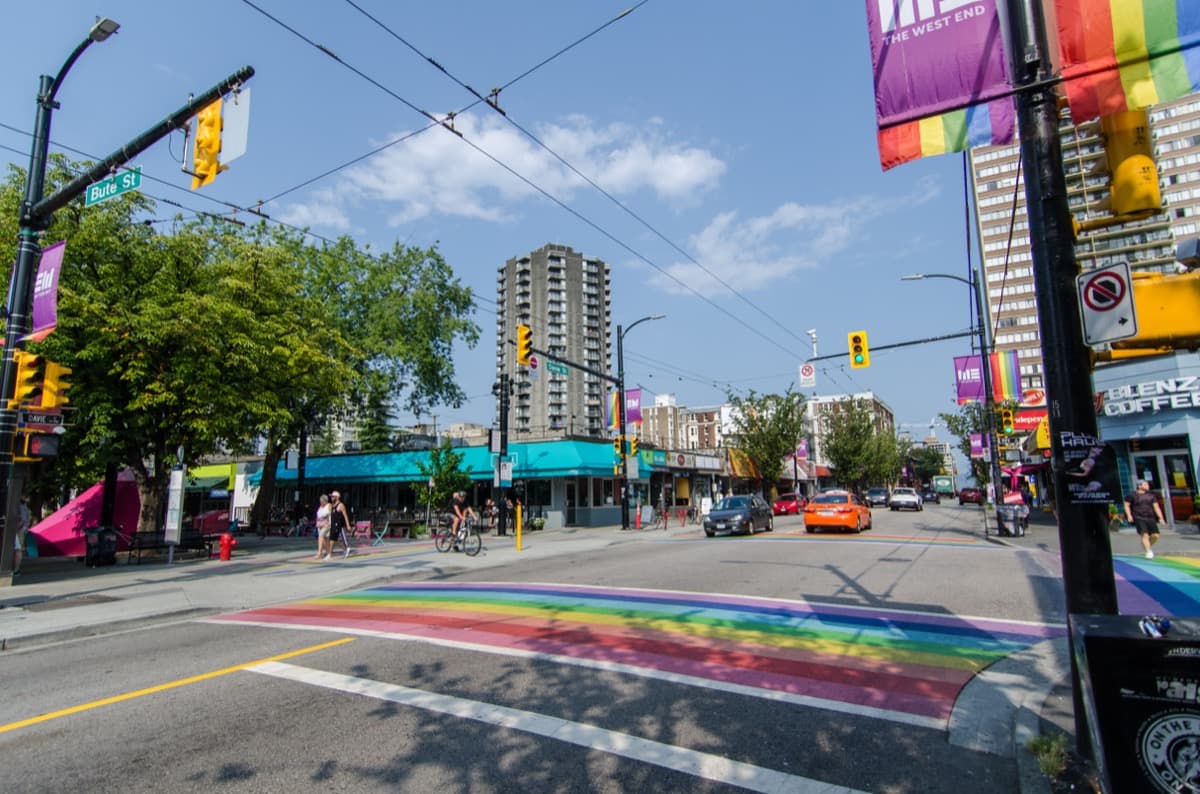
Davie and Bute: The Rainbow Crosswalks
Canada's first permanent rainbow crosswalks, installed 29 July 2013, and Little Sister's Book and Art Emporium at 1238 Davie, plaintiff in Little Sisters v Canada.
- 4
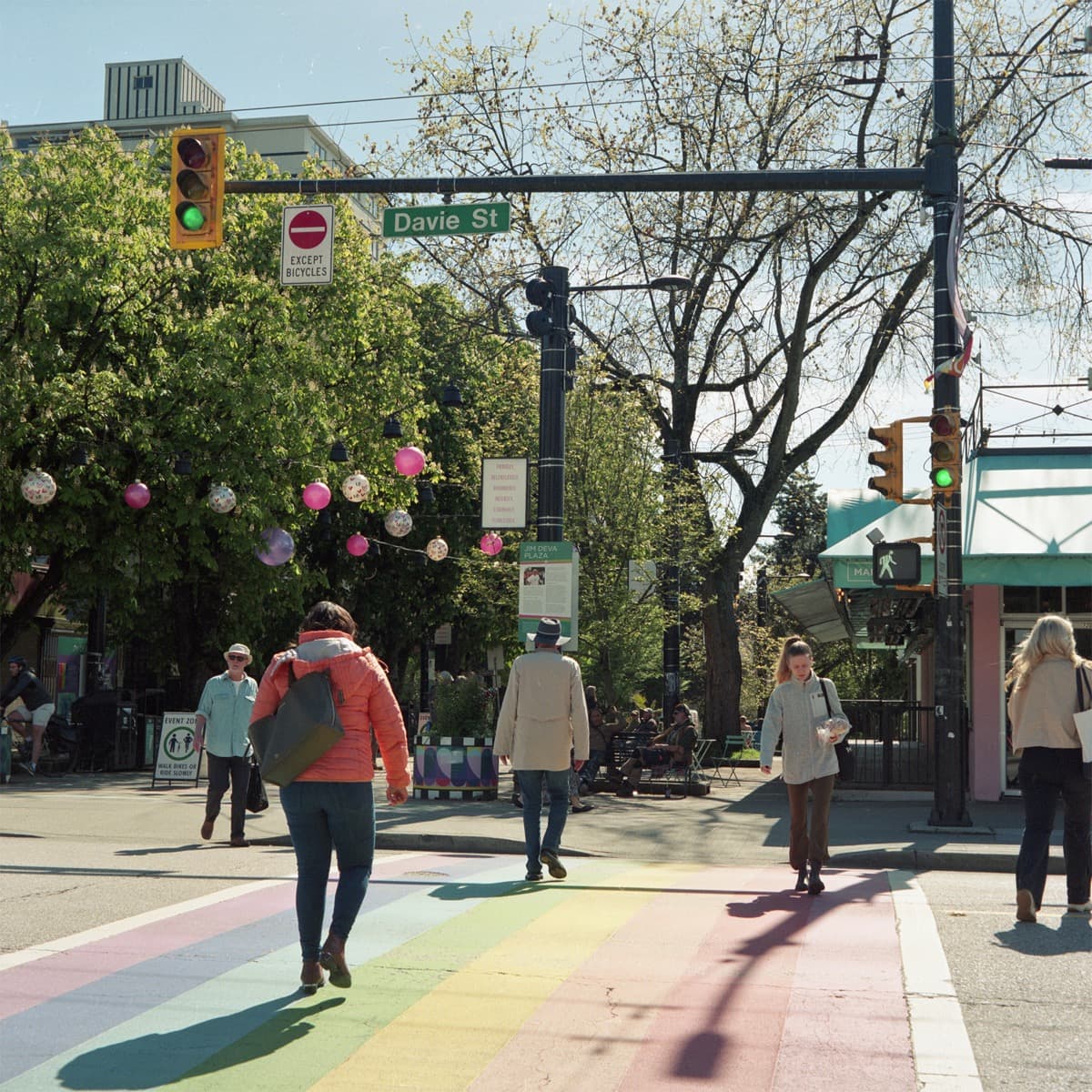
Jim Deva Plaza: The Civic Monument
Vancouver's first pavement-to-plaza conversion, opened 28 July 2016, named for Jim Deva, co-founder of Little Sister's and lead plaintiff in Little Sisters v Canada.
- 5
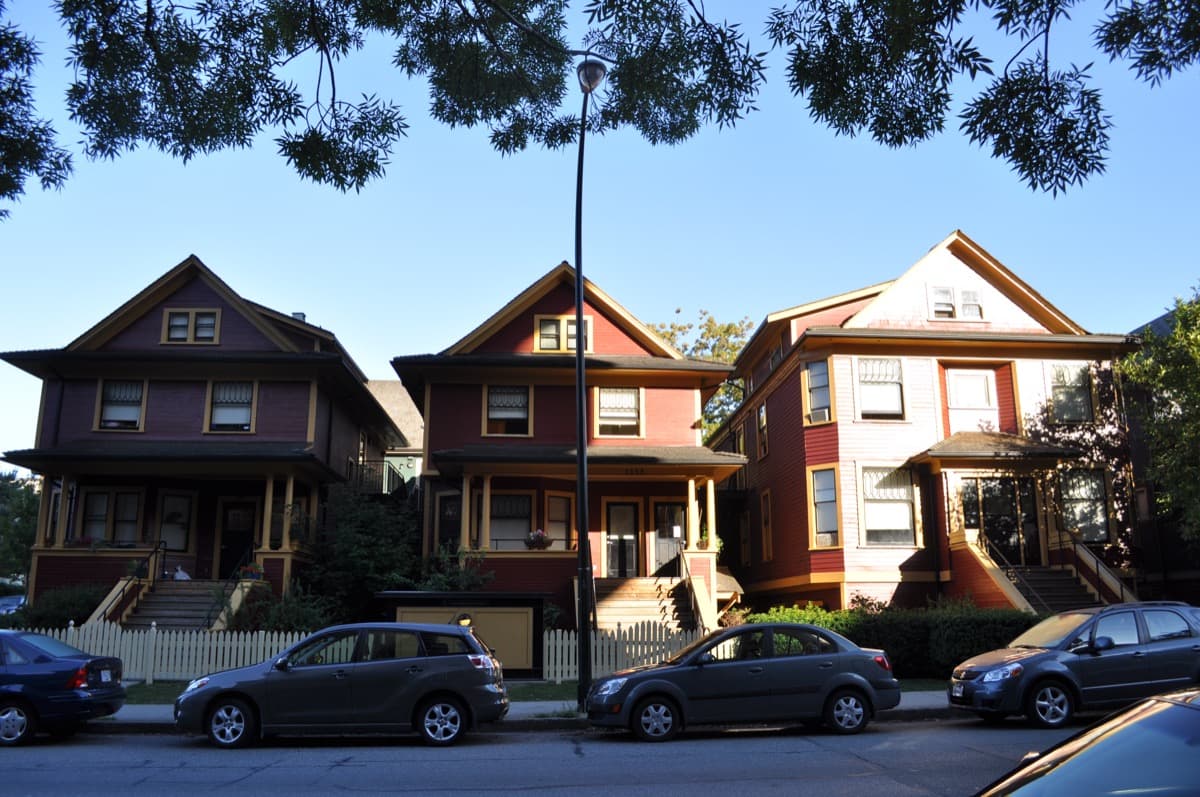
Mole Hill: The Block the High-Rises Did Not Get
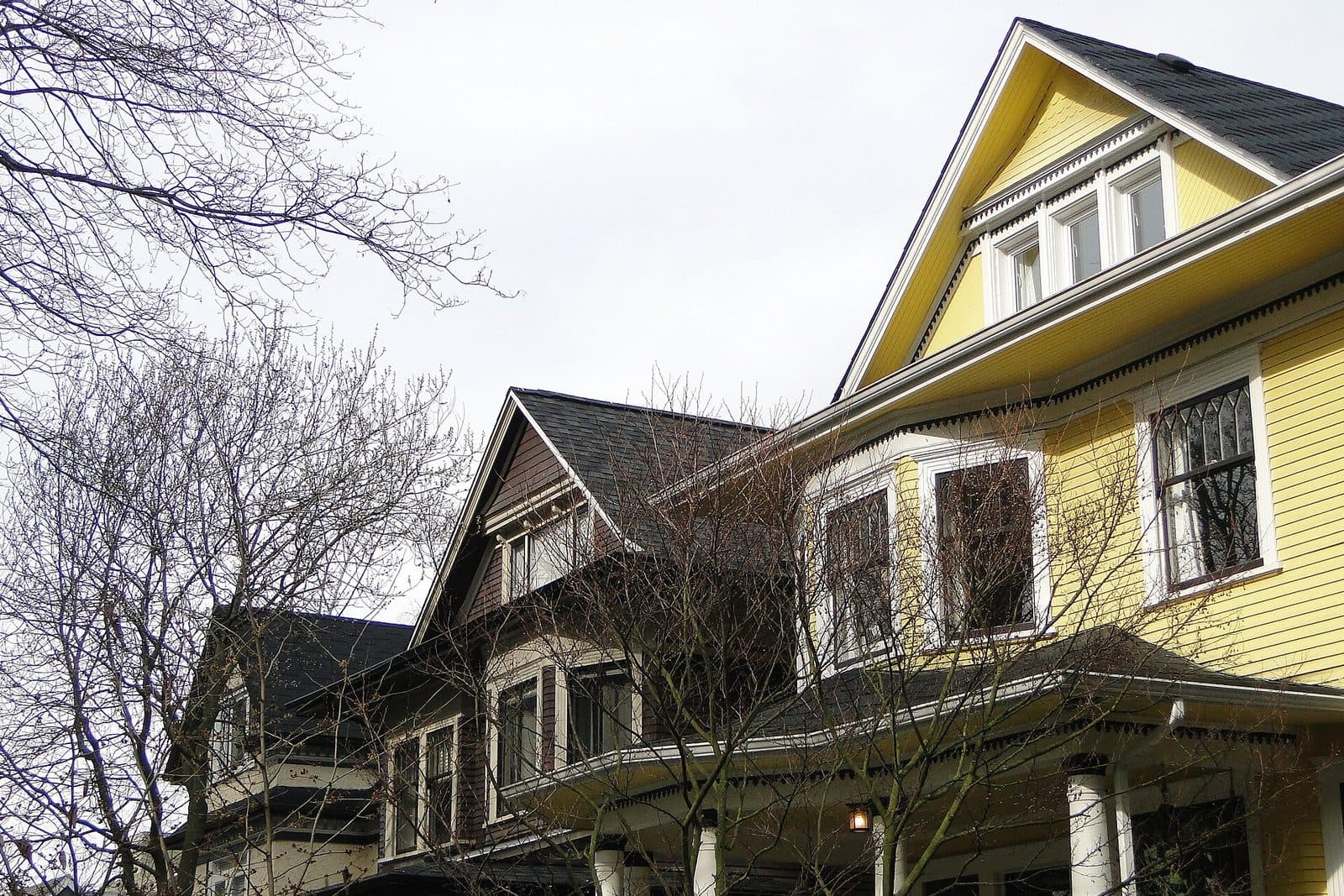
Twenty-eight Victorian and Edwardian houses built 1888 to 1908, the only surviving pre-WWI residential block in the West End, converted to non-market affordable housing 1999 to 2003.
- 6
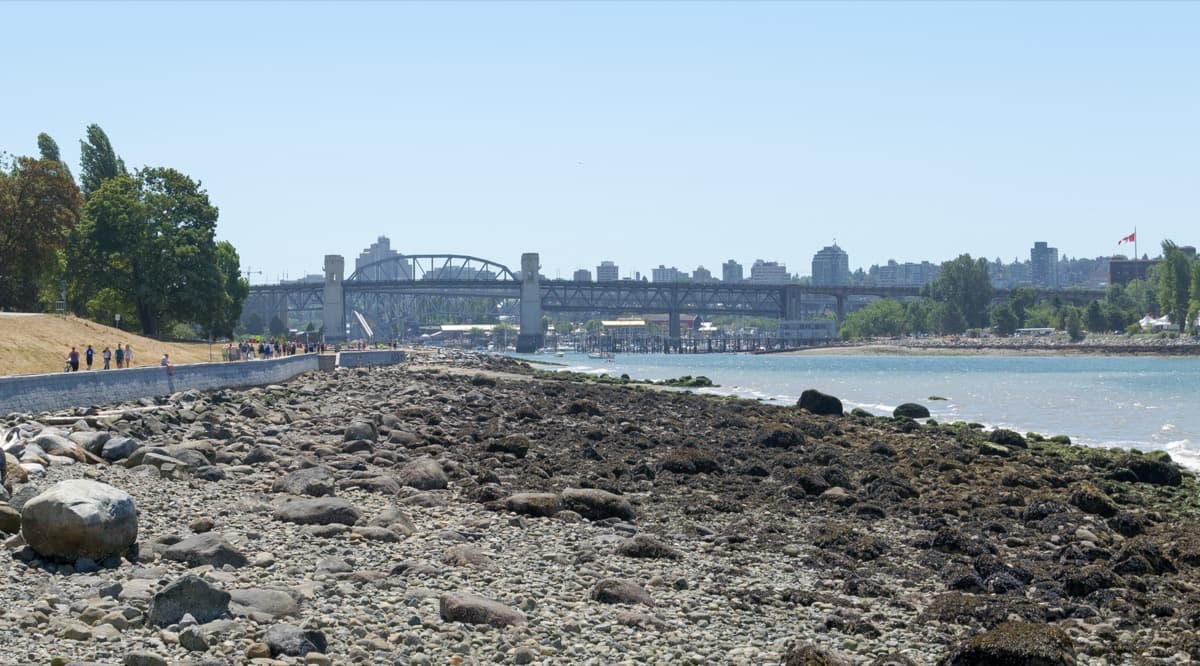
Robson at Bidwell: The Spine of Vancouverism
The West End's commercial spine and the precursor to every 1990s and 2000s podium retail strip in False Creek and Coal Harbour. Larry Beasley codified what worked here.
- 7
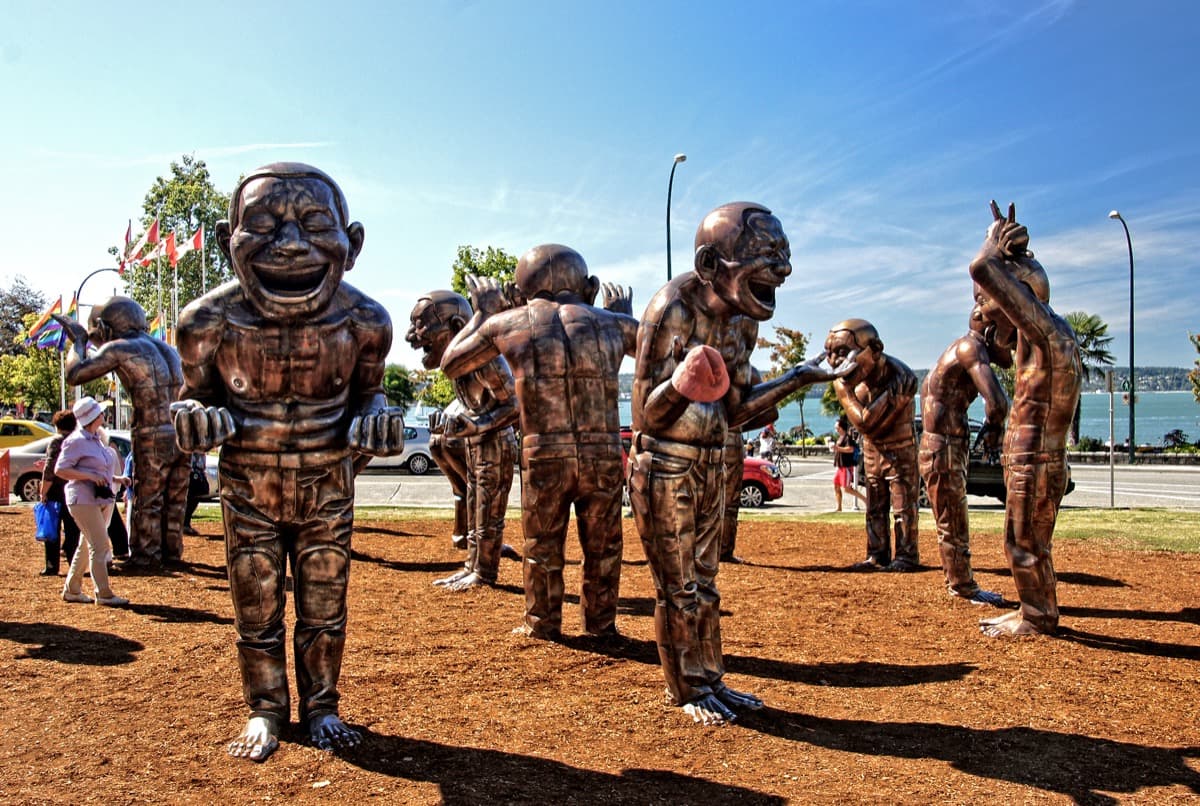
English Bay at Denman and Davie: The Public Bookend
The public-amenity edge that made the West End's density tolerable. The Sylvia Hotel (1912) north along Beach Avenue, the bandstand, and the beach.
- 8
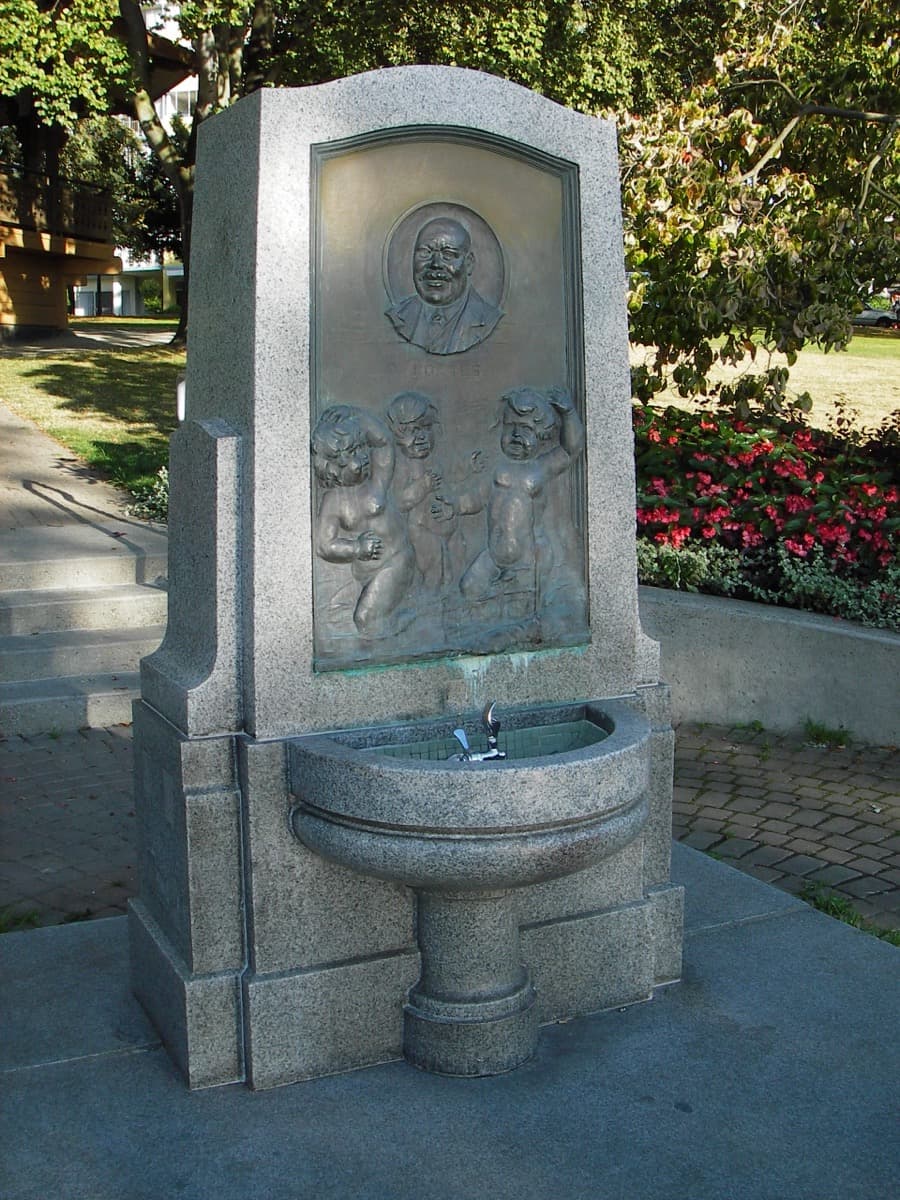
Joe Fortes Memorial Fountain: The Closer
Charles Marega's drinking fountain in Alexandra Park, dedicated 24 June 1927 to Joseph Seraphim Fortes (1863 to 1922), Vancouver's first official lifeguard.
Details
Best Time to Visit
Weekday late morning. Tuesday through Thursday, ten to noon. The Davie corridor is busy from late afternoon onward, particularly Fridays and weekends in summer. The plaza and the fountain are quietest in the morning. Heritage façades at Saint Paul's and Mole Hill are readable in all weather. The English Bay stop benefits from clear weather for the sightlines north to the Sylvia Hotel and west across the water.
Pro Tips
- •Start at the Burrard SkyTrain station and walk two blocks south to the Davie and Burrard corner. The closing stop is one block from the Davie and Denman bus terminus
- •Little Sister's Book and Art Emporium at 1238 Davie is an active retail bookstore. You can step inside if you want; the narration does not require it
- •Jim Deva Plaza hosts community events most summer weekends. The plaza is busiest from late morning onward. Early morning is the quietest time to read the megaphone sculpture
- •Mole Hill is non-market affordable housing with active tenants. Photograph the block from the public sidewalk on Pendrell. Do not approach windows or front porches
- •The Sylvia Hotel at 1154 Gilford has a public ground-floor café and bar. If you want to extend the tour after the fountain, walk back along Beach Avenue and step inside
- •Larry Beasley's book Vancouverism (UBC Press, 2019) is the most accessible primary source on the planning regime named at Stop 6. John Punter's The Vancouver Achievement (UBC Press, 2003) is the academic reference
Safety & Precautions
- •Burrard Street north of Davie is a major arterial. Stand back from the curb at the Saint Paul's stop; the emergency-room entrance is active twenty-four hours and ambulances enter from Burrard
- •The Davie and Bute intersection is a signalised crossing with heavy pedestrian and vehicle traffic on summer evenings. Cross with the light
- •Jim Deva Plaza is a public space with twenty-four-hour access. The plaza occasionally hosts protest events; if a gathering is in progress, observe from the perimeter
- •Beach Avenue between Denman and Alexandra Park has a separated bicycle lane on the seawall. Stand on the pedestrian side of the divider, not the bike lane
- •Alexandra Park is open at all hours but the fountain inscription is most legible in daylight
Travel advisory: Exercise Normal Precautions (Level 1).
Gallery
Related Reading
Go deeper on what you'll see, hear, and walk through.
Read the walk
The full story of The West End and Davie: How a City Got Dense by Accident, in words. Prefer to listen? Play it narrated, from home or on location.
Introduction
The West End is the most quoted residential density case study in North America. The neighbourhood you are about to walk through was built in fifteen years, between nineteen fifty-six and nineteen seventy-two, on a peninsula too small to do anything else with. The same fifteen years also produced Davie Village.
The argument has two halves and they are simultaneous. The first half is policy. Vancouver passed a generic medium-density zoning bylaw in nineteen fifty-six, raised the height cap to one hundred feet in nineteen sixty-one, watched roughly two hundred and twenty high-rise apartments go up across the next decade, killed a downtown freeway in nineteen seventy-two, and then permanently downzoned the West End in nineteen seventy-four. The city has refused to allow this neighbourhood to be built anywhere else in Vancouver since.
The second half is community. In the same fifteen years, a marginalised population arrived in the cheap suites the rezoning produced and built Davie Street into the civic spine of Vancouver's gay community. The bookstore at the centre of that spine sued the federal government over customs censorship and won at the Supreme Court of Canada in two thousand. The names that carry the argument include John Punter, Larry Beasley, Lance Berelowitz, Julio Montaner, Jim Deva, Mary and Shirley Chan, Bessie Lee, and Joseph Seraphim Fortes.
The walk is eight stops, about three point six kilometres and seventy minutes of audio plus walking time. It starts at the corner of Davie and Burrard, where both stories begin, and closes at a nineteen twenty-seven drinking fountain in Alexandra Park on English Bay. When you arrive at Davie and Burrard, begin with stop one.
1. Davie and Burrard: The Threshold
Welcome to the corner of Davie and Burrard, your first stop. Stand on the northwest corner and face west down Davie. Almost every tower you can see from this sidewalk was built in a fifteen-year window between roughly nineteen sixty-two and nineteen seventy-five. The signature is consistent: slender footprint, balconies cantilevered out from the structural core, fifteen to twenty storeys, ground-floor retail or a recessed lobby on Davie. Count six or seven of them looking west. They were all built under the same zoning envelope.
The envelope has three numbers. Nineteen fifty-six, Bylaw thirty-five seventy-five, created RM-3 medium density zoning with a forty-foot height cap. Nineteen sixty-one, Bylaw thirty-nine sixty-two, raised the height cap to one hundred feet and rewrote the floor space formula to reward slender towers on larger lots. Nineteen seventy-four, Bylaw forty-seven fifty-seven, replaced RM-3 with RM-3A and capped new construction at thirty-five feet. Sixteen years of policy. Two hundred and twenty buildings. Then a permanent stop.
Now turn your head ninety degrees to the right. Look one block north up Burrard. The building with the curved emergency-room canopy is St Paul's Hospital. The Sisters of Providence opened it in eighteen ninety-four at this corner. By the mid nineteen eighties it was the city's primary HIV and AIDS care facility, in significant part because so many of its patients lived inside the towers you just counted.
Hold the geometry. The two stories of this tour begin at the same intersection. The policy story runs west down Davie. The community story runs one block north to the hospital and west into the village. Both stories were written between nineteen fifty-six and the early nineteen nineties, in the same square kilometre.
Walk one block north on Burrard. The next stop is at the hospital.
2. St Paul's Hospital: The Medical Record
You have arrived at Saint Paul's Hospital. Stand on the west sidewalk of Burrard, opposite the main entrance. Look at the older brick wing on the south side of the complex. That is the nineteen twelve Burrard Building. The Sisters of Providence opened the first wood-frame hospital on this site in November of eighteen ninety-four, designed by a builder-architect named Mother Joseph of the Sacred Heart. The nineteen twelve building is the oldest part still standing and it is on the Heritage Vancouver Society's watch list.
This is the hospital with two stories at once. It is a Catholic teaching hospital, founded by nuns, still operating today. It is also the operational base of the BC Centre for Excellence in HIV slash AIDS, founded here in nineteen ninety-two.
The Chronicler holds the names. Doctor Julio Montaner joined the Saint Paul's faculty in nineteen eighty-six, became Director of the AIDS Research Program, and in July of nineteen ninety-six presented the results of a triple-drug combination therapy at the eleventh International AIDS Conference, held in Vancouver. The therapy is called highly active antiretroviral therapy. The treatment turned HIV from a death sentence into a chronic illness. The BC Centre for Excellence, based at this hospital, made British Columbia the first jurisdiction in the world to offer the therapy universally. Provincial HIV-related deaths fell by more than ninety-five percent between nineteen ninety-six and the mid twenty tens.
Look back south down Burrard. The towers you counted at the last stop are full of patients this hospital treated. The community that built Davie Village in the nineteen eighties lost a generation in the same blocks. The same blocks then produced the clinical research that made the second generation survivable.
Walk south on Burrard, turn right onto Davie, and continue west about three blocks to the intersection of Davie and Bute.
3. Davie and Bute: The Rainbow Crosswalks
You have arrived at Davie and Bute. Stand on the southeast corner facing the intersection. Look at the pavement. The four crosswalks across this junction are painted in rainbow stripes. They are the first permanent rainbow crosswalks installed in Canada. The unveiling was on the twenty-ninth of July, twenty thirteen, led by Councillor Tim Stevenson at a cost of about twenty-five thousand dollars. A temporary trial had been painted a year earlier at Denman and Davie for Pride. The Davie and Bute installation made the trial permanent.
Now look diagonally across the intersection to the south side of Davie. The bookstore at twelve thirty-eight Davie is Little Sister's Book and Art Emporium. Jim Deva and Bruce Smyth opened Little Sister's in nineteen eighty-three at twelve twenty-one Thurlow, one block east of where you are standing. The shop moved to this address in nineteen ninety-six.
The Chronicler holds the legal record. Canada Customs began systematically detaining gay and lesbian books imported by Little Sister's at the Vancouver border crossing in the late nineteen eighties. The bookstore filed suit in nineteen ninety. The case was argued through the British Columbia courts, then the Supreme Court of Canada heard it in March of two thousand. The decision came down on the fifteenth of December, two thousand. Citation: Little Sisters Book and Art Emporium versus Canada, Minister of Justice, two thousand SCC sixty-nine. Six to three. The court ruled that Customs had applied the obscenity provisions of the Customs Act in a discriminatory manner against gay and lesbian publications. Section one fifty-two subsection three of the Customs Act was struck down.
This intersection is the public record of a fifteen-year border-censorship case. The crosswalks under your feet are the city's acknowledgement of what the lawsuit defended.
The next stop is half a block north on Bute, in the pedestrian plaza between Davie and Burnaby.
4. Jim Deva Plaza: The Civic Monument
You are standing in Jim Deva Plaza. The half-block of Bute Street between Davie and Burnaby was closed to vehicle traffic and resurfaced as a public plaza. Opening date: the twenty-eighth of July, twenty sixteen. Construction cost was approximately two point three million…
Full narration for this stop unlocks with the tour.
5. Mole Hill: The Block the High-Rises Did Not Get
You have arrived at the northeast corner of Pendrell and Bute. Stand on the south side of Pendrell and look north across the block. You are looking at twenty-eight wooden houses on twenty-nine lots, all built between eighteen eighty-eight and nineteen oh eight. They are the only…
Full narration for this stop unlocks with the tour.
6. Robson at Bidwell: The Spine of Vancouverism
You have arrived at Robson and Bidwell. Stand on the southeast corner and look east into Robson Street. You are standing in the commercial spine of the West End. Robson runs about a kilometre and a half east from this corner to downtown. The street wall on both sides is a mix of…
Full narration for this stop unlocks with the tour.
7. English Bay at Denman and Davie: The Public Bookend
You have arrived at English Bay. Stand on the seawall plaza where Denman meets Davie and Beach Avenue. Face south to the water. This is the bookend. The West End's density would be brutal if the peninsula were landlocked. It is not. English Bay opens west and south. Stanley Park…
Full narration for this stop unlocks with the tour.
8. Joe Fortes Memorial Fountain: The Closer
You have arrived at the Joe Fortes Memorial Fountain in Alexandra Park. Stand on the park path beside the granite plinth. The bronze relief on the east face reads, in raised letters: LITTLE CHILDREN LOVED HIM. The fountain was dedicated on the twenty-fourth of June, nineteen…
Full narration for this stop unlocks with the tour.